30 Best Tiny Home Lenders Tips

So, you’re thinking about tiny home lenders? Cheaper to build, less to maintain, and a simpler lifestyle. But how do you actually pay for one? Unlike a regular house, getting a loan for a tiny home isn’t always a walk in the park. Banks can be picky. Luckily, there are a bunch of different tiny home lenders and financing options out there if you know where to look. I have rounded up some of the best tiny home lenders strategies and creative ways to fund your tiny dream.
Key Takeaways
- Traditional mortgages are often not an option for tiny homes due to size and foundation requirements.
- Personal loans and RV loans are common alternatives for financing tiny homes, especially those on wheels.
- Some tiny home builders partner with specific lenders, offering a streamlined financing process.
- Online lenders like SoFi and LightStream provide specialized tiny home financing options.
- Exploring credit unions, builder financing, and even cash can be viable ways to pay for a tiny home.
1. Personal Loans
When you’re looking to finance a tiny home, personal loans often pop up as a go-to option. And for good reason! They’re pretty flexible. You can usually borrow a decent amount, sometimes up to $50,000 or even $100,000, depending on the lender and your financial situation. This means you might be able to cover the bulk of your tiny house cost without needing a traditional mortgage. Remember, there are also tiny house grants you apply for as well.
One of the biggest draws of personal loans is their speed and simplicity. Often, you don’t need to put up any collateral, which can make the application process feel less risky. Plus, the funds can often be disbursed pretty quickly, getting you closer to your tiny home dream faster. The repayment terms typically range from one to five years, giving you a clear timeline to pay off the loan.
However, it’s not all sunshine and rainbows. Because they’re unsecured, personal loans can sometimes come with higher interest rates compared to secured loans like mortgages. Lenders look at your credit score, income, and existing debts to decide on the rate and terms. So, a good credit history really helps here.
Here’s a quick rundown of what to expect:
- Loan Amounts: Can range from a few thousand dollars up to $100,000.
- Repayment Terms: Usually between 12 to 60 months.
- Interest Rates: Can vary widely, often between 6% and 36%, with the average hovering around 11.57%.
- Collateral: Typically not required.
- Speed: Funds can often be accessed quickly.
While personal loans offer a straightforward way to finance a tiny home, especially if you don’t qualify for other types of loans, it’s wise to compare rates and terms carefully. Make sure the monthly payments fit comfortably into your budget before signing on the dotted line.
2. RV Loans
If your tiny home is built on wheels, you might be able to get an RV loan. This is a pretty common route for people who want a mobile tiny house. These loans are designed for recreational vehicles, but many lenders will extend them to tiny homes if they meet certain criteria. Think of it like financing a camper, but for a structure you plan to live in.
What makes a tiny home eligible for an RV loan? Usually, it needs to be certified by the RV Industry Association (RVIA). This certification means the home meets specific safety and quality standards for things like electrical, plumbing, and fire safety. It’s basically a stamp of approval that says your tiny home is built to a certain level of quality, similar to a manufactured RV. Without this certification, getting an RV loan can be tough.
Here’s a quick look at what you might expect:
- Loan Terms: Often longer than personal loans, sometimes stretching from 10 to 20 years. This can mean lower monthly payments.
- Interest Rates: Can be competitive, sometimes starting around 6.5%, but this really depends on your credit and the lender.
- Down Payment: Lenders might ask for a down payment, typically between 10% and 20% of the home’s price.
- Credit Score: You’ll likely need a decent credit score, often in the 660-700 range, to qualify.
It’s important to remember that RV loans have their own set of rules. Some lenders might require an inspection of the tiny home before approving the loan. You’ll want to shop around and compare offers, as requirements can vary quite a bit between different lenders. It’s not a one-size-fits-all situation, so do your homework to find the best fit for your mobile tiny home dreams.
3. Builder Financing
Sometimes, the easiest way to get a loan for your tiny house is to go through the company that’s building it. Many tiny home builders have teamed up with lenders, or even offer their own financing options. This can make the whole process feel like a one-stop shop, which is pretty convenient when you’re already dealing with design choices and construction timelines.
It’s like getting your house and your loan all from the same place.
However, it’s super important to do your homework here. Just because the builder offers financing doesn’t automatically mean it’s the best deal for you. You’ll want to look closely at the interest rates, the loan terms, and any fees involved. Sometimes, builder financing can end up being a bit more expensive or have less favorable conditions compared to other options out there. Always compare what the builder offers with loans from banks or credit unions before you sign anything. Don’t be afraid to ask a ton of questions!
Here’s what to consider:
- Interest Rates: Are they competitive with market rates?
- Loan Terms: How long do you have to repay the loan, and what are the monthly payments like?
- Fees: Are there origination fees, closing costs, or prepayment penalties?
- Reputation: What do other customers say about the builder’s financing program?
While builder financing can simplify things, it’s always wise to shop around. You might find a better rate or more flexible terms elsewhere. Don’t feel pressured to take the first option presented to you.
4. Credit Unions
Credit unions can be a fantastic place to look for financing for your tiny home, especially if you’re already a member. They often provide more personalized service compared to big banks, and sometimes have more flexible lending criteria. Think of them as community-focused financial institutions that might be more willing to work with unique situations, like financing a tiny house that might not fit the traditional mortgage mold.
They often offer competitive interest rates and terms. Because they’re not-for-profit organizations, any profits are typically returned to members in the form of better rates or lower fees. This can make a real difference when you’re looking at the total cost of your tiny home loan.
Here’s what makes credit unions a good option:
- Member Benefits: If you’re already a member, you might get preferential treatment or better rates.
- Community Focus: They often understand local needs and may be more open to non-traditional housing solutions.
- Personalized Service: You’re more likely to speak with a loan officer who knows your situation rather than going through an automated system.
- Potential for Flexibility: While they still have guidelines, they can sometimes be more adaptable than larger institutions.
It’s worth checking out credit unions in your area, even if you’re not currently a member. Many have relatively easy membership requirements, often tied to living or working in a specific geographic area or belonging to a certain group. You might find that a local credit union is the perfect partner for making your tiny home dream a reality. They can be a great alternative to traditional banks when exploring options for financing a tiny home like those offered by some banks.
When considering a credit union, be sure to ask about their specific loan products for alternative housing or if they can structure a personal loan or RV loan that fits your tiny home purchase. Don’t hesitate to explain your situation clearly; they might surprise you with their willingness to help.
5. FHA Title I Loans
So, you’re thinking about a tiny home, but traditional mortgages feel out of reach? Let’s talk about FHA Title I loans. These are specifically designed for homeowners looking to make improvements or buy a home when other options aren’t available. The big advantage here is that they don’t have strict minimum credit score or income requirements set by HUD, which can be a lifesaver for many.
Think of it this way: if you already own a property and want to add a tiny home as an accessory dwelling unit (ADU) in your backyard, a Title I loan could be a good fit. It’s meant for property improvement, so it fits that scenario well. You could potentially borrow up to $25,000 for such projects. These loans often come with pretty reasonable interest rates and can have terms stretching up to 20 years, giving you a good amount of time to pay it back.
Here’s a quick rundown of what makes them stand out:
- Purpose: Primarily for home improvement or purchasing a home when other financing is difficult.
- Eligibility: Doesn’t require existing home equity and has more flexible borrower requirements than traditional loans.
- Loan Limits: Can go up to $25,000 for property improvements.
- Terms: Often feature low interest rates and repayment periods up to 20 years.
It’s important to remember that while HUD sets the program guidelines, individual lenders will still have their own criteria you’ll need to meet. So, it’s always a good idea to shop around and see which lenders offer FHA Title I loans and what their specific terms look like. This could be a solid path to getting your tiny home project off the ground if you’re finding other avenues blocked. You can find more information about these loans on the HUD website.
While not every tiny home will qualify, especially those on wheels that might be classified as personal property, an FHA Title I loan is a specific program worth investigating if you’re looking to finance improvements or additions to an existing property.
6. SoFi
SoFi, which stands for Social Finance, is an online lender that has been making waves in the personal finance world. While they don’t have a specific loan product labeled ‘tiny home loan,’ their personal loans can be a solid option for financing a tiny house. They offer competitive interest rates and flexible loan terms, making it easier to manage your payments.
What’s cool about SoFi is their streamlined application process. You can often get pre-approved quickly, and the whole thing can be done online. This is a big plus if you’re eager to get your tiny home project moving without a lot of hassle. They also have a reputation for good customer service, which is always a relief when you’re dealing with something as big as a loan.
Here’s a quick look at what SoFi generally offers for personal loans:
- Loan Amounts: Typically range from $5,000 up to $100,000.
- Interest Rates: Can be quite competitive, especially if you have a good credit score. Rates are often fixed.
- Loan Terms: You can usually choose terms from 2 to 7 years.
- No Origination Fees: This is a nice perk, as some lenders charge fees just to set up the loan.
When considering SoFi, remember that approval and the best rates depend heavily on your credit history, income, and debt-to-income ratio. It’s always a good idea to check your pre-qualified rate without impacting your credit score.
So, if you’re looking for a way to fund your tiny home dream and want a lender with a modern, online-first approach, SoFi is definitely worth a look. They make the borrowing process feel less like a chore and more like a step towards your goal.
7. LightStream
LightStream is an online lender that has a specific program for tiny homes and park models. They advertise financing that can start at rates as low as 4.29 percent. You can borrow up to $100,000, and they let you pick a repayment term anywhere from 24 to 84 months. One of the cool things about LightStream is that they aim for a mostly paperless process, and you might even get approved the same day you apply. This can be a big help if you’re trying to move quickly on your tiny home project.
Key Features of LightStream Tiny Home Loans:
- Competitive Interest Rates: Often starting very low, making it an attractive option.
- High Loan Amounts: Up to $100,000 is available, which can cover a significant portion of a tiny home’s cost.
- Flexible Terms: Choose repayment periods that fit your budget, from 2 to 7 years.
- Streamlined Application: A largely digital process designed for speed and convenience.
LightStream focuses on making the loan process straightforward. They want to get you the funds you need without a lot of hassle, which is great when you’re excited about building or buying your tiny home.
It’s worth checking their website for the most current rates and terms, as these things can change. They also have a presence in many states, so it’s a good idea to confirm your location is covered.
8. Lending Club
Lending Club is a peer-to-peer lending platform that can be a good option if you’re looking for a personal loan to fund your tiny home. They offer unsecured personal loans up to $40,000, which might be enough for a down payment or even the full cost of a smaller tiny home.
Getting approved and the interest rate you receive will depend a lot on your credit score and financial history. If you have a solid credit score, you might snag a decent rate. It’s worth checking out their site to see what kind of offers you can get. They often let you compare different loan options, so you can pick the one that makes the most sense for your budget.
Here’s a quick look at what they generally offer:
- Loan Amounts: Up to $40,000
- Loan Type: Unsecured personal loans
- Approval Factors: Credit score, income, debt-to-income ratio
It’s a good idea to see how Lending Club compares to other lenders. Sometimes, a personal loan from a platform like this can be a more straightforward way to finance a tiny home than trying to get a traditional mortgage, especially if your tiny home doesn’t qualify as a permanent dwelling.
Remember that personal loans are different from mortgages. They typically have shorter repayment terms and might have higher interest rates, but they also often come with a simpler application process. It’s all about finding the right fit for your specific situation and tiny home dreams.
If you’ve had a good history with them before, like consolidating debt, they might be more inclined to approve you for a new loan based on your history. It’s always worth exploring all your financing avenues when planning a tiny home purchase.
9. KFG Financial
KFG Financial is a company that can help you get the money you need for a tiny home. They focus on providing loans for manufactured homes, which can sometimes include tiny homes, especially if they are built to certain standards or are on a permanent foundation. It’s worth looking into them if you’re having trouble finding traditional financing.
They might be a good option if your tiny home is considered a manufactured home. This is a key distinction because not all lenders will work with this type of housing. KFG Financial seems to understand the unique needs of buyers in this space.
Here’s what you might want to consider when looking at KFG Financial:
- Loan Types: They primarily deal with manufactured home loans. You’ll need to confirm if your specific tiny home project fits their criteria.
- Eligibility: Requirements can vary, so it’s best to contact them directly to discuss your situation. Things like credit score and the type of property will matter.
- Process: Like any lender, they’ll have an application and approval process. Understanding their timeline is helpful.
It’s always a good idea to compare different lenders. While KFG Financial might be a specialized option, checking out other places like LendingOne can give you a broader picture of what’s available. Getting a few quotes will help you find the best terms for your tiny home dream.
10. Home Equity Loans
If you already own a home, tapping into its equity might be a way to finance your tiny house dream. A home equity loan lets you borrow against the value you’ve built up in your current property. Think of it like this: your house has grown in value over time, and you can borrow a portion of that increased value.
This can be a good option because you’re using an existing asset as collateral, which often leads to lower interest rates compared to unsecured loans. The process usually involves an appraisal of your home to determine its current market value and how much equity you have available. Lenders will look at your credit history and income, just like with any other loan.
Here’s a general idea of how it works:
- Assess Your Equity: Figure out how much your home is worth and how much you owe on your current mortgage. The difference is your equity.
- Shop Around: Compare offers from different lenders. Look at interest rates, repayment terms, and any fees involved.
- Application and Approval: Submit your application, which will include financial documentation and details about your current home.
- Funding: Once approved, you’ll receive the funds, which you can then use for your tiny home project.
Keep in mind that using your home as collateral means it’s at risk if you can’t repay the loan. It’s a significant commitment, so make sure you’re comfortable with the terms and your ability to manage the payments alongside your existing mortgage.
While home equity loans are typically for existing homeowners, they can offer a substantial amount of funding for a tiny home build or purchase, potentially with favorable terms due to the secured nature of the loan.
11. Cash
Sometimes, the simplest way to buy a tiny home is with cold, hard cash. If you’ve got the funds saved up, this method bypasses all the complexities of loans, interest rates, and credit checks. It’s the most straightforward path to ownership.
Paying with cash means you own your tiny home outright from day one. No monthly payments, no lender breathing down your neck. This can be particularly appealing if you’re building a tiny home on land you already own or if you’re buying a pre-built model that’s within your budget.
However, using all your savings for a tiny home might not be the best financial move for everyone. It’s important to consider your emergency fund and other financial goals before committing a large sum.
Here are a few things to think about if you’re planning to pay cash:
- Budgeting: Make sure the total cost of the tiny home, including any site preparation, delivery, and setup fees, fits comfortably within your cash reserves.
- Contingency: Always keep a portion of your savings aside for unexpected expenses, both with the tiny home itself and in your personal life.
- Negotiation: While cash is king, don’t be afraid to negotiate the price. Sellers might be willing to offer a discount for a guaranteed, quick sale without the hassle of financing.
While paying cash eliminates loan interest, it also means tying up a significant amount of capital. Weigh the benefits of immediate ownership against the potential loss of investment growth or the need for accessible emergency funds.
12. Credit Cards
Using credit cards to finance a tiny home might seem like a quick fix, but it’s usually not the best long-term plan. Think of it like this: you’re essentially borrowing money at a high interest rate, and that debt can pile up fast. This is generally a good option only for very small purchases or as a last resort.
Credit cards offer a revolving line of credit, meaning you can borrow, repay, and borrow again up to your limit. There’s no fixed repayment schedule like with a loan, which can sound appealing. However, if you carry a balance, the interest charges can become quite substantial, making your tiny home much more expensive than you initially planned.
Here’s a quick look at why it’s usually not ideal:
- High Interest Rates: Credit card APRs are typically much higher than those for personal loans or mortgages.
- Debt Accumulation: It’s easy to rack up debt quickly, especially if you’re buying materials or appliances.
- Impact on Credit Score: High credit utilization can negatively affect your credit score.
- No Collateral: Most credit cards are unsecured, meaning there’s no asset backing the loan, which often leads to higher interest rates.
While a credit card might cover a small deposit or a few specific items, relying on it for the bulk of your tiny home purchase is a risky financial move. It’s almost always better to explore more structured and affordable financing options if possible.
13. Tiny Home Kits
So, you’re thinking about building your own tiny home, huh? That’s pretty cool. One way to make it a bit more manageable, especially if you’re handy with tools, is to buy a tiny home kit. These kits come with pre-cut materials and instructions, kind of like a giant, complicated LEGO set for adults. It can really cut down on the guesswork and the amount of raw lumber you need to buy.
The idea is that you’re doing a good chunk of the labor yourself, which saves you money. You’re essentially buying the blueprint and the main components, and then you assemble it. This is a great option if you have some carpentry skills or are willing to learn as you go. It gives you a lot of control over the building process.
Here’s a general idea of what you might get with a kit:
- Pre-cut framing lumber
- Sheathing and siding materials
- Roofing components
- Windows and doors
- Detailed assembly plans
Of course, you’ll still need to figure out the foundation or trailer, plumbing, electrical, and interior finishes. Those aren’t usually included in the basic kit. It’s also important to check what local building codes require, as kits might not always meet every single regulation out of the box. You might need to make some adjustments based on where you plan to put your tiny home.
Financing a kit can be similar to financing a custom build. You might look into personal loans or see if the kit manufacturer offers any specific financing partnerships. It’s definitely a more hands-on approach to tiny home ownership, but for many, the satisfaction of building it yourself is totally worth it.
14. Local Nonprofit Programs
Sometimes, the best help comes from your own backyard. While big banks might not have specific tiny home loan products, local nonprofit organizations often step in to fill the gaps, especially when it comes to affordable housing or sustainable living initiatives.
These groups are frequently focused on community development and can be a fantastic resource for those looking to finance a tiny home.
These programs might offer unique pathways to homeownership that traditional lenders overlook. They often work with specific builders or offer down payment assistance, sometimes in partnership with other organizations. It’s not always about a direct loan; it could be a grant or a special financing arrangement designed to make tiny living more accessible.
Here’s what you might find:
- Down Payment Assistance: Some nonprofits partner with local governments or housing authorities to provide funds that can be used for your down payment, reducing the amount you need to borrow.
- Partnerships with Builders: They may have established relationships with tiny home builders, potentially leading to better pricing or financing options through those builders.
- Affordable Housing Initiatives: If your tiny home is part of a larger affordable housing project or community, a local nonprofit might be involved in facilitating the financing.
- Sustainability Grants: In areas focused on green living, some nonprofits might offer grants or low-interest loans for homes built with sustainable materials or energy-efficient features.
Finding these programs takes a bit of digging. Start by looking into your city or county’s housing department, community development corporations, or local chapters of housing advocacy groups. A quick search for “tiny home assistance [your city/county]” or “affordable housing non-profit [your city/county]” could point you in the right direction. It’s worth the effort to see if local support can help make your tiny home dream a reality.
15. Accessory Dwelling Units
Accessory Dwelling Units, or ADUs, are becoming a popular way to add extra living space to an existing property. Think of them as a smaller, independent home built on the same lot as a primary residence. This could be a detached structure in the backyard, an addition to the main house, or even a converted garage.
For tiny home enthusiasts, ADUs offer a fantastic middle ground. They often sidestep the zoning issues that mobile tiny homes can run into because they’re typically built on a foundation and considered a permanent part of the property.
Financing an ADU can sometimes be simpler than financing a standalone tiny home. Because an ADU is attached to or on the same lot as a primary home, lenders might view it as an extension of the existing property, making it easier to secure a loan. Some homeowners even use home equity loans or lines of credit to fund ADU construction, leveraging the value of their main house.
Here’s a breakdown of how ADUs can work for tiny home financing:
- Permitting and Zoning: Many cities and counties are actively encouraging ADUs to address housing shortages. This means local regulations might be more favorable than for mobile tiny homes, making it easier to get permits.
- Foundation-Based: ADUs are almost always built on a permanent foundation, which helps them qualify as real estate in the eyes of lenders, unlike many tiny homes on wheels.
- Potential for Rental Income: If you plan to rent out your ADU, this potential income stream can sometimes be factored into loan applications, though this varies greatly by lender.
- Integration with Existing Property: Lenders may see an ADU as an improvement to an existing property, which can open up financing options like FHA Title I loans (if you already own the primary home) or home equity loans.
It’s important to check your local zoning laws first. Some areas have specific size requirements or restrictions on ADUs. Once you’ve confirmed that an ADU is a viable option in your area, you can start exploring financing. While traditional mortgages might not be an option for the ADU itself, using existing home equity or looking into specialized construction loans can be effective strategies. Remember, the goal is to find a financing route that acknowledges the ADU as a legitimate dwelling, often by tying it to the value and stability of the primary residence.
16. Prefab Tiny Homes
Prefab tiny homes, also known as manufactured or modular tiny homes, offer a middle ground between fully custom builds and ready-made RVs. These homes are built off-site in a factory setting, then transported to your land. This process can speed up construction time and potentially lower costs compared to on-site building.
The main advantage of prefab tiny homes is the controlled factory environment, which often leads to a more consistent build quality. Because they’re built indoors, weather delays are eliminated, and materials are often sourced more efficiently. This can translate to a more predictable timeline and budget.
When considering a prefab tiny home, here are a few things to keep in mind:
- Foundation vs. Wheels: Decide if you want a prefab home built on a permanent foundation or on a trailer. Homes on foundations are generally treated more like traditional real estate, while those on wheels are often classified more like RVs, which can affect financing and where you can legally place them.
- Customization Options: While not as flexible as a fully custom build, many prefab manufacturers offer various floor plans and customization options for finishes, fixtures, and layouts. You’ll want to explore what level of personalization is available.
- Delivery and Setup: Factor in the costs and logistics of transporting the prefab unit to your site. This can involve special permits, cranes, and skilled labor, especially for larger units or difficult-to-access locations.
- Financing Hurdles: Securing a loan for a prefab tiny home can sometimes be trickier than for a traditional house. Lenders might view them differently depending on whether they’re on a foundation or wheels, and their classification under local zoning laws.
It’s important to research the specific manufacturer’s reputation, warranty, and the materials they use. A well-built prefab tiny home can be a fantastic option for those seeking a quicker, more streamlined path to tiny living.
17. Custom-Built Tiny Homes
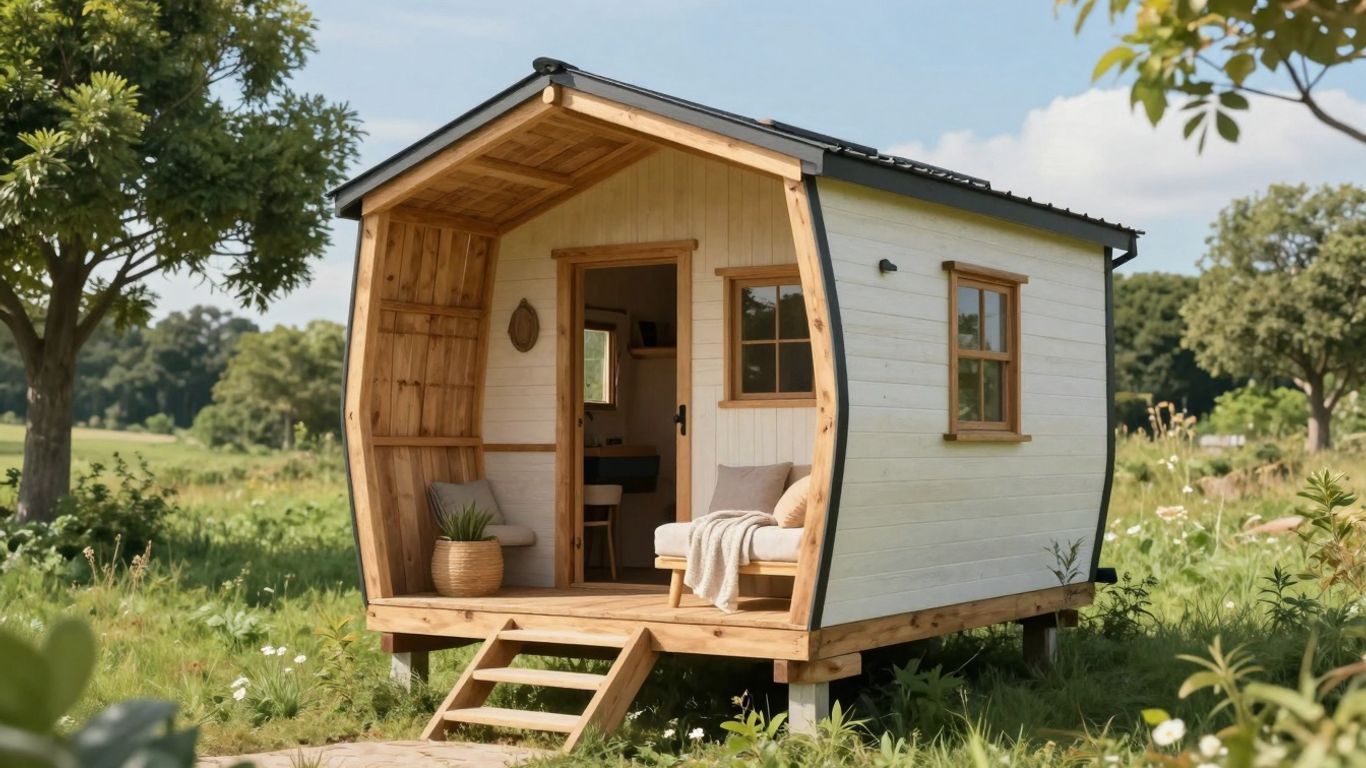
So, you’ve decided to go the custom route for your tiny home. That’s pretty cool! It means you get exactly what you want, down to the last detail. But, let’s be real, custom builds can get pricey, and figuring out the money part is a big hurdle for a lot of people.
Getting a loan for a custom tiny home often means looking beyond traditional mortgages. Lenders usually want a permanent foundation and a minimum square footage, which tiny homes, especially those on wheels, don’t always meet. This is where things get a bit tricky, but there are definitely ways to make it work.
Here are some common ways people finance their dream custom tiny house:
- Builder Partnerships: Many custom tiny home builders have relationships with specific lenders. They might offer “in-house” financing or work with a third-party company that understands tiny homes. This can simplify the process because the builder and lender are already on the same page. Just be sure to compare their offered rates and terms with other options out there.
- Personal Loans: These are unsecured loans from banks, credit unions, or online lenders. They don’t require collateral, but they often have shorter repayment periods and potentially higher interest rates than mortgages. If you have good credit, you might snag a decent rate, but it’s worth shopping around.
- RV Loans (for Tiny Homes on Wheels): If your custom build is on wheels and meets RVIA certification standards, you might qualify for an RV loan. These are specifically for recreational vehicles, and while they can be a good option, they often come with higher interest rates and shorter terms than traditional home loans.
- Home Equity Loans: If you already own a home, you might be able to tap into its equity to fund your custom tiny build. This is a secured loan, so the rates are usually better, but it does put your existing home at risk if you can’t repay.
Building a custom tiny home is a big project, and financing it requires a bit more creativity than buying a standard house. It’s all about finding the right lender or financing method that fits your specific build and financial situation. Don’t be afraid to ask lots of questions and compare offers before you commit.
Remember, the cost of a custom tiny home can vary wildly based on materials, features, and the builder’s reputation. It’s not uncommon for these homes to range from $50,000 to well over $100,000. So, getting your financing sorted out before you start the build is super important.
18. Tiny House Communities
So, you’re thinking about going tiny, huh? It’s a big change, and one of the trickier parts can be figuring out where to actually put your new, smaller home. While buying land or finding a spot for a tiny house on wheels can be a whole project in itself, there’s another option that’s gaining traction: tiny house communities.
These places are basically neighborhoods designed specifically for tiny homes. Think of it like a modern-day village, but with much smaller houses. It’s a way to get the tiny living experience without all the hassle of zoning laws and finding a private plot.
What’s the big deal with these communities? Well, for starters, they often handle a lot of the tricky stuff for you. Zoning? Usually sorted. Utilities like water and electricity? Hooked up and ready to go. It can really simplify the whole process of setting up your tiny home.
Plus, there’s the social side of things. Living in a tiny house community means you’re surrounded by people who are also into the minimalist, simpler lifestyle. It can be a great way to find like-minded folks, share resources, and maybe even have community gardens or potlucks. It’s a built-in support system and social circle.
Of course, it’s not all sunshine and tiny rainbows. You’ll likely have monthly fees to cover the land lease and community upkeep. And, depending on the community, you might have less freedom to customize your exterior or choose your exact spot. It’s a trade-off for the convenience.
Here are a few things to think about if a tiny house community sounds like your jam:
- Location: Where is the community? Is it close to work, family, or things you enjoy doing?
- Fees: What are the monthly costs? What do they cover?
- Rules: What are the community guidelines? Are they a good fit for your lifestyle?
- Amenities: What extras does the community offer? Think common areas, laundry facilities, or workshops.
- Lot Size: How much space will you actually have around your tiny home?
Finding the right tiny house community can feel like finding a needle in a haystack, but when you find one that fits your needs and budget, it can make the transition to tiny living so much smoother. It’s about finding a place where you can live small, but live well, with a sense of belonging.
19. State-Level Resources
Sometimes, the best help for financing your tiny home comes from your own state. Many states have programs designed to help residents achieve homeownership, and these can sometimes be applied to tiny homes, especially if they’re considered permanent dwellings or accessory dwelling units (ADUs).
These programs often focus on helping first-time homebuyers or those with lower incomes, but it’s worth checking what’s available in your area. You might find things like:
- Down payment assistance grants or loans
- Low-interest loan programs specifically for housing
- Tax credits or incentives for building or buying affordable housing
It’s a good idea to visit your state’s housing finance agency website. They usually have a list of all the programs they offer and the eligibility requirements. For example, some states might have specific initiatives that support energy-efficient building, which could align with the goals of a tiny home.
Finding these state-specific resources can sometimes feel like a treasure hunt. You might need to dig a bit on government websites or even make a few phone calls. But the potential savings can be pretty significant, making the effort worthwhile.
Don’t forget to look into programs that might be similar to the Canada Greener Homes Loan, which offers interest-free financing for home improvements, though this is specific to Canada. While direct tiny home financing might not be explicitly listed, some housing programs could be adapted. You never know what you might find when you look locally!
20. City-Level Resources
Sometimes, the best help for financing a tiny home isn’t found at a big bank or even a national program. It’s right in your own backyard, so to speak. Many cities have specific initiatives or programs aimed at increasing affordable housing options, and tiny homes often fit the bill. These local resources can be a goldmine for potential tiny homeowners.
Don’t overlook your city’s planning or housing departments. They are often the first point of contact for understanding local zoning laws and potential incentives. Some cities might have specific ordinances that allow for tiny homes as accessory dwelling units (ADUs) or in designated tiny home communities. Finding out about these regulations is step one.
Here’s what you might find at the city level:
- Affordable Housing Grants: Some cities offer grants or low-interest loans specifically for affordable housing projects, which could include tiny homes.
- Zoning Adjustments: Your city might have made recent changes to zoning laws to accommodate smaller dwellings. Knowing these rules can open up financing avenues that might otherwise be closed.
- Partnerships with Local Developers: Occasionally, cities partner with developers who are building tiny home communities. These partnerships can sometimes come with preferred lender lists or special financing deals.
It’s a bit of legwork, sure, but digging into what your specific city offers could make a big difference in making your tiny home dream a reality. It’s all about finding that local angle that traditional lenders might miss.
21. Down Payment Assistance Programs
Buying a tiny home can feel like a big financial hurdle, especially when you’re looking at the initial costs. That’s where down payment assistance programs come in. These programs are designed to help folks like you get over that initial hump, making homeownership more accessible. They can significantly reduce the amount of cash you need upfront.
While national programs specifically for tiny homes are rare, don’t get discouraged. Many states, cities, and local nonprofits offer assistance that can be applied to various types of housing, including tiny homes. These programs often focus on affordable housing or promoting sustainable living. It’s worth spending some time researching what’s available in your area. You might find grants or low-interest loans that don’t need to be paid back, essentially free money towards your purchase.
Here’s a general idea of what you might find:
- State and Local Grants: Some government entities offer grants to help with down payments, often targeted at first-time homebuyers or those meeting certain income requirements.
- Nonprofit Partnerships: Organizations focused on housing affordability might partner with builders or offer direct assistance to individuals looking to buy or build a home.
- Specialized Programs: Keep an eye out for programs tied to specific initiatives, like energy-efficient housing or rural development, which could include tiny homes.
It’s important to remember that these programs often have specific eligibility criteria. You might need to meet income limits, be a first-time homebuyer, or agree to live in the home for a certain period. Some lenders also work with these programs, so it’s a good idea to ask potential lenders if they participate in any down payment assistance initiatives. For example, New American Funding works with down payment assistance programs in several states.
Finding the right program could be the key to making your tiny home dream a reality, and it’s a great way to ease into homeownership without a massive initial outlay. You might even find programs that help with closing costs too, which is always a nice bonus. If you’re looking to save for a down payment, consider looking into options like the First Home Savings Account.
The goal of these programs is to make homeownership achievable for more people. They recognize that saving a large sum for a down payment can be a major barrier, and they aim to provide a bridge to help individuals and families secure a place to call their own.
22. Solar Power Company Financing
You know, sometimes the most unexpected places offer solutions for financing. When you’re looking at a tiny home, especially one that might incorporate sustainable features, you might find that solar power companies have financing options. It’s not just about the panels anymore; some companies are bundling the cost of the home itself into a solar-focused loan.
This can be a really smart move if you’re committed to an off-grid or low-impact lifestyle. It simplifies things by consolidating your energy and housing costs. Think of it as a package deal where your home and its power source are financed together. It’s a bit niche, but definitely worth looking into if you’re building a tiny home with solar in mind.
Here’s a general idea of how it might work:
- Assessment: The solar company (or their lending partner) assesses the total project cost, including the tiny home and the solar installation.
- Loan Application: You apply for a loan, similar to a traditional mortgage but with a focus on the renewable energy aspect.
- Approval & Installation: If approved, the funds are used to build your tiny home and install the solar system.
- Repayment: You make regular payments on the loan, which covers both the home and the energy system.
It’s not a universal offering, and the terms can vary wildly. You’ll want to do your homework and compare these specialized loans against more traditional options. Sometimes, these solar-focused loans might have slightly different interest rates or terms than a standard personal loan or RV loan, so always read the fine print.
While not every solar company offers this, and it’s often tied to specific home builds or packages, it’s a growing area. Keep an eye out for builders who partner with solar providers, or solar companies that are expanding their financing services beyond just the panels.
23. Unsecured Loans
So, you’re looking at a tiny home and thinking about how to pay for it. Traditional mortgages can be tricky for these smaller dwellings, which is where unsecured loans come into play. These loans don’t require you to put up any collateral, like your car or savings, which can be a big relief if you don’t have much to offer. It’s like borrowing money based on your word and your creditworthiness.
Think of them as personal loans, but the term “unsecured” just highlights that there’s no asset tied to the loan. This flexibility is a major plus for tiny home buyers who might not fit the mold for conventional financing. You can often use the funds for whatever you need, whether it’s the build itself, land, or even some initial setup costs.
Here’s a quick rundown of what to expect:
- Loan Amounts: These can vary widely, but you might find options ranging from a few thousand dollars up to $50,000, and sometimes even more, depending on the lender and your financial profile.
- Interest Rates: Because there’s no collateral, unsecured loans typically come with higher interest rates than secured loans. Expect rates to be anywhere from around 6% to 36%, though your specific rate will depend heavily on your credit score, income, and the loan term.
- Repayment Terms: You’ll usually see terms from 12 months up to about 60 months (5 years). Shorter terms mean higher monthly payments but less interest paid overall.
- Approval Speed: Often, unsecured loans can be approved relatively quickly, sometimes within a day or two, which is great if you’re eager to get your tiny home project moving.
While unsecured loans offer a great deal of flexibility and don’t tie up your assets, it’s really important to compare rates and terms from different lenders. Because they’re not secured, the lender takes on more risk, and that’s reflected in the interest you’ll pay. Make sure the monthly payments fit comfortably into your budget before you sign anything.
Lenders like LightStream and Lending Club are known for offering personal loans that could be used for a tiny home. They often have straightforward online application processes. Just remember to check the fine print – some lenders might have specific requirements or limitations on how the funds can be used, even for unsecured loans.
24. Fixed-Rate Mortgages
When you’re looking to finance a tiny home, a fixed-rate mortgage might seem like a good option, especially if you plan to place it on a permanent foundation. This type of loan offers predictable monthly payments for the entire life of the loan, which can make budgeting much simpler. Unlike adjustable-rate mortgages, your interest rate won’t change, so you won’t have to worry about unexpected increases in your payment.
However, getting a traditional fixed-rate mortgage for a tiny home can be tricky. These loans are typically designed for stick-built houses on permanent foundations. If your tiny home is on wheels or not considered a permanent structure by the lender, you might run into some roadblocks. Some lenders do offer conventional loans with as little as 3% down, which could be helpful. You’ll want to check with lenders about their specific requirements for tiny homes, as they can vary quite a bit.
Here’s a quick look at some general requirements you might encounter:
- Credit Score: Most lenders will want to see a good credit score, often 620 or higher, though some might go lower.
- Down Payment: While some loans allow for low down payments, others might require more, especially if the tiny home doesn’t qualify as traditional real estate.
- Property Type: The biggest hurdle is often whether the lender considers your tiny home a dwelling or an RV, which affects the type of loan available.
It’s worth exploring options for financing prefabricated homes in Canada, as similar loan structures, including fixed-rate mortgages, are available. This could be a good path if you’re looking for stability in your payments.
Fixed-rate mortgages provide payment stability, but their suitability for tiny homes often depends on whether the home is considered real estate or a vehicle by the lender. It’s important to have a clear understanding of the lender’s classification before applying.
If your tiny home meets the criteria for a traditional mortgage, a fixed-rate loan can be a solid choice for long-term financial planning. Just be prepared to do some research to find a lender that works with tiny home structures.
25. Online Lenders and More
So, you’ve decided a tiny home is the way to go, but now you’re wondering how to actually pay for it. Traditional mortgages can be tricky for tiny homes, mostly because they don’t always meet the minimum square footage or foundation requirements. That’s where online lenders and other creative financing avenues come into play. It’s not as complicated as it might seem at first, and honestly, there are more options out there than you might think.
Many online lenders have started offering specific programs for tiny homes, recognizing the growing interest in this lifestyle. These lenders often have a more streamlined application process, sometimes even allowing for same-day approvals. It’s all about finding the right fit for your financial situation and the type of tiny home you’re looking to buy.
Here are a few avenues to explore:
- Personal Loans: These are super flexible. You can often borrow a decent amount, and repayment terms can vary. Just remember, they might have shorter terms and potentially higher rates compared to other loan types.
- Peer-to-Peer (P2P) Lending: Platforms like Lending Club connect borrowers directly with investors. You might find competitive rates, but a good credit score is usually key to getting the best offers.
- Specialized Tiny Home Lenders: Some companies focus specifically on financing tiny homes, sometimes partnering directly with builders. These can be a great option if you want a lender who understands the unique aspects of tiny home ownership.
When looking into online lenders, pay close attention to the interest rates, loan terms, and any associated fees. It’s also a good idea to check if they have specific requirements for the type of tiny home you’re interested in, especially if it’s on wheels.
Don’t forget about other possibilities too. Sometimes, you can even look into financing options available in Canada if that’s where you’re located. It really pays to do your homework and compare what different lenders have to offer. You might be surprised at how accessible financing a tiny home can be.
Closing Thoughts
So, buying a tiny home is definitely doable, even if traditional mortgages aren’t always the easiest route. We’ve looked at a bunch of different ways to get the money together, from personal loans and RV loans to working with builders directly. It might take a little extra digging to find the right fit for your situation, but there are options out there. Just remember to check out the details, like interest rates and loan terms, for each one. With a little research, you can totally make that tiny home dream a reality.
Frequently Asked Questions
Is it tough to get a loan for a tiny home?
Getting a loan for a tiny home can be a bit harder than for a regular house. Traditional banks often say no because tiny homes might not meet their rules for size or being on a permanent foundation. But don’t worry, there are other ways to get money, like personal loans, RV loans, or loans from the builder.
Can I use an FHA loan for a tiny house?
Usually, FHA loans are for homes that are at least 400 square feet and on a solid foundation. Most tiny homes don’t fit these rules. However, some manufactured tiny homes might qualify if they meet all the FHA guidelines.
What kind of credit score do I need for a tiny home loan?
The credit score needed really depends on the type of loan. For personal loans, a score of at least 580 is often the minimum, but a higher score, like 700 or more, will get you better loan terms. For RV loans, lenders often look for scores between 660 and 700.
Are there any programs that help pay for a tiny home?
While big national programs are rare, you might find help from local groups or non-profits. These could be programs focused on affordable housing or saving the environment. Sometimes, cities or states also have resources that can help you pay for your tiny home.
How much money do I need to put down for a tiny home loan?
Some loans, like personal loans, might not need any money down. However, loans for RVs or from builders might ask for a down payment, usually between 10% and 20%. Regular home loans typically require a down payment too.
What are the main ways to pay for a tiny house?
You have several choices! You could pay all at once if you have the cash saved up. Otherwise, personal loans, RV loans (if your tiny home is on wheels and certified), or loans from the builder are common. Some people even use credit cards for smaller amounts, but be careful with the high interest rates.
Explore more tiny home living, design, downsizing, building, and lifestyle resources.
- Tiny Homes for Rent in Wyoming: Wild West Getaways to Book
- Tiny Homes for Rent in Washington: Forest Escapes & Cozy Stays
- Tiny Homes for Rent in Utah: Red Rock Retreats to Book
- Tiny Homes for Rent in Oregon: Forest Retreats You’ll Love
- Tiny Homes for Rent in New Mexico: Desert Gems & Starry Skies
- Tiny Homes for Rent in Nevada: Desert Hideaways Worth Booking