Exploring Off-Grid Living in Georgia: Your Guide to Independence

Thinking about going off the grid in Georgia? It’s a big step towards independence, but it comes with its own set of challenges and rewards. This guide is here to help you sort through what off grid living in Georgia really means, from understanding the rules to finding your community. We’ll break down the basics so you can figure out if this lifestyle is the right fit for you.
Key Takeaways
- Off grid living in Georgia means disconnecting from public utilities and relying on your own systems for power, water, and waste.
- Understanding Georgia’s specific regulations, including zoning laws, is vital to avoid legal trouble.
- Key characteristics include energy independence, sustainable resource use, and often, growing your own food.
- Common challenges involve legal hurdles, the initial cost of setting up systems, and technical maintenance.
- Connecting with others through local meetups and online groups is a great way to get support and share knowledge.
Understanding Off Grid Living in Georgia
Definition Of Off Grid Living
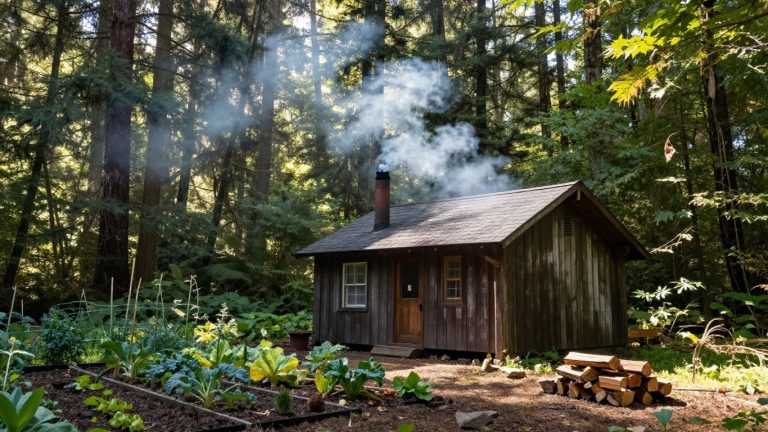
Off grid living in Georgia means setting up a life outside the typical city systems. People who live this way aren’t hooked up to public water, electricity, or sewer services. Instead, they make their own systems for things like energy, water, and even growing food. Sustainability is a bigger focus than just saving money or unplugging from the grid. For many, the goal is to rely mostly—or only—on themselves.
Going off grid in Georgia doesn’t just mean moving into the woods with a tent—it’s a big commitment that changes nearly every part of your daily routine.
Key Characteristics Of Off Grid Living
Off grid living isn’t one-size-fits-all, but there are some things most folks have in common:
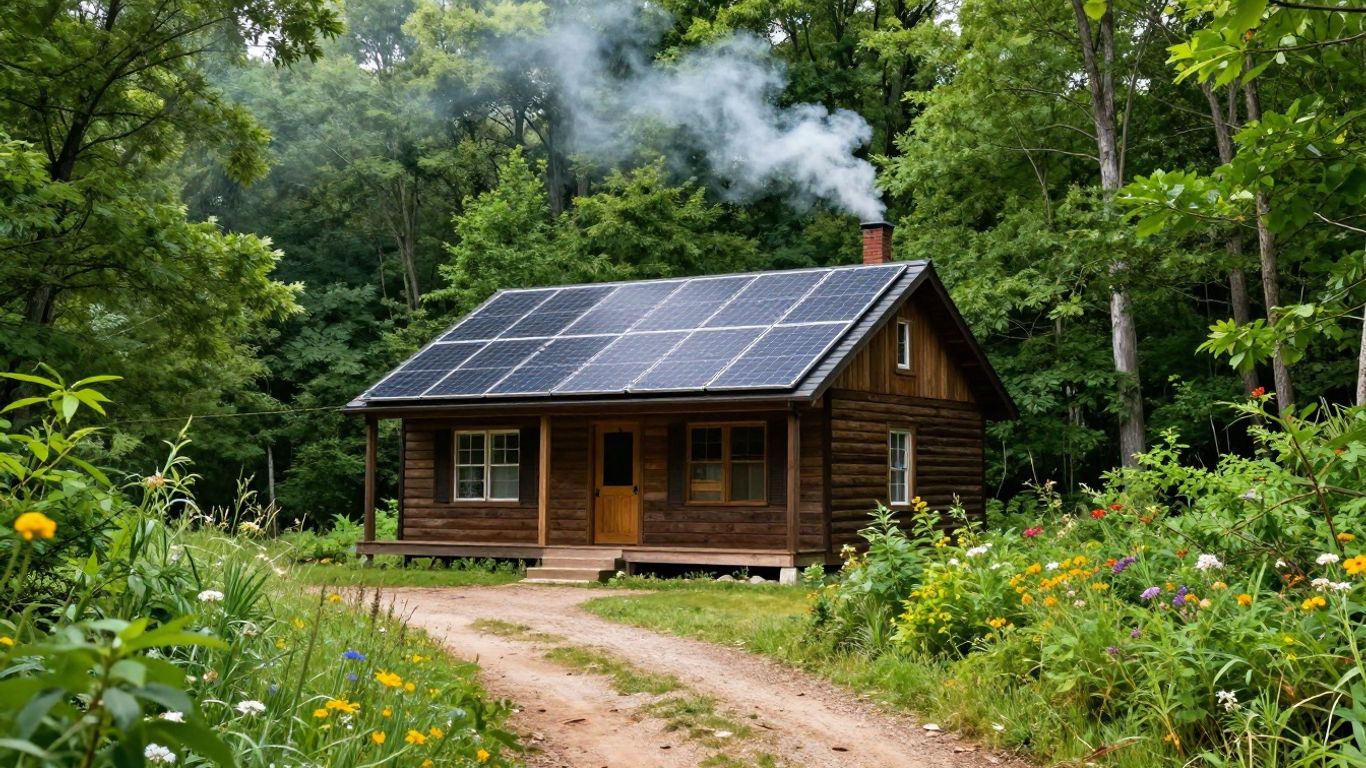
- Independent power: Think solar panels, wind turbines, or even small-scale hydropower. Utility lines aren’t a backup.
- Water sources: Rainwater collection, wells, and natural springs substitute for city water.
- Waste management: Composting toilets and septic systems are typical. People need to manage their own waste responsibly.
- Food production: Many off grid residents have large gardens or keep livestock. Local food isn’t just a trend—it’s dinner.
Here’s a quick look at the big differences:
| Feature | On-Grid Homes | Off Grid Homes |
|---|---|---|
| Power | Utility company | Solar/wind/generator |
| Water | City connection | Well/rainwater/creek |
| Sewage | Sewer connection | Septic/composting |
| Food | Store-bought | Homegrown/hunted/fished |
Common Practices In Off Grid Lifestyle
There are a few habits and systems that turn regular living into off grid living. Here’s what you’ll probably see on an off grid property:
- Collecting and filtering rainwater or well water
- Using solar or wind power for electricity
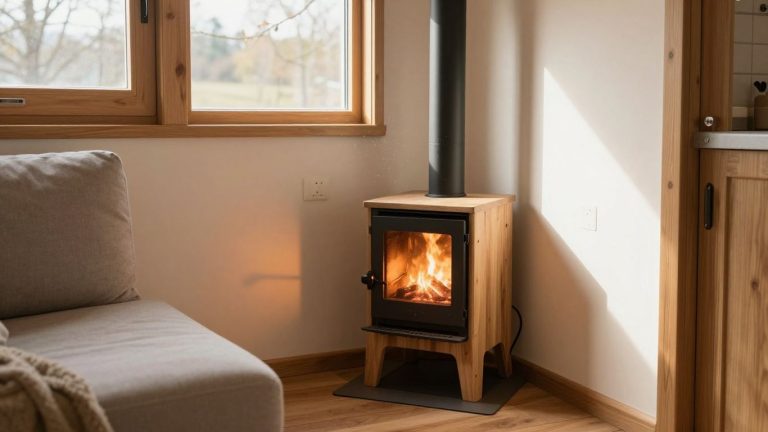
- Heating with wood stoves and passive solar design
- Composting food scraps and using them to feed soil
- Building with recycled or local materials
- Growing veggies, keeping chickens, beekeeping
Most of these practices require daily attention, troubleshooting, and a willingness to adapt. If you want a self-sufficient lifestyle, starting with a clear plan and a good understanding of local rules helps. In Georgia, being ready to adapt is especially important as local laws, weather patterns, and land conditions can all impact your choices. If you want to read more about what’s possible and how people pull it off, check out this section about living off-grid in Georgia.
Navigating Off Grid Regulations in Georgia
So, you’re thinking about going off-grid in Georgia? That’s awesome! But before you start dreaming about solar panels and composting toilets, we need to talk about the paperwork. It’s not the most exciting part, but understanding the rules is super important if you want to avoid headaches down the road.
Importance Of Understanding Local Regulations
Look, nobody wants to build their dream sustainable home only to find out they’ve broken some obscure local ordinance. Knowing the rules upfront saves you time, money, and a whole lot of stress. It means you can plan your build and your lifestyle with confidence, making sure you’re doing things right from the start. It’s all about being a responsible resident while still enjoying your independence.
Off Grid Regulations In Georgia
Georgia’s regulations for off-grid living can feel like a maze sometimes. They’re a mix of state laws and local county rules, and they can change depending on where you are. Generally, these rules cover how you handle your energy, water, and waste. For example, while solar power is pretty straightforward, wind turbines might have rules about how tall they can be or where you can put them to keep things neighborly. Water collection, like rainwater harvesting, also has its own set of guidelines you’ll need to look into. It’s wise to check with your specific county’s planning or zoning department early on.
Zoning Laws For Off Grid Homes
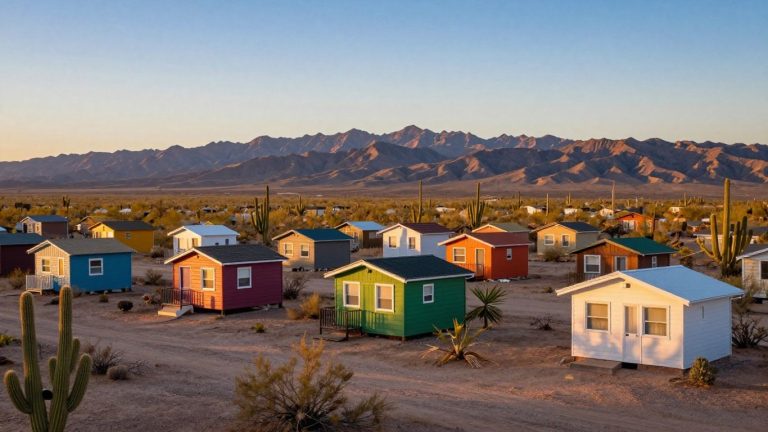
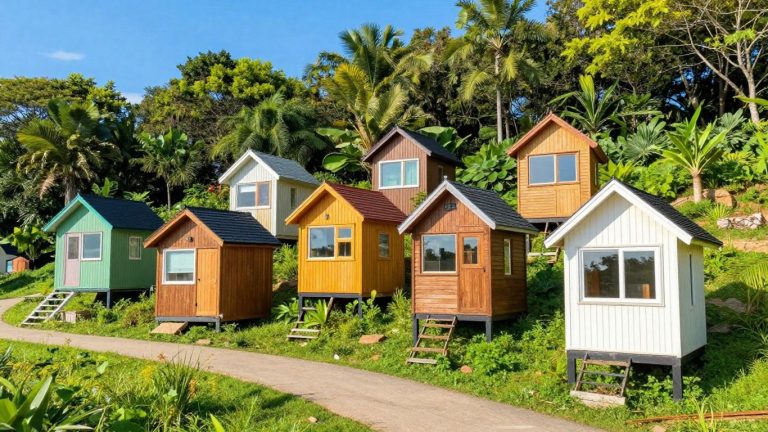
Zoning laws are a big piece of the puzzle. These laws dictate what you can and can’t do on your land. Some areas might be zoned specifically for single-family homes, which could have restrictions on things like accessory dwelling units (ADUs) or how much land you need. Other areas, like agricultural zones, often offer more flexibility for different types of structures and uses. For instance, agricultural zones (AG) can be more forgiving for tiny homes in rural settings. It’s really about finding land that fits your off-grid vision and complies with the local zoning districts.
Here’s a quick rundown of what to consider:
- Energy Systems: Ensure your solar or wind setups meet safety codes.
- Water Sources: Understand the rules for wells, rainwater collection, and any other water sources.
- Waste Management: Composting toilets and septic systems need to comply with health and environmental standards.
- Building Permits: Most new construction, even off-grid, will require permits. Don’t skip this step!
It’s always best to have a conversation with your local planning and zoning office before you buy land or start building. They can provide the most accurate and up-to-date information for your specific location. Being proactive is key to a smooth off-grid transition.
Resources For Off Grid Living in Georgia
Thinking about living off the grid in Georgia? It’s a big step, and thankfully, you’re not alone. There are quite a few places to turn for help and information as you get ready. It’s good to know where to look so you don’t end up spinning your wheels.
Government Resources
Sometimes, the most straightforward information comes from official channels. Georgia’s government websites and local offices can be a goldmine for understanding permits, regulations, and any programs that might be available. Staying on top of these official updates is pretty important for keeping things legal and smooth.
Online Communities
This is where things get really interesting. The internet is buzzing with people who are already living off-grid or are planning to. Online forums and dedicated groups are fantastic places to ask questions, share your own experiences, and get advice from folks who’ve been there. You can find discussions on everything from setting up solar panels to dealing with local zoning.
- Renewable Energy Forums: Discuss solar, wind, and hydro power options.
- Sustainable Living Groups: Share tips on gardening, water conservation, and waste management.
- Georgia-Specific Off-Grid Pages: Connect with people in your state for local insights.
Books and Guides
Don’t underestimate the power of a good old-fashioned book. There are tons of guides out there that cover the nitty-gritty of off-grid living. You can find detailed information on setting up your own power systems, managing water resources, building sustainable homes, and even growing your own food. It’s a great way to get a solid foundation of knowledge before you even break ground.
Reading up on different systems and techniques can save you a lot of headaches down the road. It’s better to learn from someone else’s mistakes than to make them yourself.
Getting informed is half the battle, and thankfully, there are plenty of resources available to help you on your journey to self-sufficiency in Georgia.
Preparing For Your Off Grid Journey
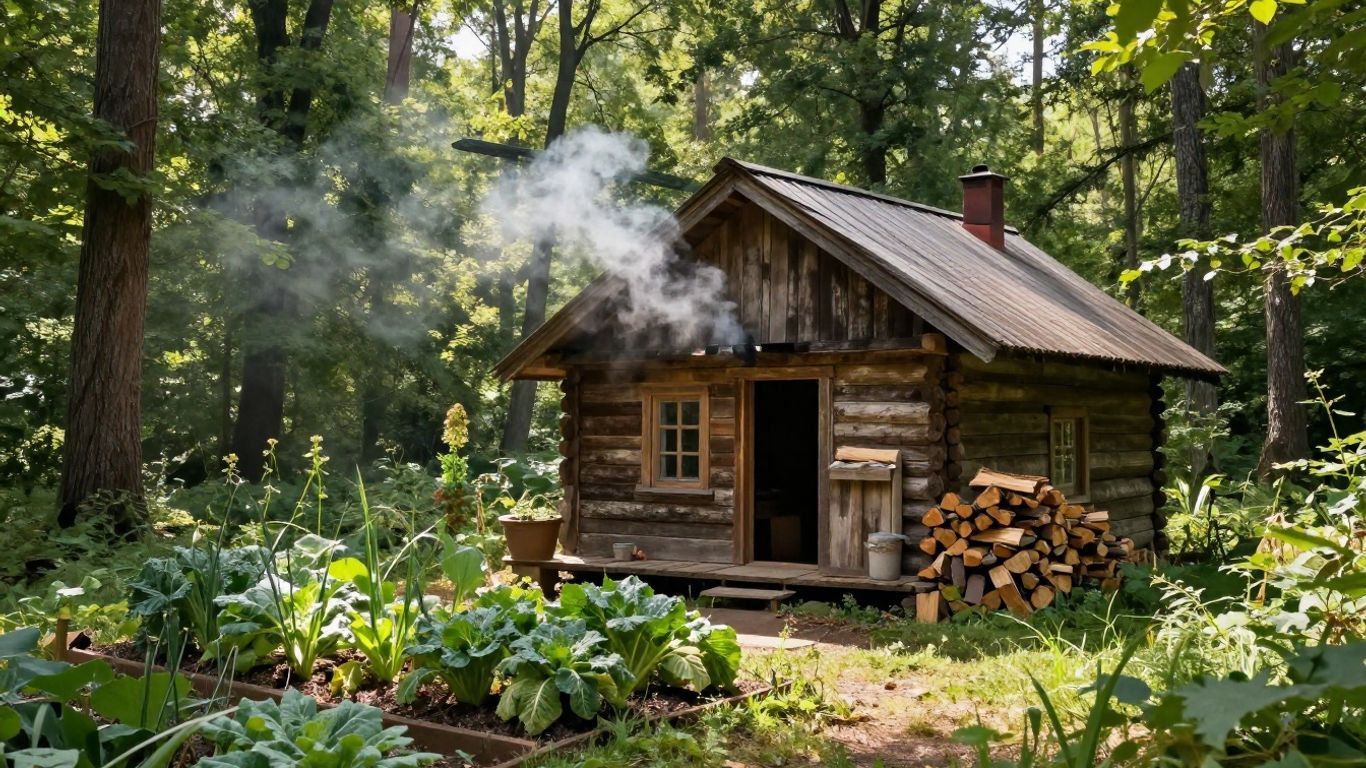
So, you’re thinking about ditching the grid? That’s a big step, and honestly, it’s not something you just jump into without a bit of thought. The key is to plan, plan, and then plan some more. It’s like building a house; you wouldn’t start hammering nails without blueprints, right? The same goes for going off-grid. You need a solid roadmap.
Research and Planning
This is where you roll up your sleeves and do some serious digging. What does off-grid living actually look like in Georgia? You’ll want to look into local rules – sometimes they can be a bit tricky. Think about where you want to set up shop. Is the land suitable for growing food? Does it have good sun exposure for solar panels? What about water sources? You’ll also need to figure out your budget. Going off-grid isn’t always cheaper upfront, especially with systems like solar or wind power. It’s smart to create a detailed plan that covers your goals, how much money you have to spend, and a rough timeline.
- Energy Systems: Solar, wind, micro-hydro – what makes sense for your location and needs?
- Water Management: Rainwater harvesting, well water, filtration, and storage.
- Waste Disposal: Composting toilets, greywater systems, and responsible management.
- Food Production: Gardening, raising small livestock, and preserving food.
- Budgeting: Initial setup costs, ongoing maintenance, and unexpected expenses.
Don’t get caught up in the romanticized version of off-grid life. It’s rewarding, sure, but it’s also hard work. Being realistic about the challenges and the effort involved from the start will save you a lot of headaches later on.
Community Involvement
Living off-grid doesn’t mean you have to be a hermit. In fact, connecting with others who are already doing it, or are interested in it, can be super helpful. Look for local workshops or meetups focused on sustainable living or homesteading. You can learn a ton from people who have been there, done that. Plus, it’s a great way to find out about local resources or even potential collaborators for projects. Building these connections early can make your transition much smoother and less isolating.
Building a Support Network
When you’re off the grid, you become your own handyman, plumber, and electrician, at least to some extent. It’s wise to build a network of people you can turn to. This could include:
- Experienced Off-Grid Residents: People who can offer advice based on their own experiences.
- Local Tradespeople: Electricians, plumbers, or builders who are open to working with off-grid systems.
- Knowledgeable Friends or Family: Even if they aren’t off-grid, having people who can offer moral support or a helping hand is invaluable.
- Online Forums and Groups: These can be a lifeline for troubleshooting technical issues or getting quick answers to questions.
Having this network means you won’t feel completely alone when something goes wrong, and you’ll have people to bounce ideas off of. It’s all about being prepared and not trying to reinvent the wheel by yourself.
Benefits Of Off Grid Living in Georgia
Environmental Impact
Living off the grid in Georgia can really make a difference for the planet. You’re not relying on big power companies, which often use fossil fuels. Instead, you’re likely using solar, wind, or other renewable energy sources. This means a much smaller carbon footprint. Plus, many folks who go off-grid are super mindful about water usage and waste. Think rainwater harvesting and composting – it’s all about working with nature, not against it. It’s a lifestyle that encourages you to be more aware of your impact.
Financial Savings
Let’s talk money. One of the biggest draws to off-grid living is cutting down on those monthly bills. No more electricity, water, or gas bills to worry about! While there’s an upfront investment in setting up your systems, like solar panels or a well, the long-term savings can be pretty substantial. Imagine having more control over your finances and less stress about rising utility costs. Over time, these savings can really add up, giving you more freedom to spend your money on what truly matters to you.
Community Building Opportunities
It might seem counterintuitive, but going off-grid can actually lead to stronger community ties. When you’re more self-sufficient, you often find yourself collaborating with neighbors. Maybe you’re sharing tools, trading produce from your garden, or helping each other with system maintenance. These shared efforts build trust and create a real sense of belonging. It’s about mutual support and working together to create a resilient local network. You might find yourself connecting with people in ways you never expected.
Common Challenges Of Off Grid Living in Georgia
So, you’re thinking about ditching the grid in Georgia? That’s awesome! But before you pack your bags and head for the hills, let’s talk about the bumps in the road. It’s not all sunshine and self-sufficiency, you know. There are definitely some hurdles to jump over.
Legal Hurdles
First off, the paperwork. It can be a real headache. You’ve got local ordinances, state laws, and sometimes even federal rules to figure out. Getting the right permits for building or setting up your systems can feel like a maze. It’s super important to know what the rules are before you start building. Ignoring them can lead to fines or worse. You might need to talk to folks who really know their stuff about off-grid laws to make sure you’re on the right side of things. It’s also a good idea to build good relationships with your local officials; they can be a great resource for understanding zoning laws for off grid homes.
Financial Barriers
Let’s be real, going off-grid costs money upfront. Setting up solar panels, a good battery bank, maybe a well, and a septic system isn’t cheap. It’s a big investment, and you need to have a solid plan for how you’re going to pay for it all. Sometimes there are grants or tax breaks, but you have to do your homework to find them. It’s not just the big stuff, either; unexpected costs pop up.
Technical Issues
Things break, right? Even the best off-grid systems need maintenance. Your solar panels might get dirty, your batteries will eventually need replacing, and your water pump could decide to take a vacation. You need to be prepared to fix things yourself or know who to call. It’s a good idea to have a backup plan for when your main systems aren’t cooperating. Learning basic repair skills can save you a lot of stress and money.
Living off-grid means you’re the utility company, the repair person, and the resource manager all rolled into one. It requires a willingness to learn and adapt constantly.
Connecting With The Off Grid Community
Building relationships with others living off the grid in Georgia can make a huge difference in your experience. Off grid life has its ups and downs—sometimes you really need someone who just "gets it." Finding your crew and learning from each other goes a long way.
Local Meetups
Getting out and meeting others face-to-face feels a bit rare these days, but it’s still priceless. In Georgia, various areas—especially outside Atlanta and into the smaller towns—have informal gatherings for folks interested in off grid life. Meetups usually include:
- Casual coffee chats or potlucks, often at local parks or someone’s property
- Workshops on topics like rainwater collection or setting up solar panels
- Tours of existing off grid homes so you can see different setups in real life
When you go to these events, be open to swapping stories or just listening—every homestead is different, and you’ll hear about both clever tricks and frustrating mistakes.
Online Forums
Not everyone can make it to in-person events, and sometimes you need an answer to a weird problem at midnight. That’s where online forums really shine. Well-known platforms for Georgia off grid residents include:
- Reddit subreddits like r/OffGrid and local Georgia groups
- Survivalist Boards with state-specific sections
- Dedicated off grid forums and even Facebook discussion groups
Here’s a simple table showing some popular online spaces:
| Forum/Group | Focus | Membership Type |
|---|---|---|
| r/OffGrid (Reddit) | General off grid | Open, anyone can join |
| Georgia Off Grid FB | Local to Georgia | Request to join |
| Permies.com | Homesteading skills | Open, registration |
Tip: Don’t just scroll—post your own questions or updates. Active participation is what turns a forum into a community.
Social Media Groups
If you spend more time on social media than on message boards, there’s no shortage of places to connect. There are dozens of Facebook, Instagram, and even TikTok groups focused on sustainable living in Georgia. These aren’t just for sharing pretty garden photos (though there are plenty of those). They’re also for:
- Trading or selling used off grid equipment
- Announcing community events or seeking help with construction
- Sharing successes (and the occasional rant) about off-grid setbacks
Being part of at least one online or in-person community means when something goes wrong—or even amazingly right—you won’t be stuck figuring it all out alone.
Sometimes the best tips come from other people’s wild stories or slip-ups rather than polished guides. If you’re aiming to stay off the grid in Georgia for the long haul, it pays to build these connections early and keep them going.
Your Off-Grid Journey in Georgia
So, you’re thinking about living off the grid in Georgia? It’s a big step, for sure. It means doing your homework on local rules, figuring out your energy and water, and maybe even learning a new skill or two. But it’s also about finding a different way to live, one that feels more connected to the land and your own needs. You’ll want to connect with folks who are already doing it, maybe join a local group or check out online forums. There are resources out there to help you, from government sites to books. It’s not always easy, and there will be challenges, but the idea of being more self-sufficient and living a bit lighter on the planet is a powerful one. Georgia’s got a lot to offer for this kind of life, so start planning, get informed, and see where your off-grid adventure takes you.
Frequently Asked Questions
What exactly is off-grid living in Georgia?
Off-grid living in Georgia means living without being hooked up to the main power, water, or sewer lines. People choose this lifestyle to be more independent and live in a way that’s kinder to the planet. They often use things like solar panels for electricity and collect rainwater for water.
What are the main things about living off the grid?
The biggest things about living off the grid are being in charge of your own power, using resources wisely, and sometimes growing your own food. It’s all about relying on yourself and nature instead of public services.
Are there special rules for off-grid homes in Georgia?
Yes, Georgia has rules about building and living off the grid. These rules cover things like how you handle waste, where you can build, and making sure your power and water systems are safe. It’s important to know these rules so you don’t run into trouble.
Where can I find help or information about living off-grid in Georgia?
You can find lots of help! There are government websites with information, online groups where people share tips, and books that explain how to do things. Local groups and workshops can also be very useful.
What are the good things about living off-grid in Georgia?
Living off-grid can be good for the environment because you use fewer resources. You can also save money by not paying utility bills. Plus, it often leads to closer connections with your neighbors and community as you help each other out.
What are some difficulties people face when living off-grid in Georgia?
It’s not always easy. You might face challenges with rules and paperwork, the cost of setting up your own systems can be high at first, and sometimes things break that you need to fix yourself. Learning about these challenges helps you prepare.
Explore more tiny home living, design, downsizing, building, and lifestyle resources.