Tiny Homes in Delaware

So, you’re thinking about tiny homes in Delaware? It’s a trend that’s really taking off, and for good reason. People are looking for simpler, more affordable ways to live, and these smaller dwellings fit the bill. But before you start dreaming about your compact castle, there’s a bit to figure out. This guide will walk you through what you need to know about tiny houses in Delaware, from the rules to the real costs.
Key Takeaways
- Delaware’s counties have different rules for tiny homes, so always check local zoning first. Foundation homes are generally easier to get approved for permanent living than those on wheels.
- Tiny homes are popular because they can be cheaper to build and maintain, and they’re better for the environment.
- You can find tiny homes in cities like Wilmington, Dover, and Newark, but each city has its own specific rules, especially for Accessory Dwelling Units (ADUs).
- The cost of a tiny home can vary a lot, from around $30,000 to over $100,000, not including the land or setup expenses.
- Getting permits involves submitting detailed plans and can take several weeks, so working with builders familiar with Delaware’s codes is a smart move.
Understanding Tiny Homes in Delaware
The Growing Popularity of Minimalist Living
Lately, there’s been a noticeable shift away from the ‘bigger is better’ mentality. More and more folks are looking to simplify their lives, and that often means downsizing their living space. This trend isn’t just about saving money, though that’s a big part of it. People are realizing that a smaller home can mean less stuff to manage, less to clean, and more time and money for experiences. It’s about living intentionally, focusing on what truly matters rather than accumulating possessions. This move towards minimalism is really picking up steam across the country, and Delaware is no exception.
Defining What Constitutes a Tiny Home
So, what exactly is a tiny home? In Delaware, there isn’t one single, official definition that covers every situation. Generally, though, we’re talking about homes that are quite small, typically under 500 square feet. Think smaller than a standard two-car garage. These homes can come in a couple of main forms. Some are built on a permanent foundation, much like a traditional house, and are considered permanent residences. Others are built on wheels, often referred to as Tiny Homes on Wheels (THOWs). These are frequently registered as RVs or park models, which can affect how they’re regulated. Accessory Dwelling Units (ADUs), which are smaller, secondary housing units on an existing property, are also becoming a popular way to incorporate tiny living.
Key Benefits of Embracing Small-Scale Living
Why are so many people drawn to tiny living? The advantages are pretty compelling.
- Cost Savings: This is a big one. Tiny homes generally cost less to build or buy than traditional houses. Property taxes and utility bills are also usually lower due to the smaller size.
- Environmental Friendliness: Smaller homes require fewer materials to build and less energy to heat and cool. Many tiny homes also incorporate eco-friendly features like solar panels or rainwater harvesting systems.
- Less Maintenance: With less space, there’s simply less to clean and maintain. This frees up a lot of time and energy that can be spent on other pursuits.
- Mobility and Flexibility: For THOWs, the ability to move your home to a new location offers incredible freedom. This can be appealing for those who like to travel or aren’t tied to one specific area.
The move towards smaller living spaces isn’t just a fad; it’s a response to changing priorities and economic realities. It offers a path to a simpler, more sustainable, and potentially more affordable lifestyle for many Delaware residents.
Navigating Delaware’s Tiny House Regulations
County-Specific Zoning and Building Codes
So, you’re thinking about a tiny house in Delaware? That’s awesome! But before you start dreaming about your cozy little abode, we’ve got to talk about the rules. Delaware doesn’t have one single, statewide rulebook for tiny homes. Nope, it’s more like a patchwork quilt, with each county and sometimes even individual towns having their own say. This means what’s perfectly fine in one place might be a no-go just a few miles down the road. It’s super important to check out the specific zoning and building codes for the exact location you have in mind. They often look at things like minimum square footage, foundation requirements, and how the tiny home fits into the neighborhood. For instance, some areas might allow foundation-based tiny homes as accessory dwelling units (ADUs) if they meet certain size and access criteria, like being no larger than 50% of the main structure and having a separate entrance. The planning department really keeps an eye on these details.
Permitting Processes for Foundation vs. Mobile Homes
When it comes to getting the green light for your tiny house, the process can differ quite a bit depending on whether you’re building on a permanent foundation or opting for a tiny house on wheels (THOW). Foundation-built tiny homes generally follow more traditional building permit processes, similar to any other house. You’ll likely need detailed plans, inspections during construction, and final approval from the local building department. It’s all about making sure it’s structurally sound and meets safety standards. On the other hand, THOWs often get a bit more complicated. They might be treated more like recreational vehicles (RVs), which means they might not be allowed for permanent residency in many areas. Some places might allow them in designated RV parks, but usually not as a full-time dwelling. You’ll definitely want to look into specific local ordinances regarding THOWs, as rules can be quite restrictive. It’s a good idea to get a clear understanding of these differences early on.
Understanding Accessory Dwelling Unit (ADU) Policies
Accessory Dwelling Units, or ADUs, are becoming a really popular way to incorporate tiny homes into existing neighborhoods in Delaware. Think of them as secondary housing units on a single-family property. Many towns and counties are looking at ADU policies as a way to increase housing options without drastically changing neighborhood character. For tiny homes, this often means they can be placed in backyards or on the same lot as a primary residence. However, there are usually specific rules about size, how they connect to utilities, parking, and sometimes even the relationship between the ADU and the main house. Some areas might have specific definitions for what qualifies as an ADU, and these policies are still evolving in many parts of the state. It’s worth investigating the local zoning ordinances for ADUs in your target area, as they can provide a clearer path for tiny home placement.
Delaware’s approach to tiny homes is a work in progress. While some areas are embracing them, especially as ADUs, others are still figuring out how they fit. Always do your homework on the specific rules where you want to build or place your tiny home. It’s better to be safe than sorry and avoid potential headaches down the line.
Exploring Tiny Home Communities and Placement
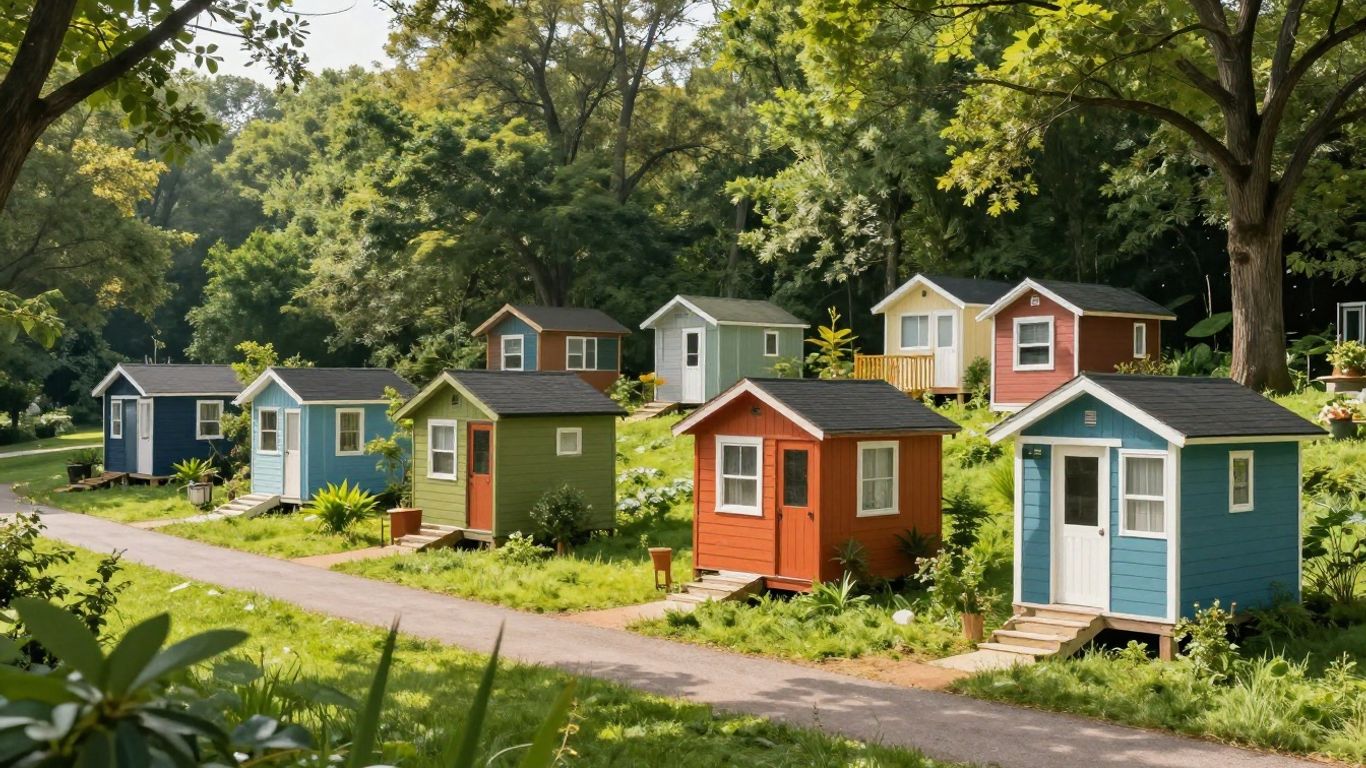
So, you’ve decided a tiny home is the way to go in Delaware. Awesome! But where do you actually put it? This is where things can get a little tricky, but also pretty interesting. It’s not just about finding a spot; it’s about understanding the different ways people are making tiny living work across the state.
Developing Tiny House Enclaves in Rural Areas
Lots of folks are looking at rural parts of Delaware for tiny home communities. Think of these as planned neighborhoods, but, you know, smaller. They often pop up where there’s more land available, and the idea is to create a shared living space. People in these communities often dig the sustainability angle and like having shared gardens or common areas. The county has to sign off on the plans, making sure things like water and roads are sorted out. It’s a way to build a neighborhood feel without the huge price tag of a traditional house.
Options for Private Land and Campsite Stays
Beyond organized communities, you’ve got other choices. Buying or leasing private land is a big one. If you’ve got a decent chunk of property, you might be able to put a tiny home on it, maybe even as an Accessory Dwelling Unit (ADU) if local rules allow. Then there are campsites and RV parks. These are usually for temporary stays, though. Delaware has rules about how long you can park a Tiny House on Wheels (THOW) in these spots, often capping it at around 180 days. It’s great for a seasonal getaway or a trial run, but not usually for full-time living.
Here’s a quick look at some placement ideas:
- Private Land: Requires checking local zoning for ADUs or primary residences.
- RV Parks: Generally for short-term stays, often with daily or weekly limits.
- Campsites: Similar to RV parks, usually seasonal or for limited durations.
- Tiny Home Communities: Planned developments with shared amenities and rules.
Challenges with Homeowners Association Restrictions
Homeowners Associations (HOAs) can be a real hurdle. If you’re looking at land that’s part of an HOA, you absolutely need to check their rules. Many HOAs have strict guidelines about what you can build or park on your property, and a tiny home might not fit their aesthetic or size requirements. It’s not uncommon for HOAs to have minimum square footage rules that a tiny home just won’t meet. So, before you get your heart set on a spot governed by an HOA, do your homework. It could save you a lot of headaches down the road.
Finding the right spot for your tiny home involves a mix of understanding local laws, considering your lifestyle, and sometimes, just getting a bit creative. Whether it’s a dedicated community or a quiet corner of private land, placement is key to making tiny living work for you in Delaware.
Key Cities for Tiny House Living in Delaware
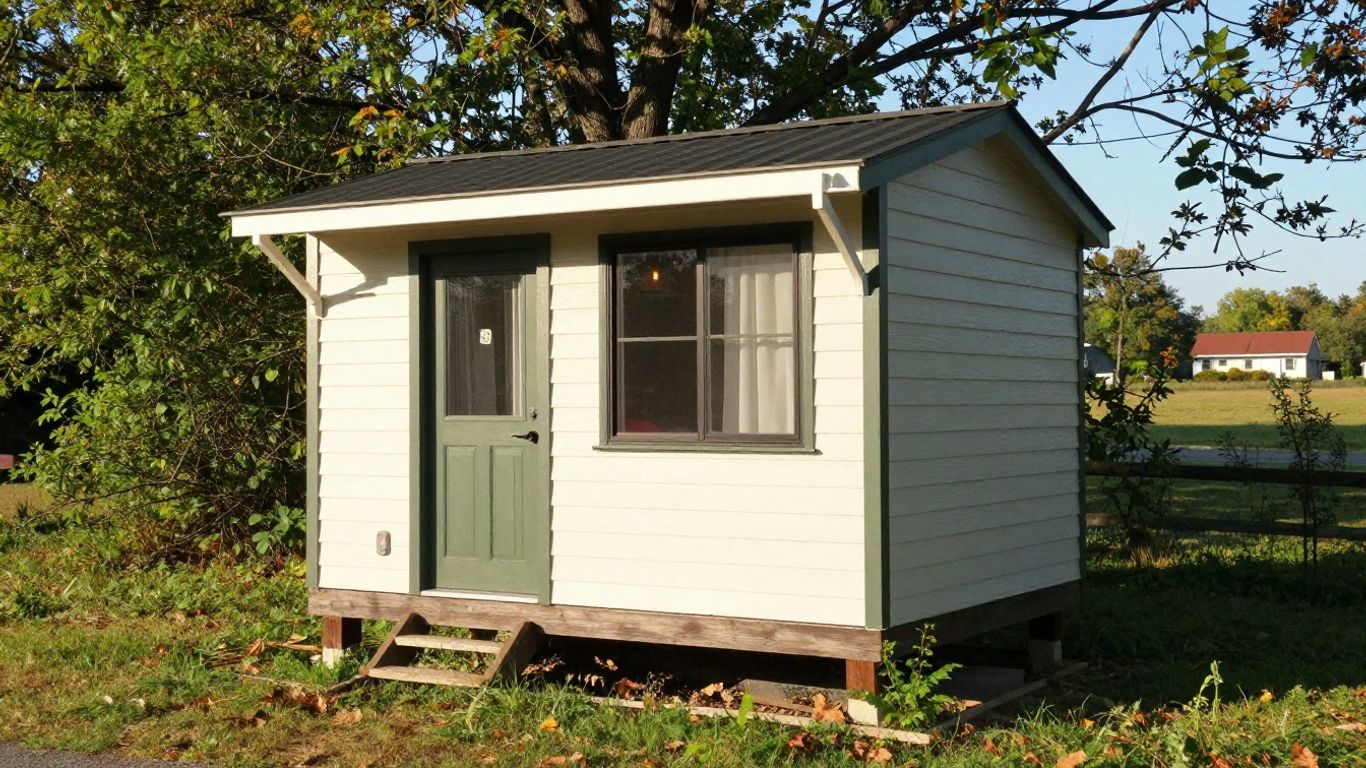
Delaware might be small, but it’s got some interesting spots for those looking to downsize. Each city has its own take on tiny living, so it’s worth knowing the local scene before you pack your bags.
Wilmington’s Approach to Compact Housing
Wilmington, the state’s biggest city, is pretty open to tiny homes, especially when they’re used as Accessory Dwelling Units (ADUs). New Castle County, where Wilmington is located, has rules that allow foundation-based tiny homes. The main thing is that the tiny home can’t be bigger than half the size of the main house on the property, and it needs its own entrance. The city also likes things that are good for the environment, which fits with the whole tiny house vibe. Because it’s a denser area, you’ll find there are rules about how close you can build to property lines to keep things looking neat.
Tiny houses on wheels (THOWs) are a bit trickier in the city due to space limitations, though sometimes you can get special permission for temporary spots in backyards. The Wilmington Community Development Department is the place to go for permits, and they seem to handle things pretty smoothly. If you’re looking to buy a tiny home in Wilmington, there are options available for city dwellers.
Dover’s Endorsement of Foundation-Based Units
Over in Dover, Delaware’s capital and located in Kent County, the focus is more on tiny homes that are built on a permanent foundation. The county’s rules generally favor these types of homes, especially in suburban and farm-like areas. They have minimum size requirements, similar to the standard building codes, but if you’re thinking about going off-grid with your own septic system in a rural spot, you’ll need specific approval for that. The planning commission takes a good look at everything, considering things like how many cars will be coming and going and what services are nearby.
There have been some recent changes to zoning that make it easier to create small clusters of tiny homes, particularly for employee housing, which is a nice way to add more affordable options. THOWs are usually only allowed in places set up for RVs, showing that Dover likes to keep things pretty settled and community-focused. The Dover Planning and Zoning Department can give you the rundown on any special permissions you might need. Getting your design approved by local builders in Dover can make the whole process much easier.
Newark’s Integration of Tiny Homes as ADUs
Newark, home to the University of Delaware, is also embracing tiny homes, mainly as ADUs in areas zoned for single-family homes. This helps with housing needs, especially for students and university staff. New Castle County’s rules apply here too, with some specific limits like a maximum height of 20 feet and requirements for fire safety, like sprinklers, if the tiny home is attached to another structure. The zoning board pays attention to how new builds fit in with the look of historic areas, so you might need to get your design approved based on its appearance. Even with a small home, you’ll still need to provide parking off the street.
Building a tiny home on wheels isn’t as common or encouraged in Newark; they tend to prefer homes that are more permanently integrated. The Newark Planning and Zoning Division has all the details. You can find tiny homes for sale in Newark that are designed to fit these community needs, especially around the university.
Here’s a quick look at how these cities approach tiny homes:
| City | County | Primary Tiny Home Type | Key Considerations |
|---|---|---|---|
| Wilmington | New Castle | ADUs, Foundation | Size relative to main house, separate entrance, setbacks |
| Dover | Kent | Foundation | Septic approval (rural), community clusters |
| Newark | New Castle | ADUs | Height limits, fire safety, aesthetic review |
When considering a tiny home in Delaware, it’s always best to check directly with the local planning and zoning department for the most current regulations. Rules can change, and what’s allowed in one neighborhood might not be in another, even within the same city.
Financial Aspects of Tiny Home Ownership
So, you’re thinking about going tiny in Delaware? That’s awesome! But before you start dreaming about your minimalist paradise, let’s talk about the money side of things. It’s not always as straightforward as you might think, and there are definitely some costs to consider beyond just the sticker price of the house itself.
Typical Cost Ranges for Tiny Homes
When you look at tiny homes, the price tags can really vary. You’ll find smaller ones, maybe under 200 square feet, starting around $50,000. If you’re looking at something a bit bigger, say up to 400 square feet, you could be looking at $120,000 or more, and that’s usually before you even think about land. It’s a big jump from the $30,000-$60,000 range some folks mention, but those often don’t include land or other setup fees. The biggest factor influencing the price is usually the size and the level of customization you want.
Here’s a rough idea:
- Under 200 sq ft: $50,000 – $80,000
- 200 – 400 sq ft: $80,000 – $120,000+
- Luxury/Custom Builds: Can go much higher
Additional Expenses for Land and Setup
Don’t forget that the house is just one piece of the puzzle. You’ll need a place to put it, right? Buying land in Delaware can add a significant chunk to your total cost, especially in popular areas. Then there’s the setup. If you’re building on a foundation, that’s a whole different ballgame with site prep, permits, and construction costs, which can add 20-30% to the home’s price. Even if you go with a Tiny House on Wheels (THOW), you’ll have costs for utility hookups (water, sewer, electricity), potential foundation or anchoring if required by local rules, and maybe even moving expenses if you plan to relocate.
- Land purchase or lease
- Site preparation (clearing, grading)
- Utility connections (water, sewer, electricity, internet)
- Permits and inspections
- Foundation or anchoring costs (if applicable)
It’s easy to get caught up in the dream of a tiny home, but overlooking the associated costs for land and setup can lead to sticker shock later on. Always factor in these additional expenses when budgeting.
Factors Influencing Tiny Home Pricing
Several things can really move the price needle on a tiny home. The materials you choose play a big role – think steel for durability versus wood for a more traditional feel. Fancy features like solar panels, high-end appliances, or complex plumbing systems will also bump up the cost. Location matters too; building in a more developed area with stricter codes might cost more than a rural spot. If you’re looking at a THOW, getting it certified (like RVIA certification) can add 10-15% but might be necessary for certain placements or insurance, and it’s a good idea to look into financing options for tiny homes if you’re building on a foundation.
- Materials: Quality and type of lumber, metal, insulation, etc.
- Features: Solar power, composting toilets, smart home tech, custom cabinetry.
- Certifications: RVIA certification for THOWs.
- Labor: Cost of builders, electricians, plumbers.
- Location: Local building costs and demand.
Building and Designing Your Tiny Home
So, you’ve decided a tiny home is the way to go. Awesome! Now comes the fun part: actually building and designing the thing. It’s not quite as simple as just slapping some walls together, though. You’ve got to think about how everything will fit, what materials you’ll use, and, of course, making sure it meets Delaware’s building codes. It’s a bit of a puzzle, but a rewarding one.
Essential Considerations for Tiny Home Design
When you’re designing a tiny home, every square inch counts. You can’t just wing it and hope for the best. Think about how you actually live. Do you cook a lot? You’ll need a decent kitchen space. Spend hours reading? Built-in bookshelves are a must. The goal is to make a small space feel functional and comfortable, not cramped.
Here are a few things to really chew on:
- Layout: How will you arrange the kitchen, bathroom, living area, and sleeping space? Think about flow and how you’ll move around.
- Multi-functional furniture: A sofa that turns into a bed, a table that folds away – these are your best friends.
- Storage: Where will you put your stuff? Think vertical space, under-stair storage, and clever built-ins.
- Natural light: Big windows can make a small space feel much larger and more open.
It’s also a good idea to look at what other people have done. You can find tons of inspiration online, and seeing how others have solved common tiny home design problems can spark some great ideas for your own place. You might even find some pre-designed floor plans that are close to what you want, which can save a lot of time and headaches. If you’re looking for some ready-made options, you can explore ADU kits nationwide.
Choosing Sustainable Materials and Features
Going tiny often goes hand-in-hand with wanting to live a bit more sustainably. That’s great, but it means thinking about the materials you use. You want things that are good for the environment, but also durable and suitable for Delaware’s climate. Think about:
- Insulation: Good insulation is key to keeping your tiny home comfortable year-round and cutting down on energy use. Look for eco-friendly options.
- Reclaimed materials: Using salvaged wood or other materials can add character and reduce waste.
- Energy-efficient appliances: Smaller appliances often use less energy, but make sure they’re efficient models.
- Water conservation: Low-flow fixtures and composting toilets can make a big difference.
Building green isn’t just about saving the planet; it can also save you money in the long run through lower utility bills and reduced maintenance. Plus, it just feels good to know you’re making a more responsible choice.
Working with Delaware-Licensed Builders
While the DIY route is tempting, especially with tiny homes, it’s often best to work with professionals, particularly when it comes to navigating local building codes. Getting a tiny home built to code in Delaware can be tricky, and a licensed builder knows the ins and outs. They’ll understand the permitting process, what materials are acceptable, and how to ensure your home is safe and sound.
Here’s why hiring a Delaware-licensed builder is a smart move:
- Code Compliance: They know the specific requirements for Delaware, which can vary by county.
- Permitting: They can handle the often-complex permit application process for you.
- Quality and Safety: They have the skills and experience to build a sturdy, safe home.
- Financing and Insurance: Many lenders and insurance companies prefer or require that tiny homes be built by certified professionals.
Finding the right builder is like finding the right partner for this project. Do your homework, check references, and make sure you feel comfortable with their communication style and their understanding of your vision. A good builder can make the difference between a dream home and a construction nightmare.
Wrapping Up Your Tiny Home Journey in Delaware
So, as we’ve seen, making the jump to a tiny home in Delaware is definitely doable, but it’s not exactly a walk in the park. Each county has its own set of rules, and what works in one place might not fly in another. Whether you’re looking at a place on wheels or something more permanent, doing your homework on local laws is super important. It seems like things are slowly changing to make it easier, which is good news for anyone wanting a simpler, greener way to live. Keep digging into the details for your specific spot, and you might just find your perfect little slice of Delaware.
Frequently Asked Questions
Can I live in a tiny house in Delaware all year round?
Yes, you can make a tiny house your main home in Delaware, but you need to follow all the local rules. It’s best to check with your town or county’s zoning office to make sure your tiny house meets all the requirements, especially for inspections. Homes built on a solid foundation usually have an easier time being approved for full-time living compared to tiny houses on wheels (THOWs).
What kinds of tiny houses are allowed in Delaware?
Delaware doesn’t have one single definition for ‘tiny house.’ Generally, they are buildings between 120 and 400 square feet. These can be custom-built homes on trailers, manufactured homes, or factory-built homes. If it’s built on a foundation, it’s usually considered a permanent home. If it’s on wheels (a THOW), there are extra rules to consider. More and more, small homes that can be added to existing properties (called Accessory Dwelling Units or ADUs) are also being approved.
How small can a tiny house be in Delaware?
Delaware has some minimum size rules for tiny houses. While it’s good to check your specific county’s rules, generally, the inside living space needs to be at least 120 square feet. Some areas might have slightly different rules, and lofts can sometimes offer flexible extra space. Always confirm the latest rules for your area.
Are there special places to put tiny houses in Delaware?
Yes, there are growing options! You can find tiny house communities, especially in rural areas, that offer shared spaces like gardens. You can also place a tiny home on private land or stay at campsites. However, you’ll need to check zoning rules for each location. Sometimes, Homeowners Associations (HOAs) can have rules that make it tricky to place a tiny house.
How much does a tiny house typically cost in Delaware?
The price of a tiny house in Delaware can change a lot. Smaller ones, under 200 square feet, might start around $50,000, while larger ones up to 400 square feet could cost $120,000 or more, not including the land. Building a house on a foundation will cost more because of the site preparation and permits. Tiny houses on wheels might be cheaper upfront but can have extra costs for moving and storage.
What are the main benefits of living in a tiny house?
People choose tiny homes for many good reasons! They are often more eco-friendly because they use fewer resources and less energy. They are also cheaper to heat and cool. Cleaning is much faster, and there’s less stuff to take care of, meaning less maintenance. Plus, many tiny houses are built on wheels, giving you the freedom to move to a new location if you wish.
Explore more tiny home living, design, downsizing, building, and lifestyle resources.