Tiny Homes in Alabama

Thinking about downsizing your living space in the Heart of Dixie? Tiny Homes in Alabama are becoming a popular choice for folks looking for a simpler, more affordable way to live. Whether you dream of a cozy cabin by the lake or a modern, compact dwelling, Alabama has options. Let’s explore what makes these small homes so appealing and what you need to know to make the jump.
Key Takeaways
- Tiny homes in Alabama offer a lifestyle focused on simplicity and affordability, redefining luxury in compact living spaces.
- Regulations for tiny homes in Alabama vary; those on foundations generally follow residential codes, while tiny homes on wheels (THOWs) are often classified as RVs and must be placed in designated areas.
- Several charming tiny home communities exist across Alabama, providing unique living experiences in scenic locations like Lake Martin and Childersburg.
- Park model tiny homes in Alabama are considered RVs, not mobile homes, and have specific size limitations and placement rules, though some areas may allow them on permanent foundations.
- Finding builders, delivery services, and understanding financing and setup are important steps when considering Tiny Homes in Alabama, with various companies offering custom designs and nationwide delivery.
Exploring Tiny Homes in Alabama
Luxury Redefined in Compact Living
Forget the idea that small means sacrificing comfort or style. Tiny homes in Alabama are proving that luxury can absolutely fit into a smaller footprint. We’re talking about smart design, high-quality finishes, and features that make everyday living a pleasure, just on a more manageable scale. Think custom cabinetry, efficient appliances, and thoughtful layouts that maximize every inch. It’s about living well, not just living small.
The Appeal of Less is More
There’s a growing movement towards simplifying life, and tiny homes are a big part of that. People are realizing that owning less stuff means less to worry about, less to maintain, and more time and money for experiences. This philosophy extends beyond just possessions; it’s about a lifestyle that’s lighter on the planet and your wallet. Choosing a tiny home often means choosing freedom from the burdens of a large mortgage and excessive upkeep. It’s a conscious decision to focus on what truly matters.
Affordable Resort Living
Imagine having your own little getaway, a place that feels like a vacation every day, without the hefty price tag of a traditional vacation home. That’s the dream many are finding in Alabama’s tiny home options, especially those designed as park models. These homes offer the conveniences of a house but with the flexibility and affordability that makes owning a second home or a permanent residence much more accessible. It’s a way to enjoy a resort-like lifestyle, perhaps by a lake or in a peaceful setting, without breaking the bank.
Alabama’s Tiny Home Regulations
Tiny Houses on Foundations
Building a tiny house on a permanent foundation in Alabama generally means it’s treated like a traditional home. The key here is that it needs to meet the standards laid out in Appendix AQ of the 2021 International Residential Code. This covers things like how high your ceilings need to be, the specifics of staircases, and electrical setups. It’s all about making sure these smaller homes are safe and up to code for long-term living.
Tiny Houses on Wheels (THOWs)
When you’re talking about a tiny house on wheels (THOW), Alabama tends to classify them as recreational vehicles (RVs). This means they usually need to be parked in places that allow RVs, like dedicated RV parks or mobile home communities. It’s a different set of rules compared to homes built on foundations.
Local Zoning and Permitting
This is where things can get a bit tricky, and it’s super important. Zoning and permits are handled at the local level – meaning your city or county is the one that makes the final call. What’s allowed in one town might not be in the next. So, before you even think about buying or building, always check with your local zoning and planning department. They’ll tell you exactly what the rules are for your specific area regarding tiny homes, whether they’re on wheels or a foundation.
Here’s a quick rundown of what to consider:
- Foundation Homes: Need to meet specific building codes (like IRC Appendix AQ).
- THOWs: Often treated as RVs, requiring placement in approved zones.
- Local Rules: Vary significantly by city and county.
It’s really a good idea to have a conversation with your local officials early on. They can help you understand the requirements and avoid any headaches down the road. Getting the green light from them upfront makes the whole process much smoother.
Tiny Home Communities in Alabama
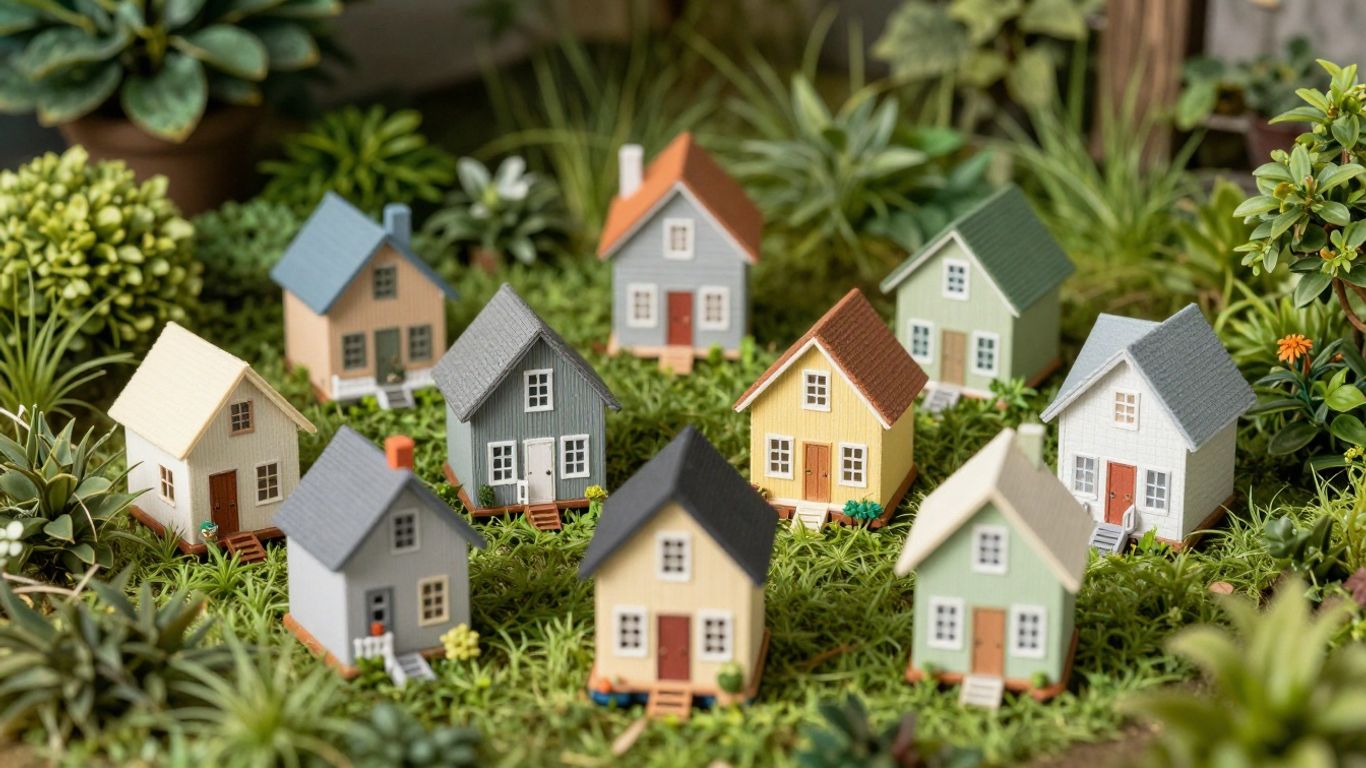
Alabama is really starting to embrace the tiny home movement, and there are some pretty neat communities popping up. It’s not just about having a small house; it’s about finding a place that fits your lifestyle, whether that’s by the water, in a quiet neighborhood, or surrounded by nature. These places offer a chance to live a simpler life without giving up comfort.
Eagles Landing at Lake Martin
This spot offers a beautiful lakeside setting. Imagine waking up and having easy access to all sorts of water activities. The homes here are cozy, and the whole vibe is about enjoying the outdoors and the lake life. It’s a great option if you love being near the water and want a relaxed atmosphere.
Atkinson Cottages in Childersburg
Atkinson Cottages really focuses on blending simplicity with a bit of charm. It’s described as a peaceful, well-planned neighborhood. They seem to offer a nice balance, making small-space living feel comfortable and convenient. Plus, they’re known for their custom designs, so you can get something that really feels like yours.
The Cottages at Pine Lake
If you’re looking for a mix of community living and natural beauty, this place sounds like a good fit. They’ve got shared green spaces, which is nice for getting to know your neighbors, and a generally relaxed, rural feel. It’s a place where you can connect with nature and other people.
These communities are more than just a collection of small houses; they represent a different way of living. They often focus on:
- Community Connection: Shared spaces and a neighborly atmosphere.
- Outdoor Access: Proximity to natural features like lakes or green areas.
- Simplified Living: Focusing on what matters without the clutter of a large home.
- Customization: Options to make your tiny home unique.
Finding the right community can make a big difference in your tiny home experience. It’s about more than just the house itself; it’s about the environment and the people around you. These Alabama communities are aiming to provide just that – a supportive and enjoyable place to call home.
It’s worth checking out each one to see which one feels like the best fit for what you’re looking for in a tiny home lifestyle.
Understanding Park Model Tiny Homes
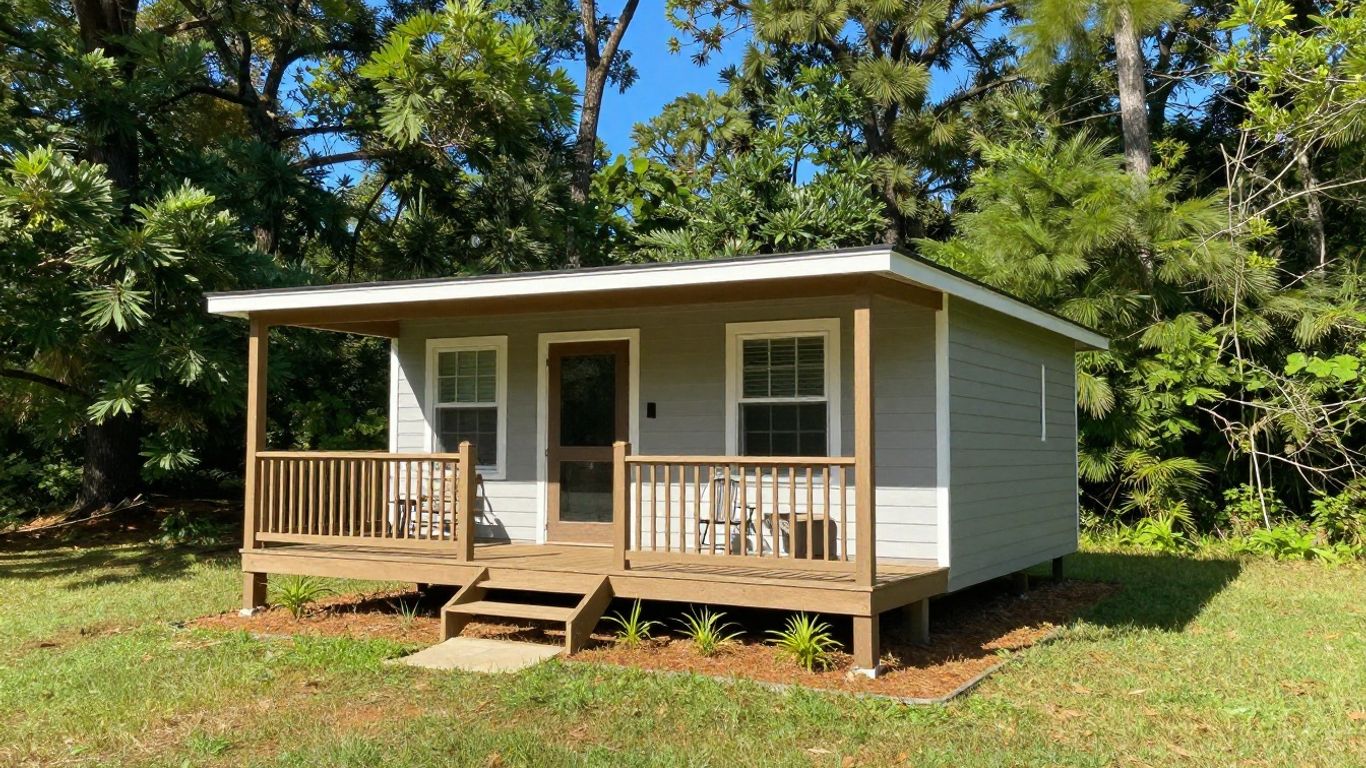
Park model tiny homes are a bit of a unique category when it comes to small living spaces in Alabama. They aren’t quite like a traditional house on a permanent foundation, nor are they exactly like a recreational vehicle (RV) you’d take on a long road trip, though they share characteristics with both.
Classification in Alabama
In Alabama, park model tiny homes are generally classified as recreational vehicles. This means they are built to specific RV standards, like the ANSI A119.5 RV standard. A key defining feature is their size; they typically max out at 399 square feet. Because of this RV classification, they are often found in places zoned for RVs, such as RV parks or campgrounds. It’s important to note that they are not subject to the same regulations as HUD-code manufactured homes.
Allowed Locations for Park Models
Since they’re often treated as RVs, park models are commonly situated in RV parks and campgrounds. However, Alabama law does allow for some flexibility. Some counties might permit park models to be placed on a permanent foundation, which makes them feel more like a permanent dwelling. This usually requires meeting local building codes and zoning rules, so it’s always a good idea to check with your local planning or building department.
Foundation Placement Options
When it comes to placing your park model tiny home, you’ve got a couple of main routes. The most common is within an RV park or a similar designated area, where they sit on their own chassis or a simple, temporary foundation. Alternatively, if local regulations permit, you can opt for a more permanent foundation. This often involves setting the home on concrete piers, a slab, or a crawl space, much like a traditional home. This option can make the park model feel more permanent and might open up different zoning possibilities, but it definitely requires checking local rules first.
The size limit of 399 square feet is a critical factor in their classification and placement.
Here’s a quick look at how they differ from other tiny home types:
- Park Model Tiny Homes: Built to RV standards, max 399 sq ft, often in RV parks or on foundations if allowed locally.
- Tiny Houses on Wheels (THOWs): Built on a trailer chassis, designed for mobility, regulations can vary widely.
- Tiny Houses on Foundations: Built like traditional homes but smaller, subject to standard residential building codes.
When considering a park model, remember that local zoning and building codes are your best friends. What’s allowed in one county might not be in another, so a little homework upfront can save a lot of headaches later on.
Builders and Delivery Services
Atkinson Cottages Delivery
Atkinson Cottages, located in Childersburg, Alabama, makes getting your tiny home to its new spot pretty straightforward. They can deliver their charming cottages not just within Alabama, but also to Florida, Georgia, Kentucky, Louisiana, Mississippi, Missouri, South Carolina, and Tennessee. It’s a big area, so chances are they can reach you. Just remember, you’ll be responsible for sorting out any local permits and making sure the delivery truck can actually get to where your tiny home needs to go. If you’re thinking about one of their unique designer homes, it’s worth giving Jan or the rest of the Atkinson team a call to chat about the details.
Zook Cabins Nationwide Delivery
While Atkinson Cottages focuses on a specific region, Zook Cabins takes a broader approach, offering nationwide delivery. This means if you’re dreaming of a tiny home from them, distance isn’t necessarily a barrier. They handle the logistics of getting their structures from their build site to your property, wherever that might be in the US. This service is great for folks who might not have a builder nearby or who have fallen in love with a specific Zook design.
Custom Design Options
Many tiny home builders understand that one size doesn’t fit all. Companies like Alabama Custom Cabins pride themselves on creating homes tailored to individual needs. Whether you’re looking for a specific layout, unique features, or just a certain aesthetic, they can work with you. This often involves a back-and-forth process to nail down exactly what you want before construction even begins. It’s about making the tiny home truly yours.
Here’s a look at what some builders focus on:
- Customization: Tailoring layouts, finishes, and features to your lifestyle.
- Quality Materials: Using durable and attractive materials for longevity.
- Design Consultation: Working with you to bring your vision to life.
- Delivery Network: Providing options for getting the home to your chosen location.
When you’re looking at builders, it’s good to ask about their delivery process. Some might have specific zones they cover, while others can ship almost anywhere. Also, find out if they help with site prep or if that’s something you need to arrange separately. Understanding these details upfront can save a lot of headaches down the road.
The Craftsmanship of Tiny Homes
Attention to Detail
When you look at a tiny home, it’s easy to get caught up in the small footprint and the clever use of space. But what really sets a good tiny home apart is the attention to detail. It’s in the way the cabinets fit perfectly, the smooth finish on the wood, and how every little nook is considered. This focus on the small things makes a big difference in how a tiny home feels and functions. It’s not just about building a structure; it’s about crafting a comfortable and durable living space.
Quality Materials and Techniques
Building a tiny home that lasts requires using good materials and smart building methods. Think about the framing, insulation, and the exterior siding. Are they built to handle Alabama’s weather? Many builders are using techniques that are common in larger homes but adapted for smaller spaces. This means things like proper sealing against moisture and good ventilation, which are super important in a compact environment. It’s about making sure your tiny home is sturdy and efficient.
Built to Last
Tiny homes are often seen as a simpler way of living, but that doesn’t mean they’re built cheaply. In fact, many builders pride themselves on creating homes that are just as robust as traditional houses. They use quality lumber, durable roofing, and well-made windows and doors. The goal is to create a structure that can withstand the test of time and provide a safe, comfortable home for years. It’s about investing in a home that will serve you well, whether it’s on wheels or a foundation. You can find some great examples of this dedication to quality in homes designed for a cozy and spacious feel, like those featuring shiplap walls and pine flooring [99f7].
The difference between a hastily put-together structure and a well-crafted home often comes down to the builder’s commitment to quality. This commitment is evident in the selection of materials, the precision of the construction, and the final finishing touches. A well-built tiny home offers peace of mind and a sense of permanence, regardless of its size.
Financing and Setup for Tiny Homes
So, you’ve fallen in love with the idea of a tiny home in Alabama. That’s awesome! But before you start picking out paint colors, let’s talk about the practical stuff: how to pay for it and get it all set up. It’s not quite as simple as buying a regular house, but it’s definitely doable.
Financing Availability
Getting a loan for a tiny home can be a bit different than for a traditional house. Some banks might not be as familiar with them, especially if it’s on wheels. However, there are options out there. Many tiny home builders work with financing companies that specialize in these unique dwellings. You might also look into personal loans or RV loans if your tiny home is classified as a recreational vehicle. The cost of tiny homes varies a lot, so knowing your budget is the first step. It’s worth shopping around and talking to different lenders to see what works best for your situation. You can find resources that explore the factors influencing these prices, including building expenses and potential hidden costs, as well as available financing options for those looking to invest in or own a tiny home.
Site Preparation and Setup Services
Once you’ve secured financing and your tiny home is ready, you’ll need a place to put it and get it hooked up. This is where site preparation comes in. Depending on whether your home is on a foundation or wheels, you’ll need to consider:
- Foundation: If it’s a permanent structure, you’ll need a level, prepared spot, possibly with concrete piers or a slab. This might involve excavation and ensuring proper drainage.
- Utilities: You’ll need to connect to water, sewer or septic, and electricity. This can involve trenching, running lines, and hiring licensed professionals for electrical and plumbing work.
- Access: Make sure there’s a clear path for your tiny home to be delivered and placed on your chosen spot. This is especially important for larger or on-wheels models.
Some builders offer site assessment and setup services, which can take a lot of the stress out of this phase. It’s a good idea to ask about these services when you’re looking at different builders.
Connecting Utilities
Getting your utilities sorted is a big part of the setup process. For tiny homes on wheels (THOWs), this often means connecting to existing hookups, similar to an RV. This usually involves hoses for water and sewer, and an electrical cord that plugs into a suitable power source. If your tiny home is on a foundation, it’s more like connecting a traditional house, requiring permanent hookups to the local grid for water, power, and waste disposal. Sometimes, off-grid solutions like solar power or composting toilets are an option, but these require careful planning and specific equipment.
Setting up utilities can sometimes be the most complex part of the process. It’s wise to get quotes from local contractors early on, especially if you’re not familiar with the requirements in your specific area of Alabama. Understanding the local regulations for utility connections is key to a smooth transition into your new tiny home.
So, What’s the Takeaway?
It’s pretty clear that tiny homes in Alabama are more than just a passing trend. Whether you’re looking for a cozy weekend getaway, a simpler way to live full-time, or even a smart investment, these small spaces offer a lot. From the charming cottages in Childersburg to the lakeside spots, there are options for different tastes and needs. Plus, with companies building them to high standards and even offering delivery, getting into a tiny home is becoming more accessible. So, if you’ve been curious about downsizing or just want to explore a different kind of living, Alabama has some interesting possibilities waiting for you.
Frequently Asked Questions
Are tiny homes legal in Alabama?
Yes, tiny homes are allowed in Alabama, but the rules can differ depending on where you want to put your home and how it’s built. Homes on foundations need to follow specific building codes, while tiny homes on wheels are usually treated like RVs and need to be in places that allow RVs. It’s always best to check with your local city or county office for the exact rules in your area.
What’s the difference between a tiny house on wheels and a park model tiny home in Alabama?
Tiny homes on wheels (THOWs) are generally considered recreational vehicles (RVs). Park model tiny homes are also classified as RVs in Alabama, but they have specific size limits (under 399 sq ft) and must be built to RVIA park model standards. Both typically need to be placed in RV parks or similar zones.
Can I put a tiny home on my own land in Alabama?
It depends on the local rules. Some areas might allow tiny homes on foundations if they meet building codes. For tiny homes on wheels or park models, you’ll likely need to place them in an RV park or a zone that permits RVs. Always confirm with your local zoning department first.
Do builders offer delivery services for tiny homes in Alabama?
Many builders, like Atkinson Cottages and Zook Cabins, offer delivery services to Alabama and other states. They can often deliver the home right to your property. Some companies may also offer to check your site beforehand to make sure everything is ready for delivery.
How do I set up utilities for a tiny home?
Connecting utilities like water, electricity, and sewer/septic systems is usually the homeowner’s responsibility. You’ll need to hire licensed professionals (electricians, plumbers) to hook up your home to the necessary services. Your builder can often provide guidance on what’s needed.
Can I get a loan to buy a tiny home?
Financing options for tiny homes can vary. Some lenders offer loans, especially for tiny homes built on foundations or those classified as park models. It’s a good idea to talk to different banks or lenders who specialize in RVs or unique housing solutions to see what’s available.
Explore more tiny home living, design, downsizing, building, and lifestyle resources.