Tiny Homes in Connecticut

Thinking about a smaller footprint in the Constitution State? Tiny homes in Connecticut are becoming a popular choice for folks looking to simplify their lives, cut down on expenses, and maybe even live closer to the coast or in the charming New England countryside. Whether you’re drawn to the idea of a cozy cabin or a modern dwelling, there’s a lot to consider when it comes to tiny living here. Let’s break down what you need to know.
Key Takeaways
- Tiny homes on wheels (THOWs) are legal in Connecticut but often treated as RVs, meaning they usually go in RV parks, not on private land for full-time living.
- For permanent tiny home living in Connecticut, a foundation-built home that follows state building codes is the way to go.
- Park model tiny homes are classified as RVs, not mobile homes, and are generally limited to 399 sq. ft.
- Connecticut offers diverse locations for tiny homes, from coastal areas and historic villages to the Litchfield Hills and areas near Hartford.
- Building a tiny home involves site evaluation, custom design, permits, construction, and a final walkthrough, with services available across the state.
Understanding Tiny Homes in Connecticut
Legality of Tiny Houses in Connecticut
So, you’re thinking about a tiny house in Connecticut? It’s definitely doable, but there are a few things to get straight first. The biggest point is how you plan to set it up. If you’re looking at a tiny home on wheels (THOW), think of it more like an RV. This means it’s generally restricted to RV parks, campgrounds, or specific mobile home zones. It’s not usually allowed for full-time living on just any private property. For those who want a permanent dwelling, building a tiny home on a foundation is the way to go. This route means it needs to meet the standard building codes, like the International Residential Code (IRC), so it can be properly permitted and lived in year-round.
Tiny Homes on Wheels vs. Foundation-Built
Choosing between a tiny home on wheels and one built on a foundation really comes down to your lifestyle and where you want to put it. THOWs offer flexibility – you can move them if you need to relocate. However, as mentioned, Connecticut law often classifies them as recreational vehicles. This can limit your options for parking and permanent residency. Foundation-built tiny homes, on the other hand, are treated more like traditional houses. They require land and a permanent foundation, but they generally have an easier time with permits and zoning for full-time living. It’s a trade-off between mobility and stability.
Park Model Tiny Homes: Classification and Rules
Park model tiny homes are a bit of a special category. In Connecticut, they aren’t considered mobile homes. Instead, they’re built to RV standards (specifically, ANSI A119.5) and are usually capped at 399 square feet. Because of this, they’re legally classified as recreational vehicles. This means they typically belong in RV parks or areas zoned for RVs. While they can offer a charming, compact living space, you’ll need to check local regulations carefully. Sometimes, if a park model is placed on a permanent foundation and meets local building codes, it might be treated more like a permanent residence, but this isn’t always the case.
Understanding these classifications is key to avoiding headaches down the road. It’s not just about the size of the house, but how it’s built and where it’s placed that determines its legal standing in Connecticut.
Exploring Tiny Home Styles and Designs
When you start looking into tiny homes in Connecticut, you’ll quickly see there’s a whole lot more variety than you might expect. It’s not just one-size-fits-all. People are building these smaller spaces in all sorts of cool ways, fitting them to different needs and aesthetics. The key is finding a style that works for you and the Connecticut landscape.
Modern Tiny Home Options
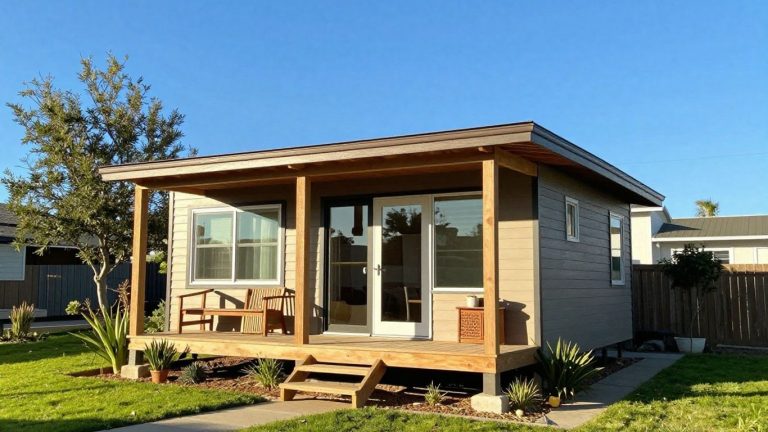
These are the sleek, contemporary choices. Think clean lines, big windows, and smart use of space. They often feel more like a mini-house than a traditional cabin. If you like a minimalist vibe and want something that feels current, a modern tiny home could be the ticket. They’re designed to blend beauty and function, often with really thoughtful layouts and nice finishes. You can find some really interesting not-so-tiny homes that offer a similar sophisticated feel in a compact package.
Log Park Model Tiny Homes
For those who love that rustic, cozy New England feel, log park models are a fantastic option. They bring that classic cabin charm to a smaller footprint. Imagine a little log home nestled in the woods or even near the coast. These are often built to be stationary, like a park model RV, but with the solid feel of a log structure. They’re great for a weekend getaway or a more permanent, simpler lifestyle.
A-Frame Park Model Homes
Remember those cool A-frame houses? They’re making a comeback in the tiny home world, especially in places like Connecticut. An A-frame park model offers a unique architectural style that’s instantly recognizable. The steep rooflines not only look great but also help with snow load in the winter. They can feel surprisingly spacious inside due to the verticality. These homes are perfect for embracing that classic New England charm while enjoying a simplified life, whether you’re near the coast or in the rolling hills.
Benefits of Tiny Living in Connecticut
Choosing a tiny home in Connecticut isn’t just about shrinking your living space; it’s about embracing a lifestyle that offers a surprising number of advantages, especially in the unique setting of New England. Think about what you gain when you simplify. It often means more freedom, less financial burden, and a closer connection to the things that really matter.
Coastal Comfort and Charm
Living in Connecticut means you’re never too far from the beautiful Long Island Sound. Tiny homes, particularly park models, can offer a cozy and affordable way to enjoy the coastal vibe. Imagine having a small, charming base near towns like Mystic or Old Saybrook. You get the benefit of sea breezes and waterfront access without the hefty price tag of a larger beachfront property. It’s a way to experience that coastal charm more accessibly.
Embracing New England Lifestyle
Connecticut is steeped in history and natural beauty, from its charming villages to its rolling hills. A tiny home fits right into this picture. It allows you to live more simply, perhaps closer to nature, enjoying things like local farmers’ markets, hiking in the Litchfield Hills, or exploring historic towns. This lifestyle shift can free up resources for experiences rather than possessions.
Four-Season Living Considerations
Connecticut experiences all four seasons, and a well-built tiny home can handle them. When planning your tiny home, think about insulation and heating for those cold New England winters. Many builders focus on energy efficiency, which is a big plus when you’re dealing with snow and chilly temperatures. Plus, a smaller space is easier and cheaper to heat. You’ll want to consider:
- Insulation: High-quality insulation is key for keeping warm in winter and cool in summer.
- Heating Systems: Options range from mini-split heat pumps to small wood stoves, depending on your preference and local regulations.
- Ventilation: Proper ventilation is important year-round to manage moisture, especially during humid summers and cold winters.
Building a tiny home in Connecticut means adapting to its distinct climate. While the smaller footprint is appealing, ensuring it’s well-equipped for everything from humid summers to snowy winters is a practical consideration that pays off in comfort and efficiency throughout the year.
Tiny Home Construction Services in Connecticut
Custom Tiny Home Design and Build
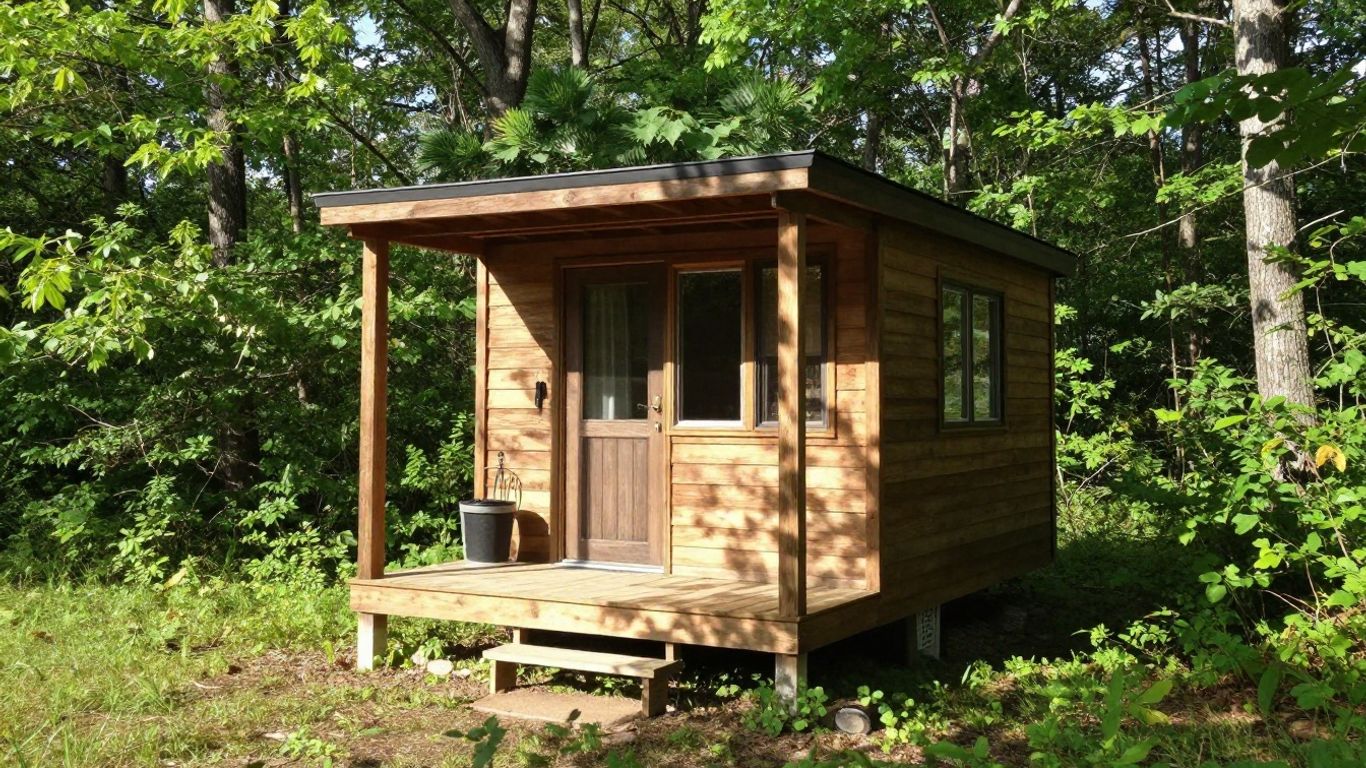
Thinking about building a tiny home in Connecticut? It’s a big step, and finding the right people to help you make it happen is key. Many companies in the state specialize in creating these smaller dwellings, tailoring them to fit your specific needs and the unique landscape of Connecticut. They can help you go from a rough idea to a finished home, making sure every inch of space is used wisely. This means your tiny home will feel just right for you, not just small.
Foundation and Site Preparation
Before you can even think about walls and a roof, the ground needs to be ready. This part is super important, especially with Connecticut’s varied weather. Builders will look at your land, figure out the best spot, and get the foundation set. This isn’t just about making it look nice; it’s about making sure your tiny home is stable, level, and can handle things like snow and rain without problems. It’s a step that really sets the stage for a solid build.
Accessory Dwelling Units and Backyard Cottages
Sometimes, a tiny home isn’t a standalone project. Many people in Connecticut are looking to add smaller, separate living spaces to their existing properties. These are often called Accessory Dwelling Units (ADUs) or backyard cottages. They can be great for guests, family members, or even as a rental income. Construction services can help you design and build these smaller units so they fit in with your main house and property, adding value and flexibility.
Building a tiny home, whether it’s your main residence or an extra unit, involves careful planning. It’s about more than just size; it’s about creating a functional, comfortable space that works with your life and the environment around it. Getting the right professionals involved from the start makes a huge difference in the final outcome.
Finding Your Place: Tiny Home Communities and Locations
Emerging Tiny Home Communities
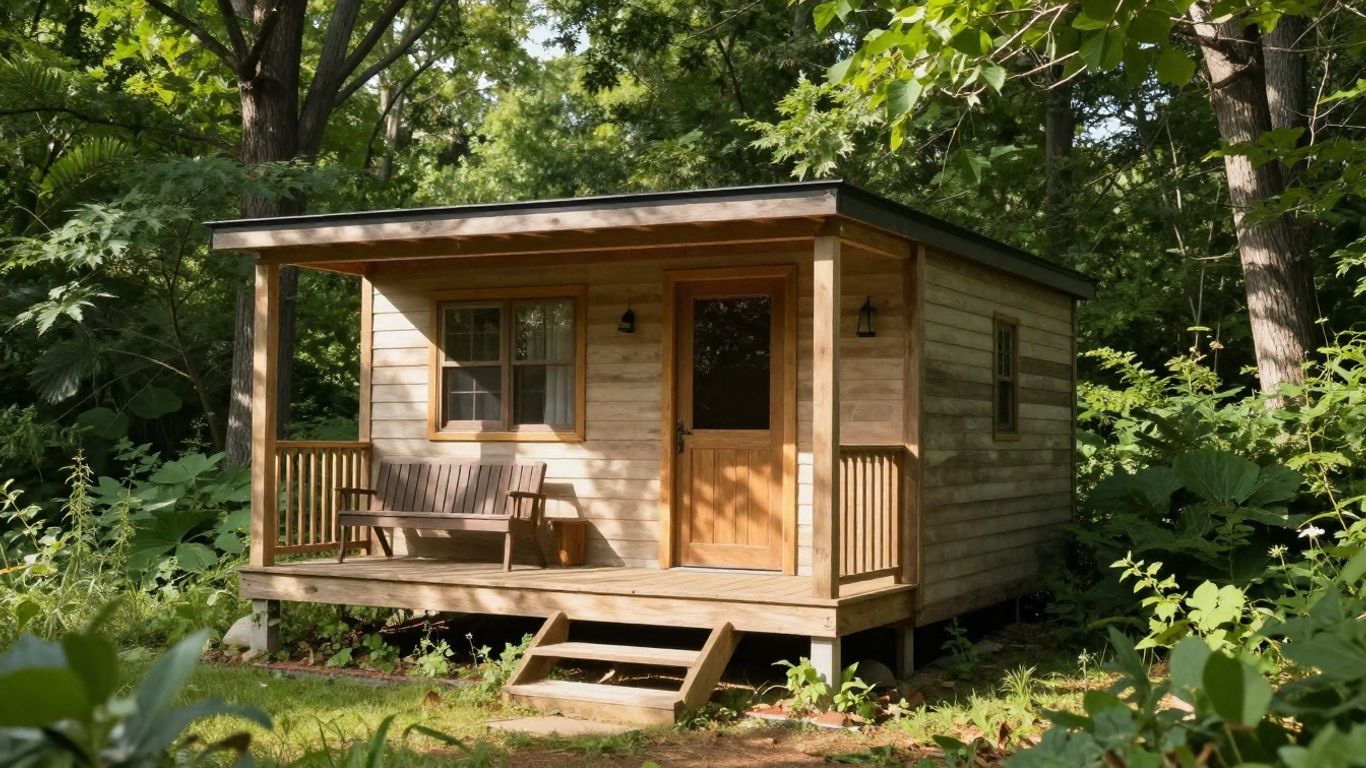
Connecticut is starting to see more dedicated spots for tiny home living. While it’s still a developing scene, places like Rosette Neighborhood Village in New Haven are paving the way, offering supportive housing in a cluster of well-designed tiny homes. Beyond these specific villages, you’ll find opportunities popping up in RV parks and smaller developments across the state. It’s a good idea to keep an eye on local news and zoning boards for new projects.
Ideal Locations Along the Shoreline
If the coast calls to you, Connecticut’s shoreline offers some great possibilities. Towns like Mystic, Old Saybrook, and areas around New Haven are perfect for placing a park model home in RV resorts or communities that are open to tiny living. Think about the ocean breezes, the historic charm of the seaports, and the general vacation vibe – it makes for a nice spot for a getaway or even a rental property. Living near the water doesn’t have to mean a huge mortgage.
Tiny Living in the Litchfield Hills
For those who prefer rolling hills and a more rural feel, the Litchfield Hills region is a fantastic choice. This area is known for its charming countryside, complete with farms, orchards, and old-fashioned villages. Setting up a tiny home here means you’ll be surrounded by peaceful nature, beautiful fall colors, and plenty of hiking trails. It’s the kind of place where you can really embrace a quieter, simpler way of life.
Proximity to Hartford and River Valley
Want a balance between a downsized lifestyle and access to city amenities? Placing a tiny home in towns near Hartford or along the Connecticut River could be the answer. This gives you the best of both worlds: a more affordable and simpler way of living, while still being close enough to enjoy museums, theaters, restaurants, and job opportunities in the city. It’s a practical option for many.
When considering where to place your tiny home, it’s important to check local zoning laws. While some areas are becoming more welcoming, others might still have restrictions, especially for tiny homes on wheels. Foundation-built tiny homes often have an easier path to being permitted as permanent residences.
The Tiny Home Construction Process
So, you’ve decided a tiny home is the way to go in Connecticut. Awesome! But how do you actually get one built? It’s not like picking up a pre-fab shed, though some aspects can feel that way. The process usually kicks off with a chat, then moves into design, and finally, the actual building. It’s a journey, for sure, and understanding the steps makes it way less daunting.
On-Site Consultation and Site Evaluation
First things first, someone needs to check out where your tiny home will live. This isn’t just a quick look-see. They’ll assess the land, figure out access for building materials, and see if there are any tricky spots like steep slopes or weird soil conditions. This initial evaluation is key to making sure your tiny home is placed safely and securely. They’ll also talk with you about your vision – what you want, what you need, and what your budget looks like. It’s all about getting a clear picture before anyone breaks ground.
Custom Design and Planning
Once they know the lay of the land, the design phase begins. This is where your ideas really start to take shape. You’ll work with designers to map out the layout, pick materials, and decide on all those little details that make a house a home. Think about window placement for natural light, how much storage you’ll need, and what kind of heating system will work best for those chilly New England winters. It’s a collaborative effort, and they’ll usually show you 3D models so you can really visualize the finished product.
Permitting and Construction Management
This is often the part people worry about, but a good builder handles it. They’ll take care of getting all the necessary permits from the local Connecticut authorities. This can be a bit of a maze, so having an experienced team is a lifesaver. Once the paperwork is sorted, the actual construction starts. This involves everything from laying the foundation (if it’s not on wheels) to framing, installing utilities, and finishing the interior and exterior. Good communication is vital here; you should be kept in the loop about progress and any unexpected issues.
Final Walkthrough and Ongoing Support
Almost there! Before you officially get the keys, you’ll do a final walkthrough with the construction team. This is your chance to inspect everything, make sure it’s all up to snuff, and address any last-minute tweaks. They’ll show you how everything works – from the appliances to the heating system. And the relationship doesn’t just end there. Most reputable builders offer some form of aftercare or warranty, giving you peace of mind long after you’ve moved in. It’s good to know they stand behind their work.
So, What’s Next for Tiny Living in Connecticut?
Alright, so we’ve talked a lot about tiny homes in Connecticut. It’s clear that while the idea of a smaller, simpler life is appealing, there are definitely things to figure out. Whether you’re looking at a park model home for those charming New England vibes or a foundation-built place that meets all the codes, it’s not just a simple purchase. You’ve got to look into where you can actually put it, and if you’re thinking of it as a permanent spot, that’s a whole different ballgame than a seasonal getaway. But hey, with communities popping up and builders ready to help, making that tiny dream a reality in the Constitution State seems more possible than ever. It’s about finding that sweet spot between simplifying your life and still enjoying all that Connecticut has to offer.
Frequently Asked Questions
Are tiny houses legal in Connecticut?
Yes, tiny houses are allowed in Connecticut, but there are rules. Tiny homes on wheels are usually seen as RVs, meaning they can only be placed in RV parks or areas set aside for mobile homes. If you want to live in a tiny home all year, a tiny home built on a foundation that follows the state’s building codes is a better choice.
What’s the difference between a tiny home on wheels and one built on a foundation?
A tiny home on wheels (THOW) is built on a trailer and can be moved, but it’s often treated like an RV, limiting where you can park it long-term. A foundation-built tiny home is placed on a permanent foundation, just like a regular house, and is usually subject to standard building codes, making it easier to live in year-round.
Are park model tiny homes the same as mobile homes?
No, park model tiny homes are different from mobile homes. In Connecticut, they are built to RV standards and are usually under 400 square feet. Because of this, they are classified as recreational vehicles and typically can only be placed in RV parks or similar zones, not in areas meant for mobile homes.
Can I build a tiny home in my backyard in Connecticut?
Yes, you can often build a tiny home in your backyard in Connecticut, especially if it’s designed as an Accessory Dwelling Unit (ADU). Many towns allow these secondary units, which can be used as guest houses or rental spaces, but it’s important to check your specific town’s zoning rules first.
Where can I find tiny home communities in Connecticut?
Connecticut is starting to see more tiny home communities. Places like the Rosette Neighborhood Village in New Haven are leading the way. You can also find opportunities in RV parks, small housing developments, and even along the coast or in rural areas where tiny living is becoming more popular.
How long does it take to build a custom tiny home in Connecticut?
Building a custom tiny home usually takes about 6 months from start to finish. This includes time for designing the home with you, getting the necessary permits from the town, and the actual construction process. The builder will handle most of the steps to make it a smooth experience.
Explore more tiny home living, design, downsizing, building, and lifestyle resources.