Mastering Tiny House Climate Control: Your Guide to How to Heat and Cool a Tiny House Efficiently

Living in a tiny house is awesome for so many reasons, but keeping the temperature just right can be a puzzle. You want it cozy in winter and cool in summer without using a ton of energy. This guide is all about how to heat and cool a tiny house efficiently, so you can focus on enjoying your minimalist lifestyle, not fiddling with the thermostat.
Key Takeaways
- Properly sizing your heating and cooling system is super important for efficiency and comfort; don’t just guess.
- Good insulation and sealing are your first lines of defense against outside temperatures, making your system work less.
- Ventilation is key in tiny spaces to manage moisture, prevent mold, and keep the air fresh, especially in bathrooms.
- Consider energy-efficient options like Energy Star appliances and window films to cut down on energy use.
- Advanced solutions like zoning and variable-speed systems offer more control and comfort, though they might cost more upfront.
Understanding Tiny House Climate Control Essentials
When you’re thinking about a tiny house, the first thing that comes to mind might be the coziness or the freedom it offers. But let’s get real for a second: keeping that small space comfortable year-round is a big deal. It’s not just about having a heater or an air conditioner; it’s about making sure they work right for your specific setup. Getting this wrong means you could end up with a place that’s too hot, too cold, or just plain damp, no matter what you do.
The Importance of Proper Sizing and Load Calculation
This is where things can get a bit technical, but it’s super important. You can’t just grab any old AC unit or heater and expect it to do the job. The size of your system needs to match the "load" it has to handle. Think of it like trying to cool a giant warehouse with a tiny fan – it just won’t cut it. The same goes for heating. If your system is too small, it’ll run constantly, wear itself out, and still won’t get your tiny home to the temperature you want. On the flip side, an oversized unit is also a problem. It’ll cool or heat the space too quickly and then shut off, leading to uneven temperatures and poor dehumidification. Plus, it’s just a waste of energy and money.
Assessing Square Footage and Layout
Your tiny house’s size and how it’s laid out play a huge role in how well your climate control system works. A simple, open-plan tiny house is easier to heat and cool evenly than one with lots of little nooks and crannies or multiple levels. You’ve got to consider how air will flow. Does the heat or cool air reach every corner? If you have a loft, for example, heat will naturally rise, making the loft much warmer than the main floor. You need to think about these things when deciding on the type and placement of your heating and cooling equipment.
The Impact of Climate and Insulation
Where you park your tiny house matters a lot. Living in a place with freezing winters means your heating system will be working overtime, and you’ll need to focus on BTUs (British Thermal Units) for heating capacity. If you’re in a hot, sticky climate, then cooling power (measured in tons) and how well the system handles humidity are your main concerns. But it’s not just about the weather outside. What’s happening inside your tiny house’s walls is just as important. Good insulation is like a warm blanket for your home in winter and a cool shield in summer. If your insulation is lacking, your heating and cooling system has to fight against the outside temperature constantly. It’s often way more effective to upgrade your insulation first, which means you can get away with a smaller, cheaper, and more energy-efficient climate control system.
Before you even start looking at specific heaters or air conditioners, take a good, hard look at your tiny house’s insulation and how well it’s sealed up. This is the foundation of efficient climate control. A well-sealed and insulated tiny home will require a much smaller and less expensive system to keep it comfortable, saving you money on both the initial purchase and your monthly utility bills.
Optimizing Heating and Cooling Systems for Tiny Homes
When you’re living tiny, every bit of energy counts. That’s why picking the right heating and cooling system isn’t just about comfort; it’s about making your small space work for you without breaking the bank. Forget those massive central air units you see in big houses; tiny homes need a more tailored approach. We’re talking about systems that are efficient, effective, and don’t take up a ton of room.
Choosing the Right Air Conditioning Units
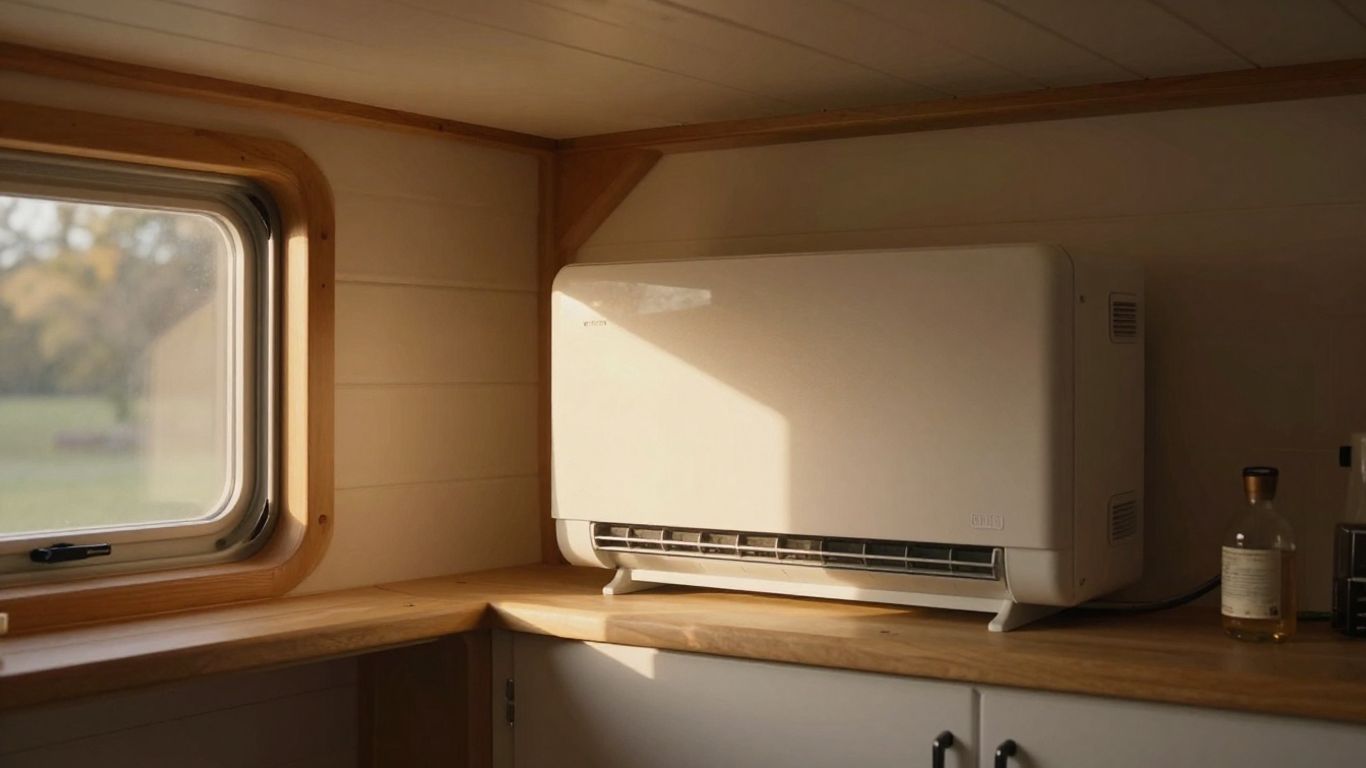
When it comes to cooling, you’ve got a few main players. Window units are the old standby, and while they’re cheap upfront, they can be noisy and aren’t always the most energy-efficient. Mini-split systems, on the other hand, are a really popular choice for tiny homes. They consist of an outdoor compressor and an indoor air-handling unit, connected by a small conduit. This means no bulky ductwork taking up space. Plus, they’re super efficient and quiet, and many models can also provide heat, acting as a dual-purpose system. The key is to get one that’s properly sized for your square footage; too small and it’ll run constantly, too big and it’ll short-cycle, not dehumidifying effectively.
Exploring Energy Recovery Ventilator (ERV) Systems
Okay, so tiny homes are built to be pretty airtight, which is great for keeping conditioned air in. But that also means stale air and moisture can get trapped. That’s where an Energy Recovery Ventilator, or ERV, comes in. Think of it as a smart air exchanger. It pulls fresh air in from the outside and pushes stale air out, but here’s the cool part: it transfers the heat and humidity from the outgoing air to the incoming air. So, in the winter, it pre-warms your incoming fresh air, and in the summer, it pre-cools it. This means your main heating and cooling system doesn’t have to work as hard to bring that fresh air up to temperature. It’s a fantastic way to maintain good indoor air quality without sacrificing energy efficiency.
Variable Speed Technology for Enhanced Comfort
Remember those old AC units that would blast cold air, then shut off completely, only to start up again with a roar? Those are typically single-stage systems. Variable-speed technology is a game-changer. Instead of just being ‘on’ or ‘off,’ these systems can adjust their output in small increments. They might run at 40% capacity for a while, then ramp up to 60%, and so on. This might sound like it uses more energy, but it’s actually the opposite. By running longer at lower speeds, they maintain a much more consistent temperature, avoid those jarring temperature swings, and do a better job of dehumidifying the air. It’s like driving on the highway versus stop-and-go city traffic – the steady speed is more efficient. Plus, they operate much more quietly, which is a big plus in a small living space.
Mastering Tiny House Ventilation Strategies
Why Tiny House Ventilation Is Crucial
When you’re living in a tiny house, every bit of space counts, and that includes the air you breathe. Proper ventilation isn’t just about making things smell nice; it’s a big deal for keeping your home healthy and preventing damage. Because tiny homes are so compact, moisture and stale air can build up really fast. Think about it: cooking, showering, even just breathing releases water vapor. Without a good way to get that damp air out, it can settle on surfaces, leading to problems.
The main goal of ventilation is to swap out stale indoor air for fresh outdoor air. This process helps manage humidity levels, reduces the risk of mold and mildew growth, and generally makes your living space feel more comfortable and healthier. It’s one of those things you might not think about much until there’s a problem, but getting it right from the start makes a huge difference.
Bathroom Ventilation for Moisture Control
Your tiny house bathroom is probably the biggest offender when it comes to moisture. Every shower or bath pumps a lot of steam into the air. If that steam has nowhere to go, it clings to walls, mirrors, and ceilings. Over time, this constant dampness can lead to:
- Mold and Mildew: These fungi love damp, poorly ventilated areas. They don’t just look bad; they can cause respiratory issues and allergies.
- Musty Odors: Lingering dampness creates that unpleasant, stale smell that’s hard to get rid of.
- Material Damage: Persistent moisture can damage drywall, paint, and even the structural components of your tiny home.
To combat this, installing a good exhaust fan is a smart move. You want one that’s powerful enough for the size of your bathroom and that you’ll actually use. Running it during and for a good 15-20 minutes after showering makes a world of difference. Some fans are quieter than others, which is a plus in a small space where noise can be more noticeable. Look for models with timers or humidity sensors for automatic operation.
Don’t underestimate the power of a simple exhaust fan. It’s your first line of defense against moisture-related issues in the bathroom, and it doesn’t take up any extra space.
Achieving Airtight Sealing for Controlled Airflow
While it might sound strange, making your tiny house airtight is actually a good thing for ventilation. When a house is well-sealed, you don’t have random drafts coming in through cracks and gaps. This means you have much more control over where your air comes from and goes. Instead of relying on unpredictable leaks, you can use mechanical systems like ventilation fans and heat recovery ventilators (HRVs) or energy recovery ventilators (ERVs) to bring in fresh air and exhaust stale air in a planned way.
This controlled airflow is key for several reasons:
- Efficiency: You can heat or cool the air you bring in more effectively, saving energy.
- Air Quality: You can filter the incoming air, removing dust, pollen, and other particles.
- Moisture Management: You can precisely manage the exchange of air to keep humidity levels in check throughout the house, not just in the bathroom.
Materials like aluminum framing can help achieve a superior airtight seal compared to traditional wood construction, which can be a big advantage in a tiny home. When your house is sealed tight, your ventilation system becomes the boss of the air quality, ensuring a consistent and healthy environment.
Key Factors for Efficient Tiny House Climate Control
When you’re trying to keep your tiny house comfy year-round, a few things really make a big difference. It’s not just about picking the fanciest heater or AC unit; it’s about how everything works together. Think of it like building a good team – everyone has a role.
The Role of Insulation in Energy Efficiency
This is a big one. Good insulation is like a cozy blanket for your tiny house. It keeps the heat in when it’s cold out and keeps the heat out when it’s hot. If your insulation is lacking, your heating and cooling systems have to work way harder than they need to. This means higher energy bills and less comfort for you. Before you even think about a bigger AC unit, check your insulation. Sometimes, adding more or upgrading what you have is the smartest move. It reduces the strain on your system, letting you get by with a smaller, more efficient unit that costs less to run.
Benefits of Energy Star Appliances
When it’s time to buy new appliances, look for the Energy Star label. These products are designed to use less energy without sacrificing performance. It might cost a little more upfront, but over time, the savings on your electricity bill add up. Plus, you’re doing a bit of good for the planet. It’s a win-win, really.
Applying Window Film for Heat Reduction
Sunlight streaming through your windows can really heat up a tiny space, making your air conditioner work overtime. A simple fix is applying window film. This film can block a good chunk of that solar heat from getting inside. It’s a pretty straightforward way to keep your home cooler in the summer and can even help a bit with insulation in the winter. It’s a small change that can lead to noticeable savings on your energy costs and make your tiny home feel much more pleasant during those hot sunny days.
Keeping your tiny house comfortable doesn’t have to be complicated. It’s about making smart choices with your insulation, appliances, and even your windows. These steps work together to reduce the workload on your heating and cooling systems, saving you money and keeping your living space just right.
Addressing Humidity and Air Quality in Tiny Homes
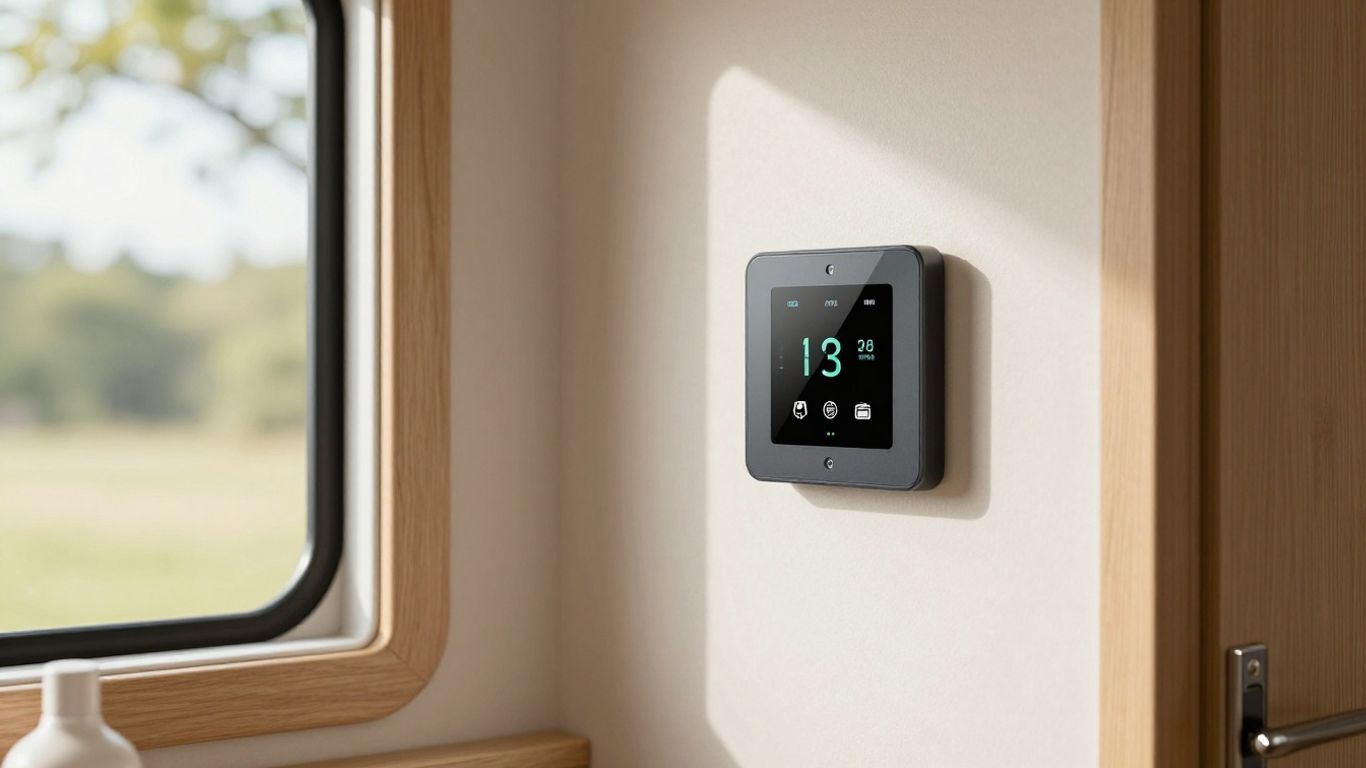
Living small means you’ve got to be smart about moisture and air. In a tiny house, every little bit of steam from a shower or cooking can really add up. If you don’t manage it, you can end up with dampness, yucky smells, and even mold. Keeping your tiny home dry and the air fresh is super important for both your health and the life of your house.
Preventing Moisture Buildup
Moisture is the enemy of tiny homes. It comes from breathing, cooking, showering, and even drying clothes. In a small space, this moisture has nowhere to go unless you actively remove it. Without good ventilation, water vapor can condense on cooler surfaces like windows and walls. Over time, this constant dampness can damage building materials and create a breeding ground for mold.
- Shower Power: Always use your bathroom fan during and for at least 20-30 minutes after showering. This is the biggest source of moisture in many tiny homes.
- Kitchen Smarts: Use your range hood fan when cooking, especially when boiling water or frying. Make sure it’s vented to the outside.
- Laundry Logic: If you have an in-unit dryer, ensure it’s properly vented outside. Consider air-drying clothes when possible.
- Window Watch: Keep an eye on condensation. If you see it regularly, you might need more ventilation or better insulation.
Reducing Mold and Mildew Growth
Mold and mildew love damp, stagnant air. They don’t just look bad; they can cause allergies and other respiratory problems. Because tiny houses are so compact, mold can spread quickly if not addressed. The key is to stop moisture before it becomes a problem and to keep air circulating.
A well-sealed tiny house is great for energy efficiency, but it also means you must have a good ventilation system. Without it, all the moisture you create stays trapped inside, leading to potential issues.
Indoor Air Quality Add-ons
Beyond just ventilation, there are other things you can do to keep your tiny home’s air clean and healthy. Think of these as extra layers of protection for your living space.
- Air Purifiers: A good HEPA air purifier can help remove dust, pollen, pet dander, and other allergens from the air. Look for one sized appropriately for your small space.
- Dehumidifiers: In very humid climates, a small, energy-efficient dehumidifier can be a lifesaver. It actively pulls moisture out of the air, helping to keep humidity levels in check.
- Plants: While not a replacement for mechanical ventilation, certain houseplants can help filter the air and add a touch of nature. Just be mindful not to overwater them, as that can add humidity!
- Material Choices: When building or renovating, opt for low-VOC (Volatile Organic Compound) paints, finishes, and building materials. These release fewer harmful chemicals into your air.
By paying attention to these details, you can create a tiny home that feels fresh, clean, and comfortable year-round. It’s all about managing that moisture and keeping the air moving.
Advanced Climate Control Solutions for Tiny Living
Understanding Zoning for Customized Comfort
When you’re dealing with a tiny house, you might think zoning is overkill, but hear me out. It’s all about making your small space work for you. Instead of heating or cooling the entire tiny home to the same temperature all the time, zoning lets you set different temperatures for different areas. Think about it: do you really need the guest nook to be toasty warm when no one’s using it? Probably not. With motorized dampers in your ductwork, controlled by separate thermostats, you can direct that conditioned air only where it’s needed, when it’s needed. This means you’re not wasting energy keeping unused spaces comfortable, which is a big win for efficiency and your wallet.
The Advantages of Aluminum Tiny Houses for Climate Control
Okay, so you might be wondering what building materials have to do with climate control. A lot, actually! Especially when it comes to aluminum tiny houses. Unlike wood, aluminum doesn’t soak up moisture. This is a pretty big deal in a small, sealed space where humidity can build up fast. Aluminum framing helps create an incredibly airtight structure. Now, an airtight house sounds like it might trap stale air, but it actually gives you control. You’re not relying on random drafts; you can use your mechanical systems to bring in fresh, filtered air precisely when and where you want it. Plus, since aluminum doesn’t absorb moisture, you don’t have to worry about it getting trapped in the walls and causing rot or mold down the line. It’s a more durable and healthier foundation for managing your tiny home’s air.
Maintaining Ductwork Integrity and Airflow
Even with the best heating and cooling systems, if your ductwork isn’t up to par, you’re going to have problems. Leaky ducts can lose a surprising amount of conditioned air before it even reaches your living space. This means your system has to work harder, using more energy, to achieve the desired temperature. It’s like trying to drink through a straw with a hole in it – a lot of effort for not much reward. Regularly checking your ductwork for any signs of damage, like tears or loose connections, is a smart move. Making sure everything is sealed up tight and that there are no major obstructions will help your system run as efficiently as possible. It’s a simple step that makes a big difference in keeping your tiny home comfortable and your energy bills lower.
Keeping your ductwork in good shape is a behind-the-scenes hero for your tiny house’s climate control. It ensures that the effort you put into heating or cooling actually makes it to the rooms where you need it, preventing wasted energy and maintaining consistent comfort throughout your small space.
Your Tiny House, Your Comfort Zone
So, we’ve talked a lot about keeping your tiny house comfy, no matter the weather. It’s not just about picking the right heater or cooler. It’s about thinking about how your whole house works, from the insulation to how the air moves around. Making smart choices here means you’ll save money on bills and have a much nicer place to live. Don’t forget that good airflow and managing moisture are super important too, especially in a small space. By putting a little thought into your climate control now, you’re setting yourself up for years of cozy living in your tiny home. It’s totally doable to make your small space feel just right.
Frequently Asked Questions
Why is controlling humidity so important in a tiny house?
In a small space like a tiny house, extra moisture from things like showering or cooking can build up quickly. If not managed, this can lead to condensation, mold growth, bad smells, and even damage to your walls and insulation over time. It’s crucial for keeping your home healthy and in good shape.
What’s the difference between heating and cooling a tiny house compared to a regular house?
Tiny houses need careful planning because their size means temperature changes happen faster. The heating and cooling system needs to be the right size – not too big, not too small – for the space. Good insulation and sealing are also super important to keep the temperature steady without the system working too hard.
How does insulation affect how well my tiny house stays warm or cool?
Great insulation is like a cozy blanket for your tiny house. It stops heat from escaping in the winter and keeps the hot air out in the summer. This means your heating and cooling system doesn’t have to run as much, saving you energy and money. Poor insulation makes your system work overtime.
What is an ERV system and why might it be good for a tiny house?
An ERV (Energy Recovery Ventilator) system is a smart way to keep your tiny house air fresh. It swaps out stale indoor air for fresh outdoor air while also transferring some of the heat or coolness. This means you get good ventilation without losing a lot of energy, making your home more comfortable and efficient.
Are Energy Star appliances worth it for a tiny house?
Yes, Energy Star appliances are a smart choice for tiny homes. They are designed to use less energy than regular appliances. Even though they might cost a bit more upfront, they save you money on your electricity bills over time and help reduce your environmental impact. It’s an investment in efficiency.
Why is bathroom ventilation especially important in a tiny house?
Tiny house bathrooms can get steamy quickly from showers. Without good ventilation, this moisture can stick around, leading to mold, mildew, and damage. A good exhaust fan or ventilation system removes this damp air, keeping the bathroom dry, fresh, and preventing bigger problems down the road.
Explore more tiny home living, design, downsizing, building, and lifestyle resources.
- Tiny Homes for Rent in Wyoming: Wild West Getaways to Book
- Tiny Homes for Rent in Washington: Forest Escapes & Cozy Stays
- Tiny Homes for Rent in Utah: Red Rock Retreats to Book
- Tiny Homes for Rent in Oregon: Forest Retreats You’ll Love
- Tiny Homes for Rent in New Mexico: Desert Gems & Starry Skies
- Tiny Homes for Rent in Nevada: Desert Hideaways Worth Booking