
Tiny Homes for Rent in Washington: Forest Escapes & Cozy Stays

Among the evergreens, a tiny home’s warm windows offer a welcome pause from the rain, while a lakeside deck or mountain trail puts Washington’s outdoors close at hand. Tiny homes for rent in Washington suit romantic weekends, active getaways, and slower-paced breaks, with options that range from rustic retreats to compact homes with modern comforts.
The right stay depends on where you want to go and what you need when you get there. Explore Washington’s regions, compare tiny home rental styles and costs, and find out what to check before you book.
Key Takeaways
- Tiny homes for rent in Washington range from forest hideaways to coastal and island stays, so choose a region that fits your plans.
- Compare the Olympic Peninsula, the Cascades, and the San Juan Islands using Washington’s regional travel guide to narrow your search.
- Check each listing for sleeping capacity, bathroom and kitchen details, parking, and distance to the places you want to visit.
- Before booking, review the total price, cancellation terms, check-in instructions, and seasonal access, especially for remote or ferry-dependent locations.
- Match the home to your trip: a trail-focused getaway calls for different amenities than a quiet weekend by the water.
Tiny Homes for Rent in Washington: What to Expect
The label “tiny home” can describe several kinds of compact stays in Washington. Some rentals are purpose-built tiny houses, while others are cottages, cabins, or off-grid retreats with a similarly small footprint. The name alone doesn’t tell you what the property includes, how private it feels, or how easy it is to reach.
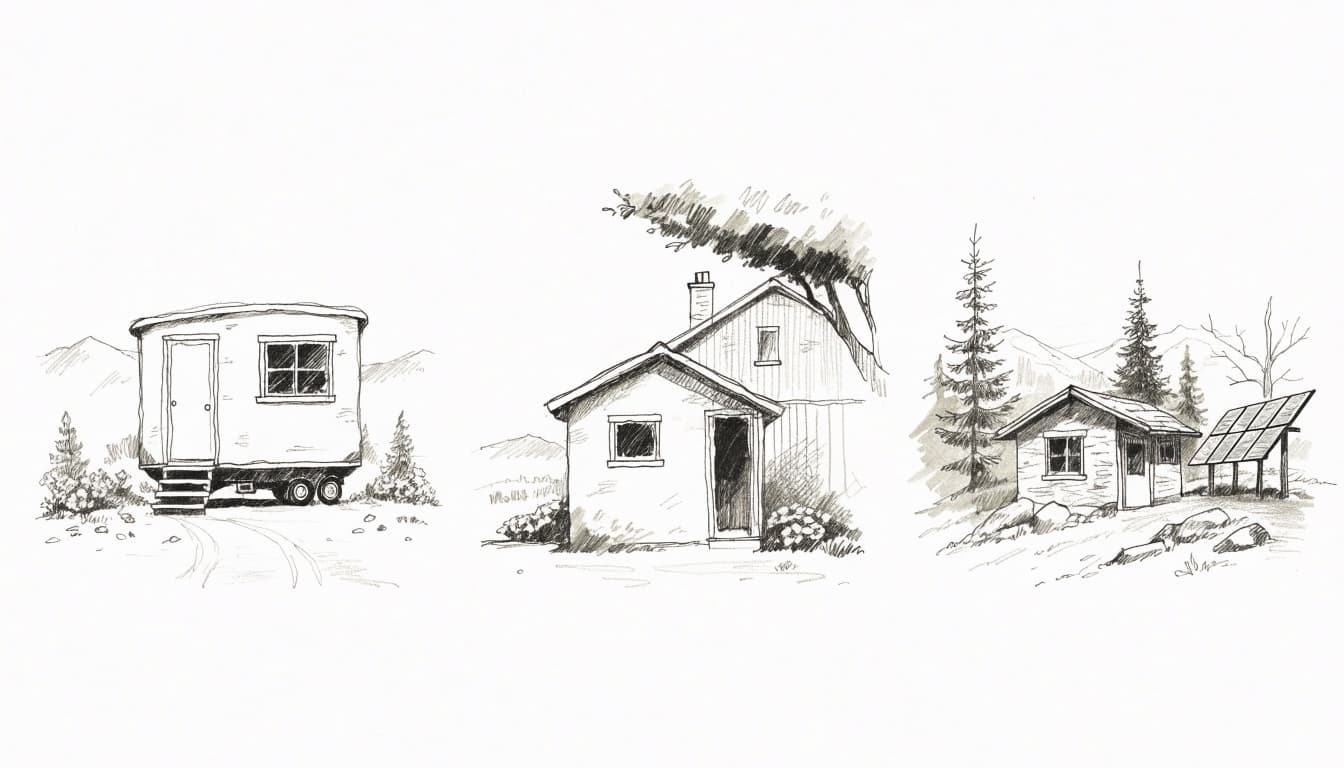
The listing may describe different kinds of homes
Washington’s Department of Labor & Industries defines a tiny house as a dwelling that may be built on wheels and is no larger than 400 square feet, including its kitchen, bathroom, and living or sleeping area. However, a vacation listing may use “tiny home” more broadly as a description, not a legal classification. A small cabin, for example, isn’t automatically a tiny house under state rules.
You may find wheeled tiny houses on private land, backyard cottages near a host’s home, and compact cabins tucked into wooded or rural settings. Some stays run on standard utilities, while off-grid properties may rely on solar power, a well, or a composting toilet. For the state’s description of tiny houses, see Washington L&I’s tiny home guidance.
Amenities and comfort vary by property
Most tiny-home rentals make efficient use of limited space, often combining the kitchen, dining area, and living room. Sleeping arrangements can include a loft, a bed on the main floor, or a pullout couch, so check the listing’s layout before booking. A loft may also have a low ceiling or steep ladder, which can matter if you have mobility needs or are traveling with children.
Amenities differ just as much. One rental may have a full bathroom, heat, Wi-Fi, and a well-equipped kitchen; another may offer only basic cooking gear or an outdoor shower. Read the listing details and guest reviews to confirm what comes with the stay, rather than assuming every small home offers the same comforts.
Check privacy and access details
A standalone cabin may feel secluded, while a backyard cottage can share a driveway or outdoor space with the host. Listings should clarify whether the entrance, patio, bathroom, and parking area are private. If that information isn’t clear, contact the host before booking.
Also consider the route and setting. A remote rental may have a rough final stretch of road, limited cell service, or seasonal access issues. Check the address area, parking instructions, and arrival details so the home fits your plans as well as your preferred level of comfort.
Where to Find a Tiny Home Stay, From the Coast to the Cascades
The best region for a tiny home getaway depends on what you want outside the front door. Washington offers forest and coastal settings, mountain access, island views, and drier eastern scenery, but each comes with different travel and weather considerations.
Olympic Peninsula and the Washington Coast
Choose the Olympic Peninsula for a stay among tall evergreens, rugged beaches, and the trails of Olympic National Park. Depending on the rental’s location, you might spend a morning among forest ferns, then head to the coast to explore tide pools at low tide. A small home tucked into the trees can make a comfortable base after a day outdoors.
However, distances between destinations can be longer than they look on a map. U.S. Highway 101 loops around much of the peninsula, so reaching a beach, park trail, or nearby town may take more driving than expected. Check the National Park Service’s Olympic travel information when planning routes. Coastal weather can also shift quickly, so pack layers and leave room in your plans for rain or wind.
Mount Rainier, the Cascades, and Leavenworth
Mountain-region rentals appeal to travelers who want trail access, big views, or a cozy place to return to after winter recreation. Around Mount Rainier and the Cascades, a compact stay near a trailhead can reduce morning drive time. Leavenworth offers a different feel, with a mountain-town base for nearby hikes and seasonal snow activities.
Access changes with the season. Before booking, check road conditions, snow access, and whether the rental stays open year-round. Some roads and services operate differently in winter, and a property that looks close to a trail on a map may require a longer drive in practice. Use WSDOT’s mountain pass updates to check current conditions before heading out.
San Juan Islands and Puget Sound
For an island stay, look for a tiny home with water views, a quiet shoreline, or easy access to kayaking and wildlife viewing. The pace can feel slower than on the mainland, especially when your plans center on time outdoors rather than a packed sightseeing schedule.
Ferry logistics shape the trip. Sailing times, vehicle reservations, and local transportation can affect when you arrive and how easily you get around after landing. Review Washington State Ferries schedules and reservations early, then confirm how far the rental sits from the ferry terminal, shops, and launch points. If you plan to travel without a car, check local transit or rental options before choosing a property.
Eastern Washington and the Columbia River Gorge
Eastern Washington brings a striking change of scenery: dry hills, broad rivers, orchards, and open skies. A stay here may suit travelers looking for a sunny patio, a river outing, or a quieter rural retreat rather than a dense forest setting.
Summer heat can shape outdoor plans, while wildfire smoke may affect visibility and air quality. Rural rentals may also sit far from grocery stores, restaurants, or fuel, so check services and driving times before you book. Conditions vary by location and season, so review Washington travel alerts close to your trip.
Choose the Tiny Home Style That Fits Your Trip
Tiny homes for rent in Washington vary as much in comfort and setting as they do in size. An off-grid cabin can suit a quiet nature break, while a fully serviced unit makes everyday routines easier. Farm properties and homes near town offer a different balance of rural atmosphere and convenience.
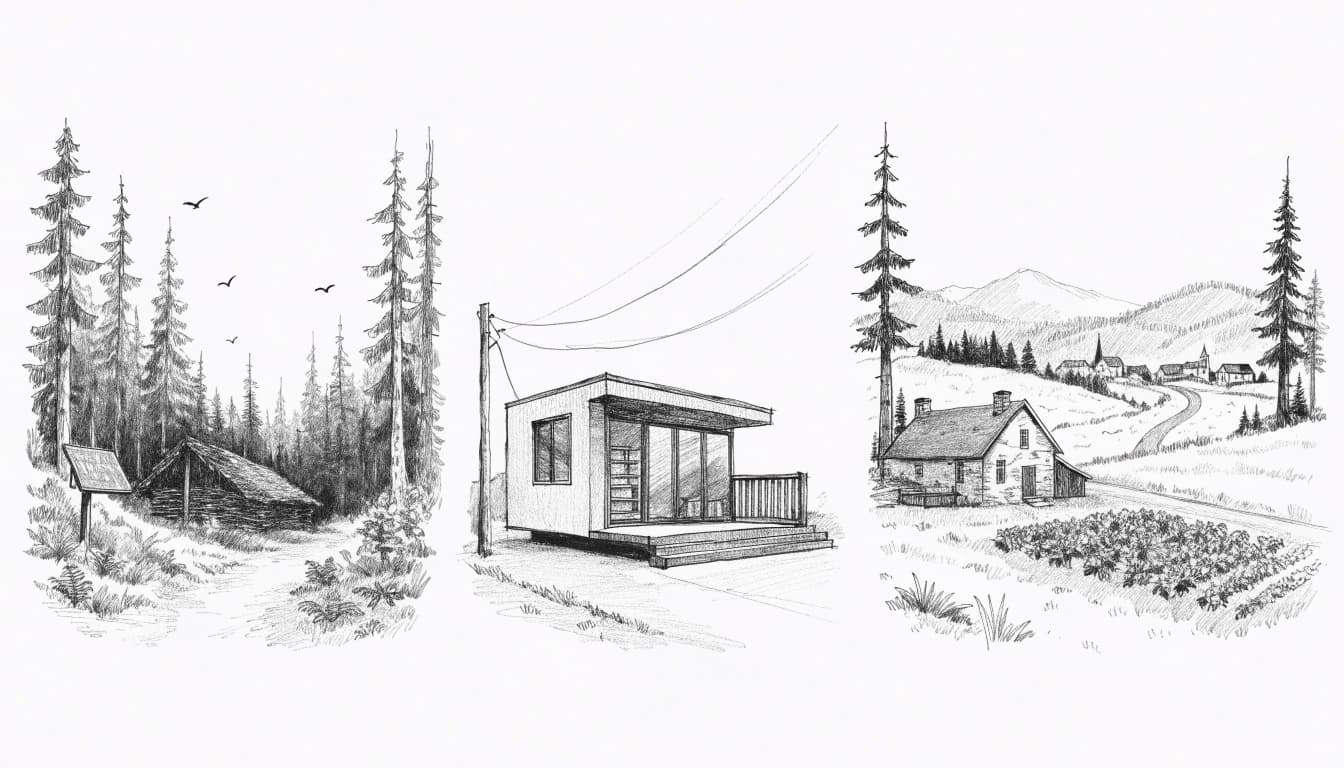
Off-Grid Hideaways and Rustic Cabins
A rustic cabin in the woods can put trails, trees, and stillness right outside your door. It suits travelers who value a nature-focused stay and don’t mind a few practical limits. However, off-grid properties may have restricted power, limited hot water, wood heat, spotty cell service, or no indoor plumbing.
Read the listing closely rather than assuming a cabin includes standard amenities. Check how the home gets water and heat, whether the bathroom is inside, and what happens if batteries or power run low. If the property uses a private well, ask whether the water is safe to drink and how it is tested. The Washington State Department of Health’s water testing guidance explains that private well owners are responsible for testing their water.
Comfortable Tiny Houses With Full Utilities
A modern tiny house with a private bathroom, kitchen, reliable power, and built-in heat can make a compact stay feel easy. Air conditioning may also be useful during warmer months, especially in Eastern Washington or a sunny location. This style fits travelers who want a cozy setting without giving up familiar comforts.
Still, full utilities don’t mean full-size amenities. Storage is limited, and the kitchen may have a small refrigerator, narrow counters, or only basic cookware. Bathrooms can also feel tight, with compact showers and little room for toiletries. Before you book, confirm what the kitchen includes, whether heating and air conditioning are available, and how many guests the sleeping setup can comfortably accommodate.
Farm Stays and Small Homes Near Towns
A farm or forest stay offers rural scenery without always requiring a remote drive. You might wake near pastureland, orchards, or a wooded property, then spend the day exploring nearby trails or small towns. By contrast, an in-town tiny house can put restaurants, shops, and services within easier reach.
The trade-off is privacy. A farm rental may share outdoor space with the host or sit near working areas and animals. A town-adjacent unit may have neighbors, street noise, or a shared driveway.
Check whether the patio and entrance are private, how close the host’s home is, and whether animals or farm activity are part of the setting. Choose a rural property for open surroundings, or a town location when convenient access matters more than seclusion.
What a Washington Tiny Home Rental Costs and What the Price Includes
There isn’t one statewide average that tells you what a tiny home rental in Washington should cost. Rates depend on the property, its location, your travel dates, and the fees added at checkout. Compare the full trip total for the same dates and guest count, not just the nightly rate.
Why Location and Season Change the Nightly Rate
A tiny home near a popular trail, beach, ferry terminal, or resort town may cost more than a similar rental farther from those attractions. Demand also shifts with the calendar. Summer brings many visitors to Washington’s coast, islands, and mountain destinations, while winter weekends can draw guests to ski areas and snow-season getaways.
Weekends and holiday periods often attract more bookings than midweek dates. Local festivals, school breaks, and community events can also affect availability and rates, so check the town’s calendar before settling on travel dates. If your schedule allows, compare a few weekdays or less-busy weeks. Looking at nearby towns may reveal more options, though you should account for the added drive time and fuel.
Amenities and stay length play a part, too. A private hot tub, full kitchen, or particularly convenient location may come with a higher rate. Some hosts also require a minimum number of nights, especially during busy periods. Compare listings with similar features and minimum stays to make the nightly prices meaningful.
Check Fees, Minimum Stays, and Included Amenities
The rate shown in a search result may not include every cost. Cleaning fees, taxes, deposits, and platform service charges can raise the amount due. Washington lodging providers must collect applicable sales tax on lodging sales; check the state’s short-term lodging tax guidance. Booking platforms may also charge guests service fees, so review the platform’s fee details, such as Airbnb’s service fee explanation.
Before booking, confirm whether the price includes linens, towels, parking, and firewood. Check whether the kitchen has cookware, dishes, and coffee supplies, particularly if the property sits far from stores. Also read the cancellation policy and deposit terms, including when a deposit is refundable. A low nightly price can come with a high cleaning charge or a longer minimum stay, making the total cost higher than another listing’s.
For a fair comparison, enter the same dates and number of guests for each property, then review the final checkout amount. Include any essentials you may need to buy or bring, plus likely transportation costs. That gives you a clearer picture of what the stay will cost before you commit.
How to Book the Right Tiny Home for Your Washington Trip
A good booking starts with the details that shape your actual stay, not just a scenic photo. As you compare Tiny Homes for Rent in Washington on Airbnb, Vrbo, or Hipcamp, check each listing against your group, itinerary, and comfort needs. Then confirm anything unclear with the host through the booking platform.
Read the Listing for the Details Photos Can Miss
Photos can make a compact home look spacious, so read the description and floor plan carefully. Check bed sizes and sleeping arrangements, including whether guests need to climb stairs or a ladder to reach a loft. Confirm the bathroom setup, cooking equipment, and whether the home has heating and cooling for your travel season.
Also check practical details that affect daily routines: Wi-Fi, cell coverage, parking, and whether the patio or other outdoor areas are shared. Recent guest reviews can reveal recurring issues that a listing description may not cover. Airbnb explains how reviews help guests make informed booking decisions in its guidance on authentic and trustworthy reviews.
If an amenity is essential, ask the host before you pay. A quick message can clarify whether the shower is indoors, the road has reliable cell service, or the kitchen includes the cookware you need.
Match the Home to Your Group and Travel Plans
Consider who is coming, what everyone needs, and how you plan to spend the day. A loft ladder may not work for every child or traveler with limited mobility; a single small bed may not suit two adults. Pets also require a clear check of the listing’s rules and any extra charges.
Luggage and meal plans matter in a compact space, too. If you plan to cook most meals, look for usable counter space and a refrigerator that fits your groceries. If you’ll spend rainy evenings indoors, make sure the seating and layout feel comfortable for your group.
A tiny home can feel cozy for two on a weekend, yet cramped with more guests or during a longer stay. Compare the listed capacity with the sleeping setup and shared living space, rather than relying on the maximum guest count alone.
Check Access, Weather, and House Rules Before You Pay
A remote address can come with a gravel road, steep driveway, or limited parking. For winter trips, check current road conditions and whether your route may require traction tires or chains. WSDOT’s winter driving guide explains Washington’s winter driving requirements and preparation.
For island stays, account for ferry schedules and reservations before choosing arrival times. Then read house rules for quiet hours, fire restrictions, and pet limits. These can affect plans for a late arrival, an outdoor fire, or a trip with a dog.
Before booking, confirm the exact address, check-in window, and arrival instructions through the platform. Keep the host’s directions there as well, especially if the property sits off a rural road or cell service may be unreliable.
Frequently Asked Questions
A few practical details can shape a Washington tiny-home stay as much as the location itself. Check these points before you book so your arrival and daily plans match what the property can offer.
How far ahead should I book a tiny home in Washington?
For summer trips, holiday weekends, and popular island or mountain destinations, start looking as soon as your dates are set. Those periods can offer fewer choices, especially if you need a specific layout or amenity. If your dates are flexible, compare midweek stays and nearby towns for more options.
Do I need a car for a tiny-home stay?
It depends on the rental’s location and what you plan to do. A home near a town or transit may work without a car, while rural properties and trail-focused stays often require one for groceries and getting around. Before booking, map the full route from your arrival point and check whether local transportation serves the area.
Can I work remotely from a tiny home rental?
Some rentals have Wi-Fi and a suitable place to work, but service can be limited in rural or off-grid locations. Ask the host about internet reliability, cell coverage, and whether the space has a table or desk if you need one. For important calls, confirm that the connection can support video meetings rather than relying on a general Wi-Fi listing.
Are campfires allowed at tiny-home rentals?
A fire pit or outdoor fireplace doesn’t guarantee that fires are allowed during your stay. Hosts may set their own rules, and local restrictions can change with weather and wildfire risk. Check with the host and review current Washington DNR burn restrictions before lighting an outdoor fire.
Can I arrive late at night?
Arrival hours and check-in methods vary by property. Confirm the check-in window, whether the host offers self-check-in, and how to reach them if you have trouble finding the home. For remote rentals, save the directions and access instructions before you leave an area with reliable cell service.
What happens if I need to cancel my reservation?
Refunds depend on the listing’s cancellation terms and the booking platform, so read the policy before paying. If you book through Airbnb, its guest cancellation guidance explains how to review the policy for a specific reservation. Keep any communication about changes or cancellation within the platform.
Conclusion
Tiny Homes for Rent in Washington offer a comfortable base for exploring forests, coastlines, islands, and mountain towns. The best fit depends on your destination, comfort needs, budget, and travel style. A cozy off-grid cabin may suit a quiet retreat, while a fully equipped home near town can make daily routines easier.
Before you book, compare total costs, read the listing and house rules closely, and plan for Washington’s weather and long driving distances. Check seasonal road access and ferry schedules when they affect your route. With the right details settled, you can enjoy a memorable Washington getaway without needing a large space.
Explore more tiny home living, design, downsizing, building, and lifestyle resources.
- Tiny Homes for Rent in Wyoming: Wild West Getaways to Book
- Tiny Homes for Rent in Utah: Red Rock Retreats to Book
- Tiny Homes for Rent in Oregon: Forest Retreats You’ll Love
- Tiny Homes for Rent in New Mexico: Desert Gems & Starry Skies
- Tiny Homes for Rent in Nevada: Desert Hideaways Worth Booking
- Tiny Homes for Rent in Montana: Big Sky Escapes You’ll Love


