Tiny House Trailer Tips

Back to Tiny House Questions
You’ve dreamed of hitting the road in your own tiny house trailer, right? That mobile freedom sounds perfect, but picking the wrong trailer can turn your adventure into a nightmare. It forms the base for everything: safety on highways, cozy living space, build costs, and easy towing.
This guide helps first-time builders, savvy buyers, DIY fans, and folks who plan frequent moves. You’ll get straightforward advice on big choices like bumper-pull versus gooseneck trailers, ideal sizes, weight ratings up to 21,000 pounds GVWR, deck heights around 18 to 24 inches, electric brakes, and solid tie-down points. Plus, we cover how to dodge costly errors, such as undersized frames or weak connections.
Because a strong trailer means safer trips and smoother builds. In addition, it saves money long-term with features like dual axles and breakaway kits. So, stick around; you’ll finish ready to choose wisely and roll out confidently.
Pick a tiny house trailer layout that matches how you will actually live and travel
You need a tiny house trailer that fits your daily life and travel plans. Start by picturing your routine. Will you move every few months, or park long-term? Common lengths run 20 to 24 feet, but options span 10 to 32 feet based on your needs. Shorter setups suit solo travelers who value easy turns on tight roads. Longer ones offer more rooms, yet they demand skill to maneuver and limit parking spots.
In short, balance space against mobility. A 24-foot trailer gives about 200 square feet for a loft bedroom, kitchen, bath, and storage. However, frequent movers pick 20 feet to handle curves and campsites better. Always map your routes first. Check state rules for widths, too, since they vary and affect permits.
How long and wide should your trailer be for your floor plan
Pick length by counting rooms and storage first. A couple might need 20 feet for a ground-floor bed, loft storage, and ladder access. Families often go 24 to 28 feet to fit stairs instead of steep ladders, plus cabinets everywhere. Shorter trailers cramp lofts; longer ones add bathrooms or offices.
Width sticks close to 8.5 feet for most roads. This size avoids permits in many places. Go wider for home-like feel, but expect flags, lights, and route checks. States set their own limits, so verify ahead.
Longer trailers shine for stationary life. They limit tight turns and spots, though. Here’s a quick guide to common sizes:
| Trailer Length | Floor Space | Best For |
|---|---|---|
| 16-18 feet | 130-150 sq ft | Solo, light travel |
| 20-24 feet | 170-200 sq ft | Couples, balanced moves |
| 26-28 feet | 220-240 sq ft | Families, home office |
| 30-32 feet | 255-270 sq ft | Max space, rare trips |
Ask yourself how often you’ll tow. Test drive similar rigs. That reveals your comfort level fast.
Bumper-pull vs gooseneck, which one fits your build
Bumper-pull trailers hook to your truck’s rear bumper. They suit most builds because stores stock them everywhere. Setup stays simple, and costs run lower. You tow with standard pickups, too.
Gooseneck trailers mount in the truck bed. They pull smoother on highways since weight sits forward. Plus, the overhang creates space for storage or a bed. Builders love that extra room under the hitch.
On the other hand, goosenecks look bulkier, almost RV-style. They need a beefy truck with a bed hitch. Bumper-pulls win for beginners who want quick setups.
Consider this side-by-side view:
Match your choice to tow vehicle and travel style. Bumper-pull fits casual trips. Gooseneck handles heavy loads better.
Deck height, interior headroom, and why it matters more than you think
Lower decks around 18 to 24 inches boost interior height. You gain room for lofts where you sit upright, at least 3 to 4 feet clear. Steps feel natural, like porch stairs, not a climb.
Towing improves, too. Low centers hug roads stable. Ground clearance drops, so watch rough paths. Builders drop decks with custom axles for that edge.
Higher decks clear obstacles easy. They cut headroom, though, and make entry awkward. Total height caps near 13.5 feet for bridges anyway.
Visualize easy access here:
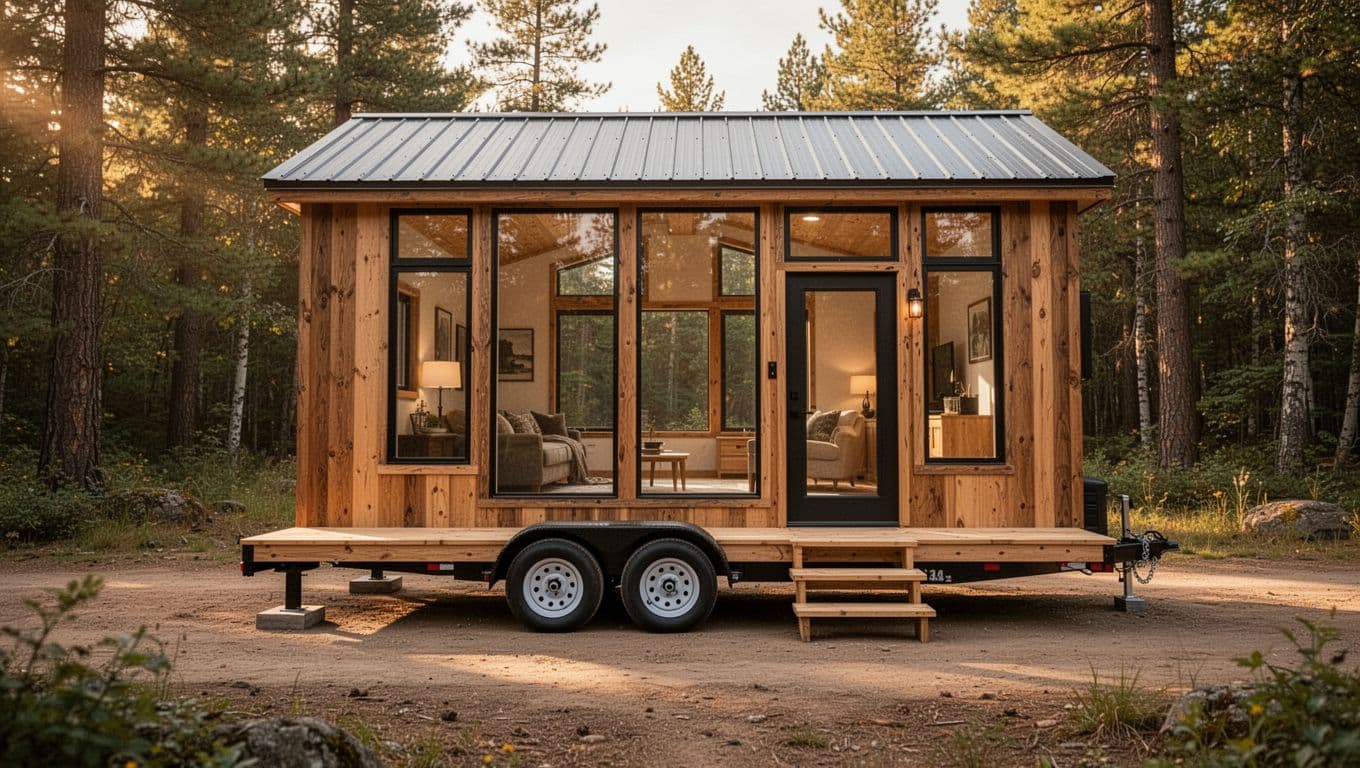
Test stands at build shops. Feel the height yourself. It changes your whole living vibe.
Understand weight ratings before you buy, so you do not overload your tiny house trailer
Your tiny house trailer sets firm weight limits for safety. Overload it, and brakes fade, tires blow out, or the frame bends under stress. These failures cause sway on curves, longer stops, or crashes. In simple terms, GVWR means the max total weight: empty trailer plus your house and gear. Payload equals GVWR minus the trailer’s bare weight, so it shows your add-on room. Tongue weight, about 10 to 15 percent of total, presses on your hitch for straight pulls.
Tiny homes weigh more than plans suggest. Expect 500 to 550 pounds per foot finished. A 24-foot build hits 12,000 to 13,200 pounds easy. Always pick a GVWR 10 to 20 percent higher. That buffer handles extras like water or guests. Guess wrong, and you pay in repairs or tickets. Weigh your rig at a truck scale first. It beats regret on the road.
The simple way to estimate your finished tiny house weight
Start with your trailer’s empty weight, often 2,000 to 4,000 pounds. Add framing next: steel beams run 1,500 to 2,500 pounds. Sheathing follows at 800 to 1,200 pounds. Roofing piles on 1,000 to 1,500 pounds with metal or shingles.
Insulation adds 300 to 500 pounds. Drywall or paneling brings 600 to 900 pounds. Cabinets and counters total 800 to 1,200 pounds. Appliances like fridge, stove, and water heater reach 700 to 1,000 pounds.
Full water tanks weigh 600 to 800 pounds. Propane tanks add 150 to 200 pounds. Batteries for solar setups contribute 200 to 400 pounds. Furniture stacks up 500 to 800 pounds. Personal items push another 500 to 1,000 pounds.
Heavier picks like tile floors, stone counters, or solid wood doors add fast. They double those lines quick. Tack on a 1,000-pound safety buffer. Use this step-by-step sum to stay safe:
- Note trailer empty weight from the plate.
- Add framing and sheathing pounds.
- Include roofing, insulation, and walls.
- Tally cabinets, appliances, tanks, batteries.
- Factor furniture and stuff.
- Buffer 10 to 20 percent over total.
Test at a scale. Reality matches paper less often.
Axles, brakes, and tires, what to look for when comparing trailers
Axles bear the load and keep you stable. Higher ratings match heavy builds; for example, two 7,000-pound axles hit 14,000 pounds GVWR on a 24-footer. Custom short axles drop decks low without weak spots. Brakes on every axle stop you sure, especially over 3,000 pounds GVWR. Electric ones adjust themselves for even wear.
Tires carry their share too. Match load range to axles, like E-rated ST tires for 3,500 pounds each. Bigger wheels roll smoother but check replacements stay common. Weak links fail first in heat or bumps.
Scan trailers with this quick checklist before you buy:
- Brakes on all axles: Required for safety, electric preferred.
- Tire load rating: Meets or beats axle needs, fresh tread.
- Wheel size: 15 to 16 inches typical, parts easy to find.
- Axle setup: Dual for 20 feet, triple for 28 feet.
Strong parts mean no surprises. Inspect close.
Tow vehicle reality check, do you have the right truck
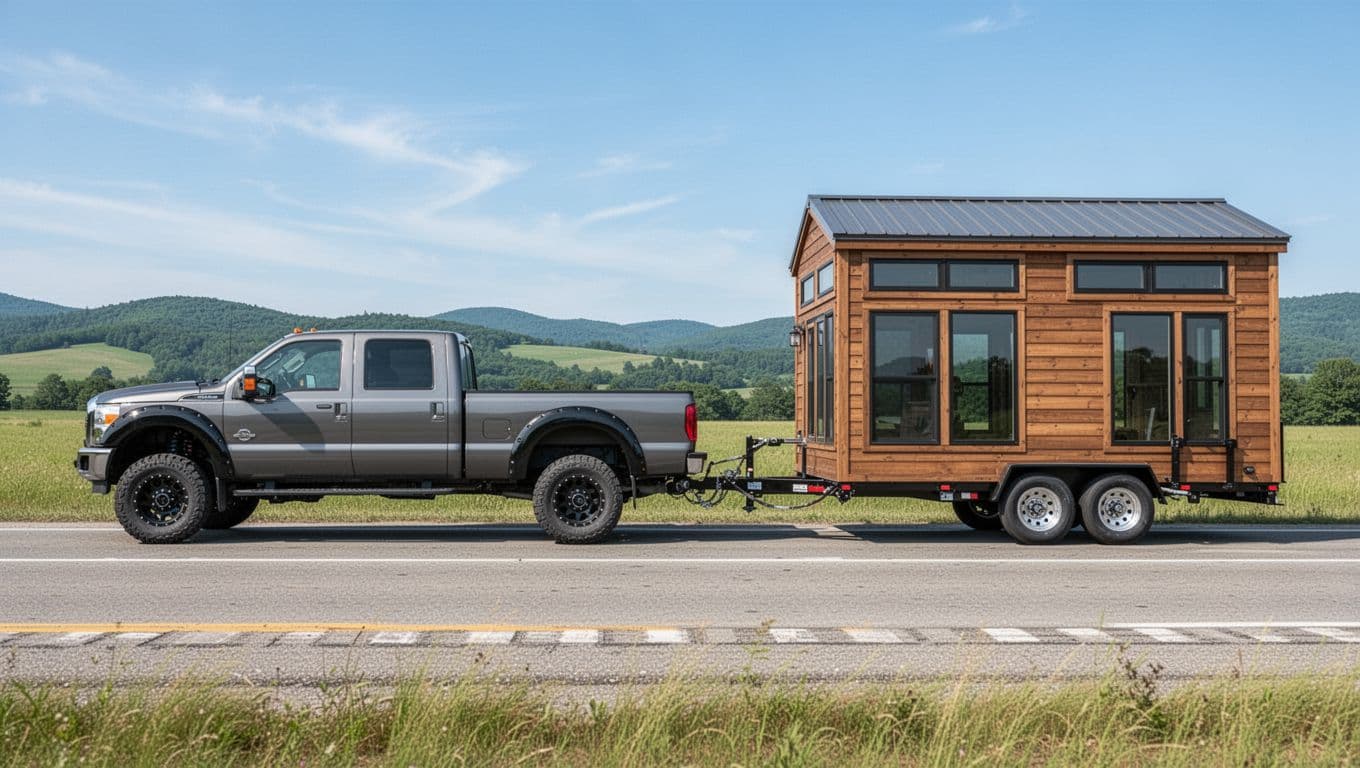
A heavy tiny house trailer needs a tough truck. Your 12,000-pound house plus trailer empty weight tops most half-tons. Check your truck’s towing capacity first; it covers trailer max. GCWR adds truck loaded weight too.
Hitch type matters. Bumper-pull works with weight bars for balance. Payload counts people, tools, and fuel; subtract them all. A 1-ton like F-350 hauls 18,000 to 21,000 pounds safe with sway control.
Guessing bites back in hills or wind. For 10,000 to 14,000 pounds, grab a 3/4-ton with 15,000-pound pull. Bigger rigs demand 20,000-pound trucks. Add 500 to 1,000 pounds under limits. Test tow empty first.
Choose a trailer built for houses, not just cargo, and inspect it like a pro
You want a tiny house trailer that handles a full house load, not some cargo hauler pressed into service. Builders use two main styles. Most go with build-on-top, where you stack the house directly on the trailer’s deck. Build-within fits the frame around the house for a snug fit, but it shows up less often.
Either way, check frame strength first. Look for thick steel tubes, like 2 by 3 inches with quarter-inch walls. Crossmembers should space every 16 inches or closer. That setup spreads weight even and fights flex. Sloppy frames bend under 10,000 pounds. A good one has a VIN plate and meets DOT rules for road use. Get specs in writing from the seller. Then inspect welds close; smooth, even beads beat cold blobs every time.
Features worth paying for on a tiny house trailer
Spend extra on parts that last. Plenty of tie-down points let you secure framing tight during the build and moves. A stout tongue, at least 5 by 3 inches thick, takes the pull without twisting. Pair it with a quality coupler that locks firm and rates for your full load.
Drop-leg jacks crank easy and hold steady; electric ones save your back. Breakaway kits snap brakes on if the hitch lets go, a must for safety. Sealed wiring hides from water and road salt, so lights stay bright. Fenders match your wall design, often flared to clear siding.
Undercoating adds value, especially in wet spots or near coasts. It blocks rust on the frame bottom. These upgrades prevent breakdowns. For example, good wiring avoids flat tires from shorted brakes. Check for them upfront; they pay back in miles.
Red flags that should make you walk away
Spot trouble fast to save cash. An uneven frame twists under weight, so run a straight edge along it. Sloppy welds look lumpy or pitted; they crack first on bumps. Rust hits key spots like the tongue base or axle mounts hard.
Mismatched tires wear odd and blow out. Cracked spring hangers mean overload history. Bent axles pull crooked and fail soon. Poor wiring sparks or goes dark. Missing docs hide the trailer’s past.
Ask for load specs and DOT papers in writing. No title over 4,000 pounds? Walk. These signs scream risk. A pro check at a truck shop confirms it.
New vs used trailers, when used can be smart and when it is risky
New trailers cost more but come ready. You get a warranty, clean title, and no hidden wear. They match your build specs perfect. Go new if you tow often or lack tools.
Used saves 30 to 50 percent, smart for budgets. However, overload or wrecks lurk inside. Rust builds slow; accidents bend frames subtle.
Follow this quick flow for used buys. First, check title and service logs. Next, eye the frame for straightness and clean welds. Test lights, brakes, and jack. Bounce corners for solid ride. Roll it; watch for pulls or shakes.
Budget $1,000 for new tires, bearings, and brakes if history fades. Fresh parts build trust. Used works if it passes tight checks. In short, new fits peace of mind. Used suits deals with proof.
Build details that keep your tiny house trailer stable, quiet, and weather-ready
Your tiny house trailer forms the foundation, so smart build choices keep it steady on bumps, silent inside, and tough against rain or spray. Focus on subfloor methods, strong ties to the frame, and underside shields. These steps block drafts, stop squeaks, and fight rot from the start. In addition, they save time on fixes later. Builders often pick rigid foam for floors because it cuts cold transfer fast. Construction adhesive everywhere quiets creaks. Seal edges tight to route water away. You end up with a rig that tows smooth and lives cozy.
Build on top vs build within, and how each affects insulation and height
Most folks build the subfloor on top of the trailer deck. You lay joists over the metal, slip rigid foam between them, then top with 3/4-inch tongue-and-groove plywood. Screws and adhesive lock it down. This method gives a clear subfloor system you control. However, it adds about 4 inches to floor thickness. That cuts headroom a bit, yet it insulates well if you fill joists full.
Build within the trailer when you order flush crossmembers. Cover the bottom with aluminum flashing or thin steel sheets first; seal overlaps tight. Pack 3-3.5 inches of rigid foam between members. Plywood goes on top with adhesive. This saves height since the trailer deck becomes your floor. You gain insulation right there, plus a thermal break from cold metal. Road spray stays out better, too.
On top suits simple jobs because tools stay handy. Within shines for max space; think lofts with real headroom. Both beat drafts when you seal metal first. Pick based on your height needs. Test mockups if you can. Short trailers favor within to keep total under 13.5 feet.
Secure the house to the trailer so it can handle bumps and wind
The tie between house and tiny house trailer takes real abuse from roads and gusts. Drill through the deck into subfloor. Use 3.5-inch lag or carriage bolts from below, with washers and nuts every 12-16 inches on crossmembers. Pre-drill to skip splits. Add self-tapping screws where plywood hits frame. Slather construction adhesive under plywood for quiet rides; it stops squeaks cold.
For extra grip against uplift or side sway, weld metal straps to the frame like hurricane ties. Screw them into the floor. Plates over bolts spread force even. These hold through potholes or crosswinds. Always check local codes; they set rules on loads. Complex rigs need engineer stamps, so call a pro if unsure.
Strong links mean no shifts. Your build stays level for years.
Protect the underside from water, rust, and road spray
Road spray, rain, and salt eat undersides fast, so shield yours now. Prime the frame with oil-based coat against rust. Fit a belly pan of aluminum or stainless sheets over the bottom plywood; overlap rows and seal with tape. Drip paths on edges send water off quick. Leave access panels for plumbing checks.
Pack rigid foam full between members; it blocks freeze on pipes, too. Use marine-grade pressure-treated plywood down low. Seal every seam tight. No exposed wood faces debris. Prime any plywood edges first.
Maintenance stays easy because seals last. Check tape yearly and touch up. What you do here skips rot repairs. Your trailer tows dry and quiet.
Towing and parking tips that make moving your tiny house less stressful
Your tiny house trailer tows best when you follow simple routines. First-timers often worry about sway or tight spots, but good habits keep things smooth. Plan routes ahead because longer trailers need wide roads and low bridges. Apps show clear paths, so you avoid surprises. These steps build your skills fast. Relax; you handle this like a pro.
A quick pre-tow checklist you can do in 10 minutes
Run this routine every time. It spots issues before they grow. Start at the hitch and work back. You’ll finish confident.
Follow these steps in order:
- Check the coupler locked. Tug it hard. It stays put.
- Cross safety chains under the hitch. They catch the tongue if it drops.
- Attach the breakaway cable. Clip it to your truck frame high. It triggers brakes if you separate.
- Test all lights. Brake, turn, and running. Have a helper watch.
- Verify tire pressure. Use a gauge; match cold specs on the sidewall.
- Tighten lug nuts. Wrench them snug in a star pattern.
- Inspect brakes. Electric ones sync with your controller; test for grab.
- Secure the load. Strap furniture and tie down loose gear inside.
- Fold steps and stow items. Nothing dangles or shifts.
- Do a final walk-around. Look for leaks, damage, or odd spots.
This habit prevents 90 percent of roadside stops. Do it together if you’re new.
Driving basics for a heavy tiny house trailer
Drive like your trailer adds length and weight. It changes everything, but steady inputs work best. Keep speeds under 65 mph because wind pushes hard. Hills demand early downshifts, so pick flat routes first.
Brake sooner; stopping takes double the distance. Turn wider to clear curbs; the trailer tracks inside your path. Sudden moves cause sway, so accelerate smooth. Watch crosswinds; grip the wheel firm and slow down.
Back up with a spotter because blind spots grow huge. Practice in empty lots. Go slow, use mirrors, and pivot from the trailer. Take breaks every two hours. Recheck tires and chains then. Your truck’s mirrors extend for views.
Longer trailers shine on highways, yet they limit city streets. Map ahead; it cuts stress. After a few trips, it feels natural.
Parking, leveling, and protecting your trailer when it stays put
Pick level gravel or pads first. Face downhill slightly if sloped. Chock wheels front and back. They stop rolls.
Drop jacks or stabilizers at all corners. Use wide pads to spread weight; soft ground sinks otherwise. Check with a bubble level on the tongue and floor. Adjust until plumb. Brace inside for stays.
Shade tires from sun; covers prevent flat spots. Long parks mean weekly walks to shift weight.
Recheck after day one because soil settles. Tighten jacks then. Secure loose items before you park. Apps find RV spots that fit.
This setup lasts months stable. You rest easy.
Conclusion
You now hold the keys to a solid tiny house trailer choice. Match its size to your travel style, so it fits your roads and spots just right. Respect those weight limits from the start; they keep you safe and steady. Buy a quality frame built for houses, not cargo, and inspect it close. Connect your build tight with bolts and adhesive for bump-free rides. Then tow with that quick checklist to cut stress every time.
Grab a notebook now. Jot your must-haves, like deck height or axle count. Get every spec in writing from sellers. Plan safety margins, such as 20 percent extra GVWR, because real weights surprise you. These steps build confidence fast.
Back to Tiny House Space Saving Tips
Explore more tiny home living, design, downsizing, building, and lifestyle resources.
- Tiny Homes for Rent in Wyoming: Wild West Getaways to Book
- Tiny Homes for Rent in Washington: Forest Escapes & Cozy Stays
- Tiny Homes for Rent in Utah: Red Rock Retreats to Book
- Tiny Homes for Rent in Oregon: Forest Retreats You’ll Love
- Tiny Homes for Rent in New Mexico: Desert Gems & Starry Skies
- Tiny Homes for Rent in Nevada: Desert Hideaways Worth Booking