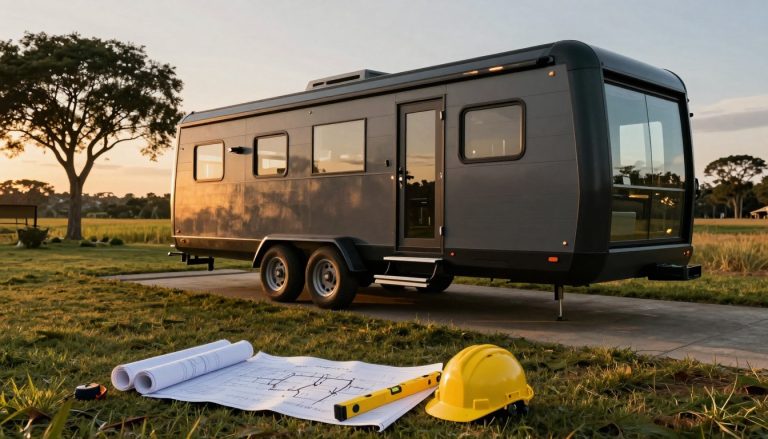
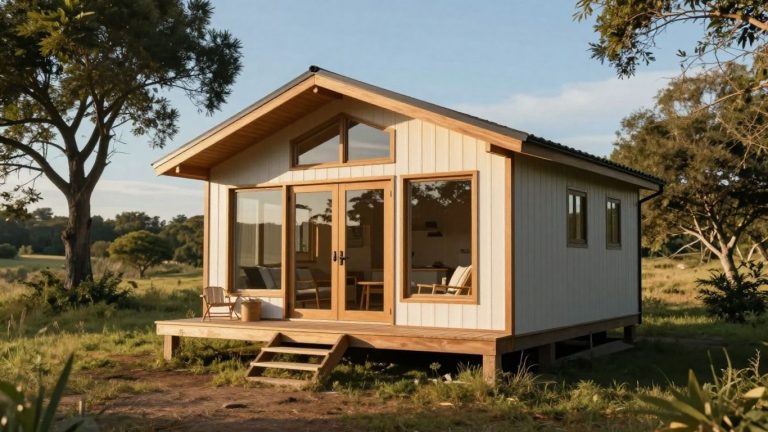
Tiny Homes for Rent in Wyoming: Wild West Getaways to Book

Waking beneath Wyoming’s wide-open sky, with mountain air at your window and miles of open country ahead, makes a tiny-home stay an appealing way to experience the state. Tiny homes for rent in Wyoming range from simple cabins on wheels to well-equipped, stationary homes, and each offers a different mix of comfort and seclusion.
Your experience and total cost depend on where you stay, when you visit, and which amenities the rental includes. This tiny homes for rent guide will help you compare regions, understand the costs beyond the nightly rate, and choose a home that fits your group and plans. Start by finding the Wyoming setting that suits your trip.
Key Takeaways
- Tiny homes for rent in Wyoming vary in location, layout, and amenities, so choose one that fits your group and travel plans.
- Your setting shapes the trip: a mountain getaway, a stay near a national park, and an open-country retreat offer different access and scenery.
- Compare the full cost, not just the nightly rate. Cleaning fees, service charges, and required minimum stays can affect your budget.
- Season matters, especially near Yellowstone, where weather can change access and services. Check the National Park Service’s Yellowstone planning updates before booking.
- Review sleeping arrangements, kitchen facilities, bathrooms, parking, and heating so the home matches your comfort needs.
Where to Find Tiny Homes for Rent in Wyoming
The right search area depends on the kind of trip you want. Wyoming’s rental options and scenery vary widely by region, so choose a base around your plans rather than assuming every town offers the same experience.
Choose between Jackson, Yellowstone gateways, and quieter towns
For dramatic mountain scenery, look around Jackson and the Tetons. This region draws many visitors, especially in peak travel seasons, so expect high demand and check dates early. A tiny home here can put you near alpine trails and scenic drives, although your specific location may sit well outside town.
Cody and Dubois offer a more distinctly Western feel, with access to outdoor routes and wide-open country. Cody is a useful search area for trips focused on Yellowstone’s east side, while Dubois suits travelers exploring the Wind River Range and the park’s southern approaches.
Yellowstone is enormous, however, and a Wyoming-side rental can still mean a long drive to your chosen entrance or a particular attraction. Check the National Park Service’s Yellowstone and Grand Teton maps before choosing a base.
For a different pace, search near Sheridan, Laramie, or Pinedale. These areas offer their own mix of mountain views, high plains, and smaller-town life, with fewer visitors focused on the national parks. The National Park Service also lists Wyoming communities near Yellowstone, including Cody and Dubois, which can help you compare possible bases.
Search rental platforms with location filters
Listings change, and availability depends on your dates, so search several platforms rather than counting on a specific property. Airbnb and Vrbo can turn up stand-alone tiny homes or small cabins. Hipcamp and glamping-focused marketplaces may offer more rustic stays on private land.
Start with the town or region that fits your plans, then try terms such as “tiny house,” “micro cabin,” and “off-grid cabin.” You can also search by park access, but confirm which entrance or attraction the listing actually suits. A property advertised as near Yellowstone may still require substantial driving inside or around the park.
Before booking, open the map and compare the rental’s location with your planned activities. Then read the full listing for road access, seasonal restrictions, heating, bathroom setup, and whether you need to bring supplies. Finally, review cancellation terms and the total price, including fees and minimum-stay rules. A well-located rental can save hours on the road, while a remote one may be the better fit if you want solitude and don’t mind longer drives.
What a Wyoming Tiny-Home Stay Can Look Like
The phrase “tiny home” covers several kinds of rentals in Wyoming. One may feel like a small private cabin, while another sits in a campground or remote property with shared facilities. Compare the layout, setting, and listed amenities before you book.
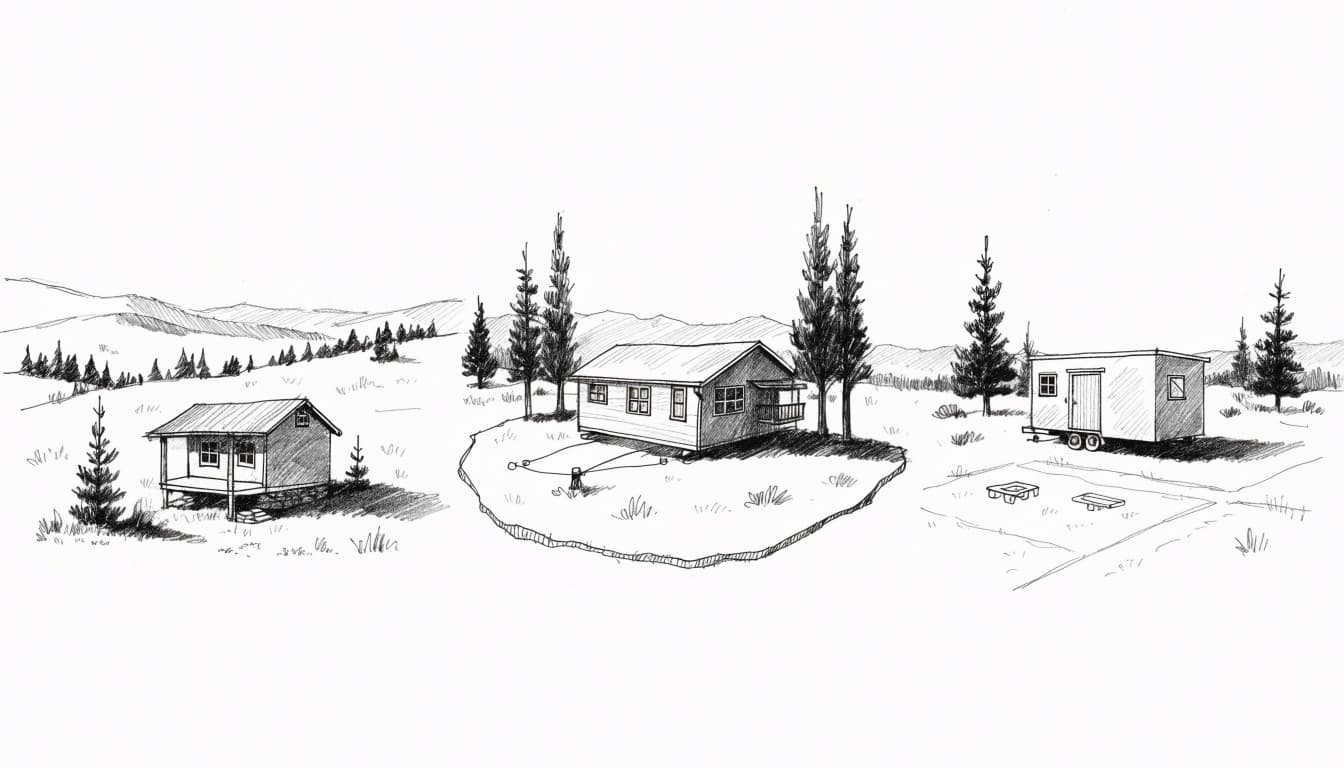
Compare park-model homes, cabins, and homes on wheels
A stationary small home often feels most like a compact cabin. It may have a private entrance, a defined living area, and more separation from neighboring guests, although the actual layout depends on the property. A cabin can be small without being a tiny home, so check the photos and floor plan rather than relying on the listing title.
A park-model home is generally set up in one location for temporary stays. The RV Industry Association’s park-model overview describes it as a living unit built on a single chassis and mounted on wheels. In practice, guests usually experience it as a fixed rental, not a home they can tow between destinations.
A tiny home on wheels can offer a cozy, self-contained place to sleep, but the compact footprint may leave less room for luggage, cooking, or moving around indoors. Parking can also shape the experience: the home might sit in an RV park, on private land, or beside a host’s residence. Before booking, look for clear photos of the bed, bathroom, kitchen, parking area, and neighboring sites. The listing’s actual description matters more than the label.
Know what off-grid and glamping listings include
In remote Wyoming settings, “rustic” can describe a solar-powered retreat with a well-equipped kitchen, or a stay where running water and indoor plumbing are limited. Check how the property gets power and water, whether the bathroom is inside the home, and if showers or toilets are shared. Also confirm what the host provides, since some stays expect guests to bring drinking water or other basics.
Heating deserves attention, especially for cool nights and shoulder-season trips. Ask whether the home has electric heat, a wood stove, or another system, and whether guests need to operate or supply fuel for it. Cell service can vary with the property’s location, so don’t assume you can rely on a strong signal for directions or calls.
Glamping sites may pair a private tiny home with shared amenities such as a bathhouse, picnic area, or outdoor cooking space. That arrangement can work well if you plan to spend most of the day outside. However, travelers who want a private bathroom, reliable internet, or a full kitchen should confirm those features before booking rather than inferring them from polished photos.
How Much Does a Tiny-Home Rental in Wyoming Cost?
There isn’t one reliable nightly price for tiny homes for rent in Wyoming. Rates change with location, travel dates, home size, amenities, and demand. A rental near Jackson or a Yellowstone gateway can cost more during busy travel periods, while a remote stay may have a different price and fewer included services.
To estimate your budget, compare the full booking total for your exact dates and group size. Then divide that total by the number of nights to see the effective nightly cost, including mandatory fees.
Look beyond the nightly rate
The price shown in a search result may cover only the base rate. Before booking, open the full checkout breakdown and check for cleaning charges, taxes, platform service fees, and any pet fee. Some hosts also require a minimum stay, which can raise the total if you planned a shorter visit.
Optional add-ons can change the bill, too. Firewood, equipment rentals, or paid access to amenities may cost extra, while a listing with a full kitchen could help you spend less on meals. Read the property details to see what the rate includes and what you’ll need to bring or pay for separately.
For a fair comparison, search the same dates and guest count across listings, then compare the total due at checkout, not just the nightly rate. If one rental requires three nights and another allows one, account for that difference before deciding. Dividing each full total by the booked nights gives you a clearer apples-to-apples figure.
Plan around peak season and shoulder season
Summer is a busy period for many Wyoming outdoor destinations, especially areas near popular parks and mountain towns. As demand rises, prices and availability can change quickly. Spring and fall may offer a quieter stay, but weather can shift, and some local services or seasonal facilities may run on limited schedules.
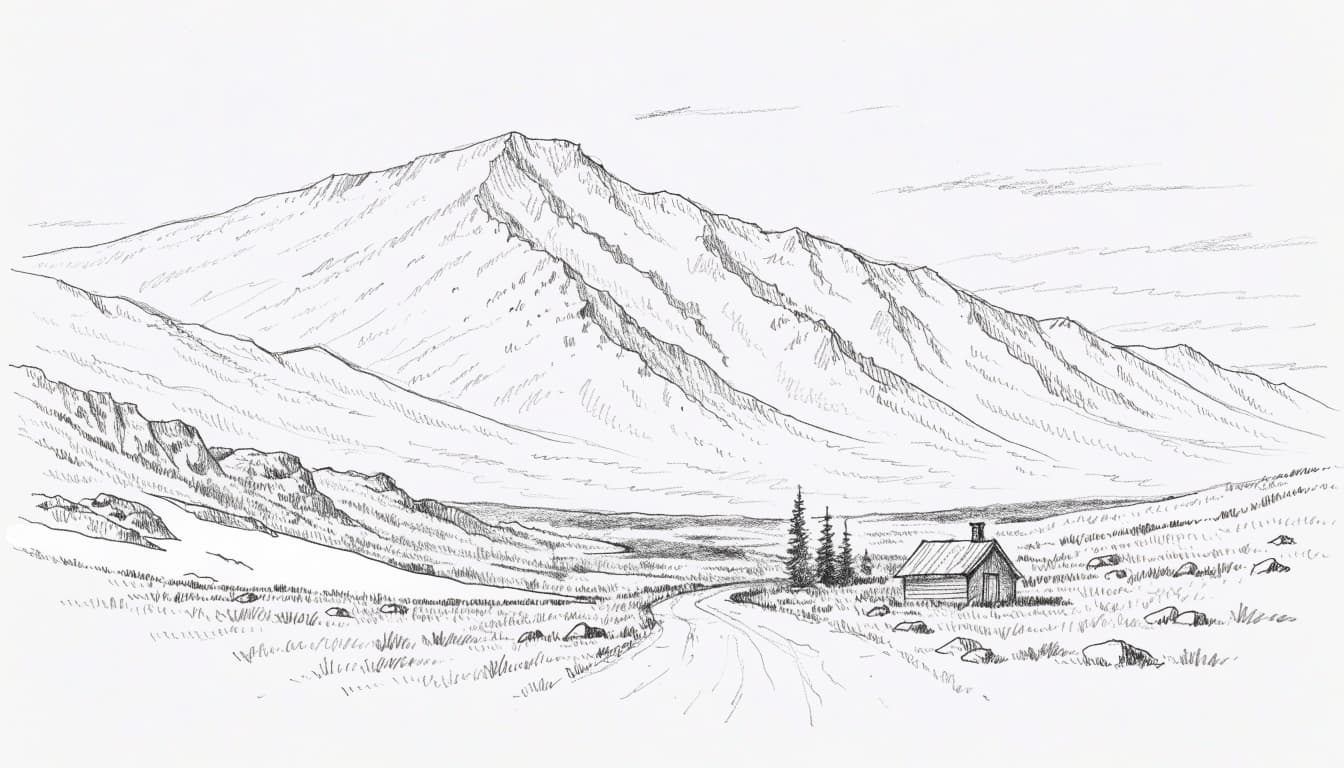
Winter can suit travelers seeking snow, solitude, or a cozy cabin stay. However, check road access, heating details, and whether the rental’s driveway or approach road stays passable in snow. For trips around Yellowstone, review the park’s current road closures and seasonal access, since most roads close to regular vehicles for part of the winter.
Before paying, check the listing calendar for your dates and contact the host about anything unclear, such as heating costs or winter access. Then confirm local road and service conditions close to your trip. These checks help you budget for the stay you’ll actually have, rather than the headline rate alone.
Choose the Right Tiny Home for Your Wyoming Trip
The best tiny home for your Wyoming trip depends on who’s traveling, how long you’ll stay, and what you plan to do each day. Start with those details, then compare the features and location that will make your trip comfortable. That approach can help you avoid paying for amenities you won’t use.
Match the home to your group and length of stay
Look beyond the number of guests a listing says it can accommodate. Check the sleeping arrangements and bed sizes, then consider whether everyone will have enough indoor seating and storage. A loft bed may suit an agile couple, for example, but feel inconvenient for a traveler with mobility needs or a family sharing the space.
Cooking and bathroom setups matter more as your stay gets longer. If you plan to prepare meals, confirm there’s room to cook and enough equipment for your group. Also check whether the bathroom is private and inside the home, or shared elsewhere on the property.
A compact rental can feel just right for a couple spending most of the day outdoors, especially on a short visit. However, it may feel cramped during a longer stay or with children, extra luggage, and outdoor gear. Consider where muddy boots, jackets, and packs will go when you return from a hike. Choose the smallest layout that still gives your group room to rest and manage its belongings.
Check distance, access, and everyday essentials
A listing’s town name or “near the park” description won’t tell you how long the drive will take. Map the rental against the specific trailheads, park entrances, grocery stores, and restaurants you expect to use. Then estimate drive times for your actual itinerary, since a home that looks close on a map may still mean a long trip on local roads.
Next, ask the host about the route. Some rentals sit along gravel roads, steep driveways, or routes that become difficult in poor weather. Seasonal closures can also change access to parks and nearby destinations. For Yellowstone visits, check the National Park Service’s current road status before settling on a home base.
Remote settings offer more quiet and open space, but they can come with practical trade-offs. Cell service may be limited, nearby stores may be scarce, and arriving after dark can make an unfamiliar turnoff or driveway harder to spot. Confirm whether you’ll need to bring groceries, drinking water, or other supplies, and plan your arrival around daylight when possible. A rental closer to town may be worth the added cost if easy access and quick errands matter more to your group.
Prepare for Wyoming Weather, Roads, and Rental Rules
Wyoming’s weather and travel conditions can shift quickly, especially when your plans cross high elevations or long stretches of open country. Before booking a tiny home, check the forecast, map your drives, and read the property’s rules carefully.
Pack for fast-changing mountain and prairie weather
Even after a sunny afternoon, temperatures can drop sharply at night. Strong sun, wind, and sudden storms are common planning concerns, while snow is possible depending on the season and elevation. Check the forecast for the rental’s actual location, not just the nearest town, and review the National Weather Service’s Wyoming forecasts before heading out.
Pack layers you can add or remove, including a warm outer layer and sun protection. A flexible itinerary also helps: if weather affects a hike or scenic drive, you can switch plans rather than rushing into poor conditions. Since amenities vary among tiny homes for rent in Wyoming, ask the host whether heating and air conditioning are available and how they work. If a storm-related outage would affect your stay, confirm whether the property has backup power and what it supports.
Confirm permits, parking, pets, and check-in details
Short-term rental requirements can differ by town, county, and property type. For example, Jackson and Teton County publish local information on short-term rental rules and violations and rental standards. Review the listing’s requirements and local guidance for the specific address, then ask the host about anything unclear.
Before booking, confirm the practical details that can affect arrival and daily plans:
- How many vehicles may park at the property, and is the parking area suitable for your vehicle?
- Are pets allowed, and do size limits, fees, or leash rules apply?
- What quiet hours should guests follow?
- Where will you find check-in instructions, keys, or access codes?
- Who should you contact if you arrive late, lose access, or need help during an emergency?
Long drives between towns can make a missed turn or road delay more than a minor inconvenience. Save the address and arrival instructions before leaving cell service, and check WYDOT’s 511 road conditions before driving. With the route, weather plan, and house rules clear, you can arrive prepared and settle in without avoidable surprises.
Frequently Asked Questions
The details that shape a tiny-home stay often come down to timing, location, and what the listing actually provides. These answers can help you narrow your options and know what to confirm before booking.
Are tiny homes available near Yellowstone National Park?
Yes, but availability depends on your dates and the gateway town you choose. Search several areas around the park, then compare a rental’s location with the entrance and attractions you plan to visit. Yellowstone is large, so check the official Yellowstone maps and estimate drive times for each day of your itinerary.
Can I rent a tiny home in Wyoming during winter?
Some Wyoming tiny-home rentals operate in winter, but seasonal availability varies by property. Before booking, ask the host about heating, road access, and who clears snow from the driveway or approach road. For current travel conditions, check the WYDOT 511 road map before setting out.
Are tiny-home rentals suitable for families?
They can work well for families when the sleeping layout, bathroom, occupancy limit, and indoor space fit your group. Check whether beds are separate or shared, and ask where children can sleep safely, especially if the home has a loft or steep ladder. Confirm the listed guest limit and available floor space before reserving.
Do Wyoming tiny-home rentals allow pets?
Pet rules vary by listing, and a host may charge a fee or set size limits and other conditions. Get approval before booking, even if the rental platform shows a general pet-friendly filter. Read the full policy so you know whether pets can enter the home and what cleanup or supervision rules apply.
What should I bring to a remote tiny-home rental?
First, check whether the host provides cookware, linens, drinking water, and toiletries, since remote properties may stock fewer basics than a hotel. Bring any supplies the listing doesn’t include, along with clothing layers suited to changing Wyoming weather. If the property notes limited nearby services or cell coverage, save offline directions and pack essentials before leaving town.
Conclusion
Tiny homes for rent in Wyoming can bring you close to mountain scenery, open country, or a favorite park, but the right stay depends on how well the home fits your trip. The smallest or most scenic listing isn’t automatically the best choice. Compare the full cost, confirm the amenities and sleeping arrangements, and make sure the location works for your daily plans.
Wyoming’s weather and road conditions can shape a stay, too, so check forecasts, seasonal access, and heating details before you travel. Choose your dates and region first, then confirm the rental’s access, rules, and included essentials before booking. With those details settled, you can spend less time managing surprises and more time enjoying the wide-open views outside your door.
Explore more tiny home living, design, downsizing, building, and lifestyle resources.
- Tiny Homes for Rent in Washington: Forest Escapes & Cozy Stays
- Tiny Homes for Rent in Utah: Red Rock Retreats to Book
- Tiny Homes for Rent in Oregon: Forest Retreats You’ll Love
- Tiny Homes for Rent in New Mexico: Desert Gems & Starry Skies
- Tiny Homes for Rent in Nevada: Desert Hideaways Worth Booking
- Tiny Homes for Rent in Montana: Big Sky Escapes You’ll Love