Are Tiny Homes Illegal? Navigating Zoning Laws and Regulations in 2026

Retirement often comes with a desire for simplicity, lower costs, and a home that truly fits your lifestyle. That’s exactly why tiny homes have become so appealing for people over 60. Yet one major hurdle stands in the way—tiny home zoning laws and legal guidelines for seniors. Rules around where you can park, build, or live in a tiny home aren’t always straightforward. Some areas welcome them, while others restrict them heavily. Understanding these regulations early can save you from costly mistakes, legal issues, or even being forced to relocate. This guide breaks down everything seniors need to know—from zoning basics and classifications to placement rules and legal strategies—so you can move forward with clarity and confidence.
Key Takeaways
- Many people wonder if are tiny homes illegal, but the answer is complex and depends heavily on local zoning laws and regulations.
- Tiny homes are often classified as either Tiny Homes on Wheels (THOWs), which can be treated like RVs, or foundation-based homes, which are more likely to meet residential codes.
- Minimum size requirements are a common obstacle; some areas mandate a minimum square footage that many tiny homes don’t meet.
- Placement rules vary significantly, with options like backyards (as ADUs), tiny home communities, and RV parks having different legal implications.
- Understanding specific state and local ordinances, including those from cities, counties, and HOAs, is crucial for ensuring your tiny home is legally habitable and compliant.
Understanding Why People Ask: Are Tiny Homes Illegal?
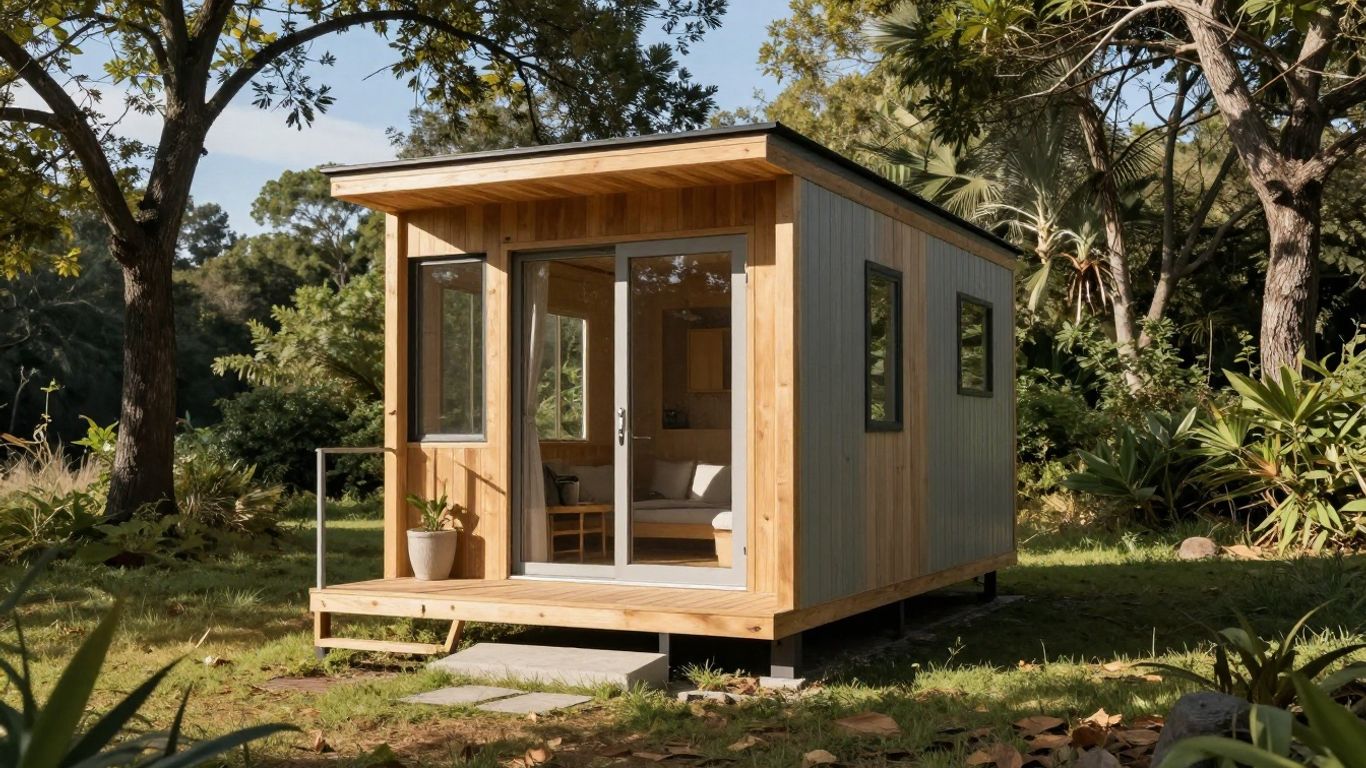
It’s a question that pops up a lot, and honestly, it’s not as simple as a yes or no answer. Many people hear stories or run into roadblocks that make them wonder if tiny homes are even legal. This confusion usually stems from a few key areas, and understanding them is the first step to figuring out your own tiny home situation.
Common Misconceptions About Tiny Homes
People often think tiny homes are just glorified sheds or RVs that can be parked anywhere. That’s usually not the case. The reality is that tiny homes, especially those built on foundations, are often subject to the same building codes and zoning laws as traditional houses. However, their small size and sometimes mobile nature can put them in a tricky spot with regulations designed for larger, permanent structures. The biggest misconception is that there’s a single set of rules for all tiny homes, everywhere.
How Legal Definitions Vary By Jurisdiction
This is where things get complicated. What’s legal in one town or state might be a complete no-go just a few miles away. Zoning laws are set by local governments – cities, counties, and even homeowner associations (HOAs). They decide things like minimum house sizes, where different types of housing can be built, and how many homes can fit on a piece of land. Because these rules weren’t originally written with tiny homes in mind, they often don’t fit neatly into the existing categories. You might find that a tiny home on wheels is classified as an RV, while a foundation-based one might need to meet minimum square footage requirements that it just doesn’t meet. It’s why researching your specific local zoning office is so important.
Why Seniors Are Especially Concerned
For seniors, the question of legality is often tied to practical needs and financial planning. Many seniors are looking to downsize for financial reasons, to reduce maintenance, or to be closer to family. They want a stable, secure place to live long-term. The uncertainty around tiny home legality can be a major deterrent. Will they be able to get permits? Can they live in it full-time without fear of being told to move? Can they even get insurance or financing? These are big questions, especially when planning for retirement. The desire for affordable, manageable housing often clashes with the complex and varied regulations surrounding tiny homes, making seniors particularly keen to understand the legal landscape.
Decoding Zoning Laws and How They Impact Tiny Homes
What Zoning Laws Typically Regulate
Zoning laws are basically the rulebooks for how land can be used in a specific area. Think of them as the town’s way of organizing things, deciding where houses can go, where businesses can set up shop, and where farms can operate. They’re designed to keep things orderly and prevent conflicts, like a factory popping up next to a quiet residential street. For tiny homes, these regulations are super important because they dictate a lot of what’s even possible.
Here’s a quick rundown of what these laws usually control:
- Land Use: This is the big one – where you can actually put a home. Is it a residential zone, a commercial zone, or something else?
- Density: How many homes are allowed on a certain amount of land? This affects whether you can have a tiny home in your backyard or if it needs to be in a dedicated community.
- Minimum Size: Many areas have rules about how small a house can be. This is often a major hurdle for tiny homes.
- Building Type: Are they looking for permanent structures, or are mobile homes okay? This is where tiny homes on wheels can get tricky.
- Utilities: Can you hook up to water, sewer, and electricity? Sometimes, zoning laws dictate how this needs to be done, or if it’s even allowed for certain types of dwellings.
Why Tiny Homes Fall Into a Legal Gray Area
So, why all the confusion? Well, most zoning laws were written a long time ago, back when the idea of a standard-sized house was pretty much the only thing anyone thought about. They weren’t designed with tiny homes in mind. This means that tiny homes, especially those on wheels or those that are just really small, often don’t fit neatly into the existing categories.
It’s like trying to fit a square peg into a round hole. Because these laws don’t specifically mention tiny homes, or they have requirements that tiny homes can’t easily meet, they end up in this awkward legal space. This uncertainty is a big reason why people ask if tiny homes are illegal – they just don’t fit the old mold.
The lack of clear definitions and specific allowances for tiny homes in many local ordinances creates a significant challenge for anyone looking to build or live in one. It often requires a deep dive into local regulations and sometimes even a bit of creative problem-solving to find a legal place for your tiny dwelling.
Key Authorities Governing Zoning Decisions
When you’re trying to figure out the zoning for a tiny home, you’ll likely be dealing with a few different levels of government. It’s not always just one office you need to talk to.
- City or Municipal Government: This is usually your first stop. Your local city planning or zoning department is where you’ll find out about specific rules for your town or city. They handle zoning approvals and permits for most residential areas.
- County Offices: If you’re looking at land outside of city limits, the county planning and land use department will be your go-to. They often manage zoning for more rural or unincorporated areas.
- State Agencies: While local governments have the most direct say, state agencies can set broader building codes or regulations that local areas have to follow. They might also have information on statewide initiatives related to housing or accessory dwelling units (ADUs).
It really pays to know who’s in charge of what in your specific area. Talking directly to the local zoning officials is often the best way to get clear, accurate information about your tiny home plans.
How Tiny Homes Are Classified Under Local Regulations
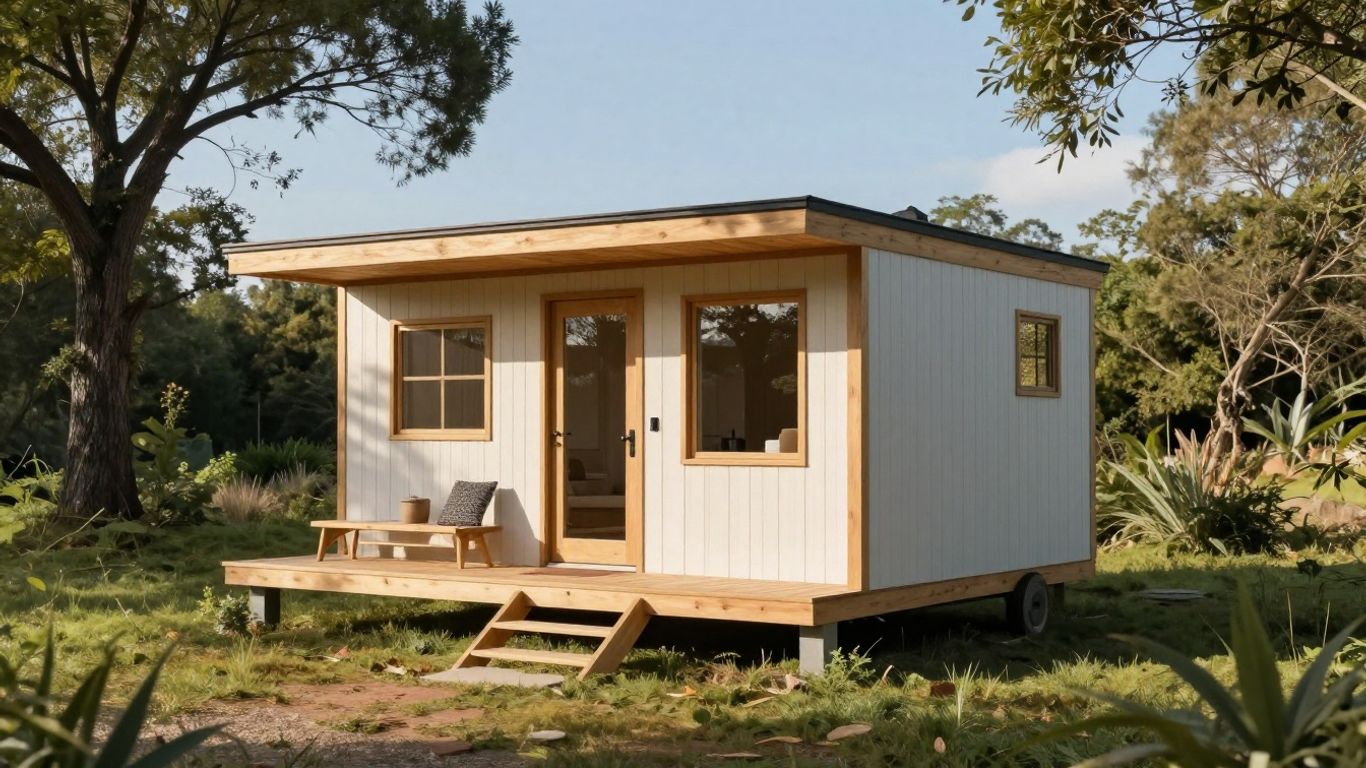
When you’re thinking about a tiny home, one of the first big questions that pops up is how the local government actually sees it. It’s not always a straightforward answer, and this classification is a really big deal for whether your tiny home is legal and where you can put it. Think of it like this: a car is a car, but a sports car has different rules than a truck, right? Tiny homes are kind of like that, but with zoning laws.
Tiny Homes on Wheels vs Foundation-Based Dwellings
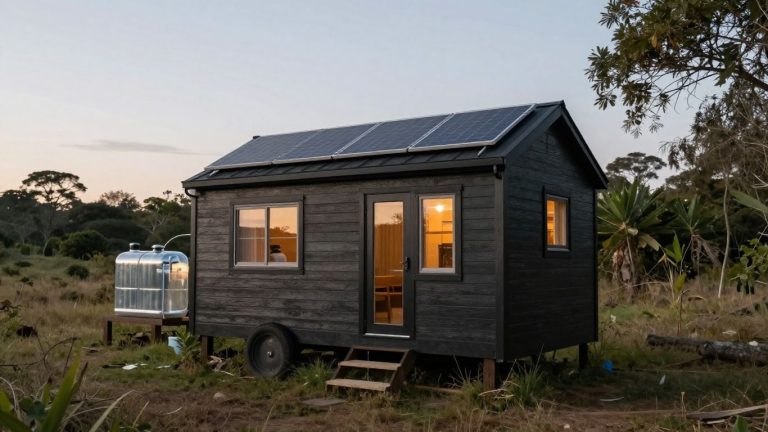
This is probably the most common split you’ll see. Tiny homes on wheels (THOWs) are built on trailers. Because they’re mobile, they often get lumped in with Recreational Vehicles (RVs). This usually means they’re best suited for RV parks or places that allow temporary stays. It can get tricky if you’re hoping to live in it full-time year-round. Foundation-based tiny homes, on the other hand, are built on a permanent foundation, just like a traditional house. These tend to have an easier time meeting residential building codes and are generally simpler to legalize for permanent living.
Accessory Dwelling Units (ADUs) and Their Legal Status
Another category that’s gaining a lot of traction, especially in urban and suburban areas, is the Accessory Dwelling Unit, or ADU. These are essentially secondary homes built on an existing property, like a backyard cottage or a basement apartment. For seniors, ADUs can be a fantastic legal option. They often allow you to live close to family while still having your own independent space. The rules for ADUs vary a lot, but they’re often designed to fit within existing residential zones.
Why Classification Matters for Legality
So, why does all this classification stuff matter so much? Because each type comes with its own set of rules and potential hurdles. A THOW might offer flexibility, but you could face restrictions on how long you can park it or where. A foundation home might be easier to get approved for long-term living, but you’ll definitely need to make sure it meets all the building codes, which can sometimes include minimum size requirements that are tough for tiny homes.
Here’s a quick look at how the classification can affect things:
| Type of Tiny Home | Legal Status for Full-Time Living | Common Restrictions |
|---|---|---|
| Tiny Home on Wheels (THOW) | Limited | Zoning, parking duration |
| Foundation Tiny Home | More widely accepted | Building codes, size minimums |
| Accessory Dwelling Unit (ADU) | Highly accepted in many areas | Lot size, owner occupancy rules |
Understanding your tiny home’s classification is the first step to figuring out its legal standing. It dictates everything from where you can park it to whether you can live in it permanently. Don’t skip this part – it’s the foundation for a stress-free tiny living experience.
Minimum Size Requirements: The Hidden Hurdle for Tiny Home Legality
So, you’ve got your eye on a tiny home, maybe for yourself or a family member. It seems like a great way to simplify, save some cash, and live a bit lighter on the planet. But here’s where things can get tricky: size. Many places have rules about how small a house can be, and this is often a big roadblock for tiny home dwellers.
Typical Minimum Size Standards and Their Origins
Local governments often set minimum square footage requirements for homes. These rules aren’t usually made to specifically target tiny homes; they often come from older zoning codes designed to maintain neighborhood aesthetics, ensure a certain level of property value, and standardize development. Think of it as a way to prevent really run-down or extremely basic structures from popping up everywhere. For instance, a common minimum might be anywhere from 400 to 800 square feet, sometimes even more for traditional single-family homes. This means a 200-square-foot tiny home, while perfectly livable and safe, might not meet the legal definition of a dwelling in that area. It’s a mismatch that causes a lot of headaches.
Legal Strategies for Meeting or Navigating Size Restrictions
Don’t let minimum size rules completely derail your tiny home plans. There are ways to work around them. Sometimes, a slight increase in square footage can make all the difference. Going from 300 to 400 square feet might be enough to meet local codes without sacrificing the tiny lifestyle too much. Another approach is to look into Accessory Dwelling Unit (ADU) regulations. Many areas are becoming more open to ADUs, which can include smaller, secondary dwellings on a property, and these often have more flexible size requirements. You might also explore applying for a zoning variance, which is basically asking for an exception to the rule based on your specific circumstances. It’s not guaranteed, but it’s an option.
The core issue is that traditional housing regulations were written long before the tiny home movement gained steam. They often don’t account for the efficiency and intentionality of smaller living spaces, creating a legal gray area that requires careful navigation.
Case Examples of Seniors Adapting to Size Rules
We’ve seen folks, especially seniors looking to downsize, get creative. Imagine a retiree who found their dream spot, but the town had a 600-square-foot minimum. Instead of giving up, they worked with a designer to expand their tiny home plan to 420 square feet. They also made sure to register it as an ADU, which was permitted under local rules. This allowed them to meet the size requirement and get approval, all while keeping their home compact and manageable. It shows that with a bit of planning and flexibility, you can often find a way to make it work. Researching local zoning laws is the first step to understanding what options are available in your target area.
Where Can You Legally Place a Tiny Home? Navigating Placement Rules
So, you’ve got your tiny home dream, but where does it actually go? This is where things can get a little tricky, and honestly, a bit frustrating. It’s not as simple as just parking it anywhere. Zoning laws, which are basically local rules about how land can be used, are the big players here. They dictate what kind of structures are allowed, where they can be built, and how they need to be set up. The type of zone your property is in is probably the most important factor determining if your tiny home can legally be placed there.
How Zoning Type Influences Tiny Home Placement
Different zones have different vibes and different rules. Think of it like this:
- Residential Zones: These are usually for single-family homes. Tiny homes might be allowed here, but often with a lot of strings attached, like needing to be an Accessory Dwelling Unit (ADU) or meeting specific size requirements. It’s not a free-for-all.
- Agricultural Zones: These areas can sometimes be more flexible. If you have land zoned for farming, you might find it easier to place a tiny home, especially if it’s considered a farmworker dwelling or a secondary structure. But always check the specifics.
- Urban Zones: Cities are often the most restrictive. Space is limited, and they have detailed plans for development. You’ll likely run into more hurdles here, with strict rules about ADUs, minimum square footage, and permanent foundations.
- Rural Zones: Generally, these offer the most freedom. With more open space and less dense development, rural areas often have fewer restrictions on where you can place a tiny home. It’s often easier to get approval for a foundation-based home or even a THOW (Tiny Home on Wheels) in these areas.
Legal Options: Backyards, Tiny Home Communities, and RV Parks
Okay, so where can you actually put it? Here are the common avenues:
- Backyards (as ADUs): This is a super popular option, especially for seniors who want to live close to family. Many places now have ADU laws that allow you to put a smaller, secondary dwelling on your existing property. It usually needs to be on a foundation and hooked up to utilities, but it’s a solid way to make it legal long-term.
- Tiny Home Communities: These are becoming more common and are basically neighborhoods designed specifically for tiny homes. They can be for homes on wheels or foundations, and often come with shared amenities. The big plus here is that the community itself has usually worked through the legal stuff, making it simpler for you to comply.
- RV Parks: If you have a Tiny Home on Wheels (THOW), an RV park might seem like an obvious choice. However, be careful. Many RV parks only allow temporary or seasonal stays. Living there full-time might be against the rules, so you really need to read the fine print and understand the local laws about how long you can stay.
When you’re looking at placement, it’s not just about finding a spot. It’s about finding a spot that allows your specific type of tiny home, for the duration you plan to live there, and meets all the local building and safety codes. It’s a puzzle, and each piece has to fit just right.
Urban vs Rural Placement: Opportunities and Pitfalls
Choosing between the city and the country for your tiny home has its own set of pros and cons:
- Urban: The upside is being close to amenities, jobs, and maybe family. The downside? Zoning is usually much stricter, permits can be harder to get, and space is at a premium. You’re more likely to be looking at ADU options here.
- Rural: You’ll probably find more flexibility with zoning and more land available. This can make placement easier. The pitfall? You might be further from services, jobs, or public transportation, and you’ll need to make sure you have reliable utility access and good road access, especially for emergency services.
Full-Time Living in Tiny Homes: Are Tiny Homes Illegal for Permanent Residency?
So, you’re thinking about living in a tiny home full-time. That’s awesome! But before you pack your bags and ditch the McMansion, we need to talk about something important: permanent residency. It’s not as simple as just parking your tiny house somewhere and calling it home. Many places have rules about this, and honestly, it can get a bit confusing.
Full-Time vs Temporary Residency Rules
This is where things get tricky. A lot of tiny homes, especially those on wheels (often called THOWs), are legally classified as recreational vehicles (RVs). And, well, RVs are usually meant for camping or short trips, not for living in year-round. So, if your tiny home is on wheels, you might find that local laws only allow you to stay in one spot for a limited time, maybe 30 to 90 days. After that, you might have to move it. It’s a big difference from owning a traditional house where you just… live there.
Foundation-based tiny homes, on the other hand, are generally treated more like regular houses. If they meet building codes and are on a permanent foundation, they often have a much easier time being approved for full-time living. Accessory Dwelling Units (ADUs) also tend to be a good bet for permanent residency, as they’re designed to be secondary homes on an existing property.
Common Restrictions and Risks for Full-Time Tiny Living
Living full-time in a tiny home can come with a few headaches if you’re not careful. Here are some common hurdles:
- Zoning Laws: This is the big one. Many areas simply don’t have zoning codes that allow tiny homes as primary residences. They might be okay as an ADU in a backyard, but not as a standalone home on a plot of land.
- Utility Hookups: Permanent residency usually means reliable water, sewer, and electricity. Hooking up these services to a tiny home, especially a THOW, can be complicated and expensive, and sometimes not even allowed in certain zones.
- Property Lines and Setbacks: Even if tiny homes are allowed, there are often rules about how close they can be to property lines or other structures. These are called setback requirements, and they can limit where you can legally place your home.
- HOA Rules: If you’re in a neighborhood with a Homeowners Association, their rules might be even stricter than the local government’s. They can ban tiny homes outright.
Legal Pathways to Achieve Long-Term Stability
Okay, so it sounds a bit daunting, but don’t despair! There are ways to make full-time tiny living work legally. It just takes some planning and research.
- Build or Buy a Foundation-Based Home: This is often the most straightforward route. A tiny home on a permanent foundation is more likely to be recognized as a legal dwelling.
- Create a Legal ADU: If you have the land, converting your tiny home into an Accessory Dwelling Unit is a great option. Many cities are actively encouraging ADUs, making them easier to permit. You can often find information on ADU regulations in specific areas, like Georgia’s zoning.
- Find a Tiny Home Community: These are becoming more common. They are specifically designed to house tiny homes, often with their own rules but generally more accepting of full-time living than a typical neighborhood.
- Work with Local Authorities: Sometimes, the best approach is to talk directly to your local planning and zoning department. They can tell you exactly what is and isn’t allowed and what permits you’ll need. Being upfront and asking questions can save you a lot of trouble down the road.
The key to successful full-time tiny home living is understanding and complying with local regulations before you move in. What works in one town might be completely illegal in the next. Don’t assume anything; always verify the rules for your specific location.
Ultimately, while the idea of living tiny full-time is appealing, it requires a commitment to understanding and navigating the legal landscape. It’s not just about the size of your house, but the size of the paperwork and permits involved!
Building Codes and Safety: Making Tiny Homes Legally Habitable
So, you’ve got your tiny home plans all sorted, maybe you’ve even found the perfect spot. But before you can officially move in, there’s a big hurdle: building codes and safety regulations. These aren’t just suggestions; they’re the rules that make sure your home is safe to live in, and importantly, legal. Ignoring them can lead to some serious headaches, like fines or being told you can’t live there at all.
What Building Codes Require for Tiny Homes
Building codes are basically a set of standards designed to keep people safe and ensure structures are built well. For tiny homes, this means looking at everything from how strong the walls are to making sure you have enough ventilation. They cover:
- Structural Integrity: This is about making sure your home won’t fall down. Codes dictate things like foundation requirements, framing methods, and roof strength.
- Electrical Systems: Proper wiring is a must. Codes ensure your electrical setup is safe, preventing fires and shock hazards.
- Plumbing and Sanitation: Codes specify how your water supply and waste disposal systems need to work, ensuring they meet health standards.
- Ventilation and Egress: This covers things like having enough fresh air circulating and ensuring you have safe ways to get out in case of an emergency (like fire exits).
- Fire Safety: Codes often include requirements for smoke detectors, fire-resistant materials, and sometimes even sprinkler systems.
It’s important to remember that while many tiny homes are built to similar standards as larger homes, the application of these codes can vary. Some areas might have specific appendices or interpretations for smaller structures.
Senior-Friendly Upgrades and Safety Considerations
Just because a tiny home meets the basic building codes doesn’t mean it’s automatically comfortable or safe for seniors. Think about it: a loft bedroom might be cool, but it’s not ideal if mobility is a concern. Making a tiny home senior-friendly often involves going beyond the minimum requirements. Here are some things to consider:
- Accessibility: This means things like no-step entries, wider doorways (at least 32-36 inches), and lever-style door handles that are easier to grip than round knobs.
- Bathroom Safety: Walk-in showers, grab bars, and non-slip flooring are huge for preventing falls.
- Kitchen Design: Lower countertops and easy-to-reach cabinets can make a big difference.
- Lighting: Good, layered lighting throughout the home can improve visibility and reduce trip hazards.
Adapting a tiny home for seniors isn’t just about comfort; it’s about creating a truly livable and safe environment that supports independence and well-being. It often means a thoughtful redesign that prioritizes ease of use and safety features.
Passing Inspections and Securing Occupancy Permits
Once your tiny home is built (or nearing completion), it’s time for inspections. Local building officials will come out to check if everything was done according to the approved plans and the applicable building codes. They’ll likely inspect at different stages of construction, not just at the very end.
- Initial Inspection: Often happens after framing is up but before insulation and drywall go in, so they can check the structure and rough-in electrical/plumbing.
- Mid-Point Inspection: Might cover things like insulation, window installation, and final plumbing/electrical connections.
- Final Inspection: This is the big one, where they check everything to make sure it’s complete, safe, and meets all code requirements.
If everything passes, you’ll get a Certificate of Occupancy (or a similar document). This is your official permission to live in the home. Without it, your tiny home might be considered illegal, even if it looks perfect. Skipping inspections or failing them can lead to delays, costly rework, and problems with insurance or even selling the home later on.
State and Local Variations: Why Tiny Home Laws Are So Complex
The Role of Counties, Cities, and HOAs
So, you’ve been dreaming about a tiny home, maybe even a place to retire in one. It sounds great, right? Less upkeep, lower costs, more freedom. But here’s the thing: the rules about where and how you can put a tiny home aren’t set in stone by one big law. Nope. It’s a patchwork quilt, and the pieces are mostly decided by local governments. Think cities, counties, and even those homeowners’ associations (HOAs) that have their own rulebooks. This means what’s perfectly legal in one town could be a big no-no just a few miles down the road. It’s like trying to follow directions where every town has its own traffic laws.
Examples of Tiny-Home-Friendly and Restrictive Regions
Some places have really leaned into the tiny home movement. They’ve actually changed their rules to make it easier. You might find cities that allow accessory dwelling units (ADUs) in backyards, or areas that have lowered minimum square footage requirements. These spots are often great for seniors looking for a stable, legal place to live. On the flip side, you’ve got regions that are pretty strict. They might have high minimum size rules that tiny homes just can’t meet, or they might not allow tiny homes on wheels (THOWs) at all. It really pays to know which side of the fence your potential location falls on.
Here’s a general idea of how places can differ:
| Region Type | What to Expect |
|---|---|
| Tiny-Home-Friendly | ADUs allowed, flexible size rules, supportive building codes, designated zones. |
| Moderately Restrictive | Permits might be possible, but with specific conditions and lots of approvals. |
| Highly Restrictive | Strict minimum sizes, bans on THOWs, limited zoning options. |
Importance of Local Research for Legal Certainty
Because of all these differences, you can’t just assume. Even if a whole state is known for being tiny-home-friendly, one city within that state might have completely different rules. One might welcome backyard tiny homes, while its neighbor shuts them down. It’s super important to dig into the specific city or county ordinances. Relying on general state information can lead to some serious headaches later on. You really need to check the local laws where you want to place your tiny home. It’s the only way to be sure you’re not setting yourself up for legal trouble down the line.
The biggest hurdle for many people, especially seniors, is the sheer confusion. Zoning laws weren’t really written with tiny homes in mind, so they often don’t fit neatly into existing categories. This gray area means a lot of guesswork and potential for costly mistakes if you don’t do your homework.
So, Are Tiny Homes Actually Legal?
Look, getting into a tiny home is a cool idea, right? But it’s not as simple as just buying one and parking it anywhere. Zoning laws are the big boss here, and they change a lot from town to town. What works in one place might get you a ticket in another. If you’re thinking about going tiny, especially for retirement or just a simpler life, you really need to do your homework. Talk to your local planning office, check out those weird town ordinances, and maybe even chat with folks who’ve already made the leap. It takes some effort, but figuring out the rules upfront means you can actually enjoy your small space without worrying about the legal stuff later on. It’s all about finding that sweet spot where your tiny dream meets the local reality.
Frequently Asked Questions
Can I legally live in a tiny home full-time?
Whether you can live in a tiny home full-time really depends on where you are. Some towns and cities have rules that allow it, especially if your tiny home is on a permanent foundation or is set up as a separate dwelling unit on someone’s property (like in a backyard). Tiny homes on wheels might be treated like RVs and only allowed for short stays in many places. Always check your local government’s rules first.
Are tiny homes on wheels legal for permanent residency?
Generally, tiny homes on wheels (THOWs) face more restrictions for permanent living than homes built on foundations. Many places classify them as recreational vehicles (RVs), which means they might only be allowed in RV parks or for a limited number of days per year. To live in one permanently, you often need to find a specific community that allows them or get special permission, which isn’t always easy.
What are the biggest legal challenges for tiny home owners?
The main legal hurdles usually involve zoning laws and building codes. Many towns have rules about minimum house sizes that tiny homes don’t meet. Also, figuring out if your tiny home is considered a permanent residence, an RV, or a guest house can be confusing. HOAs (Homeowners Associations) can also have their own rules against tiny homes. It’s a bit of a maze!
Do I need permits to build or place a tiny home?
Yes, almost always. You’ll likely need permits for building, zoning, and connecting utilities. These permits show that your tiny home meets safety standards and follows local rules. Without the right permits, you might not be able to legally live in your tiny home or connect it to water and electricity.
How can seniors make sure their tiny home is legal?
For seniors, the safest bet is usually a tiny home built on a permanent foundation or one set up as an Accessory Dwelling Unit (ADU) in a backyard where local laws allow it. These types are more likely to be recognized as legal, permanent housing. It’s crucial to research local zoning laws very carefully and possibly talk to local officials or experts who know the rules well.
What is an ADU and how does it relate to tiny homes?
An ADU stands for Accessory Dwelling Unit. Think of it as a second, smaller home on a single-family property, like a tiny house in the backyard or a unit above a garage. Many cities are making it easier to build ADUs because they offer more affordable housing options. For tiny homes, being classified as an ADU is often the easiest way to make them legal for long-term living.
Explore more tiny home living, design, downsizing, building, and lifestyle resources.
- Tiny Homes for Rent in Wyoming: Wild West Getaways to Book
- Tiny Homes for Rent in Washington: Forest Escapes & Cozy Stays
- Tiny Homes for Rent in Utah: Red Rock Retreats to Book
- Tiny Homes for Rent in Oregon: Forest Retreats You’ll Love
- Tiny Homes for Rent in New Mexico: Desert Gems & Starry Skies
- Tiny Homes for Rent in Nevada: Desert Hideaways Worth Booking