Discover the Best Places: Where to Build Your Tiny Home in 2026

Finding the perfect spot to build your tiny home in 2026 is more accessible than ever. With changing laws and a growing interest in simpler living, many places are becoming more welcoming to small dwellings. If you’re thinking about making the switch to a tiny house, figuring out the best place to build is a big first step. This guide looks at some of the top locations that support the tiny home lifestyle, whether you’re after affordability, community, or a connection with nature.
Key Takeaways
- Zoning laws are a big deal when deciding where to build your tiny home; look for places with clear rules for ADUs or movable tiny homes.
- Affordability matters – consider land costs, taxes, and overall cost of living to make tiny living sustainable.
- Community is important; some areas have dedicated tiny home villages or supportive networks.
- Climate and environment play a role; mild weather and low disaster risk can make tiny living more comfortable.
- Job access and remote work support, including good internet, are key for many looking for the best places to build a tiny home.
1. Portland, Oregon
Portland, Oregon, has long been a frontrunner when it comes to embracing alternative housing solutions, and in 2026, it continues to lead the pack for tiny home enthusiasts. This city is known for its progressive approach, actively supporting not just accessory dwelling units (ADUs) but also movable tiny homes and even small micro-communities. If you’re looking for a place that aligns with a minimalist lifestyle, Portland’s robust public transportation system and strong eco-conscious culture make it a really appealing choice.
The city’s commitment to innovative housing is evident in its recent zoning adjustments. They’ve made it easier to place movable tiny homes on residential lots, with clear guidelines for safety and utility hookups. This has already led to a significant increase in permit applications, showing just how much demand there is for these compact living spaces.
Here’s a quick look at what makes Portland stand out:
- ADU-Friendly Zoning: Portland has been ahead of the curve for years, making it simpler to add secondary housing units to existing properties.
- Movable Tiny Home Support: New regulations in 2026 allow for long-term placement of tiny homes on wheels, treating them more like permanent residences.
- Eco-Conscious Culture: The city’s general vibe encourages sustainable living, which naturally fits with the tiny home ethos.
- Public Transit: Excellent public transit options mean you can live tiny without necessarily needing a car, further reducing your footprint.
Portland’s forward-thinking policies are a big draw for people wanting to downsize without sacrificing access to city amenities. It’s a place where you can really build a life that’s both small and meaningful.
2. Austin, Texas
Austin, Texas, is really leaning into the tiny home trend, and honestly, it makes a lot of sense. With housing prices going up, people are looking for smart, smaller options, and Austin’s got a pretty creative vibe that fits right in. The city’s been working on its rules for accessory dwelling units (ADUs), which is great news for anyone wanting to build a tiny home, either in their backyard or as a separate unit.
The tech scene here is booming, attracting a lot of young professionals who want to live efficiently and be close to job opportunities. It’s not just about the city center, though. There are some really cool communities popping up around Austin that are specifically designed for tiny homes. Think places like Village Farm, which is an "agrihood" where you can grow your own food right next to your tiny house. It’s a neat way to combine sustainable living with a bit of community spirit. You can find some great options for tiny home parking in places like RV parks and campgrounds that are starting to welcome these smaller dwellings.
Here’s a quick look at what makes Austin attractive:
- Growing ADU Regulations: The city is making it easier to add smaller living spaces.
- Vibrant Economy: Lots of jobs, especially in tech, mean people need housing solutions.
- Creative Culture: Austin’s unique atmosphere appeals to those looking for unconventional living.
- Community Focus: Several neighborhoods are built with tiny homes in mind, offering shared amenities and a sense of belonging.
It’s definitely a place where you can find a good balance between city life and a more minimalist approach to housing. Just remember to check the local zoning laws, as they can still be a bit tricky depending on where exactly you plan to set up your tiny home.
3. San Diego, California
San Diego is really warming up to the tiny home idea, which is great news if you’re looking to downsize in sunny Southern California. They’ve been making it easier to get Accessory Dwelling Units (ADUs) approved, and you can even find places that welcome movable tiny homes. The year-round mild climate is a huge draw, letting you enjoy the outdoors pretty much any time.
While the state has general guidelines for tiny homes on foundations, each city, including San Diego, has its own specific rules. It’s always a good idea to check with the local planning department. You might find that some neighborhoods are more welcoming than others, especially when it comes to fitting a tiny home onto an existing lot or finding a spot for a tiny home on wheels.
Here’s a quick look at what makes San Diego appealing:
- Great Weather: Seriously, it’s hard to beat the consistent sunshine and comfortable temperatures.
- Growing Acceptance: More ADU allowances and openness to different types of tiny homes are making it easier.
- Coastal Lifestyle: If you love the beach and ocean, San Diego offers that in spades.
- Community Vibe: You can find pockets of people who are really into the minimalist, sustainable living that tiny homes offer.
Keep in mind that while San Diego is becoming more friendly, permitting fees can sometimes be a bit higher than in other areas. It’s worth doing your homework on the specific costs involved in your chosen location within the city or county.
Finding a place to put your tiny home might involve looking into ADU regulations for existing properties or searching for RV parks or specific tiny home communities that allow longer-term stays. It’s not always straightforward, but the payoff of living in such a desirable location can be well worth the effort.
4. Denver, Colorado
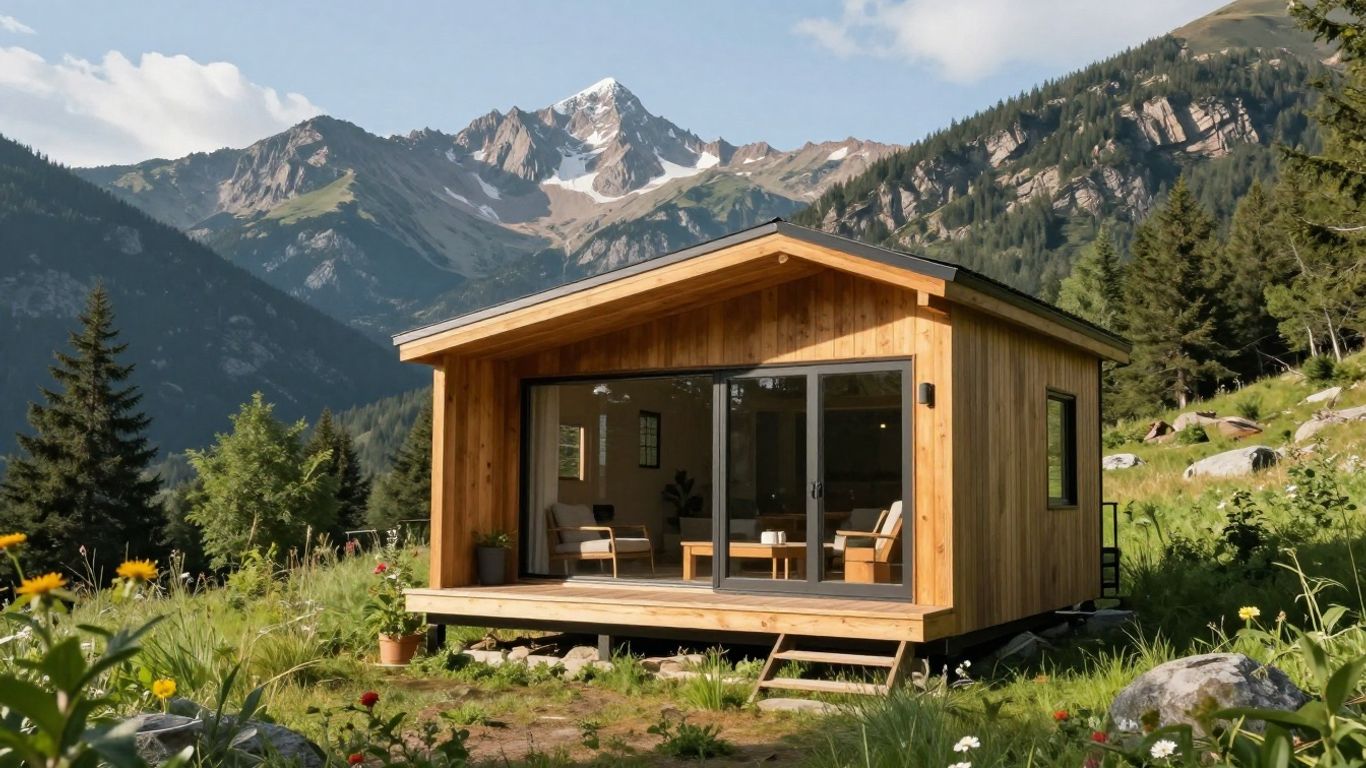
Denver, Colorado, is really starting to warm up to the tiny home idea. The city has been making some changes to its zoning laws, which is pretty great news if you’re thinking about building an accessory dwelling unit (ADU) or something similar. It means more options for smaller, more flexible living spaces.
The mountain access and strong job market here are big draws. People are moving to Denver for work and for the chance to be outdoorsy, and tiny homes fit that vibe perfectly. You get to live closer to the mountains for weekend adventures without the huge price tag of a big house.
Here’s a quick look at how Denver stacks up:
- ADU-Friendly: Denver and surrounding cities like Golden and Colorado Springs are generally allowing ADUs, though you’ll need to check the specific rules for each area.
- Job Growth: The city’s economy is booming, offering plenty of opportunities for residents.
- Outdoor Lifestyle: Proximity to hiking, skiing, and other mountain activities is a major perk.
- Community Events: Keep an eye out for events like the Colorado Tiny House Festival; they’re a good way to connect with others in the tiny house community.
It’s worth noting that while Denver is becoming more open, regulations can still vary quite a bit, especially if you’re looking at tiny homes on wheels versus those built on a foundation. It’s always best to do your homework on local zoning for the specific neighborhood you have in mind.
Building a tiny home here means embracing a lifestyle that balances urban convenience with easy access to nature. It’s about smart living in a growing city.
5. Oregon
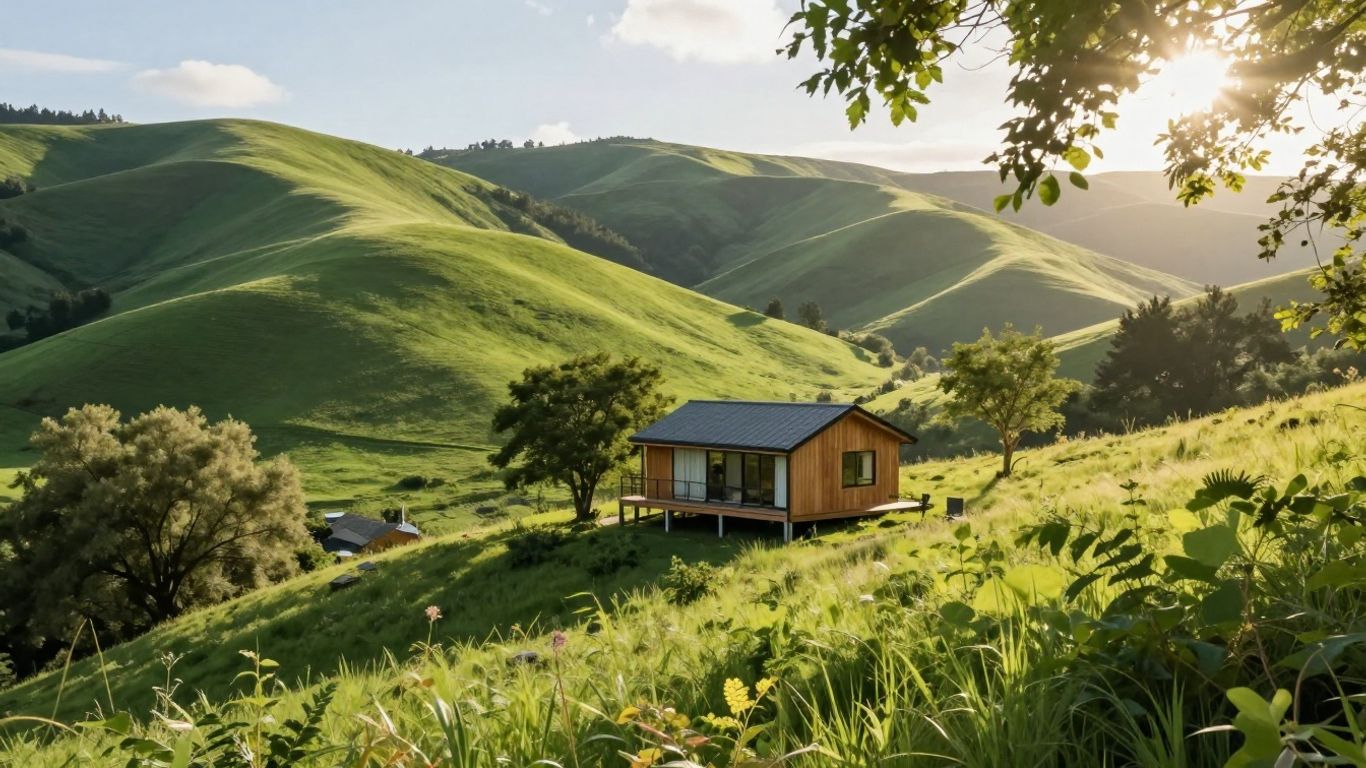
Oregon has been a real trailblazer when it comes to tiny homes, and it continues to be a top spot in 2026. The state has a pretty good handle on Accessory Dwelling Units (ADUs) and has been working on policies that make it easier to place both tiny homes built on foundations and those that are movable. Plus, the weather is generally mild, and there’s a strong focus on the environment, which really appeals to people who want to live a more eco-conscious lifestyle.
Oregon’s approach makes it a standout for anyone looking for a place that balances nature with forward-thinking housing options.
Here’s a quick look at why Oregon is so appealing:
- Friendly Regulations: Oregon has been proactive in defining and allowing tiny homes, making the legal side of things less of a headache.
- Environmental Focus: The state’s culture aligns well with the sustainable ethos of tiny living.
- Diverse Landscapes: From the coast to the mountains, there’s a lot of natural beauty to explore.
While some cities might have higher land prices, the overall framework and community support in Oregon make it a really attractive option for tiny home dwellers in 2026. It’s a place where you can often find communities designed with tiny living in mind, offering a good mix of social connection and personal space.
If you’re thinking about the coast, places like Waldport and Newport have communities specifically for tiny homes, and the climate is pretty forgiving year-round. It’s a great state for those who appreciate a relaxed pace and want to be close to nature.
6. Maine
Maine has quietly become a top spot for tiny home living. The state’s clear regulations and acceptance of tiny homes makes it a breath of fresh air for anyone tired of complicated zoning laws elsewhere. Here, folks can actually build a proper tiny house without jumping through endless hoops, which is not something you find in every state.
One of the biggest draws is Maine’s rural land. It’s generally cheaper and comes with more room—ideal if you’re someone who dreams of setting up rain barrels, maybe growing some food, or even going off-grid. You get forests, rivers, and lakes as a backyard, so outdoor lovers are often right at home.
But let’s not sugarcoat it: winters here mean business. You have to prepare for snow, lots of it. That also means paying attention to insulation and reliable off-grid systems if you’re going that route. Still, for many people, the peace and quiet more than make up for the cold months.
Here’s why Maine keeps popping up in every tiny house search:
- Statewide recognition of tiny homes (so, less legal confusion)
- Rural plots are affordable and plentiful
- Strong culture of DIY and sustainability
- Off-grid setups are common and well-supported
- Friendly small towns like Dover-Foxcroft welcome tiny living
| Pro | Con | Best For |
|---|---|---|
| Low-cost land | Harsh winters | Off-grid enthusiasts, retirees |
| Clear state zoning | Rural isolation | People wanting quiet, nature |
If what you want is a life that’s a bit unplugged but not too far from modern rules, Maine nails it. The folks are used to neighbors doing things their own way and the backdrop is always gorgeous — as long as you bring a good snow shovel.
7. Colorado
Colorado is a pretty sweet spot for tiny home living, especially if you dig mountains and wide-open spaces. The state has a lot going for it, but it’s not quite as straightforward as some other places when it comes to tiny homes on wheels (THOWs). Most counties are a bit hesitant to let you live in a THOW full-time. However, El Paso County did break ground by creating the first zoning rules specifically for THOWs, which is a good sign.
If you’re thinking about building a tiny home on a permanent foundation, you’ll need to check out the local zoning laws and building codes. Since there isn’t a statewide plan for land use, each city and county gets to make its own rules. So, definitely do your homework for the specific area you’re interested in.
Colorado even hosts the Colorado Tiny House Festival, a great event for anyone into that minimalist vibe.
Here are a couple of cool communities to check out:
- Peak View Park (Woodland Park): If you love being outdoors, this is your spot. It’s super close to Pikes Peak and tons of hiking trails. You can bring your THOW or get a cabin-style tiny home. Waking up to mountain views and then hitting the trails sounds pretty awesome, right? Plus, you’re not too far from Woodland Park’s shops and services.
- Escalante Village (Durango): This community in Durango offers a close-knit feel with river and mountain access. You’re just minutes from the Animas River path and a short drive to downtown Durango. You can build your own tiny home here or rent one to try it out. They’ve got amenities like storage, garden beds, and a community garden.
Building an Accessory Dwelling Unit (ADU) on your property is another option, and cities like Denver, Golden, and Colorado Springs generally allow them. Just remember that the specific requirements can differ quite a bit from one city to another.
8. Tennessee
Tennessee has quietly become a surprisingly good spot for tiny home enthusiasts. It’s not just about the lower cost of living, though that’s a big draw, especially for folks looking to stretch their budget further. What’s really making waves are the growing number of tiny villages popping up, specifically designed for this kind of living. Plus, many counties have relaxed their zoning rules, making it easier to find a place to put your tiny home.
The state’s affordability is a major plus for anyone considering a tiny home. When you combine that with more flexible regulations, it creates a pretty welcoming environment.
Here’s a quick look at why Tennessee is gaining traction:
- Affordable Land: Compared to many other states, you can often find more reasonably priced land, especially outside the major cities.
- Growing Tiny Village Communities: Developers are creating dedicated tiny home communities, which can simplify the process of finding a legal spot.
- County-Level Flexibility: While statewide rules can be complex, many individual counties have adopted more permissive zoning for tiny homes.
- Mild Climate: Generally, Tennessee offers a pleasant climate for much of the year, supporting an outdoor lifestyle often associated with tiny living.
Pigeon Forge, in particular, has seen a rise in tiny home interest, with surrounding counties offering more relaxed zoning. This makes it an attractive option not just for permanent residents but also for those looking to potentially rent out their tiny home in a tourist-heavy area.
While it might not have the same level of statewide ADU-friendly policies as some other states, Tennessee’s combination of cost-effectiveness and increasing acceptance makes it a solid contender for your tiny home build in 2026.
9. Florida
Florida, the Sunshine State, is really warming up to the tiny home movement. If you’re dreaming of a life filled with sunshine and maybe being close to some of those famous theme parks, this could be your spot. Lots of places here are pretty open to tiny homes, and some cities even let you build accessory dwelling units (ADUs) in regular neighborhoods. That’s a big deal for folks who already own land.
The state’s generally relaxed rules in many counties make it easier to get your tiny house plans off the ground. Some areas don’t even have a minimum size requirement for homes, which is fantastic news for tiny home builders. Plus, with its beautiful beaches and warm weather year-round, it’s a great place for that indoor-outdoor lifestyle many tiny home dwellers love.
However, don’t just pack your bags yet. You’ll still need to check local zoning laws because they can differ quite a bit from one town to the next. And, of course, your tiny home will need to meet Florida’s building and safety standards. It’s always a good idea to do your homework to make sure the specific spot you’re looking at is tiny home-friendly.
Here are a few places that are getting a lot of attention:
- Orlando Lakefront Tiny Home Community: This spot is perfect if you want to be near downtown Orlando, the University of Central Florida, and, yes, Disney World. You can rent a tiny home to try it out or bring your own on wheels and park it right by Lake Fairview. They’ve got boat docks and fishing spots, which sounds pretty sweet.
- The Dwellings in Tallahassee: This is a nonprofit community focused on affordable and sustainable housing. They offer tiny home models and support for residents, aiming to help people succeed. It’s a community with a mission.
- Circle Pond Tiny Community in Ruskin: Located about 30 minutes south of Tampa, this community is on five peaceful acres with water access. It’s pet-friendly and has a garden and beehives. Sounds like a nice, quiet escape.
Florida’s appeal for tiny homes is growing, especially with more cities allowing ADUs. While hurricane preparedness is a consideration, many areas offer a welcoming environment for both foundation-built tiny homes and those on wheels.
10. Northern Arizona
Northern Arizona stands out for folks searching for off-grid living. The landscape is wide open and the sunlight feels endless—a real bonus if you’re into solar power. Building a tiny home here isn’t just about saving money on a smaller footprint (though affordable rural land is a draw). It’s about open skies and the space to build pretty much the setup you want, as local development rules tend to be less strict in many counties.
One of the big advantages is how the environment supports people who want energy independence. Solar panels aren’t even a question—the sun’s nearly always shining. Plus, wells and rainwater catchment systems are common, so managing your own water isn’t out of reach. Whether you’re someone who needs more room for a vegetable garden or you just want neighbors a mile down the road, Northern Arizona covers both.
Here’s a quick look at what makes the area tick for off-grid tiny living:
- Strong sun most of the year—great for solar
- Lots of open land, so you can pick your spot
- Many places with flexible building codes
- Hot, dry summers (so plan for shade and water)
- Access to hiking, forests, and clear night skies
Living in Northern Arizona is less about noise and bustle, more about self-reliance and those evening views that never get old.
| Feature | Why It Matters |
|---|---|
| Sunlight | Powers solar, reduces costs |
| Land Prices | Lower barrier to entry |
| Regulations | Easier for DIYers |
| Climate | Hot summers, mild winters |
| Water | Wells/rain capture common |
If your top priority is independence, space, and plugging into nature, Northern Arizona could be your best shot for building a tiny home in 2026.
Finding Your Tiny Home Spot in 2026
So, you’re thinking about a tiny home in 2026? It’s a great idea, and luckily, there are more places than ever ready for you. Whether you’re after quiet country living, a spot near the mountains, or even a city with good transit, the options are growing. Remember to check the local rules and think about what really matters to you – like the cost of land, the weather, or if there’s a nice community nearby. The tiny house life is all about making smart choices that fit your life, and 2026 is a fantastic year to start that journey.
Frequently Asked Questions
What makes a place good for tiny homes in 2026?
Good places for tiny homes in 2026 have rules that allow them, are affordable to live in, have nice communities, and a good climate. It’s also helpful if there are jobs or good internet for remote work.
Are tiny homes allowed everywhere?
No, not everywhere. Some cities and towns have specific rules, called zoning laws, that say if tiny homes are okay or not. Many places are changing these rules to allow more tiny homes, especially as backyard houses called ADUs.
Why is living tiny becoming popular?
People are choosing tiny homes because they cost less, are better for the environment, and offer a simpler way of life. Also, more jobs let people work from home, so they can live in more affordable or natural places.
What’s the difference between a tiny house on wheels and one on a foundation?
A tiny house on wheels (THOW) is like a big RV and can be moved. A tiny house on a foundation is built like a regular house and stays in one spot. The rules for each can be different depending on the town.
Are there tiny home communities?
Yes, there are! These are neighborhoods or special areas where many tiny homes are located together. They often have shared spaces and a friendly vibe, making it easier to live tiny and connect with others.
Is it hard to find land for a tiny home?
It can be, but it’s getting easier. Some places have lots of affordable land, especially in rural areas. Sometimes you can put a tiny home in a friend’s backyard if the local rules allow it.
Explore more tiny home living, design, downsizing, building, and lifestyle resources.
- Tiny Homes for Rent in Wyoming: Wild West Getaways to Book
- Tiny Homes for Rent in Washington: Forest Escapes & Cozy Stays
- Tiny Homes for Rent in Utah: Red Rock Retreats to Book
- Tiny Homes for Rent in Oregon: Forest Retreats You’ll Love
- Tiny Homes for Rent in New Mexico: Desert Gems & Starry Skies
- Tiny Homes for Rent in Nevada: Desert Hideaways Worth Booking