How to Build a Tiny Home Community: A Step-by-Step Guide

Thinking about building a tiny home community? It’s a big project, for sure, but totally doable with the right plan. It’s not just about putting up small houses; it’s about creating a place where people can connect and live more simply. We’ll walk you through the steps, from figuring out if it’s even possible to making sure everyone feels at home. It’s a journey that involves land, rules, money, and most importantly, people. So, let’s get started on how to build a tiny home community that works.
Key Takeaways
- Start with a solid feasibility study to make sure your tiny home community idea makes sense before investing too much time or money.
- Finding the right land and understanding all the legal stuff, like purchase agreements and zoning, is a big part of the process.
- Getting all the necessary permits and approvals can take time, so plan ahead and talk to local officials early on.
- A clear financial plan and exploring different funding options are vital to getting your community off the ground and keeping it running.
- Focus on building a strong community culture and engaging residents from the start to ensure it’s a place people want to live and stay.
Laying the Groundwork for Your Tiny Home Community
So, you’re thinking about starting a tiny home community. That’s awesome! It’s a big project, no doubt, but totally doable if you break it down. Before you even start looking at land or drawing up plans, you need to get the basics sorted. This is where you figure out if your idea is even going to work and what it’s really all about.
Conducting a Feasibility Analysis
This is basically your reality check. You need to see if this whole tiny home community thing makes sense financially and practically. Who are you trying to attract? What’s the market like for tiny homes in the area you’re considering? How much will the land cost, and is it even available? You should also look at what other housing options are out there and how your tiny home community would stack up. Figure out what you could realistically charge for a spot versus what it’s going to cost you to build everything. And hey, have a plan for what happens if you decide to sell or move on later.
Think of this as the ‘is this a good idea?’ phase. It’s better to find out now if it’s not going to fly than to sink a ton of money into something that’s doomed from the start. Be honest with yourself here.
Defining Your Community Vision
What’s the heart of your community? Is it all about sustainability? Maybe it’s focused on artists and makers? Or perhaps it’s for folks looking for a more affordable way to live? You need to have a clear picture of what your community will be like. This vision will guide all your decisions down the road, from who you let in to what kind of facilities you’ll have. It’s not just about building houses; it’s about creating a lifestyle.
Here are some things to think about:
- Purpose: What’s the main reason for this community?
- Values: What principles will guide how people live together?
- Atmosphere: What kind of vibe are you going for? Relaxed? Bustling? Creative?
- Amenities: What shared facilities will you offer (e.g., common house, garden, workshops)?
Building a Network of Supporters
You can’t do this alone. Seriously. Start talking to people who are interested in tiny homes or community living. You’ll want to find folks who can help you out, whether they’re experts in zoning, construction, finance, or just enthusiastic future residents. Building a website, starting a social media group, or even just hosting informal meetups can help you find your tribe. The more people you have on board who believe in your vision, the stronger your project will be.
It’s like trying to get a group project done in school. If you have a few people who are really into it and willing to put in the work, it makes a huge difference compared to trying to do it all yourself. Plus, having different people involved means you get different ideas and perspectives, which is super helpful.
Navigating Land Acquisition and Site Selection
Snagging the right piece of land might sound simple, but for a tiny home community, it’s where a lot of headaches can happen. Let’s break down the steps and options, so you’ll save yourself stress and, honestly, a ton of money.
Identifying Ideal Tiny Home Community Sites
The best sites for a tiny home community balance practical needs with your big picture vision. When you’re out scouting, look for:
- Decent road access (gravel is okay, impassable after rain is not)
- Flat or gently sloped land (steep hills mean a lot more work)
- Options for hooking up to utilities or somewhere you can go off-grid
- Enough space to give each home privacy, but not so much you can’t afford the land
- Zoning laws that don’t get in your way—avoid conservation land or protected wetlands
| Site Feature | Priority Level | Potential Extra Costs |
|---|---|---|
| Road access | High | Grading, driveway builds |
| Utility hookup nearby | High | Running new lines |
| Flat terrain | High | Less earth-moving costs |
| No flood/wetland risk | High | Insurance, mitigation |
| Clear zoning pathway | Very High | Legal, application fees |
Be prepared for surprises. A spot that looked perfect online may hide drainage issues or zoning rules that will slow your project way down.
Understanding Land Purchase Agreements
Before you buy, you need to know exactly what you’re agreeing to. A real estate attorney is worth every penny here. Make sure to:
- Include a clause that lets you walk away if zoning or permits fall through.
- Find out if there are any current easements (like someone else’s right to drive through your land).
- Clarify property boundaries—a land survey isn’t just helpful, it’s necessary.
- Check for deed restrictions that limit what you can build or use the land for.
It’s easy to get attached to a parcel, but don’t skip the legal stuff—problems here can end your community before it starts.
Considering Site Design and Engineering
Once you know your land checks out, it’s time to call in a civil engineer. Your plan should include:
- Layout for homes: spacing, orientation for sunlight, and pathways
- Roads and driveways sized for all residents and guests
- Sewer, septic, or water infrastructure planning
- Stormwater drainage
Bringing in an engineer early can also give you a clearer estimate of costs and flag any problems ahead of time. And remember, site design affects not just your build costs, but future maintenance and how the whole community feels to live in.
For most tiny home villages, permitting hurdles are almost guaranteed. Stay patient, and understand that processes like securing a conditional use permit or planned unit development approval, as explained in this example of specific zoning approvals, often take longer than you’d expect.
Don’t rush the land step. It sets the pace for everything else, and cutting corners here can mean big delays later. Do your research, get expert help, and be ready to walk away if a deal isn’t right.
Securing Necessary Permits and Zoning Approvals
Anyone who’s built anything knows this step isn’t quick, and tiny home communities are no exception. Getting your paperwork right is probably the least glamorous but most important part of creating your tiny home paradise. Here’s what you need to figure out (and yeah, it can be slow-going):
Understanding Local Zoning Requirements
Zoning decides what sort of stuff you can build, where, and how big. Every area has its own rules, and with tiny homes, it often gets tricky fast. Tiny houses sometimes sit in a legal gray zone—not quite a house, not really an RV.
- Look up your area’s minimum dwelling size
- Check if tiny homes (especially on wheels) qualify as homes, RVs, or something else
- Find out if there are any special districts or overlays that could affect your plans
- Take notes on setback, height, and density rules
- Don’t forget to ask about utilities—sometimes that’s what makes or breaks a project
Most places don’t have clear categories that fit tiny homes, so you might be the first to ask and end up explaining it to someone at city hall. Be ready with some patience.
Navigating the Permitting Process
Permits are all about paperwork, plans, and a bit of persistence. Here’s what typically happens:
- Have a pre-application meeting with your planning department. (Bring drawings if you have them!)
- Submit a zoning or land use application, which might include site plans and project descriptions.
- Wait while the city reviews for code compliance, public input, and maybe a hearing.
- If you get the nod, you’ll apply for building, utility, and maybe fire permits next.
| Task | Who Handles It | Usual Timeline |
|---|---|---|
| Zoning Review | City/County Planner | 1–3 months |
| Public Hearing (if required) | City Council | 1–2 months |
| Building Permit | Building Department | 2 weeks–2 months |
This can take anywhere from three to twelve months, depending on how your local government works (and how much they like your idea).
Addressing Regulatory Hurdles
The headaches often come not from what’s written, but what isn’t. Rules may never mention tiny homes, so you’ll need to:
- Work with local officials and answer lots of questions
- Provide details on infrastructure (like water, power, waste)
- Show that your layout doesn’t overcrowd the land or block emergency access
- Be open to feedback or required changes
Blockers can include minimum unit sizes, foundation requirements (hard for tiny homes on wheels), or even neighbors who just don’t love the idea. Keep your cool—it might take several rounds to get everything sorted out.
Getting permits and a proper zoning sign-off isn’t just a box to check; it’s the step that decides if your whole community can exist at all. Think of it like setting the rules of the game before you even start building. Without these approvals, breaking ground is a gamble.
Financial Planning and Funding Your Community
Okay, so you’ve got the vision, you’ve scouted some land, and you’re starting to get a handle on the permits. Now comes the part that can feel like a big hurdle: figuring out the money. Building a tiny home community isn’t exactly cheap upfront, even if the individual homes are small. You need to think about land, infrastructure, permits, and all that jazz. A solid financial plan is what separates a dream from a reality.
Developing a Sustainable Financial Plan
This isn’t just about getting the initial cash; it’s about making sure the community can keep running smoothly for years to come. You’ll need to map out all the costs, not just the building stuff, but ongoing expenses too. Think about things like property taxes, insurance, maintenance for shared spaces (like a community center or garden tools), and maybe even a part-time manager if the community gets big enough. It’s like budgeting for your own household, but on a larger scale.
Here’s a breakdown of what to consider:
- Startup Costs: This includes land purchase, site preparation (grading, utilities hookup), architectural and engineering fees, permit costs, and initial construction of any common facilities.
- Ongoing Operational Costs: These are the regular expenses to keep things running. Examples include property taxes, insurance, water and sewer fees (if not on a well/septic), common area maintenance, and any staff or management salaries.
- Contingency Fund: Always, always, always have a buffer for unexpected expenses. Things break, plans change, and having a rainy-day fund can save you a lot of stress.
You need a clear financial model that shows how the community will support itself over the long haul. This isn’t just about initial investment; it’s about creating a place that can sustain itself financially, year after year. Think about how you’ll cover maintenance, community building efforts, and governance without putting too much strain on residents.
Exploring Funding Avenues
So, where does the money come from? There are a few different ways to go about it, and often, a mix of these works best.
- Personal Investment: This is often the starting point, using your own savings or loans.
- Loans: You might be able to get traditional bank loans, especially if you have a strong business plan and some collateral. There are also specific loans for housing projects or community development.
- Grants: Depending on your community’s mission (e.g., affordable housing, environmental focus), you might qualify for grants from government agencies or private foundations. This can take time to research and apply for, but it can be a great source of non-repayable funds.
- Crowdfunding: Platforms exist where you can pitch your project to a wide audience and ask for small contributions from many people. This can also be a good way to build early community interest.
- Impact Investors: These are individuals or groups who invest in projects that offer a social or environmental return alongside a financial one. Tiny home communities often fit this profile.
Pre-selling Land and Community Bonds
Another smart way to get capital is by selling parts of the dream before it’s fully built. This is where pre-selling and community bonds come in.
- Pre-selling Plots: You can offer plots of land within the community for sale to future residents. This provides upfront capital and also secures your future residents. You’ll need clear agreements on what they’re buying and when they can build.
- Community Bonds: Think of this like a loan from your future community members or supporters. They lend money to the project with the promise of repayment with interest over a set period. This can be a great way to involve people who believe in the project but might not want to live there themselves.
It’s all about getting creative and finding the right mix of funding that works for your specific project and your community’s goals. Don’t be afraid to talk to people, share your vision, and see who’s willing to invest in making it happen.
Integrating Sustainable Practices
Choosing Eco-Friendly Construction Materials
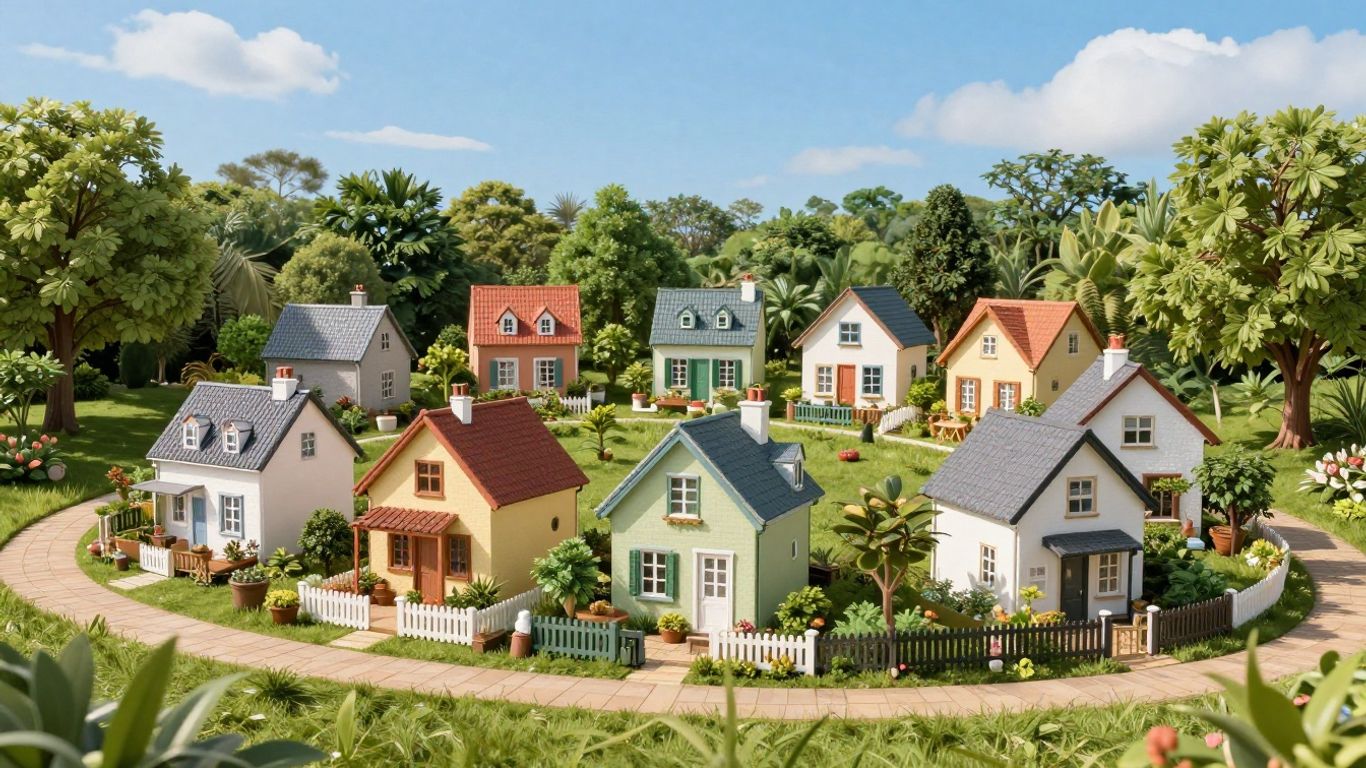
When you’re building a tiny home community, thinking about the materials you use is a big deal. It’s not just about making the homes look good; it’s about how they impact the environment and how long they’ll last. You’ll want to look into things like reclaimed wood, bamboo, or recycled metal. These options often have a lower carbon footprint compared to traditional lumber or concrete. Plus, they can add a unique character to your homes. Durability is key here, too, because tiny homes are meant to be long-lasting structures, not temporary fixes. Think about materials that can withstand different weather conditions and require less maintenance over time. This saves resources and hassle down the road.
Implementing Renewable Energy Solutions
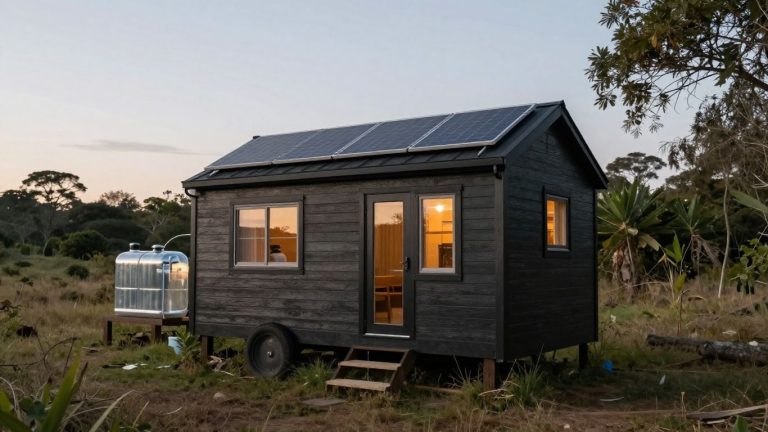
Powering your tiny home community with renewable energy is a smart move. Solar panels are probably the first thing that comes to mind, and for good reason. They can significantly reduce or even eliminate electricity bills for residents. You might also consider small-scale wind turbines if your location is suitable. Another aspect is energy efficiency within the homes themselves. Good insulation, energy-efficient windows, and smart appliance choices all play a part in reducing the overall energy demand. This makes your renewable energy systems more effective and affordable to implement. It’s about creating a system that works together to minimize reliance on the grid.
Establishing Community Gardens and Water Systems
Gardens are more than just a place to grow food; they’re a hub for community interaction. Setting up shared garden plots allows residents to work together, share knowledge, and enjoy fresh produce. This can also be a great way to reduce food costs for everyone involved. When it comes to water, think about rainwater harvesting systems. Collecting rainwater can be used for irrigation in the gardens, reducing your reliance on municipal water supplies. Greywater systems, which reuse water from sinks and showers for non-potable uses like flushing toilets or watering plants, are another excellent option to conserve water. These systems, when properly designed and maintained, can make a big difference in your community’s water footprint.
Building sustainability into your tiny home community from the start isn’t just good for the planet; it’s good for the people living there. It creates a healthier living environment, can lower living expenses, and builds a shared sense of purpose. It’s about making conscious choices that benefit everyone in the long run.
Fostering Community Engagement and Culture
Building a tiny home community is about more than just putting up small houses; it’s about creating a place where people genuinely connect and thrive together. This means putting real thought into how residents will interact and what kind of atmosphere you want to cultivate.
Developing Resident Selection Processes
Getting the right people involved from the start makes a huge difference. You want folks who are not just looking for a place to live, but who are excited about the idea of community living and contributing to the shared vision. Think about creating a selection process that’s clear and upfront about the community’s values and expectations. This isn’t about being exclusive, but about finding people who will be a good fit and help the community flourish.
- Clearly define community values: What’s important to your group? Shared responsibility, sustainability, mutual support?
- Outline resident roles and responsibilities: What will people be expected to contribute, whether it’s time, skills, or participation in shared tasks?
- Use interviews or meet-and-greets: This allows potential residents and current members to get a feel for each other.
The goal is to build a group where everyone feels they belong and are ready to pitch in, making the community stronger for all.
Creating Shared Spaces and Activities
Shared spaces are the heart of any community. These are the places where spontaneous conversations happen, friendships form, and a sense of togetherness grows. Think about common areas that encourage interaction, like a shared kitchen, a community garden, a workshop, or even just a nice outdoor gathering spot.
- Community Garden: A fantastic way for people to work together, share produce, and learn from each other. It also ties into sustainable living.
- Common House/Lounge: A flexible space for potlucks, game nights, workshops, or just a quiet place to hang out.
- Outdoor Gathering Areas: Think picnic tables, fire pits, or a simple open lawn for impromptu get-togethers.
Encouraging Resident Involvement
Once people are living in the community, keeping them engaged is key. This means giving residents a voice and opportunities to participate in how the community is run and what happens there. When people feel like they have a say, they’re more likely to invest their energy and care.
- Regular Community Meetings: A forum for discussing issues, making decisions, and sharing updates. Make sure these are productive and inclusive.
- Volunteer Opportunities: Encourage residents to take on roles or lead projects that align with their interests and skills, whether it’s organizing events, managing the compost, or maintaining common areas.
- Feedback Mechanisms: Set up easy ways for residents to share their thoughts, suggestions, and concerns, and show that this feedback is heard and acted upon.
Launching and Evolving Your Tiny Home Community
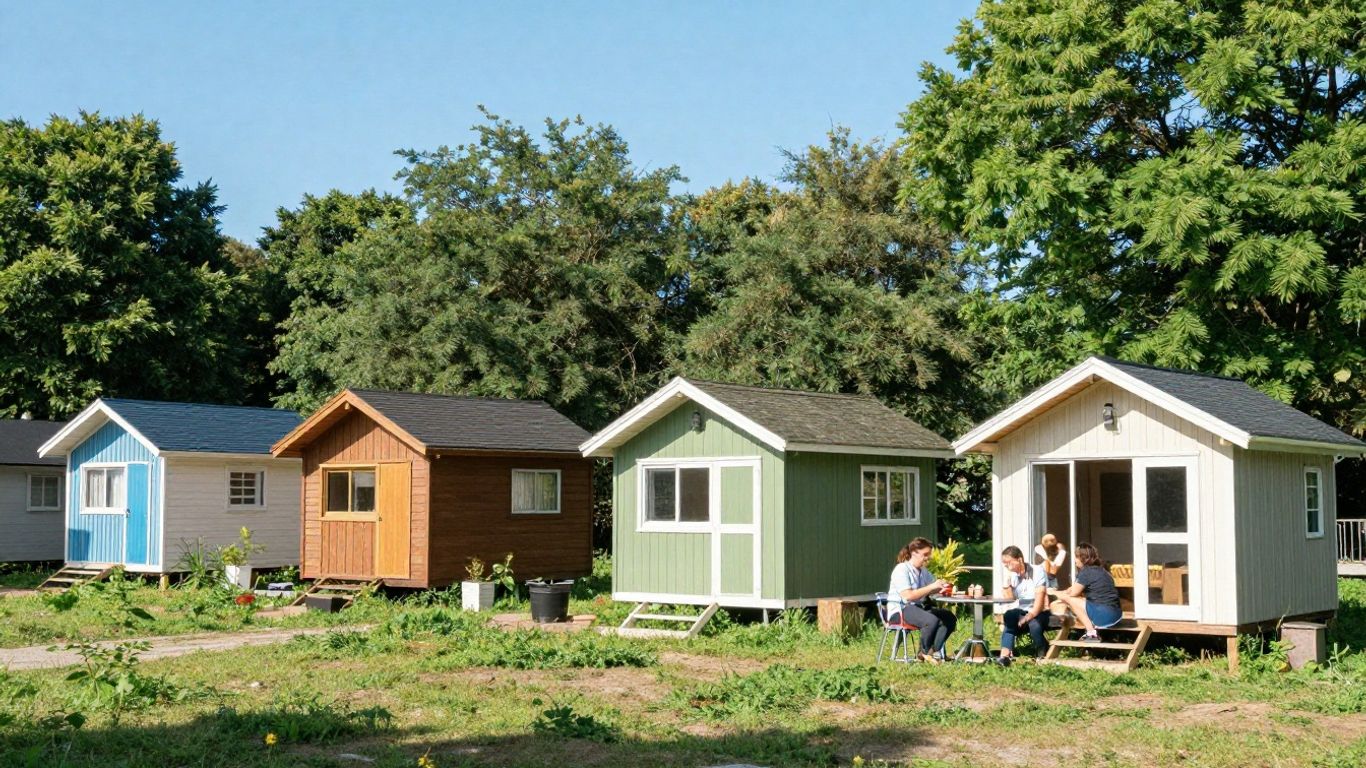
So, you’ve done the hard work – the planning, the land, the permits, and you’re ready to open the doors. This is where the real magic of community building begins, but it’s also where things can get a little tricky if you’re not prepared. Think of launching not as an endpoint, but as the start of a new chapter.
Planning for Community Launch
Getting your community off the ground requires a solid plan. It’s not just about having the homes ready; it’s about welcoming the first residents and setting the tone for everything that follows. You’ll want to have a clear process for how people move in, what initial support they’ll receive, and how you’ll introduce them to each other and the community’s shared values. Think about a welcome packet that includes not just practical info but also a bit about the community’s history and vision. Maybe organize a casual get-together within the first week so folks can start connecting.
- Develop a Move-In Checklist: Ensure a smooth transition for new residents.
- Organize a Welcome Event: Facilitate initial social connections.
- Establish Communication Channels: Set up a group chat or forum for easy communication.
The launch phase is critical for establishing the community’s identity and ensuring early residents feel supported and connected. A well-executed launch can prevent many common issues that arise later.
Gathering Resident Feedback
Once people are living in their tiny homes, their experiences are your best guide for improvement. Don’t wait for problems to arise; actively seek out what’s working and what’s not. Regular check-ins, surveys, or even informal chats can provide a wealth of information. This feedback loop is vital for making your community a place people truly want to stay and thrive in. It shows residents that their opinions matter and that the community is a living, breathing entity that adapts to their needs. You might find that a shared tool shed is more popular than you thought, or that the composting system needs a tweak.
Adapting to Community Growth
Communities aren’t static. As people come and go, and as the community matures, you’ll need to be flexible. This might mean adjusting shared responsibilities, updating community guidelines, or even planning for expansion if that’s part of your long-term vision. The key is to maintain open communication and a willingness to evolve. Building a successful tiny home community is an ongoing process, and your ability to adapt will determine its long-term success. It’s about creating a sustainable model that can grow and change alongside its residents, making sure the initial vision continues to serve the people who call it home. If you’re looking for inspiration on how to build a strong foundation, exploring resources on community development can offer valuable insights.
Building Your Tiny Home Community: The Journey Continues
So, you’ve made it through the guide. Building a tiny home community is definitely not a small undertaking. It takes a lot of planning, some serious legwork with zoning and land, and a good dose of patience. But seeing people come together, finding affordable and simple living, and creating something truly special? That’s the big reward. Remember, this is just the start. Keep talking to people, stay flexible, and don’t be afraid to adapt as you go. The dream of a connected, sustainable community is totally achievable with a bit of grit and a lot of heart.
Frequently Asked Questions
What exactly is a tiny home community?
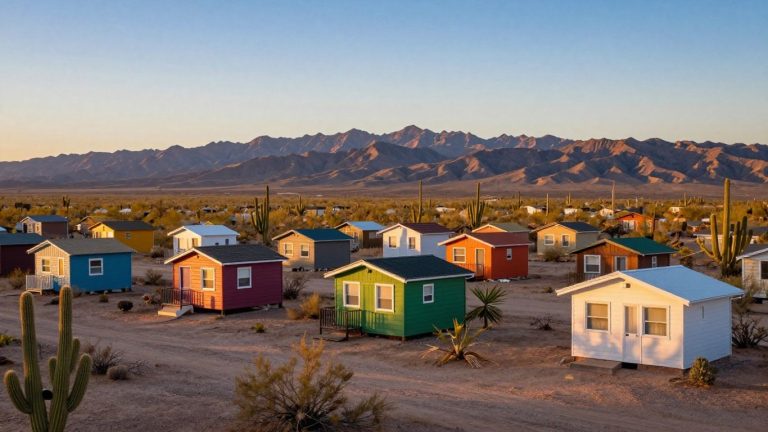
A tiny home community is a neighborhood where people live in small, thoughtfully designed houses. It’s more than just a collection of tiny homes; it’s about creating a shared living space where people can connect, support each other, and live a simpler, often more sustainable life together.
Why are people interested in building tiny home communities?
Many people are drawn to tiny home communities because they offer a more affordable way to own a home, reduce environmental impact, and foster a strong sense of community. It’s a way to live with less stuff but gain more connection and freedom.
What’s the first big step in starting a tiny home community?
The very first step is to figure out if your idea is even possible. This is called a feasibility analysis. You need to see if there’s a market for your community, if you can find suitable land, and if the costs make sense compared to the potential income. It’s all about checking if the dream can become a reality before you invest too much time and money.
Is it hard to get permission to build a tiny home community?
Yes, getting the right permits and zoning approvals can be one of the trickiest parts. Every town or city has its own rules, and they might not be used to tiny homes. You’ll likely need to talk to local officials, understand zoning laws, and possibly apply for special permits. It often takes a lot of patience and planning.
How do you pay for a tiny home community project?
Funding a tiny home community can involve several approaches. You might look into loans, grants, or even crowdfunding. Some communities also raise money by pre-selling land plots or selling ‘community bonds.’ Sharing your vision and the positive impact the community will have can help attract investors and supporters.
What makes a tiny home community successful?
A successful tiny home community is built on more than just houses; it’s about the people and how they interact. Having clear guidelines for residents, creating welcoming shared spaces for activities and socializing, and encouraging everyone to participate helps build a strong, supportive, and lasting community.
Explore more tiny home living, design, downsizing, building, and lifestyle resources.
- Tiny Homes for Rent in Wyoming: Wild West Getaways to Book
- Tiny Homes for Rent in Washington: Forest Escapes & Cozy Stays
- Tiny Homes for Rent in Utah: Red Rock Retreats to Book
- Tiny Homes for Rent in Oregon: Forest Retreats You’ll Love
- Tiny Homes for Rent in New Mexico: Desert Gems & Starry Skies
- Tiny Homes for Rent in Nevada: Desert Hideaways Worth Booking