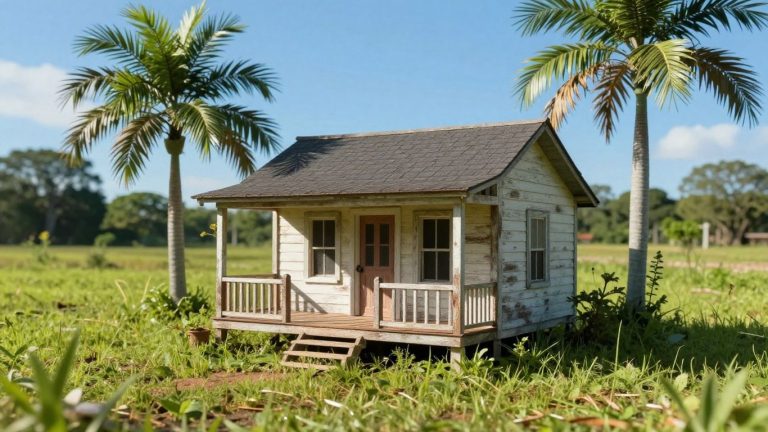
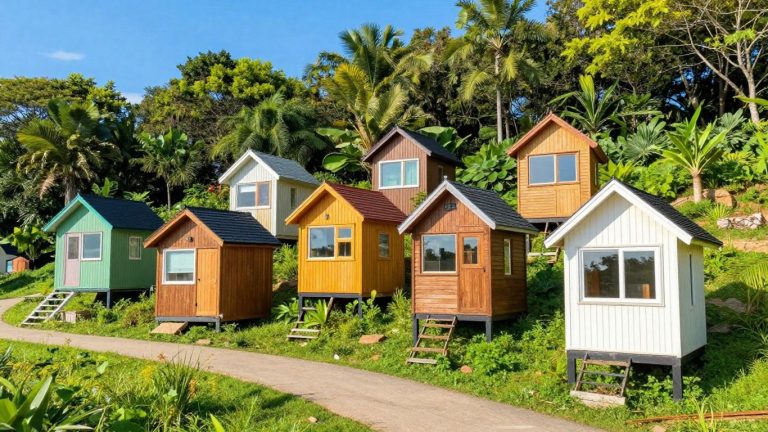
Tiny Homes for Rent in Idaho: Mountain Hideaways to Discover

Waking up in a small cabin with Idaho’s mountains, forests, or wide-open skies just beyond the door can make a trip feel like a true escape. Tiny homes for rent in Idaho can work well for couples, solo travelers, and small families, but each stay differs in comfort, location, and access to nearby services or outdoor activities.
The right place depends on the trip you have in mind. You’ll find advice on where to search for tiny home rentals, which Idaho destinations to consider, what different rental styles offer, and how to compare costs. First, start with the basics of finding and checking a listing before you book.
Key Takeaways
- Tiny homes for rent in Idaho range from secluded cabins to compact stays near towns, so choose a location that fits your itinerary.
- Check sleeping capacity, bathroom and kitchen facilities, heating, air conditioning, and road access before booking.
- Compare the full price, including cleaning fees, taxes, deposits, and any minimum-stay rules.
- For public-park lodging options, review the Idaho State Parks reservation guide and confirm the details for your dates.
- Book early for popular seasons, then plan groceries, fuel, and activities around how far your rental sits from services.
Tiny Homes for Rent in Idaho: Where to Find Your Stay
Start with a few trusted rental platforms, then compare the same dates and guest count across sites. Airbnb, Vrbo, and Hipcamp all offer ways to find vacation stays, but listings and availability change. Local vacation-rental operators may have properties that do not appear on larger platforms, so check their websites and the property’s own site when available.
Search by region, dates, and must-have features
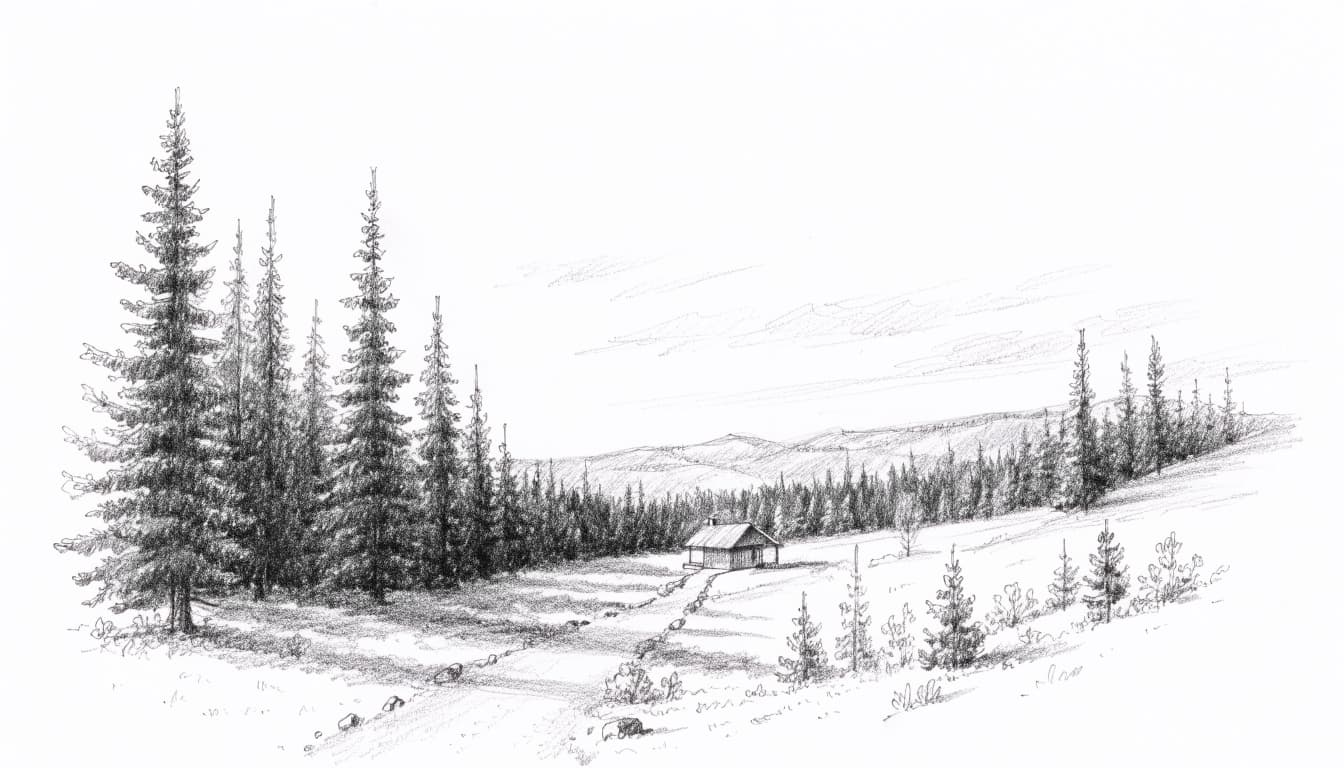
Choose a general area first, such as a town near your planned activities, then use the map view to see how far each stay sits from roads, trailheads, shops, or other stops. A listing that looks close on a map may still require a long drive, especially on rural roads. Enter your dates early, since open nights and prices can shift with the season.
Next, filter for the details that affect comfort and access. Set the guest count, check pet rules, and look for a private bathroom if you don’t want to share facilities. Idaho nights can be cold, even when daytime temperatures feel mild, so confirm heating. In warmer months, check whether the home has air conditioning. Also review road access and parking, particularly if the listing mentions a steep, unpaved, or seasonal route.
Use photos to get a sense of the space, but read the full description and recent guest reviews before deciding. Reviews can clarify whether the cabin matches its description and whether access or amenities caused problems. Compare cancellation terms, too. Airbnb lets guests filter for qualifying free-cancellation stays, while Vrbo’s search guide explains how to enter dates and party size.
Check what the listing includes before you book
The nightly rate is only part of the cost. Review the checkout total for cleaning fees and taxes, and check whether the host requires a deposit or a minimum stay. Read the cancellation policy for your exact reservation, since refund terms can differ by listing and booking dates.
Then confirm practical details that photos rarely show. Ask whether linens and towels, cookware, and parking are included. Check the check-in instructions, including how you’ll get the key or access code and whether arrival has a set time. If anything could affect your plans, message the host before paying.
Ask a direct question, such as whether a standard car can reach the property in winter or whether the bathroom is inside the unit. A clear answer helps you compare the stay with your needs before you commit.
Choose an Idaho destination that fits your trip
Idaho’s regions offer very different stays, from a tiny home near city restaurants to a cabin framed by lakes and forest. Choose your base around the activities you want, then confirm the rental’s actual location before booking. Explore Idaho’s regions to compare the state’s broad travel areas.
Stay near Boise for restaurants, trails, and easy access
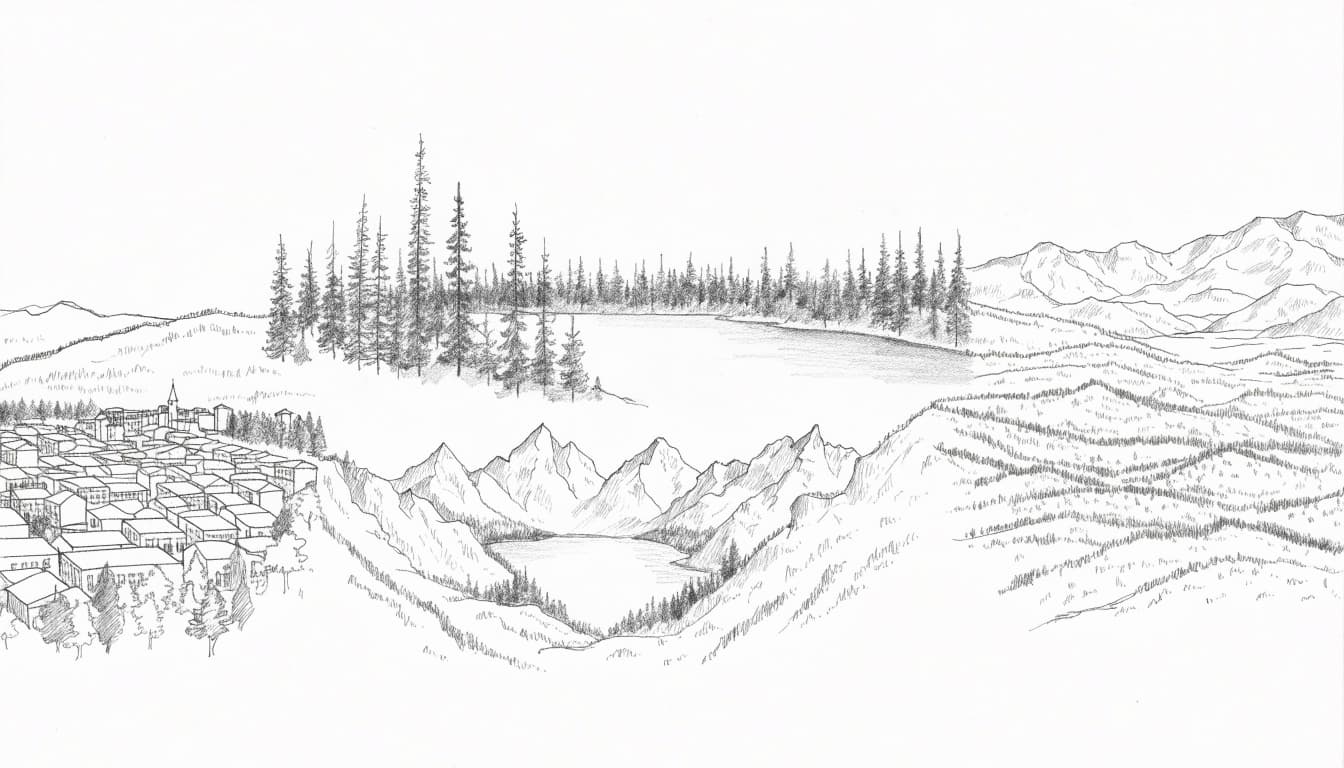
Boise and the Treasure Valley make it easier to combine outdoor time with city comforts. You can plan a morning on a foothill trail, then head into town for dinner, groceries, or other services. This balance can suit travelers who want a quieter rental without giving up access to restaurants and shops.
However, a listing described as rural may sit farther from town than its photos suggest. Check the driving distance to downtown Boise, the trailheads you plan to visit, and Boise Airport. Also look at the route itself, since road conditions and traffic can affect how long those trips take.
Look to lakes and mountain towns for a slower escape
In northern Idaho, areas around Coeur d’Alene pair forested scenery with lake activities. McCall offers a mountain-lake setting, while Sun Valley and Ketchum draw visitors for high-country recreation. Each region can make a different kind of trip feel natural, whether you picture time by the water or days outdoors among mountain peaks.
Yet popular summer and winter dates can fill quickly, so check availability early. A cabin’s distance from the lake, ski area, or town center can shape the whole stay, especially if you plan to walk or make several short trips. For McCall, review the route from Boise and current conditions before setting your schedule. The U.S. 95 route to McCall is one option to research, but confirm your own route and travel dates.
Use eastern Idaho as a base for scenic day trips
Idaho Falls can be a practical base for exploring eastern Idaho, with services in town and regional outings within driving reach. The right tiny home may work well if your plans include several stops, but don’t assume a listing sits near a particular park or attraction just because it appears in a regional search.
Before booking, map the rental’s address against each planned destination and check the actual drive distances. Then review seasonal road conditions, opening dates, and any access notices for parks or attractions. Finally, consider how far you’ll be from food, fuel, and other services. A little planning helps you spend more time on the outing and less time making last-minute detours.
Compare tiny cabin styles and what each one offers
In Idaho, “tiny home” can describe several kinds of small stays: a fixed cottage, a cabin, or a compact house on wheels. The label alone won’t tell you how private or comfortable a rental feels, so compare the layout, amenities, and setting before booking.
Fixed tiny houses, backyard cottages, and small cabins
A fixed tiny house or backyard cottage stays in one place, often on a residential lot or in a small lodging community. Because it has a permanent entrance and its own defined space, it can feel more like a small apartment than a campsite. You may have a private outdoor area, too, though that depends on the property and how close the unit sits to the main home or neighboring rentals.
Small cabins offer a similar sense of stability, often with a more rustic setting. Both types can suit travelers who want a quiet base between day trips, a place to unpack, and room to prepare simple meals. However, amenities vary widely.
Before booking, confirm whether the unit has a full kitchen, an indoor private bathroom, and outdoor space reserved for your use. Idaho State Parks’ Ponderosa State Park cabin details show how some cabins include kitchen equipment and stocked bedrooms and bathrooms, while other small stays may offer fewer conveniences.
Tiny homes on wheels and glamping-style stays
A tiny house on wheels may be parked at a campground, farm, or private property. It can provide a snug, self-contained place to sleep, but the experience may feel more rustic than a cottage or cabin. Outdoor surroundings often become part of the stay, while indoor space and storage may be limited.
Check the practical details closely, since listings use “glamping” to describe different levels of comfort. Ask whether the bathroom is inside the unit or shared, and whether the property has reliable running water and power. Also confirm where you can park and whether the tiny home stays in one spot for your rental. Some rentals remain stationary, while others may have different arrangements. For stays at a campground, review the site’s Idaho camping information and the individual listing before you book.
In short, fixed cottages and cabins often offer a more settled, private home base. A wheeled tiny home can bring you closer to a campground or rural property, but you’ll want to check utilities and bathroom access first.
Understand tiny-home rental prices and extra fees
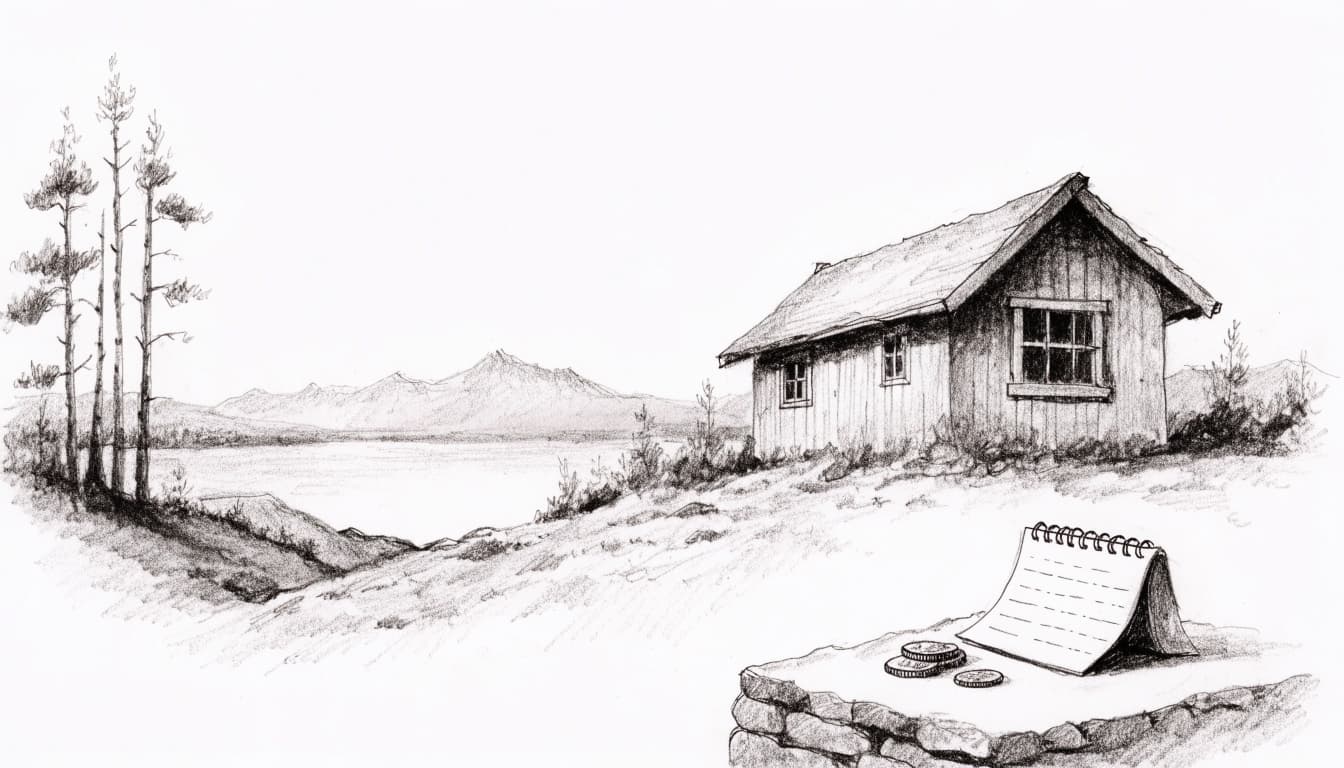
Tiny-home rental prices in Idaho vary with location, season, size, demand, and amenities. Compare the full cost for your dates and guest count, since a low nightly rate may not mean a lower total bill.
See what changes the nightly rate
Peak travel dates, weekends, and holiday periods can affect availability and rates. A tiny home near popular recreation, such as a lake, ski area, or trail network, may cost more than a similar stay farther away. Privacy and included amenities also matter. A secluded rental with a full kitchen, private bathroom, and outdoor space may be priced differently from a simpler unit with shared facilities.
Less expensive listings can involve longer drives to attractions, groceries, or restaurants, or fewer services on site. Check the location on a map and consider fuel, travel time, and what you may need to bring. To compare fairly, search the same dates and guest count across listings and platforms. Then compare the total for the whole stay, not just the displayed nightly rate.
Compare the total booking cost, not just the nightly price
Before booking, review the price breakdown for charges that can raise the total:
- Cleaning and platform service fees.
- Idaho lodging taxes and any other applicable taxes. The Idaho State Tax Commission’s lodging guidance explains tax requirements for short-term rentals.
- Pet fees, if you plan to bring an animal.
- A refundable deposit or other required payment.
- Minimum-stay rules, which may require extra nights beyond your preferred dates.
Some platforms show fees in search results, while taxes or other charges may appear later in checkout. For example, Airbnb says its total price display includes fees before taxes. Still, review the final breakdown before paying, and compare the same dates on other platforms when possible.
Also read the cancellation and refund terms for the specific reservation. A cheaper booking may have stricter cancellation rules, while a refundable option may cost more. Choose based on the total price and the flexibility you need, then save a copy of the booking details.
Plan for Idaho weather, roads, and outdoor access
A tiny home can put you close to Idaho’s lakes, trails, or mountain recreation, but the weather and road conditions shape how easily you can get there. Match the rental to your plans and season, then confirm the practical details with the host before you book.
Match the rental to the season and your activities
Summer lake trips call for different comforts than a winter stay near ski terrain. On hot days, a small home can warm quickly, so ask whether it has air conditioning, fans, or shaded outdoor space. If you plan to swim or paddle, check how far the rental sits from the lake and whether you can carry gear easily.
Winter recreation brings its own needs. Confirm that the home has reliable heat, and ask whether the host clears snow from the driveway and access path. Mountain roads can become snowy or icy, so find out whether you need a vehicle with all-wheel drive, winter tires, or chains. Then check Idaho 511 road conditions before setting out, since conditions can change during a trip.
Shoulder seasons can bring cool nights, warm afternoons, rain, or lingering snow at higher elevations. Pack layers and footwear that can handle muddy paths, and check whether nearby attractions or services operate on seasonal schedules. For the forecast, use the National Weather Service Boise page or the office serving your destination. Ask the host about seasonal road access directly, especially if the listing sits on a private or unpaved road.
Check distance, cell service, and basic supplies
A remote rental may offer a peaceful setting, but stores, fuel, and reliable reception can be far away. Confirm the road type, parking arrangements, and driving time to the nearest grocery store. Also ask whether internet and cell coverage work at the property, rather than assuming a listed Wi-Fi connection will be reliable throughout your stay.
Check what the home uses for water and whether it has running hot water. Some small stays rely on systems that differ from a typical house, so ask the host about drinking water and any limits on use. Get clear check-in instructions before arrival, including where to park and what to do if you reach the property after dark.
For a remote stay, shop before leaving town and bring any food, medication, and weather-appropriate supplies you need. Keep drinking water and a warm layer in the car, particularly if your route crosses mountain roads. With these details settled, you can spend less time solving arrival problems and more time enjoying the place you came to see.
Choose a tiny home that matches your group and comfort needs
A tiny home can feel cozy for two and cramped for a group, especially when everyone shares one room. Before booking, compare the sleeping layout, privacy, and everyday access with the needs of the people traveling.
Check sleeping space, bathroom setup, and privacy
Confirm the number and placement of beds rather than relying on the listing’s maximum guest count. A home may sleep four only because two guests share a bed or climb a ladder to a loft. For families, check whether children can safely use the loft and whether the layout gives adults a separate sleeping area. Couples may prefer a private bedroom or a small home with fewer shared spaces.
Lofts can save floor space, but low ceilings and steep ladders may make them uncomfortable for some guests. Ask about ceiling height if it isn’t listed, and check whether the bathroom is inside the unit or outdoors. That detail matters on cold Idaho nights or when someone needs frequent bathroom access.
Also find out whether the porch, fire pit, or yard is private or shared with other guests. Reviews can reveal details photos miss, such as noise between units, limited room to unpack, or a loft that feels tighter than expected. Limited storage is common in compact rentals, so consider how much luggage and outdoor gear your group will bring.
Confirm pet rules, accessibility, and house expectations
Use a simple guide to narrow your options:
- Couples can prioritize a comfortable bed, private bathroom, and space to sit indoors if the weather turns.
- Families should check bed locations, ladder access, and whether there is room for children to move around.
- Pet owners need to confirm the allowed number and size of pets, plus any fees or limits on where animals can go.
- Travelers who need accessibility should ask about step-free entry, doorway width, pathways, and bathroom access.
A listing’s accessibility labels can help you filter options. Airbnb explains how to search for accessibility features, but contact the host to confirm measurements and details that affect your stay. A narrow path or a few entry steps may rule out a place even when the listing sounds accessible.
Finally, check parking, quiet hours, and rules for fires or outdoor cooking. Shared property can mean less privacy, while a secluded rental may require more driving for supplies. If a feature is essential, ask the host before booking and get a clear answer about the exact setup.
Frequently Asked Questions
Before booking a tiny home in Idaho, confirm the details that can affect your dates, travel plans, and comfort. A quick message to the host can clear up questions that listing photos and summaries leave unanswered.
Are tiny homes in Idaho available year-round?
Availability depends on the property, location, and season. Some hosts close their rentals during part of the year, while snow, mud, or remote roads can make certain stays harder to reach. Check your dates and ask the host about access conditions; before driving, consult Idaho’s current road information.
Can I rent a tiny home in Idaho with a dog?
Pet policies differ by property, so don’t assume a listing allows dogs just because it has outdoor space. Before booking, confirm how many pets are permitted, any size limits or fees, and whether leash rules apply. Ask whether the outdoor area is enclosed, especially if your dog may roam or you need a secure place for breaks.
Are tiny homes in Idaho suitable for families?
Some tiny homes work well for families, but compact rooms can limit privacy, storage, and places to unpack. Check the bed arrangement, bathroom access, child-safety details such as loft ladders, and the maximum guest count. A listing’s stated capacity doesn’t always mean every guest has a separate bed or sleeping area.
Do Idaho tiny-home rentals have kitchens and bathrooms?
Amenities vary widely. Confirm whether the rental has a private indoor bathroom, hot water, and the cooking equipment you expect, such as a stove or refrigerator. If any facilities are shared, ask how far they are from the unit and whether guests can access them at all hours.
How early should I book a tiny-home stay in Idaho?
Search early if your dates are fixed, especially for popular destinations and busy travel periods, when fewer suitable rentals may remain. Before reserving, compare the cancellation terms with your plans. A flexible policy may be useful if weather or travel conditions could change your itinerary.
Conclusion
Tiny homes for rent in Idaho can make a memorable base for a city break, a lake getaway, or a trip into the mountains. The right stay depends on more than appealing photos: location, season, comfort, access, and the full price all shape how well it fits your plans.
Compare listings carefully, and ask hosts clear questions about anything that could affect your comfort or arrival. Then choose a home that supports the kind of Idaho trip you want, whether that means easy access to town or a quiet place to unwind after a day outdoors.
Explore more tiny home living, design, downsizing, building, and lifestyle resources.
- Tiny Homes for Rent in Wyoming: Wild West Getaways to Book
- Tiny Homes for Rent in Washington: Forest Escapes & Cozy Stays
- Tiny Homes for Rent in Utah: Red Rock Retreats to Book
- Tiny Homes for Rent in Oregon: Forest Retreats You’ll Love
- Tiny Homes for Rent in New Mexico: Desert Gems & Starry Skies
- Tiny Homes for Rent in Nevada: Desert Hideaways Worth Booking