Off Grid Living in Ohio: Your Ultimate Guide to Freedom and Self-Sufficiency

Thinking about ditching the utility bills and living a more self-reliant life in Ohio? Off grid living in Ohio is becoming more popular for folks looking for a simpler, more connected way of living. It means setting up your own power, water, and waste systems, and really getting back to basics. This guide will walk you through what you need to know to make that dream a reality, from understanding the laws to getting your hands dirty.
Key Takeaways
- Off grid living in Ohio means becoming independent from public utilities by creating your own power, water, and waste solutions.
- Researching Ohio’s specific zoning, building, and environmental rules is a must before you start planning your homestead.
- Self-sufficiency requires learning practical skills like managing solar power, harvesting water, and growing your own food.
- Setting up an off-grid homestead involves significant upfront costs for systems like solar, water, and waste management.
- Transitioning to off-grid life is easier with gradual changes and by connecting with other off-grid communities for support and advice.
Understanding Off Grid Living in Ohio
So, you’re thinking about ditching the utility bills and living a bit more… independently? That’s what off-grid living is all about. It means stepping away from the usual hookups for things like electricity, water, and even sewage. Instead, you’re generating your own power, finding your own water source, and managing your waste. It’s a big change, for sure, but for many, the appeal is strong.
Defining Off Grid Living and Its Appeal
At its core, off-grid living is about self-reliance. You’re not connected to the public utility ‘grid.’ This often means using renewable energy sources like solar panels or wind turbines to power your home. Water might come from a well or rainwater harvesting, and waste is typically handled through composting toilets or septic systems. The main draw? A sense of freedom, a lower environmental impact, and often, significant savings on monthly bills once the initial setup is done. It’s a lifestyle that encourages a closer connection with nature and a more hands-on approach to your daily needs.
Types of Off Grid Setups: Fully vs. Partially Off Grid
Not everyone goes completely dark. There are a couple of main ways people approach this:
- Fully Off Grid: This is the complete disconnect. No public utilities whatsoever. You’re responsible for generating all your power, sourcing all your water, and handling all your waste. This offers the most independence but also requires the most planning and investment.
- Partially Off Grid: This is a more common starting point. You might still be connected to the grid for electricity but supplement it heavily with solar power, for example. Or, you might have your own well for water but still use city sewer. This allows you to reduce your reliance on utilities and cut costs without a total overhaul.
Common Motivations and Lifestyle Benefits
Why do people choose this path? The reasons are varied, but some common threads emerge:
- Independence: A desire to be less dependent on external systems and companies.
- Sustainability: A drive to reduce one’s carbon footprint and live more harmoniously with the environment.
- Cost Savings: While initial costs can be high, eliminating utility bills can lead to long-term financial benefits.
- Peace and Quiet: Many seek the tranquility and slower pace of life often found in more rural settings.
- Self-Sufficiency Skills: The satisfaction of learning and mastering practical skills like gardening, building, and energy management.
Living off-grid isn’t just about cutting ties with utility companies; it’s about building a more resilient and intentional way of life. It requires a shift in mindset, a willingness to learn, and a deep appreciation for the resources we often take for granted.
Ohio Laws and Regulations for Off Grid Living
Thinking about going off grid in Ohio? You’ll definitely need to get familiar with a mix of legal requirements and local quirks. What seems friendly on the surface can get complicated fast depending on which county you choose, what kind of home you build, and how you plan to meet your basic needs. Understanding these rules ahead of time can save you from expensive headaches down the road.
Zoning and Building Code Considerations
Zoning and building codes are usually sorted out at the county or municipal level, and they can vary a ton across Ohio. Here are some common issues you’ll want to look out for:
- Minimum home size or permanent structure requirements (tiny homes, cabins, and unusual dwellings may not be allowed everywhere)
- Permits for wells, septic systems, and even rainwater catchment
- Limits or restrictions on solar panels or wind turbines
A quick phone call to the county planning or zoning office before buying land can help you avoid big surprises.
| Common Zoning Issues | Possible Solutions |
|---|---|
| Minimum house size | Pick counties with flexible codes |
| Access to paved roads | Choose remote, less-regulated land |
| Outbuilding restrictions | Secure proper permits upfront |
Sometimes, rural counties in Ohio are a lot more flexible than suburban ones, but you still need to read the fine print before making the leap.
State and Local Legal Requirements
Ohio law touches a lot of off-grid systems, but it usually leaves room for local differences. Things you’ll likely need to deal with:
- Wastewater: Most counties require some form of approved septic or composting toilet—make sure your planned system will pass inspection.
- Electric: You can go off grid, but if a utility line is nearby, some counties might still expect connections—especially for certain financing or occupancy permits.
- Land use: Agricultural land comes with its own set of rules compared to lots zoned for residential or mixed use.
Environmental and Health Department Rules
Health departments in Ohio have a say in how you handle water, waste, and sometimes air quality. Their main goal is to protect drinking water and prevent contamination. Expect extra attention to:
- Well placement and ongoing water testing
- Septic inspections and approvals
- Rules about animal waste if you plan to keep livestock
If you want to harvest water or use composting toilets, check county environmental regulations first—they can be surprisingly strict.
It’s always best to build a good relationship with your local health department early. If they see you as honest and upfront, they’re usually more willing to work with creative solutions.
In short, going off grid in Ohio can be done, but only if you stay patient with the paperwork—and learn to laugh when things take longer than you expected.
Essential Skills and Knowledge for Self-Sufficiency
Living off the grid in Ohio means you’re taking on a lot of responsibilities that utility companies usually handle. It’s not just about cutting the cord; it’s about learning to provide for yourself. This requires a mix of practical skills and a good head for planning. Think of it as becoming your own everything: power company, water department, and even your local grocery store.
Solar Energy and Alternative Power Sources
Power is a big one, right? You’ll likely be looking at solar panels. It sounds simple enough, but there’s a lot to it. You need to figure out how much power you actually use, then size your system accordingly. This means understanding wattage, battery storage, and how to maintain everything. It’s not just plug-and-play; you’ll need to learn about charge controllers, inverters, and maybe even backup generators for those cloudy spells. Don’t forget about other options like wind turbines or even micro-hydro if you have the right water source. Getting your power right is probably the most important first step.
Water Access, Harvesting, and Filtration
Water is life, and when you’re off-grid, you’re in charge of your own supply. This could mean drilling a well, which has its own set of costs and regulations, or setting up rainwater harvesting systems. If you go the rainwater route, you need to think about collection, storage tanks, and, most importantly, filtration. You can’t just drink any water you collect. Learning about different filtration methods, like sediment filters, carbon filters, and UV purification, is key to making sure your water is safe. It’s a process that requires attention to detail.
Gardening, Farming, and Food Preservation
Feeding yourself is another major piece of the puzzle. This is where gardening and farming skills come in. You’ll want to learn about soil health, crop rotation, and pest management, ideally using organic methods. Growing your own food reduces your reliance on stores and gives you a direct connection to what you eat. But what happens when harvest season is over? That’s where food preservation comes in. Canning, drying, fermenting, and root cellaring are all skills that will help you keep food through the leaner months. It’s a cycle of planting, growing, harvesting, and preserving that becomes your new rhythm. You might even consider raising a few chickens for eggs or other small livestock if your setup allows.
Learning these skills takes time and practice. Don’t expect to be an expert overnight. Start small, be patient with yourself, and celebrate the small victories along the way. The journey of self-sufficiency is a continuous learning process.
It’s a good idea to get a handle on these skills before you fully commit. Maybe start a garden in your current home or experiment with some basic food preservation techniques. You can also find a lot of great information online and in books about off-grid living resources. Taking these steps will make your transition to a more independent lifestyle much smoother.
Budgeting and Financial Planning for Your Off Grid Homestead
Thinking about ditching the utility bills and living a more self-sufficient life in Ohio? That’s awesome! But before you start dreaming of wide-open spaces and growing your own food, let’s talk about the money side of things. Going off-grid isn’t exactly free, and it requires some serious planning to make sure you can actually afford it.
Estimating Initial Investments and Recurring Costs
Getting set up off-grid means a big upfront investment. You’re looking at costs for land, of course, but then there’s the infrastructure. Think about power systems – solar panels, batteries, inverters, and maybe even a backup generator. These aren’t cheap. Then there’s water: a well or a rainwater catchment system with filtration will set you back a good chunk of change. Don’t forget a septic system, which also has installation and ongoing maintenance costs. Even things like a long driveway might need regular upkeep with gravel. It all adds up, and it’s important to get realistic quotes for everything you’ll need.
Here’s a rough idea of what some initial costs might look like:
| Item | Estimated Cost Range (USD) |
|---|---|
| Land (per acre, varies) | $2,000 – $10,000+ |
| Solar Power System | $5,000 – $15,000+ |
| Battery Bank Replacement | $2,000 – $5,000 (every 5-10 yrs) |
| Well Drilling | $3,000 – $7,000+ |
| Septic System | $4,000 – $10,000+ |
| Rainwater Harvesting | $1,000 – $5,000+ |
Remember, these are just estimates, and prices can change a lot based on where you are in Ohio and the specific systems you choose.
Saving Money Without Utility Bills
Okay, so the big draw is saying goodbye to monthly electricity, gas, and water bills. That’s a huge financial relief! But it’s not like your expenses just disappear. Instead, they shift. You’ll have maintenance costs for your systems, fuel for generators or tractors, and the cost of replacing parts like batteries. The real savings come from being mindful of your consumption and learning to repair things yourself. It’s a different kind of financial management, one that’s more hands-on.
Funding Options and Incentives in Ohio
Finding ways to finance your off-grid dream is key. While there aren’t always specific "off-grid" incentives, you might find programs related to renewable energy or sustainable building practices. Look into:
- USDA Rural Development Loans: These can sometimes help with land and home construction in rural areas.
- State and Local Grants: Keep an eye out for any Ohio-specific grants for renewable energy installations or sustainable agriculture projects.
- Personal Savings and Loans: Many people fund their off-grid transition through careful saving or by taking out conventional loans for home construction.
- DIY and Sweat Equity: The more you can do yourself, the less you’ll spend on labor, which is a significant cost saver.
It’s worth doing thorough research into what might be available in your specific part of Ohio. Sometimes, local conservation districts or agricultural extension offices can point you in the right direction for funding or technical assistance.
Planning your budget is more than just adding up numbers; it’s about understanding the long-term commitment and the shift in how you’ll spend and save money. Be realistic about your needs and your resources, and don’t be afraid to start small and build up over time. The goal is sustainable freedom, and that starts with a solid financial foundation.
Choosing the Right Location in Ohio
Assessing Climate and Terrain Factors
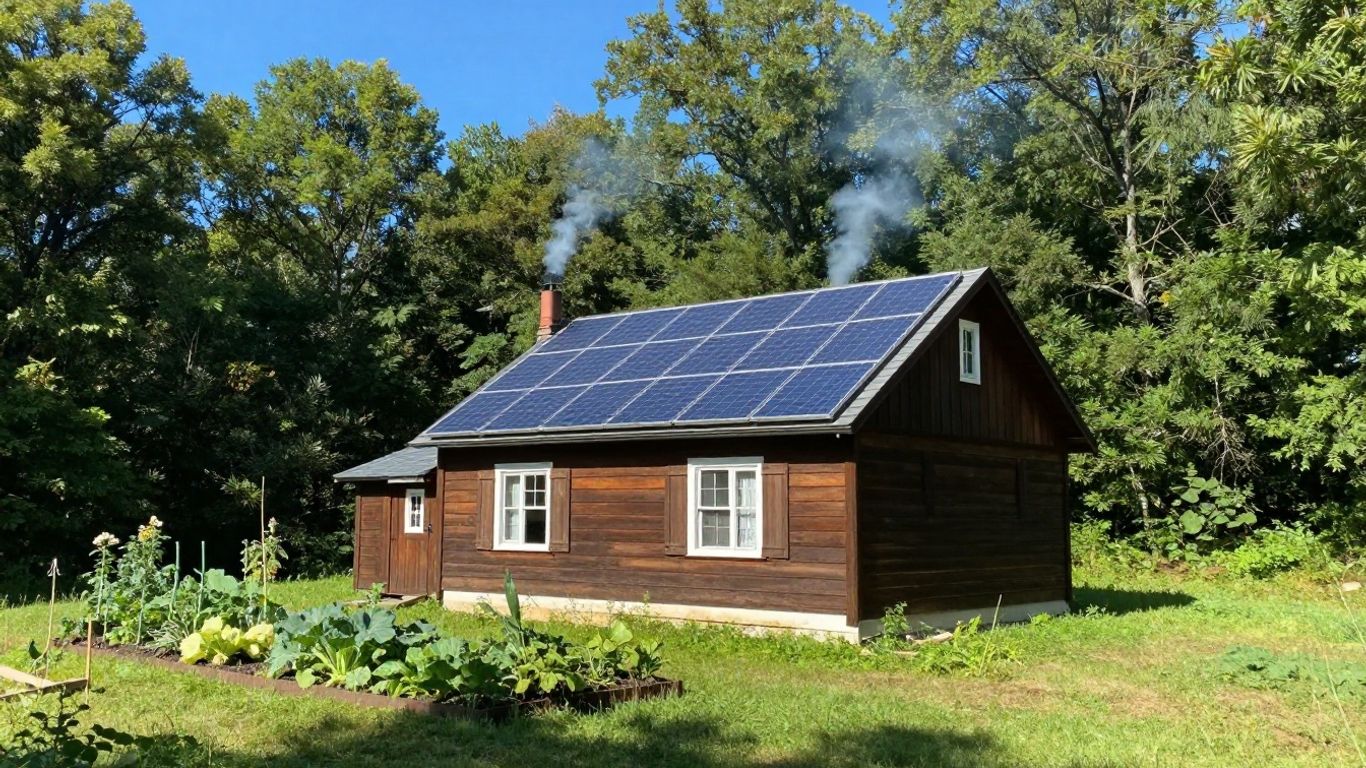
The weather and land shape how you live off grid in Ohio. Summers can be sticky with plenty of rain, while winters can be snowier up north and less intense in the south. Think about how much sunlight your land gets year-round, because that shapes your solar and gardening options. Some folks forget about shade from forests or hills, and that can mean little power or weak gardens. Flip through the rainfall averages in your county—rainwater catchment only works if enough actually falls. Flat lands in western Ohio are easier for gardens, but hilly southeast counties may be quieter and cheaper.
| Region | Annual Rainfall (inches) | Avg. Winter Low (°F) | Terrain |
|---|---|---|---|
| Northwest | 34-36 | 18-22 | Mostly flat |
| Central | 37-39 | 19-23 | Rolling hills |
| Southeast | 40-44 | 17-21 | Hills, forested |
Land Accessibility and Resource Availability
Living off grid sounds awesome until you realize your dirt road washes out in spring, or the creek dries up in July. When you pick a spot, drive the back roads in every season. Some critical questions to keep in mind:
- Can you access your land after a heavy snow or rain?
- Is there a decent road or will you need a four-wheel drive?
- Water matters: Are there springs, wells, or year-round creeks? Rain barrels are handy, but they’re not enough if it gets dry for weeks.
- Where’s the closest feed store, hardware store, or basic grocer? Even the most independent person has to buy something now and then.
Some folks learn this the hard way—don’t be surprised by muddy driveways and weeklong waits for gravel trucks or plumbers, especially if you’re hours from town.
Finding Community and Local Support
Look, living off grid can get lonely, even if that’s part of the plan. It helps to know there are people nearby in case you need advice or a hand with heavy work. Here’s how to sniff out support:
- Check out Ohio off grid Facebook groups or local forums. Community connections beat Google any day for local secrets.
- Attend a nearby farmer’s market or county fair—folks there often know what it’s really like to get by in your area.
- Some counties have shared resources, like tool libraries or food co-ops. These are gold for saving time and cash.
The right place makes or breaks your off grid experience. Find a spot that blends the climate, roads, water, and people that match your lifestyle—not just what looks good on paper.
Practical Challenges of Ohio Off Grid Living
Adapting to a New Daily Routine
Moving off the grid in Ohio means a big shift in how you spend your days. Forget the predictable rhythm of turning on a light or starting a car with a key. Your new routine will be dictated by the sun, the weather, and the needs of your homestead. This might mean waking with the dawn to tend to animals or check your solar panels, and ending your day when the natural light fades. It’s a slower pace, for sure, but it requires constant attention and a willingness to adjust your schedule on the fly. You’ll find yourself doing things you never thought you would, like manually pumping water or chopping wood for heat. It’s a hands-on life, and you’ll be doing a lot of it.
Coping with Isolation and Limited Connectivity
Ohio’s rural landscapes offer peace, but they can also mean distance. You might be miles from your nearest neighbor, and that quiet can sometimes feel like isolation. Socializing might not be as easy as it once was. While the internet is becoming more available even in remote areas, you might find your connection is slower or less reliable than you’re used to. This can make staying in touch with friends and family, or even managing online tasks, a bit of a challenge. It’s important to have a plan for staying connected, whether that’s through regular visits, phone calls, or finding local community events.
Managing Without Modern Conveniences
This is where the reality of off-grid living really hits home. You’re trading convenience for self-reliance. Think about your water supply – you might be relying on a well or rainwater harvesting, which means you need to manage your usage carefully and have filtration systems in place. Power is another big one; your solar or wind system might not always provide enough electricity, especially during cloudy spells or low-wind periods. You’ll need backup plans and a good understanding of how to conserve energy. Even simple things, like getting groceries or accessing medical care, might require more planning and travel time. It’s a constant learning process, and you’ll likely face unexpected issues that require creative solutions.
Living off the grid means you’re the one responsible for everything. There’s no utility company to call when the power goes out or the water stops flowing. You become the expert on your own systems, from your heating and cooling to your waste disposal. This responsibility is a big part of the freedom, but it also means you need to be prepared for anything.
Here are some things to keep in mind:
- Energy Management: You’ll need to monitor your power usage closely, especially during peak demand or bad weather. This might involve using energy-efficient appliances and being mindful of when you run high-draw devices.
- Water Systems: Maintaining your well, pump, and filtration system is vital. You’ll also need to understand how to conserve water, particularly during dry spells.
- Waste Disposal: Depending on your setup, you might be dealing with composting toilets or septic systems, which require regular maintenance and proper handling.
- Food Security: Relying on your own garden and preservation methods means you need to plan for the entire year, including storing food for the winter months.
Building Community and Support Networks
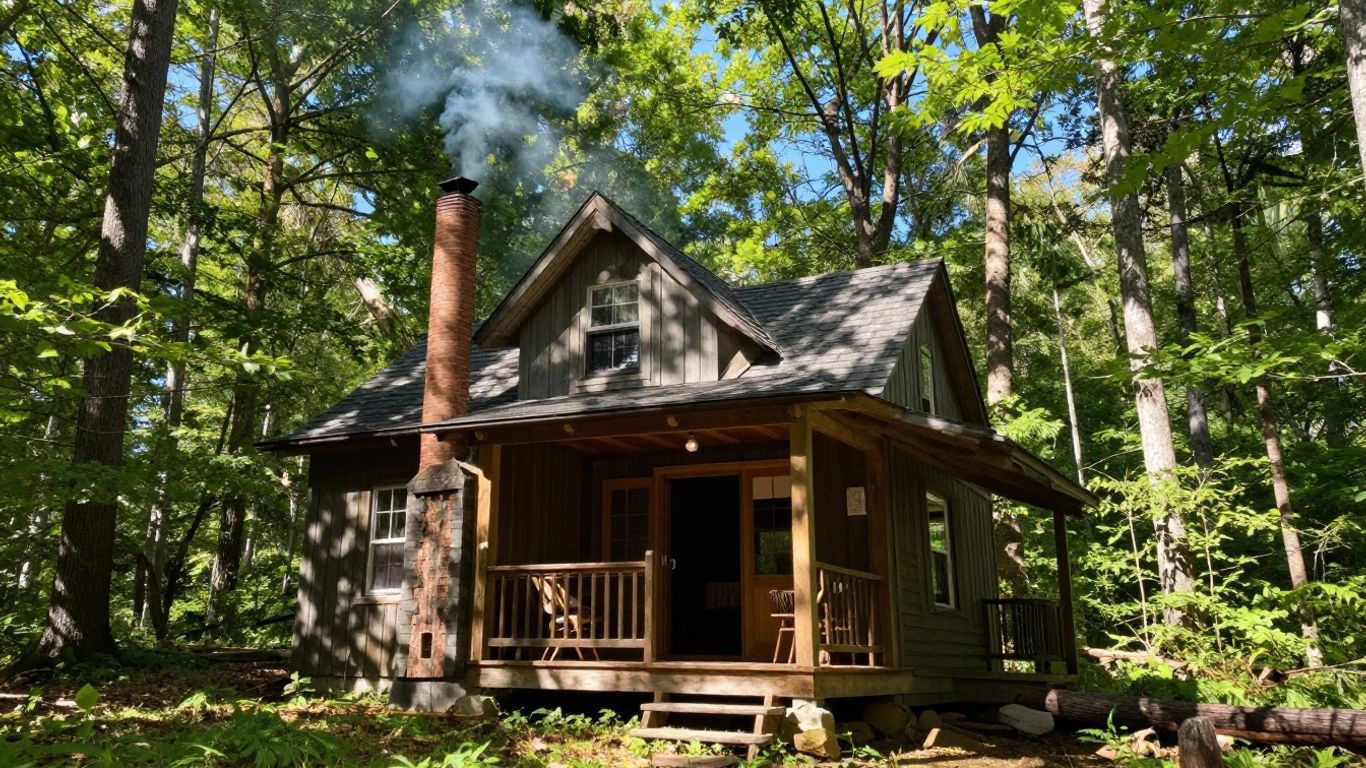
Living off the grid in Ohio can sometimes feel like you’re out there all by yourself, but that’s really not the case. Building connections with others who are on a similar path is super important. It’s not just about having people to chat with; it’s about sharing knowledge, getting help when you need it, and just generally feeling less isolated. Finding your tribe makes the whole journey smoother and way more rewarding.
Joining Off Grid Living Groups and Forums
Online spaces are a goldmine for off-gridders. You can find folks on social media, dedicated forums, or even specific websites. These places are great for asking questions, like "How do I fix this leaky rain barrel?" or "What’s the best way to store potatoes through winter?" You’ll get real-world advice from people who have actually dealt with these things. It’s a good way to get a feel for what others are doing and learn from their successes and mistakes. Connecting with local off-grid communities and online forums is a valuable strategy for individuals seeking to live off the grid. These networks provide essential knowledge and support, fostering a stronger understanding and facilitating the transition to an off-grid lifestyle. Check out some resources.
Participating in Local Workshops and Events
Beyond the internet, there are often local workshops, meetups, and even homesteading fairs happening around Ohio. These events are fantastic for meeting people face-to-face. You can learn new skills, see different setups in action, and make solid connections. Think of it as hands-on learning combined with networking. You might learn about composting toilets, basic solar maintenance, or even how to preserve food without a fancy store-bought setup. It’s a chance to get practical tips and maybe even find a neighbor who can lend a hand.
Learning from Other Off Grid Ohioans
Ohio has a growing number of people embracing a more self-sufficient lifestyle. Reaching out to them, whether online or in person, is key. You can learn so much from their experiences, the specific challenges they’ve faced in our state’s climate, and the solutions they’ve found. Maybe someone has figured out the best way to deal with Ohio’s muddy spring thaw or found a local supplier for bulk goods. Sharing stories and advice helps everyone involved. It creates a stronger, more resilient off-grid community right here in Ohio.
Tips for Transitioning to Off Grid Life in Ohio
Thinking about making the leap to off-grid living in Ohio? It’s a big change, for sure, but totally doable with the right approach. It’s not just about packing up and moving to the woods; it’s a whole lifestyle shift. So, how do you actually make it happen without losing your mind or your savings? Let’s break it down.
Researching and Planning Your Move
Before you even start looking at land, you need to do your homework. Seriously, this is the most important step. You wouldn’t build a house without a blueprint, right? Same goes for going off-grid. You need to figure out what kind of setup works for you, what skills you’ll need, and what the local laws are. Ohio has its own quirks, so understanding zoning and building codes is key. Don’t just assume you can do whatever you want; that’s a fast track to trouble.
- Gather reliable information: Look for reputable sources, books, and experienced off-gridders. Online forums can be great, but always cross-reference what you learn.
- Assess your chosen location: Understand Ohio’s climate – you’ll be dealing with hot summers and cold winters, and that impacts everything from heating to gardening. Check the terrain, water sources, and how accessible the land is year-round.
- Create a realistic budget: Figure out the upfront costs for land, shelter, power systems, and water, plus ongoing expenses. It’s easy to underestimate this part.
Starting with Small Sustainable Changes
Jumping straight into a fully off-grid homestead can be overwhelming. Think about easing into it. Maybe you start by reducing your reliance on the grid at your current home. Try composting, setting up a small garden, or even just being more mindful of your energy and water usage. This helps you build skills and see what you enjoy (and what you don’t) before making a huge commitment.
- Test the waters: Consider a temporary setup or a smaller, simpler dwelling first. This lets you experience some of the challenges and rewards without the full commitment.
- Learn basic skills gradually: Start practicing gardening, food preservation, or basic repairs now. You don’t need to be an expert overnight, but having some experience is a huge plus.
- Reduce utility dependence: Even if you’re not fully off-grid yet, try cutting back on electricity, water, and gas. This saves money and gets you used to a more frugal lifestyle.
Learning Through Trial, Error, and Experience
Nobody gets off-grid living perfect on the first try. It’s a learning process, and you’re going to make mistakes. That’s okay! The goal is to learn from them and keep moving forward. What works for one person might not work for you, and that’s where your own experience comes in. Embrace the challenges as learning opportunities. It’s about adapting and finding solutions that fit your specific situation in Ohio.
The journey to self-sufficiency is rarely a straight line. Expect setbacks, celebrate small victories, and remember why you started this adventure in the first place. Patience and persistence are your best tools.
- Document your progress: Keep a journal of what you try, what works, and what doesn’t. This will be invaluable as you refine your systems.
- Stay connected (even if remotely): While you’re aiming for independence, don’t isolate yourself completely during the transition. Connect with other off-gridders online or in person for advice and support.
- Be adaptable: Weather, equipment failures, and unexpected issues are part of the deal. The ability to adjust your plans and find new solutions is crucial for long-term success.
Your Off-Grid Ohio Adventure Awaits
So, you’ve been thinking about ditching the grid and heading for a simpler life in Ohio. It’s a big step, for sure, and it takes a lot of planning. You’ll need to figure out the rules, get your systems set up, and be ready for a different kind of daily grind. But the payoff? That feeling of being truly self-sufficient, living closer to nature, and having a real sense of freedom. Ohio offers a good balance for this kind of life, with plenty of land and a generally welcoming attitude towards independent living. It won’t always be easy, but building your own off-grid home and living by your own rules can be incredibly rewarding. Take it one step at a time, do your homework, and get ready for a life that’s all your own.
Frequently Asked Questions
What exactly is off-grid living?
Off-grid living means you’re not connected to the main public services like electricity, water, or gas lines. You’re basically providing these things for yourself, often using things like solar panels for power or collecting rainwater.
Is off-grid living cheaper than living with utilities?
While you save money by not paying monthly utility bills, the start-up costs can be high. You’ll need to invest in things like solar panels, batteries, water systems, and possibly a well, which can add up quickly.
What skills do I need for off-grid living in Ohio?
You’ll need to learn skills like how to manage solar power systems, how to find and clean water, how to grow your own food (gardening and farming), and how to preserve food for later. Basic repair skills are also very helpful.
Are there laws about living off the grid in Ohio?
Yes, even though Ohio is considered good for off-grid living, there are still rules. You need to check local zoning laws, building codes, and health department rules. These can differ a lot from one area to another.
What are the biggest challenges of off-grid living?
It can be a lot of hard work, and you might feel isolated because you’re often far from others. You also have to get used to not having all the modern conveniences you’re used to, like instant hot water or easy internet access.
How can I get started with off-grid living in Ohio?
Start by doing a lot of research about Ohio’s climate and land. It’s also a good idea to connect with others who live off-grid, maybe join online groups or attend local workshops. Consider making small changes first to see if you like the lifestyle.
Explore more tiny home living, design, downsizing, building, and lifestyle resources.