A Beginner’s Guide to Off Grid Living in West Virginia: Tips, Challenges, and Local Resources

Thinking about ditching the utility bills and living a more self-sufficient life in West Virginia? You’re not alone. The Mountain State offers a unique blend of natural beauty and a slower pace that appeals to many looking to go off grid. But let’s be real, making the switch isn’t just about escaping the grid; it’s about building a whole new way of living. This guide is here to give you the lowdown on what off grid living in West Virginia really entails, from finding the right spot to keeping the lights on and the water running.
Key Takeaways
- West Virginia’s appeal for off-grid living comes from its affordable land and generally relaxed regulations in rural areas, making it a good choice for those wanting to disconnect.
- Setting up reliable power and water systems are the absolute first steps; don’t try to do everything at once, start with these basics.
- Understanding and following local zoning laws and building codes in West Virginia counties is a must to avoid legal trouble.
- Developing practical skills like basic construction, gardening, and first aid is vital for day-to-day self-sufficiency.
- Financial planning needs to include a buffer for unexpected costs, as off-grid living often comes with surprises and ongoing maintenance.
Understanding Off-Grid Living in West Virginia
So, you’re thinking about ditching the utility bills and embracing a more self-sufficient life here in West Virginia. That’s awesome! But what does ‘off-grid’ really mean, especially in a place like this? It’s not just about living in a cabin in the woods, though that’s part of the charm for many. At its heart, off-grid living means you’re responsible for your own power, water, heating, and waste management. You become your own utility company, so to speak.
Defining Your Off-Grid Vision
First off, what does your ideal off-grid life look like? Are you dreaming of a full-time homestead where you grow all your own food and live entirely disconnected? Or maybe a weekend cabin where you can escape the hustle and bustle? There are a few ways people do this:
- Full Off-Grid Homestead: This is the whole nine yards. Year-round living, no utility hookups, growing your own food, generating all your power, sourcing your own water, and handling your own waste. It’s a big commitment, but super rewarding.
- Hybrid / Partial Off-Grid: You might still have some grid connections, maybe for backup power or water, but you’re generating most of your own resources. This is a good way to ease into it.
- Weekend Off-Grid Cabin: A place you visit for getaways. Simpler systems, less daily commitment. Great for a retreat.
- Off-Grid Tiny Home: A small, purpose-built home designed for self-sufficiency. Often on wheels for flexibility.
The Appeal of West Virginia for Off-Grid Lifestyles
West Virginia is a pretty sweet spot for folks looking to go off-grid. We’ve got tons of beautiful, often affordable land, especially in the more rural areas. The mountains offer privacy and a connection to nature that’s hard to beat. Plus, the general vibe here is pretty laid-back when it comes to regulations in many counties, which can make setting up your systems a bit easier compared to more densely populated states. You’ve got four distinct seasons, which means planning for heating and cooling is a must, but it also offers a good climate for growing food if you put in the effort.
West Virginia’s natural beauty and relatively lower cost of land make it a prime candidate for those seeking an independent lifestyle. The rolling hills and vast forests provide both seclusion and a connection to the land that many off-gridders crave.
Setting Realistic Expectations for Your Journey
Okay, let’s get real for a second. Going off-grid is not a walk in the park. It’s rewarding, sure, but it’s also a lot of work. You’ll be learning new skills, troubleshooting problems, and probably getting your hands dirty more often than you thought. Think of it like this: you’re not just buying a house; you’re buying a lifestyle and taking on a whole new set of responsibilities. The upfront costs can be significant because you’re essentially pre-paying for years of utilities by investing in solar panels, water systems, and so on. But once that initial investment is made, your ongoing monthly expenses can drop dramatically. It’s a trade-off, and it’s important to go into it with your eyes wide open, ready for the challenges and the triumphs.
Essential Foundations for Off-Grid Success
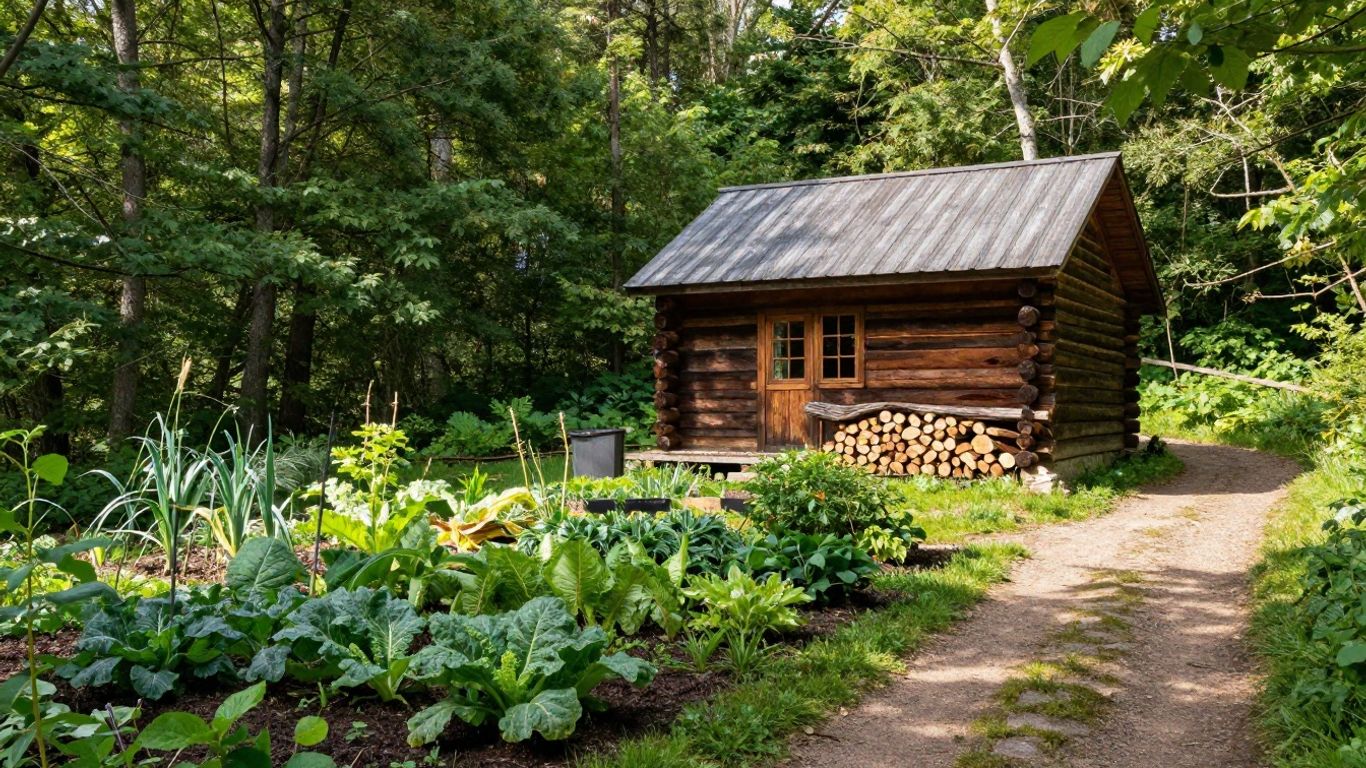
Getting your off-grid life started right in West Virginia means laying down some solid groundwork. It’s not just about dreaming of independence; it’s about making sure you have the basics covered so you can actually live comfortably and sustainably. Think of it like building a house – you wouldn’t start with the roof, right? Same goes for going off-grid.
Securing Suitable Land in West Virginia
Finding the right piece of land is probably the biggest first step. West Virginia has a lot of beautiful, remote areas, but not all land is created equal for off-grid living. You need to think about more than just pretty views. Does it have good sun exposure for solar panels? Is there a reliable water source, or the potential to create one? How’s the access, especially in winter? You’ll also want to check local zoning laws and any potential restrictions before you buy. Buying land without doing your homework is a common mistake that can cause a lot of headaches down the road. It’s worth taking your time and visiting properties in person, walking the land, and talking to neighbors if you can. Sometimes, finding land that’s already been partially developed for off-grid use can be a good starting point.
Establishing Reliable Power Systems
Power is non-negotiable. For most off-gridders, this means solar, but there are other options too, like wind or micro-hydro if your land is suitable. Your solar system needs to be sized correctly, and it’s usually better to overestimate a bit than underestimate. You don’t want to be caught with dead batteries during a cloudy spell. Think about battery storage too – lithium batteries are more expensive upfront but last much longer than lead-acid. It’s also wise to have a backup generator for those times when your primary system just can’t keep up. Don’t skimp on this; it’s the heart of your off-grid home. Many people find that community-driven resource sharing can help offset the cost and complexity of setting up these systems.
Ensuring Consistent Water Resources
Water is life, and off-grid, you’re responsible for your own supply. This usually means drilling a well or setting up a rainwater harvesting system. You need to figure this out before you start building your home. Discovering you need a very deep well after you’ve already invested in construction can blow your budget. Consider filtration and purification systems to make sure your water is safe to drink. If you’re relying on a well, think about a backup like a hand pump. For rainwater, you’ll need storage tanks and a way to pump it into your home. Having a plan for water during construction is also important – you’ll need it for mixing concrete, cleaning, and drinking.
Preparing for your first off-grid winter is a big deal. Make sure your water lines are insulated, stock up on firewood (way more than you think you’ll need), and double-check that your power system can handle shorter, cloudier days. It’s easy to underestimate how much more energy you’ll use when it’s cold and dark.
Here are some key considerations for your water system:
- Source Identification: Determine if well drilling, spring capture, or rainwater harvesting is most feasible for your location.
- Storage Capacity: Calculate how much water you’ll need daily and for dry periods, then size your tanks accordingly.
- Pumping and Pressure: Select a reliable pump (often DC-powered for solar systems) and consider pressure tanks for consistent water flow.
- Filtration and Treatment: Implement a multi-stage filtration and purification process to ensure potable water.
Navigating Legalities and Regulations
Okay, so you’ve got the dream of living off the grid in West Virginia. That’s awesome! But before you start picturing yourself chopping wood and growing prize-winning tomatoes, we gotta talk about the paperwork. It’s not the most exciting part, but trust me, ignoring it is a fast track to a major headache. West Virginia, like everywhere else, has rules about what you can do on your land, and understanding them is key to a smooth transition.
Zoning Laws and Building Codes in West Virginia Counties
This is where things can get a little tricky. Every county in West Virginia has its own set of zoning laws and building codes. These rules dictate what you can build, where you can build it, and sometimes even how big your dwelling has to be. Some counties are super laid-back and welcoming to alternative living situations, while others might have stricter requirements that could make your off-grid plans more complicated. It is absolutely vital to check the specific zoning ordinances for the county you are interested in before you buy any land. You don’t want to find out after closing that your dream cabin violates a minimum square footage requirement or that your planned solar setup isn’t allowed as a primary power source.
Here’s a quick rundown of what to look out for:
- Minimum Dwelling Size: Some counties have rules about how small a house can be. This can be a problem if you’re thinking about a tiny home.
- Land Use Restrictions: Certain zones might only permit specific types of structures or activities.
- Building Codes: Even if you’re off-grid, most places require your structures to meet basic safety standards for things like electrical, plumbing, and structural integrity. This doesn’t mean you can’t go off-grid, but it might mean your systems need to be inspected.
Permitting Processes for Off-Grid Structures
Once you’ve figured out the zoning, you’ll likely need to go through a permitting process. This is how your local government officially approves your building plans. For off-grid setups, this can sometimes be a bit more involved. You might need permits for:
- New Construction: Even a small cabin or shed will probably require a building permit.
- Septic Systems: If you’re not on a municipal sewer system (which you won’t be, off-grid!), you’ll need a permit for your wastewater management, usually a septic system or an approved composting toilet setup.
- Electrical Systems: If you’re installing a solar or wind power system, you might need an electrical permit, especially if it’s your sole power source.
It’s a good idea to contact your county’s planning or building department early on. Be upfront about your off-grid intentions. Ask them what permits are needed and what the process looks like. Getting this information in writing, if possible, can save you a lot of trouble down the road.
Understanding Waste Management Requirements
This is a big one for off-grid living. Since you won’t be connected to city sewer lines, you’re responsible for managing your own waste. West Virginia counties will have specific requirements for this.
- Septic Systems: A traditional septic system involves a tank and a drain field. Installing one can be costly and requires proper soil testing and a permit. Expect this to be a significant upfront expense.
- Composting Toilets: These are becoming a popular alternative. They break down waste into compost. You’ll need to make sure the specific model you choose is approved by your county, as not all of them are. They are generally less expensive to install than a full septic system.
- Greywater Systems: Some areas have regulations about how you handle water from sinks and showers (greywater) separately from toilet water (blackwater). You might need a permit for a greywater system too.
Always check with your local health department or building code office about approved methods for waste disposal. They can provide guidance on what’s permissible and what inspections are required. Getting this wrong can lead to fines and the need to redo your entire system, which is something nobody wants.
Key Skills for Self-Sufficiency
Living off the grid in West Virginia means you’re going to be doing a lot of things yourself. It’s not just about having a nice cabin in the woods; it’s about being able to handle the day-to-day without relying on public utilities or constant deliveries. This means picking up a few new skills, or at least getting really good at the ones you already have.
Mastering Basic Construction and Maintenance
When you’re miles from the nearest hardware store, knowing how to fix things yourself becomes pretty important. This isn’t just about major repairs, either. Think about the little things: a leaky faucet, a loose shingle, a fence post that’s leaning a bit too much. Being able to tackle these small issues before they become big problems will save you a lot of headaches and money. You’ll want to get comfortable with basic carpentry, plumbing, and electrical work. Don’t worry, you don’t need to be a master craftsman overnight. Start with simple projects, watch some videos, and maybe find a neighbor who doesn’t mind showing you the ropes. Learning to maintain your own systems, from your water pump to your wood stove, is a huge part of self-reliance.
Developing Food Production and Preservation Skills
Growing your own food is a big part of the off-grid dream for many. It’s not just about having fresh vegetables; it’s about food security. You’ll want to learn about gardening, even if you only have a small plot. Understanding what grows well in West Virginia’s climate and soil is key. Consider intensive gardening techniques to maximize your harvest in limited spaces. Beyond growing, you’ll need to know how to preserve what you harvest. This means canning, drying, fermenting, or root cellaring. These methods allow you to eat from your garden year-round. It’s a learning process, for sure, but incredibly rewarding.
- Gardening Basics: Soil preparation, planting schedules, pest management.
- Food Preservation: Canning, drying, freezing, fermenting, root cellaring.
- Livestock (Optional): If you plan on raising chickens or other small animals, learn about their care and feeding.
The ability to produce and store your own food provides a significant buffer against supply chain disruptions and rising costs. It connects you more directly to the seasons and the land.
Acquiring Essential First Aid and Survival Knowledge
When you live remotely, help isn’t always just a phone call away. Having solid first aid skills is non-negotiable. This means taking a wilderness first aid course, at a minimum. You should also keep a well-stocked first aid kit and know how to use everything in it. Beyond medical emergencies, understanding basic survival skills is also wise. This could include knowing how to purify water in a pinch, build a fire safely, or navigate using natural cues. While you might not be facing extreme wilderness survival situations daily, these skills build confidence and preparedness for unexpected events. Having a reliable vehicle, like a four-wheel-drive, and knowing the quickest route to the nearest emergency room are also practical steps.
- Wilderness First Aid Training
- Comprehensive First Aid Kit
- Basic Survival Skills (fire starting, water purification)
- Emergency Communication Methods (e.g., satellite communicator)
Financial Planning for Your Off-Grid Homestead
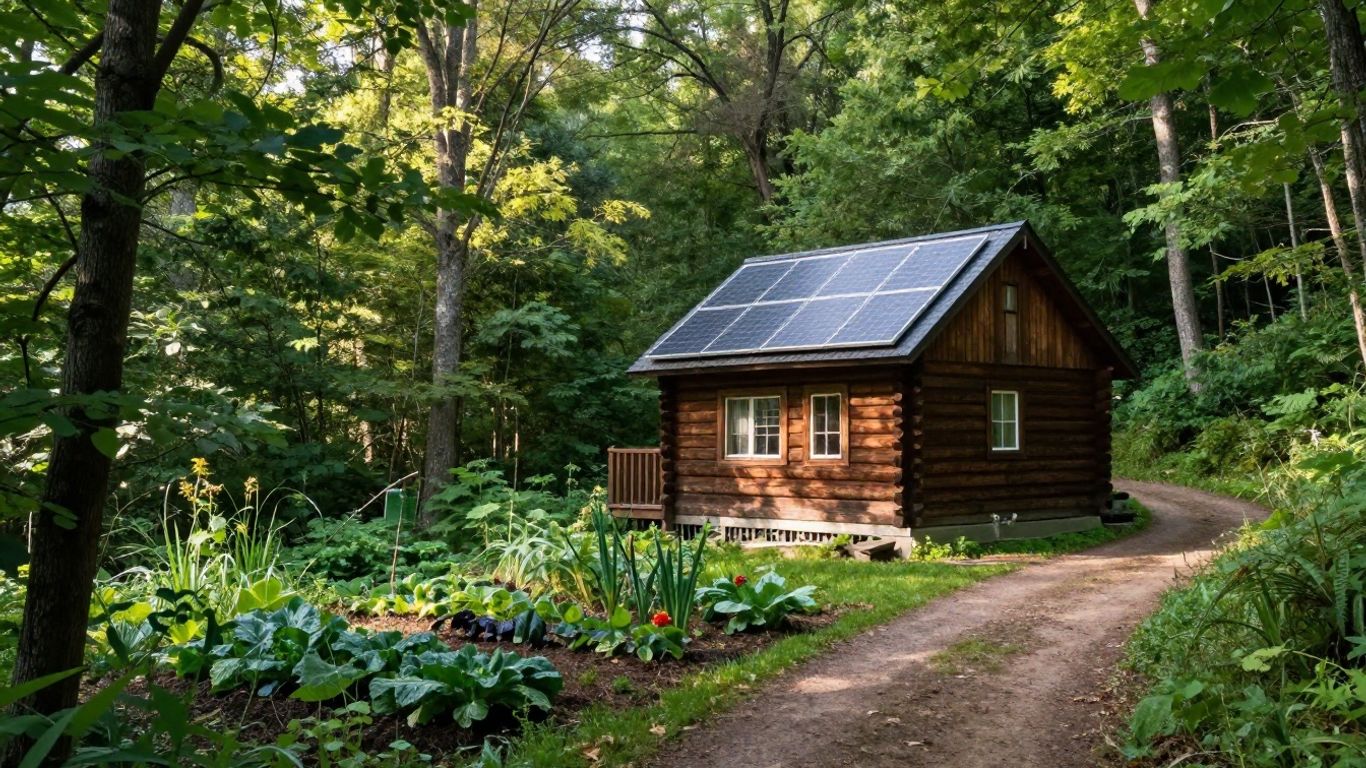
Alright, let’s talk about the money side of things. Moving off the grid in West Virginia isn’t just about ditching utility bills; it’s a significant financial undertaking, both upfront and ongoing. You’ve got to be realistic about what you can afford and what you’re willing to spend. It’s not a cheap hobby to start, but it can be way cheaper than living in town once you’re set up.
Estimating Startup Costs for Land and Shelter
First off, you need land. Prices in West Virginia can vary wildly, from a few thousand dollars for remote acreage to tens of thousands for something closer to amenities or with better features. Then comes shelter. Are you thinking a small, DIY cabin, or a more substantial home? A basic 400-600 sq ft cabin built yourself might run you around $25,000 for materials, while a professionally built home could easily be $100,000 or more. Don’t forget to factor in land clearing and initial site prep, which can add a surprising chunk to the bill. It’s easy to see how the initial investment can climb quickly, with total setup costs often ranging from $20,000 to over $150,000 for raw land and basic structures. raw land
Budgeting for Essential Systems: Power, Water, and Waste
This is where the real off-grid magic (and cost) happens. Power systems are a big one. A decent solar setup with batteries, inverter, and charge controller for a small home could be anywhere from $15,000 to $30,000 or more, depending on your energy needs and whether you DIY or hire it out. Water is another major consideration. Drilling a well can be expensive, potentially $6,000 or more, while a rainwater catchment system might be cheaper upfront but requires careful planning and maintenance. And then there’s waste management. A conventional septic system can cost $5,000 to $10,000, though approved composting toilets are a more budget-friendly option, usually in the $1,500-$4,000 range.
Here’s a rough idea of what some of these systems might cost:
| System | Estimated Cost Range |
|---|---|
| Solar Power (DIY) | $5,000 – $20,000 |
| Battery Bank (10-20 kWh) | $4,000 – $12,000 |
| Water System (Well/Rain) | $2,000 – $15,000 |
| Septic System | $3,000 – $10,000 |
Accounting for Ongoing Maintenance and Contingencies
Beyond the initial setup, you’ve got to think about the long haul. Things break, need replacing, or require upkeep. Your monthly expenses will include things like internet (Starlink is popular, around $120/month), propane for cooking or backup heat ($30-$80), fuel for your vehicle, property taxes, and a general maintenance fund. It’s wise to set aside at least 10-25% of your initial budget for unexpected issues – a storm damages your solar panels, your water pump gives out, or you need a new part for your generator. Planning for these ‘what ifs’ is just as important as budgeting for the systems themselves. Don’t forget to budget for tools and supplies too; you’ll always need something.
Building an off-grid homestead is a marathon, not a sprint. It requires patience, resourcefulness, and a willingness to learn as you go. Break down the costs into manageable phases and prioritize the absolute necessities first, like power and water. You can always upgrade or add features later as your budget allows and your needs become clearer.
Remember, while the upfront costs can seem daunting, the long-term savings on utilities and the increased self-reliance can make it a worthwhile investment for many.
Connecting with the Off-Grid Community
Going off-grid doesn’t mean you have to go it alone. In fact, building a strong network can make your transition smoother and your life richer. West Virginia has a growing number of folks embracing this lifestyle, and finding them can be a real game-changer.
Finding Mentors and Learning from Experience
Think of mentors as your off-grid guides. These are people who have already walked the path you’re on and can offer practical advice. They’ve likely made mistakes you can learn from, saving you time and headaches. Don’t be shy about reaching out. Many experienced homesteaders are happy to share their knowledge, especially if you show genuine interest and respect for their time. A good mentor can help you troubleshoot problems, suggest the best local resources for materials, and even offer a helping hand when you need it most.
Joining Local and Online Off-Grid Forums
Online forums and social media groups are fantastic places to connect with like-minded individuals. You can ask questions, share your progress, and get advice from people all over the country, and even the world. Look for groups specific to West Virginia or the Appalachian region. These local online communities often organize meetups or share information about local events. It’s a great way to feel less isolated and to discover resources you might not find otherwise.
Building Relationships with Fellow Homesteaders
Beyond online connections, actively seek out opportunities to meet other off-gridders in person. Attend local farmers’ markets, community events, or workshops related to sustainable living. Sometimes, just striking up a conversation with someone who seems to have a similar interest can lead to a new friendship. These real-world connections are invaluable for mutual support and sharing. Consider organizing or attending potlucks or work parties with other homesteaders. Sharing skills, tools, and even labor can make the demanding aspects of off-grid living much more manageable and enjoyable.
Building a community around your off-grid homestead is as important as setting up your power or water systems. It provides emotional support, practical help, and a sense of belonging that can make all the difference.
Here are a few ways to get involved:
- Attend local workshops: Look for classes on gardening, solar installation, or basic carpentry. These are great places to meet people and learn new skills.
- Visit farmers’ markets: Chat with the vendors, especially those selling produce or handmade goods. They often have deep roots in the community and know others who live similarly.
- Volunteer: Offer your time at a local farm, community garden, or conservation project. It’s a hands-on way to meet people and contribute.
- Host a gathering: Once you’re settled, invite other off-gridders or interested neighbors over for a simple get-together. Sharing food and conversation is a classic way to build bonds.
Your Off-Grid Journey in West Virginia
So, you’ve been thinking about ditching the utility bills and living a bit more simply. West Virginia, with its affordable land and natural beauty, offers a real chance to do just that. It’s not always easy, and there will be challenges, like figuring out power or water systems, but it’s definitely doable. Remember to do your homework, talk to folks who are already living this way, and start small. This guide has hopefully given you a good starting point, but the real adventure begins when you take those first steps. Good luck out there!
Frequently Asked Questions
What are the first steps to living off the grid in West Virginia?
To start your off-grid journey in West Virginia, first figure out exactly what kind of off-grid life you want – like a full farm or just a simple cabin. Then, set a realistic budget, remembering to add extra for unexpected costs. After that, look into different counties to see which ones have rules that fit your plans and have the natural resources you need, like good land and water.
How do I get reliable power and water when I’m off the grid?
For power, solar panels are a popular choice in West Virginia because of the sun. You’ll need to set up panels, batteries to store energy, and an inverter to change the power for your devices. For water, you can set up a system to collect rainwater, or you might need to dig a well. It’s important to have these systems ready before you even start building your home.
Are there special rules or laws I need to know about for off-grid living in West Virginia?
Yes, you’ll need to check the local rules. Each county in West Virginia has its own zoning laws and building codes. Some areas might have rules about the size of homes or require certain types of waste disposal systems. It’s smart to contact the county planning office early to understand what’s allowed and what permits you might need.
What skills are most important for living off the grid?
Living off the grid means you’ll be doing a lot yourself. Basic building and repair skills are super helpful for fixing things around your home. Knowing how to grow and preserve food, like canning or drying, is key for eating well. Plus, having first-aid and basic survival knowledge can be really important, especially if you’re far from help.
How much money does it actually cost to set up an off-grid homestead?
The cost can vary a lot. You’ll need money for land, which can be pretty affordable in West Virginia. Then there’s the cost of building your shelter, and setting up your power, water, and waste systems. Don’t forget to budget for ongoing costs like maintenance and repairs. It’s wise to have a good chunk of extra money saved up for surprises.
How can I connect with other people who live off the grid?
Finding a community can make a big difference. Look for local groups or online forums where people share tips and experiences about off-grid living. Sometimes, you can find mentors who have already been doing it for a while. Learning from others who have faced similar challenges can save you a lot of trouble and help you succeed.
Explore more tiny home living, design, downsizing, building, and lifestyle resources.
- EcoFlow Delta 3 Pro vs Jackery Explorer 5000 Plus Compared
- Modern Tiny Living: Complete Small-Space Design Guide
- Shed to Tiny House Conversion How to Do It Right
- Tiny Homes for Rent in Wyoming: Wild West Getaways to Book
- Tiny Homes for Rent in Washington: Forest Escapes & Cozy Stays
- Tiny Homes for Rent in Utah: Red Rock Retreats to Book