Navigating Ohio Tiny Home Laws: A Comprehensive Guide

Thinking about going tiny in Ohio? It’s a great idea for many, offering a simpler, more affordable way to live. But before you pack your bags and downsize, you’ve got to get a handle on the rules. Ohio’s approach to tiny home laws isn’t always super clear-cut, and what works in one town might not fly in the next. This guide is here to help you sort through the details about ohio tiny home laws so you can figure out where and how you can make your tiny dream a reality.
Key Takeaways
- Ohio’s rules for tiny homes aren’t always straightforward, especially for permanent structures. It’s smart to check local rules first.
- Tiny homes on wheels might be easier to manage, often falling under RV regulations, but parking can still be tricky.
- Building codes can be a hurdle, with some areas having minimum size requirements that don’t fit tiny homes.
- Different counties and cities have their own specific ordinances, so where you want to live matters a lot.
- Understanding tax rules for permanent homes versus RV-style tiny homes is important for your budget.
Understanding Ohio Tiny Home Laws
Thinking about living in a tiny house in Ohio? It’s a great idea for many, but the rules can be a bit confusing. Ohio doesn’t have one single, clear law that covers all tiny homes. This means you’ll need to figure out how your specific tiny house fits into the existing regulations. It’s not impossible, but it does take some homework.
Legality of Tiny Houses in Ohio
So, are tiny houses even allowed here? Well, they aren’t outright banned, but they don’t fit neatly into the current building codes. The state’s building code, which is based on older standards, doesn’t really have a section for these smaller homes. This creates hurdles for people wanting to build or live in a tiny house, especially if it’s a permanent structure.
Classifying Your Tiny Home
How your tiny house is classified really matters. Is it a permanent home on a foundation, or is it a mobile home on wheels? This distinction changes everything when it comes to the rules you have to follow. For example, a tiny house on wheels might be treated like a recreational vehicle (RV), which has its own set of regulations. It’s important to know which category yours falls into.
Here’s a general idea of how different types might be viewed:
- Permanent Tiny Homes: These are built on a foundation and are generally subject to the strictest building codes. They need to meet all the standard requirements for a house.
- Tiny Homes on Wheels (THOWs): These are often classified as RVs. They need to meet specific size and safety standards, and their use might be limited to certain areas.
- Accessory Dwelling Units (ADUs): These are smaller, secondary units on a property. Their rules are usually set by local zoning laws and can vary a lot from place to place.
Key Considerations for Tiny Home Living
Before you get too far into planning, think about these points:
- Local Rules are King: While state laws exist, individual cities and counties have a lot of say. You must check with your local planning and zoning department.
- Size Matters (A Lot): Ohio has a minimum size requirement for permanent homes that’s much larger than most tiny houses. This is a big hurdle for permanent tiny homes.
- Permanent vs. Mobile: Living permanently in a tiny house can be tough due to building codes. Mobile tiny homes often have more flexibility, but parking them can be its own challenge.
The biggest takeaway is that there’s no one-size-fits-all answer for tiny homes in Ohio. You’ll need to do specific research for the area where you want to live or build. Don’t assume anything; always verify with local officials.
Building Codes and Permanent Structures
When you’re thinking about a permanent tiny home in Ohio, you’ve got to get real with the building codes. These aren’t just suggestions; they’re state-mandated rules designed to keep you safe and your home sound. The Ohio Building Code, which often references the International Residential Code (IRC), lays out the nitty-gritty details for everything from your foundation to your roof.
Ohio Building Code Requirements
This is where things can get a bit tricky for tiny homes. The state code has specific requirements that all permanent dwellings must meet. This includes:
- Structural Integrity: Making sure your home can handle wind, snow, and general wear and tear.
- Electrical Systems: All wiring needs to be up to code for safety and to prevent fires.
- Plumbing and Sanitation: Proper hookups and waste disposal are non-negotiable.
- Insulation: Keeping your home warm in the winter and cool in the summer efficiently.
- Egress: Ensuring you have safe ways to get out of your home in an emergency, like properly sized windows and doors.
It’s really important to check with your local building department. They’re the ones who will inspect your build and give you the final okay. They can tell you exactly what standards you need to meet for your specific project. You can find more information on state building requirements through the Ohio Department of Commerce.
Minimum Size Requirements
Here’s a big one that often trips people up: minimum size. While the IRC doesn’t typically set a hard minimum square footage for dwellings, some local jurisdictions or specific interpretations of the code might. Historically, some interpretations have suggested a minimum of around 950 square feet for permanent dwellings in Ohio, which is obviously much larger than most tiny homes. However, this is often a point of confusion and can depend heavily on how your tiny home is classified and where it’s located. It’s always best to confirm with your local building authority if any minimum size applies to your situation.
Foundation and Utility Standards
For a permanent tiny home, the foundation is key. It needs to be built to last and meet code, which usually means a concrete slab, crawl space, or basement foundation. This isn’t a place to cut corners. You’ll also need to consider how you’ll connect to utilities – water, sewer or septic, and electricity. If you’re planning to be off-grid, you’ll need to ensure your alternative systems (like a well or septic system) meet health and environmental regulations. These utility connections are a major part of what makes a structure a permanent dwelling.
Building a permanent tiny home means treating it like any other house when it comes to safety and structural standards. The goal is to ensure it’s a safe, habitable, and long-lasting place to live, just on a smaller scale.
Navigating Regulations for Mobile Tiny Homes
If you’re thinking about taking your tiny home on wheels across Ohio, there’s a maze of local and state rules to sort out. While it might seem like you can just hitch up and go, Ohio has pretty clear standards about what’s allowed for tiny houses that move around or aren’t permanently set on a foundation. Here’s what to expect.
Tiny Houses on Wheels as Recreational Vehicles
Pretty much every mobile tiny house in Ohio gets lumped into the recreational vehicle (RV) category. That means:
- To legally hit the road, your mobile tiny home needs to qualify as either a travel trailer, motor home, or park trailer under Ohio code.
- “Travel trailer” status often comes with strict length limits—usually no longer than 40 feet overall.
- If your home’s built and certified like an RV (think NOAH or RVIA seals), you’ll clear state inspections faster.
You’ll need to register your tiny house as a vehicle, not a home, if you plan to travel with it or park it temporarily. That leads to different taxes and insurance requirements than a fixed house.
Size and Safety Certifications
Getting your tiny home certified is more than a technicality. It really matters for:
- Safety (fire exits, carbon monoxide detectors, and safe wiring)
- Insurance eligibility
- Where you can legally park overnight
| Requirement | Details |
|---|---|
| Max Length for Travel Trailer | 40 feet |
| Max Width | 8.5 feet |
| Certification Bodies | NOAH, RVIA, Pacific West, RVAH |
| Key Safety Features | Egress windows, smoke detectors, safe wiring |
Don’t skip this step. If your mobile tiny home isn’t up to code, your options for legal parking get very limited fast.
Parking and Placement Options
Even with the right certification, finding a spot for your mobile tiny house can be tough in Ohio. Here’s where most folks park:
- RV parks and campgrounds (often for limited stays)
- Private property (with owner permission and county zoning approval)
- Some communities with specific tiny house allowances
Urban areas are unlikely spots—look toward counties that are friendlier to tiny houses, such as Cuyahoga or Preble, but always take time to check local tiny home zoning rules before setting up.
While a mobile tiny home offers the freedom to move, setting up legally—especially if you want to stay somewhere long-term—almost always requires careful back-and-forth with local officials and sometimes a lot of patience.
Accessory Dwelling Units and Transitional Structures
ADUs in Ohio Jurisdictions
Accessory Dwelling Units, or ADUs, are becoming a more common topic in Ohio. Think of them as secondary housing units on a single-family property. They can be attached to the main house, like a basement apartment, or be a separate structure, such as a garage conversion or a small backyard cottage. Local zoning rules are the biggest factor here. While some Ohio counties and cities are starting to embrace ADUs, others are still figuring them out. It’s not a one-size-fits-all situation across the state. For instance, Cuyahoga County has made some headway, allowing ADUs with the right permits. But even there, there are specific limitations to keep in mind, which we’ll get into.
Restrictions on ADU Usage
Even in places that allow ADUs, there are usually strings attached. A common restriction is that ADUs often can’t be used as the primary residence on the property. This means the main house is still considered the principal dwelling. So, an ADU might be perfect for a family member needing their own space, a rental income opportunity, or a guest house, but it typically can’t be the main address for tax or voting purposes. It’s all about how the local government views these secondary units within their zoning framework. Always double-check the specific rules for the area you’re interested in.
Local Zoning Ordinances for ADUs
When you’re looking at building an ADU, or even converting something like a shed into a living space, your local zoning ordinances are your roadmap. These rules dictate a lot: how big the ADU can be, where it can be placed on the property, how many you can have, and what kind of parking is required. Some areas might have minimum size requirements, while others might focus on how the ADU fits in with the neighborhood’s character. It’s really important to connect with your local planning or zoning department. They’ll have the most accurate information on what’s allowed and what permits you’ll need. Ignoring these local rules can lead to a lot of headaches down the road, including fines or even being told to remove the structure.
County-Specific Tiny Home Ordinances
When you’re looking into building or placing a tiny home in Ohio, it’s not just about state-wide rules. You’ve really got to dig into what individual counties are doing. It turns out, a lot of the specifics, like what they consider a tiny house or where you can put one, are decided at the county level. This means the rules can change quite a bit depending on which county you’re in.
Favorable Counties for Tiny Homes
Some counties in Ohio have been pretty proactive about making space for tiny homes. They’ve actually gone and updated their local laws to make it easier for people to build or live in them. It’s not like every county is on board, but a few have definitely shown they’re open to the idea. This is great news if you’re trying to find a spot that’s welcoming to the tiny house lifestyle.
Preble County’s Tiny House Definition
Preble County is a good example of a place that’s put some thought into this. They’ve actually created a specific definition for what counts as a tiny house within their county. According to their ordinance, a tiny house is considered a recreational vehicle that’s 500 square feet or less. This definition is super helpful, especially for places like Cedar Hill Tiny Village, and it gives a clear guideline for anyone looking to go tiny in that area.
Cuyahoga County’s ADU Provisions
Cuyahoga County has taken a different approach, focusing on Accessory Dwelling Units (ADUs). They’ve made it possible to have ADUs, provided you get the right permits. However, there’s a catch: these ADUs can’t be used as the main living space. They’re meant to be secondary residences only. This is an important distinction to remember if you’re considering an ADU in Cuyahoga County.
It’s really important to remember that even in counties that seem friendly to tiny homes, you still need to check all the local zoning laws and building codes. What works in one place might not fly just a few miles away. Don’t assume anything; always do your homework with the specific township or county you’re interested in.
Here’s a quick look at how some counties handle things:
| County | Tiny House Definition | ADU Allowance | Notes |
|---|---|---|---|
| Preble County | Recreational Vehicle, 500 sq ft or less | Not Specified | Specific definition for accommodation at Cedar Hill Tiny Village. |
| Cuyahoga County | Not explicitly defined as ‘tiny house’ | Allowed | ADUs must be secondary residences, not primary dwellings. |
| Columbus | Generally not allowed as permanent residences | Not Specified | Building codes often exceed typical tiny home sizes. |
| Cleveland | Generally not allowed as permanent residences | Not Specified | Minimum residential size is 950 sq ft, no specific tiny home allowance. |
Tax Implications for Tiny Home Owners
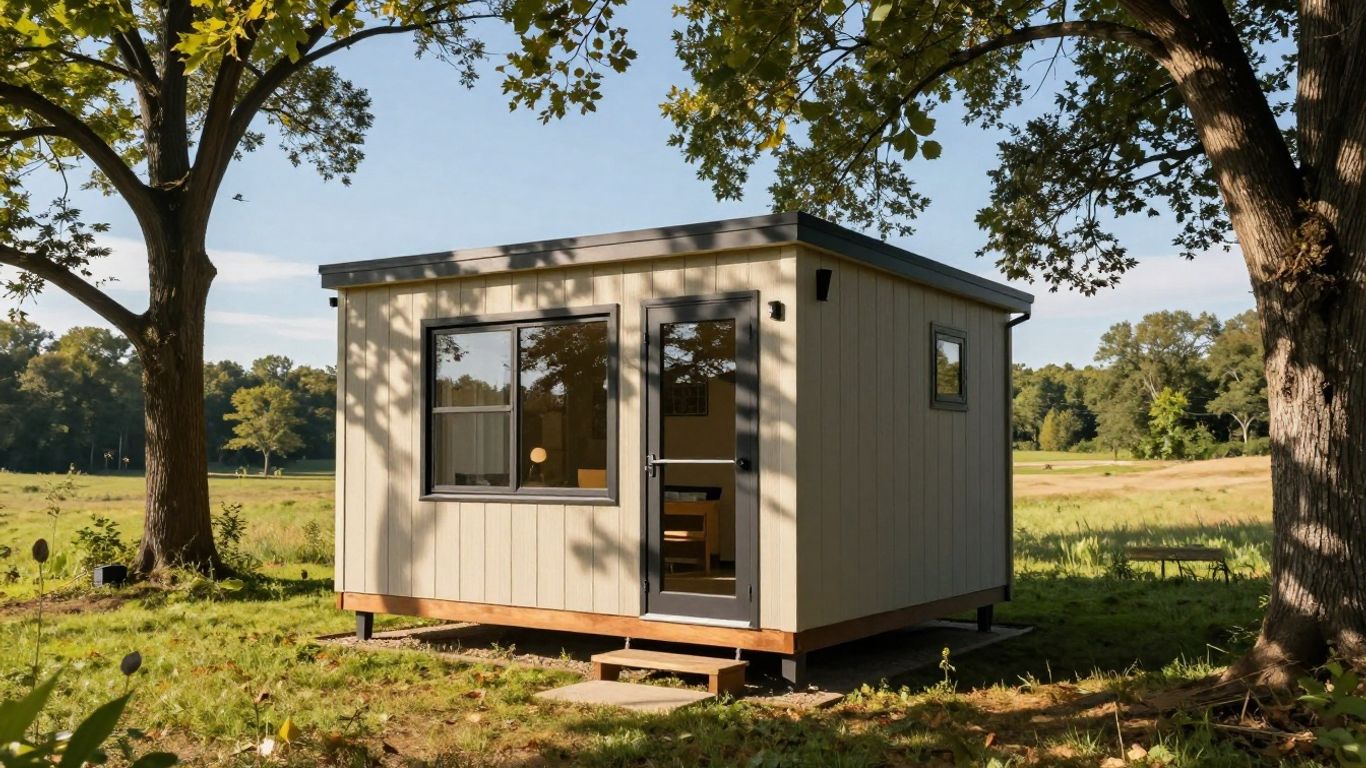
So, you’re thinking about a tiny home in Ohio? That’s awesome! But before you start dreaming about your cozy little place, let’s talk about the money side of things, specifically taxes. It can get a little tricky depending on how you classify your tiny home, so it’s good to have a handle on it.
Property Taxes on Permanent Tiny Homes
If your tiny home is built on a permanent foundation, consider it a regular house in the eyes of the taxman. This means it’ll be subject to local property taxes just like any other home. The amount you pay will depend on where it’s located, how big it is, and what the local assessor thinks it’s worth. It’s pretty straightforward, but definitely something to factor into your budget.
Personal Property Taxes for RV Classifications
Now, if your tiny home is on wheels and you’re treating it more like a recreational vehicle (RV), things change a bit. In Ohio, and many other places, these are often taxed as personal property. This is different from real estate property tax. The rules for this can vary, so it’s really important to check with your local county auditor’s office. They’ll be able to tell you exactly how your wheeled tiny home will be assessed and taxed.
Sales Tax on Tiny Home Equipment
When you’re buying all the bits and pieces to build or outfit your tiny home, don’t forget about sales tax. Things like lumber, appliances, plumbing fixtures, and especially specialized items for off-grid living (like solar panels or composting toilets) will likely have sales tax added. Keep an eye out for any potential exemptions or credits, especially if you’re investing in energy-efficient or renewable energy systems. Sometimes, there are incentives that can help reduce these costs.
It’s always a smart move to chat with a local tax professional or financial advisor who understands tiny homes in Ohio. They can give you the most up-to-date and specific advice for your situation, helping you avoid any surprises down the road. Getting this right from the start can save you a lot of headaches later on.
Finding Locations for Your Tiny House
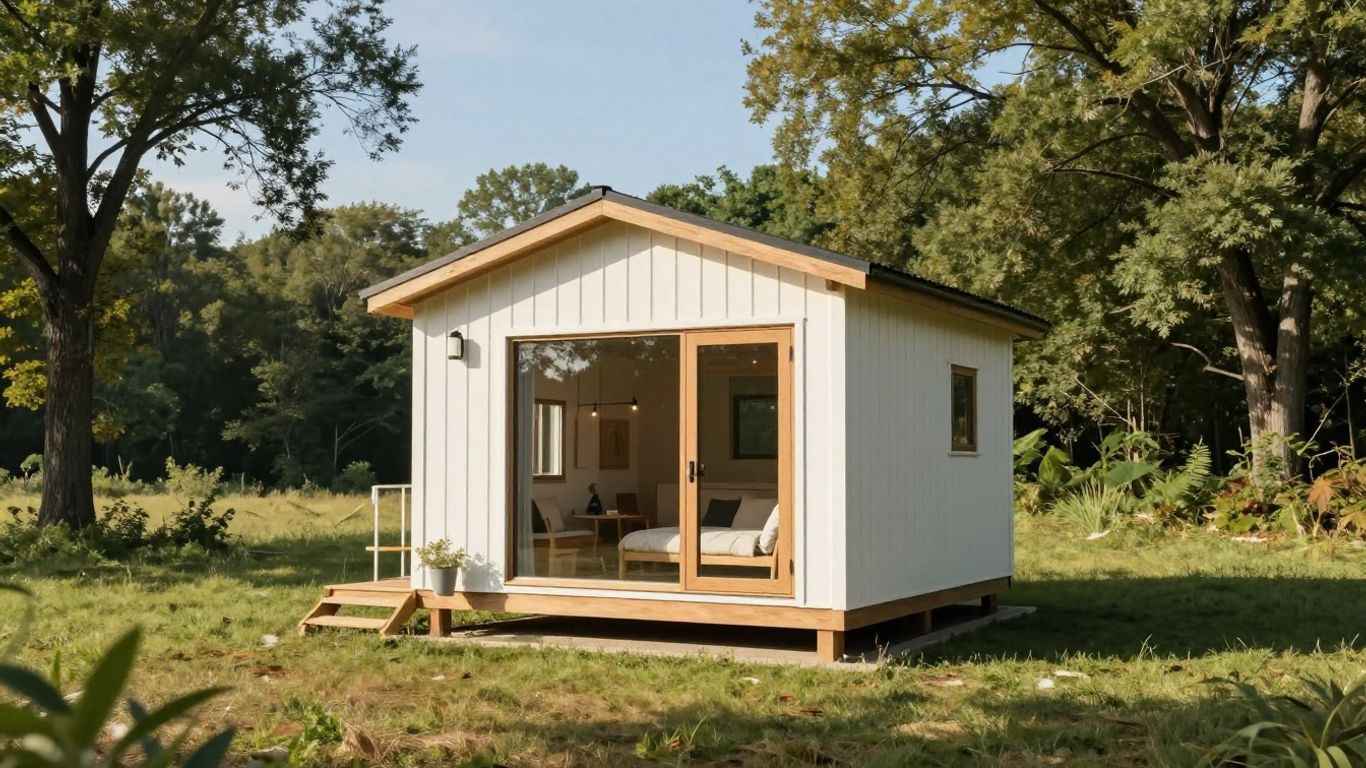
So, you’ve got your tiny house plans all sorted out, or maybe you’re still dreaming about it. The next big hurdle is figuring out where to put it, right? This isn’t always as straightforward as it sounds, especially in Ohio. Laws can change from one county to the next, and what’s allowed in one spot might be a big no-no just a few miles away. It takes some digging, but finding a legal and welcoming spot is totally doable.
Building Sites in Ohio Counties
When looking for a place to park your tiny home, the first thing you’ll want to do is check the local zoning laws. Some counties are more open to tiny homes than others. For instance, Preble County has made an effort to define what a tiny house is within their ordinances, often classifying them as recreational vehicles under a certain square footage. This can make it easier to find a place if you’re looking at land there. Cuyahoga County, on the other hand, has provisions for Accessory Dwelling Units (ADUs), but these often come with restrictions, like not being allowed as a primary residence. It’s a good idea to talk to the county planning or zoning department directly. They can tell you what’s permitted on specific parcels of land.
Parking in Campgrounds and RV Parks
This is often the easiest route, especially if your tiny home is built on wheels and can be classified as an RV. Many campgrounds and RV parks in Ohio are happy to have tiny homes as temporary or even longer-term residents. It’s a good way to get your foot in the door and experience tiny living without the commitment of buying land. Just be sure to check the park’s specific rules – some might have size limits or only allow certain types of RVs. You’ll also want to confirm if they allow full-time residency or if it’s just for short stays.
Exploring Tiny House Communities
These are popping up more and more and can be a fantastic option. Tiny house communities are specifically designed for people who want to live tiny. They often have shared amenities, a built-in social network, and, importantly, they’ve usually worked through the zoning and legal hurdles to be a legal place for tiny homes. Some communities might be co-ops, while others are developed by specific companies. Doing a quick search for "tiny house communities Ohio" should give you a starting point. It’s worth visiting a few if you can to get a feel for the vibe and see if it’s the right fit for you.
Finding a place for your tiny house often involves a bit of detective work. Don’t get discouraged if your first few ideas don’t pan out. Persistence and a willingness to explore different options, from RV parks to specialized communities, will pay off.
Here are a few things to keep in mind when searching:
- Zoning Laws: Always the first thing to check. What’s allowed where you want to be?
- Homeowner Association (HOA) Rules: If you’re looking at a development, HOAs can have strict rules about what you can and can’t park or build.
- Utility Access: Make sure you can get water, electricity, and sewer or septic hookups. This can be a major factor in site selection.
- Lease Agreements: If you’re renting land or a spot in a park, read the lease carefully. Understand the terms, duration, and any restrictions.
Wrapping Up Your Ohio Tiny Home Journey
So, you’re thinking about a tiny house in Ohio? It’s definitely doable, but as we’ve seen, it’s not quite as simple as just parking your place anywhere. The state’s rules can be a bit of a maze, especially when it comes to what counts as a tiny home and where you can legally put it. Permanent structures have a pretty big minimum size requirement, but tiny homes on wheels might have more flexibility, often falling under RV rules. It really comes down to checking with each county and city because they all have their own take on things. Don’t forget to look into zoning laws and any local ordinances before you buy or build. Doing your homework now will save you a lot of headaches later on.
Frequently Asked Questions
Are tiny houses legal in Ohio?
Tiny houses aren’t exactly banned in Ohio, but the current building rules can make it tricky to live in one. The state’s building code doesn’t have specific rules for tiny homes like some newer versions of building codes do. However, tiny houses on wheels might have an easier time fitting into the rules.
What’s the smallest house size allowed in Ohio?
Ohio has a minimum size requirement for permanent homes, which is 950 square feet. This is much larger than what most tiny houses are. Temporary tiny homes or accessory dwelling units might have different, more flexible size rules depending on the county.
Can I live in a tiny house all year round in Ohio?
Whether you can live in a tiny house permanently in Ohio really depends on where you want to be. Some counties and towns have rules that allow it, while others might have limits or say it’s not allowed. You’ll need to check the specific local rules for the area you’re interested in.
Where can I park a tiny house on wheels in Ohio?
Finding a spot for a tiny house on wheels can be a challenge. You might be able to park in some campgrounds or RV parks, but always call first to make sure they allow tiny homes. Some federal lands might allow dispersed camping, and certain cities allow accessory dwelling units (ADUs) where you could potentially place your tiny house.
Do I have to pay taxes on my tiny house?
It depends on how your tiny house is set up. If it’s a permanent structure on a foundation, it will likely be taxed like a regular house. If it’s on wheels and considered an RV, it might be subject to personal property taxes, but the rules can differ. It’s a good idea to talk to a tax expert about this.
Are there specific counties in Ohio that are good for tiny homes?
Yes, some counties in Ohio are more welcoming to tiny homes. For example, Preble County has defined what a tiny house is for their area, and Cuyahoga County allows accessory dwelling units, though they can only be used as secondary homes. It’s always best to research the specific county you’re interested in.
Explore more tiny home living, design, downsizing, building, and lifestyle resources.
- Tiny Homes for Rent in Wyoming: Wild West Getaways to Book
- Tiny Homes for Rent in Washington: Forest Escapes & Cozy Stays
- Tiny Homes for Rent in Utah: Red Rock Retreats to Book
- Tiny Homes for Rent in Oregon: Forest Retreats You’ll Love
- Tiny Homes for Rent in New Mexico: Desert Gems & Starry Skies
- Tiny Homes for Rent in Nevada: Desert Hideaways Worth Booking