Navigating Louisiana Tiny House Laws: A Comprehensive Guide

Louisiana might not be the first place you think of for tiny house living, but it’s actually becoming a pretty good spot. The state has a unique vibe, and folks are finding ways to make smaller homes work, even with all the different rules. Whether you’re looking at building a tiny house on a foundation or sticking one on wheels, you’ll need to know the ins and outs of louisiana tiny house laws. This guide breaks down what you need to know to get your tiny home project off the ground in the Pelican State.
Key Takeaways
- Tiny houses are legal in Louisiana, but rules change a lot depending on the parish or city you’re in.
- The state follows the International Residential Code (IRC), especially Appendix Q for homes on foundations.
- If your tiny house is on wheels, it often needs to meet RVIA standards and might be treated like an RV.
- Getting the right permits is a big deal; always check with your local zoning office first.
- Some cities, like New Orleans, are making it easier with specific rules for accessory dwelling units (ADUs).
Understanding Louisiana Tiny House Laws
Statewide Legality of Tiny Houses
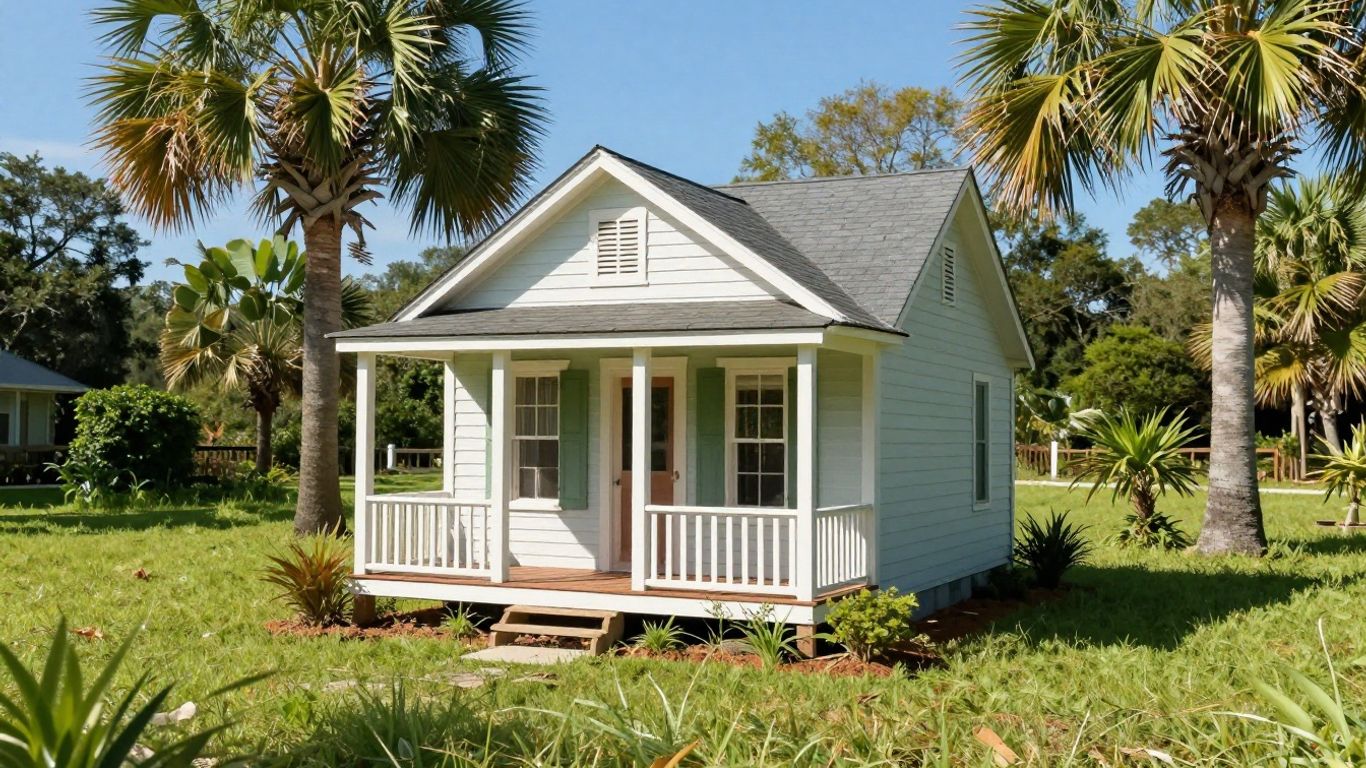
Tiny homes have found their place in Louisiana, thanks to rules that back both fixed foundation builds and mobile setups. Louisiana recognizes and supports tiny houses statewide, allowing them as both primary homes and accessory units. The thing is, while the state has a friendly stance, the real difference-maker is how individual parishes interpret these guidelines.
- Foundation-built tiny homes usually need to comply with the International Residential Code (IRC).
- Mobile tiny houses (often called THOWs) have to meet Recreational Vehicle Industry Association (RVIA) standards.
- Each parish can set extra requirements, so a rule that’s easy in one spot could be much tougher a few miles away.
Parish and Municipal Variations
Here’s where things start to get complicated. Louisiana’s 64 parishes (like counties) and its cities often add their own local rules.
- You might find progressive policies in New Orleans, especially where tiny homes serve as ADUs.
- In places like Baton Rouge or Shreveport, regulations can be stricter or looser depending on land use, neighborhood character, and local opinion.
- Minimum size, setbacks, parking, and even landscaping might differ from one parish to another.
| Parish/City | Permanent Homes (IRC) | Mobile Units (RVIA) | Unique Matters |
|---|---|---|---|
| New Orleans | Yes | Yes | Historic area rules, flood zones |
| Baton Rouge | Yes | Restricted | Foundation required |
| St. Tammany Parish | Yes | Limited | Environmental focus |
| Iberia Parish | Yes (rural) | Yes (rural) | Best in agricultural zones |
Before picking a location, get a clear answer from local officials—what’s possible in one parish might be impossible in the next.
Importance of Local Zoning Offices
Honestly, the parish or city zoning office is your best ally in this process. These folks know the latest rules, plus any amendments or unwritten customs that could affect your build.
- Double-check which building codes and zoning classifications apply to your land.
- Ask about setbacks, minimum sizes, and whether your future tiny house must be permanent or can be on wheels.
- Clarify if neighborhood associations or historical districts add more rules.
Local zoning offices help cut through confusion and avoid costly mistakes down the road. Since parishes keep updating their codes, a short call or visit is worth every minute.
Key Regulations for Tiny Houses in Louisiana
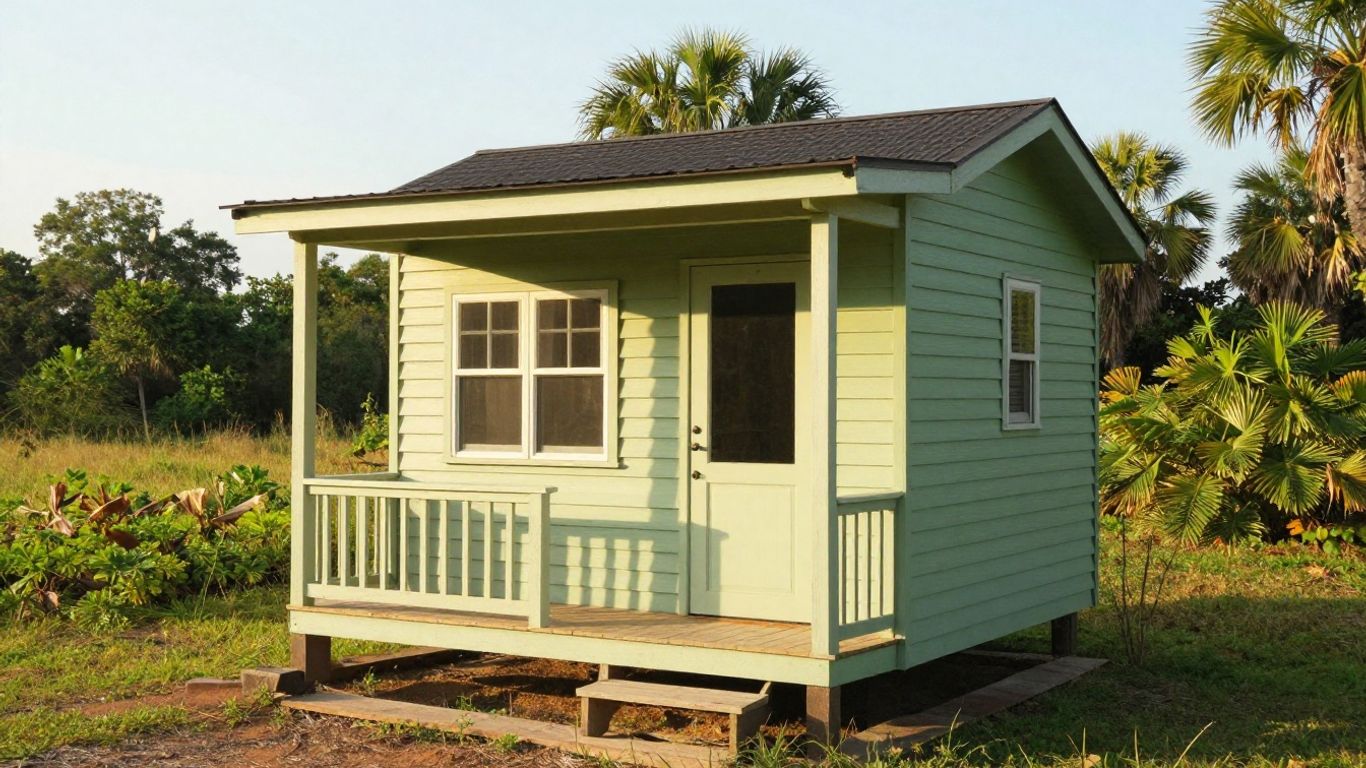
Louisiana’s take on tiny house laws blends consistency with local quirks, making it important to get a handle on both state and parish-level rules before starting any project.
International Residential Code (IRC) Adoption
All tiny homes built on permanent foundations in Louisiana must adhere to the 2021 International Residential Code (IRC). Most parishes follow this, but always check if local amendments apply. Appendix Q of the IRC specifically addresses tiny houses, making it easier for builders and homeowners to meet clear criteria, especially when submitting permit applications.
Here’s a quick rundown of what Appendix Q generally covers:
- Minimum size: At least one room must be 120 square feet.
- Ceiling height: Main rooms and lofts need to be at least 7 feet tall.
- Stairways: Stairs (not ladders) are required for loft access and emergency exits.
- Hallway/door width: At least 3 feet wide.
- Inspections: Electrical, plumbing, and mechanical systems need professional installation and must pass inspections.
Keeping up with state code sets a strong foundation for safety and proper living standards, even if your local parish adds extra requirements.
Appendix Q Standards for Foundation Homes
Appendix Q drills down into what it takes for a tiny home to be considered up to code on a fixed foundation. It’s more detailed than you’d expect:
| Feature | Requirement |
|---|---|
| Living Room Size | Min 120 sq ft |
| Ceiling Height | Min 7 ft (main/loft) |
| Stairs/Hallways/Doors | Min 3 ft wide |
| Loft Requirements | Stairs for access, window exits |
| Utilities | Inspected & approved |
- Lofts count as living space, but must have proper egress (like a window big enough for escape).
- Safety is the focus: Lofts must have full stairs (no ladders), and emergency exits.
- Even for a tiny build, don’t skimp on ventilation systems—Louisiana’s weather can get sticky and promote mold.
RVIA Certification for Mobile Units
For folks preferring mobile tiny homes, especially those hoping to move between parishes, RVIA (Recreational Vehicle Industry Association) certification pops up a lot.
- RVIA certification acts as proof your mobile unit meets certain national safety and quality standards.
- Some parishes make this a requirement if you’re placing the home temporarily or moving it often.
- Even if your town doesn’t mention RVIA by name, it can help fast-track approval because it means your home’s electrical, plumbing, and structural systems already meet recognized benchmarks.
The balance between statewide codes and local exceptions is always shifting, so keep in mind requirements outlined by R1 zoning rules in Louisiana if you want to build in single-family neighborhoods.
It all circles back to checking with your parish or city for parish-specific tweaks. Louisiana may be tiny house-friendly overall, but local amendments will have the final word.
Navigating Permitting and Zoning
Building Permits and Inspections
Getting the green light to build your tiny house involves a few key steps, and it all starts with understanding what permits you’ll need. Think of it like getting permission slips before a big school trip – you can’t go without them! Most places in Louisiana will require a building permit, and depending on your setup, you might also need separate permits for electrical, plumbing, and mechanical work. These aren’t just bureaucratic hurdles; they’re there to make sure your tiny home is safe and sound.
The process usually kicks off with a zoning compliance certificate. This document confirms that your chosen location is actually allowed to have a tiny house according to local rules. After that, you’ll submit detailed plans for your build. This is where you show them exactly what you plan to do, what materials you’ll use, and how it will all fit together. Fees for these permits can really add up, so it’s good to budget for them. They often cover the cost of reviewing your plans and the inspections that happen along the way.
Here’s a general idea of what inspections you might encounter:
- Foundation Inspection: Before you pour that concrete or set your piers.
- Framing Inspection: Once the skeleton of your house is up.
- Rough-in Inspections: For electrical, plumbing, and mechanical systems before they’re covered up.
- Final Inspection: The big one, to make sure everything is complete and up to code before you get your certificate of occupancy.
It’s super important to schedule these inspections at the right times. Missing one can cause delays and extra costs, and nobody wants that. Keep all your permit paperwork organized; it’s your proof that you’re following the rules.
Zoning Compliance Certificates
Before you even think about hammering a single nail, you need to figure out if your tiny house dream fits into the local zoning picture. This is where the zoning compliance certificate comes in. It’s basically a stamp of approval from your local planning department that says, "Yes, a tiny house (or an Accessory Dwelling Unit, ADU) is permitted on this specific piece of land according to our current zoning laws."
Different areas have different rules. Some parishes might be super welcoming to tiny homes, while others might have stricter requirements or even outright bans in certain zones. You’ll need to contact your local parish or municipal planning and zoning office. They’ll tell you what the rules are for your address. This might involve checking things like minimum lot size, how close your tiny house can be to property lines, and whether it needs to be on a permanent foundation or if it can be on wheels.
Getting this certificate early on can save you a lot of heartache. It prevents you from investing time and money into a project that might not be allowed in the first place. It’s a foundational step that sets the stage for all the other permits and approvals you’ll need.
Accessory Dwelling Unit (ADU) Policies
Accessory Dwelling Units, or ADUs, are a big deal for tiny house living in Louisiana, especially if you want to put your tiny home on a property you already own. Think of an ADU as a smaller, secondary living space on the same lot as a primary home. This could be a detached structure or even an in-law suite within an existing house.
Many cities and parishes are starting to create specific policies for ADUs to help address housing needs and allow for more flexible living arrangements. These policies often dictate:
- Size limitations: How big or small can the ADU be?
- Placement on lot: Where on the property can it be built?
- Parking requirements: Do you need to provide extra parking?
- Utility connections: How will it hook up to water, sewer, and electricity?
- Owner occupancy: Sometimes, there are rules about whether the owner needs to live on the property.
Some areas, like New Orleans, have been quite progressive with their ADU policies, making it easier for homeowners to add these units. Others might still be catching up or have more restrictive rules. It’s really important to check with your local planning department to understand the specific ADU regulations in your area. This will help you determine if your tiny house plans align with what’s allowed as an ADU.
Specific City and Parish Approaches
When you start looking into tiny houses in Louisiana, you’ll quickly see that things aren’t the same everywhere. Each parish and city has its own way of handling these smaller homes, which can be a bit confusing at first. It’s like trying to follow different rules for the same game depending on where you are.
New Orleans Progressive ADU Policies
New Orleans is really trying to be ahead of the curve with accessory dwelling units, or ADUs. They’ve been updating their rules to make it easier for people to add tiny homes to their property, especially in existing neighborhoods. This is great news for anyone wanting to live tiny within the city limits. The city is also big on recycling and trying to be more eco-friendly, which fits right in with the tiny house lifestyle. However, if you’re thinking about using your tiny house as a short-term rental, you’ll need to keep a close eye on the city’s rules for those, as they can change. Because New Orleans is so dense and cares a lot about its historic buildings, fitting a tiny house in can have its own set of challenges, but the city’s lively culture and walkable areas make it a cool place to consider.
Baton Rouge Foundation-Built Permitting
In Baton Rouge, the focus for tiny homes tends to be on those built on a permanent foundation. They have a pretty clear process for getting building permits and inspections for these types of homes. If you’re planning to build a tiny house that’s not on wheels, Baton Rouge has laid out some guidelines to help you through the permitting maze. It’s less about the ‘tiny’ aspect and more about making sure it meets standard building codes for a permanent structure. This approach helps ensure that these homes are safe and up to code, fitting into the existing neighborhoods without too much fuss.
St. Tammany Parish Environmental Compatibility
Over in St. Tammany Parish, especially on the north shore of Lake Pontchartrain, they’re thinking about how tiny houses fit into the natural environment. They have rules that encourage tiny homes to blend in with the surroundings. This means thinking about the design and how it looks from the outside, trying to minimize its visual impact. It’s a nice balance between allowing smaller homes and respecting the natural beauty of the area. They seem to be more open to both permanent and mobile tiny homes, which gives people options.
Iberia Parish Agricultural Zones
Iberia Parish, down in the Acadiana region, has a unique approach. They’re open to tiny houses, particularly in agricultural zones. This is often to help with housing for farmworkers, but it means that if you have land zoned for agriculture, you might find it easier to place a tiny home there. The idea is that these smaller structures can serve a purpose without needing the same level of permitting as a full-sized house in a traditional residential area. It shows how different areas are finding practical uses for tiny homes.
It’s really important to remember that Louisiana uses the term ‘parish’ instead of ‘county.’ Each of the 64 parishes has its own set of rules and zoning authority, so you absolutely must check with the specific parish planning department where you intend to place your tiny house. What’s allowed in one parish might be a no-go in another, and regulations can get updated pretty regularly based on what the community wants and needs.
Here’s a quick look at how some parishes handle things:
- Orleans Parish: Generally allows tiny homes, often requiring compliance with IRC Appendix Q and a building permit. They’re quite progressive with ADUs.
- Baton Rouge (East Baton Rouge Parish): Permits tiny homes, with a focus on building permits and safety inspections for all structures.
- St. Tammany Parish: Has some limitations, often requiring adherence to standard residential building codes, making it a bit more restricted for tiny homes compared to other areas.
- Iberia Parish: Welcomes tiny homes, especially in agricultural zones, and requires planning and zoning compliance.
Always double-check with the local authorities. You can find contact information for most parish planning departments through resources like the Louisiana Parish ADU Regulations & Zoning list.
Tiny House Construction and Safety Standards
When you’re thinking about building a tiny house in Louisiana, there are some specific rules and standards you’ll need to keep in mind. It’s not just about making it small; it’s about making it safe and livable, even in our unique climate.
Minimum Size and Room Requirements
Most places in Louisiana follow the International Residential Code (IRC), especially Appendix Q for tiny homes on foundations. This means there are minimums for living space. Generally, you need at least one room that’s 120 square feet. This ensures there’s enough space for basic living functions. It’s a good starting point for making sure the home is practical.
Loft Safety and Emergency Exits
If your tiny house has a loft, safety is a big deal. You can’t just have a ladder to get up there. For safety and emergency exits, you’ll need proper stairs. Also, any loft area must have windows that can be used to get out in a hurry if there’s a problem. This is a key safety feature that authorities look for.
Ceiling Height and Access Standards
Nobody wants to feel completely cramped. The IRC, which Louisiana generally adopts, sets minimum ceiling heights. This usually means you need at least 7 feet of clearance. This applies to the main living areas and even loft spaces. Good access is also important, so things like hallways, doors, and stairs typically need to be at least 3 feet wide. It makes the space feel more open and easier to move around in.
Electrical, Plumbing, and Mechanical Compliance
Just like any other home, tiny houses need safe electrical, plumbing, and mechanical systems. These need to be installed correctly and inspected. Given Louisiana’s weather, things like insulation and ventilation are really important. Proper insulation helps with the heat and humidity, and good ventilation can stop mold from becoming a problem. You’ll likely need detailed plans for these systems, and sometimes even an engineer’s stamp, to show everything meets the standards. It’s all about making sure the house is safe and can handle our local conditions.
Building a tiny house involves more than just assembling materials; it requires careful attention to safety codes and local regulations. These standards are in place to protect occupants and ensure the structure is sound, especially considering Louisiana’s environmental factors like humidity and potential for severe weather. Adhering to these guidelines from the start can prevent costly issues down the line and ensure your tiny home is a secure place to live.
Working with professionals who understand these codes can make a big difference. For instance, using an RVIA-certified builder can provide peace of mind, as they are familiar with the regulations and ensure your home meets quality standards. They can also help with the paperwork needed for inspections, which can speed up the process. It’s always a good idea to check with your local parish planning department early in the process to understand any specific requirements they might have.
Choosing Your Tiny House Type
So, you’re thinking about going tiny in Louisiana? That’s awesome! But before you start sketching out floor plans, you’ve got to figure out what kind of tiny house you actually want. It’s not a one-size-fits-all deal, and Louisiana’s rules can be a bit different depending on your choice.
Foundation-Built vs. Mobile Homes
This is probably the biggest decision you’ll make. A foundation-built tiny house is pretty much what it sounds like – it’s a permanent structure, built on a foundation, just like a regular house, but smaller. These often fall under rules similar to Accessory Dwelling Units (ADUs) or can be primary residences if zoning allows. They feel more like a traditional home and can add value to a property. On the other hand, you have tiny houses on wheels (THOWs). These are built on a trailer chassis and are considered recreational vehicles (RVs) by many regulations. They offer flexibility – you can move them! But finding a legal place to park them long-term can be a whole other adventure, especially with Louisiana’s varied local ordinances.
- Foundation-Built: Permanent, often treated like an ADU or primary dwelling, requires standard building permits, generally more accepted in residential zones.
- Mobile Homes (THOWs): Built on a trailer, classified as RVs, offers portability, parking regulations are key, may have restrictions on permanent residency.
Accessory Dwelling Unit Considerations
An ADU is a smaller, secondary housing unit on a single-family property. Think of a tiny house in your backyard, or maybe a detached studio. Many Louisiana parishes are warming up to ADUs as a way to add housing without changing the neighborhood’s feel too much. If you’re looking to build a tiny house on land you already own, or perhaps on a family member’s property, exploring ADU policies is a smart move. It can sometimes be a simpler path to getting your tiny house approved than trying to get it classified as a primary dwelling, especially if your parish has specific ADU zoning rules.
Hybrid and Semi-Permanent Options
What if you want a bit of both worlds? Sometimes, you can find options that aren’t strictly foundation-built or mobile. These might involve a tiny house on a permanent foundation that’s still designed to be somewhat transportable, or perhaps a mobile unit that’s anchored down more permanently. These hybrid approaches can be a bit of a gray area when it comes to regulations, so it’s super important to talk to your local zoning office. They might have specific rules or require special permits for these types of setups. It’s all about finding what works for your lifestyle and what the local government is willing to approve.
Choosing the right type of tiny house is the first big step. It impacts everything from your building process to where you can legally live. Take your time, do your homework on local rules, and think about what really matters to you in the long run.
Working with Builders and Professionals
So, you’ve got your tiny house dream, but how do you actually make it happen? It’s not just about picking out pretty colors, you know. Finding the right people to help build your tiny home is a really big deal, especially here in Louisiana where the weather can be, well, a bit wild.
Benefits of RVIA-Certified Builders
When you’re looking at builders, you’ll see the term ‘RVIA-certified’ pop up a lot. What does that even mean? Basically, it means the builder follows strict rules set by the RV Industry Association. This isn’t just some random club; it’s about making sure your tiny house is built safely and correctly. Think of it like getting a stamp of approval that says, ‘Yep, this place meets the standards.’ This certification can make getting loans or insurance a lot easier because lenders and insurers like knowing things are done by the book. Plus, these builders usually have all the paperwork ready, which can speed things up when you’re dealing with local permits. It’s a good way to get some peace of mind.
Local Expertise for Parish Amendments
Louisiana’s building rules aren’t the same everywhere. Each parish can have its own little twists on the state laws. This is where local builders really shine. They know the ins and outs of what your specific parish might require, like needing your house to be a certain height off the ground because of flood risks, or specific ways to anchor it down for hurricane season. A builder who’s worked in your area before will already know these things. They can help you avoid headaches down the road by making sure your plans fit what the parish wants from the start. It’s like having a guide who knows all the back roads and potential pitfalls.
Consulting Certified Planners and Architects
Even if you’re doing a lot of the design yourself, or if you’re working with a builder who isn’t a certified architect, bringing in a professional planner or architect can be super helpful. They can look over your plans and make sure everything is structurally sound, especially if you’re planning on things like lofts or unique foundation setups. They understand the engineering side of things and can spot potential problems before they become expensive mistakes. It’s a smart move to get a professional opinion, even if it’s just for a review, to make sure your tiny house is safe and built to last.
Here’s a quick rundown of what to look for:
- RVIA Certification: A good sign of quality and adherence to standards.
- Local Experience: Builders familiar with your parish’s specific rules.
- Design for Climate: Ability to handle Louisiana’s humidity, rain, and wind.
- Professional Consultation: Architects or planners for structural integrity.
Building a tiny house involves more than just assembling materials; it’s about creating a safe, compliant, and durable dwelling. Partnering with experienced professionals who understand both general building codes and Louisiana’s unique environmental challenges is key to a successful project. Don’t hesitate to ask questions and verify credentials.
Tiny Living in Louisiana: A Bright Future
So, you’re thinking about a tiny house in Louisiana? It’s definitely doable. The state has been opening up to this kind of living, which is great news. While it’s not as simple as just parking your tiny home anywhere, the rules are becoming clearer. You’ll need to do your homework on local parish rules, but many places are making it work. It seems like Louisiana is ready for more people to embrace smaller, more affordable homes. With a little planning and by talking to the right people, your tiny house dream in the Pelican State can absolutely become a reality.
Frequently Asked Questions
Are tiny houses allowed in Louisiana?
Yes, tiny houses are generally permitted across Louisiana. However, rules can differ a lot from one parish or city to another. It’s super important to check with your local zoning office to make sure you follow all the specific rules for where you want to put your tiny house.
Do I need a permit to build a tiny house in Louisiana?
Absolutely! You’ll likely need a building permit, and possibly separate permits for electrical and plumbing work. Before you even start building, you should also get a zoning compliance certificate to confirm your chosen spot is okay for a tiny house.
What are the size rules for tiny houses in Louisiana?
Louisiana follows the International Residential Code (IRC) Appendix Q for tiny homes on foundations. This code usually says that at least one room needs to be 120 square feet. Also, lofts need safe stairs and windows, and ceilings must be at least 7 feet high.
Can I build my own tiny house in Louisiana?
You sure can! Building your own tiny home is possible, but it requires careful planning. You must follow all the local building codes and zoning laws. If you’re doing the electrical or plumbing yourself, you might need to hire licensed professionals for those parts to pass inspections.
What’s the difference between a tiny house on wheels and one on a foundation in Louisiana?
A tiny house on a foundation is a permanent home and must meet building codes like any other house. A tiny house on wheels is treated more like an RV and often needs certification from the RV Industry Association (RVIA) to be legally parked or lived in.
Where can I find official information about tiny house laws in Louisiana?
The best place to start is your local city or parish planning and zoning department. They have the most up-to-date information for your specific area. You can also look at the Louisiana Office of State Fire Marshal for statewide code basics.
Explore more tiny home living, design, downsizing, building, and lifestyle resources.
- Tiny Homes for Rent in Wyoming: Wild West Getaways to Book
- Tiny Homes for Rent in Washington: Forest Escapes & Cozy Stays
- Tiny Homes for Rent in Utah: Red Rock Retreats to Book
- Tiny Homes for Rent in Oregon: Forest Retreats You’ll Love
- Tiny Homes for Rent in New Mexico: Desert Gems & Starry Skies
- Tiny Homes for Rent in Nevada: Desert Hideaways Worth Booking