Tiny Homes for Rent in Hawaii: Tropical Paradise Stays

Waking up in a compact cabin or cottage with Hawaii’s green slopes, volcanic terrain, or tropical garden just beyond the door can make a stay feel close to the islands’ natural beauty. Tiny homes for rent in Hawaii vary widely by island, setting, comfort, and local rules, so the right fit depends on where you plan to go, how you like to travel, and what you want to spend.
Some rentals offer private outdoor space and a full kitchen; others are small guest units on a host’s property with shared amenities. Because location, access, and included features matter as much as the nightly rate, compare each listing carefully before booking.
The tiny home rental guide ahead will help you weigh island locations and costs, find a rental that suits your plans, and book with care.
Key Takeaways
- Tiny homes for rent in Hawaii range from private cottages to compact guest units, so check whether kitchens, outdoor areas, and amenities are exclusive or shared.
- Island and neighborhood affect nightly rates, transportation needs, and access to beaches or trails; compare the full trip cost, not just the listed price.
- Before booking, confirm parking, road access, cleaning fees, cancellation terms, and whether the listing suits your group and length of stay.
- Rules vary by location. On Hawaii Island, review Hawaii County’s short-term vacation rental regulations and make sure the rental fits your plans.
What Tiny Homes for Rent in Hawaii Are Really Like
A tiny-home listing in Hawaii can describe a freestanding cottage, a converted structure, or a small guest unit beside the host’s home. The label alone doesn’t tell you how private or self-contained the stay will be, so look closely at the photos, floor plan, and amenity list.
From garden cottages to off-grid cabins
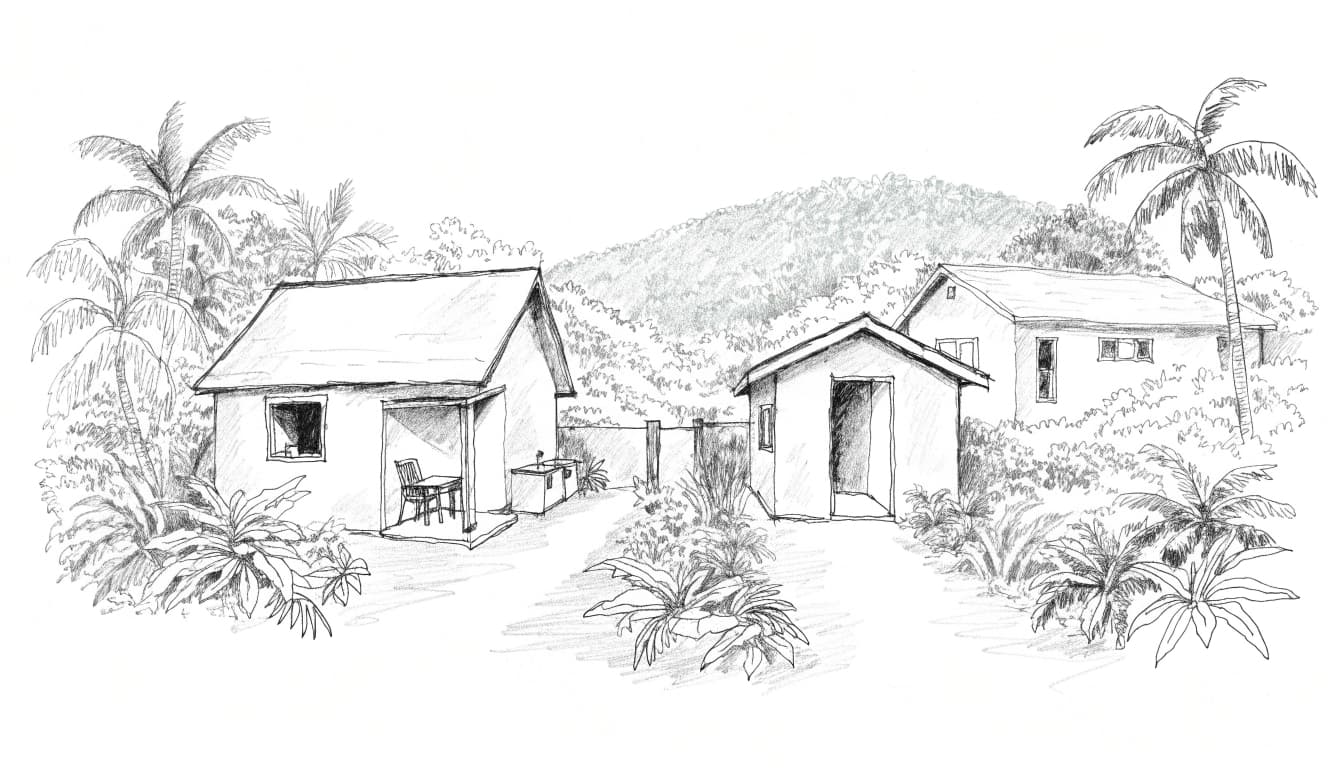
Some rentals feel like small private homes, with a sleeping area, bathroom, kitchenette, and lanai. Others are converted sheds or guest suites on a larger property, where you may share a driveway, yard, or outdoor cooking area with the host. In rural areas, a cabin may offer a quieter, more off-grid stay, but that can mean fewer conveniences.
Amenities vary widely. One property may have air conditioning, reliable Wi-Fi, hot water, and a full cooking space; another may rely on fans and offer only a mini-fridge or outdoor sink. Check whether the bathroom is private, whether the kitchen is indoors, and if the lanai or outdoor kitchen belongs exclusively to your unit.
Hawaii’s short-term rental tax guidance covers residential rentals under 180 consecutive days, but a listing’s description alone won’t explain its setup or comfort level. Read the details and recent guest comments before booking.
The trade-offs of living small on vacation
A compact stay can put you close to gardens, coastlines, or island views, with a lanai that extends the living space outdoors. However, interiors may have little room for luggage, wet beach gear, or spreading out after a day away. Bathrooms can be tight, and shared grounds may mean less privacy than a detached cottage.
Consider how you’ll use the space. If you’re out exploring most of the day, a simple cabin may suit you well. For a longer stay, confirm there is enough storage, a practical place to prepare meals, and space to dry clothes. Families should check sleeping arrangements, bathroom access, and whether children can safely use outdoor areas.
Before booking, make sure the photos show the actual rental, not just the surrounding property. Look for clear details about shared entrances, parking, cooking facilities, and climate control. Those specifics help you tell whether a tiny home will feel like a private retreat or a compact room on someone else’s property.
Where to Find Tiny Home Rentals Across Hawaii
Tiny homes for rent in Hawaii are spread unevenly across the islands, and listings can be limited in rural areas. Choose a region based on your plans, then check the rental’s exact address, nearby services, and travel times before booking. An island’s overall character won’t tell you what you’ll find just down the road.
Oahu for beaches, food, and easy access
Oahu can suit travelers who want a mix of beaches, dining, and services nearby. Honolulu offers a more urban base, while rural North Shore and windward communities feel quieter and more spread out. Browse Oahu’s official visitor guide to get a sense of the island’s regions before narrowing your search.
Transport depends on the property’s address. A rental near town may put restaurants and shops within easier reach, while a place outside the main visitor centers can require a car for groceries, beaches, or day trips. Check parking, road access, and the distance to the places you expect to visit.
Maui and Kauai for slower, scenic stays
Maui’s regions shift between coastal towns, agricultural areas, and higher-elevation landscapes. The official Maui travel guide outlines the island’s distinct areas, but a listing’s location matters more than the island name. Compare drive times to planned activities and check how far you’ll be from groceries, restaurants, and other daily needs.
Kauai often appeals to travelers planning outdoor time amid green valleys and a dramatic coastline. Its regions vary in both scenery and access to services, so review the Kauai regional guide when choosing where to stay. Neither island guarantees an ocean view or beach access; confirm those details in the specific listing, and don’t assume a small community has many rentals.
Hawaii Island for space and varied landscapes
Hawaii Island has distinct climates and settings. Kona’s coast is generally drier, while Hilo and the island’s eastern side are wetter. The official Hawaii Island guide offers regional context, but attractions can sit far apart, and drives may take longer than the map suggests.
Before booking, check the rental’s location, elevation, and typical conditions for that area. Climate can affect what to pack and how comfortable an open-air or minimally equipped unit will feel. Also estimate driving time to your planned stops, since a central-looking listing may still leave substantial distances between sights.
How Much Does a Tiny Home Rental in Hawaii Cost?
There isn’t one statewide rate that tells you what a tiny home rental in Hawaii will cost. Prices depend on the island and neighborhood, travel dates, length of stay, and the space and amenities included. A small unit near popular beaches may cost more than a basic cabin farther from visitor hubs, while a larger cottage with a full kitchen or private outdoor area can raise the nightly price.
Look beyond the nightly rate
The price shown in search results may not reflect what you’ll pay. Cleaning charges, platform service fees, and applicable lodging taxes can add substantially to the checkout total. Hawaii’s Department of Taxation outlines tax rules for short-term rentals, so check how taxes appear in the listing before you book.
Parking can add another cost, especially in busy areas, and minimum-stay rules may require you to pay for more nights than you planned. To compare listings fairly, add the nightly charges, fees, and taxes, then divide that total by the number of nights. For example, a lower nightly rate with a sizable cleaning fee may cost more per night than a higher rate with fewer added charges.
Also compare cancellation terms before paying. A flexible booking may cost more upfront, but stricter terms can leave you paying for nights you can’t use if plans change.
Book for the season and length of your stay
Demand and availability shift during busy travel periods and around local events. As a result, popular neighborhoods may have fewer options and higher rates on your chosen dates. If your schedule allows, compare several arrival days or shift your trip by a week to see whether prices change.
Length of stay also affects the total. Some hosts offer weekly or monthly discounts, but those savings may come with restrictions, extra charges, or different cancellation terms. Check the final checkout price rather than relying on the discount shown beside the nightly rate.
Before you book, compare the total cost for your exact dates, confirm the minimum stay, and review the cancellation policy. That gives you a clearer picture of what the rental will cost and whether the terms fit your trip.
How to Find and Book a Tiny Home in Hawaii
Start with your itinerary, then search for a place that fits how you plan to spend each day. Major vacation-rental platforms and reputable local lodging sites can help you compare options, but listings use “tiny home” loosely. Confirm the actual setup before you book.
Search by island, setting, and must-have features
Choose an island and a specific area first. A rental near Hilo, for example, creates a different base than one near Kona, while a stay outside a town may require more driving for groceries and meals. Use the map to see how a property fits your plans, rather than relying on an island name or a broad neighborhood label.
Next, filter for the features that will affect your comfort. Depending on your trip, you may need a full kitchen, air conditioning, laundry, parking, or a private bathroom. Prioritize the amenities you will use, since a compact rental may not include every convenience found in a larger vacation home.
Then inspect the description and every relevant photo. Some places advertised as tiny homes are detached cottages; others are small guest units attached to a home or set on a shared property. Look for details about the entrance, kitchen, bathroom, outdoor space, and whether any facilities are shared.
Check reviews, the map, and the full listing
Recent guest reviews can reveal practical details that a polished listing may leave out, such as road noise, limited parking, or a steep access road. Compare comments from several stays, and pay attention to feedback that matches your needs, especially if you plan to cook, work remotely, or stay for more than a few nights.
Before paying, confirm what the rate includes and who else may use the property. Check the total cost for your dates, including fees and taxes, and read the cancellation terms. Also compare the exact location with your planned activities; a short distance on a map can take longer to drive on rural or winding roads.
If anything remains unclear, message the host before booking. Ask direct questions about private versus shared amenities, parking, air conditioning, and access. For Oahu stays, you can also review the city’s short-term rental rules and check whether the listing provides the required registration details. A clear answer before payment can prevent an unwelcome surprise after arrival.
Check Local Rules, Property Details, and Island Conditions
Before booking tiny homes for rent in Hawaii, check that the property details match your plans and that the rental appears to meet applicable local requirements. Rules differ by county and area, and they can change. Safety and accuracy matter too: a clear permit record, honest description, and realistic picture of access help you avoid surprises after arrival.
Confirm the rental is allowed for your dates
A listing appearing on a booking site does not prove that the rental complies with local rules. Depending on its location and rental type, a property may need registration, a permit, or other approval.
Check current official county or state guidance, then compare it with the listing’s address and permit information where applicable. For Hawaii Island, the county’s short-term rental information explains its permit process. Requirements elsewhere may differ, so don’t treat one county’s rules as statewide guidance.
Ask the host for missing registration or permit details before you pay. Then read the cancellation policy carefully, including deadlines, refund terms, and any exceptions. Keep payment and messages within a trusted booking channel, which gives you a clearer record if a dispute arises. These checks can reduce booking risks, but they don’t guarantee that a property meets every legal requirement.
Prepare for weather, insects, and remote locations
Conditions can change noticeably across an island. Rainfall, humidity, and trade winds vary by location and season, while insects may be more noticeable in some settings. A breezy coastal cottage and a tucked-away cabin may have very different comfort needs, even when they’re on the same island.
Before confirming a stay, ask whether the windows have screens and whether the unit has fans or air conditioning. Also check what water supply the property uses, whether the internet is reliable enough for your needs, and where you can park. If the rental sits far from town, confirm road conditions, access limits, and whether a standard rental car can reach it. Clear answers help you pack appropriately and judge whether the property fits your itinerary.
Choose the Right Tiny Home for Your Hawaii Trip
The best tiny home matches the rhythm of your trip, not just its photos or nightly rate. Think about where you’ll spend each day, how you’ll get around, and whether you’ll cook, work, or mostly sleep at the rental. For regional context, check the official Hawaii maps and geography guide, then compare each property against your actual itinerary.
Match the home to your travel plans
A couple planning slow mornings and quiet evenings may value a private lanai, a comfortable bed, and a peaceful setting more than extra indoor space. Families need to check whether beds suit everyone, how easily children can reach the bathroom, and whether there is room for luggage and beach gear. A sofa bed may look convenient in a listing, but confirm its size and location before booking.
Remote workers should prioritize dependable internet, a proper place to work, and enough separation between the sleeping area and work space. Meanwhile, travelers who expect long days outdoors may prefer a simple, well-located base with secure storage, easy parking, and a shower for rinsing off after the beach or trail.
Location shapes the daily routine. A rental that looks close to a beach or attraction on the map may still require a longer drive on winding roads, so check routes for your planned stops and allow time for traffic and parking. If restaurants and groceries are far away, a usable kitchen can make meals easier and reduce extra trips. On the other hand, if you’ll eat out most days, a kitchenette may be enough.
Use a simple checklist before you book
Before reserving one of the tiny homes for rent in Hawaii, confirm these details in the listing or directly with the host:
- Location: What is the exact address or neighborhood, and how long are the drives to your main activities?
- Total price: What will you pay after cleaning charges, taxes, service fees, and any parking costs?
- Sleeping setup: How many beds are there, and are they suitable for everyone in your group?
- Facilities: Are the bathroom, kitchen, laundry, and outdoor areas private or shared?
- Kitchen: Does it have the equipment you need for your meal plans?
- Parking and connectivity: Is parking included, and will the internet support your work or calls?
- Host rules: Are there limits on guests, quiet hours, or use of shared spaces?
- Cancellation: When can you cancel, and what refund applies?
- Local registration: Does the listing provide any registration or permit details required for that location?
Clear answers help you compare the real cost and daily convenience of each stay, then choose a home that fits the way you plan to experience Hawaii.
Frequently Asked Questions
Before booking, compare the details that shape your day-to-day stay, not just the photos or nightly rate. Tiny homes for rent in Hawaii differ in layout, amenities, location, and host rules, so clear answers can help you choose a place that suits your travel plans.
Are tiny homes in Hawaii suitable for families?
They can work well for families when the sleeping arrangements and bathroom setup fit everyone. Check the floor plan, available beds, and whether children will have safe access to stairs, lofts, or outdoor areas. Since compact rooms can feel crowded with luggage and beach gear, consider how comfortable your family is sharing a small space. Confirm the rental’s maximum occupancy and layout with the host before booking.
Do tiny-home rentals in Hawaii usually have air conditioning?
Amenities vary by listing and location, and a rental may rely on fans, open windows, or trade winds instead of air conditioning. Read the amenity list and recent reviews, then ask the host if the listing is unclear. Most importantly, confirm whether air conditioning is available in the sleeping area or only in part of the home. That distinction can affect comfort at night, especially during a warm or humid spell.
Will I need a rental car for a tiny-home stay?
Your transportation needs depend on the island, neighborhood, and activities you have planned. A property near town may offer access to shops or transit, while a rural stay can make a car useful for groceries and sightseeing. On Oahu, review TheBus routes and visitor information to see whether transit serves the places you plan to visit. Before booking, check parking at the rental and estimate actual drive times to your main stops.
Can I find a tiny home for a month or longer?
Some hosts accept monthly stays, but availability and terms vary by property. Minimum-stay rules, monthly pricing, utility charges, and included services may differ from short bookings. Ask whether the rate covers electricity, water, internet, and any cleaning fees, and confirm the payment and cancellation terms. Review the full monthly cost and conditions through the booking platform or directly with the host before committing.
What should I ask a host before booking?
Ask which spaces and facilities are shared, and whether the kitchen has the equipment you need. Confirm parking, internet reliability, climate control, and how the property gets its water, especially if the listing leaves those details unclear. Also ask about access conditions, quiet hours, and any rules for using outdoor areas. Written answers through the booking platform can make it easier to refer back to the agreed details.
Conclusion
The best tiny home rental in Hawaii is the one that fits your island plans, comfort needs, and full budget. Compare the exact location with your itinerary, then check the listing details, shared spaces, amenities, fees, and booking terms before you reserve.
With the right fit, a compact stay can give you a comfortable home base for days shaped by Hawaii’s scenery and slower pace. Choose carefully, and let the island set the rhythm of your trip.
Explore more tiny home living, design, downsizing, building, and lifestyle resources.
- Tiny Homes for Rent in Wyoming: Wild West Getaways to Book
- Tiny Homes for Rent in Washington: Forest Escapes & Cozy Stays
- Tiny Homes for Rent in Utah: Red Rock Retreats to Book
- Tiny Homes for Rent in Oregon: Forest Retreats You’ll Love
- Tiny Homes for Rent in New Mexico: Desert Gems & Starry Skies
- Tiny Homes for Rent in Nevada: Desert Hideaways Worth Booking