Tiny Homes for Rent in South Carolina: Lowcountry Escapes

Waking up in a thoughtfully designed tiny cabin can mean salt air near the coast, quiet woods outside your window, or a lake just beyond the porch. Tiny homes for rent in South Carolina offer a compact place to stay, but the setting, layout, and price can vary widely.
To find a tiny home rental that fits your plans, compare regions and total costs before booking, then check the details that matter in a small space. Start with the key takeaways, then narrow your search to the South Carolina setting you want.
Key Takeaways
- Tiny homes for rent in South Carolina range from coastal stays to wooded cabins and lake-area retreats, so choose the setting first.
- Check the listed sleeping capacity, bed sizes, bathroom setup, and kitchen equipment to see whether the layout suits your group.
- Compare the full booking cost, including cleaning fees, taxes, minimum stays, and any pet or service charges.
- Before reserving, confirm parking, stairs, heating and cooling, outdoor space, and the property’s distance from planned activities.
- For state park lodging options, browse South Carolina Parks cabins and lodging, then review each property’s details and availability.
Where to Find Tiny Homes for Rent in South Carolina
The right region depends on how you want to spend your days. South Carolina has coastal destinations, mountain foothills, lake country, and quieter rural areas, but tiny home listings are scattered. Search by the activities and setting you want, then check each property’s location before booking.
Coastal escapes near Charleston, Myrtle Beach, and Hilton Head
Coastal stays appeal to travelers who want beach time, seafood, and nearby attractions. Around Charleston, you can pair a compact rental with historic sites, waterfront dining, and day trips to area beaches.
Myrtle Beach offers a busy resort atmosphere, with restaurants, entertainment, and attractions close to its long stretch of shore. Hilton Head and the surrounding Lowcountry suit travelers looking for beach access, outdoor recreation, and a more relaxed pace. The official South Carolina tourism guide can help you compare destinations and plan activities.
However, a listing described as coastal may sit inland or outside a resort area. A map pin can reveal whether the home is near the beach or requires a drive. Check travel time to the specific shoreline, restaurants, and attractions you plan to visit, especially during busy travel periods. For Myrtle Beach, the local visitor guide provides information on area attractions, restaurants, and events.
Quiet stays in the Upstate, Midlands, and lake country
For a quieter trip, look around Greenville and the Upstate, where small cabins and compact homes may offer a base for exploring wooded scenery, trails, and foothill towns. Columbia and the Midlands provide a different mix, with access to city dining and museums alongside rural surroundings beyond town. Listings near lakes or in the countryside can feel more secluded, with open space and a slower daily rhythm.
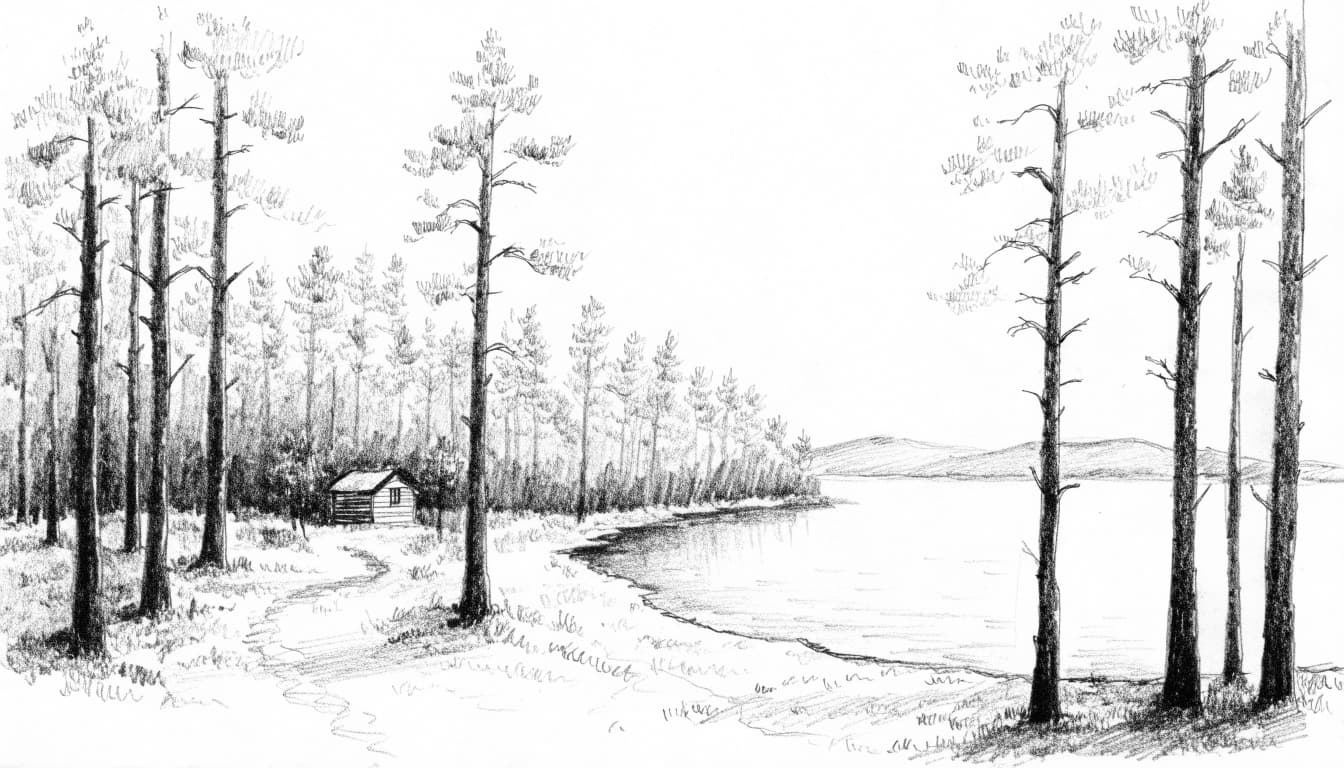
Lake-area rentals may suit guests hoping to paddle, fish, or spend time outdoors, but don’t assume the property includes a boat, dock, or direct water access. Read the listing and confirm which activities are available nearby. South Carolina’s state parks and outdoor settings offer a useful reference when comparing areas with lakes, forests, and trails.
Location matters as much as the home itself. A rural rental may trade quick access to restaurants for more privacy, while a place near Greenville or Columbia may make errands and dining easier. Before booking, compare the map with your itinerary and confirm driving distances to trailheads, launch areas, or town centers. Availability varies by property and date, so search specific areas rather than assuming every town has a tiny home to rent.
What Tiny Homes for Rent in South Carolina Are Really Like
Tiny homes for rent in South Carolina can feel like a private cottage, a cabin retreat, or a compact home on wheels. The word tiny describes the scale, but it doesn’t tell you how much privacy, comfort, or usable space a particular rental offers.
Cabins, cottages, and homes on wheels
A fixed tiny home usually has a permanent site and a layout designed for everyday comfort in a small footprint. Some stand alone on rural lots, while others sit near a main home or share outdoor areas with neighboring rentals. A backyard cottage may feel more like a small guest suite, with a separate entrance but less distance from the host’s home.
Small cabins often emphasize their setting, such as a wooded property or a spot near a lake. Their interiors can range from simple and rustic to carefully finished, so the cabin label alone doesn’t reveal what you’ll find inside. Trailer-based homes bring a different setup: they may sit in a designated parking spot or camp-style setting, and their compact rooms can feel narrower than those in a fixed structure.
Across all three styles, expect limited floor space and storage compared with a standard vacation home. However, privacy and surroundings depend on the individual property. Check photos and the listing description for nearby homes, shared areas, and the distance between the rental and its neighbors.
Small-space features to check before you book
A compact layout can work well for a short stay, but the details shape how comfortable it feels. Before booking, confirm what the listing includes rather than assuming every tiny home has the same features.
- Beds and loft access: Check bed sizes, sleeping arrangements, and whether anyone must climb a ladder or steep stairs to reach a loft.
- Bathroom and kitchen: Confirm whether the bathroom has a full shower, and whether the kitchen includes the cookware and appliances you plan to use.
- Heating, air conditioning, and Wi-Fi: Look for clear details about temperature control and internet access, especially if you’re visiting in hot weather or need to work remotely.
- Parking, stairs, and storage: Verify where you can park, how you enter the home, and whether there’s room for luggage or outdoor gear.
- Outdoor space: A porch, yard, or patio can make a small interior easier to enjoy, but access and privacy vary by rental.
Most importantly, a loft ladder, narrow doorway, or steep entry stairs may not suit every guest or mobility need. Review the listing’s accessibility details and ask the host about any uncertain feature. Airbnb explains common listing accessibility features, including step-free routes, in its accessibility information for guests.
How Much Does a South Carolina Tiny Home Rental Cost?
There isn’t one statewide rate for tiny homes for rent in South Carolina. The total depends on the property’s location, your dates, the number of nights, and charges added at checkout. Compare complete booking totals for the same dates and group size, rather than judging a rental by its nightly price alone.
Nightly rates, seasonal demand, and extra fees
A tiny home near a popular beach may cost more than a similar rental farther inland, especially when guests compete for limited dates. Summer trips, holiday weekends, and local event dates can also bring higher prices. By contrast, a rural cabin or a stay outside peak travel periods may have a lower nightly rate, though each host sets prices independently.
The displayed nightly price is only one part of the bill. Cleaning charges, taxes, platform service fees, and optional costs such as pet fees can raise the total. For example, Airbnb shows its guest service fee in the booking price breakdown, so check the Airbnb fee details when comparing listings on that platform.
Before choosing a rental, enter your dates and guest count to see the full checkout amount. Then compare properties across the same dates and number of nights. Also check whether the listing requires a minimum stay, asks for a deposit, or applies different cancellation terms. A deposit may be refundable, but the listing should explain when and how the host returns it.
Ways to get better value from your stay
If your plans allow some flexibility, shift your dates by a day or two and compare the totals. Weeknight stays may cost less than weekends, while shoulder-season dates can avoid some peak beach demand. These savings aren’t guaranteed, so confirm the price for the exact dates before booking.
Longer stays may qualify for weekly or monthly discounts when a host offers them. Compare the discounted total with the cost of separate shorter bookings, including cleaning fees and any other charges that could apply each time. A lower nightly rate doesn’t always mean a lower overall bill.
Location can affect what you spend after you arrive, too. A rental closer to the beach, trail, or attraction on your itinerary may have a higher booking price, but could reduce driving, parking, or activity costs. Meanwhile, a less expensive home farther away may add time and fuel to each outing. Map the property against your plans, then weigh the rental total and likely transportation costs together.
Choose the Right Tiny Home for Your South Carolina Trip
Start with the trip you want, then choose a rental that supports it. A beach weekend, a city stay, a lake break, and a quiet outdoor getaway call for different locations and daily routines. Next, make sure the home suits your group size and comfort needs, not just the photos.
Match the location to your plans
For a beach weekend, look for a rental that makes the shoreline and your planned activities easy to reach. In the Charleston area, for example, downtown sightseeing and a day at Folly Beach may require separate drives. The official Charleston visitor guide can help you identify places you want to visit before comparing properties.
A city visit may work best with restaurants, museums, or event venues nearby. Meanwhile, a lake-area stay suits guests planning to spend time outdoors, while a rural cabin can offer a quieter base for walks and downtime. Browse South Carolina’s official tourism guide to compare destinations and find activities that fit your plans.
Then check the rental’s map location against your itinerary. Broad labels such as “near the coast” or “close to town” don’t tell you how long each drive will take. Look up distances to your main activities, grocery stores, and restaurants, and consider whether you want to drive for most errands or keep essentials close. A lower nightly rate can lose its appeal if the location adds long drives to every outing.
Check the layout, guest rules, and listing details
Once you’ve narrowed the area, compare each home’s setup with your group. Confirm the actual sleeping arrangement and maximum guest count, including whether a listed bed is a full-size mattress, a sofa bed, or a loft space. A home may technically sleep several people but still feel cramped when everyone shares a small common area.
Also check the rules and access details before you book. Ask whether pets are allowed, where guests can park, and whether stairs or a loft ladder are part of the route to a bed. These points can shape the stay for families, older travelers, guests with mobility needs, or anyone arriving with a dog.
Finally, confirm that the listing photos show the exact unit you’ll rent. Some properties use representative images when several similar homes share one site, so ask the host if the distinction matters to you. Read recent reviews for repeated comments about cleanliness, noise, temperature, or access. Reviews can reveal patterns, but they describe other guests’ experiences, not a promise that yours will be identical.
Before reserving, weigh the location, sleeping setup, and access needs together. The best tiny home for your South Carolina trip is the one that fits how your group plans to spend its time.
Book and Prepare for a Smooth Tiny Home Stay
A little planning can make a compact rental feel comfortable from the first night. Before booking, compare listings carefully, ask about anything unclear, and pack for the home’s actual amenities and the weather you expect.
Search listings carefully and confirm the important details
Search vacation-rental marketplaces alongside local lodging sites, since smaller properties may appear in different places. Narrow the results by travel dates, guest count, map location, and amenities you’ll use, such as air conditioning, a full kitchen, or a washer. Then read the listing closely. Photos can show the layout, but they may not explain how check-in works or what you’ll need after arrival.
Before you reserve, message the host with any questions the listing leaves open. Confirm the check-in time, how you’ll enter the property, and where to park. Ask whether cell service is reliable at the rental, especially if you’ll need directions or plan to work remotely. You can also check which utilities and supplies the home provides, including drinking water, hot water, heating, and air conditioning.
Weather and house rules deserve a quick check, too. Ask about access during heavy rain, flooding, or other weather concerns if the home sits near the coast, a creek, or an unpaved road. Clarify rules on quiet hours, visitors, pets, fires, or use of shared outdoor areas. Clear answers help you avoid surprises and choose a stay that fits your plans.
Pack for a compact space and changing weather
Tiny homes have limited storage, so pack light and bring items you’ll use. Check the listing for towels, linens, toiletries, cookware, coffee supplies, and cleaning basics before adding them to your bag. A small suitcase or duffel is easier to tuck away than several bulky bags, and a few versatile outfits take up less room than clothing for every possible activity.
South Carolina weather can shift with the season and location. Summers are often hot and humid, while rain can affect plans year-round; cooler conditions are more likely during winter, especially in the Upstate. The South Carolina climate normals offer a useful look at average conditions across the state.
For coastal or wooded stays, include practical outdoor clothing, such as comfortable walking shoes and a lightweight rain jacket. Add sun protection for warm days, and bring an extra layer if you expect cool evenings. Check the forecast shortly before departure, then adjust your bag rather than packing for every season. Finally, keep arrival essentials easy to reach, including your phone charger, confirmation details, and any access instructions the host provided.
Frequently Asked Questions
A few practical details can shape whether a tiny home works for your South Carolina trip. Check the listing’s rules and location against your plans before you commit, since small differences can affect comfort, travel time, and the final cost.
Are tiny homes in South Carolina available for a weekend stay?
Yes, some hosts accept short stays, but minimum-night rules vary by property. A rental may allow a two-night weekend in one season and require a longer booking during a holiday or busy travel period. Enter your dates before comparing options, so you can see which homes are actually available and review their full prices and stay requirements. If your dates are flexible, compare nearby weekends as well.
Can I find a pet-friendly tiny home in South Carolina?
Some hosts welcome pets, while others don’t allow them. Each property sets its own policy, which may limit the number or type of pets and add a fee. Before booking, confirm the rules with the host, including whether pets can be left alone and where they can go outdoors. Airbnb also advises guests to follow a host’s pet rules and contact the host about bringing an animal. See Airbnb’s guidance on animal safety for details.
Are tiny homes near South Carolina beaches?
Beach-area tiny homes may be available, but a listing described as coastal may still sit inland or outside a beach town. Check the general address area on a map and estimate the drive to the specific shore you plan to visit. Also consider traffic and parking during busy periods, since a short distance on the map may take longer by car. Confirm the location with the host if the listing doesn’t make it clear.
Are tiny homes a good choice for families?
They can suit some families, but the best fit depends on the sleeping layout, children’s ages and needs, safety features, and room to move around. Guest capacity alone won’t tell you whether everyone will sleep comfortably. Confirm the bed sizes and where each person will sleep, then ask whether reaching a loft requires a ladder or steep stairs. A separate sleeping area or accessible main-floor bed may matter more than an extra listed guest spot.
What should I bring to a tiny home rental?
First, check the listing for linens, towels, toiletries, cookware, and outdoor equipment, since supplies vary by host. Then pack personal essentials and clothing suited to the forecast, including sun protection or a light rain jacket when appropriate. If you plan to cook or spend time outside, bring only the items the rental doesn’t provide. Because storage is limited, a small bag and a quick review of the amenities can help you avoid packing unnecessary gear.
Conclusion
Tiny homes for rent in South Carolina can make a memorable base for a beach trip, a lake break, or a quiet getaway. Choose the region that fits your plans, compare the full cost for your dates, and confirm the layout and amenities that matter in a compact space.
Start with your travel dates and priorities, then book a listing whose location and setup suit your stay. A little attention to those details can help you settle in and enjoy the South Carolina trip you planned.
Explore more tiny home living, design, downsizing, building, and lifestyle resources.
- Tiny Homes for Rent in Wyoming: Wild West Getaways to Book
- Tiny Homes for Rent in Washington: Forest Escapes & Cozy Stays
- Tiny Homes for Rent in Utah: Red Rock Retreats to Book
- Tiny Homes for Rent in Oregon: Forest Retreats You’ll Love
- Tiny Homes for Rent in New Mexico: Desert Gems & Starry Skies
- Tiny Homes for Rent in Nevada: Desert Hideaways Worth Booking