Tiny Homes for Rent in Texas: Hill Country Gems to Book

Trading a standard hotel room for a ranch cabin or a modern tiny house near a Texas town can make a getaway feel more personal. Tiny homes for rent in Texas range from simple, compact stays to well-equipped rentals, and their comfort, location, and price vary widely.
The best fit depends on your plans: a Hill Country weekend, a quiet stay near a lake, or time in a more remote setting. Compare rental platforms and read each listing closely to understand the full cost, amenities, and house rules.
Start by matching a Texas region to your trip, then compare prices and confirm the details before you book your tiny home rental.
Key Takeaways
- Choose a tiny home in Texas based on your trip, whether you want a Hill Country escape, a lakeside stay, or a quiet rural retreat.
- Texas has seven travel regions, each with distinct scenery and attractions; use Travel Texas’s regional guide to narrow your search.
- Rental prices vary by location, season, property features, and fees, so compare the full booking cost rather than the nightly rate alone.
- Read each listing for occupancy limits, amenities, check-in details, cancellation terms, and house rules before you reserve.
- Book early for popular dates, and confirm the address and local access details so the stay fits your itinerary.
Where to Find Tiny Homes for Rent in Texas
Tiny homes in Texas can appear under several listing labels, so a narrow search may miss good options. Look for compact houses, cabins, guesthouses, and glamping stays, then compare the actual space and amenities rather than relying on the category name.
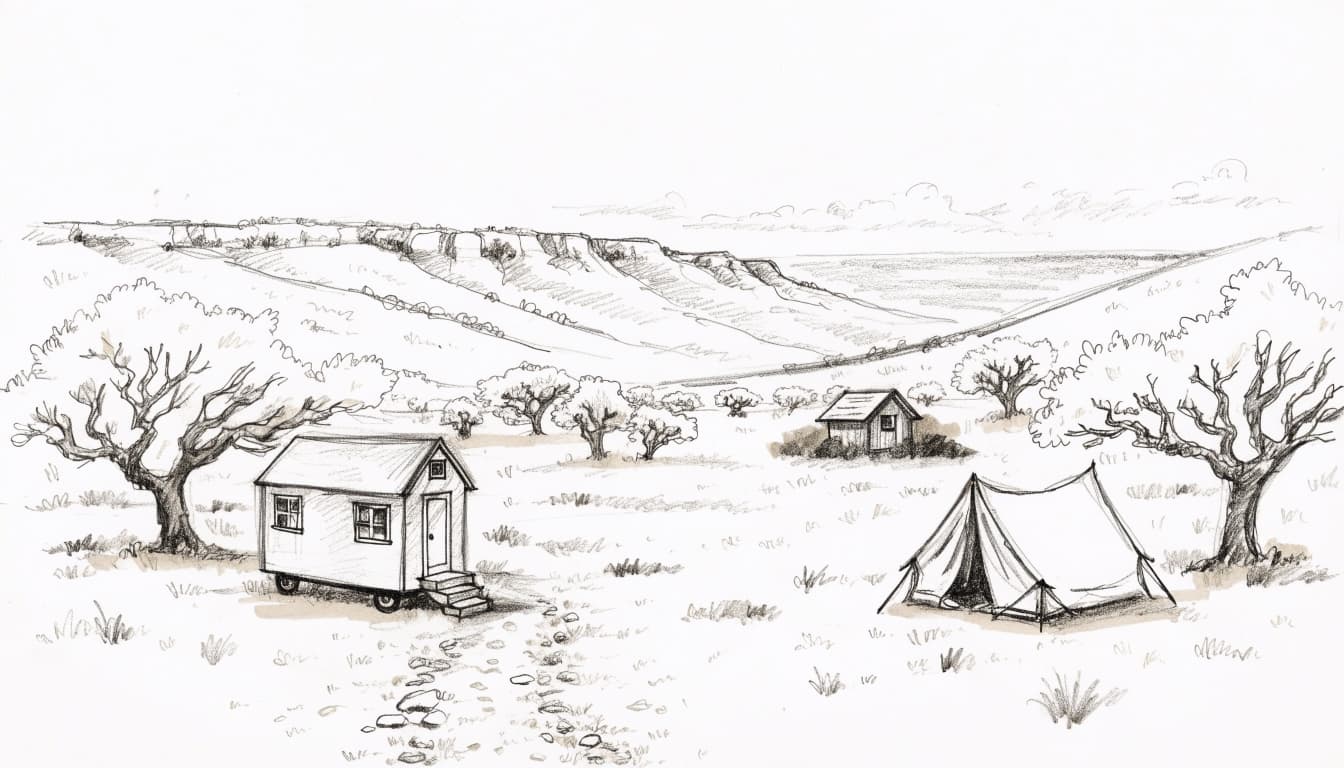
Choose between a tiny house, cabin, and glamping stay
A tiny house usually offers a private, self-contained space, but the layout can be compact. Some have loft beds reached by a ladder, small kitchens with limited counter space, and bathrooms designed to use every inch. Check whether the sleeping area suits your group, especially if anyone has trouble with stairs or low ceilings.
Cabins and guesthouses may provide more conventional rooms or extra separation from the host’s home. However, the label alone doesn’t guarantee a full kitchen, private bathroom, or secluded setting. A glamping stay may put you closer to nature, though some options have shared bathrooms or cooking facilities rather than private ones.
Before booking, inspect the listing photos and descriptions for bed placement, bathroom access, cooking equipment, heating and cooling, and distance from other guests. Photos can reveal details a short title leaves out, such as a steep loft ladder or a bathroom located outside the unit. Match the setup to your comfort needs and trip plans.
Search rental platforms and read listings closely
Search vacation-rental platforms such as Airbnb and Vrbo, as well as outdoor-stay platforms such as Hipcamp. These are places to look, not guarantees that every property will fit your needs. For a starting point, browse Airbnb’s tiny-house stays and Hipcamp’s Texas tiny-home listings, then narrow results by destination and dates.
Try several search terms, including “tiny house,” “tiny cabin,” “guesthouse,” and “glamping.” Filters for price, guest count, amenities, and property type can help, but use them as a first pass. A host may describe a compact rental as a cabin or guesthouse instead of a tiny home.
Before reserving, read recent reviews for comments about cleanliness, noise, access, and whether the space matches its photos. Check the full address or at least the precise area, since a listing near a town may still require a long drive to restaurants or attractions. Also review the house rules, check-in instructions, extra fees, and cancellation terms. Compare the total cost and the practical details, not just the nightly rate, so the rental fits both your budget and itinerary.
Find the Texas Region That Fits Your Kind of Getaway
Texas tiny-home rentals suit very different trips, so start with the setting you want rather than choosing by photos alone. A compact stay near a lively town offers a different experience from a remote desert hideaway or a rental near the water.
Hill Country escapes near Austin and San Antonio
The Hill Country makes a good base for travelers who want scenic drives, winery visits, swimming holes, and small-town stops. Wimberley pairs a relaxed town center with nearby swimming spots, while Fredericksburg draws visitors for its wineries, shops, and local dining. Communities such as Dripping Springs, Johnson City, and Blanco offer other starting points for exploring the region.
The area rewards a slower itinerary. Spend a morning on the road through rolling hills, then leave time for a swim or a meal in town. The Texas travel guide to Hill Country stops highlights swimming holes and Fredericksburg’s wine scene, but check current hours and access before planning around a specific attraction.
Popular weekends, holidays, and event dates can fill quickly, so book early if your schedule is fixed. Also check the rental’s exact location: a listing described as being near Wimberley or Fredericksburg may sit well outside town. Rural properties can mean a longer drive to groceries, restaurants, and attractions than the listing’s headline suggests.
Desert, lake, and coast stays for a different pace
For wide-open scenery, the Big Bend area offers rugged desert views and a sense of distance from busy towns. That remoteness is part of the appeal, but it also means planning drives, fuel stops, and supplies carefully. Summer heat can affect how much time you want to spend outdoors, so check seasonal conditions and the rental’s cooling setup before booking.
Lake Travis suits travelers who want a water-focused stay within reach of the Austin area. However, water access varies by property, and lake levels, facilities, and recreation options can change. Confirm whether a rental has direct access, a nearby public access point, or only a view of the lake.
Gulf Coast towns offer a different kind of getaway, with beaches, seafood, and coastal views. Storm season can affect travel plans and local conditions, so check forecasts and any advisories close to your dates. In every region, compare the address, drive times, and seasonal conditions with your plans. A well-chosen location can save hours on the road and make a small rental feel like a natural fit for the trip.
How Much Does a Tiny Home Rental in Texas Cost?
There isn’t one reliable statewide price for tiny homes for rent in Texas. Rates depend on the property and your travel dates, so compare the full checkout total for the same dates and group size before choosing a stay.
Compare the full price, not just the nightly rate
The nightly rate is only one part of what you pay. A listing may add a one-time cleaning fee, a platform service charge, taxes, and optional extras. Airbnb explains that a reservation’s total can include the host’s nightly price plus fees and taxes; its U.S. listings show a fee-inclusive price before taxes. Check the breakdown on the platform you use, since pricing displays can differ.
The length of your stay affects how those charges add up. A fixed cleaning fee takes a larger share of a one-night booking than a weeklong stay, while a longer reservation may have different nightly pricing. Minimum-night rules can also require you to pay for more nights than you planned.
Dates matter, too. Weekend rates may be higher than weekday rates, and holidays or local events can push up demand. Location and amenities also influence the price: a rental close to popular attractions or with a hot tub, full kitchen, or private pool may cost more than a simpler property farther out.
Before booking, look for deposits, pet fees, extra-guest charges, and optional costs such as firewood or early check-in. Confirm whether a deposit is refundable and whether an add-on is required or truly optional. Taxes can vary with the property and stay details; the Texas Comptroller’s hotel occupancy tax guidance explains the state tax framework.
Balance budget, comfort, and location
A lower nightly rate can come with a longer drive to restaurants, swimming spots, or the main attraction on your itinerary. It may also mean fewer amenities, a smaller kitchen, or shared bathrooms and outdoor areas. Those tradeoffs can add costs or inconvenience during the stay, especially if you need to drive for every meal or activity.
By contrast, a rental near town or a popular destination may cost more but save time and make it easier to follow your plans. Before comparing listings, decide which two or three features matter most, such as a private bathroom, reliable air conditioning, or a short drive to your main destination. Then compare the final price for identical dates and guest counts, and make sure each option includes the facilities and access you expect.
A simple spreadsheet or notes app can help you compare totals side by side. Record the booking total, included amenities, distance to key stops, and any fees you might incur. That makes it easier to see whether a cheaper listing still fits your trip, or whether paying more for convenience is worth it.
Choose and Book a Tiny House That Suits Your Trip
Before booking one of the tiny homes for rent in Texas, compare how each space fits your group and itinerary. A photogenic porch may catch your eye, but the sleeping setup, location, and rules will shape the stay.
Check sleeping space, amenities, and accessibility
Start with the beds, not the guest limit. A listing may allow four people but rely on a loft bed and a convertible sofa. Confirm the actual bed setup, whether anyone needs to climb a ladder, and whether the bathroom is inside the unit or separate.
Next, match the amenities to your plans. If you expect to cook, check for a stove, cookware, and refrigerator rather than assuming the word “kitchen” means a full setup. Texas temperatures can swing by season, so confirm that the rental has air conditioning and heating for your dates. Ask whether Wi-Fi is available if you need it, and check where you can park.
Accessibility deserves a direct check, too. Photos may not show a raised threshold, narrow doorway, or steps to the entrance. If anyone in your group needs step-free access, ask the host to confirm the route from the parking area into the house and whether the bathroom and sleeping area are also accessible.
When a listing leaves a detail vague, message the host before paying. Keep the question specific, such as, “Is the loft reached by a ladder, and is there a ground-floor bed?” Clear answers help you compare properties on comfort rather than staging.
Read the fine print on rules and cancellation
Once a rental seems like a good fit, review its rules alongside your schedule. Check the check-in window and key or door-code instructions, then look for quiet hours, pet limits, and restrictions on additional guests. If an outdoor fire pit matters to your plans, confirm whether fires are allowed and whether local conditions or property rules can restrict use.
Cancellation terms also deserve a close read. Review the deadline for a full or partial refund, along with any fees that may apply after that date. Policies vary by booking, so use the terms shown for your specific reservation rather than relying on a general assumption. Airbnb explains what happens when a host cancels a home reservation, but check the applicable policy on whichever platform you book through.
Book and pay through the platform’s normal process. If a host asks you to move payment or booking conversations elsewhere, pause and review the platform’s guidance before proceeding. Save messages that confirm important details, such as approved pets, check-in arrangements, or a promised amenity. Written records make it easier to resolve a misunderstanding and keep everyone clear on the terms.
Before you confirm, compare two or three finalists for the same dates and guest count. Choose the rental that fits your group’s needs and makes your planned activities practical, even if another listing has more eye-catching photos.
Know What to Expect Before You Arrive
A tiny-home stay can feel welcoming and memorable, but the small footprint and rural setting shape everyday comfort. Before you pack, think through how your group will sleep, cook, cool off, and get around.
Plan for small spaces and Texas weather
Compact layouts often mean limited storage, close sleeping quarters, and a kitchen with little counter space. A loft bed or pullout sofa may work well for a couple, but feel cramped when several people share the rental. Pack light, and check where guests can store bags without blocking walkways or the bathroom.
Texas weather also affects how comfortable a small house feels. Confirm that the rental has heating and air conditioning, then ask whether shade covers the porch or outdoor seating. If you plan to cook, find out whether the kitchen has the equipment you need and whether drinking water comes from a reliable tap or a separate supply.
For a remote stay, ask what happens if the power, water, or internet goes out. Find out whether the access road is usable after heavy rain, and identify a backup place to stay if severe weather disrupts travel. Before departure, check the National Weather Service forecast for your Texas region and review any current alerts.
Consider the tradeoffs before you commit
Privacy, character, and closeness to nature make some tiny homes appealing. A porch under oak trees or a quiet night outside town can be a welcome change from a hotel. However, that setting may come with a long drive to groceries, restaurants, or medical care. Cell service can also be uneven, and amenities such as a fire pit, pool, or laundry room may be shared.
Match those tradeoffs to the people traveling with you. A compact rental may suit a couple, a small family comfortable sharing close quarters, or travelers who plan to spend most of the day outdoors. On the other hand, a hotel or full-size rental may be a better fit for anyone who needs step-free access, more privacy, a full kitchen, or reliable nearby services.
Before you leave, save the address and check-in instructions offline in case your connection drops. Look up the route, fuel stops, and the nearest town, then check the National Weather Service for active watches and warnings. With those details settled, you can arrive ready for the setting instead of surprised by it.
Frequently Asked Questions
A little preparation can prevent surprises once you arrive at your Texas rental. Use these answers to check whether a property fits your group, your plans, and the kind of getaway you have in mind.
Are tiny home rentals in Texas suitable for families?
They can work well for families, but suitability depends on the sleeping arrangements, safety features, available space, and your children’s ages. A loft reached by a ladder may be unsuitable for young children, while a pullout sofa could leave little room for luggage or play. Before booking, confirm the bed setup, occupancy limit, stairs or loft access, and any property rules that affect children.
Can I bring a dog to a tiny house rental?
Pet policies vary by property, so don’t assume a listing allows dogs just because it welcomes pets. Check for extra fees, size or breed limits, leash requirements, and rules about keeping dogs off furniture or out of certain rooms. Also ask whether your dog can be left alone in the rental, since some hosts prohibit it or require crating.
Do tiny home rentals in Texas have kitchens and bathrooms?
Amenities differ by listing, and a compact house may have only a small kitchenette or a bathroom with limited facilities. Some glamping-style stays use shared kitchens or bathrooms, even when the listing appears under a tiny-home category. Confirm whether the kitchen and bathroom are private, what cooking equipment is included, and whether hot water and indoor plumbing are available.
How far ahead should I book a Texas tiny house stay?
Booking timing depends on the destination, your dates, and local demand. Search earlier for weekends, holidays, and popular event periods, especially in destinations with fewer rentals or high visitor demand. Availability can change quickly, so check the booking calendar directly for your exact dates and group size before building your itinerary around a particular property.
What should I pack for a remote tiny house stay?
Start with the amenity list, then pack groceries, toiletries, weather-appropriate clothing, and personal items the rental doesn’t provide. Rural properties may sit far from stores, restaurants, and other services, so bring essentials you’ll need between supply runs. For weather-related planning, the National Weather Service’s emergency supply recommendations can help you prepare for unexpected disruptions.
Conclusion
Tiny homes for rent in Texas can make a getaway feel personal, whether you’re drawn to Hill Country scenery, a lakeside stay, or a quiet rural setting. The best choice starts with the region and experience you want, then comes down to how well the rental fits your plans and your group.
Before booking, compare the full cost for your dates, including fees and taxes. Then confirm the details that matter most, such as sleeping arrangements, accessibility, amenities, house rules, and distance to the places you plan to visit. A little careful checking helps prevent a charming listing from becoming an inconvenient stay.
Choose a rental that fits the trip, not just the photos. With the right setting and practical details in place, your small Texas stay can leave room for the part you came for: enjoying the journey.
Explore more tiny home living, design, downsizing, building, and lifestyle resources.
- Tiny Homes for Rent in Wyoming: Wild West Getaways to Book
- Tiny Homes for Rent in Washington: Forest Escapes & Cozy Stays
- Tiny Homes for Rent in Utah: Red Rock Retreats to Book
- Tiny Homes for Rent in Oregon: Forest Retreats You’ll Love
- Tiny Homes for Rent in New Mexico: Desert Gems & Starry Skies
- Tiny Homes for Rent in Nevada: Desert Hideaways Worth Booking