Tiny Homes for Rent in Wisconsin: Cozy Cabins & Lake Escapes

A small, cozy rental can make a Wisconsin getaway feel like a true retreat, whether you’re unwinding in the Northwoods or spending a weekend near Lake Michigan. Tiny homes vary widely in size, style, amenities, and setting, so the right choice depends on your plans and who’s traveling with you.
You’ll find options on major booking platforms, outdoor-stay sites, and through local rental operators. Before booking, compare the full price, since fees, taxes, and extras can add to the nightly rate. Then check the layout and amenities closely: some stays feel like compact cabins, while others offer the comforts of a small year-round home.
The best fit comes down to location, season, budget, and the space you need. Start by narrowing down where in Wisconsin you want to stay and what tiny homes for rent there interest you.
Key Takeaways
- Tiny homes for rent in Wisconsin range from cabin-like retreats to compact year-round homes, so match the layout to your group and trip.
- Choose a region based on your plans, whether you want Northwoods quiet, lake access, or time near Lake Michigan.
- Compare the full booking cost, including taxes, fees, and optional extras, instead of relying on the nightly rate alone.
- Check sleeping arrangements, kitchen and bathroom details, heating or cooling, and outdoor amenities before reserving.
- For destination ideas and activities, use Travel Wisconsin’s official trip-planning guide, and confirm seasonal access with your rental host.
Where to Find Tiny Homes for Rent in Wisconsin
Start your search by choosing the Wisconsin region that suits your plans, then compare listings across booking platforms and local vacation rental operators. Search results and availability change by season, so check dates directly and confirm the property is a true tiny home, not a standard cabin with a small footprint.
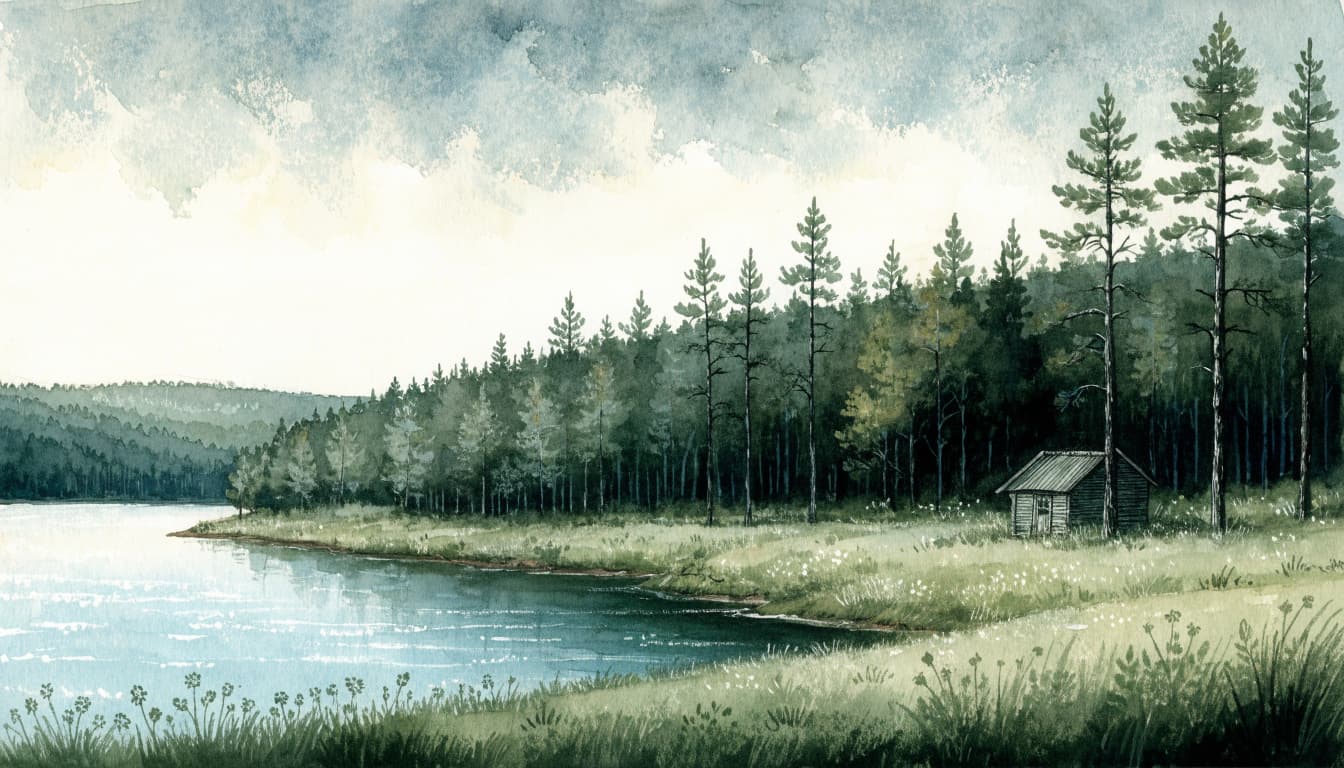
Choose a Wisconsin region that fits your trip
For forest trails, fishing, and cabin-style stays, look to the Northwoods and Wisconsin’s lake country. Towns in the north-central region make useful starting points, especially if you want to spend time near lakes or plan a fishing trip. Explore North-Central Wisconsin’s regional guide for destination ideas, then search around the towns and lakes you want to visit.
Meanwhile, Door County and the Lake Michigan shore appeal to travelers who want beaches, small towns, and seasonal attractions. Summer brings more activity and demand, so book early if your dates are fixed. For rolling hills, river valleys, and a quieter rural setting, consider the Driftless Area in southwestern Wisconsin.
Madison and Milwaukee can work well if you want restaurants, museums, or other city access. However, tiny-home options may be more limited near urban centers, so broaden your map search to nearby communities if you don’t find a suitable place.
Search rental sites with the right filters
Check Airbnb, Vrbo, and Hipcamp, along with local vacation rental operators that serve your chosen region. On Airbnb’s Wisconsin tiny-home listings, availability and property types vary by date. Hipcamp can also surface small cabins and other stays on private land, while local operators may list homes that don’t appear on large platforms.
Try several search terms, including “tiny house,” “micro cabin,” and “small home.” Hosts don’t always use the same label, and a small cabin may suit your trip even if it isn’t technically a tiny home. Use the map to check drive times to lakes, trails, or town centers, then confirm the guest capacity and sleeping setup.
Before booking, verify the details that affect comfort: whether the bathroom is private, whether the kitchen has the equipment you need, and whether heating is available for your travel season. Also check for outdoor space, parking, and any rules that could affect your plans.
Read recent reviews for comments about the layout, cleanliness, and accuracy of the listing. If the photos don’t show the bathroom, loft access, or kitchen clearly, message the host before reserving. Ask directly whether the rental is a purpose-built tiny home or a conventional cabin, and confirm what amenities are included.
What a Wisconsin Tiny Home Rental Is Like
A tiny home rental in Wisconsin can be a converted trailer, a compact cabin in the woods, or a modern small house with a full kitchen and private bath. Listings use the term loosely, so the name alone won’t tell you how much space, privacy, or comfort to expect. Look closely at the property details before you book.
Compare cabins, cottages, and tiny houses
A compact cabin may have a simple open room, a small bathroom, and a kitchenette. Converted trailers often have a narrow, efficient layout, while modern tiny homes may include a loft bedroom, built-in storage, and more complete kitchen and bathroom facilities. Backyard cottages can feel more private than a unit near a campground, but they may sit close to the host’s home.
The setting also shapes the experience. A small cabin on wooded land may offer more separation and outdoor space, while a cottage in a residential area can put you closer to shops and restaurants. Some rentals marketed as tiny homes are closer to glamping cabins, with limited plumbing or seasonal facilities. Others are fully equipped homes designed for year-round stays.
Use the floor plan, listing photos, and square footage when available to judge the usable space. Check whether the bed is in a loft, whether stairs or a ladder provide access, and whether the bathroom is inside the unit. Those details matter more than the label.
Check the amenities that matter most
Before reserving, confirm the sleeping setup works for everyone in your group. Ask whether linens are included, whether the bathroom is private, and if the shower and toilet are inside the rental or in a shared building. For cooking, check for a refrigerator, stovetop or hot plate, cookware, and basic utensils. Also confirm that running water is available throughout your stay.
Then check practical details such as Wi-Fi, parking, and outdoor space. A listing may offer a fire pit or patio, but that doesn’t guarantee the area is private or usable in every season. If you’ll work remotely or need to stay connected, verify the internet service with the host rather than relying on a listing icon.
Wisconsin’s weather makes heating and cooling worth checking before you book. For a winter stay, ask what type of heat the home has and whether it keeps the entire space comfortable, including a loft.
In summer, confirm whether there’s air conditioning or good ventilation, especially in a small unit that can warm up quickly. The Vilas County climate profile highlights winter weather and severe cold as common local hazards, a useful reminder to check seasonal comfort before choosing a Northwoods stay.
How Much Do Tiny Home Rentals in Wisconsin Cost?
The price of a Wisconsin tiny-home rental depends on its location, season, size, amenities, and minimum-stay rules. Because listings vary widely, a statewide average can be misleading. Compare the exact dates and full checkout price for each property before deciding which stay fits your budget.
Understand seasonal rates and minimum stays
Summer dates often draw visitors to Wisconsin’s lakes, beaches, and outdoor attractions, which can increase demand for tiny homes in popular areas. Fall color season can also bring more bookings, especially in scenic regions such as Door County and the Northwoods. Holiday periods and busy event weekends may have limited availability or higher rates as well.
By contrast, weekdays and off-season dates may offer more choices, particularly if your travel plans are flexible. However, lower demand doesn’t guarantee a lower price. Each host sets rates and stay rules, and some properties require a minimum number of nights or charge different rates for weekends.
Compare the same dates and number of guests across listings. A nightly rate may look appealing, but a two-night minimum could make a short visit more expensive than expected. Check the booking calendar and house rules before you plan around a particular price.
Compare the total price, not just the nightly rate
A listing’s nightly rate is only one part of what you’ll pay. Cleaning charges, platform service fees, and taxes may appear during checkout, while optional extras can add to the total. Wisconsin’s lodging tax guidance for rental providers explains that short-term lodging can be subject to applicable taxes, so review the tax line shown in your booking details.
Depending on the property, you may also see pet charges, firewood costs, or fees for optional services. Check whether firewood is included before assuming the fire pit comes with everything you need. Likewise, confirm whether linens, cleaning, or other listed amenities are included in the booking price.
For a fair comparison, use the same trip details for each listing and review the checkout screen. Compare the total for your full stay, then account for any extras you expect to use. A rental with a higher nightly rate may cost less overall if it has lower fees or includes items another host charges for separately.
Before paying, read the cancellation terms and note the deadline for a full or partial refund. Policies vary, and a lower price may come with stricter cancellation conditions. Once you’ve compared the final cost and rules, you can choose a tiny home that fits both your travel plans and your budget.
How to Choose and Book the Right Tiny Home
Once you’ve chosen a region, compare properties by how well they fit your group and plans, not just by appearance. A careful review of the layout, access, privacy, and booking terms can prevent surprises after you arrive.
Match the layout to your group and trip
Start with the number of guests, then consider how you’ll use the home. A couple planning quiet evenings may be comfortable in a compact space, while a family could find the same layout crowded during rainy days or long stays. If you’ll spend most of your time outdoors, you may need less indoor seating than a group planning meals and activities inside.
Check the bed types and locations, including whether a sofa converts to a bed or guests must climb to a loft. Ask about ladder or stair steepness, clearance above loft mattresses, and ceiling height in sleeping areas. A loft or narrow staircase may not work for young children, older adults, or anyone with limited mobility.
Also confirm that the home has enough indoor seating and storage for your group. Listing photos can make a small room look larger, so check measurements or ask the host how many people can sit comfortably at the dining table. For accessibility, ask about entrance steps, doorway width, bathroom layout, and whether essential rooms are all on one level.
Match the home to the purpose of the trip, too. For a work-focused stay, confirm that there’s a suitable place to sit and reliable internet. If privacy matters, ask whether the deck, yard, or fire pit is shared with other guests or the host.
Verify access, rules, and cancellation terms
Before paying, confirm practical details that photos often leave out. Ask where to park, whether the final stretch of road is paved, and how check-in works if you arrive after dark. For winter travel, check current conditions through the Wisconsin Department of Transportation’s 511 Wisconsin traveler information, then ask the host whether the driveway and access road are maintained after snow.
Clarify whether the property is fully private or shares a building, yard, or facilities with others. Review quiet hours, pet rules, fire restrictions, and any limits on visitors. If you plan to use a fire pit, ask whether fires are allowed during your dates and whether firewood is provided.
Read recent reviews for comments about details that matter to your stay, such as loft access, temperature, cleanliness, noise, and whether the listing matched the photos. Look for repeated concerns across multiple reviews rather than relying on one unusually positive or negative account.
Before booking, send the host any unanswered questions in writing. In winter, ask what happens if snow blocks access or a power outage affects heat or water. Finally, read the cancellation and refund policy on the checkout page, including deadlines and any nonrefundable charges, before submitting payment.
Plan for Wisconsin Weather and Local Activities
Wisconsin’s weather and attractions change with the season, and the rental’s location shapes what you can do each day. Before booking, match your plans to the forecast, confirm what’s open during your dates, and leave time to enjoy the home itself.
Pack for the season and the home’s limits
Before you pack, ask the host whether the rental provides linens, cookware, toiletries, firewood, and winter gear. Listings vary, and a fire pit or kitchen doesn’t mean fuel, pans, or basic supplies are included. If you plan to cook or spend evenings outside, confirm what you’ll need to bring.
For a snowy or icy visit, pack warm layers, waterproof footwear, and traction aids for walking. Winter conditions can affect roads and paths, so check the forecast and travel updates before setting out. In warmer months, bring insect repellent and other protection for time near woods, lakes, and trails.
A tiny home may have little closet or cabinet space, so pack efficiently and keep bulky gear to a minimum. Also ask how the home handles temperature extremes. A compact unit may have limited heating or cooling capacity, and that can matter during a cold snap or a humid summer night.
Build an itinerary around the rental’s location
Choose activities that fit the region and season. In lake country, research paddling, swimming, or fishing access near the rental. Anglers should check current rules and license requirements through the Wisconsin DNR fishing license guide. For wooded destinations, look into nearby hiking trails and state parks using the Wisconsin State Parks visitor information.
Door County works well for scenic drives and visits to its towns, but hours and attractions can vary by season. In autumn, plan a foliage drive through the peninsula or the Driftless Area, where trails and river valleys offer a different kind of outing. For any destination, confirm drive times, parking, permits, and seasonal hours before you go. State parks may require an admission pass, and outdoor facilities or rentals may operate on limited schedules.
Keep the itinerary flexible, especially in winter or during changeable weather. A trail, boat launch, or local attraction may be closed even when the rental is available. Save time for a slower morning or a quiet evening at the home, and ask the host which nearby activities are currently accessible.
Frequently Asked Questions
A few details can make a big difference once you arrive, especially when a rental has limited space or seasonal access. Confirm the specifics with the host, since listings can use “tiny home” to describe very different kinds of stays.
Are tiny home rentals in Wisconsin available year-round?
Some Wisconsin tiny homes welcome guests throughout the year, while others close for part of the winter or limit access when roads become difficult to maintain. Availability on a booking calendar doesn’t always explain what winter travel involves. Before reserving, confirm your dates, road and driveway access, heating, and any weather-related limits with the host.
Can I rent a tiny home in Wisconsin with a dog?
Pet rules vary by property, even when a platform labels a listing pet-friendly. Ask whether the host allows your dog’s size or breed, and confirm any pet fees, leash requirements, and restrictions on leaving pets unattended. If outdoor space matters, check whether the yard is fenced and whether it’s private or shared.
Are Wisconsin tiny homes suitable for families?
Some rentals work well for families, but their layouts and guest limits differ considerably. Confirm where each person will sleep, how guests reach a loft, and whether the bathroom setup is practical for your group. For young children, ask about steep stairs or ladders, loft railings, and other safety details before booking.
Do tiny home rentals usually have kitchens and bathrooms?
Many have a kitchen and bathroom inside the unit, but rustic cabins and glamping-style stays may offer shared, outdoor, or limited facilities instead. Check the listing for details such as a private shower, toilet, running water, refrigerator, and cooking equipment. If anything is unclear, ask the host directly rather than relying on the “tiny home” label.
Wisconsin’s Department of Agriculture, Trade and Consumer Protection outlines requirements for tourist rooming houses, but you should still verify the specific amenities and arrangements at your rental.
How far ahead should I book a Wisconsin tiny home?
Check availability as soon as you know your travel dates, especially for summer weekends, fall color trips, and holiday stays. High-demand areas may have fewer options during those periods, while off-season dates can offer more flexibility. Booking lead times vary by property, so compare calendars early and contact the host if your dates are fixed.
Conclusion
Tiny homes for rent in Wisconsin can make a getaway feel personal and relaxed, but the right choice depends on more than a charming listing photo. Match the location, season, layout, and full cost to your plans, then read the details closely and verify anything important with the host.
A comfortable stay comes from knowing what to expect before you arrive. Choose a property that fits your group and travel needs, so the memories come from the trip itself, not just the photos.
Explore more tiny home living, design, downsizing, building, and lifestyle resources.
- Tiny Homes for Rent in Wyoming: Wild West Getaways to Book
- Tiny Homes for Rent in Washington: Forest Escapes & Cozy Stays
- Tiny Homes for Rent in Utah: Red Rock Retreats to Book
- Tiny Homes for Rent in Oregon: Forest Retreats You’ll Love
- Tiny Homes for Rent in New Mexico: Desert Gems & Starry Skies
- Tiny Homes for Rent in Nevada: Desert Hideaways Worth Booking