Off Grid Living in Nevada: Your Ultimate Guide to Independence

Thinking about off grid living in Nevada? It’s definitely not your average move. Nevada’s wide open spaces and sunny days make it a popular choice for folks wanting to get away from city life and be more self-reliant. But going off grid here isn’t just about pitching a tent in the desert. There’s a lot to consider—from picking the right land to figuring out your water and power. This guide breaks down what you need to know, whether you’re planning a permanent homestead or just a weekend escape. You’ll learn about budgets, laws, daily routines, and how to keep things running when you’re miles from the nearest store. If you’ve ever dreamed of real independence, Nevada has a lot to offer—but it pays to be prepared.
Key Takeaways
- Set clear goals and know what you want before starting your off grid living in Nevada journey.
- Budget for more than just land—think about power, water, building, and ongoing supplies.
- Always check local laws and zoning rules before buying property or building anything.
- Solar is the top choice for power, but have a backup plan for cloudy days or equipment issues.
- Building connections with neighbors, even if they’re far away, helps with both support and supplies.
Planning Your Off-Grid Journey In Nevada
Getting ready to live off the grid in Nevada is a big step, and honestly, it’s not something you just jump into without some serious thought. It’s about more than just escaping the utility bills; it’s a whole lifestyle shift. So, before you even start looking at land, let’s talk about getting your head in the right space and figuring out the practical stuff.
Define Your Mindset and Goals
First off, what does "off-grid" really mean to you? Are you aiming for complete independence, where you’re totally cut off from public utilities, or is a hybrid setup okay, maybe with some backup from the grid if needed? Is this going to be your main home, or more of a weekend escape? Your answers here will steer every other decision you make, from how much land you need to how much power you’ll have to generate. You also need to be real with yourself about the challenges. It can get lonely out there, and there’s often a lot of physical work involved. Being adaptable and ready to roll with the punches is pretty much a requirement, especially in the wide-open spaces of Nevada.
Budgeting for Off-Grid Life
Okay, let’s talk money. This is where things can get a bit fuzzy because costs vary a lot. But you should expect to put some serious cash into this. Buying land, especially out in the more remote parts of Nevada, can range from a few thousand dollars an acre to much more, depending on location and features. Then there’s the power system – solar is popular, but a good setup isn’t cheap. Water systems, whether it’s drilling a well or setting up large storage tanks, also add up. Building your home, even if you do a lot of the work yourself, is another big chunk. It’s smart to have a buffer for unexpected costs, too. Think about ongoing expenses like fuel for generators, maintenance on your systems, and trips into town for supplies you can’t produce yourself.
Here’s a rough idea of what you might be looking at:
| Item | Estimated Cost Range |
|---|---|
| Land (per acre) | $2,000 – $15,000+ |
| Solar Power System | $5,000 – $25,000+ |
| Water Well Drilling | $3,000 – $10,000+ |
| Water Storage Tank | $500 – $5,000+ |
| Basic Off-Grid Home Build | $20,000 – $100,000+ |
Navigating Legal Considerations
Nevada has its own set of rules, and you absolutely need to know them before you buy land or start building. Things like zoning laws are super important. Some areas might have restrictions on what kind of structures you can build, or even if you can live on the land full-time without certain hookups. You’ll want to check on building permits, too. While Nevada can be more lenient than some other states when it comes to off-grid living, it’s still vital to understand the local ordinances. Sometimes, there are specific rules about water rights or waste disposal that you need to follow. It’s a good idea to talk to the county planning department where you’re looking to buy land. They can give you the rundown on what’s allowed and what’s not, saving you a lot of headaches down the road.
Getting the legal side sorted early on is way better than finding out you’ve made a costly mistake after you’ve already invested time and money. It’s all about being prepared and knowing the lay of the land, legally speaking.
Finding and Securing Off-Grid Land in Nevada
Alright, so you’ve decided Nevada is the place for your off-grid adventure. That’s awesome! But before you start dreaming about solar panels and well water, you’ve got to find the right piece of dirt. This isn’t like buying a house in the suburbs; it takes a bit more digging, literally and figuratively.
Where to Look for Off-Grid Land
First off, don’t just wander out into the desert hoping to stumble upon your future homestead. You’ll want to check out online listings. Websites like LandWatch, Zillow, and Land.com are good starting points. They often have filters for rural land, which is what you’re after. You can also find local real estate agents who specialize in rural or off-grid properties. Sometimes, these agents know about land that isn’t even listed publicly yet. Keep an eye out for land auctions too; you might snag a deal.
Key Factors to Evaluate
When you’re looking at a piece of land, think about what you’ll need to live independently. Sun exposure is super important if you’re going solar, so look for south-facing slopes if possible. Water is another big one. Is there a natural spring? Can you drill a well? In Nevada, water is precious, so this needs serious thought. Also, consider how you’ll get to the property, especially in winter. Some remote spots might need a serious 4×4 vehicle. And how far is the nearest town for supplies? You don’t want to be too isolated, but you also don’t want to be right next to a busy highway.
Here’s a quick rundown of things to check:
- Sunlight: Aim for good, unobstructed southern exposure for solar panels.
- Water Access: Look for existing sources or potential for wells/cisterns.
- Access: Can you get there year-round? Is it a maintained road?
- Proximity to Town: How far to the nearest place for groceries and supplies?
- Terrain and Soil: Is it buildable? Is the soil decent for gardening?
Due Diligence
This is where you really need to do your homework. Don’t just trust the listing. You need to verify a few things before you hand over any money. First, check the zoning laws. Make sure you’re allowed to build the kind of home you want, whether it’s a tiny house or something bigger, and that off-grid living is permitted. You’ll also want to look into any easements – that’s basically a right for someone else to use part of your land. It’s also wise to find out about mineral rights; sometimes, someone else owns the oil or gas under your property. A surveyor can confirm the property boundaries, and a title company can make sure the seller actually owns the land and there are no hidden liens.
Always get everything in writing. Verbal agreements don’t hold up when it comes to land purchases. Make sure all your questions are answered before you sign anything.
Powering Your Nevada Homestead
Solar Power Systems
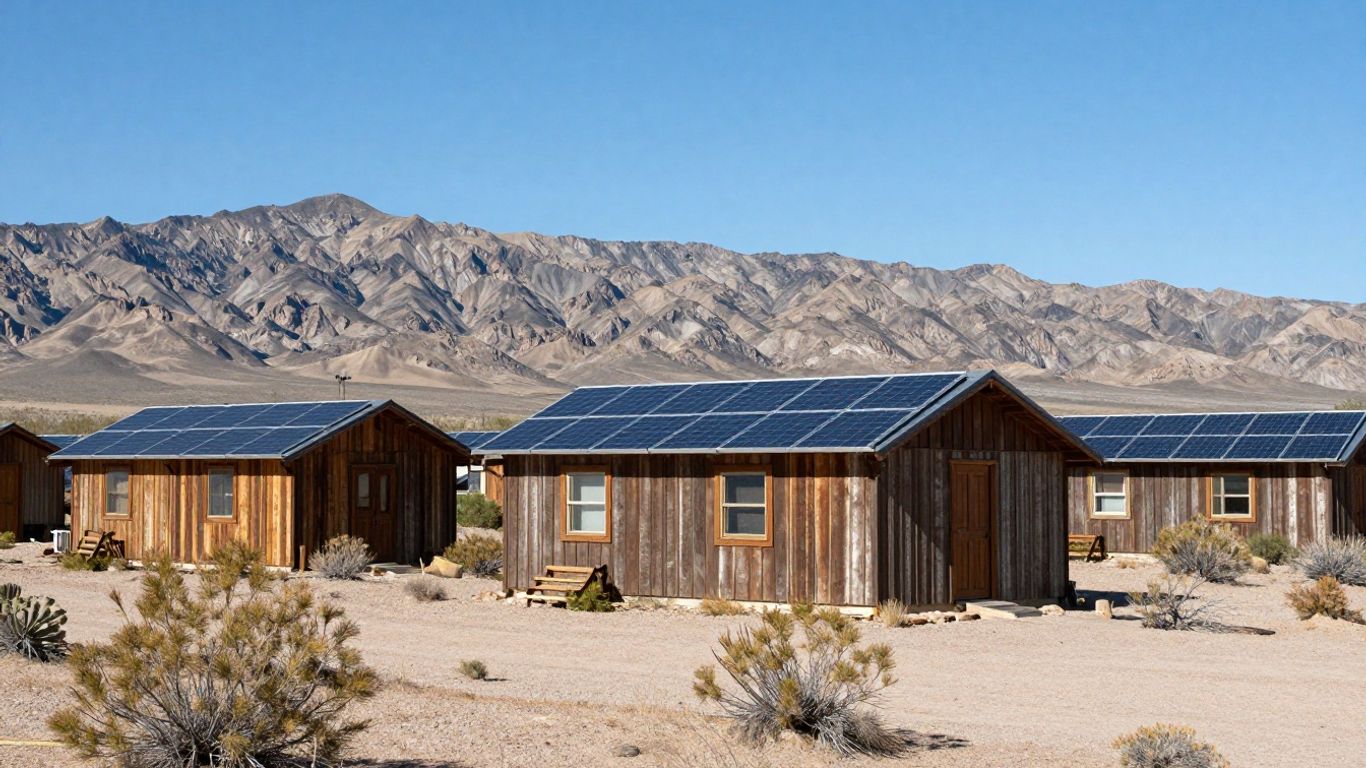
When you’re thinking about living off the grid in Nevada, power is probably one of the first things that comes to mind. Luckily, Nevada gets a ton of sunshine, making solar power a really solid choice for most people. A basic solar setup includes a few key parts: solar panels to catch the sun’s rays, batteries to store that energy for when the sun isn’t shining, an inverter to change the stored power into a usable form for your appliances, and a charge controller to keep everything running smoothly. For a small home, a system around 5 to 10 kilowatts is usually enough to handle lights, your fridge, and maybe some tools. It’s a big upfront cost, sure, but think about never paying an electricity bill again.
- Panels: Capture sunlight.
- Batteries: Store energy (lithium or lead-acid).
- Inverter: Converts DC to AC power.
- Charge Controller: Manages battery charging.
Setting up your own solar system can save you a good chunk of money. You can find DIY kits online that cost anywhere from $5,000 to $20,000. If you’d rather have someone else handle it, professional installations can run $15,000 to $40,000 or more, depending on how big you need it. To get the most out of your panels, you’ll want to face them south and tilt them at an angle, usually between 30 and 45 degrees. Don’t forget to think about battery storage for those cloudy days or longer winter nights; you’ll want enough capacity, maybe 10 to 20 kilowatt-hours, to get you through.
Keeping your solar panels clean is a simple but important task. Dust and debris can really cut down on how much power you generate, especially in a dry place like Nevada. A quick wipe-down once a month can make a noticeable difference in your system’s efficiency.
Alternative Energy Sources
While solar is king in Nevada, it’s not the only game in town. If you happen to have a property with a good amount of wind, a wind turbine could be a good addition, especially for consistent power. These systems can range from 1 to 5 kilowatts and might cost between $3,000 and $10,000. For those really lucky folks with a stream or creek running through their land, micro-hydro power is another option. It can provide steady electricity, but the setup costs can be higher, sometimes $10,000 to $50,000.
Generators, running on gas or propane, are also a common sight. They’re usually cheaper to buy, maybe $500 to $2,000, and are great for backup power when your main system needs a break or during extended bad weather. However, you’ll always have to keep buying fuel, which isn’t the most sustainable long-term solution. Many people find that a hybrid system, combining solar with wind or a generator, offers the most reliable power source, especially when dealing with Nevada’s varied weather patterns.
Water Systems for Off-Grid Living in Nevada
Water is pretty much the most important thing when you’re living off the grid, especially out here in Nevada where things can get pretty dry. You can’t just turn on a tap and expect water, so figuring out where you’re going to get it and how you’re going to keep it is a big deal. It’s not just about having enough to drink, either; you’ll need it for cooking, cleaning, and maybe even a small garden.
Securing a Water Source
Finding a reliable water source is step one. For many off-grid folks in Nevada, drilling a well is the go-to option. It can be pricey, though, and you might have to go pretty deep to hit water, especially in drier areas. It’s also smart to check out water rights in Nevada; sometimes, there are rules about how much groundwater you can actually use. If your land happens to have a spring or a creek, that’s fantastic, but you’ll definitely want to test that water to make sure it’s clean before you drink it or use it for anything important. Rainwater harvesting is another idea, especially if you get any decent rain. You can set up systems to catch rain off your roof and store it. For those really remote spots, sometimes people have to haul water in, which is a lot of work but can be a backup plan.
Water Storage and Conservation
Once you’ve got your water source, you need a place to keep it. Big tanks, called cisterns, are common. You can get them in all sorts of sizes, made from plastic or concrete. You’ll want to make sure they’re food-grade if you’re drinking the water. A pump system will make it easier to get water out of the tank when you need it. Keeping water clean is also super important. Filters are a must, and some people use UV purifiers too, especially for larger systems. For emergencies, having some chemical treatments on hand isn’t a bad idea.
Conserving water is just as critical as finding it. Every drop counts when you’re off the grid. Think about using low-flow showerheads and faucets. Recycling greywater from your sinks and showers for watering plants is a great way to cut down on usage, and it’s usually allowed if you follow the rules. For landscaping, choosing plants that don’t need a lot of water, like native Nevada plants, makes a huge difference. Mulching your garden beds also helps keep the soil moist longer.
Here are some common water sources and their considerations:
- Wells: Reliable but expensive to drill. Requires checking water tables and rights.
- Springs/Creeks: Free water if available, but needs testing for purity.
- Rainwater Harvesting: Good for supplementing supply, requires collection and storage systems.
- Hauling Water: A last resort, labor-intensive but provides a backup.
Making sure you have a solid water plan is key to a comfortable and sustainable off-grid life in Nevada. It takes some thought and setup, but having that water security is worth it.
Building Your Off-Grid Home in Nevada
DIY vs. Professional Builds
Deciding whether to build your off-grid home yourself or hire professionals is a big choice. Doing it yourself can save a lot of money, which is super appealing when you’re already investing in land and systems. It’s a great option if you’ve got the time, the skills, and a good dose of patience. Think about building a smaller structure like a tiny home or a simple cabin; these are often more manageable for a DIY project. However, be realistic about your abilities. Building codes, especially in Nevada, can be tricky, and getting things wrong can lead to costly fixes or even safety issues. If you’re not confident with construction, or if the build is complex, hiring local contractors might be the smarter move. They know the local regulations, can handle permits, and have the experience to build something that will last. It’s an investment, sure, but it can prevent a lot of headaches down the road.
Regional Design Considerations
Nevada’s climate throws some curveballs, so your home’s design needs to account for them. We’re talking about intense summer heat, cold desert nights, and the occasional dust storm. Designing with passive solar principles is key here. This means orienting your home to take advantage of the sun’s path. Large, south-facing windows can help capture warmth during cooler months, while strategic overhangs or awnings can block the harsh summer sun. Think about materials that can handle the temperature swings. Rammed earth or adobe-style construction can offer great thermal mass, helping to keep your home cooler in the summer and warmer in the winter without using much energy. Good insulation is also a must, not just for temperature but also to keep dust out. Ventilation is another big one; you want to be able to cool your home naturally when possible. Consider how you’ll manage water runoff, especially if you get any rare but heavy rainfall, and how your foundation will sit on potentially rocky or sandy soil.
Here are some things to keep in mind for Nevada:
- Summer Heat: Focus on shade, light colors, and good airflow. Consider a well-designed porch or covered patio.
- Winter Cold: Maximize solar gain and ensure your home is well-sealed and insulated. Thermal mass can help store daytime heat.
- Dust and Wind: Use durable, low-maintenance exterior materials and design to minimize dust infiltration.
- Water Conservation: Integrate systems that help you collect and reuse water, as it’s a precious resource.
Building an off-grid home in Nevada is about creating a shelter that works with the environment, not against it. It’s about smart design that keeps you comfortable and self-sufficient, no matter what the weather does.
Navigating Challenges of Off-Grid Living in Nevada
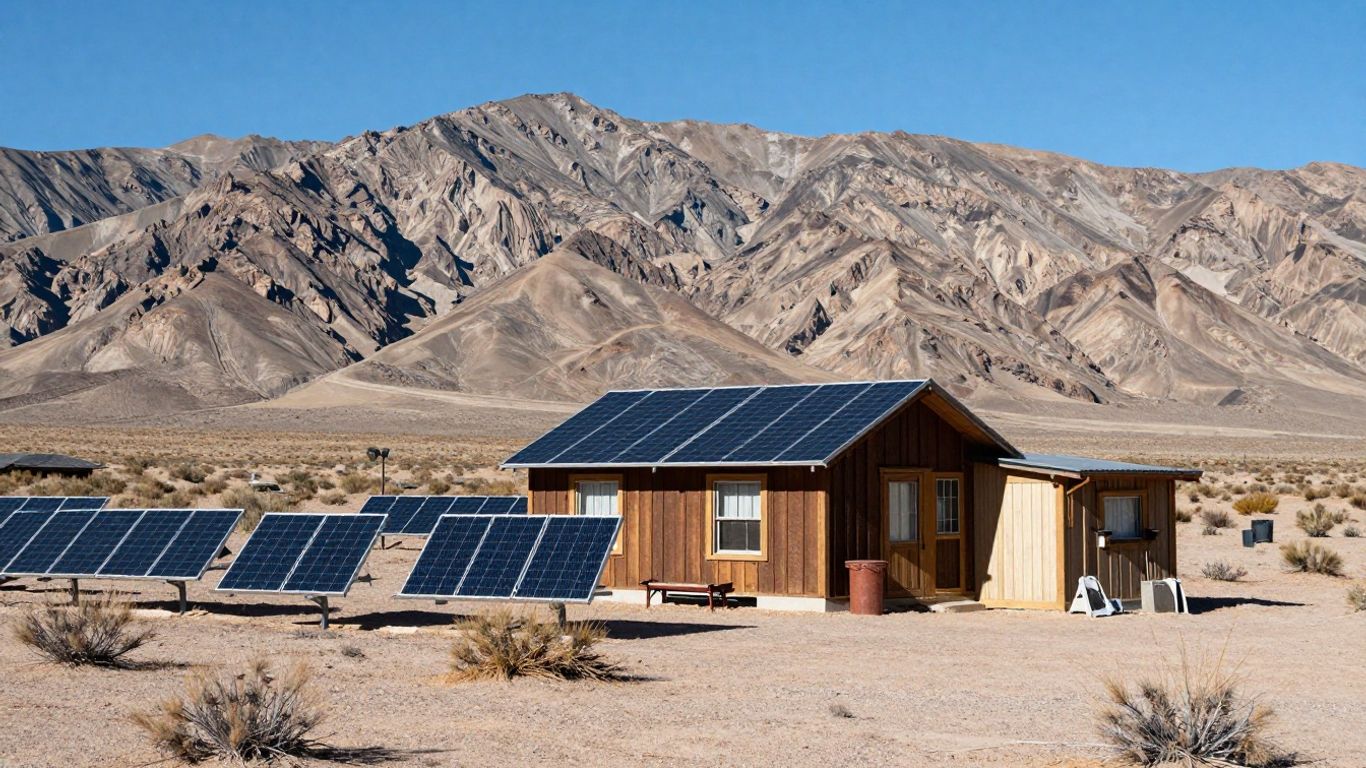
Living off the grid in Nevada, while rewarding, definitely comes with its own set of hurdles. It’s not all sunshine and self-sufficiency, you know? You’ve got to be ready for the tough stuff.
Climate Extremes
Nevada’s weather can be pretty wild. We’re talking scorching hot summers that can push your cooling systems to the limit, and winters that can bring snow and freezing temperatures, especially at higher elevations. Wildfires are also a real concern in many parts of the state. You’ll need to think about how your home and systems will handle these extremes. For heat, good insulation and passive cooling strategies are key. For cold, making sure your pipes don’t freeze and having a reliable heat source is a must. And for fire, having a defensible space around your property and using fire-resistant building materials can make a big difference.
- Prepare for heat: Shade structures, reflective roofing, and good ventilation.
- Prepare for cold: Insulate pipes, use a robust heating system, and ensure your home is well-sealed.
- Fire safety: Clear brush, have fire extinguishers, and consider non-flammable building materials.
Being prepared for Nevada’s climate means more than just having the right gear; it means adapting your lifestyle to work with, not against, the environment. It’s about understanding the patterns and building resilience into your daily routines and your home.
Isolation and Connectivity
One of the big draws of off-grid living is getting away from it all, but that isolation can be a challenge. Getting supplies might mean a long drive, and if you need help in an emergency, it could take a while for anyone to arrive. Staying connected, both socially and for practical reasons, is important. Satellite internet services like Starlink are an option, though they come with a monthly cost. For emergencies, a good old-fashioned NOAA weather radio is a lifesaver. Building relationships with any neighbors you do have is also a smart move. Sharing resources or just having someone nearby can be a huge comfort.
Supply Access
Getting what you need to your off-grid place can be tricky. Roads might be rough, and in winter, they can become impassable due to snow. This means you need to be really good at planning ahead. Stocking up on essentials like food, fuel, and any necessary parts for your systems is critical. Aim to have enough on hand to last for a few months, just in case. Having a reliable vehicle, preferably a 4WD, is also a good idea. And don’t forget to keep spare parts for your critical equipment – a broken water pump or generator can be a major problem when you’re far from a store.
| Item | Recommended Stock Level | Notes |
|---|---|---|
| Non-perishable Food | 3 Months | Canned goods, grains, dried foods |
| Fuel (Propane/Gas) | 3 Months | For heating, cooking, and generators |
| Water | 1 Week (minimum) | Stored in tanks, plus purification methods |
| Medical Supplies | As needed | First-aid kit, prescription refills |
| Spare Parts | Critical systems | Water pump, generator parts, filters |
Lifestyle and Community in Nevada
Daily Life Off-Grid
Life off the grid in Nevada is a blend of hard work and quiet satisfaction. Your days will likely revolve around the rhythms of nature and the needs of your homestead. Mornings might start with checking your solar panels – Nevada’s sun is a huge asset, but dust can be an issue – or tending to any gardens or livestock you have. You’ll be monitoring water levels, maybe splitting some firewood if the season calls for it, or just generally keeping things running smoothly. It’s a different pace, for sure. Without the constant buzz of the city, you might find yourself with more time for hobbies, whether that’s woodworking, reading, or just enjoying the incredible stargazing Nevada offers. Flexibility is key, though. Unexpected weather or a piece of equipment acting up means you’ll need to be ready to figure things out on the fly.
Building Community Connections
While independence is a big draw, isolation can creep in, especially in Nevada’s vast landscapes. Building connections with neighbors, even if they’re miles away, is really important. Look for local homesteading groups or online forums where people in the Western U.S. share tips on everything from solar setups to dealing with local wildlife. Don’t underestimate the power of a simple potluck or trading goods – maybe some of your garden’s bounty for your neighbor’s preserves. These small interactions can build strong bonds.
Building a community off-grid isn’t just about having people nearby; it’s about creating a network of mutual support. Sharing knowledge, tools, and even labor can make a huge difference when tackling big projects or facing unexpected challenges. It’s about looking out for each other in a way that feels more like family than just neighbors.
Some off-grid communities are even forming intentionally, with people pooling resources and working together on shared infrastructure. These places often have a strong focus on self-reliance and cooperation, creating a resilient social fabric. Even if you’re not part of a formal community, actively seeking out and nurturing relationships with those around you will make your off-grid experience much richer and more manageable. It’s about finding your people, even in the most remote places.
Conclusion
Living off the grid in Nevada isn’t just about unplugging from the city—it’s about building a life that’s truly your own. Sure, there are challenges: the desert heat, the long drives for supplies, and figuring out water and power. But if you plan ahead, stay flexible, and connect with others who’ve done it, you’ll find it’s all possible. Start small, maybe with a weekend cabin or a solar kit, and see how it feels. Talk to neighbors, join online groups, and don’t be afraid to ask questions. Every step you take, even the mistakes, gets you closer to real independence. Nevada’s wide-open spaces are waiting. If you’re ready for a bit of hard work and a lot of freedom, off-grid living here can be the adventure of a lifetime.
Frequently Asked Questions
What does ‘off-grid living’ actually mean?
Living off-grid means you’re not connected to the main power lines, water pipes, or sewer systems. You’re basically providing all your own power, water, and dealing with your own waste, making you super self-sufficient.
Is it expensive to start living off-grid in Nevada?
It can be! You’ll need to buy land, set up solar panels for power, and figure out your water source. Costs can add up, but you can save money by doing some work yourself or starting with a smaller setup.
What are the biggest challenges of living off-grid in Nevada?
Nevada can have really hot summers and cold winters, so your home needs to handle those extremes. Also, places can be far from towns, making trips for supplies long. Staying connected with others can also be tough if you’re really remote.
How do people get power when they live off-grid?
Most people use solar panels to catch the sun’s energy. Some might also use wind turbines or generators. You need a good system to store the power, usually with batteries, so you have electricity even when the sun isn’t shining.
Where can I find land for off-grid living in Nevada?
You can look on websites that list land for sale, like Zillow or LandWatch. Sometimes local real estate agents have good deals too. It’s important to check if the land has good sun for solar power and if you can get water there.
Do I need to worry about rules and laws for off-grid living?
Yes, you do. Even though Nevada can be more relaxed about off-grid setups, you still need to check local rules about building, water use, and waste disposal. It’s smart to talk to the local county office to make sure you’re following all the requirements.
Explore more tiny home living, design, downsizing, building, and lifestyle resources.