The Best Ways: How Do You Heat a Tiny House Efficiently and Safely?
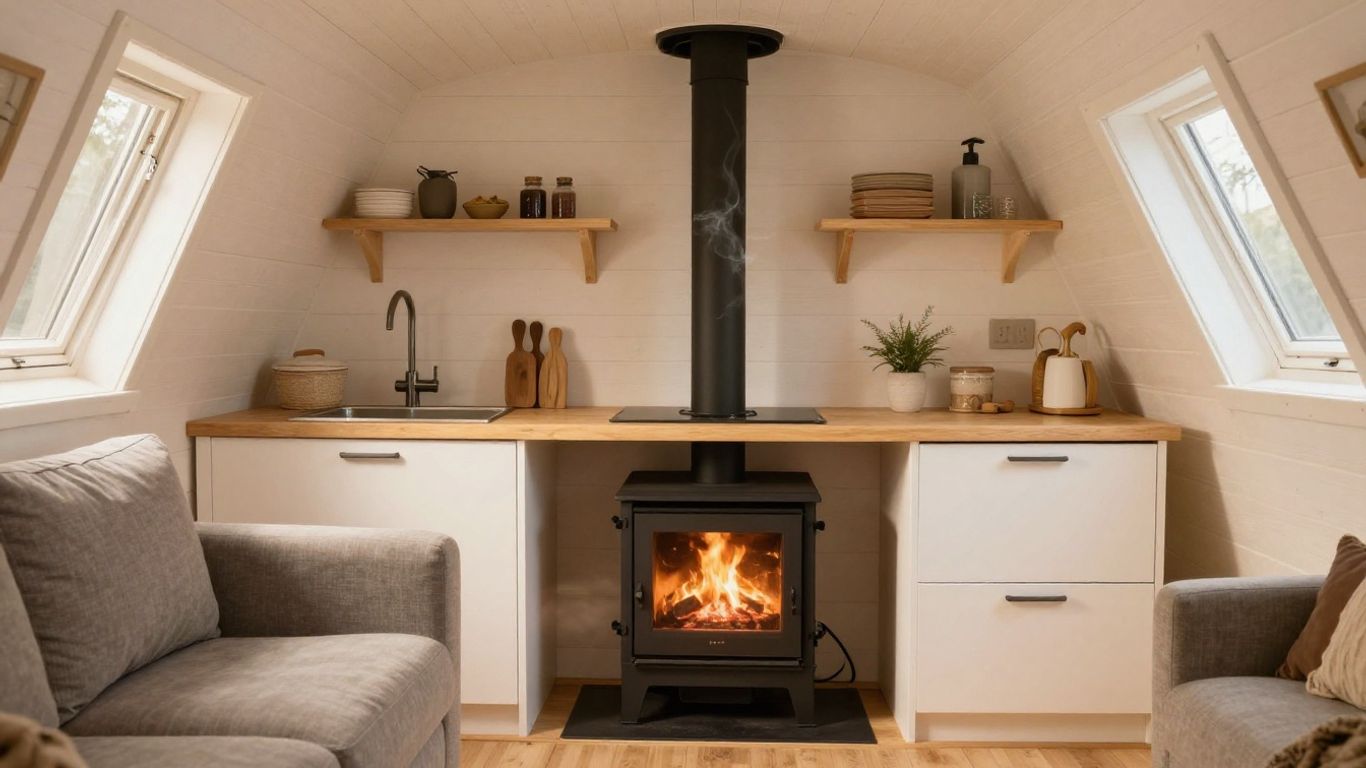
Tiny homes offer a unique lifestyle, but keeping them warm in the winter is a big question. When you’re dealing with less space, figuring out how do you heat a tiny house efficiently and safely becomes super important. We’ll look at different ways to keep your small space cozy, from electric options to wood stoves, and talk about what works best for different situations.
Key Takeaways
- Before picking a heater, figure out your tiny house’s heating needs (BTUs) based on its size, insulation, and climate.
- Electric heaters are easy to use if you have grid power, with options like radiant or forced air, but might not work off-grid.
- Propane heaters offer flexibility, especially for off-grid living or travel, but require fuel refills and proper ventilation.
- Wood stoves provide a cozy feel and can double as a cooking source, but need careful sizing, installation, and space for safety.
- Always prioritize safety by ensuring heaters have proper clearance, good ventilation, and consider backup heating options for power outages or fuel shortages.
Understanding Your Tiny House Heating Needs
So, you’ve decided to go tiny, which is awesome! But before you start dreaming about cozy winter nights, we need to talk about heat. Tiny houses, while charming and minimalist, have some unique heating challenges. They’re small, sure, but that also means heat can escape quickly if you’re not careful, and there’s not a lot of room for bulky heating systems. Figuring out your heating needs is the very first step to staying warm and safe. It’s not just about picking the prettiest heater; it’s about making sure it’s the right heater for your specific situation.
Determining Your BTU Load
BTU, or British Thermal Unit, is basically a way to measure how much heat a system can produce. Think of it like the horsepower of a car, but for warmth. To figure out how many BTUs your tiny house needs, you’ll need to do a little homework. You’ll want to know the inside dimensions of your house, how well it’s insulated (this is a big one!), and what the coldest temperatures are in your area. There are handy online calculators that can help you crunch these numbers. Getting this right means you won’t be freezing or, conversely, overheating your small space.
Here’s a quick rundown of what goes into the calculation:
- Dimensions: Length, width, and ceiling height of your tiny home.
- Insulation Quality: How well your walls, roof, and floor keep heat in. Better insulation means fewer BTUs needed.
- Climate: The average low temperatures in your region during the coldest months.
- Windows and Doors: The number, size, and efficiency of your windows and doors also play a part.
Assessing Grid-Tied Power Access
This is a pretty big question: will your tiny house be plugged into the regular electrical grid, or will it be off-grid? If you’re grid-tied, you’ve got a lot more options, especially with electric heaters. They’re often simpler to install and use. However, if you’re off-grid, you’ll need to think about power generation (like solar panels) and storage, which can get complicated and expensive quickly. For off-grid living, you might lean more towards propane or wood heat. It’s worth looking into grid-tied power options if you’re unsure about your setup.
Considering Fuel Source Availability
What kind of fuel can you easily and affordably get your hands on? This is where propane and wood stoves come into play. If you live somewhere with easy access to propane delivery, a propane heater could be a great choice. They’re efficient and provide good heat. On the other hand, if you have a reliable source of firewood, a wood stove can be incredibly cozy and cost-effective, plus it can double as a cooking surface. But remember, wood stoves require proper ventilation and regular maintenance. Think about what’s practical for your location and lifestyle.
Choosing the right heating system isn’t just about comfort; it’s also about safety and long-term costs. A system that’s too small will struggle, costing you more in energy to run constantly. A system that’s too big might cycle on and off too much, which isn’t efficient either and can wear out components faster.
Here are some common fuel sources and their implications:
- Electricity: Great if you’re grid-tied. Easy to use, but can be expensive depending on your rates and usage.
- Propane: Good for off-grid or on-grid. Offers good heat output, but tanks need refilling and can be bulky.
- Wood: Excellent for off-grid. Can be very cheap if you have access to free wood, but requires labor for cutting, splitting, and loading, plus chimney maintenance.
- Pellets: Similar to wood but uses compressed wood pellets. Requires a specialized stove and a consistent supply of pellets.
Exploring Electric Heating Solutions
For those tiny house dwellers who plan on staying connected to the grid, electric heating presents a straightforward and accessible option. You can find a variety of electric heaters at most local hardware stores, making them easy to acquire. These systems are generally simple to set up and don’t require complex installation.
Radiant Electric Heaters
Radiant electric heaters have long been a go-to for supplemental warmth. They’re known for efficiently warming people directly in a space, rather than just the air. This method can feel quite cozy. However, many of these units are on the smaller side, typically designed for rooms around 120 to 200 square feet. If you need to heat a larger area, you might need a bigger unit, which then takes up more valuable floor space. While safety switches are standard on most models to prevent accidents if they tip over, some people prefer not to leave them running unattended, especially if they’re away from home for extended periods.
Forced Air Electric Heaters
Forced air electric heaters work by heating air and then circulating it throughout the tiny house, often using a fan. This can heat a space relatively quickly. However, the fan can sometimes create noise, which might be a consideration for some. They also tend to dry out the air more than radiant systems. Like other electric options, their running cost depends on electricity prices in your area.
Portable Electric Space Heaters
Portable electric space heaters are incredibly versatile. They come in many forms, like ceramic, oil-filled, or even infrared models. The big advantage here is their portability; you can easily move them from room to room as needed, meaning you don’t need multiple units scattered throughout your tiny home. They’re generally affordable and can provide adequate heat for smaller spaces. It’s really important to read the owner’s manual carefully for any specific safety instructions. Some models can get quite hot to the touch, so keep that in mind if you have little ones or pets. Infrared heaters, for instance, provide a different kind of warmth, similar to the sun’s rays, and are known for being allergen-free. You can find some pretty neat-looking ones that mimic the look of a traditional wood stove, blending function with aesthetics.
When choosing any electric heater, always check the wattage and ensure your tiny house’s electrical system can handle the load, especially if you plan to run multiple appliances simultaneously. Overloading circuits is a common issue that can lead to tripped breakers or even fire hazards.
Propane Heaters for Off-Grid Flexibility
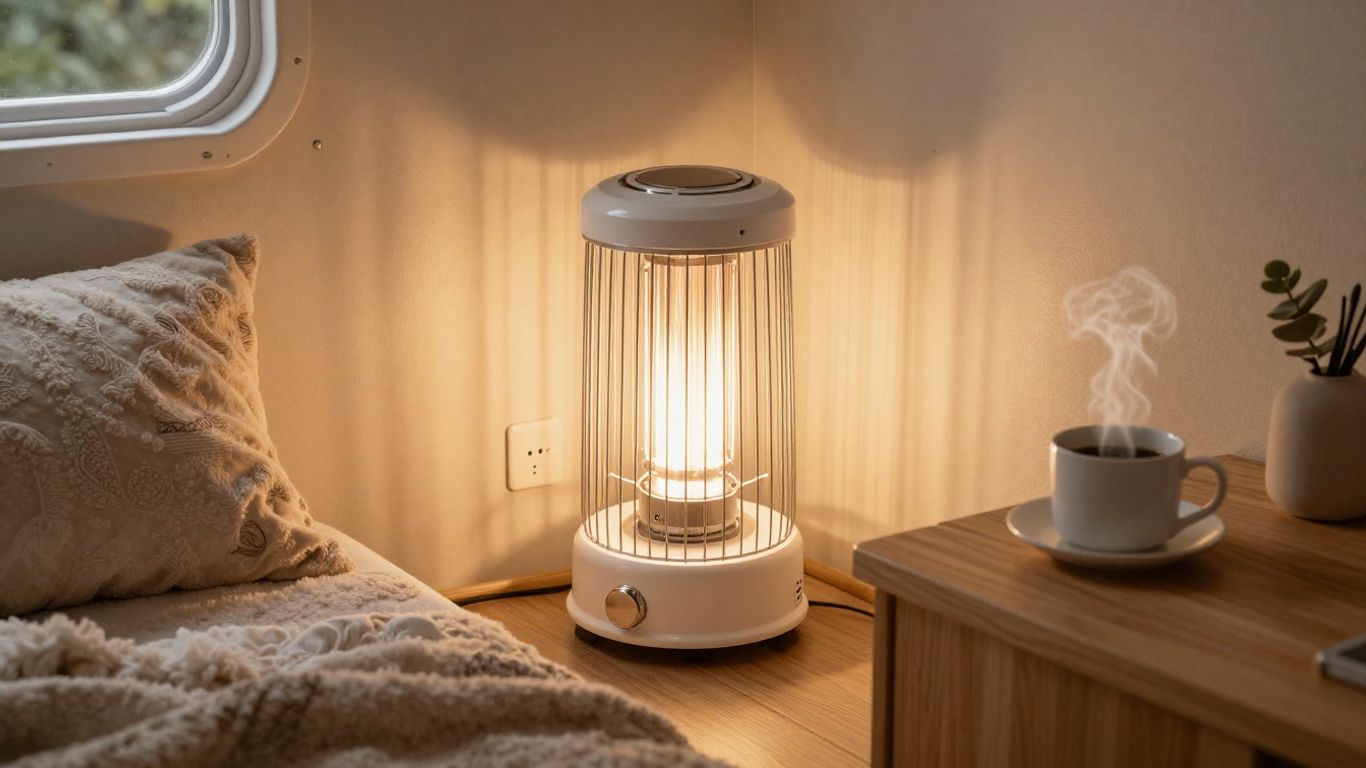
Heating a tiny house that isn’t hooked up to the grid is challenging, especially when winter hits hard. But honestly, propane heaters offer real flexibility for tiny house living—especially if you move around a bit or park in remote locations. Here’s what to know if you’re thinking about going with propane for your heat.
Benefits of Propane Heating
- Completely off-grid: No electricity needed; a propane heater runs anywhere you can set up a tank.
- Fast, reliable warmth: Propane delivers steady heat, even when it’s freezing and the wind is howling outside.
- Compact and space-saving: These don’t need the large clearances required by wood stoves, so you’ll save precious square footage.
- Easy setup: Most portable propane heaters are straightforward—no tricky installation needed, just plug in your tank.
- Low maintenance: Unlike wood heaters that require regular cleaning, propane units take very little to keep running well.
If you’re always on the move or staying somewhere that loses power, propane keeps the heat going with little fuss.
Propane Heater Considerations
There are some real differences between types of propane heaters, so you’ll want to match the right unit to your space and needs.
| Type | Pros | Cons | Notes |
|---|---|---|---|
| Direct-vent | No indoor fumes, safe | Install needed | Needs a vent to the outdoors |
| Ventless | No install, portable | Possible fumes | Not always legal in small spaces |
| Fan convectors | Even heat, thermostat control | Requires power | Useful for steady indoor warmth |
A solid model to check out is the Rinnai FC Series 22,000 BTU fan convector, which delivers even heat and cuts back on cold spots.
Ensuring Adequate Heat Output
Size really matters with propane heaters—too small and you’ll be cold, too big and you’ll overheat or waste propane. Here are simple steps to make sure you’ve got the right amount of heat:
- Calculate your tiny house’s square footage (length × width).
- Multiply that number by 20-30 to estimate the BTU needed for mild to cooler climates.
- If you’re somewhere that gets sub-freezing a lot, bump the number higher for more heat output.
Be ready with extra propane tanks, and consider a system for keeping tanks at the right pressure in very cold weather.
- Carry at least one spare tank to avoid running out in bad weather.
- Check all gas lines and fittings regularly for leaks.
- Use a carbon monoxide detector, just in case—a must for any gas appliance.
When it comes to staying comfortable and ready for almost anything, propane heaters hit a sweet spot for tiny homes—especially if you like the idea of living off the grid and not relying on anyone else’s power.
Wood Stoves: A Cozy and Reliable Option
Choosing the Right Size Wood Stove
When you picture a tiny house, you might imagine a crackling wood stove in the corner, right? It’s a classic image, and for good reason. Wood stoves can offer a really warm, inviting atmosphere, and they can even double as a cooking surface. But, they aren’t just about looks and coziness; they can be a solid heat source, especially if you’re off-grid. Finding the right size is super important, though. Too big, and you’ll overheat your small space and waste fuel. Too small, and you’ll be constantly feeding it just to stay warm.
Think about the square footage you need to heat and how well your tiny house is insulated. Most tiny house wood stoves are designed to be compact, but you still need to account for the stove itself and the required safety clearances. These clearances are non-negotiable for fire safety, so they eat into your limited floor space. Some stoves come with built-in heat shields, which can reduce the clearance needed, but these are often larger and cost more.
Installation and Safety Requirements
Installing a wood stove isn’t like plugging in a space heater. It requires careful planning and adherence to safety rules. You’ll need a proper hearth pad to protect your floor from heat and embers. The stovepipe and chimney system must be correctly installed to vent smoke and gases safely outside. This usually involves passing through the roof or a wall, and all connections need to be secure and properly sealed.
Clearance is a big deal. You need to keep combustible materials (like curtains, furniture, or even wood paneling) a safe distance away from the stove and the chimney pipe. Check the manufacturer’s recommendations and local building codes, as these vary. Securing the stove to the floor is also a good idea, especially if you plan to move your tiny house. It prevents shifting during travel.
- Hearth Pad: Non-combustible material under the stove.
- Clearance: Maintain safe distances from walls and objects.
- Chimney System: Proper venting to the outside.
- Securing: Anchor the stove to prevent movement.
Wood stoves require regular maintenance. You’ll need to clean out the ashes and ensure the chimney is clear of creosote buildup. This is vital for efficient operation and preventing chimney fires.
Wood Stoves for Cooking and Heating
One of the neat things about many wood stoves is their dual purpose. While they’re great for heating your tiny home, the flat top surface can often be used for cooking. You can simmer a pot of soup, heat water for tea, or even fry up some breakfast. It’s a pretty neat way to save energy and space if you’re looking to simplify your kitchen setup.
However, remember that using the stove for cooking means you’ll be opening the door more often, which can let heat escape and ash fly out. It also means more frequent cleaning. If cooking is a high priority, look for stoves designed with a cooktop in mind. They often have a slightly different design to make this easier and more efficient.
Advanced Heating Systems for Tiny Homes
Ductless Mini-Split Systems
Ductless mini-split systems are a really popular choice for tiny homes, and for good reason. They’re super efficient and don’t take up much space, which is a big deal when every inch counts. Unlike traditional HVAC systems that need all that bulky ductwork running through walls and ceilings, a mini-split has just two main parts: an outdoor unit and an indoor unit. The indoor unit mounts on a wall, usually up high, and blows the conditioned air directly into your living space. This setup means you get both heating and cooling from one system, which is pretty neat. They’re known for being quiet and good at keeping the temperature steady, so you won’t have those annoying hot and cold spots.
Heat Pumps for Heating and Cooling
Heat pumps are another smart option, especially if you want a system that can handle both heating and cooling. They work by moving heat from one place to another. In the winter, they pull heat from the outside air (even when it’s cold!) and bring it inside. In the summer, they reverse the process and move heat from inside your tiny home to the outdoors. This makes them really energy efficient because they’re not creating heat, they’re just moving it. Some people worry about how well they work in really cold weather, but modern heat pumps have gotten a lot better and can still do a good job even when it’s freezing outside. Plus, they’re electric, so if you’re aiming for a greener setup, they’re a solid choice.
Geothermal Heating Pumps
Geothermal systems are a bit more of an investment upfront, but they’re incredibly efficient and sustainable in the long run. They tap into the stable temperature of the earth beneath your tiny home. In the winter, they pull warmth from the ground and transfer it inside. In the summer, they move heat from your home into the ground. The biggest hurdle here is installation; it usually involves burying pipes underground, which can be tricky and costly, especially if your tiny home is on wheels or in a tight spot. However, once installed, they use very little electricity and can significantly cut down on energy bills. They’re also super quiet and don’t require an outdoor unit like a traditional heat pump.
When choosing an advanced heating system, think about your climate, how often you’ll use the tiny home, and your budget. These systems offer great efficiency but often come with a higher initial cost compared to simpler options. Make sure the system you pick also helps with air circulation, as tiny homes can sometimes feel stuffy without proper ventilation.
Innovative Heating Methods
Radiant Floor Heating Systems
Radiant floor heating is a pretty neat way to keep your tiny house toasty without taking up any valuable floor space. Basically, you install heating elements right under your flooring. These can be electric or part of a hydronic (water-based) system. The heat then rises up and warms the room. It’s a great option because you don’t need any bulky ductwork or visible heaters cluttering up your small space. For tiny homes, this can be a really cost-effective choice, especially since pricing is often based on the square footage you need to cover.
- Pros:
- Uses less energy and is more efficient.
- Easy to control the temperature throughout your whole space.
- Saves precious floor space.
- Cons:
- Installation costs can add up depending on the size.
- Some flooring types work better than others (like tile).
- You might need a bit of extra height in your floor to install it.
Pellet Stoves for Efficient Burning
If you live somewhere that gets really cold, a pellet stove might be worth looking into. Unlike some other heating methods, these need a chimney or some kind of exhaust system to vent properly. While the initial cost might be higher because of this, pellet stoves burn compressed wood or biomass pellets, which can be a pretty efficient way to generate heat. They also offer that cozy ambiance that many people love.
- Considerations:
- Requires a chimney or vent.
- Initial setup cost can be higher.
- Needs a place to store pellets.
- Produces significant heat, so sizing is important for a tiny space.
Pellet stoves burn small, compressed pellets made from wood or other organic materials. They are known for being quite efficient and produce less ash than traditional wood stoves. Just make sure you have a good spot to store your pellets, as they can take up some room.
Safety and Efficiency Tips for Tiny House Heating
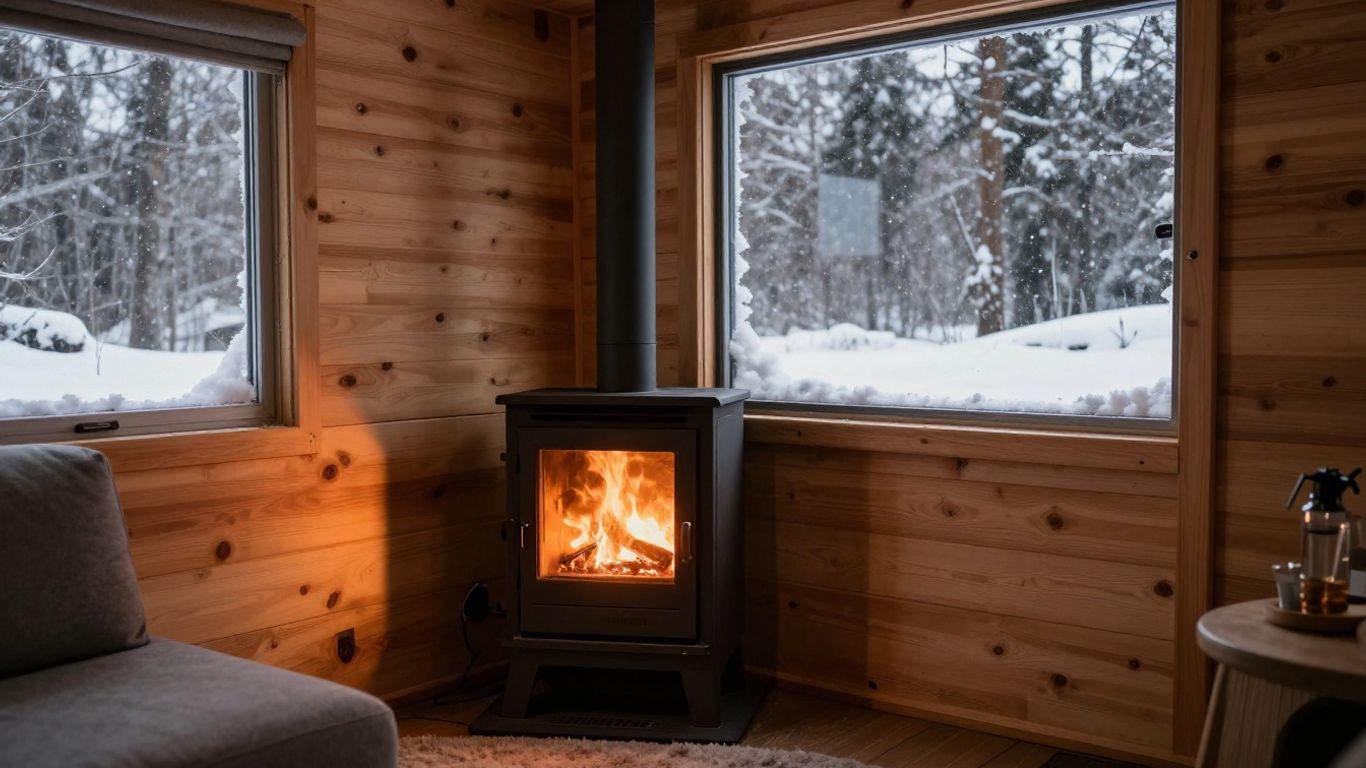
Tight quarters mean every little thing matters, especially when it comes to staying warm without wasting energy or risking safety. Properly heating your tiny house isn’t just about picking the right device—it’s about being smart with what you have and how you use it.
Maximizing Insulation
Insulation is your first line of defense against swinging outdoor temperatures. Better insulation means less lost heat and lower energy bills. Don’t just think about your walls—look at your floor and ceiling, too.
- Add skirting around the base to keep cold winds from sneaking under your house.
- Upgrade your windows with double or triple-pane glass, or use thermal curtains in winter.
- Check for air leaks around doors and window frames every season and seal them with caulk or weatherstripping.
| Insulation Area | Impact on Heat Loss (%) |
|---|---|
| Windows | 10-25 |
| Doors | 5-10 |
| Floor | 10-20 |
| Ceiling | 25-35 |
| Walls | 20-30 |
A well-insulated tiny house is much easier to keep warm, and you’ll notice the savings every month.
Safe Heater Placement and Clearance
Because tiny houses pack a lot into a tiny footprint, heater placement takes extra attention. You can’t just put a heater anywhere—take the time to find a safe, effective spot.
- Always follow manufacturer guidelines for clearances around heaters and stoves.
- Avoid placing heaters near bedding, curtains, or other flammable objects.
- For wall-mounted units or wood stoves, install non-combustible backing as required.
- Make sure you have working smoke and carbon monoxide detectors—test them regularly.
Backup Heating Options
No matter how reliable your main heater is, it’s smart to have a backup. Life happens; the power goes out, propane runs low, things break down. Being prepared is key.
Some backup options include:
- Portable propane heaters (rated for indoor use, with proper ventilation)
- Electric space heaters if you’re grid-tied or have solar power
- A compact wood or pellet stove in colder climates
Even just a stack of extra blankets can help you manage if your main system fails for a day or two.
Don’t wait until it’s below freezing to think about backups—being ready ahead of time gives you peace of mind.
Keeping your tiny home warm and secure doesn’t have to be complicated, but you do need a plan. Smart choices and a few careful upgrades go a long way to making your little space feel just right all winter long.
Staying Warm and Safe in Your Tiny Home
So, picking the right heater for your tiny house is a big deal. It’s not just about staying warm, but also about doing it safely. Whether you’re leaning towards a cozy wood stove, a handy propane heater, or a modern electric option, think about what fits your life best. Remember to consider things like power access, fuel availability, and how much heat you actually need. Having a backup plan is always a smart move, especially if you’re worried about power outages. By doing a little homework and choosing wisely, you can make sure your tiny home is a comfortable and safe haven, no matter the weather outside.
Frequently Asked Questions
What’s the best way to heat a tiny house?
The top heating choice for a tiny house really depends on what works best for you and your home’s setup. Wood stoves give a warm, cozy feel and can even be used for cooking. Electric and propane heaters are also good choices because they’re easy to use and can be placed in different spots.
How can I heat my tiny house if I don’t have electricity?
If you need to heat your tiny house without electricity, a wood stove or an indoor propane heater are excellent options. Both can keep you warm even when the power is out and don’t need to be plugged in.
Are electric heaters safe for tiny houses?
Electric heaters can be safe in tiny houses, but you must be very careful. Since space is limited, make sure there’s enough room between the heater and anything nearby, like furniture or walls. Always follow the safety instructions in the heater’s manual.
What is a BTU and why do I need to know about it?
BTU stands for British Thermal Unit, which is how we measure heat. Knowing how many BTUs your tiny house needs helps you pick the right size heater. You can use online tools to figure this out by looking at your home’s size, how well it’s insulated, and the coldest weather you expect.
What are some good heating options for small houses?
For small homes, systems like ductless mini-splits are a great choice because they can both heat and cool your space, making them useful all year round. Radiant floor heating is also a good option because it saves space and warms the room evenly from the ground up.
Should I have more than one way to heat my tiny house?
It’s a really smart idea to have a backup heating option for your tiny house. This way, if one heater stops working, or if there’s a power outage or a shortage of fuel, you’ll still have a way to stay warm and comfortable.
Explore more tiny home living, design, downsizing, building, and lifestyle resources.
- Tiny Homes for Rent in Wyoming: Wild West Getaways to Book
- Tiny Homes for Rent in Washington: Forest Escapes & Cozy Stays
- Tiny Homes for Rent in Utah: Red Rock Retreats to Book
- Tiny Homes for Rent in Oregon: Forest Retreats You’ll Love
- Tiny Homes for Rent in New Mexico: Desert Gems & Starry Skies
- Tiny Homes for Rent in Nevada: Desert Hideaways Worth Booking