Your Ultimate Guide to Off-Grid Living in Texas
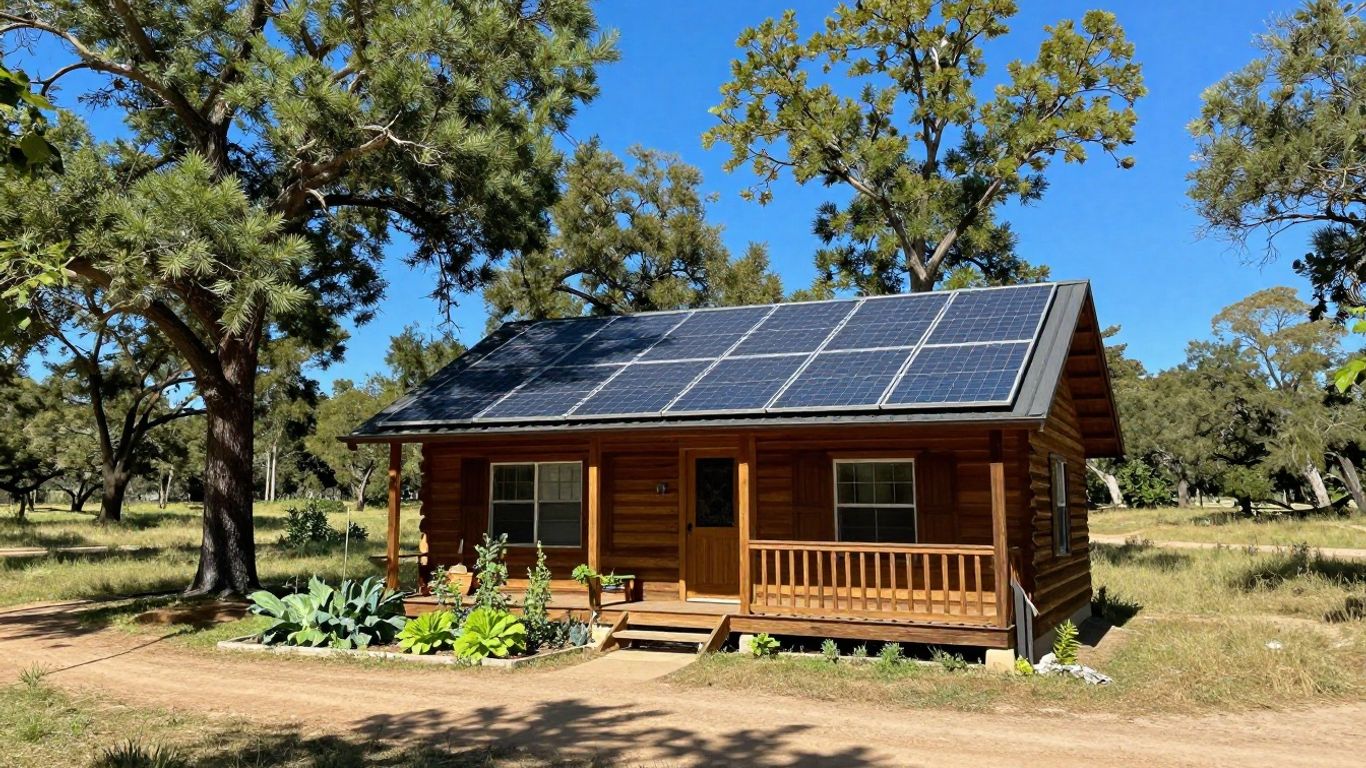
Thinking about ditching the grid and embracing a simpler life in Texas? It’s a big change, for sure, but more and more people are finding that off grid living in Texas offers a unique kind of freedom and connection to the land. Texas, with its wide-open spaces and abundant resources, is actually a pretty great spot to make this dream a reality. You’ve got sunshine, land, and a whole lot of independence waiting for you. This guide is here to help you figure out the basics, from finding the right land to setting up your own power and water.
Key Takeaways
- Texas offers a lot of land that’s not too expensive, making it a good place to start your off-grid journey.
- You’ll need to figure out your own power, water, and waste systems since you won’t have utility companies.
- Solar power is a big deal in Texas because there’s so much sunshine, but wind power can also be used.
- Water independence can be achieved through rainwater collection or drilling your own well.
- Building your off-grid home involves choosing the right structure and making sure it’s well-insulated for Texas weather.
Choosing the Right Land for Off Grid Living in Texas
So, you’re thinking about ditching the utility bills and embracing the self-sufficient life in the great state of Texas? That’s awesome! But before you start dreaming of wide-open spaces and starry nights, you’ve got to nail down the land situation. It’s probably the biggest decision you’ll make, and getting it right means a smoother path to your off-grid goals.
Evaluating Affordable Texas Acreage
Texas is huge, and that’s good news for folks looking for land. You can find some pretty affordable acreage, especially if you’re willing to look a bit further out. Prices can really vary depending on where you are. For instance, west Texas land might average around $2,231 per acre, while the south can jump to about $5,700, and the east side can be even higher at $7,527. It’s not just about the price tag, though. Think about what you’ll actually do on the land. Do you want to garden? Raise animals? Build a big workshop? Make sure the land can support your plans. You can find opportunities for off-grid living with solar power and well water, often on land priced below $1,000 per acre, which is perfect for alternative housing like yurts or shipping containers. This is a great starting point for anyone seeking affordable land and a self-sufficient lifestyle.
Understanding Zoning and Land Use Regulations
This is where things can get a little tricky, but it’s super important. Texas is generally pretty relaxed when it comes to zoning, especially in rural areas. This is a big plus for off-gridders because it often means you have more freedom to build what you want – whether that’s a tiny home, a container house, or something more unique. You’ll also want to check if there are any restrictions on things like rainwater harvesting or drilling a well. While many areas are permissive, it’s always best to do your homework with the local county or municipality. Ignoring these rules can lead to headaches down the road.
Deciding On-Site Needs: Sun, Water, and Access
When you’re looking at a piece of land, you’ve got to think about the practical stuff. How much sun does it get? Texas, especially the western part, gets a ton of sunshine year-round, which is fantastic for solar power. What about water? Is there a reliable source nearby, or will you need to rely solely on rainwater harvesting or drilling a well? And how will you get to your property? A well-maintained road is one thing, but if you’re looking at a remote spot, make sure you can actually access it, especially during bad weather. Consider these factors:
- Solar Exposure: Look for clear, unobstructed southern exposure for maximum solar gain.
- Water Sources: Investigate existing wells, potential for rainwater catchment, and proximity to any natural water bodies (though be mindful of water rights).
- Accessibility: Check road conditions, potential for seasonal impassability, and proximity to essential services (even off-grid, you’ll need supplies sometimes).
Picking the right spot isn’t just about finding a cheap piece of dirt. It’s about finding a place that works with you and your off-grid vision, not against it. Think long-term about how the land’s features will support your energy, water, and lifestyle needs.
Designing a Resilient Energy System in the Lone Star State
When you’re living off the grid in Texas, your energy system isn’t just a convenience; it’s the heart of your home. Every watt you use has to come from what you generate and store yourself. This means you really need to get the sizing right from the start. More off-grid systems run into trouble because they’re not sized properly than because of faulty equipment. It’s all about doing the math honestly.
Harnessing Solar Power and Battery Storage
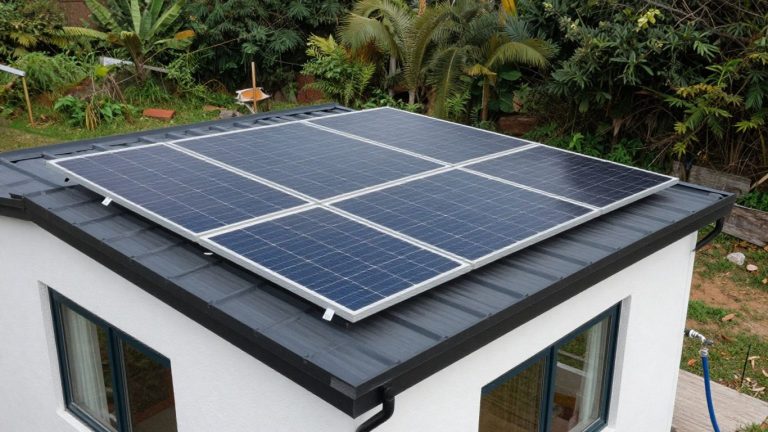
Solar is usually the go-to for off-grid living in Texas, and for good reason. The state gets plenty of sunshine, especially out west. But you can’t just slap some panels on the roof and call it a day. You need to figure out your peak load – how much power your home uses all at once – and your daily consumption in kilowatt-hours. This tells you what size inverter you need and how big your battery bank should be.
For batteries, Lithium Iron Phosphate (LFP) is a solid choice here in Texas. They handle the heat better than some other lithium types, which is a big deal when it’s 105 degrees outside. Plus, they’re safer and tend to last longer. You’ll also need charge controllers to manage power going into the batteries and off-grid inverters to turn that stored energy into the AC power your appliances use. Not all solar gear is made for off-grid, so getting the right components is key.
Utilizing Wind and Alternative Energy Options
While solar is popular, don’t count out wind, especially in the windier parts of Texas. Setting up turbines in open areas can be a good way to generate power. Just know that it often needs more space and can have higher upfront costs than solar. Sometimes, a hybrid system makes the most sense. Combining solar with wind, or even looking into micro-hydro if you have running water, can create a more reliable power setup. Portable power stations can also be useful for flexibility or as a backup.
Planning for Extreme Texas Weather
Texas weather can be wild, from scorching summers to freezing winters and the occasional hurricane or flood. Your energy system needs to handle this. Cooling is a huge challenge. Standard air conditioners can really drain your batteries fast. Modern variable-speed HVAC systems are much better because they ramp up and down instead of just blasting full power and shutting off. This puts way less strain on your batteries.
It’s also smart to have a backup generator. It’s not for everyday use, but it’s a lifesaver during extended bad weather when your solar and batteries might not keep up. Integrating a generator from the start is usually cheaper than trying to add one later. Keeping an eye on your system is also important. Remote monitoring lets you see how your batteries are doing and if anything’s wrong, so you can catch problems early. Regular maintenance, like cleaning panels and checking connections, isn’t exciting, but it keeps your system running for years.
Achieving Water Independence and Security
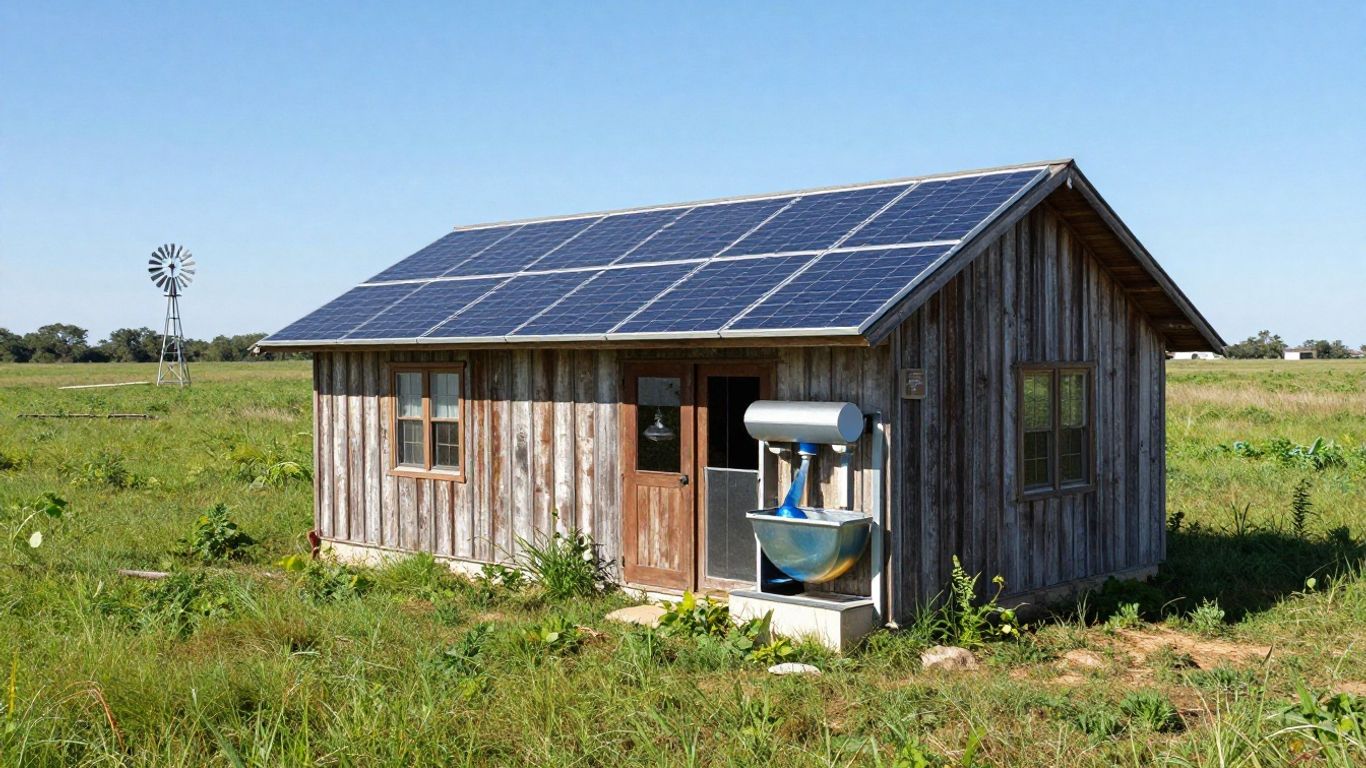
You can go weeks without power, but only a few days without water. A dependable water system turns survival into stability, letting you drink, cook, clean, and grow food without relying on outside sources. Off-grid water independence means building a closed, reliable system that works year-round. You want clean, flowing water when everyone else is waiting for supply trucks.
Rainwater Harvesting and Storage Laws
When the skies open, don’t let that resource go to waste. Rainwater harvesting is one of the simplest, most sustainable ways to secure backup water for your off-grid home. Every inch of rainfall can mean hundreds of gallons saved for drinking, cleaning, or irrigation. It’s a straightforward four-stage process:
- Catchment: Your roof or tarp captures rainfall.
- Conveyance: Gutters and downspouts direct water to storage.
- Filtration: First-flush diverters and mesh screens remove debris.
- Storage: Water is held in sealed barrels, tanks, or underground cisterns.
For your catchment surface, metal or tile roofs are best. Avoid asphalt shingles because they can leach chemicals. A first flush diverter is key; it sends the first few gallons of rain away, washing off dirt and bird droppings. Storage tanks should be food-grade polyethylene, IBC totes, or concrete cisterns for larger setups. Paint tanks dark to block sunlight and prevent algae growth, and keep all collection points screened to deter mosquitoes. Rainwater collection is legal in most U.S. states, though regulations vary. Texas is among the states friendly to rainwater collection, but it’s always wise to check county codes before installing large tanks or irrigation systems.
Drilling Wells and Groundwater Access
If you want true off-grid freedom, start with your own well. A properly drilled and maintained well provides decades of clean, renewable water; it’s one of the smartest investments you can make in long-term resilience. Drilled wells reach deep aquifers, often 100–400 feet down, which are protected from surface contamination and seasonal droughts. This is a much more reliable option than hand-dug wells, which are shallow and vulnerable to pollution and drying up. If you can afford it, always drill deep and drill once. A properly sealed well with a submersible pump can last 30–50 years with minimal upkeep. You’ll want to hire a licensed contractor for drilling unless you have professional equipment. Ensure the well casing is sealed with bentonite to prevent contamination. Once drilled, install a submersible pump or a hand pump backup for power-free access. A hybrid setup, with both electric and manual pumps, offers the best of both worlds. For true water security, consider deep-water wells as your primary, long-term source of groundwater.
Greywater Recycling and Water Purification
Every gallon counts when you live off the grid, and greywater recycling lets you stretch your supply without waste. Greywater is the lightly used water from sinks, showers, and laundry. With the right setup, you can reuse it safely for irrigation or toilet flushing. A standard system involves collection from drain lines, filtration to remove soap scum and particles, and then optional treatment through a sand or biofilter. The treated water can then be pumped or gravity-fed to gardens. It’s important to only use biodegradable soaps and detergents, avoiding bleach or ammonia. Reuse greywater below the surface to prevent odor or contact. Never reuse water from toilets or dishwashers. You can find water almost anywhere off-grid, but you can’t trust it until it’s filtered and purified. Even clean-looking streams or wells can hide bacteria or chemicals. A multi-stage setup, including sediment filters, carbon filters, and UV purifiers, is the gold standard for daily off-grid use. Store filtered water in opaque, food-grade containers only and test your water annually for contaminants.
Water independence is more than just having a source; it’s about creating a resilient, multi-layered system that provides clean water reliably, even when external conditions are challenging. This involves smart collection, safe storage, and effective purification.
Building and Maintaining an Off-Grid Home in Texas
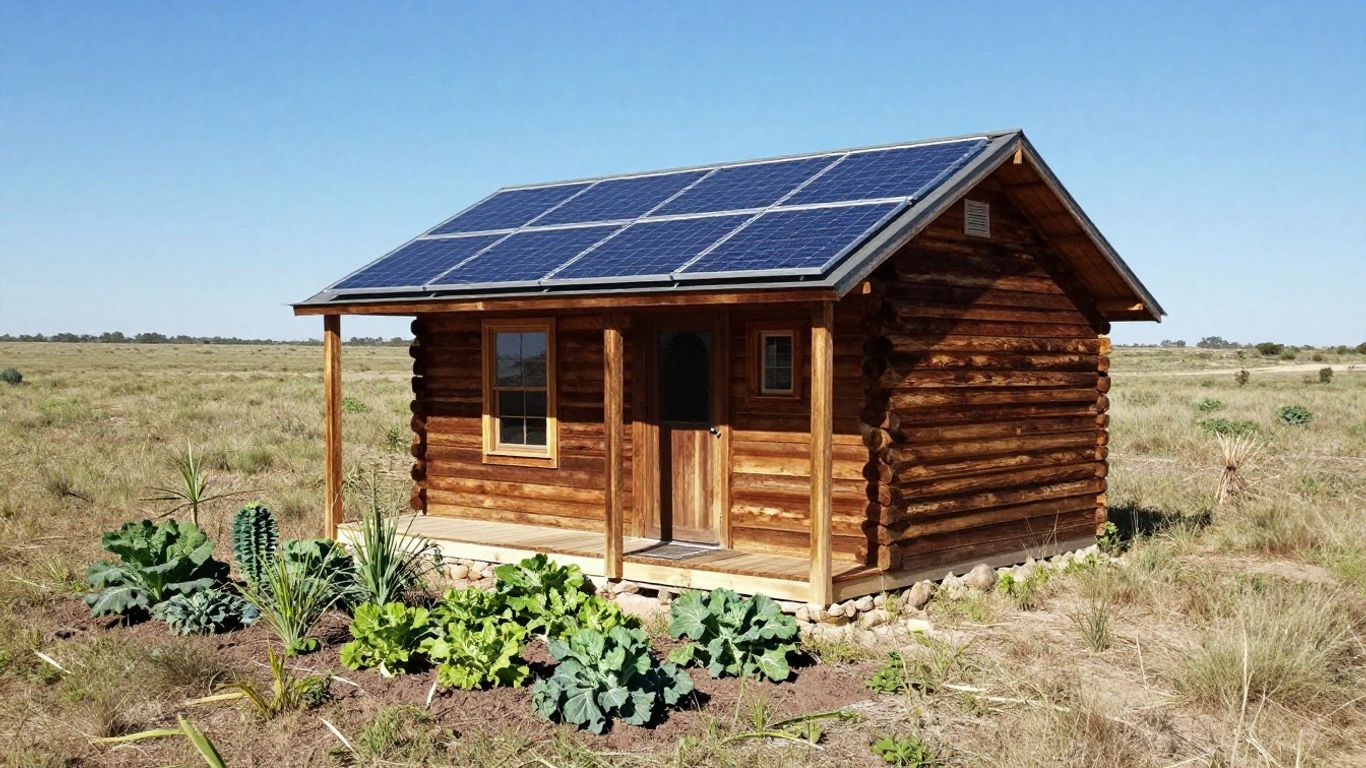
Choosing Structures: Cabins, Containers, and Earthships
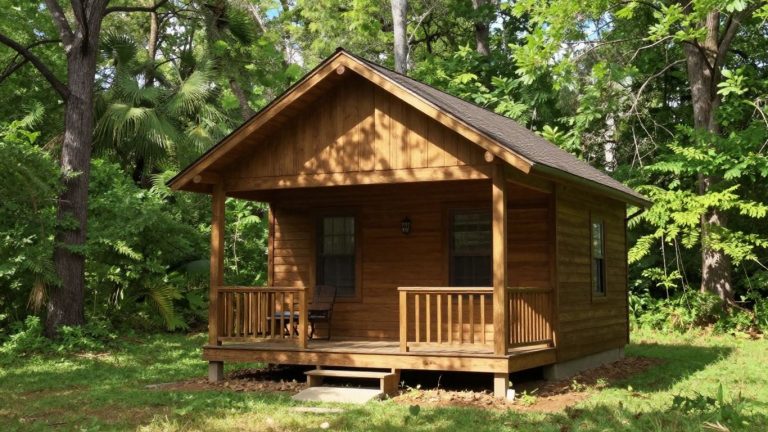
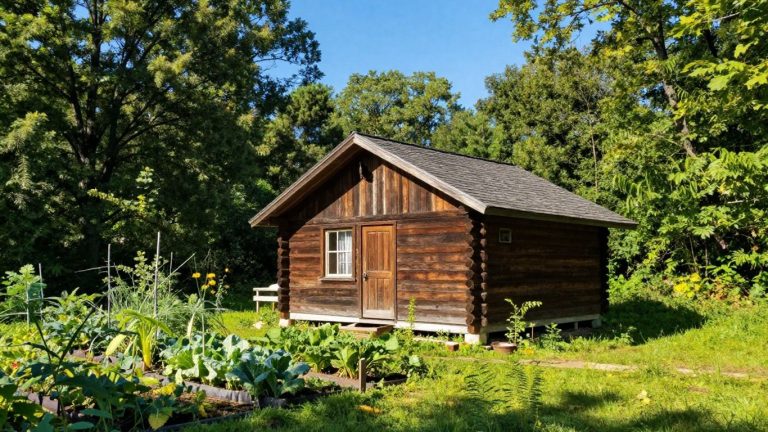
When you’re going off-grid in Texas, the structure you choose for your home is a big deal. It’s not just about looks; it’s about how well it works with your energy and water systems, and how it stands up to our sometimes wild weather. You’ve got options, and each has its own pros and cons. Think about cabins – they’re classic for a reason, often built with local materials and can be quite cozy. Then there are shipping containers, which are becoming popular because they’re sturdy, relatively inexpensive, and can be modified pretty easily. Some folks even go for earthships, which are built using natural and recycled materials, designed to be super energy efficient. The best choice depends on your budget, your DIY skills, and what you want your home to do for you.
Insulation, Cooling, and Ventilation Considerations
Texas heat is no joke, and keeping your off-grid home comfortable without draining your power reserves is a major challenge. Good insulation is your first line of defense. You want walls, roofs, and floors that keep the heat out in the summer and in during the winter. Beyond insulation, ventilation is key. Think about how air moves through your home. Cross-ventilation from windows can help a lot on cooler days. For the really hot months, you’ll need a solid plan for active cooling. Traditional air conditioning units can be power hogs, so many off-gridders look into more efficient options like mini-split systems or even whole-house fans that use less energy. It’s all about finding that balance between comfort and energy use.
Shelter Placement for Safety and Comfort
Where you put your home on your land matters more than you might think. You want to consider things like sun exposure for your solar panels, but also how the structure itself will handle the elements. Placing your home to take advantage of natural shade from trees can make a big difference in cooling costs. You also need to think about drainage – you don’t want your foundation sitting in a puddle after a good Texas rain. And don’t forget about wind. While you might want to catch a breeze for cooling, you also don’t want your home directly in the path of strong gusts. Planning this out early can save you a lot of headaches down the road. It’s worth looking into local building codes and permitting requirements for solar installations if you’re planning any significant electrical work.
Here are some things to keep in mind when choosing a spot:
- Sunlight Access: Maximize solar panel efficiency by avoiding shaded areas, especially during peak sun hours.
- Wind Patterns: Understand prevailing winds for natural ventilation and potential wind turbine placement, but also consider windbreaks for storms.
- Water Runoff: Position your home to prevent water accumulation around the foundation, considering both rainfall and potential drainage from other parts of your property.
- Access: Ensure easy access for construction, deliveries, and everyday living, without compromising privacy or safety.
Building an off-grid home is a long-term project. It requires careful planning and a willingness to adapt. Think about how your structure will interact with the environment and your other off-grid systems. It’s not just about putting up walls; it’s about creating a sustainable living space that works for you in the Texas climate.
Growing and Sourcing Food Off the Grid
When you’re living off the grid in Texas, figuring out how to feed yourself is a big deal. It’s not just about having enough food; it’s about having reliable access to nutritious meals, no matter what’s happening with the outside world. This means getting creative with what you can grow and raise right on your own land.
Year-Round Gardening Techniques in Texas
Texas weather can be a challenge, with scorching summers and occasional freezes. To keep your garden producing all year, you’ll need to think smart. Raised beds can help with drainage and soil temperature. Consider planting heat-tolerant varieties during the summer months, like okra, sweet potatoes, and black-eyed peas. As things cool down, switch to cool-season crops such as spinach, kale, broccoli, and carrots. Using row covers or small hoop houses can extend your growing season into the cooler parts of the year and protect delicate plants from frost. Don’t forget about native Texas plants that are already adapted to the climate and require less fuss.
- Plan for succession planting: Sow seeds for quick-growing crops every few weeks to ensure a continuous harvest.
- Utilize microclimates: Areas near a south-facing wall might stay warmer in winter, while shady spots can offer relief in summer.
- Compost is king: Healthy soil is the foundation of a productive garden. Regularly amending your soil with compost will make a huge difference.
Raising Livestock for Homestead Needs
Livestock can provide a steady source of protein, eggs, and even fertilizer for your garden. Chickens are a popular choice for beginners because they’re relatively easy to care for and provide fresh eggs daily. Ducks are also a good option, often hardier than chickens and good at pest control. For larger homesteads, consider goats for milk and cheese, or rabbits for meat. Building a predator-proof coop or pen is absolutely critical to protect your animals from coyotes, raccoons, and other local wildlife.
Here’s a quick look at some common homestead animals:
| Animal | Primary Output | Space Needed (Approx.) | Care Level |
|---|---|---|---|
| Chickens | Eggs, Meat | 10 sq ft/bird (coop) | Low |
| Rabbits | Meat, Pelts | 3-4 sq ft/rabbit | Low |
| Goats | Milk, Meat | 20-50 sq ft/goat | Medium |
| Bees | Honey, Wax | Small hive footprint | Medium |
Food Preservation and Storage Solutions
Once you’ve grown or raised your food, you need to store it so it lasts. Canning is a fantastic way to preserve fruits, vegetables, and meats for long-term use. You can use a water bath canner for high-acid foods like jams and pickles, or a pressure canner for low-acid foods like vegetables and meats. Dehydrating is another great method, perfect for fruits, herbs, and jerky. Root cellars, which can be simple underground structures, are ideal for storing root vegetables, apples, and other produce that benefits from cool, dark conditions. Learning these preservation techniques is key to true food independence.
Don’t underestimate the power of a well-stocked pantry. It’s your insurance policy against lean times and unexpected shortages. Start small, learn the methods, and gradually build up your reserves.
Waste Management and Sanitation Solutions
When you’re living off the grid in Texas, you become the sole manager of all your household waste. No more relying on municipal services to haul away your trash or treat your sewage. This means waste management isn’t just a chore; it’s a fundamental part of your self-sufficient infrastructure. Thinking about how to handle everything from human waste to kitchen scraps is key to keeping your homestead clean, healthy, and compliant with any local regulations.
Composting Toilets and Septic Systems
For human waste, you’ve got a couple of main options, each with its own set of benefits. Composting toilets are a popular choice for many off-gridders. They work by using aerobic decomposition, essentially speeding up nature’s process to break down waste. You add a carbon-rich material, like sawdust or peat moss, after each use to help with odor control and moisture absorption. The solids and liquids are either separated or combined depending on the model. After a curing period, the finished compost can be safely used on non-edible plants. They’re great for smaller setups and can be surprisingly odor-free if managed correctly.
On the other hand, if you’re looking for a more permanent, automated solution, an off-grid septic system might be the way to go. Wastewater from your home flows into a buried septic tank. Solids settle to the bottom, oils float to the top, and the liquid effluent then moves to a drain field. Here, soil and bacteria work to neutralize contaminants before the water seeps back into the ground. It’s a more involved installation, often requiring professional help, but it’s a robust system for long-term living.
Here’s a quick look at some common choices:
| Toilet Type | Pros | Cons | Best For |
|---|---|---|---|
| Self-Contained Unit | Easy install, low maintenance | Limited capacity | Cabins, RVs |
| Central/Remote System | Large capacity, long service cycle | Higher cost, more plumbing | Full-time homesteads |
| DIY (Bucket + Media) | Ultra low cost, simple design | Requires discipline, frequent emptying | Minimalist setups |
Recycling and Managing Household Waste
Beyond human waste, you’ll need a plan for all your other trash. The best strategy is always to create less waste in the first place. Think about refusing unnecessary packaging, reducing what you buy by purchasing in bulk, and reusing items like jars and containers. Repairing things instead of replacing them also cuts down on waste significantly.
For what’s left, composting is your best friend. Kitchen scraps, yard trimmings, and even animal manure can be turned into valuable compost to enrich your garden soil. Materials like paper, untreated wood, and cardboard can often be safely burned in an outdoor stove or fire pit, providing heat or cooking fuel. Don’t forget about repurposing! Old tin cans can become tool holders, glass jars can store seeds, and wooden pallets can be transformed into furniture or garden beds. In rural Texas, bartering with neighbors for scrap metal or other reusable items is also a common and effective practice.
Key waste reduction principles include:
- Refuse: Say no to single-use items and excessive packaging.
- Reduce: Buy only what you need and in bulk when possible.
- Reuse: Find new purposes for old items.
- Recycle: Separate materials like metal, glass, and certain plastics for collection or trade.
- Rot: Compost all organic matter.
Managing waste off-grid is about closing the loop. Every item should ideally have a purpose, whether it’s feeding your garden, providing fuel, or being repurposed into something new. This approach not only minimizes what you have to deal with but also makes your homestead more efficient and sustainable.
Eco-Friendly Wastewater Treatment
When we talk about wastewater, we’re usually referring to ‘greywater’ – the water from sinks, showers, and laundry, which is less contaminated than ‘blackwater’ from toilets. Reusing greywater is a smart way to conserve water on your off-grid Texas homestead. A basic greywater system collects this water, filters out soap scum and particles, and then directs it for reuse. Some systems might include a simple sand or biofilter to further clean the water and reduce odors.
The most important rule for greywater reuse is to use only biodegradable soaps and detergents. Avoid anything with bleach, ammonia, or high levels of boron, as these can harm plants and soil. It’s also best to apply greywater below the surface of the soil, like with drip irrigation, to prevent any odors and direct contact. You should never reuse water from toilets or dishwashers, as these are considered blackwater or contain food waste that can cause issues.
- Collection: Water from showers, sinks, and washing machines is gathered.
- Filtration: Basic filters remove solids and soap.
- Treatment (Optional): A simple filter bed or reed system can improve water quality.
- Reuse: Treated water is used for irrigating non-edible plants or flushing toilets.
Always check your local Texas regulations regarding greywater systems, as some areas have specific guidelines for safe installation and use. Proper plumbing and clear labeling are usually required to ensure the system is used correctly and safely.
Embracing the Off-Grid Lifestyle and Community
So, you’ve figured out the power, water, and shelter. Now comes the part that’s less about nuts and bolts and more about you: actually living this off-grid life. It’s a big shift, no doubt about it. You’re trading convenience for independence, and that’s a trade-off that changes your daily rhythm.
Adapting to Self-Reliance and Daily Routines
This isn’t just about flicking a switch for lights anymore. Every resource you use – water, power, even heat – comes from your own efforts. This means you’ll be spending more time maintaining systems, planning ahead, and being mindful of consumption. Think of it like running your own small business, where you’re the CEO, the janitor, and everything in between. It can be tiring, sure, but there’s a deep satisfaction in knowing you’re capable of handling things yourself. The biggest change is often a mental one: shifting from a consumer mindset to a producer and manager mindset. You learn to appreciate things differently when you’ve put in the work to get them.
- Morning Check-ins: Start your day by checking battery levels, water tank status, and any garden needs. It’s a routine that grounds you.
- Resource Management: Be conscious of how much power you’re using, especially on cloudy days. This might mean adjusting your schedule or deferring certain tasks.
- Skill Development: You’ll constantly be learning. Whether it’s fixing a leaky pipe or figuring out why the solar panels aren’t performing optimally, there’s always something new to master.
Living off-grid means your life keeps running when the grid doesn’t. It’s about building resilience into your everyday existence, making you less vulnerable to external disruptions.
Building Connections with Off-Grid Neighbors
While self-reliance is key, community is just as important, especially out here. You might think off-grid living means total isolation, but that’s usually not the case. Your neighbors, whether they’re also off-grid or just rural dwellers, can become your greatest asset. Sharing knowledge, tools, or even just a helping hand during tough times makes a huge difference. Think potlucks, tool-sharing days, or simply checking in on each other. These connections are vital for support and for maintaining a sense of belonging. You might even find that some of your neighbors have been doing this for years and have a wealth of experience to share. It’s a good idea to get to know the local landscape and who’s around; you might be surprised at the camaraderie you find, even in remote areas. For those looking at properties in the Hill Country, you can explore how modern luxury can blend with self-sufficiency.
Legal, Financial, and Tax Considerations
This is where things can get a bit tricky, and it’s something you absolutely need to look into before you buy land or start building. Regulations vary wildly from county to county, and even from one piece of property to another. You’ll need to understand zoning laws, building codes (or lack thereof, in some places), and any restrictions on things like rainwater harvesting or waste disposal. Financially, going off-grid can save you money on utility bills, but the upfront costs for systems can be substantial. You’ll also want to understand how your property is taxed and if there are any specific agricultural exemptions or other benefits available to homesteaders. Don’t assume anything; do your homework. It’s worth talking to local officials and perhaps even consulting with a legal professional who understands rural land use in Texas. Being prepared legally and financially will save you a lot of headaches down the road.
Ready to Live Free in Texas?
So, you’ve learned a lot about making the move to off-grid living here in Texas. It’s a big change, for sure, but it really does offer a unique kind of freedom. Think about it: less reliance on outside services, a closer connection to the land, and the satisfaction of providing for yourself. Texas, with its wide-open spaces, sunny skies, and generally welcoming attitude towards self-sufficiency, seems like a pretty good spot to make this dream a reality. It’s not always easy, and there’s a learning curve, but the rewards of living a more independent life out here can be really significant. If you’re feeling inspired, now might be the time to start planning your own Texas off-grid adventure.
Frequently Asked Questions
What makes Texas a good place for off-grid living?
Texas is a great spot for living off the grid because it has lots of land that’s not too expensive. The weather is usually sunny, which is perfect for solar power, and there are plenty of natural resources like wind and water. Plus, the state’s rules often make it easier for people who want to be independent from utility companies.
How do I get electricity when living off the grid in Texas?
Most off-grid homes in Texas use solar panels to catch sunlight and turn it into electricity. You’ll also need batteries to store the power for cloudy days or at night. Some people also use wind turbines or generators as backup power sources.
What are the rules about collecting rainwater in Texas?
Good news! Texas generally allows you to collect rainwater for your home. There aren’t many restrictions on using rain barrels or larger systems to gather water from your roof. It’s a smart way to get water for your off-grid life.
Can I really grow all my own food in Texas while living off the grid?
Yes, you can! Texas has different kinds of weather across the state, so you can grow many types of plants. With good gardening methods, you can have fresh food all year. Raising animals like chickens can also provide eggs and meat.
What’s the deal with toilets and waste when you’re off the grid?
Instead of regular toilets that use a lot of water, many off-grid homes use composting toilets. These turn waste into fertilizer for your garden. For other wastewater, like from sinks and showers, you might use a septic system or other eco-friendly methods to clean it up.
Is it hard to get used to living off the grid?
It can be a big change! You become more aware of how much power and water you use. Instead of just paying bills, you’re actively managing your home’s systems. But many people find this connection to their resources and the self-reliance very rewarding.
Explore more tiny home living, design, downsizing, building, and lifestyle resources.
- Tiny Homes for Rent in Wyoming: Wild West Getaways to Book
- Tiny Homes for Rent in Washington: Forest Escapes & Cozy Stays
- Tiny Homes for Rent in Utah: Red Rock Retreats to Book
- Tiny Homes for Rent in Oregon: Forest Retreats You’ll Love
- Tiny Homes for Rent in New Mexico: Desert Gems & Starry Skies
- Tiny Homes for Rent in Nevada: Desert Hideaways Worth Booking