Exploring Off-Grid Living in Maryland: A Comprehensive Guide

Thinking about ditching the grid in Maryland? It’s a big step, and honestly, it can feel a bit overwhelming at first. You’re probably wondering about all the rules, where to even find land, and how you’ll actually live day-to-day without your usual hookups. Well, you’re in the right place. This guide is here to break down what you need to know about off grid living Maryland, from the legal stuff to making it all work for you. Let’s get started.
Key Takeaways
- Understand Maryland’s specific zoning laws and building codes for off-grid properties to avoid surprises.
- Properly vet potential land parcels, including surveys and environmental checks, before purchasing.
- Plan your home’s energy and water systems carefully, considering daily consumption and sustainable materials.
- Obtain all necessary permits and be prepared for inspections throughout the building process.
- Embrace sustainable living practices and connect with local communities for a rewarding off-grid experience.
Understanding Off-Grid Regulations in Maryland
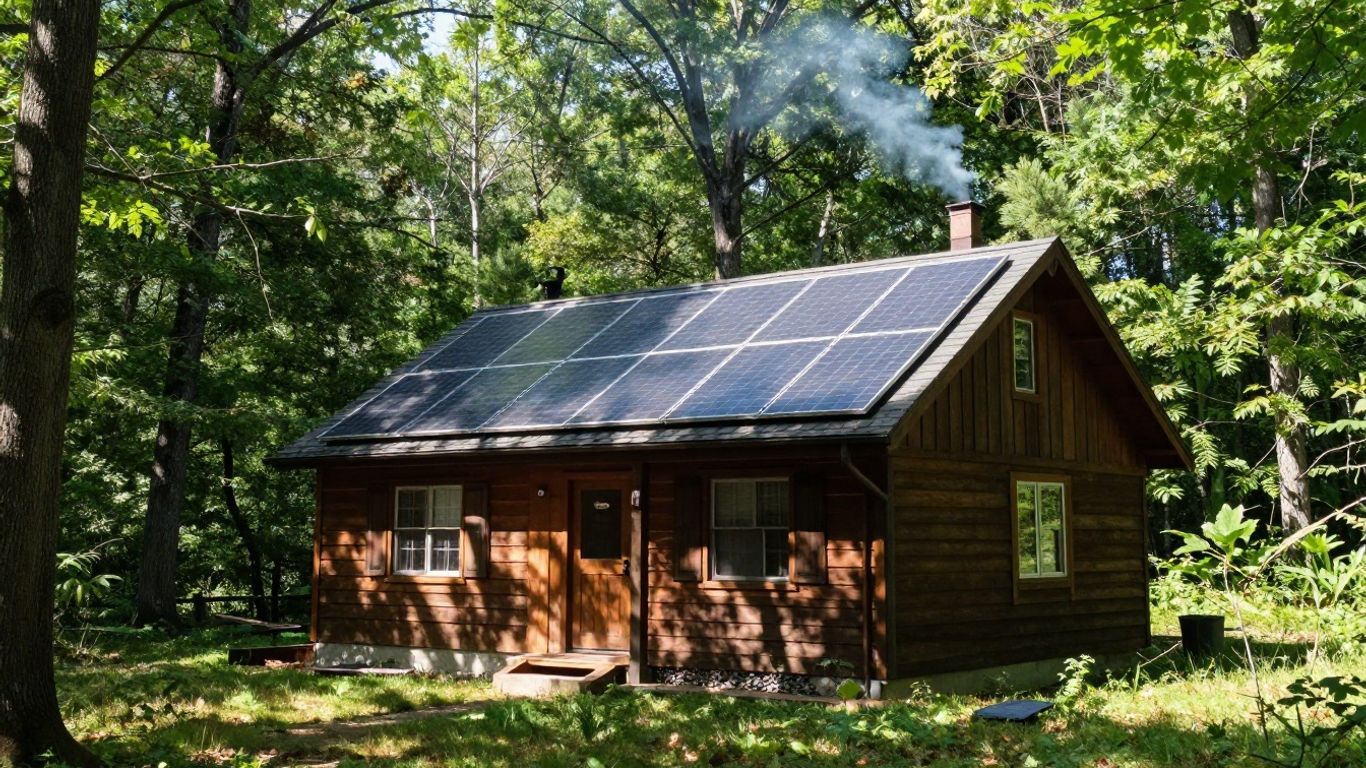
Thinking about living off the grid in Maryland? It’s a cool idea, right? But before you start dreaming about solar panels and rainwater barrels, you really need to get a handle on the rules. Maryland, like any state, has its own set of regulations that can make or break your off-grid plans. It’s not just about being independent; it’s about doing it legally and safely.
Definition Of Off Grid Living
So, what exactly is off-grid living? Basically, it means you’re not hooked up to the usual public utilities. We’re talking electricity from your own solar panels or wind turbines, water from a well or collected rainwater, and managing your own waste. It’s a lifestyle choice focused on self-sufficiency and often, a smaller environmental footprint. It’s about taking control of your resources.
Overview Of Maryland’s Legal Framework
Maryland’s approach to off-grid living is a patchwork of state laws, county rules, and sometimes even town ordinances. There isn’t one single
Finding the Perfect Off-Grid Property
So, you’re ready to ditch the grid and find your own little slice of self-sufficient heaven in Maryland. That’s awesome! But where do you even start looking for land that’s suitable for off-grid living? It can feel like a big task, but breaking it down makes it way more manageable. Let’s get into it.
Define Your Needs and Wants
Before you even start scrolling through listings, take a moment to really think about what you’re after. What does your ideal off-grid life look like? How much space do you actually need? Are you picturing a cozy cabin on a few acres, or do you want enough land to really get into farming? Consider these points:
- Size: How many acres are you comfortable with? More land means more possibilities for gardens, animals, and energy generation, but also more upkeep. Don’t forget to check local rules about building size and setbacks.
- Location: Do you want to be deep in the woods, near a lake, or maybe on a rolling hillside? Think about how close you want to be to towns for supplies, or if you prefer total seclusion. Access roads are important too – can you get there easily, especially in bad weather?
- Topography: Is the land flat, or does it have steep slopes? This really matters for building, how water drains, and where you’ll put solar panels.
- Water: This is a big one. Does the property have a well, a stream, or access to a pond? Reliable water is non-negotiable for off-grid living.
- Soil: If you plan on growing food, the soil quality is key. A simple soil test can tell you a lot.
Property Survey
Once you’ve got a few potential properties in mind, it’s time to get serious. A property survey is super important. It officially marks the boundaries of the land. This helps avoid any future disputes with neighbors about where your property line actually is. It’s a small step that can save you a lot of headaches down the road.
Title Search
Next up is the title search. This is basically a deep dive into the property’s history to make sure the seller actually owns it and that there aren’t any hidden claims or liens against it. You want to be sure you’re getting clear ownership. This usually involves a title company or an attorney.
Environmental Assessment
It’s also wise to look into any environmental factors. Are there any wetlands on the property? Is the soil contaminated from previous use? Are there any protected species living there that might affect what you can do? Sometimes, you might need to bring in an expert to check things out, especially if the land has a history of industrial use or is near a potential pollution source. Knowing the environmental conditions upfront can prevent costly surprises later.
Doing your homework on the land itself is just as important as figuring out the off-grid systems. You’re not just buying dirt; you’re buying a place to live, and you want it to be safe, legal, and suitable for your dreams.
Building Sustainable Off-Grid Homes
Daily Life and Electricity Consumption
Living off the grid means you’re in charge of your own power. It’s not like flipping a switch and having endless electricity. You really need to think about how much power you use every single day. What appliances are running? How long are they on? Most folks who go off-grid choose super energy-efficient appliances and LED lights. It just makes sense to reduce the demand on your power system, especially if you’re running things like a home office or homeschooling equipment. Planning for these daily needs is key.
Here’s a rough idea of what some common things might use:
| Appliance | Average Consumption per Day |
|---|---|
| LED Light Bulb | 0.01 – 0.1 kWh |
| Refrigerator | 1 – 4 kWh |
| Laptop | 0.02 – 0.05 kWh per hour |
| Water Pump | 0.5 – 1 kWh |
Building Materials
When you’re building a home that’s meant to be self-sufficient, the materials you pick really matter. Think about insulation – you want to keep the heat in during the winter and out during the summer without using a ton of energy. Some people go for smaller homes, like tiny houses, because they naturally need less energy to heat and cool. It’s all about reducing your footprint and working with what you can generate. You might also look into using recycled or locally sourced materials. It’s a big part of living in harmony with your surroundings.
Choosing the right building materials is a balancing act between cost, durability, insulation, and environmental impact. It’s worth spending time researching options that fit your specific climate and budget.
Rainwater Collection Systems
Water is just as important as power when you’re off the grid. Setting up a good rainwater collection system is a smart move. This usually involves gutters, downspouts, and storage tanks. You’ll want to make sure your system is designed to collect enough water for your needs, especially during drier months. Many people also pair this with solar-powered water heaters to further reduce reliance on external energy sources. It’s about creating a closed-loop system where you’re managing your own resources effectively.
Navigating Legalities and Permits
So, you’re thinking about going off-grid in Maryland? That’s awesome! But before you start dreaming about your solar panels and rainwater barrels, we’ve got to talk about the paperwork. It’s not the most exciting part, I know, but it’s super important to get this right so you don’t run into trouble later.
Permitting Process
Getting the right permits is basically your ticket to building legally. It’s like getting permission slips for your house and all its cool off-grid features. You’ll likely need a few different kinds:
- Building Permits: These cover the actual structure of your home. Think about foundation, framing, roofing – all that good stuff. The local building department wants to make sure your place is safe and sound.
- Electrical Permits: If you’re installing solar or any other power system, you’ll need this. It ensures your wiring is up to code and won’t cause any fires. Maryland is really pushing for clean energy, so understanding residential solar options is a good idea.
- Plumbing/Septic Permits: If you’re setting up your own water and waste systems (and you probably are if you’re off-grid!), you’ll need permits for those too. This is all about protecting public health and the environment.
- Zoning Permits: Sometimes, you need a specific permit just to confirm your land use plan fits with the local zoning rules. It’s a way for the county to say, "Yep, an off-grid home is okay here."
The actual application process can feel like a maze. You’ll usually have to submit detailed plans of what you want to build, pay some fees, and sometimes even attend meetings. It’s best to talk to your local county planning or building department early on. They can tell you exactly what they need. Don’t be shy about asking questions; they’re there to help you figure it out.
Dealing with permits can be a bit of a headache, but it’s way better to do it right from the start. It saves you from having to tear things down or pay big fines down the road. Think of it as an investment in peace of mind.
Inspections
Once you start building, you’ll have inspections. These are basically check-ups to make sure you’re following the approved plans and building codes. You can’t just cover everything up and hope for the best! Usually, you’ll need inspections at different stages, like after the foundation is poured or when the framing is up, before you put up drywall. Your permit will have a list of required inspections. It’s your responsibility to schedule them. Missing an inspection can cause delays, so keep track of when they’re needed.
Homeowners Association (HOA) Rules
This one can be a real curveball. If your property is part of a Homeowners Association, you have to check their rules. Some HOAs have very strict guidelines about what you can and can’t do, even if it’s legal in the county. They might have rules about things like exterior appearance, satellite dishes, or even where you can park your vehicles. It’s crucial to get a copy of the HOA’s Covenants, Conditions & Restrictions (CC&Rs) and read them carefully before you buy or start building. Sometimes, off-grid features might be a no-go, or you might need special permission.
Phased Approach To Construction
Look, building an off-grid home is a big project, and sometimes it’s too much to do all at once, especially with permits and inspections. A phased approach can make it more manageable. Maybe you start with getting the basic structure up and a temporary power source, then work on the water system, and later add more solar capacity. This way, you can live on your property sooner and tackle projects as you have the time and money. Just make sure each phase still follows the permit requirements. It’s a smart way to build your off-grid dream step-by-step.
Embracing the Off-Grid Lifestyle
Sustainable Living Practices
So, you’ve made the big move and are living off the grid in Maryland. Awesome! Now, let’s talk about making this lifestyle work day-to-day. It’s all about being smart with what you have. Think about growing your own food. Even a small garden can make a big difference, giving you fresh veggies and herbs. You can learn about what grows well in Maryland’s climate and maybe even try some heirloom varieties. Don’t forget composting; it’s like magic for your garden soil, turning kitchen scraps and yard waste into something super useful. And water? It’s precious. Collecting rainwater is a must, and using it wisely, maybe with a drip irrigation system for your garden, saves a lot. The whole idea is to produce less waste, reuse what you can, and recycle anything that’s left. It’s a bit of a learning curve, but it feels good to be so connected to your resources.
Connecting With The Community
Living off-grid doesn’t mean you have to be a hermit. In fact, connecting with your local community can be really rewarding. You might find that other folks in your area are also living off-grid or have similar interests in self-sufficiency. Sharing tips, trading goods, or even just having a neighbor to chat with makes a big difference. It’s easy to feel isolated when you’re out on your own, so making an effort to be part of the local scene is important. Think about joining local groups or attending town events. It’s a great way to feel grounded and supported.
Local Farmer’s Markets
Farmer’s markets are a fantastic resource when you’re living off-grid. They’re not just places to buy fresh produce; they’re hubs for local connection. You can find amazing seasonal fruits and vegetables, often grown by people who are passionate about sustainable farming. It’s a chance to support local growers and get the freshest food possible. Plus, you’ll often find unique items like local honey, handmade crafts, or baked goods. Chatting with the vendors can also give you insights into local growing conditions or new recipes. It’s a win-win: you get great food, and you support your local economy.
Living off-grid is a journey of learning and adapting. It’s about finding a rhythm with nature and becoming more aware of your consumption. While it requires effort, the sense of independence and connection to the environment is incredibly fulfilling.
The Rewards of Off-Grid Living
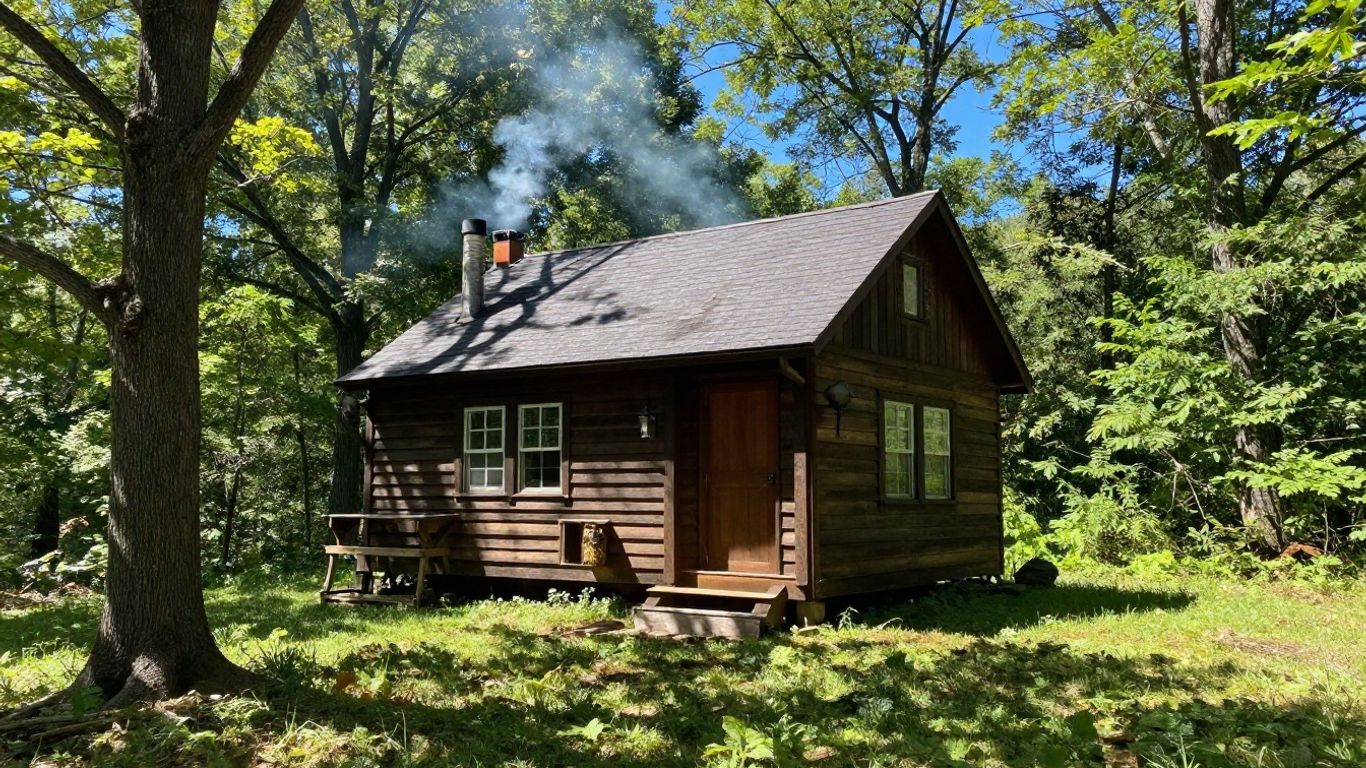
So, you’re thinking about ditching the grid? It’s a big step, for sure, but the payoff can be pretty amazing. For starters, there’s the sheer freedom that comes with it. You’re not tied to utility companies or their monthly bills. You get to make your own decisions about how you live, what resources you use, and when you use them. It’s a level of independence that’s hard to find these days.
Freedom and Independence
This independence isn’t just about not paying bills, though that’s a nice perk. It’s about self-reliance. You learn to fix things yourself, manage your own power, and source your own water. It builds a confidence that’s really satisfying. You become the master of your own domain, so to speak.
Sustainability
Living off-grid often means living more lightly on the planet. You’re likely using renewable energy sources like solar or wind, and you’re probably more mindful of your water usage and waste. It’s a direct way to reduce your environmental footprint. Think about it: less reliance on fossil fuels, less waste going to landfills. It feels good to know you’re doing your part.
Cost Savings
While the initial setup can be an investment, the long-term savings can be substantial. No more electricity bills, no more water bills, and potentially lower property taxes depending on where you are. Over time, these savings can really add up, freeing up money for other things you enjoy.
Here’s a rough idea of potential savings:
| Utility | Typical Monthly Bill (Grid-Tied) | Off-Grid Savings (Estimated) |
|---|---|---|
| Electricity | $150 – $300+ | 100% |
| Water | $50 – $100+ | 100% (if self-sourced) |
| Sewer/Septic | $40 – $80+ | 100% (if self-managed) |
Note: These are estimates and can vary widely based on usage and location.
Health Benefits
There’s something about being closer to nature that just feels good. Growing your own food means you’re eating fresher, healthier meals. You’re likely spending more time outdoors, getting fresh air and exercise. Plus, the reduced stress from not being constantly connected to the hustle and bustle of modern life can do wonders for your well-being. It’s a simpler, often quieter, way of life.
The shift to off-grid living encourages a more deliberate pace, fostering a deeper connection with natural cycles and personal needs. It’s about intentionality in daily actions, from energy use to food consumption.
It’s not always easy, mind you. There’s a learning curve, and you’ll definitely face challenges. But for many, the rewards of living a more independent, sustainable, and connected life are well worth the effort.
Your Maryland Off-Grid Adventure Awaits
So, you’ve looked into finding land and figured out some of the rules for living off the grid in Maryland. It’s definitely a big step, and yeah, there’s a lot to think about, from permits to how you’ll power your place. But honestly, the idea of living a bit more simply, being more connected to nature, and having that sense of independence? That’s pretty appealing. Maryland offers a nice mix of quiet country living with access to cities, and a climate that works for growing your own food. It’s not always going to be easy, but with some planning and a willingness to learn, you can totally make this off-grid dream a reality. Go for it, and enjoy the journey!
Frequently Asked Questions
What exactly is off-grid living in Maryland?
Off-grid living means you’re not connected to the main power, water, or sewer lines. You’ll generate your own electricity, get your own water, and handle your own waste, living more independently from public utilities.
Do I need special permission to live off the grid in Maryland?
Yes, you usually need permits for building and sometimes for things like water collection or waste systems. It’s important to check with your local county or town because rules can be different everywhere in Maryland.
What are the biggest challenges when living off-grid?
Some challenges include figuring out all the rules and getting permits, the initial cost of setting up your own systems (like solar panels or wells), and making sure your home meets safety standards. It can also take some getting used to managing your resources carefully.
How much electricity do I need to plan for?
It depends on what you use! Things like lights, refrigerators, and pumps use power. It’s smart to pick energy-saving appliances and figure out how much power you’ll use each day so you can set up a system that can handle it.
Can I build my own house off-grid?
Many people do build their own homes off-grid. You can choose to do it yourself or hire professionals. Sometimes, building a smaller home, like a tiny house, can make it easier and use fewer resources.
What are the benefits of living off-grid in Maryland?
Living off-grid can give you more freedom and independence, help you live more sustainably, potentially save you money on utility bills over time, and offer a healthier lifestyle connected to nature.
Explore more tiny home living, design, downsizing, building, and lifestyle resources.