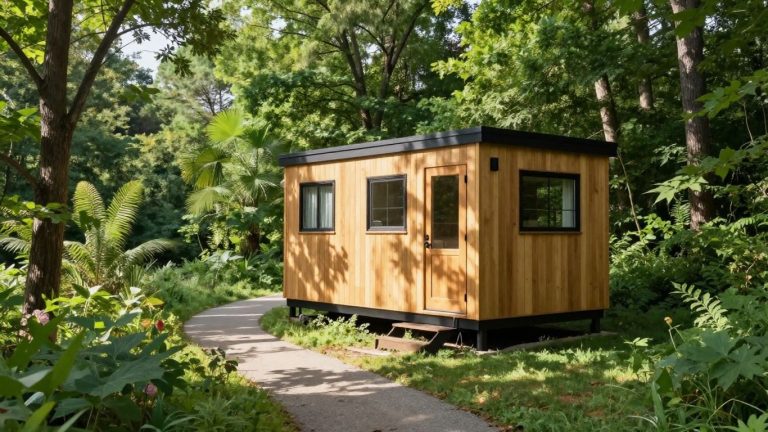
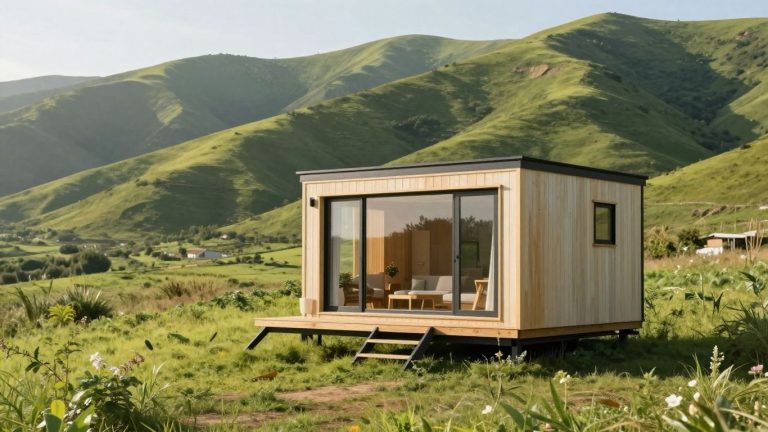
Tiny Homes for Rent in Minnesota: Cozy Northwoods Escapes

A tiny home in Minnesota can give you a cozy place to unwind after a day by the lake, a walk among the pines, or a drive through a small town. These compact stays range from simple cabins to thoughtfully arranged homes, so the right fit depends on where you want to go and what comforts you need.
Finding a good rental takes more than choosing a scenic photo. This tiny home rentals guide will help you compare locations, understand what listings may include, plan around Minnesota weather, and check the details before you book.
Start with the kind of trip you want, then explore what to look for in a Minnesota tiny-home rental.
Key Takeaways
- Tiny homes for rent in Minnesota range from simple cabins to compact, well-equipped stays, so compare amenities with your travel needs.
- Choose a location that fits your plans, whether you want lake access, forest trails, or a base near a small town.
- Before booking, check sleeping arrangements, bathrooms, kitchen access, heating, parking, and any cleaning or pet fees listed.
- Minnesota weather can shape your stay, especially in winter, so confirm seasonal access and heating; the Minnesota DNR’s winter camping guidance offers useful planning context.
Tiny Homes for Rent in Minnesota: What You’ll Find
A Minnesota listing labeled “tiny home” can describe a purpose-built small house, a compact cabin, or a converted structure. The name alone doesn’t tell you what the space includes, so look at the layout, amenities, and property description before comparing nightly rates.
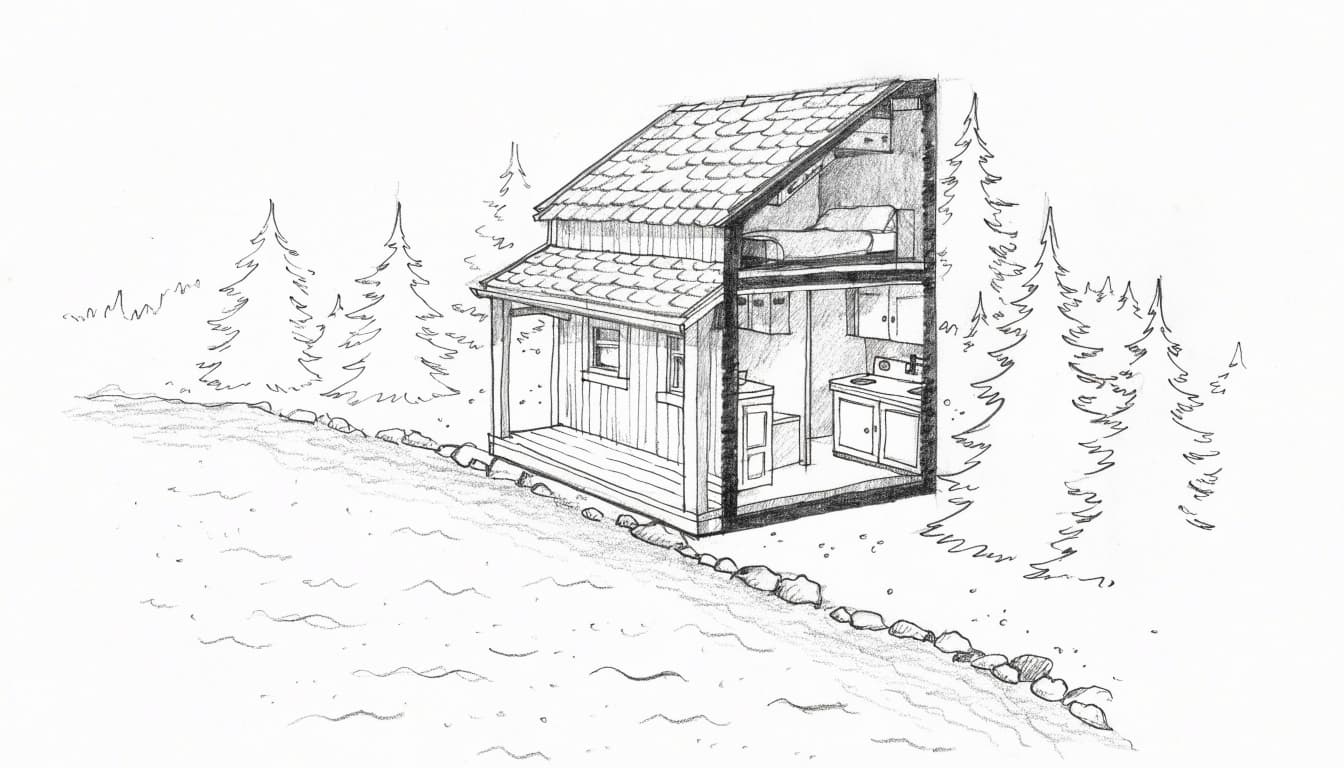
Compact homes with everyday amenities
Some rentals have the features travelers expect in a small home: an enclosed living area, a bed or sleeping loft, a kitchenette, and a private bathroom. Others keep the setup simpler, with limited cooking equipment or shared facilities nearby. Even two listings with similar photos may differ in whether they provide running water, a shower, heat, air conditioning, or indoor dining space.
Because square footage is limited, the layout matters as much as the amenity list. A loft bed may require a steep ladder, while a sofa bed can leave little room to move once opened. Check how many guests the sleeping setup suits, whether linens are included, and where you can store luggage. If you plan to cook, confirm which appliances and utensils are available rather than assuming the kitchenette is fully equipped.
Cabins, camper cabins, and converted stays
Minnesota also has small rentals that feel rustic rather than residential. A simple cabin may offer a bed, electricity, and a porch, while guests use an outdoor restroom or a shared bathhouse. Meanwhile, a converted shed, studio, or other small structure may have a private bathroom but very little kitchen space. These options can make a pleasant base for a weekend, but they aren’t interchangeable with a fully equipped tiny house.
State park lodging has its own categories, including camper cabins, yurts, and guest houses, as the Minnesota DNR’s lodging guide explains. A camper cabin is a specific type of park accommodation, not a catchall term for every small rental. Review the individual listing for details such as electricity, heating, bathroom access, and what you need to bring.
Match the property to your trip
For a low-key getaway, a basic cabin near trails or water may provide all the shelter you need. If you want to prepare meals, spend time indoors, or travel with children, prioritize a private bathroom, useful kitchen equipment, and enough sleeping space. Pet policies and access can also vary, so check whether the property has stairs, a loft ladder, or a long walk from parking.
In short, treat “tiny home” as a broad listing label, then judge each stay by its actual setup. Clear details about beds, utilities, cooking, and bathrooms help you choose the right kind of small space for your Minnesota trip.
Where Can You Rent a Tiny Home in Minnesota?
The best place to look depends on the kind of getaway you have in mind. Search by region first, then compare individual listings by their exact location, nearby activities, and drive times. These areas offer useful starting points, but a search region doesn’t guarantee tiny-home rentals are available there.
North Shore and Duluth
For Lake Superior views, rocky shoreline, and access to hiking, look along the North Shore, including areas near Duluth, Two Harbors, and farther north toward Grand Marais. Duluth gives you a larger city base, while smaller communities offer a quieter setting and easier access to scenic stops. Explore Minnesota’s North Shore itinerary covers the route from Duluth to Grand Portage, a useful reference when deciding how far north to search.
Check the listing’s distance from the lake and the places you plan to visit. A property described as being on the North Shore may still require a drive to reach a beach, trailhead, or town.
Brainerd Lakes region
The Brainerd Lakes area suits travelers who want a cabin-style stay near lakes, boating, parks, or golf. Search around Brainerd and nearby communities, then check whether a rental offers direct water access or simply sits within driving distance. The area’s activities and lakes are spread across a broad region, so the map location matters as much as the destination name.
Browse the Brainerd Lakes activity guide to see what you might want to do nearby. Then compare the drive from each listing to your planned activities, especially if you expect to make several trips during your stay.
Boundary Waters gateway towns
Ely and other gateway communities make a practical base for travelers planning time near the Boundary Waters Canoe Area Wilderness. Search these towns if paddling, fishing, or exploring the Northwoods is central to your trip. Ely’s visitor site describes the town as a starting point for Boundary Waters and Northwoods adventures, and its Ely travel information can help you plan around local activities.
However, a listing’s proximity to Ely doesn’t automatically mean it sits near a wilderness entry point. Check the address and route to your intended access point, and confirm whether you need permits or other trip arrangements for your plans.
Within reach of the Twin Cities
If you want a short drive from Minneapolis or St. Paul, search towns and rural areas outside the metro rather than limiting results to the city itself. This approach can turn up small stays near parks, lakes, and quieter communities while keeping the drive manageable. Explore Minnesota’s Twin Cities day-trip guide offers ideas for nearby areas to consider.
Before booking, check the actual route and expected drive time from your starting point. A rental may appear close on a regional search page but sit much farther from the metro than its listing title suggests.
Compare the exact location before booking
Treat regional names as search filters, not guarantees about a property’s setting. Review the map, read the full description, and look up distances to the activities that matter to you. Also consider how far you’ll need to drive for groceries, dining, or fuel, especially if the rental sits outside a town. A well-placed tiny home can make the trip easier, but the address and your itinerary should fit each other before you reserve.
Choose a Minnesota Tiny Home for Your Season and Travel Style
The right rental depends on more than the view. Minnesota’s seasons can change what you need indoors and how comfortable you’ll feel getting to the property. Match the home to your plans, travel group, and tolerance for rustic conditions before booking.
Plan around the season
In summer, a tiny home near a lake or trail can make a convenient base for days outdoors. If you expect warm afternoons, ask whether the rental has air conditioning, fans, or shaded outdoor space. Also check whether the property offers the water access or outdoor features you want; a location described as “near a lake” may still require a drive.
Fall draws visitors for changing leaves and cooler days. Since color varies by location and timing, use the Minnesota DNR’s Fall Color Finder when planning dates. Then check whether the home’s heat is available during your stay, especially if you expect chilly evenings.
Winter calls for closer attention to heating, road access, and parking. Ask what type of heat the home has, whether guests control the thermostat, and if the driveway or walkway gets cleared after snow. For a broader sense of the state’s seasonal climate, the Great Lakes Integrated Sciences and Assessments overview describes Minnesota’s hot summers and cold winters.
Spring can bring changing temperatures and wet conditions, so confirm that the property is open for your dates and ask about the route from parking to the door. A short outdoor walk may feel very different with muddy ground or rain. In every season, check the listing’s recent updates rather than assuming a feature will be available.
Match the layout to your group
A couple on a weekend trip may be comfortable in a loft-style home with a compact kitchenette. Families, older travelers, or anyone carrying bulky gear may prefer a ground-floor bed, a private bathroom, and a little more room to move. Read the sleeping details closely, since a stated guest capacity doesn’t always mean everyone gets a separate bed.
Before reserving, ask practical questions that photos may not answer:
- Does the rental have working heat and, if needed, air conditioning?
- Can you park close to the entrance, and is parking available year-round?
- Are there stairs, a loft ladder, or uneven paths to reach the home?
- Which beds are full-size, and does any sleeping space require climbing?
- What seasonal access issues should guests expect on the driveway or approach?
These details matter even more when traveling with children, pets, or anyone with limited mobility. If you plan to spend long hours indoors, prioritize comfortable sleeping arrangements and reliable climate control. For a trip centered on outdoor time, you may be content with a simpler space, as long as the access and amenities fit your plans.
Ultimately, compare the listing against the trip you actually want, not an idealized version of the property. A clear answer about heating, access, parking, and beds can help you choose among tiny homes for rent in Minnesota with fewer surprises after arrival.
What a Tiny Home Costs and What to Check Before Booking
Tiny-home rental prices in Minnesota vary by location, travel dates, and what the property includes. Compare the full cost for your exact dates, then check the booking terms and practical details before you pay.
Compare the full price, not just the nightly rate
A rental near a popular North Shore destination or busy lake area may cost differently from a similar-sized home farther from major attractions. Dates matter, too. Summer weekends and holiday periods can price differently from quieter weekdays or shoulder-season stays, so compare the same dates across several listings.
Amenities and booking rules also affect what you pay. A private bathroom, full kitchen, waterfront setting, or other included features may influence the rate. Some hosts require a minimum stay, which can raise the total even when the nightly price looks appealing. When comparing options, divide the full trip cost by the number of nights to see how the overall price works out.
Cleaning fees, taxes, and platform charges can change the checkout total. Review the itemized price before booking, and compare listings using the same dates and guest count. The FTC’s overview of lodging fee disclosures explains its rule on displaying total prices for short-term lodging. Don’t rely on a search-page rate when the final amount is what matters to your budget.
Check these details before you reserve
A few minutes spent reading the listing can prevent an uncomfortable surprise at arrival. Confirm the points below against your plans:
- Reviews: Read recent guest feedback, especially comments about cleanliness, noise, heating, access, and whether the home matched its listing.
- Cancellation terms: Check the deadline for a refund and any restrictions tied to your dates. Policies can differ by listing and booking platform; Airbnb, for example, outlines its options in its home cancellation policy guide.
- Check-in: Confirm the arrival window, how you’ll get inside, and whom to contact if you arrive late or have trouble accessing the property.
- Utilities: Verify what’s available and working during your stay, including heat, hot water, electricity, air conditioning, and internet if you need it.
- House rules: Look for quiet hours, pet restrictions, smoking rules, guest limits, and any checkout or cleaning tasks.
- Photos and layout: Compare the pictures with the written description. Make sure the bed setup, bathroom, kitchen, stairs, and storage suit everyone in your group.
- Location and parking: Check the map, parking instructions, and route to the entrance. If you’ll arrive in winter, ask about snow removal and driveway access.
If a detail could affect comfort or access, ask the host before booking and keep the answer in the platform’s messaging system. That makes it easier to refer back to the information later. When the total price, layout, and rules all fit your trip, you can book with a clearer picture of what to expect.
Frequently Asked Questions
Even after comparing listings, a few practical details can affect how your stay goes. These answers cover policies and amenities that vary widely among tiny homes for rent in Minnesota.
Can I bring my dog to a Minnesota tiny-home rental?
Some hosts welcome pets, while others restrict them or charge an extra fee. State park lodging policies vary, too: pets are allowed in some Itasca State Park cabins, while Bear Head Lake State Park’s guesthouse does not allow them. Check the rules for the exact property before booking, and confirm whether pet limits or unattended-pet rules apply.
Can I count on Wi-Fi or cell service?
No, especially if the rental sits in a rural or wooded area. Ask the host whether Wi-Fi is available and whether guests have recently reported reliable service. If you need a connection for work or navigation, download maps and important information before you arrive.
Are campfires allowed at tiny-home rentals?
That depends on the property, local rules, and current fire conditions. Ask the host whether the rental has a fire ring, whether firewood is provided, and if guests may use it during your dates. Even where fires are usually allowed, temporary restrictions can apply, so check for updates before lighting one.
Do Minnesota state park cabins require reservations?
Yes. The Minnesota DNR says all lodging and campsites in state parks and recreation areas require reservations. Use the DNR’s reservation FAQ for details about booking or changing a state park stay; private tiny-home rentals follow the rules of their host or booking platform.
Should I plan to bring groceries and supplies?
Often, yes. A rental outside town may be a long drive from a grocery store, and the listing may not include pantry basics or toiletries. Check the amenities and property location, then ask the host what supplies are provided so you can shop before heading to the home.
Conclusion
A good tiny-home stay can make a Minnesota getaway feel restful and uncomplicated. Start by choosing the location and season that fit your plans, whether you want time near a lake, a North Shore drive, or a quiet break within reach of the Twin Cities.
Then compare each rental’s sleeping setup, heating, bathroom, access, house rules, and full price for your dates. These details matter more than the “tiny home” label because they shape what your stay will actually feel like. With a clear picture of the property before you book, you can find a comfortable base for your trip and spend less time sorting out surprises. Choose a place that fits your plans, and let the Minnesota scenery do the rest.
Explore more tiny home living, design, downsizing, building, and lifestyle resources.
- Tiny Homes for Rent in Wyoming: Wild West Getaways to Book
- Tiny Homes for Rent in Washington: Forest Escapes & Cozy Stays
- Tiny Homes for Rent in Utah: Red Rock Retreats to Book
- Tiny Homes for Rent in Oregon: Forest Retreats You’ll Love
- Tiny Homes for Rent in New Mexico: Desert Gems & Starry Skies
- Tiny Homes for Rent in Nevada: Desert Hideaways Worth Booking