Navigating South Dakota Tiny House Laws: Your Comprehensive Guide

Thinking about building or living in a tiny house in South Dakota? The rules here aren’t the same everywhere, so it can get confusing fast. Some places are friendly to tiny homes, others not so much. Whether you want a house on wheels or something more permanent, you’ll need to check local codes, get the right permits, and make sure your build is up to standard. Let’s break down what you need to know about South Dakota tiny house laws so you can avoid surprises and start your tiny living adventure on the right foot.
Key Takeaways
- South Dakota tiny house laws are set mostly by local governments, so rules can change a lot from place to place.
- Permanent tiny homes usually need to follow the International Residential Code Appendix Q, including size and safety requirements.
- Tiny houses on wheels are treated like RVs and need special certification and permits for road use.
- Each county or city—like Minnehaha, Pennington, Sioux Falls, and Rapid City—has its own unique guidelines for tiny homes.
- Getting advice from local building officials before you start is the best way to make sure your tiny house project goes smoothly.
Understanding South Dakota Tiny House Laws
So, you’re thinking about a tiny house in South Dakota, huh? It’s a cool idea, but like anything involving building and living, there are rules. The thing about South Dakota is that there isn’t one big, statewide rulebook for tiny homes. Instead, it’s a bit of a patchwork quilt, with different counties and cities having their own say.
Statewide Regulations Overview
Basically, the state doesn’t have a single, unified law that covers every tiny house from one end of South Dakota to the other. This means you really need to pay attention to where you plan to put your tiny house. What’s allowed in one town might not fly in the next. The state does have general building codes that apply to most permanent structures, and there are specific rules for things like recreational vehicles (RVs), which is often how tiny houses on wheels (THOWs) are classified.
- Permanent tiny homes usually need to meet standard residential building codes, often referencing Appendix Q of the International Residential Code (IRC). This is for safety and to make sure they’re built to last.
- Tiny houses on wheels (THOWs) are typically treated like RVs. This means they need to meet RV standards and might need special registration.
- Temporary or transitional structures have their own set of rules, often related to how long they can be on a property or their specific use, like an accessory dwelling unit (ADU).
It’s super important to remember that these rules can change, and they definitely vary a lot from place to place. Always, always double-check with the local authorities before you buy land or start building.
Local Authority Influence on Tiny Homes
This is where things get really specific. Because there’s no overarching state law, counties and cities have a lot of power. They set their own zoning laws and building requirements. Some places are really welcoming to tiny homes, while others might have stricter rules, like minimum square footage requirements or specific foundation types.
- Zoning Laws: These dictate where you can put a tiny house and what it can be used for (e.g., primary residence, rental, vacation home).
- Building Codes: Local officials will inspect your tiny house to make sure it meets safety standards, like electrical, plumbing, and structural integrity.
- Permitting: You’ll almost certainly need permits before you start construction or even place a THOW on your property.
Think of it this way: the state sets the general stage, but the local actors (counties and cities) write and perform their own scenes for tiny houses.
Key Definitions: Permanent, Temporary, Transitional
Understanding these terms is key to figuring out which rules apply to your situation:
- Permanent Tiny Homes: These are typically built on a permanent foundation and are intended to be a long-term dwelling. They usually have to meet the most rigorous building codes, similar to traditional houses. Think of these as your standard, stick-built home, just smaller.
- Temporary Tiny Homes: This category can be a bit fuzzier and often depends on local rules. It might include structures that are only allowed on a property for a limited time, or perhaps accessory dwelling units (ADUs) that are attached to a main house in some way. They might have different requirements than permanent homes.
- Transitional Tiny Homes: This label is often used for tiny houses on wheels (THOWs) that are meant to be mobile. They are regulated more like RVs, with rules about size, safety features for travel, and where they can be parked. They offer flexibility but come with their own set of compliance needs.
Tiny Houses on Permanent Foundations
So, you’re thinking about putting down roots with a tiny house, but not on wheels? That’s totally doable here in South Dakota. When we talk about tiny houses on permanent foundations, we’re essentially looking at a structure that’s built to last, just like any other home, but on a smaller scale. This means it needs to meet certain building codes to make sure it’s safe and sound for you to live in year-round.
Adherence to International Residential Code Appendix Q
For tiny houses that are meant to stay put, South Dakota often looks to the International Residential Code (IRC), specifically Appendix Q. This appendix is pretty much a set of guidelines designed just for tiny homes. It covers things like how the house should be built, what materials are okay, and how it needs to connect to utilities. Following these standards is key to getting your build approved. It helps ensure your tiny home is structurally sound and meets safety requirements. You can find more details on these building standards by looking into the IRC Appendix Q.
Minimum Size and Ceiling Height Requirements
There are some specific numbers you’ll need to keep in mind. Generally, tiny homes on foundations need to be a certain size to be considered a permanent dwelling. While the exact minimum square footage can vary a bit depending on local rules, it’s usually around 400 square feet. Ceiling heights are also important for comfort and usability. You’ll typically need at least 6 feet 8 inches of headroom in most living areas. Kitchens and bathrooms might have slightly lower requirements, sometimes around 6 feet 4 inches, but it’s always good to check the specifics for your area.
Foundation and Utility Standards
Putting a tiny house on a permanent foundation means it needs to be properly anchored. This usually involves concrete footings or a slab, similar to a traditional house. The foundation needs to be strong enough to support the structure and withstand local weather conditions. Connecting to utilities is another big piece of the puzzle. This includes hooking up to water, sewer or septic systems, and electricity. These connections must meet local codes and be done by licensed professionals to ensure everything is safe and up to par. It’s not just about building the house; it’s about making sure it functions as a real home.
Tiny Houses on Wheels (THOWs) Regulations
So, you’re thinking about a tiny house on wheels, or THOW? These are pretty neat because they offer flexibility. Unlike a house stuck on a foundation, you can move a THOW if you need to. This makes them a bit different when it comes to rules.
Classification as Recreational Vehicles
In South Dakota, a lot of THOWs are treated like recreational vehicles (RVs). This classification is key because it means they fall under specific state laws, like the South Dakota Recreational Vehicle Act. It’s not just about calling it an RV, though; it’s about how it’s built and used. Think of it as a transitional housing option. It can help out when someone needs a place to stay temporarily, maybe while they’re figuring out something more permanent, or if their life situation changes and they need to relocate.
RVIA Certification and Documentation
Because THOWs are often seen as RVs, getting them certified is a big deal. The RV Industry Association (RVIA) certification is something many people look for. It shows that your tiny house was built to certain standards. You’ll need to keep all the paperwork related to this certification handy. This documentation is super important when it comes to registration and proving your THOW meets the requirements.
Road Compliance and DOT Permit Requirements
This is where things get a bit more technical. For a THOW to be legal on public roads, it has to meet specific dimensions. Generally, they can’t be wider than 8.5 feet and taller than 13.5 feet. These limits are there for safety, so they fit on most roads and under bridges without issues. If your THOW is larger than these standard dimensions, or if you plan to tow it frequently, you’ll likely need to get special permits from the Department of Transportation (DOT). Getting these permits ensures you’re following all the rules for safe travel. It’s always a good idea to check with your local DOT office before you hit the road to make sure you have everything you need.
County and City Specific Tiny House Ordinances
Some of South Dakota’s most popular regions have adopted their own rules for tiny houses, and the differences can be big depending on where you want to park or build.
Minnehaha County Tiny House Rules
In Minnehaha County, homes under 400 square feet are allowed if they’re built on a permanent foundation and placed in residential or agricultural zones. Here’s what you need to keep in mind:
- Tiny homes can’t be the main house in agricultural or forestry zones but work as guest suites, rentals, or offices.
- Every tiny house must match current residential codes, including setbacks and utility requirements.
- If you’re near Sioux Falls or looking for tiny houses in the area, knowing these zoning requirements can help your plans run smoother.
| County/City | Min Sq Ft | Zoning Types | Key Requirements |
|---|---|---|---|
| Minnehaha County | 400 | Residential/Agricultural | Permanent foundation; limitations as primary in ag/forest zones |
If you’re not sure whether your planned tiny house will be approved, talking to the planning office early can really save you headaches later.
Pennington County Tiny House Guidelines
Pennington leans toward the country crowd. They want all tiny homes fixed to a permanent foundation and following the International Residential Code (IRC):
- Homes under 400 square feet are fine if they comply with IRC, setback rules, and connect safely to utilities.
- The county building department checks all plans to make sure everything lines up with zoning and safety.
- Only after passing these checks will they hand you an occupancy permit.
| County/City | Min Sq Ft | Zoning Type | Key Requirements |
|---|---|---|---|
| Pennington County | 400 | Residential | Permanent foundation, IRC compliance |
Sioux Falls and Rapid City Tiny House Policies
Sioux Falls, along with the larger city limits, has its own quirks:
- Tiny houses in Sioux Falls are mainly allowed as accessory dwellings, so the main house still has to take the spotlight. Local ordinances usually limit the ADU’s size to 50%-75% of the main house. For more details, review the specifics on ADU zoning in Sioux Falls.
- You need to use a permanent foundation for anything classified as a residence, and your tiny house will go through the same approval process as any regular home.
- Rapid City follows Pennington’s lead—permanent foundations only. No sneaking a THOW in the backyard for year-round living.
A few practical things you’ll notice when comparing cities:
- You can’t plop a tiny home on wheels in a city backyard and call it good.
- Setbacks, size limitations, and whether it counts as a primary or secondary home all depend on the specific zoning map for your address.
- Some counties are more open to unique uses, like short-term rentals or office space, compared to others that stick to strict housing roles.
If you’re thinking about a tiny house in South Dakota, always double-check the local requirements before making big moves. Some rules can seem overwhelming initially, but they help keep neighborhoods in balance for everyone.
Permitting and Inspection Processes
Building Permits for Fixed Tiny Homes
Getting the green light for a tiny house that’s going to stay put on a foundation is pretty similar to building any other home, but with a few tiny twists. You’ll definitely need to apply for a building permit from your local municipality. This usually involves submitting detailed plans of your tiny home, showing how it meets all the local building codes. Think about things like structural integrity, electrical, plumbing, and even fire safety. The key is to work closely with your local building official from the very beginning. They’re the ones who will review your plans and eventually inspect the work. It’s not just about having a cool design; it’s about making sure your home is safe and up to code. They’ll want to see that your foundation is solid and that all your utility hookups are done correctly.
Transport and Registration for Mobile Units
Now, if you’ve got a tiny house on wheels (THOW), the process shifts gears quite a bit. These are often treated more like recreational vehicles (RVs). You’ll need to figure out the registration and titling requirements, which can vary depending on whether your THOW is considered a permanent dwelling or more of a temporary structure. Some states might require specific inspections before you can even get it registered. If you plan on moving it frequently, you’ll also need to consider roadworthiness and any potential DOT (Department of Transportation) permits or requirements, especially if it exceeds certain size or weight limits. It’s a bit of a juggling act between building codes and vehicle regulations.
Importance of Local Building Official Consultation
Seriously, don’t skip this step. Whether your tiny house is on a foundation or on wheels, talking to your local building official is probably the most important thing you can do. They know the specific rules for your area, which can be super different from the next town over. They can tell you exactly what permits you need, what codes you have to follow, and what the inspection schedule will look like. It can save you a ton of headaches and money down the road if you get their input early on. They’re not trying to make things difficult; they’re there to make sure your home is safe and legal.
Local authorities hold the reins when it comes to the specifics of tiny home regulations. What’s allowed in one county might be a no-go in another. Always confirm with your local planning and zoning department before you buy land or start building.
Accessory Dwelling Units (ADUs) and Tiny Homes
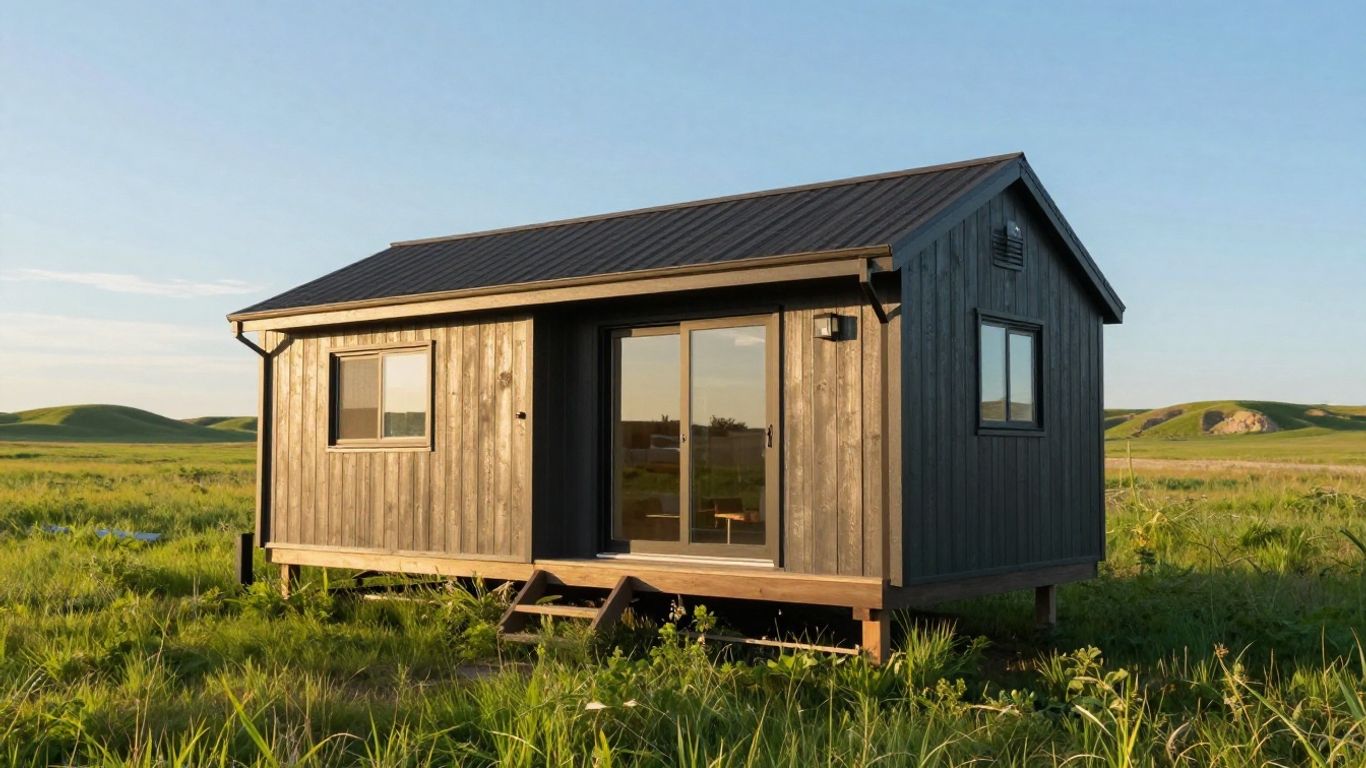
When we talk about tiny houses, it’s easy to get them mixed up with Accessory Dwelling Units, or ADUs. While there’s definitely overlap, they aren’t exactly the same thing in the eyes of South Dakota law. Think of ADUs as a broader category. Basically, an ADU is any extra living space on your property that’s separate from your main house. This could be a basement apartment, a converted garage, or yes, even a tiny house.
ADU Zoning in South Dakota
South Dakota’s approach to ADUs is pretty flexible, which is good news for folks looking to add extra living space. The state generally allows them, but here’s the catch: each county and city gets to make its own specific rules. This means what’s allowed in one town might not fly in another. You’ll need to check with your local planning or zoning department to see what their specific ADU zoning looks like. They’ll have the lowdown on things like:
- Minimum lot sizes
- Setback requirements from property lines
- How many ADUs are allowed per property
- Parking requirements
- And, of course, rules about the size and type of ADU you can build.
Restrictions on Backyard Tiny Homes
So, you’ve got a tiny house on wheels (THOW) and you want to park it in your backyard as an ADU? It’s not always a straightforward "yes." Many places that allow traditional ADUs might have specific restrictions for THOWs. They might be classified differently, perhaps more like an RV, and might not be permitted as a permanent dwelling on a residential lot. Some areas might allow them, but only if they meet certain criteria, like being hooked up to utilities or having a permanent foundation, which kind of defeats the purpose of a THOW for some people. It really comes down to those local ordinances we just talked about.
It’s super important to remember that even if your tiny house is built to code and looks amazing, it still needs to meet the local zoning requirements for an ADU. Don’t assume anything; always get the official word from your local building officials before you buy land or start building.
Permanent Foundation Mandates for ADUs
This is a big one, especially when you’re thinking about tiny homes. Many South Dakota municipalities that permit ADUs will require them to be built on a permanent foundation. This is usually to ensure the structure is treated like a permanent dwelling and meets the same safety and building standards as a traditional home. For a tiny house on wheels, this can be a deal-breaker. If your local rules say "permanent foundation required," your THOW might not qualify as an ADU unless you plan to set it up on blocks and jacks permanently, which isn’t always practical or desirable. Always confirm this requirement with your local building department; it’s a common point of confusion and a frequent restriction.
Finding Land and Builders for Your Tiny House
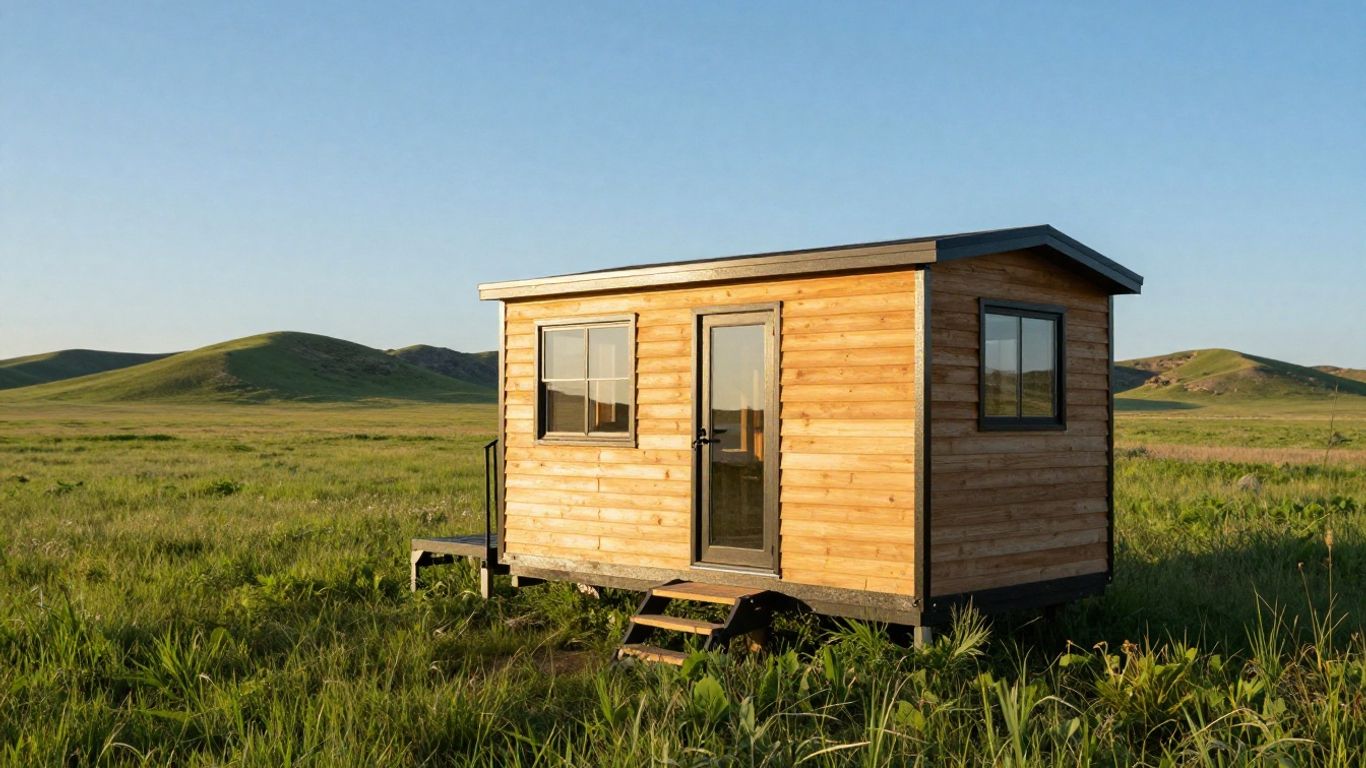
So, you’ve got the tiny house dream, but where do you put it and who’s going to build it? Let’s break down finding the right spot and a trustworthy builder in South Dakota.
Choosing a Tiny House Site in South Dakota
Finding land is more than just picking a pretty view. You’ve got to think about the practical stuff, like zoning and utilities. South Dakota’s rules can vary a lot from county to county, and even city to city. What’s allowed in one place might be a no-go just a few miles down the road. It’s super important to check with the local planning or zoning office before you buy any land. They can tell you if tiny homes are permitted, and if so, what kind (on wheels or foundation) and where.
Here are some things to consider when looking for land:
- Zoning Laws: Does the area allow tiny homes as primary residences, or only as accessory dwelling units (ADUs)?
- Utilities: Will you have access to water, electricity, and a way to handle wastewater? Off-grid is an option, but it requires its own set of planning.
- Accessibility: Can you easily get to the site, especially if you’re bringing in a tiny house on wheels?
- Lot Size and Shape: Does the land fit your tiny house and any outdoor space you envision?
- Local Ordinances: Are there any specific rules about minimum square footage, foundation types, or even aesthetics?
Don’t forget to explore different avenues for finding land. Online listings are a good start, but local real estate agents and even word-of-mouth can uncover hidden gems. Sometimes, tiny house communities offer pre-zoned lots, which can simplify things a lot.
Benefits of Certified Tiny House Builders
Building a tiny house yourself can be rewarding, but it’s also a huge undertaking. Hiring a certified builder can save you a lot of headaches, especially when it comes to navigating building codes and regulations. A builder who is certified, particularly by organizations like the RV Industry Association (RVIA) for tiny houses on wheels, means they’ve met certain standards for safety and construction.
Why go certified?
- Code Compliance: They know the ins and outs of building codes, both state and local, which can be tricky.
- Quality Assurance: Certified builders often have a reputation to uphold, meaning better craftsmanship and materials.
- Easier Financing: If you’re looking for loans, especially RV loans for a THOW, an RVIA-certified build is often a requirement.
- Warranty: Many certified builders offer warranties on their work, giving you peace of mind.
Working with a builder who understands South Dakota’s specific tiny house laws and has experience with permitting processes can make your journey much smoother. They can help ensure your tiny home meets all the necessary requirements, from foundation standards to utility hookups.
Great Lakes Tiny Homes Services
If you’re looking for a builder with a solid track record, Great Lakes Tiny Homes is a name that comes up. They build tiny houses on wheels and deliver them nationwide, including here in South Dakota. They’re RVIA-certified, which is a big plus for THOWs. This certification means they’re committed to quality and safety standards, and it can make getting financing and permits a lot easier. They’re familiar with the complexities of building homes that need to be road-legal and meet residential codes when stationary. Their expertise can really help streamline the process, from design to final delivery, making sure your tiny house is built right and ready for its new home.
Wrapping Up: Tiny House Living in South Dakota
So, if you’re thinking about going tiny in South Dakota, there’s a lot to keep in mind. The rules aren’t the same everywhere, and each county or city might have its own take on what’s allowed. Some places are more open to tiny homes, while others have more hoops to jump through. Whether you want a tiny house on a foundation or one on wheels, you’ll need to check local codes, get the right permits, and make sure your setup meets all the safety and utility rules. It can feel like a lot, but talking with local officials and maybe even a builder who knows the ropes can make things smoother. At the end of the day, a little homework goes a long way. With the right info, you can find a spot that fits your needs and start living small in South Dakota.
Frequently Asked Questions
Can I live in a tiny house full-time in South Dakota?
Yes, you can make a tiny house your main home in South Dakota! You just need to follow the local rules for building and zoning. Make sure you get the right permits, pass inspections, and have your utilities set up properly. Working with builders who know the rules and talking to local officials can help make sure everything is done correctly.
What’s the smallest size a tiny house can be in South Dakota?
In most places that follow the International Residential Code, a tiny house needs to be at least 400 square feet. This size usually doesn’t include any lofts. Always check with your specific county or city, though, because some places might have different rules.
Is it okay to put a tiny house in my backyard in South Dakota?
Putting a tiny house in your backyard, often called an Accessory Dwelling Unit (ADU), is possible in South Dakota. You’ll need to make sure it’s properly registered and titled, and that it follows the local zoning laws. If it’s a tiny house on wheels (THOW), it might have different rules than one on a permanent foundation. Some areas have specific size requirements, like being at least 40 feet long and 320 square feet.
What kind of permits do I need for a tiny house in South Dakota?
The permits you need depend on whether your tiny house is fixed in place or mobile. For tiny houses on foundations, you’ll likely need building, electrical, and plumbing permits. If it’s a tiny house on wheels, you’ll need permits for transport and RV registration. It’s best to talk to your local building department early on to find out exactly what you need.
Are there loans available to buy a tiny house in South Dakota?
Yes, there are ways to get financing for a tiny house in South Dakota. You might be able to get a personal loan or an RV loan, especially if your tiny house is certified or built to RV standards. Tiny houses on permanent foundations might also qualify for traditional mortgages if they meet certain building codes. Some special tiny house financing programs might also be available.
How do South Dakota’s rules treat tiny houses on wheels compared to those on foundations?
South Dakota has different rules for tiny houses on wheels (THOWs) and those on permanent foundations. THOWs are often treated like recreational vehicles (RVs) and need to meet specific standards for road safety, registration, and sometimes RVIA certification. Tiny houses on foundations usually need to follow the standard building codes, like Appendix Q of the International Residential Code, and are treated more like traditional homes.
Explore more tiny home living, design, downsizing, building, and lifestyle resources.
- Tiny Homes for Rent in Wyoming: Wild West Getaways to Book
- Tiny Homes for Rent in Washington: Forest Escapes & Cozy Stays
- Tiny Homes for Rent in Utah: Red Rock Retreats to Book
- Tiny Homes for Rent in Oregon: Forest Retreats You’ll Love
- Tiny Homes for Rent in New Mexico: Desert Gems & Starry Skies
- Tiny Homes for Rent in Nevada: Desert Hideaways Worth Booking