How to Build a Tiny Home on a Budget: Smart Strategies for Affordable Living

Building your dream home doesn’t have to mean a mountain of debt. Tiny homes offer a fantastic way to live comfortably and functionally without breaking the bank. The real trick to how to build a tiny home on a budget is knowing where to save without cutting corners on quality. Many people get tripped up by choosing overly complex designs or buying features they don’t really need. This guide is here to share some smart, tested ways to make your tiny home affordable and livable.
Key Takeaways
- Set a clear budget and include a buffer for unexpected costs. Prioritize function over fancy features initially.
- Opt for simple, rectangular designs and avoid complex rooflines to save on materials and labor.
- Source affordable materials by using recycled items, buying locally, and checking salvage yards or ReStores.
- Maximize space with multi-functional furniture and clever storage solutions that serve multiple purposes.
- Consider doing some of the work yourself, but hire licensed professionals for critical tasks like electrical and plumbing.
Setting A Realistic Budget For Your Tiny House
Every affordable build starts with a solid financial plan. Before you pick up a hammer, you need a clear and realistic budget that guides every step of the process. It’s totally possible to craft a cosy, eco-friendly, and functional space without draining your bank account. With careful planning, smart material choices, and clever design tricks, you can navigate the financial hurdles.
Tips For Budget Planning
Setting a spending limit is the first step, but don’t forget to include a buffer of about 10–15% for those unexpected costs that always seem to pop up. You know, like needing a special tool you didn’t anticipate or discovering a small issue that needs fixing right away. Prioritize what you absolutely need for function first; you can always add the fancy aesthetic touches later when funds allow. Buying materials in bulk or keeping an eye out for seasonal sales can also shave off a good chunk of change. And seriously, track every single expense. Using a simple spreadsheet or a free app like Google Sheets makes this way easier than you might think. It’s also smart to plan your build in phases. You don’t have to finish everything at once, which can make the whole project feel less overwhelming and more manageable financially.
- Set a spending limit and include a 10–15% buffer for unexpected costs.
- Prioritize function over aesthetics—you can always add beauty later.
- Buy materials in bulk or during seasonal discounts.
- Track every expense using a spreadsheet or a free app.
- Plan your build phases—you don’t have to finish everything at once.
Remember: a clear budget isn’t just about saving money—it’s about building confidence and control throughout your project.
Understanding Tiny Home Basics
Before you even start thinking about specific costs, it’s important to grasp the fundamentals of tiny home living. This includes understanding two key elements: legality and size limitations. Firstly, the legality of tiny homes varies a lot by location. Some areas might not permit them at all, while others have specific zoning laws about where you can build and live. So, thoroughly research local laws before you plan anything. Secondly, size is obviously a factor. While the goal is small, the actual size can differ. Some people are comfy in 100 square feet, others need a bit more. The aim is to simplify your life, not just cram it into the smallest possible space. Understanding these basics helps you avoid costly mistakes down the line, like building something that isn’t legal or is too small to be practical for your needs. Tiny homes can cost between $300 to $400 per square foot, so knowing your desired size is key to estimating costs [cc9b].
Setting A Spending Limit
When you’re figuring out your spending limit, think about what you can realistically afford without going into debt. This means looking at your savings, potential loans, or any other financial resources you have available. Don’t just guess; make a list of all potential costs. This should include everything from the land or parking spot, building materials, tools, permits, utility hookups, and even furnishings. A good way to approach this is to create a table to itemize expected expenses. For example:
| Category | Estimated Cost (DIY Build) | Potential Savings |
|---|---|---|
| Trailer or Foundation | $3,000 – $7,000 | Buy used or repurpose an old trailer |
| Building Materials | $10,000 – $20,000 | Use reclaimed lumber, recycled windows |
| Insulation & Utilities | $2,000 – $4,000 | Choose affordable eco options like wool or foam |
| Interior & Furnishings | $2,000 – $5,000 | DIY furniture, upcycled materials |
| Labor (if not DIY) | $10,000 – $20,000 | Do it yourself or enlist friends/family |
| Total (DIY build) | $15,000 – $30,000 | Substantial savings possible |
This table gives you a rough idea, but your actual costs will depend on your specific choices and location. Remember, the goal is to build a tiny house cheap, so always look for ways to cut costs without sacrificing safety or quality.
Choosing The Right Design To Build A Tiny House Cheap
When you’re trying to keep costs down on your tiny home build, the design itself plays a massive role. It’s not just about picking a floor plan; it’s about making smart choices from the get-go that save you money on materials, labor, and even long-term maintenance. A complicated design with lots of angles and features will always cost more than a straightforward one. The simpler your design, the cheaper your build will be.
Affordable Tiny House Design Principles
To build a tiny house cheap, you’ve got to think about efficiency and simplicity. Forget those fancy, multi-angled roofs you see in magazines; they’re expensive to build and tough to waterproof. Stick to basic shapes and standard sizes for materials. This means fewer cuts, less waste, and easier construction, which all add up to savings.
- Rectangular Footprints: These are the easiest and cheapest to frame. Think of a simple box – it’s efficient and uses materials well.
- Single Roofline: Avoid complex roof designs with multiple peaks and valleys. A single, simple roof is less labor-intensive and requires fewer materials.
- Standard Dimensions: Using common lumber lengths and standard window/door sizes means you’ll buy less material and have less waste. It also makes finding replacements down the line much easier.
- Open Concept: Fewer interior walls mean less framing lumber and a more open, spacious feel. This can make a small space feel much larger.
Planning your layout efficiently is the bedrock of an affordable tiny home. A poorly planned space means you’re building square footage that doesn’t do much for you, costing money without adding real function. Start by listing what you absolutely need – a place to sleep, cook, a bathroom, and storage – and figure out the smallest space each needs.
Popular Budget-Friendly Tiny House Layouts
Some layouts are just naturally more cost-effective. For instance, a simple box-style home on wheels is often one of the most affordable options. These designs are straightforward to build and can be quite functional. If you’re looking for a bit more space, a single loft design can work well, keeping the main living area open while providing a dedicated sleeping zone. For those who want something more permanent and traditional-looking, a cabin-style design might be the way to go, though these tend to be a bit larger and thus more expensive.
| Design Type | Approx. Size (sq. ft.) | Estimated DIY Cost | Best For |
|---|---|---|---|
| Box-Style on Wheels | 160–200 | $10,000–$18,000 | Mobility and low maintenance |
| Single Loft Design | 200–250 | $15,000–$25,000 | Sleeping loft and open floor plan |
| Cabin-Style | 250–300 | $20,000–$30,000 | Stationary, more traditional look |
Finding Affordable Design Plans
Don’t feel like you need to reinvent the wheel or hire an expensive architect. There are tons of resources for affordable tiny house plans. Many companies specialize in selling pre-designed plans that are already optimized for small spaces and budget builds. You can often find plans online for a few hundred dollars, which is a small price to pay compared to custom design fees. Some builders, like Tumbleweed Tiny Houses, also offer a variety of plans that have been tested and refined over years of building. Look for plans that are straightforward and avoid overly complex features. Sometimes, you can even find free basic layouts online, though you might need to adapt them to your specific needs.
Sourcing Affordable Building Materials
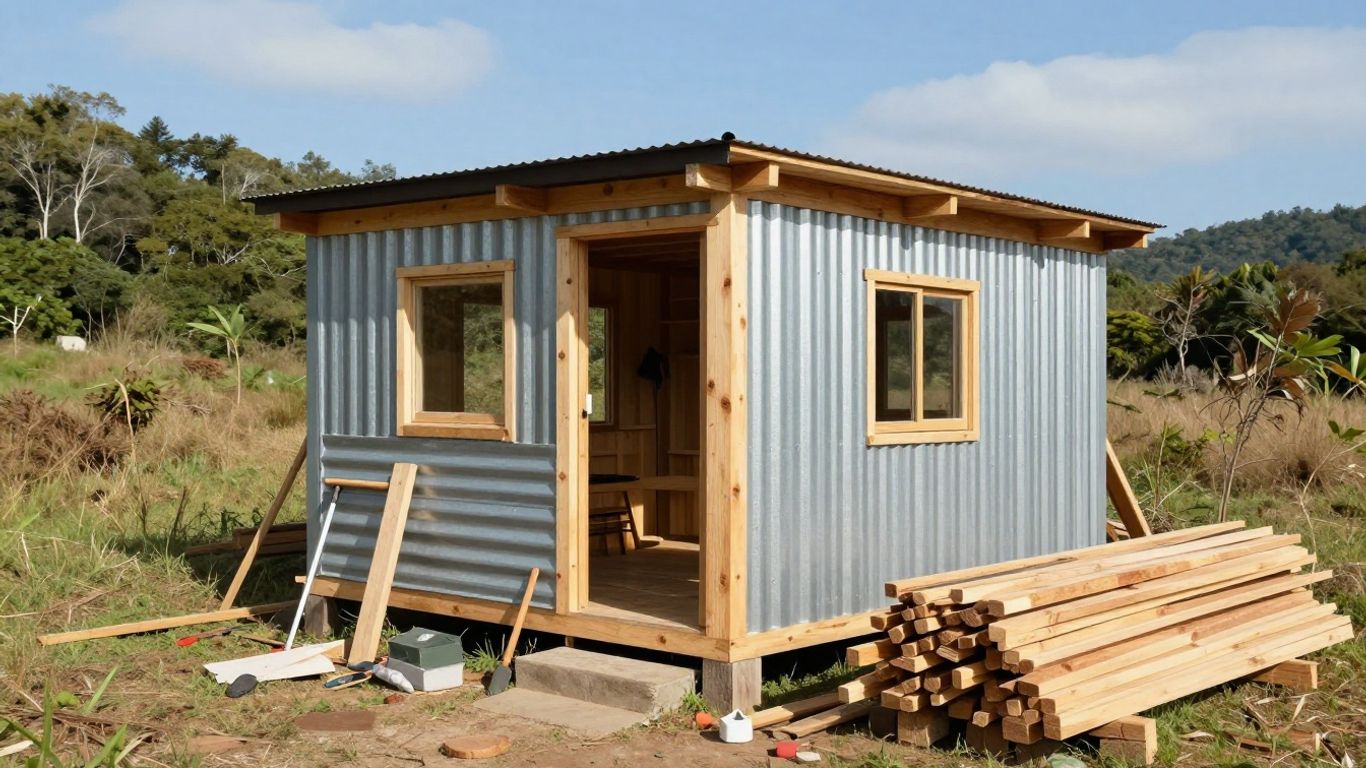
When you’re trying to keep the costs down on your tiny home build, where you get your materials from can make a huge difference. It’s not just about finding the cheapest stuff; it’s about being smart and resourceful.
Using Recycled Materials
This is a big one for saving money and being kind to the planet. Think about using reclaimed wood from old buildings, salvaged doors, or even old windows. Not only does this cut down on expenses significantly, but it also gives your tiny home a unique character and a story. You can find these gems at architectural salvage yards or even through online marketplaces like Craigslist or Facebook Marketplace. Just make sure to inspect everything carefully for any damage like rot or pests before you buy. Cleaning and treating reclaimed materials properly will make them last.
Here’s a quick look at potential savings:
| Material | New Price (avg.) | Reclaimed/Used Price | Savings (Up to) |
|---|---|---|---|
| Plywood (sheet) | $50–$60 | $15–$25 | 60% |
| Windows | $200–$500 | $50–$150 | 70% |
| Doors | $300–$700 | $50–$200 | 75% |
| Flooring (sq ft) | $4–$6 | $1–$2 | 65% |
Local Sourcing Benefits
Buying materials locally can also be a smart move. It cuts down on transportation costs, which can add up surprisingly fast, especially for heavy items. Plus, you’re supporting businesses in your own community. Sometimes, local suppliers might even have deals or be more willing to negotiate prices. You might find unique regional materials that add a special touch to your home, like local stone or specific types of wood. It’s worth checking out local lumber yards and even asking contractors if they have any leftover materials from their projects. You might be surprised what you can find.
Building a tiny home is a marathon, not a sprint. Taking the time to source materials wisely will pay off in the long run, both financially and aesthetically.
Durability Of Chosen Materials
While it’s tempting to go for the absolute cheapest option every time, think about the long game. A material that’s a bit more expensive upfront but lasts much longer will save you money on repairs and replacements down the line. For example, investing in good quality insulation, even if it costs a little more initially, will save you a lot on heating and cooling bills. Similarly, choosing durable roofing or siding materials means you won’t have to worry about them as much in harsh weather. It’s about finding that sweet spot between affordability and longevity. You can often find great deals on quality materials if you shop around or look for sales. Consider looking into prefab options for things like kitchens or bathrooms, as these can be cost-effective and durable solutions for your backyard living space.
Maximizing Space With Smart Design
When you’re building a tiny home, every single inch counts. It’s not just about fitting things in; it’s about making the space feel bigger and work better for you. This means getting creative with how you use the area you have. Think about furniture that does more than one thing, rooms that can change their purpose, and how light can play tricks on your eyes to make things seem larger.
Innovative Furniture For Space
Forget about just buying a couch and a bed. In a tiny home, furniture needs to earn its keep. Look for pieces that can transform. A bed that folds up into the wall, for example, can turn your bedroom into a living room during the day. Coffee tables that lift up to become dining tables or desks are also super handy. Even simple things like ottomans with storage inside can make a big difference. When you’re picking out furniture, try to find items with legs that are a bit off the ground. This makes the room feel more open because you can see the floor underneath. It’s all about finding smart storage solutions that work for your life.
Multi-Use Rooms And Flexible Spaces
Why have a room that’s only good for one thing? In a tiny house, you want spaces that can adapt. Your living room could easily become a guest bedroom with a pull-out sofa or a Murphy bed. That kitchen island might double as your office desk. Even the back of a door can become storage with a hanging organizer. Built-in seating, like a window seat with storage underneath, is a great way to get seating, extra sleeping space, and storage all in one go. Fold-down tables are another good idea; they’re there when you need them and disappear when you don’t, saving you precious floor space. This flexibility means you don’t need as much stuff, which saves money and keeps things tidy.
Efficient Use Of Lighting
How you light your tiny home has a huge impact on how big it feels. Natural light is your best friend here. Placing windows smartly can let in tons of light, making the space feel airy and open. This also cuts down on how much electricity you need for lights during the day. Think about where the sun comes up and goes down. Good lighting can also make a small space feel cozy rather than cramped. Using mirrors strategically can also bounce light around, making rooms seem larger than they are. It’s amazing what a few well-placed lights and mirrors can do.
When designing your tiny home, think about how each element can serve more than one purpose. This approach not only saves money by reducing the number of items you need but also keeps your living area less cluttered and more functional. Prioritize items that can be easily stored or transformed to adapt to different needs throughout the day.
Hiring The Right Professionals
Get Multiple Quotes
When you’re building a tiny home, labor costs can really add up. It’s super important to shop around for the best deals, but don’t just go for the cheapest option right away. Always get at least three quotes from different contractors or tradespeople. This gives you a good baseline for what things should cost. But remember, the lowest price might not be the best value if the work isn’t top-notch. You could end up paying more later to fix mistakes. Make sure to check references too. Ask for examples of their past work, especially if they have experience with tiny homes. They’ll know about things like weight distribution and clever space-saving ideas, which are big deals in small spaces.
When To Hire Skilled Trades
Look, some jobs just need a pro. You probably don’t want to mess with the electrical wiring or the plumbing yourself unless you really know what you’re doing. These folks have the licenses and the know-how to do the job safely and correctly. Trying to cut corners here can lead to big problems down the road, like fires or leaks, and those are way more expensive to fix than hiring someone upfront.
Here’s a quick rundown of when to call in the experts:
- Electrical work: Anything involving wiring, outlets, or your breaker box.
- Plumbing: Hooking up water lines, drains, and fixtures.
- HVAC: Installing heating, ventilation, and air conditioning systems.
- Structural elements: If you’re unsure about load-bearing walls or complex framing.
DIY vs. Hiring Help
This is a big decision, and it really depends on your skills, your time, and your budget. Doing a lot of the work yourself can save you a ton of money. You get to learn new things and have that awesome feeling of building your own place. But, be honest with yourself about what you can actually do. If you’re not handy, or if you have a really tight deadline, hiring professionals might be the smarter move. It might cost more upfront, but it can save you a lot of headaches, mistakes, and time in the long run. Think about what’s most important for your project: saving money, saving time, or getting a perfect finish.
Sometimes, the best approach is a mix of both. You can tackle the simpler tasks like painting or installing flooring, and then bring in professionals for the tricky bits like electrical and plumbing. This way, you get the best of both worlds – saving some cash while still ensuring the critical parts of your tiny home are built safely and correctly.
Streamlining The Building Process
Building a tiny home can feel like a whirlwind, but a little bit of planning goes a long way to keep things moving smoothly and, more importantly, affordably. When you’re trying to keep costs down, every day a project drags on means more money spent on tools, potential site rentals, and just general wear and tear on your patience. So, how do you keep the train on the tracks?
Detailed Plans Before Construction
Seriously, don’t skip this. Trying to figure things out as you go is a recipe for disaster, both for your budget and your sanity. You need to have a solid set of blueprints and a clear idea of what materials you’ll need before you even think about breaking ground. Making changes mid-build is way more expensive than getting it right the first time. Think about it: every little tweak means buying more stuff, creating waste, and using up more of your precious time and labor.
Having Materials On-Site
This one’s a biggie. Imagine you’re ready to put up a wall, but you’re missing a few key pieces of lumber. What do you do? Stop work, go to the store, maybe wait for a delivery. That’s lost time and momentum. Having all your materials delivered and organized before you start means you can just keep going. It prevents those frustrating pauses and helps you stick to your schedule. It also makes it easier to spot if anything’s missing or damaged before you actually need it.
Making Quick Decisions
Things will come up. You might discover a supplier is out of stock, or a particular material isn’t quite what you expected. When these moments happen, you need to be ready to make a decision fast. Hesitation can lead to delays, and delays cost money. Have a backup plan in mind for common materials, and be prepared to choose an alternative if necessary. It’s not about rushing into bad choices, but about being decisive when a fork in the road appears.
A well-thought-out plan is your best friend when building on a budget. It helps you anticipate problems and find cost-effective solutions before they become expensive headaches. Stick to your plans as much as possible, and when changes are needed, evaluate their impact on both time and money carefully.
Here’s a quick look at how planning helps:
- Clear Material Lists: Avoids last-minute runs and impulse buys.
- Accurate Cost Estimates: Helps you stay within your budget from the start.
- Efficient Workflow: Prevents downtime and keeps labor costs down.
- Reduced Waste: Ordering precisely what you need saves money and is better for the environment.
Using Recycled Furniture And Smart Interior Solutions
Budget-Friendly Interior Design Ideas
Furnishing your tiny home doesn’t have to drain your savings. Think creatively about how you can bring in character and function without spending a fortune. Repurposing old items is your best friend here. An old dresser can easily become a charming kitchen island or a unique bathroom vanity. Pallets, often free for the taking, can be transformed into bed frames, wall accents, or simple shelving units. Don’t underestimate the power of thrift stores and flea markets; you can often furnish an entire space with secondhand finds for less than a thousand dollars. Even scrap wood can be turned into custom picture frames, small plant shelves, or a handy foldable desk.
Space-Saving Multi-Functional Furniture
In a tiny home, furniture needs to work harder. Look for pieces that can serve more than one purpose. This is where smart design really pays off. Think about a sofa that pulls out into a bed, or a coffee table that lifts to become a dining surface. Wall-mounted desks and shelving units are great for keeping floor space clear. Here’s a quick look at some ideas:
- Sofa Bed: Provides seating during the day and a sleeping spot at night.
- Storage Ottoman: Offers extra seating and a place to stash blankets or books.
- Foldable Dining Table: Can be a small console when not in use, then expand for meals or work.
- Murphy Bed: Folds up against the wall, freeing up significant floor space when not needed.
Styling Tips For Small Interiors
Making a small space feel good is all about smart styling. Light colors on walls and ceilings can make a room feel much bigger and brighter. Mirrors are also fantastic for bouncing light around and creating an illusion of more space. When it comes to decor, less is definitely more. Choose a few items that you really love and that have a purpose, rather than filling every surface. Plants can add a nice touch of life and color, plus they help purify the air. Keep things tidy, and your tiny home will feel much more open and inviting.
When furnishing a tiny home, focus on items that are proportional to the space. Oversized furniture can make a small room feel cramped. Look for pieces with clean lines and perhaps exposed legs, which can create a sense of openness. It’s about making the space functional and comfortable, not just about filling it up.
Your Tiny Home Dream is Within Reach
So, building a tiny home on a budget? It’s totally doable. You don’t need a massive pile of cash or a lifetime of debt to get into a place that feels like yours. We’ve talked about how smart planning, picking the right materials, and getting a little creative with space can make a huge difference. It’s not about living in a shoebox; it’s about living smarter and more affordably. Remember, every choice you make, from the foundation to the finishing touches, can save you money. Take these ideas, adapt them to your needs, and start building that dream. You’ve got this.
Frequently Asked Questions
What’s the biggest money-saving tip when building a tiny home?
The best way to save money is to plan carefully and be smart about materials. Using recycled or salvaged items, like old wood or windows, can cut costs way down. Also, keeping the design simple, like a basic rectangle shape, means less waste and less work, which saves cash too.
How can I make a tiny home feel bigger without spending a lot?
You can make a small space feel larger by using light colors on the walls and lots of mirrors to bounce light around. Also, choose furniture that can do more than one thing, like a sofa that turns into a bed or a table that folds up. Keeping things tidy and not having too much stuff also helps a lot.
Is it cheaper to hire professionals or do most of the building myself?
Doing a lot of the work yourself, called DIY, can save a ton of money on labor costs. However, for tricky jobs like electrical wiring or plumbing, it’s often safer and sometimes cheaper in the long run to hire someone who really knows what they’re doing. Get quotes from a few different people to compare.
Where can I find affordable materials for building?
You can find great deals on building supplies at places like Habitat for Humanity ReStores or architectural salvage yards. People often sell used building materials online or at local classifieds too. Sometimes, you can even find free materials if you look hard enough!
What are some common mistakes people make when trying to build a tiny home cheaply?
A big mistake is not planning enough or changing the design a lot during the build, which costs extra money and time. Another error is buying the cheapest materials without thinking about how long they’ll last. Sometimes, people forget to include a little extra money for unexpected problems, which can cause budget issues.
Can I build a tiny home for less than $10,000?
It’s definitely possible, but it takes a lot of hard work, resourcefulness, and usually a significant amount of DIY labor. You’ll need to be excellent at finding free or very cheap recycled materials, keeping the design extremely simple, and doing almost all the work yourself. It’s a big challenge but can be rewarding!
Explore more tiny home living, design, downsizing, building, and lifestyle resources.
- Tiny Homes for Rent in Wyoming: Wild West Getaways to Book
- Tiny Homes for Rent in Washington: Forest Escapes & Cozy Stays
- Tiny Homes for Rent in Utah: Red Rock Retreats to Book
- Tiny Homes for Rent in Oregon: Forest Retreats You’ll Love
- Tiny Homes for Rent in New Mexico: Desert Gems & Starry Skies
- Tiny Homes for Rent in Nevada: Desert Hideaways Worth Booking