Embracing Freedom: A Comprehensive Guide to Living Off the Grid in Utah
Thinking about living off the grid in Utah? It’s a big step, and honestly, it’s not for everyone. But if you’re drawn to the idea of more independence and a simpler life, Utah might just be the place. It’s a state with wide-open spaces and a growing interest in self-sufficiency. This guide is here to break down what you need to know, from the rules of the road to actually making it work day-to-day. We’ll cover the basics so you can see if this lifestyle is a good fit for you.
Key Takeaways
- Understanding Utah’s specific rules for living off the grid is the first step. These laws cover things like building, water, and waste, and they can differ a lot depending on where you are.
- Getting ready for off-grid life means learning practical skills, like how to manage your own power and water, and gathering the stuff you’ll need.
- Smart planning for your home, using resources wisely, and connecting with your neighbors are important for success.
- Living off the grid can save you money, help the environment, and give you a real sense of freedom.
- Be prepared for challenges like legal paperwork and managing resources, but know that there are plenty of resources and communities to help you out.
Understanding Off Grid Laws in Utah
Thinking about ditching the grid in Utah? That’s awesome! It’s a big step towards independence and living a bit more simply. But before you start dreaming of solar panels and rainwater harvesting, we really need to talk about the rules. Utah has its own way of doing things, and knowing the laws is super important so you don’t run into trouble down the road. It’s not as simple as just moving out to the sticks and setting up shop, unfortunately.
Definition of Off Grid Living
So, what exactly is off-grid living? Basically, it means you’re not hooked up to the usual public utilities. We’re talking electricity from the power company, city water, and sewer systems. Instead, you’re generating your own power, usually with things like solar or wind, and managing your own water and waste. It’s a lifestyle choice driven by a desire for self-reliance, maybe to cut down on environmental impact, or just to save some cash. It’s about taking control of your resources.
Overview of Utah’s Off Grid Regulations
Utah’s regulations for off-grid living are in place to keep everyone safe and protect the environment. They cover a bunch of stuff, from how you build your home to where your water comes from and how you deal with trash. What’s tricky is that these rules can change a lot depending on which county or town you’re in. So, you absolutely have to do your homework for the specific area you’re looking at. Getting this right means you’re not just following the law, but you’re also being a good neighbor and looking after the land.
Here’s a quick rundown of what you might need to consider:
- Building Permits: Most places will require you to get permits before you start construction, even if it’s a small cabin.
- Water Rights: Utah is pretty serious about water. You’ll need to understand the laws around accessing and using water sources.
- Waste Management: How you handle sewage and trash is regulated to prevent pollution.
- Zoning Laws: These dictate what you can build and where, and they can be quite specific in rural areas.
It’s a common myth that living off the grid means you can ignore all the rules. In reality, compliance with local and state regulations is key to a successful and legal off-grid setup. Ignoring these can lead to fines, forced changes, or even having to dismantle your home.
Unique Aspects of Utah’s Regulations
When you compare Utah to other states, a couple of things stand out. First, water rights are a big deal here, and the laws are pretty detailed. You can’t just assume you can drill a well or tap into a stream without proper legal rights. Second, Utah is really pushing for renewable energy, which is great for off-gridders, but you still need to make sure your systems meet safety standards and get the right approvals. It’s a bit of a balancing act between embracing self-sufficiency and fitting into the state’s framework. Understanding these specific quirks is vital for a smooth transition.
Preparing for Your Off Grid Lifestyle in Utah
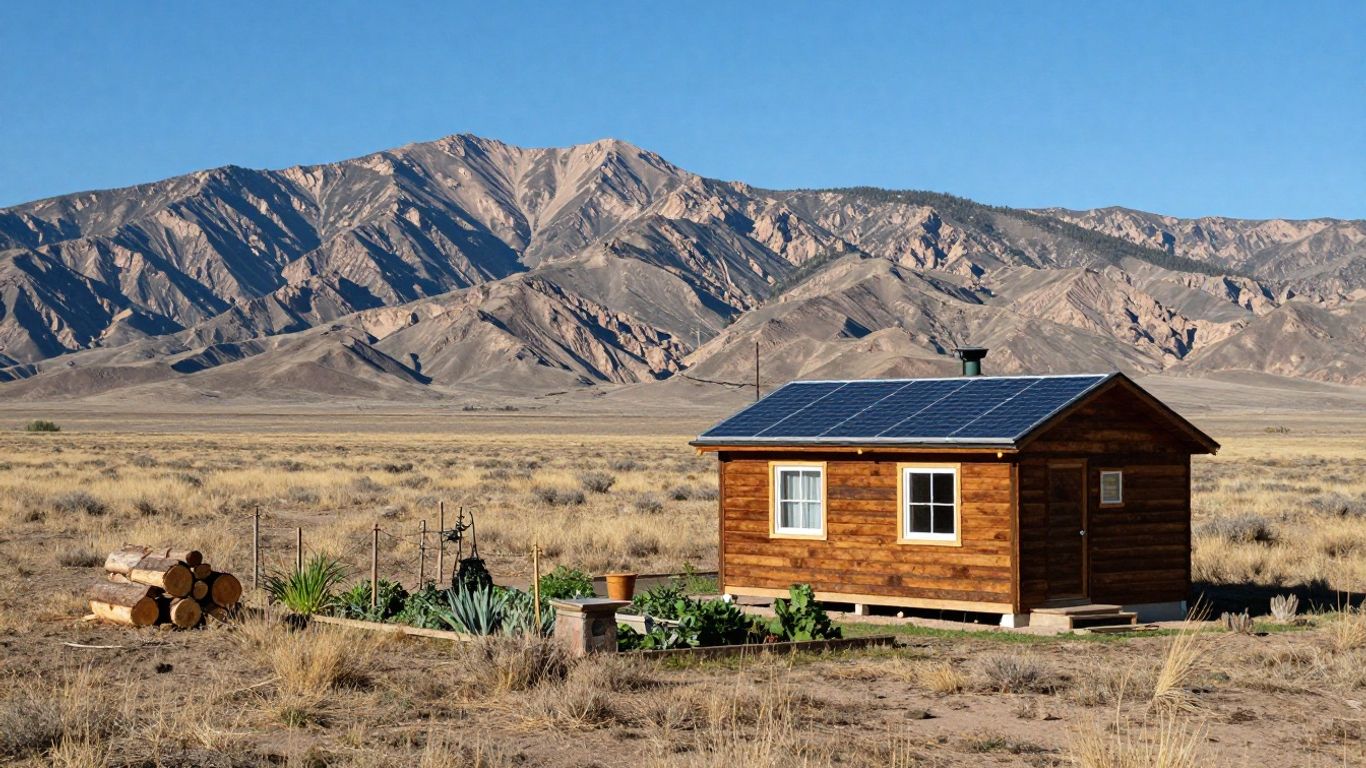
So, you’re thinking about ditching the grid in Utah? That’s a big step, and honestly, it takes more than just wanting it. You’ve got to get ready. This isn’t like packing for a weekend camping trip; it’s about setting up a whole new way of life. Think of it as building your own little world, and you’re the architect, the builder, and the caretaker.
Essential Skills to Learn
Before you even think about buying land, you need to get some skills under your belt. It’s not about being an expert in everything, but knowing enough to handle the basics will save you a lot of headaches. Seriously, learning how to fix things yourself is a game-changer.
- Gardening and Food Preservation: You’ll want to grow some of your own food, right? Learning about soil, planting seasons in Utah, and how to keep your harvest from going bad is key. Think canning, drying, and root cellaring.
- Basic Construction and Maintenance: Things break, especially when you’re building or living in a place that’s a bit more rustic. Knowing how to patch a roof, fix a leaky pipe, or even build a simple shed is super useful.
- Renewable Energy Systems: Whether it’s solar, wind, or something else, you’ll need to understand how your power system works. This includes basic troubleshooting and maintenance so you’re not left in the dark.
- Water Management: Finding, storing, and purifying water is a big one. You need to know how to manage your water sources, especially in a dry climate like Utah’s.
Learning these skills beforehand means you’re not scrambling when something goes wrong. It builds confidence and self-reliance, which are pretty much the cornerstones of off-grid living.
Gathering Necessary Resources
Once you’ve got a handle on the skills, it’s time to think about what you actually need. This is where the planning gets real. You can’t just pop to the store when you’re out of something.
- Building Materials: If you’re building from scratch, you’ll need lumber, insulation, roofing, and all that jazz. Think about sustainable or reclaimed materials if you can.
- Tools: A good set of hand tools and power tools (that you can power!) is a must. Don’t forget safety gear like gloves and eye protection.
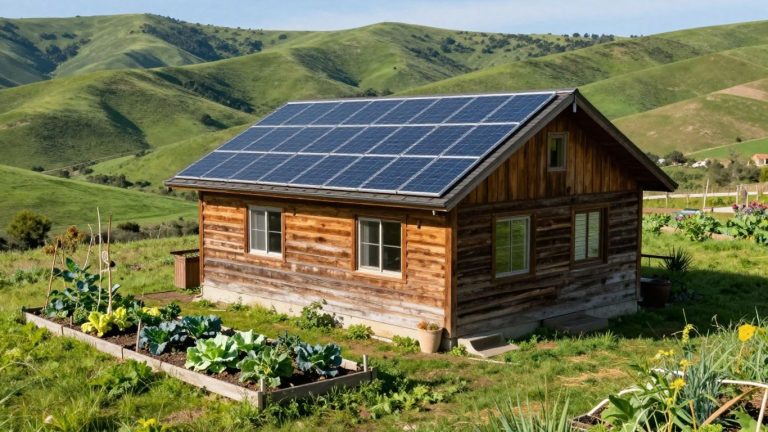
- Energy Systems: Solar panels, batteries, inverters, charge controllers – the whole setup. Research what works best for Utah’s climate and your energy needs.
- Water Systems: Tanks for storage, filters, pumps, and maybe even a well if that’s an option.
- Food and Supplies: Stocking up on non-perishables, seeds for your garden, and any other household essentials you might not be able to get easily.
It’s a good idea to make a detailed list and start acquiring things gradually. You don’t want to be overwhelmed by a massive shopping trip right before you move.
Building a Support Network
Living off the grid can feel isolating if you don’t have people to connect with. Building a network is just as important as having a working solar panel.
- Connect with Neighbors: Even if they’re miles away, getting to know the folks around you is smart. They might have local knowledge or be able to help in a pinch.
- Join Online Communities: There are tons of forums and social media groups for off-grid living. You can ask questions, share experiences, and learn from others who are doing the same thing.
- Find Local Groups: Look for any local organizations or meetups related to sustainable living, homesteading, or off-grid lifestyles in Utah. These can be great places to find like-minded people and resources.
Having people to call on, share advice with, or just commiserate with makes the whole journey a lot smoother. It’s about community, even when you’re trying to be self-sufficient.
Best Practices for Off Grid Living in Utah
So, you’re thinking about ditching the grid in Utah? That’s a big step, and doing it right means thinking ahead. It’s not just about slapping some solar panels on a roof and calling it a day. We’re talking about building a life that’s sustainable and works with the land, not against it.
Planning Your Off Grid Home
This is where the real work starts. Before you even think about hammering a single nail, you need a solid plan. What kind of home are you building? How will you get your power? Where’s your water coming from, and what happens to your waste? These aren’t small questions. You’ll want to look into local building codes and zoning laws very carefully. Sometimes, what seems like a great spot on paper might have hidden restrictions. Talking to the county planning department early on can save you a lot of headaches later. Think about passive solar design to help heat and cool your home naturally, and consider how you’ll manage water – maybe a rainwater harvesting system or a well. A well-thought-out home is the foundation of successful off-grid living.
Sustainable Resource Management
Living off the grid means you’re in charge of your resources, and that’s a big responsibility. Water is probably your most precious commodity in Utah. You’ll want to be smart about how you use it, from low-flow fixtures to efficient irrigation if you’re gardening. Energy is another big one. Solar is popular, but what about cloudy days? Battery storage is key. You’ll also want to think about waste. Composting toilets are common, and reducing what you send to the landfill is just good practice. It’s all about creating a closed-loop system where you minimize waste and maximize what you can reuse or recycle.
Here’s a quick look at some common resource considerations:
- Water Sources: Wells, rainwater harvesting, springs, hauling water.
- Energy Systems: Solar (photovoltaic), wind, micro-hydro, propane backup.
- Waste Management: Composting toilets, greywater systems, recycling, responsible disposal.
Being mindful of your resource use isn’t just about survival; it’s about respecting the environment you’re choosing to live in. Every drop of water and every watt of power counts.
Community Engagement
It might seem like going off-grid means going it alone, but that’s not really the case. Building relationships with your neighbors and the wider local community is super important. You can learn a lot from people who have been doing this for a while. Plus, in an emergency, having good neighbors can be a lifesaver. Look for local groups or even just chat with folks at the general store. Sharing knowledge, tools, or even just moral support makes the whole experience much smoother. It’s about being a good neighbor and part of the local fabric, even if you’re not plugged into the main grid.
Benefits of Embracing Off Grid Living
So, why would someone pack up and head out to live without the usual hookups? It turns out there are some pretty good reasons. For many, it’s about reclaiming a sense of control and living a bit more simply.
Financial Savings
Let’s be real, utility bills can add up fast. When you’re generating your own power, managing your own water, and not paying for services you don’t use, your monthly expenses can drop quite a bit. Think about it: no electric bill, no water bill, no gas bill. It’s a big change. Plus, setting up things like solar panels or wind turbines might even get you some tax breaks, which is always nice. It’s not just about saving money, though; it’s about having more financial breathing room.
Environmental Impact
Living off the grid often means living more in tune with nature. You’re likely using renewable energy sources like the sun or wind, which is way better for the planet than relying on fossil fuels. You also tend to be more mindful of your water usage and waste. This focus on sustainability means you’re actively reducing your carbon footprint. It’s a way to live that’s kinder to the earth, helping to keep natural places healthy.
Personal Freedom and Independence
This is a big one for a lot of people. When you’re not tied to utility companies, you have a lot more freedom to make your own choices. You can design your home and your life in a way that truly fits your values. It’s about being self-reliant and not depending on outside systems for your basic needs. This independence can feel incredibly liberating and lead to a deeper connection with your surroundings and yourself.
Navigating Challenges of Off Grid Living in Utah
Living off the grid in Utah, while rewarding, definitely comes with its own set of hurdles. It’s not all sunshine and self-sufficiency without a bit of effort. You’ve got to be prepared for the bumps in the road, and understanding them beforehand makes a big difference.
Legal Hurdles
First off, the paperwork. Utah has its rules, and you’ll need to figure out permits for building, electrical work, and water usage. It can feel like a maze sometimes, and getting things wrong can lead to costly delays or even fines. It’s really important to talk to your local county or city planning department early on. They can tell you what you need to know about zoning laws and building codes specific to your area. Don’t assume anything; just ask.
- Building Permits: Required for any new construction or significant renovations.
- Electrical Permits: Necessary even for your own solar setup to ensure safety standards are met.
- Water Rights: Utah is a water-scarce state, so understanding and securing water rights is critical.
- Zoning Laws: These dictate what you can build and where, and they vary a lot from place to place.
It’s easy to get bogged down in the legalities, but remember that many officials are there to help you comply, not to stop you. A little patience and thorough research go a long way.
Environmental Obstacles
Utah’s environment is beautiful, but it also presents challenges. Water is a big one. You’ll need a reliable source, whether it’s a well, rainwater harvesting, or hauling. Managing that water wisely is key, especially during dry spells. Then there’s the weather – think harsh winters with snow and cold, and hot summers. Your home needs to be built to handle these extremes, and your power systems need to be robust enough to keep up. Waste management is another piece of the puzzle; you’ll need a plan for sewage and trash that’s both effective and environmentally sound.
Financial Considerations
Going off-grid isn’t always cheaper upfront. Setting up solar panels, batteries, water systems, and potentially a well can be a significant investment. You need to budget carefully for these initial costs. While you’ll save money on utility bills long-term, the initial outlay can be substantial. Unexpected repairs or system failures can also pop up, so having a financial cushion is a smart move. It’s worth looking into any local or state incentives that might help offset some of these costs, like tax credits for renewable energy installations. Careful financial planning is absolutely necessary for a smooth transition.
Resources and Support for Off Grid Living in Utah
So, you’re thinking about going off the grid in Utah? That’s a big step, and honestly, it can feel a little daunting at first. But the good news is, you’re not alone! Utah has a growing community of folks embracing this lifestyle, and there are plenty of resources out there to help you get started and keep going.
Local Off Grid Organizations
These groups are like your local guides. They often know the ins and outs of Utah’s specific rules and can connect you with people who’ve already figured things out. Think of them as a friendly face who can point you in the right direction for permits, local suppliers, or even just a good chat about solar panel options. They might host meetups or workshops, which are great for learning and meeting neighbors who get it.
Online Communities and Forums
When you can’t talk to someone face-to-face, the internet is your next best friend. There are tons of online forums and social media groups dedicated to off-grid living, and many have a strong Utah presence. People share everything from how they dealt with a tricky zoning issue to the best way to store water through the winter. It’s a fantastic place to ask questions, get advice, and see what others are doing. You can find discussions on everything from composting toilets to setting up a small wind turbine. It’s a real treasure trove of shared experience.
Educational Workshops
Sometimes, reading online just isn’t enough. You might need hands-on learning. Many organizations, both local and online, offer workshops on skills vital for off-grid life. We’re talking about things like:
- Basic plumbing and electrical work for your off-grid home
- Gardening and food preservation techniques
- Renewable energy system maintenance (solar, wind, etc.)
- Water catchment and filtration systems
These workshops can give you the confidence and practical knowledge to tackle everyday challenges. They often cover the practical side of things, like how to actually do the work, not just talk about it.
Getting connected with the right people and information early on can save you a lot of headaches down the road. Don’t be afraid to reach out and ask for help; the off-grid community is generally pretty supportive.
If you’re looking for a place to start understanding the legal side of things, checking out resources on Utah’s off grid laws can be really helpful before you even begin planning your setup.
Future Trends in Off Grid Living in Utah
Utah is slowly becoming a hot spot for off-grid living, and you can already see new trends shaping this lifestyle. People looking to live more independently are watching these changes closely—sometimes with excitement, sometimes with caution. Here’s what’s just over the horizon:
Emerging Technologies
New tech is changing what it even means to live off the grid. It’s not just about solar panels on a roof anymore. Residents are now using advanced battery systems, real-time home energy monitors, and even smart plumbing to stretch their resources further. Companies like Creative Energies are making it easier to set up resilient home solar power systems, which has led to more reliable off-grid energy than ever before.
A quick table showing recent adoption rates in Utah:
| Technology Type | Current Adoption (%) |
|---|---|
| Solar PV systems | 64 |
| Advanced battery banks | 38 |
| Smart home automation | 19 |
Smart water filtration is also gaining popularity. With droughts and unpredictable weather, folks want tech that lets them manage every drop. All in all, innovation matters more than ever.
Shifts in Legal Landscape
Lawmakers in Utah are paying attention as more people question the old ways. Over the last few years, things have gotten a bit less rigid:
- Updating building codes to better fit smaller, unconventional homes
- Allowing for alternative waste systems if you can prove they’re safe
- Grants and rebates for investments in renewable energy
Nobody knows exactly where the rules are headed, but the path seems to be getting smoother for people who want out of the mainstream utility grid. Legal research and networking are becoming crucial for staying ahead.
The changing legal landscape in Utah means off-grid folks will need to keep up with new regulations—but these changes also bring more opportunities.
Evolving Community Attitudes
A few years ago, going off grid probably raised eyebrows in many Utah neighborhoods. That’s changing now. Local communities are showing more curiosity, and some small towns are even encouraging alternative housing and energy setups. Here’s what locals are embracing more:
- Off-grid community events, often centered on learning sustainable skills
- Online groups for troubleshooting and resource sharing
- Collaboration between traditional homeowners and off-grid newcomers
Social media and new forums are making it easier for newcomers and veterans alike to talk shop or lend a hand. It’s definitely easier to meet others starting this journey, and that’s taking the edge off the isolation that was common just a decade ago.
Staying up-to-date with these trends isn’t just smart—it’s pretty much necessary for anyone thinking about going off the grid in Utah these days.
Your Utah Off-Grid Adventure Awaits
So, you’ve read all about living off the grid in Utah. It’s a big step, for sure, and it takes some serious planning. But think about it – less reliance on the usual systems, more connection to the land, and a real sense of doing things your own way. Whether you’re drawn to the savings, the environmental side, or just the idea of being more independent, Utah offers a unique place to make it happen. Remember to look into those local laws, get your permits sorted, and don’t be afraid to connect with others who are already living this lifestyle. It’s not always easy, but the freedom and satisfaction you can find are pretty amazing. Start small, do your homework, and get ready for a different kind of life.
Frequently Asked Questions
What exactly does ‘living off the grid’ mean in Utah?
Living off the grid means you’re not hooked up to the usual city services like power lines, water pipes, or sewer lines. Instead, you create your own power, often with solar or wind, find your own water, and handle your own waste. It’s all about being self-sufficient and independent from public utilities.
Are there special rules for living off the grid in Utah?
Yes, Utah has its own set of rules, or regulations, for people living off the grid. These rules cover things like how you build your home, where you can get water from, and how you deal with trash and sewage. Because different areas can have different rules, it’s super important to check with the local government where you plan to live.
What are the biggest advantages of living off the grid in Utah?
Many people choose this lifestyle for a few key reasons. You can save money by not paying monthly utility bills. It’s also better for the environment because you’re likely using clean energy and using fewer resources. Plus, you get a great sense of freedom and independence, making your own choices about how you live.
What kind of skills do I need before I start living off the grid?
You’ll want to learn some practical skills. Things like gardening so you can grow your own food, basic home repairs, understanding how solar panels or other power systems work, and how to manage water and waste are really helpful. Taking classes or workshops can teach you a lot.
What are some common difficulties people face when living off the grid in Utah?
It’s not always easy. You might run into legal issues with permits and local rules, which can be confusing. Dealing with weather or unexpected problems with your power or water systems can be tough. Also, setting everything up can cost a good amount of money at first, even though you save later on.
Where can I find help or connect with others who live off the grid in Utah?
There are great resources available! You can find local groups and organizations that support off-grid living, which often have workshops and events. There are also many online communities and forums where people share advice, ask questions, and help each other out. Connecting with others makes the journey much easier.
Explore more tiny home living, design, downsizing, building, and lifestyle resources.