Off Grid Living in California: Your Guide to Sustainable Independence

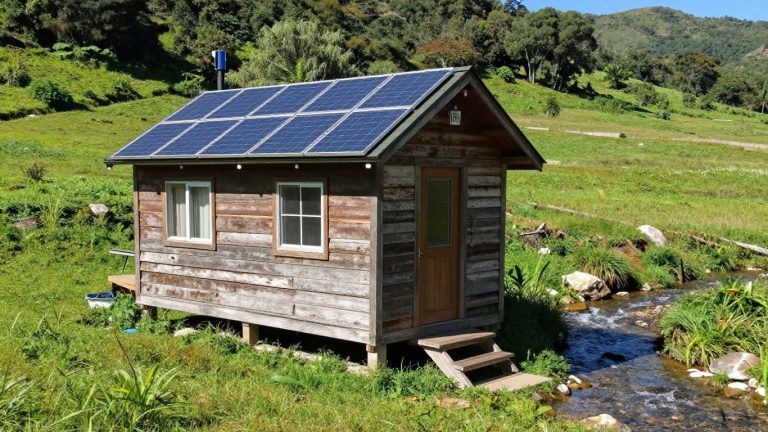
Thinking about ditching the grid in California? It’s a big step, but more and more people are looking at living off-grid in California for all sorts of reasons. Maybe you want to be more self-sufficient, cut down on your environmental impact, or just live a simpler life closer to nature. California, with its amazing scenery and sunny weather, seems like a pretty good spot for it. But it’s not as simple as just moving to the middle of nowhere. There’s a lot to figure out, from the rules and regulations to making sure you have power and water. This guide will help you get a handle on what off-grid living in California really means.
Key Takeaways
- Off-grid living means you’re not connected to public utilities like electricity and water, relying instead on your own sources.
- California offers great potential for off-grid life thanks to abundant sunshine for solar power and diverse landscapes.
- You’ll need to understand local building codes, zoning laws, and permit requirements before you start.
- Setting up reliable systems for energy (like solar), water, and waste management is critical for success.
- While challenging, off-grid living in California can lead to greater independence, sustainability, and a closer connection to nature.
Understanding Off-Grid Living In California
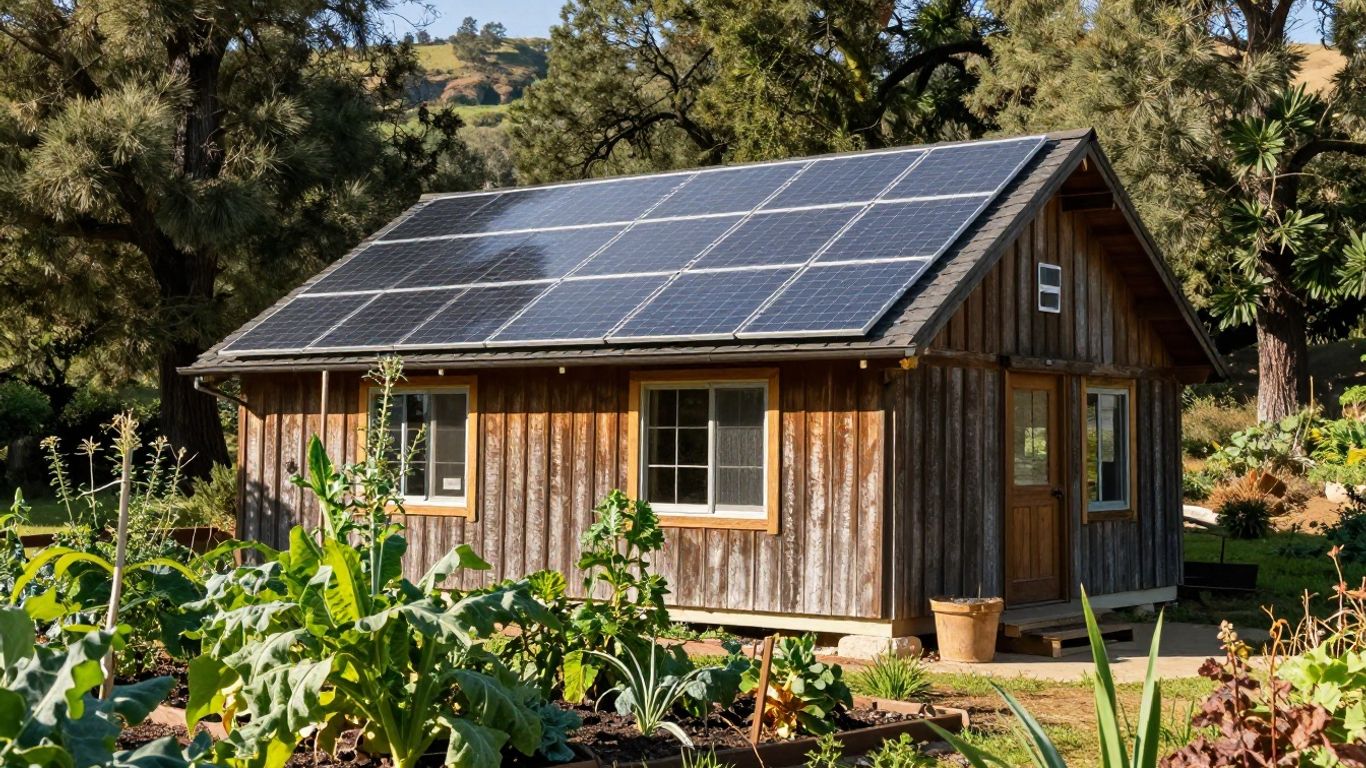
So, you’re thinking about ditching the utility bills and living a bit more independently in California? That’s a big step, and it’s totally doable. Basically, living off-grid means you’re not hooked up to the usual public services – no electricity from the power company, no city water, and no sewer lines. You’re managing all that yourself. It’s about being more self-sufficient and trying to live lighter on the planet.
Defining Off-Grid Living
At its heart, off-grid living is about self-reliance. You generate your own power, usually with things like solar panels or maybe a small wind turbine. Water might come from a well, a spring, or collecting rainwater. And when it comes to waste, think composting toilets and recycling everything you can. It’s a lifestyle that really makes you think about how you use resources.
The Appeal Of Off-Grid Living
Why would anyone want to do this? Well, for starters, there’s the freedom. No more monthly bills for utilities that just keep going up. Plus, you’re directly reducing your impact on the environment by using clean energy and managing your waste responsibly. Many people also find it brings a sense of peace and a closer connection to nature, which is pretty appealing, especially in a state like California with its amazing natural beauty.
Living off-grid isn’t just about disconnecting from utilities; it’s about reconnecting with your environment and understanding your needs on a more fundamental level. It requires a shift in perspective, valuing resourcefulness and mindful consumption.
Why California Is Ideal For Off-Grid Living
California is actually a pretty great place to go off-grid. Think about it: tons of sunshine year-round, which is perfect for solar power. The state has diverse landscapes, from mountains to deserts, offering different possibilities for where and how you can live. While there are definitely rules to follow, California has also been more open to renewable energy and alternative building methods compared to some other places. It’s a state that seems to attract people looking for a more independent and sustainable way of life.
Navigating The Legalities Of Off-Grid Living
So, you’re thinking about ditching the grid in California? That’s awesome! But before you start dreaming of your solar-powered yurt, let’s talk about the paperwork. It’s not the most exciting part, but it’s super important. You can’t just plop a house anywhere and call it a day, unfortunately.
Building And Zoning Regulations
This is where things can get a little tricky. Every county and even some cities in California have their own rules about what you can build and where. These are called zoning laws. Some areas might be zoned for agriculture, others for residential, and some might have restrictions on dwelling size or type. It’s absolutely vital to check the specific zoning for the land you’re interested in. You don’t want to buy a piece of property only to find out you can’t build the kind of home you envisioned there. Sometimes, you might need to apply for a special permit or variance if your plans don’t quite fit the standard mold. It’s a good idea to talk to the local planning department early on; they can tell you what’s allowed and what’s not.
Permits And Safety Standards
Think of permits as the government’s way of making sure your place is safe and won’t cause problems for anyone else. Even if you’re living off-grid, you’ll likely need permits for things like building your home, installing a septic system, and setting up your electrical system (even if it’s solar). California has building codes that cover everything from how your walls are constructed to how your plumbing works. These codes are there to protect you and anyone who might live there later. Getting the right permits might seem like a hassle, but it means your home will be up to code and safer. Plus, it avoids potential fines or orders to tear things down later.
- Building Permit: For the structure of your home.
- Septic Permit: If you’re not connecting to a public sewer.
- Electrical Permit: For your solar or other power systems.
- Plumbing Permit: For your water and waste systems.
Water Rights And Usage
Water is a big deal in California, especially when you’re living off-grid. You can’t just assume you can drill a well or divert a stream without looking into the legal side of things. Water rights can be complicated and depend on where you are. Some areas have strict rules about groundwater usage, and surface water rights are often tied to historical claims. You’ll need to figure out where your water is coming from and if you have the legal right to use it. Rainwater harvesting is often a good option, but even then, there might be local regulations to consider. It’s wise to research water availability and rights for your specific location before you commit to buying land.
Understanding and complying with local building and zoning laws, as well as water rights, is not just about avoiding trouble; it’s about building a sustainable and legal home that you can enjoy for years to come. Don’t skip this step!
Essential Systems For Sustainable Independence
Renewable Energy Solutions
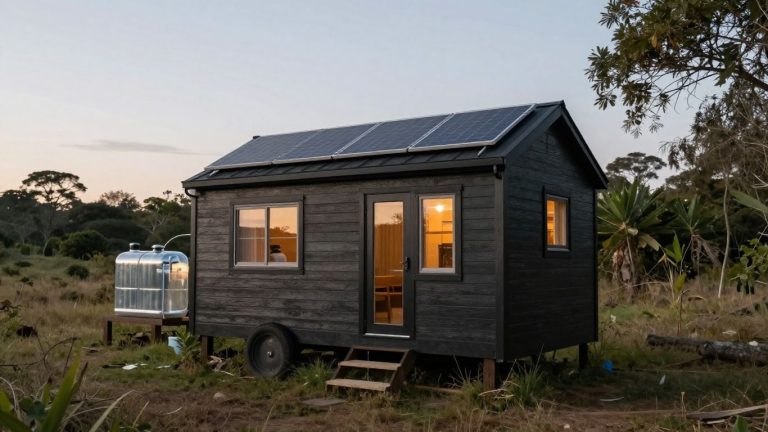
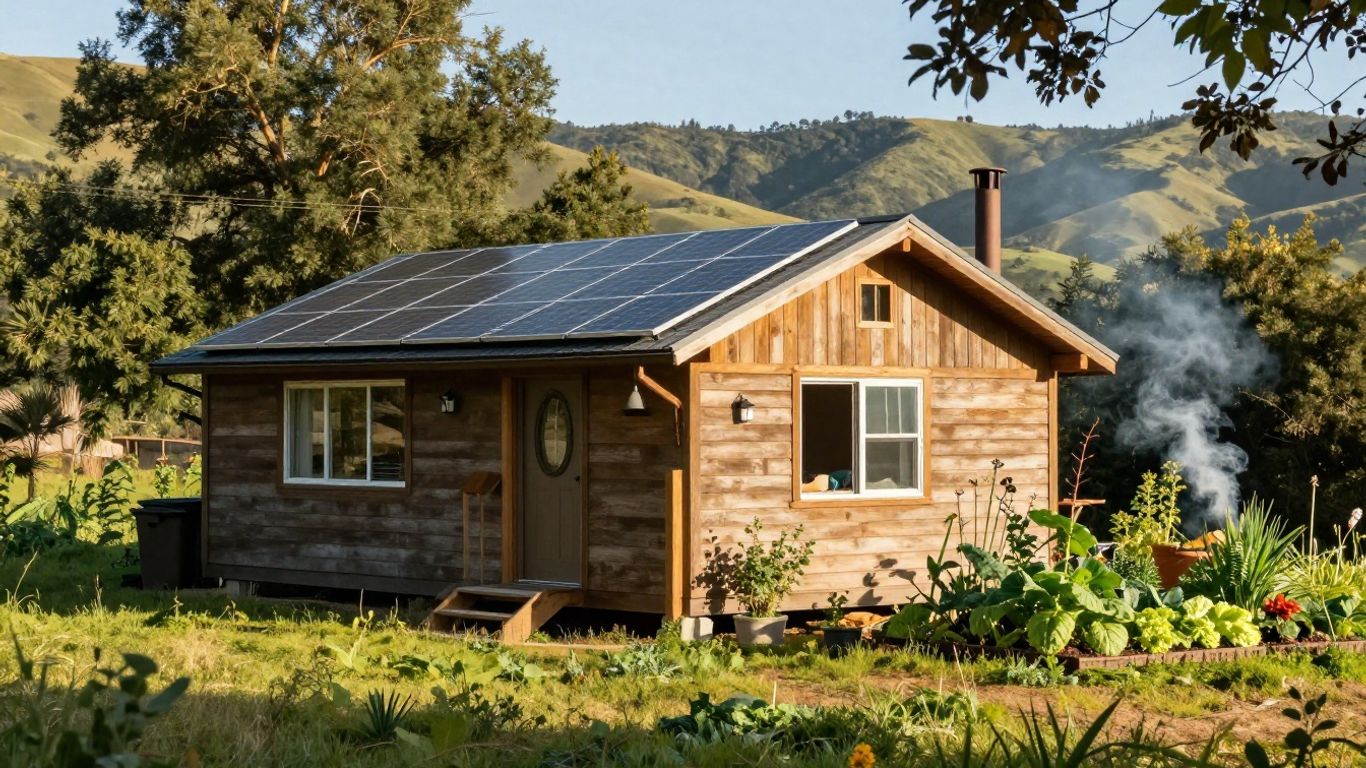
Setting up your own power is a big part of living off the grid. In California, sunshine is usually plentiful, making solar panels a top choice. You’ll want to figure out how much power you actually use to size your system correctly. Think about panels, batteries for storing energy for cloudy days or nighttime, and an inverter to change the power to what your appliances need. Don’t forget about maintenance; keeping those panels clean and checking your battery bank regularly makes a difference.
- Solar Panels: The most common choice due to California’s sun.
- Battery Storage: Crucial for storing excess energy.
- Charge Controller: Manages the flow of power to your batteries.
- Inverter: Converts DC power from panels/batteries to AC power for your home.
If you have a windy spot, a small wind turbine could be an option too. Or, if you’re near a stream with good flow, micro-hydro power might work. It’s all about using what nature gives you right there on your property.
Water Sourcing and Management
Water is precious, especially in California. Rainwater harvesting is a smart way to collect water from your roof. You’ll need a good system to catch it, store it, and keep it clean. Think about gutters, downspouts, and storage tanks. After collecting, you absolutely need a way to purify it for drinking and cooking. Filters, UV sterilizers, or even boiling can make collected water safe.
Proper water management isn’t just about having enough; it’s about using it wisely and keeping it clean. This means thinking about where your water comes from, how you store it, and how you treat it before you use it.
Greywater systems, which reuse water from sinks and showers for irrigation, are also a great way to conserve. Just be sure to check local rules about greywater use.
Waste Management Practices
Dealing with waste is different when you’re off-grid. Composting is your best friend here. Kitchen scraps, yard trimmings – it all breaks down into rich soil for your garden. Setting up a good compost bin or pile takes a little effort, but it cuts down on trash significantly and feeds your plants.
- Composting: Turns organic waste into valuable soil amendment.
- Recycling: Separate materials that can be reused or repurposed.
- Minimizing Waste: Focus on reducing what you bring in and what you throw out.
For anything that can’t be composted or recycled, you’ll need a plan for disposal. This might mean hauling it to a transfer station periodically. The goal is to create as little trash as possible, making your footprint lighter.
Embracing Sustainability In Your Off-Grid Home
Living off the grid in California is all about making smart choices to live in tune with nature. It means being mindful of what you use and how you use it. The goal is to create a home that works with the environment, not against it.
Energy-Efficient Appliances
When you’re generating your own power, every watt counts. Choosing appliances that sip energy instead of guzzling it makes a huge difference. Look for the Energy Star label, but also do your homework. Sometimes, older, simpler appliances are actually more efficient than their fancy, modern counterparts, especially if they don’t have a lot of digital components that draw phantom power. Think about refrigerators, washing machines, and even lighting. Switching to LED bulbs is a no-brainer, and it’s surprising how much energy you can save by just being conscious of what’s running.
Water-Saving Fixtures
Water is precious, especially in California. Off-grid living often means relying on wells, rainwater harvesting, or other independent sources. So, every drop saved is a win. Low-flow showerheads and toilets are standard upgrades, but you can go further. Consider greywater systems that reuse water from sinks and showers for irrigation. Aerators on faucets also help reduce water usage without sacrificing pressure. It’s about rethinking how we use water in our daily lives.
Organic Gardening And Permaculture
Growing your own food is a cornerstone of self-sufficiency. Organic gardening means avoiding synthetic pesticides and fertilizers, which is better for your health and the soil. Permaculture takes it a step further. It’s a design philosophy that mimics natural ecosystems. Instead of rows of single crops, you create a diverse, resilient system where plants and animals support each other. This can include things like:
- Food forests: Planting fruit and nut trees alongside perennial vegetables and herbs.
- Water harvesting: Using swales and rain gardens to capture and store water on your land.
- Composting: Turning kitchen scraps and yard waste into rich soil amendments.
This approach not only provides food but also builds healthy soil and supports local wildlife. It’s about creating a closed-loop system where waste is minimized and resources are reused. You can find some amazing examples of this kind of living in places like Garberville, California.
Living sustainably off-grid is a continuous learning process. It requires patience, observation, and a willingness to adapt. By integrating energy efficiency, water conservation, and ecological design into your home and lifestyle, you can create a truly independent and harmonious existence.
Challenges And Solutions For Off-Grid Living
Living off the grid in California, while rewarding, definitely comes with its own set of hurdles. It’s not all sunshine and self-sufficiency, though many folks make it work beautifully. You’ve got to be ready for a few things that might catch you off guard if you’re used to city life.
Dealing With Isolation
One of the biggest things people talk about is isolation. When you’re out in a remote area, the nearest neighbor might be miles away, and spontaneous social outings aren’t really a thing. It can feel pretty lonely sometimes, especially if you’re used to being around people all the time. Finding ways to stay connected is key to not feeling like you’re on a deserted island.
- Community Building: Make an effort to connect with other off-grid folks or even just your nearest neighbors. Potlucks, shared workdays, or just regular chats can make a huge difference.
- Technology: Don’t discount modern tech. Reliable internet, even if it’s satellite, can keep you in touch with family, friends, and online communities. Video calls are a lifesaver.
- Local Engagement: Get involved in local events or volunteer work in the nearest town. It’s a great way to meet people and feel part of something bigger.
The quiet can be a blessing, but it can also amplify feelings of loneliness if you’re not prepared for it. Proactive connection is the antidote.
Ensuring Reliable Access To Essentials
When the power grid is out of the picture, you’re the utility company. This means you need to be really on top of your systems and have backups for everything. Running out of water or power isn’t just an inconvenience; it can be a serious problem. Planning ahead is non-negotiable.
- Backup Systems: Always have a backup for your backup. If you have solar, have a generator. If you rely on a well, have a water storage tank. Redundancy is your friend.
- Supply Chains: Figure out where you’ll get your supplies. Are there local farmers’ markets, co-ops, or reliable suppliers for things like propane or spare parts? Building these relationships early is smart. You can find resources for off-grid living on raw land.
- Emergency Preparedness: Have a solid emergency kit. Think beyond a few days’ worth of food and water. Include first-aid supplies, tools, and anything you might need if you’re cut off for a while.
Financial Planning For Off-Grid Life
Let’s be real, going off-grid isn’t always cheaper upfront. Setting up solar panels, water systems, and making your home energy-efficient costs money. Plus, you’ll have ongoing costs for maintenance and supplies that you might not have thought about.
- Budgeting: Create a detailed budget that includes initial setup costs, ongoing maintenance, and a buffer for unexpected expenses. Things break, and you need to be ready to fix them.
- Resource Management: Being mindful of your resource use directly impacts your costs. The more efficiently you use power and water, the less you’ll need to spend on fuel or system upgrades.
- Skill Development: Learning basic repair and maintenance skills can save you a lot of money. Instead of calling a professional for every little thing, you can often handle it yourself.
It’s a lifestyle that demands a certain level of self-reliance and preparedness, but for many, the freedom and connection to nature are well worth the effort.
California’s Unique Advantages For Off-Grid Lifestyles
Abundant Sunshine For Solar Power
California really shines when it comes to sunshine, and that’s a huge plus for anyone thinking about living off the grid. We’re talking about an average of 284 sunny days a year here. That’s a lot of free energy just waiting to be captured! Solar panels are a no-brainer in most parts of the state, making it easier and more affordable to power your home with clean energy. It means less worry about utility bills and a smaller footprint on the planet. Plus, the technology for solar is getting better and cheaper all the time, so it’s a really smart investment for long-term independence.
Diverse Landscapes For Varied Living
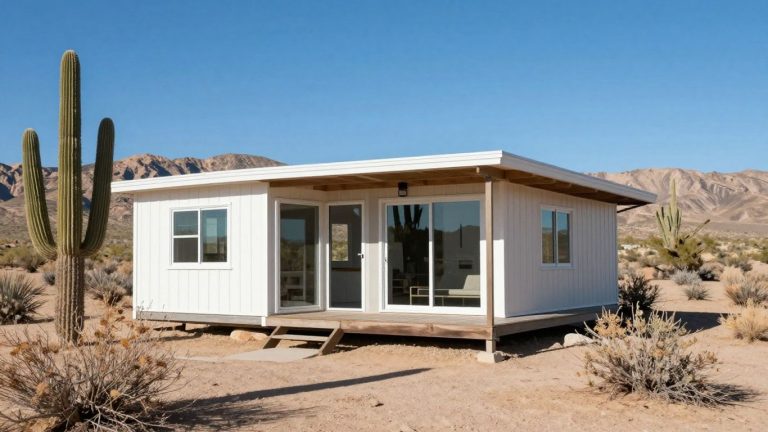
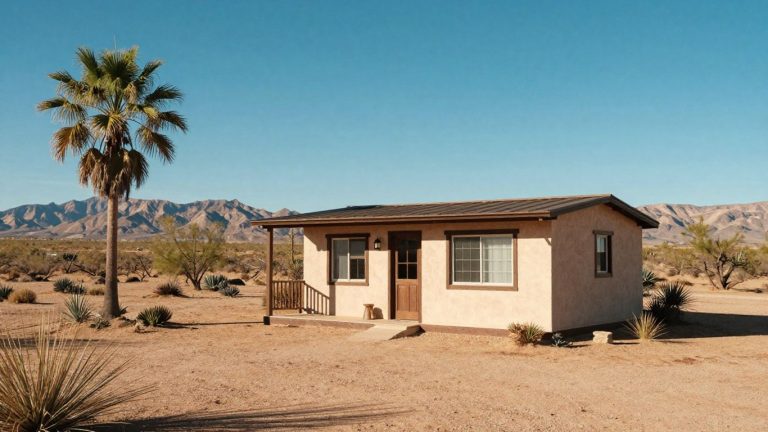
One of the coolest things about California is just how much variety there is. You’ve got everything from arid deserts that are perfect for stargazing and quiet living, to lush forests up north, and even the dramatic coastline. This means you can really pick a spot that fits your vision of off-grid life. Whether you dream of a remote mountain cabin, a desert homestead, or a place closer to the coast, California likely has a landscape that will call to you. This diversity also means different opportunities for things like gardening, water collection, and just enjoying the natural world around you.
State Support For Renewable Energy
It’s not just the weather; California is also pretty forward-thinking when it comes to renewable energy. The state has policies and even some incentives in place that can make setting up your off-grid systems, especially solar, a bit easier and less expensive. While you still need to do your homework on local rules, the general push towards clean energy means there’s a more supportive environment for people trying to live sustainably. This can include things like easier permitting processes in some areas or information resources to help you get started. It’s good to know the state is generally on board with this kind of lifestyle.
Your Off-Grid California Adventure Awaits
So, you’ve learned about living off the grid in California. It’s a big change, for sure, but it can be really rewarding. You’ll be more independent, live closer to nature, and probably cut down on your environmental impact. California has a lot going for it, like all that sunshine for solar power and beautiful places to live. Just remember to do your homework on the rules and plan out your systems for power, water, and waste. It takes work, but building a life that’s more self-sufficient and in tune with the environment is totally possible here. It’s a journey, but one that can lead to a simpler, more connected way of living.
Frequently Asked Questions
What does it really mean to live off the grid?
Living off the grid means you’re not connected to the main public services like electricity, water, or sewer systems. You’re basically in charge of providing these things for yourself, often using things like solar panels for power and collecting rainwater.
Why do people want to live off the grid in California?
Many people choose this lifestyle in California because they want to be more independent, live closer to nature, and reduce their impact on the environment. California also has a lot of sunshine, which is great for solar power, and beautiful places to live.
Is it hard to get permission to build an off-grid home in California?
It can be tricky. Different areas in California have their own rules about building, especially for homes not connected to public utilities. You’ll need to check with the local government to understand what permits and safety rules you need to follow.
How do I get water if I live off the grid?
You can get water in a few ways, like collecting rainwater or using water from a well or natural spring. You’ll also need a way to clean the water to make sure it’s safe to drink.
What are the biggest problems with living off the grid?
Some challenges include feeling isolated because you might live far from others, making sure you always have enough power and water, and figuring out how to handle trash and waste. It also requires careful planning and can cost money upfront.
Does California help people who want to live off the grid?
Yes, California is very supportive of using clean energy. There are often programs and incentives that can help make it more affordable to set up things like solar panels, which are a big part of living off the grid.
Explore more tiny home living, design, downsizing, building, and lifestyle resources.
- How Do You Get Water and Electricity in a Tiny House? Essential Guide to Off-Grid Utilities
- Exploring Off Grid Communities in Washington State: Where to Find Sustainable Living Options in 2026
- Off Grid Living in Montana: Essential Tips for Building a Self-Sufficient Lifestyle in Big Sky Country
- Tiny Homes for Rent in Wyoming: Wild West Getaways to Book
- Tiny Homes for Rent in Washington: Forest Escapes & Cozy Stays
- Tiny Homes for Rent in Utah: Red Rock Retreats to Book