Off Grid Living in Montana: Essential Tips for Building a Self-Sufficient Lifestyle in Big Sky Country

Dreaming of a life away from the hustle and bustle, surrounded by Montana’s wide-open spaces? Off grid living in Montana offers a unique chance to build a self-sufficient lifestyle, but it’s not for the faint of heart. Big Sky Country presents its own set of challenges, from unpredictable weather to specific legal hurdles. This guide is here to help you get started, covering the basics you’ll need to know to make your Montana homestead dream a reality.
Key Takeaways
- Montana’s climate and geography demand careful planning for any off grid living endeavor.
- Understanding Montana’s water rights and zoning laws is critical before buying land.
- Securing suitable land with good water access and solar potential is a top priority.
- Developing practical skills like resource management and system troubleshooting is vital for self-sufficiency.
- Reliable energy and water systems are non-negotiable for surviving Montana’s harsh winters.
Understanding Montana’s Climate and Geography
Montana is a huge state, and its size means you’re going to find all sorts of different weather and land types. If you’re thinking about living off the grid here, getting a handle on this is pretty much step one. It’s not just about pretty views; it’s about making sure your homestead can actually handle what Mother Nature throws at it.
Navigating Montana’s Diverse Climate Zones
Montana isn’t just one big, cold place. It’s actually broken down into a few different climate zones. In the west, you’ve got weather that’s a bit more like the Pacific Northwest, with milder winters and more rain. As you move east, things get drier and the temperatures swing more wildly – think hot summers and really, really cold winters. There are also mountain areas where the weather can be even more extreme, and the growing season gets shorter the higher you go.
Here’s a rough idea of what you might expect:
- Western Montana: Influenced by the Pacific, generally milder, more precipitation. Think longer growing seasons, maybe 120-150 days in the valleys.
- Central Montana: A mix of plains and mountains. Weather can change fast. Growing seasons can be shorter, around 90-120 days.
- Eastern Montana: More of a prairie climate. Hot, dry summers and very cold winters. Growing seasons might be 110-130 days, but can be tough.
- High Elevations: Above 5,000 feet, expect very short growing seasons, often 70-90 days, and much harsher conditions.
Knowing your specific zone is key. A property that works in western Montana might be a struggle in the eastern plains, especially when it comes to gardening and water.
Assessing Land for Weather Exposure
When you’re looking at land, don’t just think about how it looks. Think about how the weather will affect it. Is it in a valley that might get frost pockets? Is it on a high, exposed ridge that will get hammered by wind all winter? Are there natural windbreaks like trees, or will you need to plant some? How does snow tend to drift on the property? These things matter a lot for things like keeping your water from freezing, protecting your animals, and even how much sun your solar panels get.
Seasonal Planning for Montana Homesteaders
Montana’s seasons are pretty distinct, and you need to plan for all of them. Summer is short, and you need to get as much done as possible – gardening, building, repairs. Fall is about getting ready for winter: preserving food, making sure your shelter is sealed up tight, and stocking up on firewood. Winter is long and can be brutal. You need reliable heat, ways to keep water flowing, and plans for getting around if there’s a lot of snow. Spring is often muddy and can still have freezing temperatures, so it’s a transition period. Thinking ahead for each season will save you a lot of headaches.
Legal Requirements for Off Grid Living in Montana
Before you even start dreaming about building your cabin or setting up your solar panels, you’ve got to get a handle on the legal stuff. Montana is a big place, and the rules can change quite a bit depending on where you are. It’s not just about owning land; it’s about understanding how you can use it and what resources you can tap into. Skipping this part can lead to some serious headaches down the road, so let’s break it down.
Understanding Water Rights in Montana
Water is life, especially when you’re aiming for self-sufficiency. In Montana, water rights are a big deal and they follow a principle called ‘prior appropriation,’ which basically means ‘first in time, first in right.’ This system can be a bit complex. If you plan to use water from a river, stream, or lake, you need to know if those rights are attached to the land you’re buying or if they’re held by someone else. Even drilling a well usually requires permits, though there are some exemptions for small domestic use. It’s super important to verify that any water sources you’re counting on are legally yours to use. Don’t assume that just because water is on the property, you can automatically use it however you want.
Zoning and Homeowners Association Restrictions
Just because you’re going off-grid doesn’t mean you’re free from all regulations. Many areas, even rural ones, have zoning laws. These laws dictate what you can build, where you can build it, and sometimes even what kind of activities you can do on your land. Some counties might have minimum acreage requirements for certain uses, or rules about how close structures need to be to property lines or water sources. If your property is part of a subdivision, you might also have to deal with Homeowners Association (HOA) rules, which can be even more specific. It’s wise to check with the local county planning department and review any HOA covenants before you buy. You don’t want to find out later that your dream off-grid setup isn’t allowed.
Insurance Considerations for Remote Properties
Getting insurance for an off-grid property, especially one that’s remote, can sometimes be tricky. Insurance companies look at risks, and things like the distance to fire services, the potential for wildfires (which are a real concern in Montana), or even the lack of a standard utility connection can affect whether they’ll insure you and how much it will cost. If you’re buying land without a house, this might be less of an issue. But if you’re looking at an existing off-grid home, make sure you can get the insurance coverage you need to feel secure. It’s worth shopping around and talking to different providers to see what options are available for your specific situation.
Finding and Securing Your Montana Homestead Land
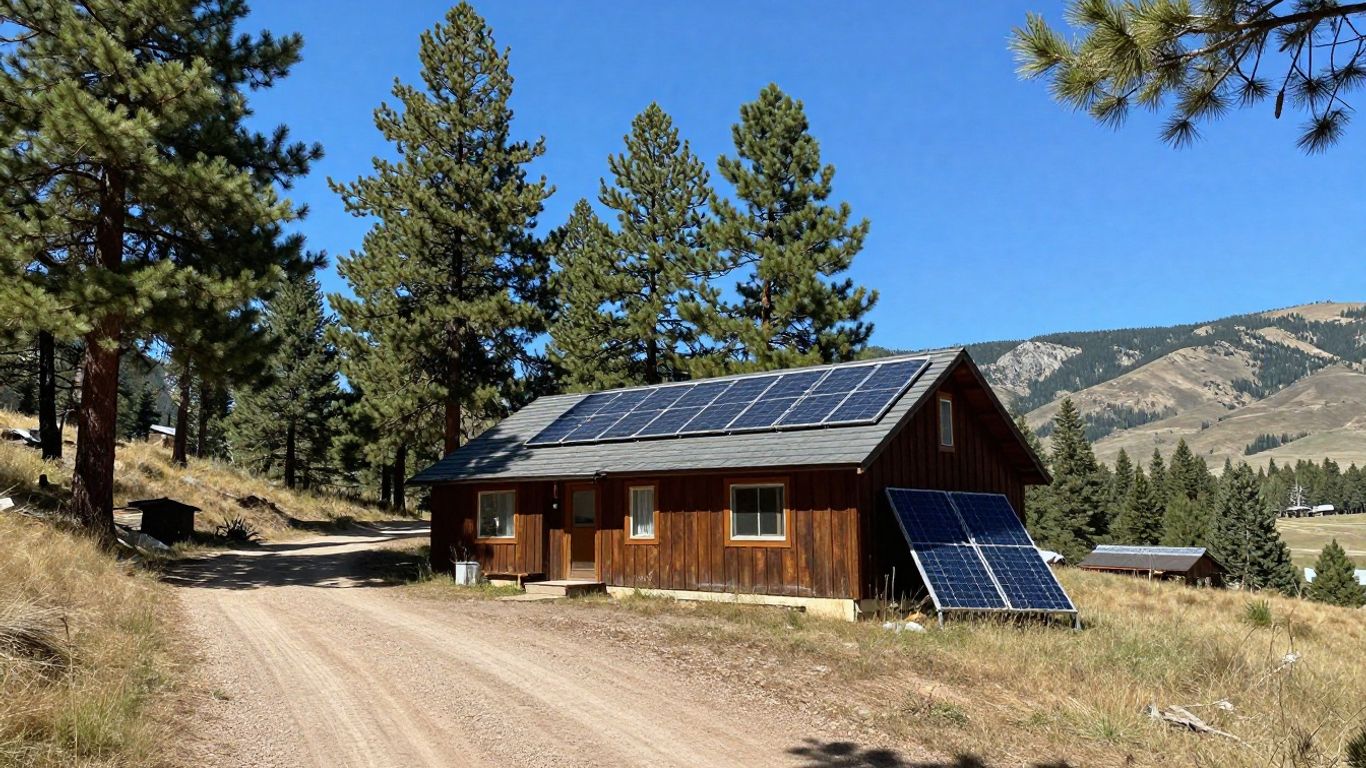
Alright, so you’ve got the dream of living off the grid in Montana. That’s awesome! But before you start picturing yourself chopping wood and raising prize-winning pumpkins, you need to find the right piece of land. This isn’t like buying a city lot; it’s a whole different ballgame. Choosing the right location is probably the most important step you’ll take. Montana is huge, and what works for one person might be a total disaster for another. You’ve got to think about more than just pretty views.
Identifying Suitable Acreage for Self-Sufficiency
When you’re looking for land, think about what you actually need to live on. Do you want to grow a lot of food? Raise animals? Both? This will dictate how much space you need. Look for land that has good soil if gardening is a priority. For livestock, you’ll need enough pasture or space for barns and corrals. Also, consider how accessible the property is. Is it down a road that gets completely snowed in for months, or is there year-round access? You don’t want to be completely cut off unless that’s exactly what you’re going for. Sometimes, you can find affordable, off-the-grid properties in more remote areas, like near Winnett, that offer a true country living experience.
Evaluating Property for Water Access
Water is life, especially when you’re trying to be self-sufficient. You absolutely must figure out where your water is coming from. Montana has different options: wells, surface water (like rivers or streams), springs, or even collecting rainwater. Each has its own set of rules and challenges. For instance, surface water rights are a big deal in Montana, following a "first in time, first in right" system. You can’t just assume you can use the water flowing through your land. You need to verify that any water rights come with the property. Wells can be expensive to drill, and you need to know how deep you’ll have to go to hit water. A property with a reliable spring or a good well already in place can save you a ton of headaches and money.
Assessing Sunlight for Solar Potential
If you’re planning on using solar power – and most off-gridders do – you need to check out the sun exposure. Are there tall trees or mountains that will cast long shadows over your property, especially during the winter when the sun is lower in the sky? You’ll want a spot that gets as much direct sunlight as possible throughout the day, year-round. Think about the orientation of any potential building site, too. A south-facing slope is usually ideal for maximizing solar gain. Don’t forget to consider any potential obstructions that might pop up in the future, like a neighbor building a new structure or planting trees. It’s worth doing a little research on solar irradiance for the specific area you’re looking at.
When you’re looking at land, don’t just fall in love with the scenery. Get practical. Check property lines carefully, understand any easements or rights-of-way, and look into local zoning laws. Sometimes, a beautiful piece of land comes with restrictions that could really cramp your homesteading style. Talking to the county planning department is a good idea before you get too serious about a purchase.
Here’s a quick rundown of things to investigate:
- Water Rights: Are they secured and transferable with the land?
- Access: Year-round access, or will you be snowed in?
- Soil Quality: Good for gardening or pasture?
- Sun Exposure: Enough for solar panels and a decent growing season?
- Zoning: Any restrictions on building, animals, or activities?
- Natural Resources: Are there existing wells, springs, or timber?
Essential Skills for Montana Homesteaders
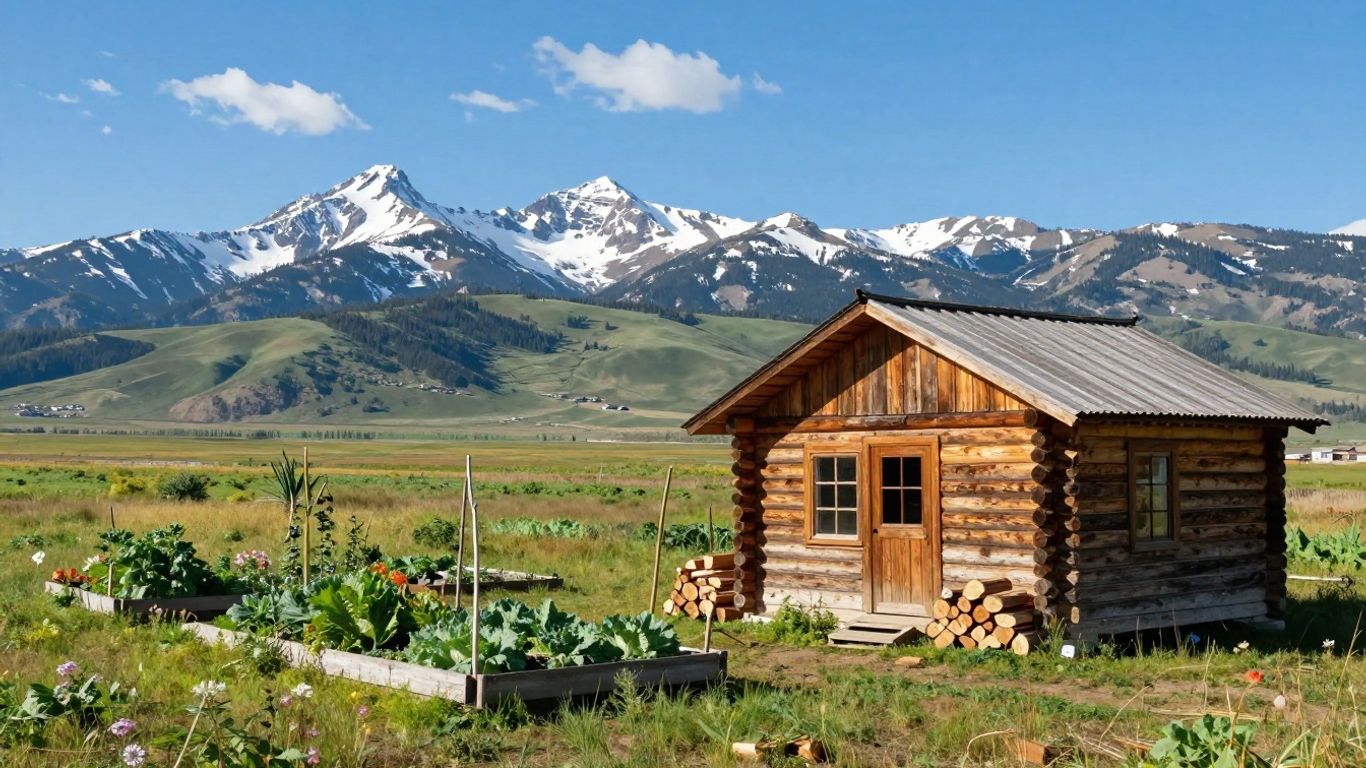
Living off the grid in Montana means you’re going to have to get your hands dirty. The state’s wide-open spaces and sometimes harsh weather mean you can’t always rely on someone else to fix things or provide what you need. Building up a solid set of skills is key to making this lifestyle work. It’s not just about having the right tools; it’s about knowing how to use them and when to use them.
Mastering Food Preservation Techniques
Montana’s growing season can be short, so making the most of your harvest is super important. You’ll want to get good at canning, drying, and freezing. Canning is great for fruits, vegetables, and meats, turning your garden bounty into meals you can eat all winter. Drying is perfect for herbs and some fruits, and freezing works well for a lot of vegetables and berries. Learning these methods means you won’t waste food and you’ll have a steady supply of nutritious meals, even when the snow is piled high.
- Canning: Requires jars, lids, a large pot, and a pressure canner or water bath canner depending on the food.
- Drying: Can be done with a food dehydrator or by air-drying in a warm, dry place.
- Freezing: Needs a reliable freezer and good quality freezer bags or containers.
Resource Management and Sustainable Practices
Being smart with what you have is a big part of homesteading here. This means managing your water, firewood, and waste carefully. Think about how you can collect rainwater or use snowmelt. For firewood, learn how to harvest it sustainably, cutting down only what you need and letting areas regrow. Reducing waste is also huge – composting kitchen scraps and garden waste turns trash into valuable soil. It’s all about making your homestead work with the land, not against it.
You’ll want to develop a keen eye for what resources are available on your land and how to use them without depleting them. This might mean rotating grazing areas for any animals you have, or carefully managing your woodlot for firewood and building materials.
Troubleshooting Off-Grid Systems
When you’re living off the grid, your power, water, and heating systems are your lifeline. Things will break, and you need to be ready to fix them. This could mean understanding how your solar panels and batteries work, knowing how to clear a clogged water filter, or figuring out why your wood stove isn’t heating properly. Having a basic toolkit and knowing how to use it for repairs will save you a lot of headaches and money. Don’t be afraid to learn the basics of plumbing and electrical work – it’s incredibly useful.
- Solar Power: Learn to check battery charge levels, clean panels, and identify loose connections.
- Water Systems: Understand how your pump works, how to check for leaks, and how to maintain filters.
- Heating: Know how to safely operate and maintain your wood stove, including chimney cleaning.
Building these skills takes time, but each one you pick up makes your life in Montana more secure and rewarding. Don’t try to learn everything at once; focus on what you need most right now and build from there. Talking to neighbors who have been doing this for a while is also a great way to pick up practical tips.
Creating a Sustainable Water System
Water is the lifeblood of any homestead, and in Montana’s diverse climate, establishing a reliable water system requires careful planning and implementation. From harsh winters to dry summers, your water system must withstand Montana’s challenging conditions while providing consistent access to this essential resource.
Well Drilling Considerations in Montana
Drilling a well is a common way to access groundwater in Montana, but it’s not a simple task. The depth to water can vary wildly across the state, from shallow wells in some areas to needing to drill hundreds of feet in others. It’s important to research the typical well depths in the specific region you’re considering. You’ll also need to factor in the cost of drilling, pump installation, and any necessary permits. Always get a water quality test done after drilling. You want to know what you’re dealing with, especially if you plan to drink it or use it for irrigation.
Surface Water Rights and Usage
Montana follows the doctrine of prior appropriation for water rights, meaning "first in time, first in right." If you’re looking at land with access to rivers, streams, or lakes, you need to understand the existing water rights. Simply having water on your property doesn’t automatically grant you the right to use it, especially for irrigation or other significant uses. Researching these rights is a must before you buy. Using surface water often involves permits and can be restricted during dry periods. For irrigation, consider methods like drip irrigation, which is quite efficient and can reduce water usage by up to 70% compared to sprinklers. This is a smart way to manage your water resources on Montana homestead land.
Precipitation Collection and Springs
Collecting rainwater is legal in Montana, but in most areas, it’s not enough to be your sole water source. It can supplement your needs, though, especially if you have large roof surfaces. Think about setting up a system to capture runoff. Springs and seeps, on the other hand, are natural features that can be incredibly valuable. If a property has a reliable spring, it can significantly simplify your water system. However, you still need to ensure you have the legal right to use that spring water and consider how to protect its source from contamination. Building a sustainable water system often involves a combination of these methods.
Montana’s weather extremes demand proper preparation. Winter preparedness means insulated water systems and adequate heating. Drought resilience requires water conservation and storage. Fire mitigation and flood preparation are also key considerations depending on your location. Understanding these factors is the foundation of homestead planning.
Here are some ways to make your water system more sustainable:
- Water Conservation: Install low-flow fixtures, consider composting toilets, and reuse greywater for irrigation. Group plants with similar water needs and use soil amendments to improve water retention.
- Winter Protection: Insulate all exposed pipes, use heat tape if necessary, and install frost-free hydrants. Ensure outdoor plumbing can be fully drained before freezing temperatures arrive.
- Backup Systems: Have a plan for backup water sources in case your primary system freezes or fails. This could involve stored water or a secondary collection method.
Energy Solutions for Your Montana Homestead
Living off the grid in Montana means you’re going to need reliable power, especially when those long winters hit. It’s not just about convenience; it’s about staying warm, keeping food fresh, and having light when the sun goes down way too early. You’ll want a mix of systems, really, because relying on just one thing out here can be risky.
Harnessing Solar Potential in Montana
Montana actually gets a good amount of sunshine, even with its northern location. Think about five hours of good sun on an average day in many spots. Snow can even help by reflecting light onto your panels in the winter, making them work a bit better. The eastern parts of the state, with all that open sky, are particularly good for solar setups. A system that connects to the grid but also has batteries is a smart move. You can send extra power back when you have it and still have power when the grid goes down. Plus, there are tax credits that can help with the upfront cost, which is nice.
Exploring Wind Energy Options
Wind is another big player here. Montana has some of the best wind resources in the country, so small wind turbines can really fill in the gaps, especially when the sun isn’t cooperating as much. Consistent winds, particularly in the plains and mountain passes, can generate a lot of power. For a home, you’re looking at turbines that can be mounted on tall towers to catch the best wind. When you combine wind and solar, you get a much more stable power supply throughout the year, which is a lifesaver during those cold Montana months.
Energy Conservation for Extreme Winters
Honestly, the cheapest and most effective energy solution is to use less. Montana winters are no joke, so your home needs to be built with that in mind. We’re talking serious insulation in the walls and ceilings. Triple-pane windows are a must, and using heavy curtains at night makes a big difference. Creating airlock entries, like a small mudroom before the main door, stops a lot of heat from escaping when you go in and out. Building into a south-facing slope, or even partially underground, can also help keep your home warmer naturally. Using the sun’s heat through big south-facing windows and letting materials like concrete or stone floors soak up that warmth to release later is a great passive strategy.
The goal is to create a resilient energy system that doesn’t rely on a single source. Think about how your solar, wind, and even backup propane systems can work together, supported by a well-insulated and passively heated home. This layered approach is what truly makes off-grid living practical and comfortable in Montana.
Here’s a quick look at what to consider for conservation:
- Insulation Levels: Aim for R-40 in walls and R-60 in ceilings.
- Windows: Triple-pane, low-E windows are best.
- Air Sealing: Pay attention to drafts around windows, doors, and any penetrations.
- Thermal Mass: Incorporate materials like concrete, brick, or stone inside the heated envelope.
- Airlocks: Design entryways to minimize direct air exchange with the outside.
Building or Renovating Your Montana Homestead
When you’re setting up your off-grid life in Montana, the structure you live in is more than just a house; it’s your primary shelter against some serious weather. Thinking about building new or fixing up an existing place means considering the unique challenges of this region. Cold-climate construction is key to comfort and efficiency. You’ll want to focus on designs that can handle heavy snow, extreme cold, and temperature swings.
Cold-Climate Building Considerations
Montana’s winters are no joke. When building, you need to think about insulation, air sealing, and structural integrity. A well-insulated home uses less energy to heat, which is a big deal when you’re generating your own power. Look into high R-value insulation for walls, attics, and foundations. Proper air sealing prevents drafts and heat loss. Also, consider the roof load – heavy snow can really weigh things down. Simple rooflines, like a gable or shed roof, are often better at shedding snow than complex designs. Remember, a little extra effort upfront in building a robust structure saves a lot of headaches and heating bills later on.
Passive Solar Design Principles
Passive solar design is all about using the sun’s energy to heat your home naturally. This means orienting your house to take advantage of the winter sun. Large, south-facing windows can let in a lot of warmth during the day. Then, you need materials inside that can store that heat, like a concrete slab floor or a masonry wall. This stored heat is then released slowly at night, helping to keep the house warm. It’s a smart way to reduce your heating needs without using any extra energy. You’ll want to balance window placement to maximize winter sun while minimizing summer overheating, perhaps with overhangs or deciduous trees.
Airlock Entries and Thermal Mass
An airlock entry, sometimes called a mudroom or vestibule, is basically a small room with two doors. You close one door behind you before opening the other. This creates a buffer zone that stops cold air from rushing directly into your main living space when you come inside. It’s a simple but effective way to keep heat in. Thermal mass, as mentioned with passive solar, refers to materials like concrete, brick, or stone that absorb and store heat. Incorporating these materials into your home’s design, whether in floors, walls, or even a central fireplace, helps regulate indoor temperatures. This stability is incredibly important when you’re relying on your home’s design to manage the climate, not just a furnace. Understanding these building techniques can make a huge difference in your comfort and energy use, and it’s worth researching local building codes to ensure your plans meet any requirements.
Raising Livestock in Montana’s Environment
Bringing animals onto your Montana homestead is a big step, and honestly, it’s not for everyone. But if you’re looking to really live off the land, livestock can be a game-changer. It’s not just about having fresh eggs or milk; it’s about creating a closed-loop system where animals contribute to your homestead’s fertility and food production. However, Montana’s climate throws some serious curveballs, so you’ve got to be prepared.
Selecting Cold-Hardy Livestock Breeds
When you’re picking out your critters, think about what can handle a Montana winter. You don’t want animals that are going to struggle when the thermometer plummets. For cattle, breeds like Highland or Galloway are tough. They’ve got these amazing thick coats and are good at finding food even when things are scarce. Sheep breeds like Icelandic or Shetland are also solid choices; they’re known for staying healthy through the cold and can often graze longer into the year. For smaller homesteads, chickens are a great start. Look for breeds such as Wyandottes or Orpingtons – they’re known to keep laying eggs even when it’s freezing, provided they have good shelter. Goats, especially Kiko or Oberhasli, are also pretty resilient. Pigs can be surprisingly hardy too, with breeds like Tamworth doing well in colder weather.
Feed Storage and Management
This is where things get serious for Montana winters. You’re looking at potentially 5 to 7 months where your animals will need supplemental feed. You really need to calculate how much feed you’ll need, and then add a good 20% buffer, just in case you get hit with an extra-long or harsh winter. Storing hay properly is key; you want to keep it covered to stop it from getting wet and losing its nutrients. Using feeders that cut down on waste, especially for round bales, can save you a surprising amount of feed. Grains need to be stored in containers that rodents can’t get into, because nobody wants to lose their feed to pests. And think about where you’re storing it all – you’ll want it easy to get to, even when there’s a ton of snow on the ground. Some folks even build root cellars to store root vegetables for their animals, which is pretty smart.
Livestock Shelters for Harsh Winters
Your animals need a safe, warm place to ride out the winter. The shelters should be built to block the wind, which can be brutal here. Good ventilation is important too, to keep the air fresh and prevent respiratory problems, but you don’t want drafts blowing through. A lot of homesteaders use the ‘deep litter method’ – just piling on more bedding like straw or wood shavings. It breaks down and creates its own warmth. You’ll also want to think about water. Frozen water is a real problem, so heated waterers or insulated lines are a good idea. And if you can, position the shelter opening to face south; that way, it catches the sun’s warmth during the day. It makes a difference.
Predator protection is not optional in Montana. You’ll need to think about fencing, maybe electric wire, and possibly guardian animals like a good dog or even a llama. Bringing smaller animals inside at night is also a smart move. Don’t leave anything to chance when it comes to keeping your livestock safe from the local wildlife.
Embracing the Montana Homesteading Journey
So, you’ve learned a lot about making a life off the grid here in Montana. It’s not always easy, and there will be days you question your choices, especially when the snow is piled high or the garden isn’t cooperating. But remember why you started this. It’s about building something real, something that connects you to the land and to yourself. Take it one step at a time, learn from your neighbors, and don’t be afraid to adapt. This Big Sky Country offers a unique kind of freedom, and with careful planning and a good dose of grit, your dream of a self-sufficient life can absolutely take root and grow.
Frequently Asked Questions
Is it possible to live completely off the grid in Montana?
Yes, you can live off the grid in Montana, but it takes a lot of planning and work. Most people who try this lifestyle use a mix of solar, wind, and maybe a generator for power. Because of the harsh winters and short growing season, it’s hard to be 100% self-sufficient, but you can get pretty close with the right skills and preparation.
Do I need special permits or legal permissions to build an off-grid home in Montana?
You usually need to follow local zoning rules and building codes, even if you live off the grid. Some counties might have extra rules about water rights or septic systems. Always check with the local government before building or making big changes to your property.
How do I find land in Montana that’s good for off-grid living?
Look for land with reliable water sources like wells or springs, and check if you have legal rights to use the water. Make sure the land gets enough sun if you want to use solar panels. Also, think about how easy it is to reach the property, especially in winter, and if there are any restrictions from homeowners associations.
What kind of animals can survive Montana’s cold winters?
Cold-hardy animals like certain breeds of cattle, sheep, goats, and chickens do well in Montana. Look for breeds that are known for handling cold weather. Make sure you build strong shelters and store enough feed to get them through the long winter months.
What are the biggest challenges of living off the grid in Montana?
The toughest parts are the long, cold winters, short summers for growing food, and sometimes being far from stores or medical help. You’ll need to plan ahead for heating, food storage, and keeping water from freezing. Learning basic repair skills is also important since help can be far away.
How do I get water on an off-grid homestead in Montana?
Most people drill a well or use a natural spring if one is on the property. You can also collect rainwater, but it’s usually not enough to meet all your needs. Always check the water rights before buying land, since Montana has strict rules about who can use water from wells or streams.
Explore more tiny home living, design, downsizing, building, and lifestyle resources.
- Off Grid Living in California: Your Guide to Sustainable Independence
- How Do You Get Water and Electricity in a Tiny House? Essential Guide to Off-Grid Utilities
- Exploring Off Grid Communities in Washington State: Where to Find Sustainable Living Options in 2026
- Tiny Homes for Rent in Wyoming: Wild West Getaways to Book
- Tiny Homes for Rent in Washington: Forest Escapes & Cozy Stays
- Tiny Homes for Rent in Utah: Red Rock Retreats to Book