Your Essential Guide to Off-Grid Living in North Dakota: Pros, Cons, and Top Locations

Dreaming of a life away from the hustle and bustle? North Dakota offers a unique landscape for those seeking self-sufficiency and a connection to the land. This guide dives into what off grid living in North Dakota really entails, from understanding the climate to finding the perfect spot. We’ll cover the practicalities, the joys, and the challenges of embracing a more independent lifestyle in the Peace Garden State.
Key Takeaways
- Off grid living in North Dakota is entirely possible and legal, often involving hybrid systems for comfort and reliability.
- North Dakota’s climate demands careful planning for long winters, including robust heating and power backup solutions.
- Selecting the right land involves more than just size; consider usable space, zoning, access, and water rights.
- The pros of off grid living include freedom and self-sufficiency, while cons involve isolation and the need for meticulous planning.
- Building a supportive community through local groups, markets, and bartering is vital for thriving off the land.
Understanding Off Grid Living in North Dakota: What It Truly Means
So, you’re thinking about ditching the grid in North Dakota, huh? It sounds pretty romantic, doesn’t it? Living out there, totally self-sufficient, just you and the wide-open prairie. But what does that really look like on the ground, especially in a place like North Dakota with its famously long winters and short summers? It’s more than just unplugging your TV; it’s a whole lifestyle shift.
Defining Off Grid Living in North Dakota
At its core, living off-grid means generating your own power, sourcing your own water, and managing your own waste, all without relying on public utilities. Think solar panels on the roof, a well in the yard, and maybe a composting toilet. It’s about taking responsibility for your basic needs. In North Dakota, this often means adapting to the climate. You’re not just building a house; you’re building a system that can withstand blizzards and keep you warm when it’s 30 below zero. It requires a certain kind of grit and a willingness to learn how things work – and how to fix them when they inevitably break.
Common Misconceptions About Off Grid Life
People often picture off-grid living as being completely cut off from civilization, living like a pioneer. That’s usually not the case anymore. Many off-gridders today still have internet access, often through satellite or point-to-point systems, allowing them to work remotely or stay connected. Another myth is that you have to rough it constantly. While there are challenges, modern technology allows for a surprising level of comfort. You might have a wood stove for heat, but you can also have a propane backup or even a solar-powered refrigerator. It’s not about deprivation; it’s about intentionality.
Hybrid Setups: Combining Modern Comforts With Self-Sufficiency
This is where most people find their sweet spot. A hybrid setup means you’re still self-sufficient for the most part, but you’re smart about it. Maybe you have a robust solar array for your main power, but you keep a generator for those cloudy winter weeks when the batteries need a serious boost. Or perhaps you have a well for water, but you also set up rainwater catchment systems to supplement it. Composting toilets are common, but they can be paired with greywater systems for landscaping. These systems aren’t about compromise; they’re about creating a reliable, comfortable life that respects your independence. It’s about finding that balance between self-reliance and the conveniences that make life easier, especially when you’re dealing with North Dakota’s unique environment.
Navigating Climate and Seasonal Realities for Off Grid Living in North Dakota
Living off the grid in North Dakota means getting real about the weather. It’s not just about sunny days; it’s about preparing for everything Mother Nature throws your way. The climate here is a big deal, and understanding it is step one to making this lifestyle work.
Adapting to Long Winters and Short Growing Seasons
Let’s be honest, North Dakota winters are no joke. They’re long, cold, and can really test your resolve. You’ll be dealing with snow, ice, and temperatures that can drop way below zero. This means your home needs to be super well-insulated, and you need reliable heating. Think wood stoves, propane, or even solar thermal systems. Power outages can happen, especially during storms, so having backup power is a must. Solar panels actually do pretty well in the cold, which is good news for renewable energy options.
But it’s not all about winter. The growing season here is short. You’ve got a limited window to get your garden going and harvest your food. This means planning is key. You’ll want to choose plants that can handle cooler weather and mature quickly. Raised beds or a greenhouse can extend your growing season a bit, giving you more time to produce food.
Weather Challenges and How to Prepare
Beyond the cold, North Dakota can get some serious wind. This can be a challenge for structures and can impact things like wind turbines if you’re using them for power. Blizzards are a real thing, and they can cut you off from the outside world for days. Having enough stored food, water, and fuel is non-negotiable. You also need to think about access. If you have a long driveway, you’ll need a plan for snow removal. Sometimes, county-maintained roads stop a ways out, and you’re on your own for plowing.
Here’s a quick rundown of what to expect:
- Winter: Heavy snow, ice, extreme cold, potential power outages. Focus on heating, insulation, and backup power.
- Spring: Mud season! Thawing ground can make roads difficult. Drainage is important.
- Summer: Can be hot and dry, with a risk of prairie fires. Maintain defensible space around your home.
- Fall: A busy time to prepare for winter. Stockpile firewood, check all your systems, and get your garden ready for frost.
Being prepared means thinking ahead. It’s about having a plan for when things go wrong, not just when they go right. This includes having extra supplies and knowing how to handle common issues without relying on outside help.
Spring, Summer, and Fall: Maximizing Each Season’s Potential
While winter gets a lot of attention, the other seasons have their own demands and opportunities. Spring is when the land wakes up, but it also brings mud and potential flooding. Good drainage around your home site is really important. Summer can be beautiful, but it can also bring heat and dry spells, increasing the risk of wildfires, especially in grassy areas. Keeping your property clear of dry brush is a good idea.
Fall is your last big push before winter sets in. It’s the time to harvest what you can, preserve food, and get everything buttoned up for the cold. Stocking up on firewood, checking your water systems, and making sure your home is sealed tight are all critical tasks. If you’re thinking about buying land, try to visit in different seasons if you can. Seeing how the land handles snow or how accessible it is during different times of the year can tell you a lot.
Selecting the Right Land for Off Grid Living in North Dakota
Finding the perfect spot to go off-grid in North Dakota is more than just picking a pretty view. It’s about making sure the land actually works for the life you want to build. You can’t just look at a map and guess; there’s a lot more to it than that. Think about what you actually plan to do out there. Are you dreaming of a big garden, raising a few animals, or just enjoying some peace and quiet? The amount of land you need really depends on your goals.
How Much Land Do You Really Need?
It’s easy to get caught up in the idea of having acres and acres, but you need to be realistic about what you can manage and what you’ll actually use. A good rule of thumb is to consider the usable space, not just the total acreage. Things like steep slopes, dense tree cover, or rocky soil can make parts of the land pretty useless for building or farming.
Here’s a rough idea to get you thinking:
- 1-5 Acres: This might be enough for a modest home, a decent-sized garden, and maybe a small chicken coop. You’ll likely have neighbors within sight, but it can still feel private.
- 5-10 Acres: You’ve got more room here for larger gardens, a small herd of animals like goats or sheep, and a bit more buffer from neighbors. This is often a sweet spot for many homesteaders.
- 10+ Acres: This is where you start getting serious privacy, ample space for grazing, larger agricultural projects, or just spreading out. You can really feel like you’re away from it all.
Remember, usable land is more important than sheer size.
Understanding Zoning and Permits
This is where things can get tricky, and you really don’t want to skip this step. Before you even think about putting an offer on land, you need to find out what the local rules are. Zoning laws dictate what you can and can’t do on your property. Some areas might have restrictions on building types, the number of animals you can keep, or even where you can place things like outhouses or solar panels.
You’ll need to contact the county planning and zoning office. They’re the ones who have the official maps and regulations. Don’t rely on what the seller or a real estate agent tells you; always verify with the county yourself. Getting this wrong can lead to costly fines or even force you to tear down something you’ve built.
Permits are also a big deal. Depending on what you plan to build or install (like a well, septic system, or even a large shed), you’ll likely need permits from the county or state. This process can take time and might involve inspections. It’s all about making sure things are safe and meet basic standards, even if you’re trying to live off the grid.
Access, Utilities, and Water Rights
Think about how you’ll actually get to your land, especially during North Dakota’s harsh winters. Is there a county-maintained road, or is it a long, private driveway that you’ll have to plow yourself? What about year-round access? If a road isn’t maintained in winter, you could be snowed in for days or even weeks.
When it comes to utilities, even if you’re going off-grid, you need to know what’s available or what’s already there. Does the property have an existing well? What’s the water quality like? Is there an old septic system, and does it work? Installing a well and a septic system can cost tens of thousands of dollars, so finding land that already has these in place, even if they need some work, can be a huge money-saver. You’ll also want to check for any easements on the property – these are rights for others to use part of your land, like for access roads or utility lines.
Water rights can also be a consideration, especially if you plan on using surface water or need to drill a well. Make sure you understand what rights you have to the water on or near your property. It’s a complex topic, but crucial for long-term self-sufficiency.
Pros and Cons of Off Grid Living in North Dakota
Benefits: Privacy, Freedom, and Self-Sufficiency
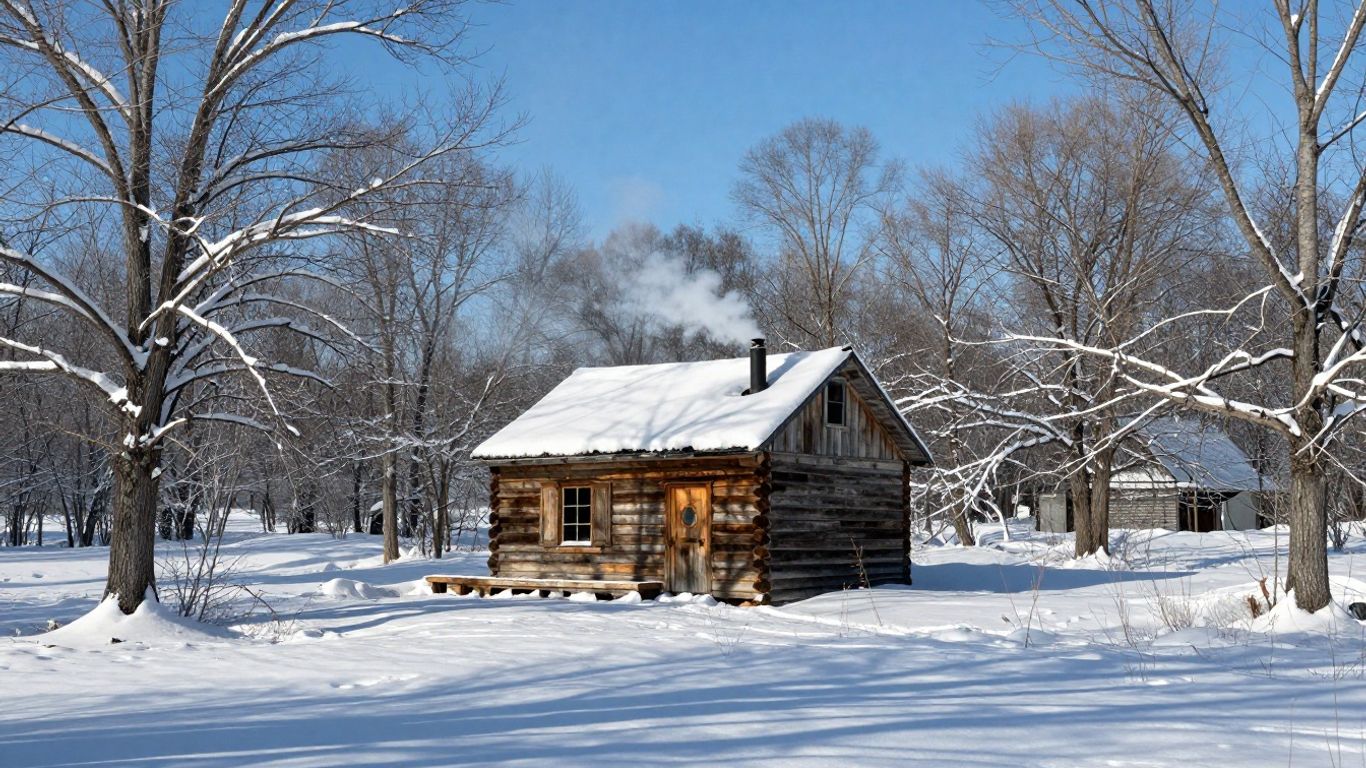
Living off the grid in North Dakota offers a unique kind of freedom. You’re not tied to utility companies, which can mean a significant reduction in monthly bills. It’s about taking control of your resources and living a more independent life. Many people find this self-sufficiency incredibly rewarding. Imagine having your own power, water, and food sources – it’s a powerful feeling. Plus, the wide-open spaces of North Dakota mean you can find real privacy, something that’s hard to come by these days. It’s a chance to really disconnect from the hustle and bustle and reconnect with the land. This lifestyle allows for more control over your resources and can be a fulfilling choice for those seeking self-sufficiency. greater independence
Drawbacks: Isolation, Planning, and Infrastructure Challenges
Of course, it’s not all sunshine and self-reliance. The isolation can be a real challenge. You might be miles from the nearest neighbor or town, which can feel daunting, especially during North Dakota’s harsh winters. Planning is absolutely key. You can’t just wing it; you need to think through everything from your water source to how you’ll heat your home. Infrastructure is another big one. You’re responsible for setting up and maintaining everything – your power system, your waste disposal, your water. This requires a significant upfront investment and ongoing effort. It’s a lot to manage, and sometimes, you might miss the convenience of just flipping a switch and having power or turning on a tap.
Ways to Overcome Common Obstacles
Don’t let the challenges scare you off, though. There are smart ways to handle them. For isolation, many off-gridders find community through local homesteading groups or farmers’ markets. It turns out, going off-grid doesn’t mean going it alone. You can find plenty of support and shared knowledge. Planning is made easier by doing thorough research and talking to people who are already living this lifestyle. As for infrastructure, hybrid systems are becoming really popular. Think solar panels with a backup generator, or a well supplemented by rainwater collection. These setups give you the benefits of self-sufficiency without sacrificing all modern comforts. It’s about finding a balance that works for you. Building slowly and starting with the basics is often the most successful approach.
Here are some common obstacles and how to tackle them:
- Harsh Winters: Invest in good insulation, a reliable heating system (like a wood stove), and ensure you have backup power and fuel. Always have a plan for snow removal.
- Water Access: Digging a well is a big project, but it’s often the most reliable long-term solution. Research water rights and test water quality thoroughly.
- Waste Management: Composting toilets are a viable option, but check local regulations. A well-designed septic system is also a common choice.
- Connectivity: While true isolation is a draw for some, many off-grid areas in North Dakota now have access to fiber internet, making remote work possible.
- Emergency Services: Ensure you have a clear, accessible 911 address and inform local emergency services of your location and any potential access challenges.
Top Off Grid Locations and Communities in North Dakota
When you’re thinking about setting up an off-grid life in North Dakota, picking the right spot is a big deal. It’s not just about finding land; it’s about finding a place where you can actually thrive, connect with nature, and maybe even find some like-minded folks. While North Dakota is vast, some areas tend to draw more homesteaders than others, often due to a mix of land availability, local attitudes, and natural resources.
Standout Counties for Off Grid Homesteaders
While North Dakota doesn’t have the same kind of
Building and Sustaining Your Off Grid Home in North Dakota
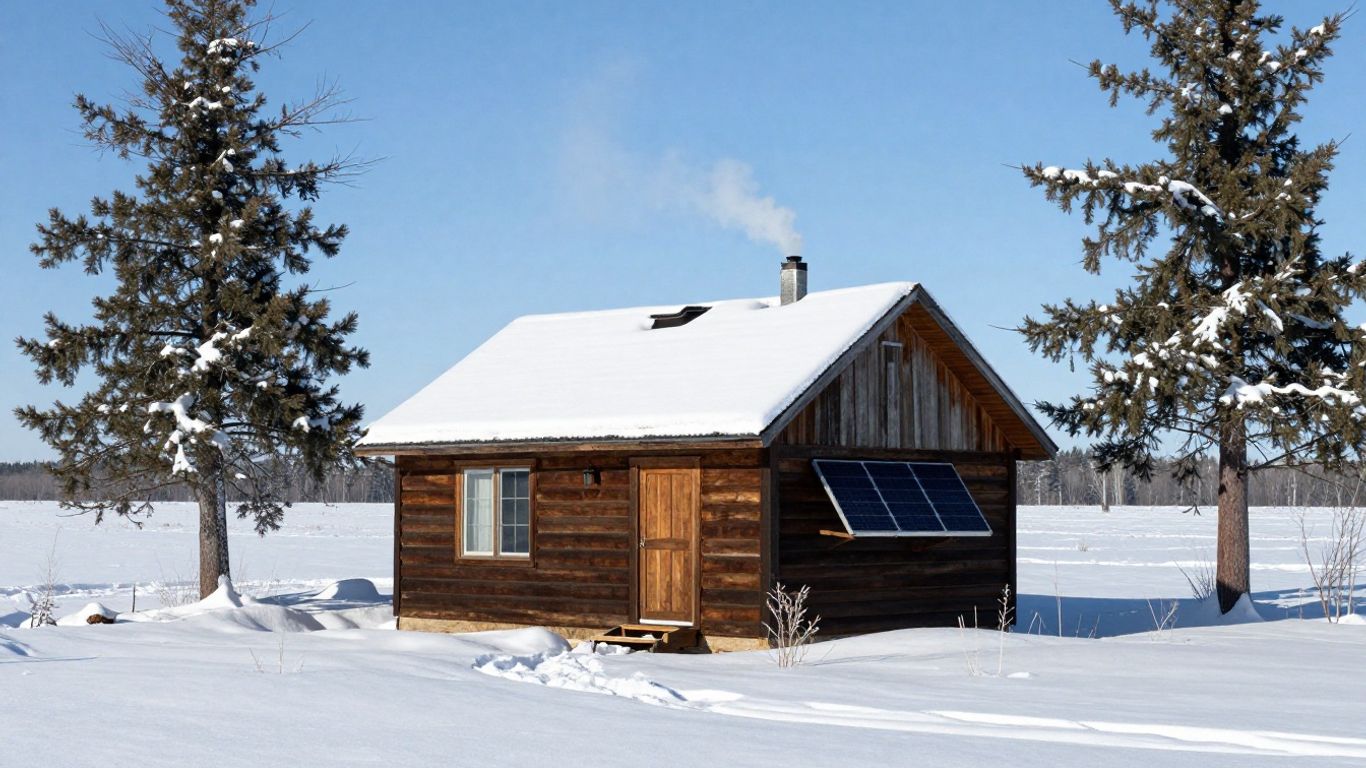
So, you’ve got the land, you’ve got the dream, now what about the actual house? Building an off-grid home in North Dakota means thinking a bit differently. It’s not just about slapping up four walls; it’s about creating a system that works with the climate, not against it. We’re talking about long, cold winters and, let’s be honest, some pretty wild weather sometimes. So, the structure itself needs to be tough and efficient.
Choosing Shelter: Cabins, Modular Homes, or Alternative Structures
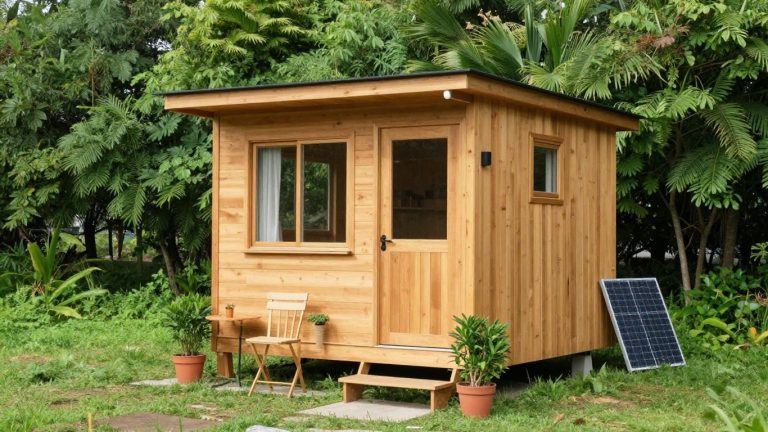
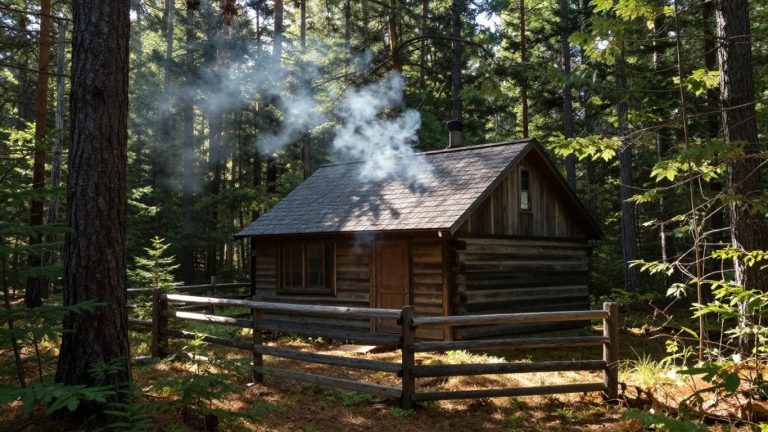
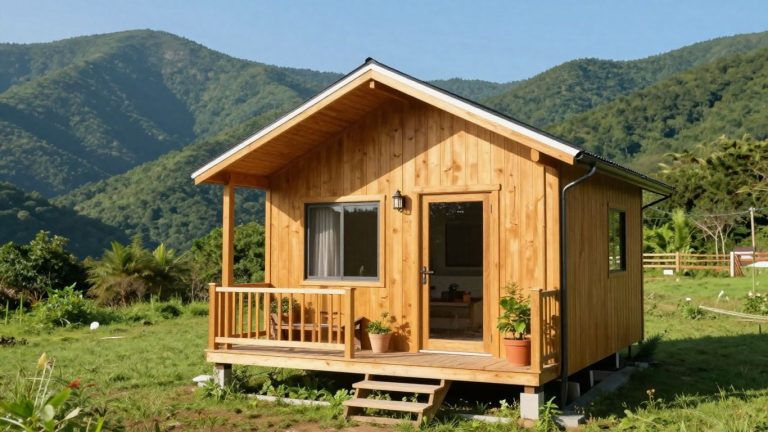
When you’re looking at what kind of home to put on your land, there are a few popular routes. Stick-built homes, the kind most people are familiar with, are always an option. They’re solid and can be built to withstand anything North Dakota throws at them. Then there are modular or prefab homes. These can be a great way to get a solid structure up relatively quickly, and many are designed with energy efficiency in mind. Think of a well-insulated cabin or a sturdy modular unit. Some folks even get creative with barndominiums – part barn, part home – which can be really cost-effective and durable. For those who want something truly unique, alternative structures like yurts or tiny homes can work, but you’ll definitely want to check with the local county about building codes and permits. It’s always a good idea to talk to the building inspector before you buy materials or start construction, just to make sure your vision aligns with the rules. It can save you a lot of headaches and money down the road.
Energy Sources: Solar, Wind, and Backup Options
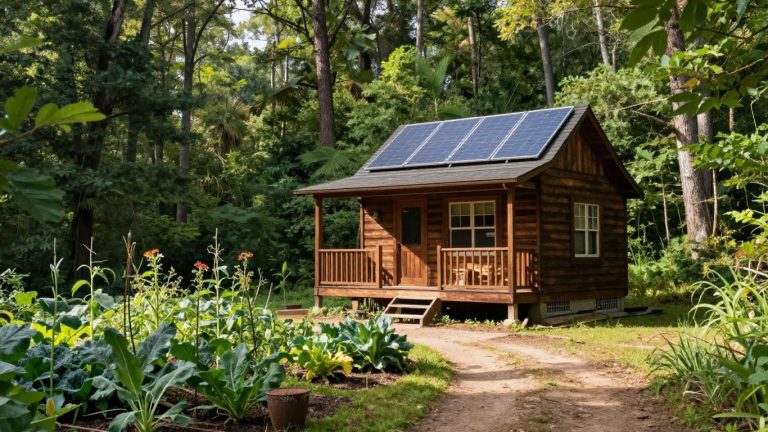
Powering your home without a utility hookup is a big piece of the puzzle. Solar panels are a go-to for many off-gridders, and North Dakota gets decent sun, especially in the summer. You’ll want to size your system correctly, considering how much power you’ll use and how much you can store. Battery banks are key here – they store the energy generated during the day for use at night or on cloudy days. Wind turbines are another option, and given North Dakota’s reputation for wind, this can be a really viable source of power. However, turbines can be noisy and require more maintenance. Most people find that a combination of solar and wind works well. But what happens when the sun isn’t shining and the wind isn’t blowing? That’s where backup generators come in. Propane or diesel generators can provide power when your primary sources are down. It’s all about creating a reliable system that keeps your lights on and your fridge running.
Waste, Water, and Heating Solutions
Beyond power, you’ve got to think about water, waste, and staying warm. For water, a well is often the most practical solution if you can drill one. If not, rainwater catchment systems can supplement your supply, but you’ll need a good filtration system. Dealing with waste is another consideration. Composting toilets are a popular and eco-friendly option, significantly reducing water usage and creating usable compost. For sewage, a well-designed septic system is necessary if you’re not going the composting route. And heating? This is a big one for North Dakota winters. Many off-gridders rely on wood stoves – they’re reliable, provide great heat, and can be a cozy focal point. Propane heaters are also common, and some people integrate solar thermal systems for hot water and supplemental heating. The key is to layer your solutions and have backups. Building an efficient, well-insulated home will also drastically cut down on your heating needs, making any system more effective.
Building your off-grid home is a marathon, not a sprint. It’s perfectly okay to start with basic shelter and add systems and comforts over time. Patience and smart planning are your best tools.
Financing, Permits, and Legal Considerations for Off Grid Land
So, you’ve found that perfect patch of North Dakota dirt, the one that whispers promises of quiet mornings and starry nights. Awesome! But before you start dreaming of log cabins and homegrown veggies, let’s talk about the nitty-gritty: the money, the paperwork, and the rules. It’s not the most glamorous part, but trust me, getting this right saves a ton of headaches down the road.
Finding and Financing Raw Land
Buying raw land, especially for an off-grid setup, can be a bit different than buying a regular house. You might not find a ton of conventional lenders lining up to finance a plot with no utilities and a dream. Many banks want to see a solid plan and often require a bigger down payment, sometimes 20% to 50%. It’s not impossible, though. Look into land loans specifically, or construction loans if you plan to build right away. Sometimes, if there’s an existing structure, even a rundown one, you might be able to use FHA or VA loans. Don’t be afraid to talk to lenders who are familiar with rural properties; they’ll understand what you’re trying to do better than someone focused on suburban tract homes.
- Conventional Land Loans: Standard bank loans, but expect higher down payments.
- Construction Loans: Combine land purchase and building costs.
- USDA Rural Development: Check for grants and loans for rural living.
- FSA Beginning Farmer Programs: If farming is a big part of your plan.
Be prepared to explain your off-grid systems. Lenders might see solar panels or a well as risks, but you need to show them it’s a sustainable, reliable setup. Having a solid plan for water, waste, and power is key.
Dealing With County Offices: Permits and Zoning
This is where things can get a little… bureaucratic. Every county in North Dakota has its own set of rules, and they can vary wildly. You’ll need to figure out zoning laws – can you even build what you want there? What about livestock? Then there are permits. Septic systems, well drilling, building permits – these all require applications, inspections, and sometimes, a good dose of patience. Rural counties can take weeks, even months, to process these, especially for things like septic approvals. Don’t skip this step! Trying to build without the right permits can lead to fines, having to tear things down, or worse, being unable to get legal residency or sell the property later.
- Zoning Laws: Understand what you can and cannot do on the land.
- Building Permits: Required for most structures.
- Septic & Well Permits: Absolutely necessary for water and waste.
- 911 Address: You’ll need a legal address for mail and emergencies.
Staying Compliant and Protecting Your Investment
Once you’ve got your land and your permits sorted, there are still a few things to keep in mind. Property boundaries are a big one. Old fences aren’t always accurate, so getting a survey done is a smart move to avoid disputes with neighbors down the line. Also, think about road access. If the road isn’t county-maintained, you’re responsible for its upkeep – snow removal in winter, grading, and repairs. That can add up. Insurance can also be tricky; some off-grid structures or alternative building methods might be harder to insure or cost more. Finally, be aware of any potential environmental issues. Old, abandoned wells or buried septic tanks can be costly surprises if not properly dealt with before you buy. Doing your homework upfront, talking to the county planning department, and maybe even hiring a local real estate expert who knows the area can save you a fortune and a lot of stress.
- Property Surveys: Verify boundaries to prevent disputes.
- Road Maintenance: Understand who is responsible for upkeep.
- Insurance: Research coverage for unique off-grid structures.
- Environmental Checks: Look for hidden issues like old wells or septic systems.
Thriving Off the Land: Food, Wildlife, and Self-Sufficiency
Building a life off the land in North Dakota takes more than just grit—it’s a mix of local know-how, resourcefulness, and connecting with your neighbors. Let’s get into how you can actually feed yourself, handle wildlife, and swap what you make or grow in the Peace Garden State.
Hunting and Foraging in North Dakota
Hunting is a way of life for many who call North Dakota home. The state is known for its deer, wild turkey, pheasant, and even some upland bird hunting. Permission from landowners is a big deal, so keep things respectful.
Foraging can supplement your food stores, but you need to know what’s in season and what’s safe to eat. Common finds include:
- Chokecherries
- Morel mushrooms (short window in spring)
- Wild plums
If you’re new, tagging along with an experienced neighbor or joining a local group can save you a lot of rookie mistakes.
| Game/Food | When It’s In Season | Permits Needed |
|---|---|---|
| White-tailed Deer | Fall/Early Winter | Yes |
| Pheasant | October – January | Yes |
| Morel Mushrooms | Late April – May | No |
Keeping meat in the winter isn’t tricky—the cold does most of the work. But come summer, invest in root cellars, smokehouses, or try your hand at canning if you want to avoid waste.
Gardening and Livestock Options
The growing season here is short and sometimes stubborn. Still, you can stretch the harvest through:
- Raised beds—they warm up fast and drain better
- Cold frames or hoop houses for salad greens nearly year-round
- Choosing seeds labeled for northern climates (think potatoes, kale, carrots, turnips)
As for livestock, chickens are usually the first step. They give you eggs and meat and are low-maintenance compared to goats or cattle. Rabbits are another easy option. Both can be raised on small plots if you’re not on a lot of acreage.
- Chickens: Reliable eggs, can handle winter if sheltered
- Rabbits: Good for meat, breed quickly
- Goats: More care and fencing required, but very hardy
- Bees: Boost your garden and give you honey
Barter, Farmers Markets, and Community Ties
Off-grid, you realize pretty quick that trading and community matter. You might trade eggs for garden tools or pitch in on butchering day for a share of the meat. Local farmers markets let you move surplus veggies or soap for things you can’t make yourself.
Popular items to barter or sell locally:
- Fresh produce and jams
- Firewood or split lumber
- Handmade crafts (soaps, knitted goods)
- Livestock or garden seeds
Sometimes, knowing your neighbor is better than having a big pantry—help swaps for help, and a shared harvest means nobody goes hungry after a tough season.
Self-sufficiency in North Dakota isn’t about going it alone—it’s a patchwork of skills, sharing, and learning to lean on the land (and your neighbors) in ways city folks might struggle to understand. If you’re patient, flexible, and willing to try new things, you’ll find plenty of ways to thrive—even out past the power lines.
Is Off-Grid Living in North Dakota Right for You?
So, you’ve read all about living off the grid in North Dakota. It’s definitely not for everyone, that’s for sure. It takes a lot of planning, some serious grit, and a willingness to work with nature, not against it. You’ll need to think about how you’ll heat your home, get your water, and manage waste, all while dealing with those famous North Dakota winters. But if you’re looking for a simpler life, more independence, and a deep connection to the land, it could be exactly what you’re looking for. The peace and quiet, the wide-open spaces, and the satisfaction of providing for yourself are pretty big draws. Just remember to do your homework, visit potential areas in different seasons, and talk to people who are already living the life. It’s a big change, but for the right person, it’s a deeply rewarding one.
Frequently Asked Questions
What does it really mean to live off the grid in North Dakota?
Living off the grid means you’re not connected to the main power lines, public water systems, or sewer services. You’ll be responsible for generating your own electricity, usually with solar or wind power, finding your own water source like a well, and managing your own waste, often with a septic system or composting toilet.
Is it hard to live off the grid in North Dakota because of the winter?
North Dakota does have long, cold winters, which can be a challenge. You’ll need reliable heating, like a wood stove, and a good backup plan for electricity if your main source fails. However, many people successfully live off the grid here by preparing well and adapting to the seasons.
How much land do I actually need to live off the grid?
The amount of land you need depends on your plans. For just a home and a garden, a few acres might be enough. If you plan to raise animals or grow a lot of food, you’ll likely want 10 acres or more. It’s not just about size, but also about how usable the land is.
What are the biggest benefits of living off the grid in North Dakota?
The main benefits are increased privacy and freedom. You’re less dependent on outside services, which can lead to a greater sense of self-sufficiency. It’s also a way to live a simpler life closer to nature.
What are some good areas in North Dakota for off-grid living?
Counties that offer a good mix of open land, natural resources, and a sense of community are often popular. Areas with fewer regulations and more affordable land might be attractive, but it’s important to research specific counties for zoning laws and local support.
Can I still have internet and phone service when living off the grid?
Yes, it’s often possible! Many off-grid areas, especially in North Dakota, can get satellite internet or even fiber optic in some rural spots. You might need a specific setup, but being disconnected from the power grid doesn’t necessarily mean being disconnected from communication.
Explore more tiny home living, design, downsizing, building, and lifestyle resources.