Navigating Michigan’s Laws: Understanding Does Michigan Allow Tiny Homes?
Thinking about a tiny house in Michigan? It’s a great idea for many reasons, like saving money and living more simply. But before you start building or buying, you really need to know the rules. Michigan doesn’t have one single law for tiny homes; it’s more like a puzzle with pieces spread out across different towns and counties. This guide will help you figure out if Michigan allows tiny homes and how you can make it work legally.
Key Takeaways
- Michigan’s approach to tiny homes is largely decided at the local level, meaning rules vary significantly by county and city.
- Tiny homes on foundations are generally treated as traditional homes and must meet the Michigan Residential Code.
- Tiny homes on wheels (THOWs) are typically classified as RVs, with restrictions on permanent residency and placement.
- Accessory Dwelling Units (ADUs) are a common legal pathway for placing tiny homes on existing properties.
- Always check with your local zoning department and building officials for specific requirements and permits before starting any tiny home project.
Understanding Michigan’s Tiny Home Legal Landscape
So, you’re thinking about a tiny home in Michigan, huh? It’s a great idea, really. People are drawn to them for all sorts of reasons – saving money, living a bit simpler, or just wanting something different. But before you start sketching out floor plans or looking for that perfect spot, we need to talk about the rules. Michigan doesn’t have one single, easy answer for tiny homes. It’s more like a puzzle with pieces scattered across different levels of government.
The Big Divide: Foundation vs. Wheels
The very first thing you need to figure out is how your tiny home will be built and placed. This is the biggest factor that determines your legal options. It really boils down to two main categories:
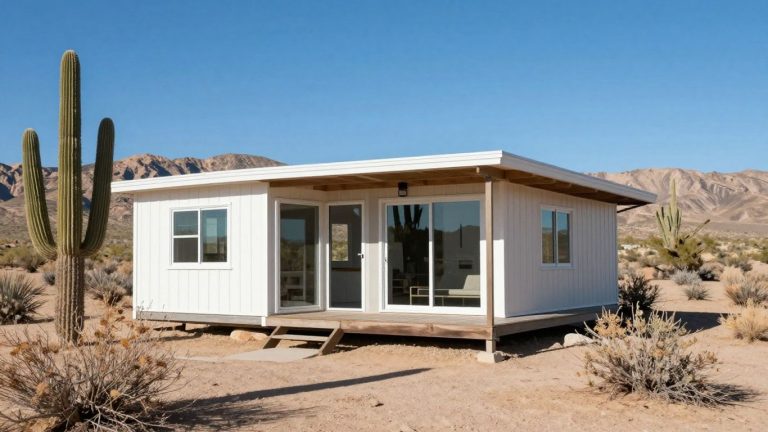
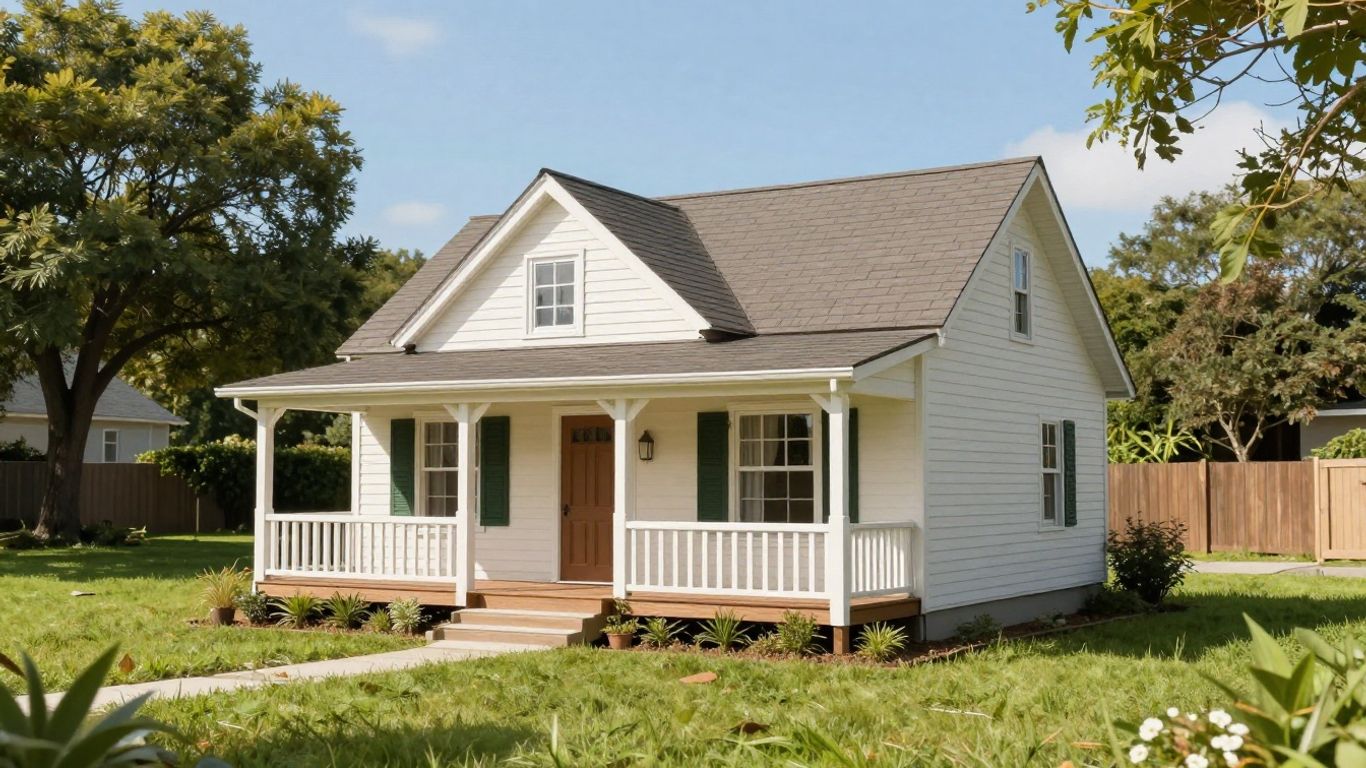
- Tiny Homes on Foundations: If your tiny home is built on a permanent foundation – think concrete slab, crawl space, or basement – the state generally sees it as a regular house. This means it has to follow the Michigan Residential Code, just like any other home. It also needs to meet local zoning rules. This is usually the most straightforward way to live in a tiny home full-time on your own property.
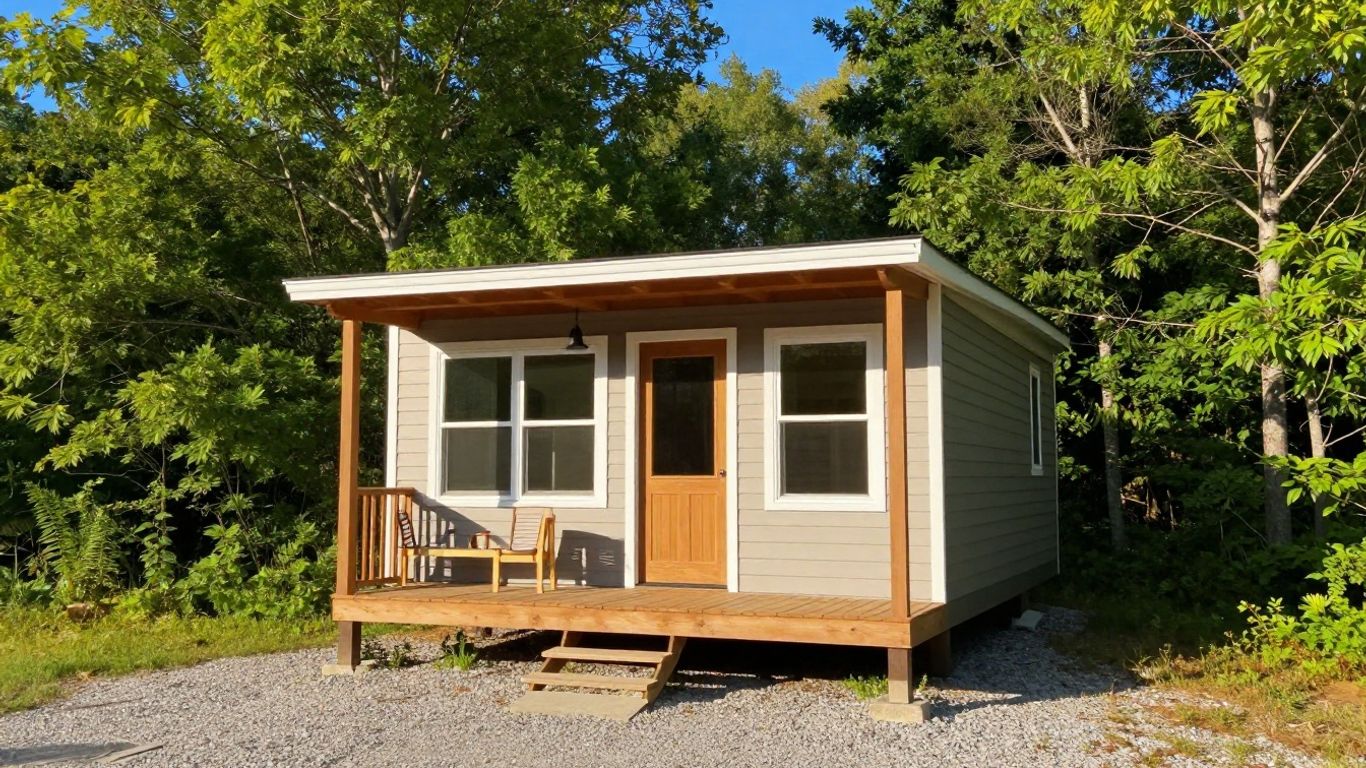
- Tiny Homes on Wheels (THOWs): If your tiny home is built on a trailer or chassis with wheels, it’s almost always classified as a Recreational Vehicle, or RV. This is a really important distinction. As an RV, it’s subject to different rules, often meaning it can only be placed in RV parks or licensed campgrounds, and full-time living on private land is usually a no-go in most places.
Decentralized Regulations: Local Control Matters
This is where things can get a little tricky. Michigan doesn’t have a statewide law that says, "All tiny homes must be X feet or Y square feet." Instead, most of the power to decide what’s allowed rests with individual cities, townships, and counties. This means the rules can change dramatically from one town to the next, even if they’re right next door to each other. What’s perfectly fine in one place might be completely illegal just a few miles away. So, you absolutely have to check with the local planning and zoning department where you want to put your tiny home.
Key Definitions: Tiny Home vs. RV
Understanding how the law defines these terms is super important. As we touched on, a tiny home on a foundation is usually treated as a dwelling. A tiny home on wheels, however, is typically viewed as an RV. This difference in classification dictates everything from where you can park it to what building codes it needs to meet. It’s not just semantics; it has real-world consequences for your ability to live in your tiny home legally and long-term.
The legal status of a tiny home hinges significantly on its construction and intended use. Whether it’s permanently affixed to the land or designed for mobility dictates which set of regulations—building codes for permanent structures or rules for recreational vehicles—will apply. This distinction is paramount for compliance and avoiding potential legal issues down the road.
Tiny Homes on Foundations: A Path to Permanent Residency
So, you’re thinking about putting down roots with a tiny home on a permanent foundation in Michigan? That’s awesome! This route is generally your best bet for making a tiny house your actual, year-round residence. Unlike their wheeled cousins, these homes are treated more like traditional houses by the law. This means they need to play by the rules of the Michigan Residential Code (MRC), which covers everything from how well it’s insulated to making sure you have safe exits and proper plumbing.
Compliance with the Michigan Residential Code
When you build a tiny home on a foundation, it’s essentially considered a dwelling. This means it has to meet the same building standards as any other house in Michigan. Think about things like:
- Structural Integrity: It needs to be built soundly to withstand weather and time.
- Safety Features: This includes things like smoke detectors, carbon monoxide detectors, and proper egress windows (meaning you can actually get out in an emergency).
- Utilities: Electrical, plumbing, and mechanical systems must all be installed to code.
- Insulation and Energy Efficiency: Keeping it warm in the winter and cool in the summer is part of the deal.
It might sound like a lot, but these rules are there to make sure your home is safe and livable. Builders who specialize in tiny homes are usually well-versed in these requirements.
Accessory Dwelling Units (ADUs) as a Pathway
One of the most promising ways to get a tiny home on a foundation approved is by looking into Accessory Dwelling Units, or ADUs. Many towns are starting to recognize the value of ADUs – think of them as a smaller, secondary housing unit on an existing property. This could be a detached structure in the backyard or even a unit above a garage. Some municipalities are updating their zoning laws to specifically allow for ADUs, and tiny homes on foundations fit this description perfectly. It’s a great way for homeowners to add rental income or provide housing for family members while keeping the property’s overall footprint smaller.
- ADUs can increase housing density without massive new developments.
- They offer flexible housing options for different needs.
- Many areas are seeing ADUs as a solution to housing shortages.
Foundation Requirements and Frost Lines
Now, about that foundation. Since your tiny home is staying put, it needs a solid base. In Michigan, this means digging down below the frost line. Why? Because the ground freezes and thaws, and if your foundation isn’t deep enough, the movement can damage your home. The frost line depth can vary across the state, but it’s typically around 42 inches or more in many parts of Michigan. This is a pretty standard requirement for any permanent structure, and it ensures your tiny home stays stable year after year. Building codes will specify exactly how your foundation needs to be constructed, including the type of concrete, reinforcement, and depth required.
Tiny Homes on Wheels (THOWs): Navigating RV Classifications
So, you’ve decided a Tiny Home on Wheels (THOW) is your jam. Awesome! This means your home is built on a trailer chassis, giving it that sweet mobility. But here’s the big catch: in Michigan, these homes are almost always legally classified as Recreational Vehicles (RVs). This classification opens up some doors but also closes others, especially when it comes to living in your THOW full-time.
Classification as Recreational Vehicles (RVs)
When your tiny home has wheels and a chassis, the state generally sees it as an RV. This is governed by the Michigan Vehicle Code, not the building codes for permanent homes. Think of it like this: it’s a vehicle first, a dwelling second. This means it needs to meet certain standards for roadworthiness, and you might even need to deal with annual registration or specific insurance for RVs. It’s a different ballgame than a stick-built house.
Restrictions on Permanent Residency
This is where things get tricky. Because THOWs are classified as RVs, they usually can’t be your permanent residence on private land in most Michigan townships. Zoning laws are typically written for traditional homes and RV parks. You’ll often find rules limiting how long an RV can stay on a property, usually somewhere around 180 days a year. It’s not a loophole for year-round living on your own plot of land. The idea is temporary or recreational use, not a permanent address.
RV Park and Campground Placement
So, where can you legally live in your THOW full-time? The most common and straightforward answer is within a licensed RV park or campground. Many of these parks offer lots where you can rent space, often with hookups for water, sewer, and electricity. Some parks are seasonal, while others are open year-round, which is key if you’re planning on living in your THOW through Michigan’s chilly winters. You’ll want to look for "all-season" parks. These communities can offer a great sense of camaraderie with other tiny home dwellers and RV enthusiasts. It’s a way to embrace the mobile lifestyle without constantly moving.
Living in a THOW full-time often means finding a designated spot in an RV park or campground. While it offers a community and necessary hookups, it also means you’re subject to the park’s rules and rental fees, rather than building equity on your own land. It’s a trade-off for the mobility and often lower initial cost of a THOW.
Here are some things to keep in mind when looking at RV parks:
- Year-Round vs. Seasonal: Always check if the park is open all year. Many close down from late fall to early spring.
- Lot Amenities: Confirm what hookups are available (water, sewer, electric, internet) and if there are extra charges.
- Park Rules: Understand the specific regulations of the park, including pet policies, quiet hours, and any restrictions on the appearance of your THOW.
- Lease Agreements: Read the rental agreement carefully. Understand the terms of your lease, including rent increases and notice periods for moving out.
County-Specific Regulations for Tiny Houses
Wayne County Tiny Home Ordinances
Wayne County, especially within its urban centers like Detroit, presents a unique picture for tiny homes. While the city itself has seen innovative projects, like the Cass Community Social Services tiny home village, individual homeowners might face hurdles. These often relate to existing rules about minimum dwelling sizes and limits on accessory structures. It’s really important to check the specific zoning rules in the exact area you’re looking at before you even think about buying land or setting up your tiny home. Sometimes, you might need to work with organizations that have experience navigating these kinds of approvals, especially if you’re aiming for affordable housing solutions or unique developments.
Oakland County ADU Requirements
Oakland County is showing some promise, particularly with Accessory Dwelling Units (ADUs). Many communities within Oakland are updating their ordinances to allow for smaller, secondary housing on existing properties. This is a big step! If you’re thinking about a tiny home as an ADU, you’ll want to look into the specific requirements for things like foundation type, utility hookups, and how far the structure needs to be from property lines (setbacks). Some areas might have specific design standards too, so the tiny home fits in with the neighborhood.
Kent County Zoning for Tiny Homes
In Kent County, the approach to tiny homes can vary quite a bit from one township or city to another. Grand Rapids, for example, has been working on policies that make it easier to integrate tiny homes, often viewing them as a way to address housing affordability. They’ve been looking at guidelines for foundations, utilities, and setbacks. If you’re looking outside the main city, you might find that rural areas offer more flexibility, but you’ll still need to confirm the local zoning. It’s always a good idea to get a zoning verification letter to make sure your plans are on the right track.
Washtenaw County Environmental Reviews
Washtenaw County, with its focus on environmental considerations and proximity to Ann Arbor, often incorporates environmental reviews into its building and zoning processes. This means that for any new dwelling, including a tiny home, you might need to consider factors like water runoff, impact on local ecosystems, and sustainable building practices. Ann Arbor itself has a generally progressive stance and has been updating its planning and ADU guidelines. If you’re considering a tiny home here, be prepared to discuss how your build aligns with the county’s environmental goals. This could involve specific site assessments or requirements for eco-friendly materials.
Zoning Laws and Permit Processes for Tiny Homes
Understanding Zoning Districts and Setbacks
So, you’ve got a tiny house dream, but where can it actually go? That’s where zoning laws come in. Think of them as the rulebook for how land is used in your area. Michigan counties divide up land into different zones – like residential (where most people live), agricultural, or commercial. Each zone has its own set of rules about what kind of buildings are allowed and how big they can be. For tiny homes, especially if you’re thinking of putting one in your backyard as an accessory dwelling unit (ADU), you’ll want to look closely at the rules for residential zones. Often, there are limits on how much of your lot can be covered by buildings, and you’ll need to make sure your tiny house, plus your main house, doesn’t go over that limit. It’s a balancing act to keep neighborhoods from getting too crowded.
Then there are setbacks. These are basically rules about how far your tiny house needs to be from the edge of your property line. It’s not just about aesthetics; it’s also for things like fire safety and making sure emergency vehicles can get around. You’ll typically see different setback rules for the front, sides, and back of your property. For example, you might need to be 10 feet from the side property line but 20 feet from the back. These numbers can really affect where you can physically place your tiny home on your lot, so it’s important to measure carefully.
Minimum Square Footage and Height Restrictions
This is a big one for tiny homes: minimum square footage. Some Michigan towns and counties have rules that say a dwelling has to be a certain size, and sometimes that minimum is way bigger than a tiny house. You’ll need to check your local zoning ordinance to see if there’s a minimum size requirement for primary residences or accessory dwelling units. Some places are starting to be more flexible, but many still have older rules on the books. It’s worth looking into whether your county has adopted Appendix Q of the International Residential Code, which is specifically designed to help regulate tiny homes and often includes more reasonable size limits.
Height restrictions are another factor. While most tiny homes aren’t exactly skyscrapers, there can still be rules about how tall a structure can be. This is often to prevent buildings from blocking sunlight to neighbors or to keep things consistent with the look of the neighborhood. You’ll want to know the maximum height allowed for accessory structures in your zone. It’s usually not a problem for most tiny homes, but it’s good to be aware of, especially if you’re planning a loft or a taller design.
Permit Applications and Variance Needs
Getting a permit is pretty much a non-negotiable step. You can’t just plop a tiny house down anywhere and expect it to be okay. You’ll need to apply for building permits, and sometimes zoning permits, from your local municipality. This process usually involves submitting detailed plans of your tiny house, showing how it meets all the building codes and zoning requirements. It can feel like a lot of paperwork, and sometimes it takes a while to get approved. Be prepared for inspections along the way, too.
What happens if your tiny house doesn’t quite fit the standard rules? That’s where variances come in. A variance is basically asking for an exception to the zoning rules. You might need one if your lot is an unusual shape, or if a setback requirement makes it impossible to place your tiny house. Applying for a variance can be a whole process in itself. You often have to present your case to a zoning board, explain why you need the exception, and sometimes neighbors get to weigh in. It’s not guaranteed, and it can take time and effort, but it might be your only option if your dream build doesn’t perfectly match the existing regulations.
When you’re looking into zoning and permits, remember that every single county and even some townships can have their own unique rules. What’s allowed in one place might be a big no-no just a few miles away. It’s always best to contact your local planning or zoning department directly. They are the ones who can give you the most accurate information for your specific property and your tiny house plans. Don’t be afraid to ask questions – it’s way better to clarify things upfront than to run into trouble later.
Recent Legislative Changes and Future Trends
The landscape for tiny homes in Michigan is definitely shifting, and it’s pretty exciting to see. Lawmakers are starting to pay attention to the housing affordability crunch, and that means some positive changes are on the horizon.
Bills to Ease Accessory Dwelling Unit Restrictions
There’s a real push to make it easier to build Accessory Dwelling Units, or ADUs, which often include tiny homes. Think of it as adding a smaller, separate living space to an existing property, like a backyard cottage or a basement apartment. Some recent bills have been introduced with the goal of smoothing out the rules around these. The idea is to help address the housing shortage and give people more options, especially in areas where housing costs have really shot up. It’s not a done deal yet, but the conversation is happening, and that’s a big step.
Pilot Programs and Incentives for Eco-Friendly Builds
We’re also seeing some cities experimenting with pilot programs. Places like Ann Arbor and Traverse City have been looking into how tiny homes can fit into their communities. These aren’t just about allowing tiny homes; they often come with incentives, especially for builds that are good for the environment. This could mean reduced permit fees or other perks for using sustainable materials or energy-efficient designs. It shows that tiny homes are being seen not just as a housing solution, but also as a way to promote greener living, which aligns with broader environmental goals.
The Growing Acceptance of Alternative Housing
Overall, there’s a growing sense that alternative housing, including tiny homes, is a legitimate and even desirable part of the housing mix. It’s not just about the small footprint; it’s about affordability, flexibility, and sometimes, a simpler lifestyle. As more communities explore these options, and as state and local governments start to adapt their regulations, we’re likely to see more opportunities for tiny home living across Michigan. It’s a slow process, but the trend is definitely moving in a more accommodating direction.
The evolving regulations and growing acceptance suggest a future where tiny homes are a more integrated and accessible part of Michigan’s housing market, offering diverse solutions for various needs and preferences.
Advocacy and Community Support for Tiny Living
The Role of the Michigan Tiny House Association
The Michigan Tiny House Association (MiTHA) is a key player in pushing for tiny home acceptance across the state. They’re all about education and advocacy, working to make it easier for people to build and live in tiny homes. Think of them as the go-to group for information, workshops, and connecting with others who are into the tiny living scene. They help folks understand the rules and how to work with local governments. MiTHA actively lobbies for changes in state and local laws that currently make it tough for tiny homes to be legally recognized. They host webinars and networking events, which are super helpful for anyone looking to get involved or just learn more. It’s a great way to stay in the loop on what’s happening and find support.
Tiny Home Clusters and Mixed-Use Developments
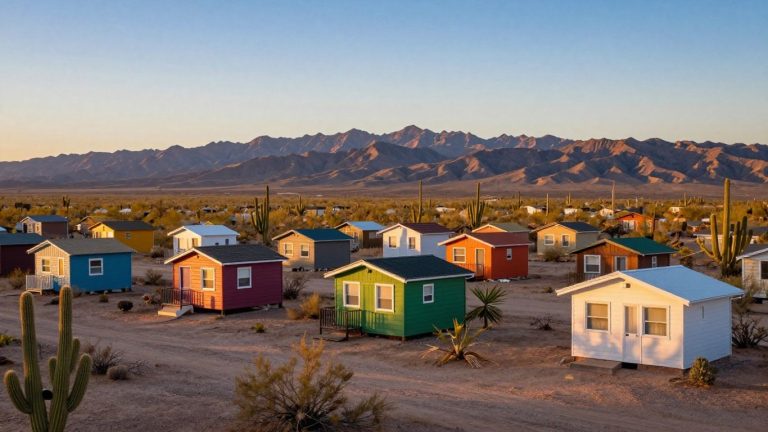
We’re starting to see more creative approaches to integrating tiny homes into existing neighborhoods. Instead of just a single tiny house here and there, some communities are exploring the idea of tiny home clusters or incorporating them into mixed-use developments. This means you might find a group of tiny homes clustered together, perhaps sharing some common amenities like a garden or a workshop. Or, they could be part of a larger project that also includes shops, offices, or other types of housing. This approach can make tiny homes feel more integrated and less isolated. It also opens up possibilities for different kinds of living arrangements, from co-housing models to more traditional neighborhood setups but with smaller footprints. It’s a way to build community while also addressing housing needs.
Community Engagement and Acceptance
Getting people on board with tiny homes often comes down to good old-fashioned community engagement. It’s not just about changing laws; it’s about changing minds. When neighbors and local officials understand the benefits – like increased housing affordability, reduced environmental impact, and the potential for more diverse housing options – they tend to be more supportive. Events like open houses for existing tiny homes, informational sessions, or even just casual conversations can make a big difference. Building relationships and showing how tiny homes can be well-designed, safe, and contribute positively to a community is key. When people see that tiny homes aren’t just a trend but a viable housing solution that can enhance a neighborhood, acceptance grows naturally. It’s about fostering a sense of shared understanding and mutual benefit.
So, Can You Build a Tiny Home in Michigan?
Alright, so after all that, can you actually live the tiny home dream in Michigan? The short answer is yes, but it’s not as simple as just picking a spot and parking your place. It really comes down to where you want to put it. Most places are figuring out how to make it work, often by treating tiny homes like guest houses or separate units on your property. Tiny homes on wheels are usually treated like RVs, meaning they often need to go in special parks. But if you build one on a foundation, it’s more like a regular house, and that opens up more doors. You’ve got to do your homework for the specific town or county you’re looking at, because the rules change a lot. It’s definitely doable, but be prepared to do some digging to make sure you’re following all the local guidelines.
Frequently Asked Questions
Can I legally live in a tiny house in Michigan?
Yes, you can live in a tiny house in Michigan, but it really depends on where you want to put it. The rules aren’t the same all over the state. Some towns and counties have specific rules that allow tiny houses, often as a type of ‘backyard home’ called an Accessory Dwelling Unit (ADU). Other places might treat them like RVs, which means you can’t live in them all year round on private land. It’s super important to check with your local town or county office first to see what their rules are.
What’s the difference between a tiny house on wheels and one on a foundation in Michigan?
This is a big deal for the law! If your tiny house is built on a permanent foundation, like a concrete slab or basement, it’s usually treated like a regular house. This means it has to follow the state’s building codes. But, if your tiny house is on wheels, it’s generally seen as a Recreational Vehicle (RV). This classification means it has to follow RV rules, and you usually can only park it in places like RV parks or campgrounds, not on your own land for permanent living.
What are Accessory Dwelling Units (ADUs) and how do they relate to tiny houses?
ADUs are basically smaller homes built on the same property as a main house. Think of them as a ‘guest house’ or a ‘mother-in-law suite.’ Many Michigan towns allow tiny houses to be built as ADUs. This is often the easiest way to legally put a tiny house in your backyard because the rules for ADUs are sometimes clearer than for other types of tiny homes. It’s a way to add living space without building a whole new, large house.
Which counties in Michigan are more likely to allow tiny houses?
Some counties are becoming more welcoming to tiny homes. For example, places like Wayne, Oakland, Kent, and Washtenaw counties have specific rules or are open to tiny houses, often as ADUs. However, the rules can still be very different even between towns in the same county. It’s always best to contact the specific county or city planning department where you want to put your tiny house to get the most accurate information.
Do I need a permit to build or place a tiny house in Michigan?
Almost certainly, yes. If your tiny house is on a foundation and considered a permanent dwelling or ADU, you’ll need building permits, just like any other house. This involves showing your plans meet building codes. If your tiny house is classified as an RV, you might not need a building permit in the same way, but you’ll still need permission to park it in a specific location, especially for long-term stays. Always ask your local building department about permit requirements.
Are there any groups that help people with tiny house laws in Michigan?
Yes, there are! Groups like the Michigan Tiny House Association are dedicated to helping people understand the laws and advocate for better tiny house regulations. They often have resources, workshops, and can connect you with others who have navigated the process. Connecting with these groups can be a great way to get advice and support for your tiny house journey in Michigan.
Explore more tiny home living, design, downsizing, building, and lifestyle resources.