Navigating Wisconsin Tiny House Laws: A Comprehensive Guide for 2026

Thinking about a tiny house in Wisconsin? It’s a great idea, especially with the state’s natural beauty and growing interest in simpler living. But before you start dreaming about your cozy new space, you’ve got to get a handle on the Wisconsin tiny house laws. It’s not as straightforward as you might think, because rules can change a lot depending on where you want to put your tiny home. This guide is here to help you figure out what you need to know.
Key Takeaways
- Wisconsin doesn’t have a single statewide law for tiny houses; instead, local cities and counties set their own rules, making research vital.
- Tiny houses can often be placed as Accessory Dwelling Units (ADUs) or in specific rural or agricultural zones, but requirements vary widely.
- Building codes for permanent tiny houses generally follow residential standards, but mobile tiny homes on wheels often fall under RV regulations with occupancy limits.
- Costs for tiny houses in Wisconsin can range from $100,000 to $150,000 for professional builds, influenced by size, features, and local compliance needs.
- As housing affordability and sustainability become bigger issues, Wisconsin’s approach to tiny house laws is expected to continue evolving, with more communities adapting their zoning.
Understanding Wisconsin Tiny House Laws
The Legal Framework for Tiny Houses in Wisconsin
So, you’re thinking about a tiny house in Wisconsin, huh? It’s a great idea, especially with how things are going with housing costs. But before you start dreaming about your cozy little place, you really need to get a handle on the rules. Wisconsin doesn’t have one single, statewide law for tiny houses. Instead, it’s kind of a patchwork quilt, with each town and county making up its own rules. This means what’s allowed in one place might be a big no-no just a few miles down the road. It’s a bit like trying to follow directions when everyone gives you different advice. You’ll find some areas are really welcoming to these smaller homes, while others are pretty strict. It really boils down to local control, which can be good because it lets towns tailor things to their specific needs, but it also means you’ve got some homework to do.
Local Authority is the name of the game here. The state basically says, ‘You figure it out.’ This is why understanding the specific regulations where you want to build or park your tiny house is so important. Don’t just assume; you’ve got to check.
Local Authority Over Tiny House Regulations
When it comes to tiny houses in Wisconsin, the power really lies with the local governments – we’re talking cities, towns, and counties. They get to decide what’s okay and what’s not, which is why there isn’t a simple "yes" or "no" answer for the whole state. Some places have really embraced tiny homes, even creating specific rules to make them easier to build and permit. Others, though, might not have any rules at all, or they might have rules that make it really difficult to place a tiny house legally. It’s all about their local zoning ordinances and building codes. You’ll often find that tiny houses on wheels (THOWs) are treated differently than tiny houses on foundations. THOWs might be classified as recreational vehicles (RVs), which can limit how long you can stay in one spot, often to short-term stays like 14 to 30 days. Foundation-built tiny homes are more likely to be regulated under standard residential building codes, often needing to meet minimum square footage requirements or be permitted as accessory dwelling units (ADUs).
Here’s a quick rundown of what to expect:
- Zoning Ordinances: These are the rules about where you can build and what you can build there. They dictate lot sizes, setbacks, and the types of structures allowed.
- Building Codes: These cover the actual construction – safety, materials, plumbing, electrical, etc. Wisconsin generally adopts the Uniform Dwelling Code (UDC) for one- and two-family dwellings, but local amendments can exist.
- Permitting Process: Every locality will have its own process for getting permits. This can range from straightforward to quite complex, depending on the town.
The key takeaway is that you absolutely must connect with the specific town or county planning and zoning department where you intend to place your tiny house. They are the ultimate source of truth for what is permissible and what steps you need to take.
Navigating Varied Municipal Codes
Trying to figure out the rules across different towns in Wisconsin can feel like a puzzle. Each municipality has its own way of looking at tiny houses. Some might have specific ordinances that welcome them, perhaps by allowing them as Accessory Dwelling Units (ADUs) or in special tiny house communities. Others might not have addressed tiny houses directly, meaning they fall under existing, often less accommodating, regulations. For example, a town might have a minimum square footage requirement for new homes that a tiny house simply can’t meet. Or, they might have strict rules about utility hookups that are difficult for a tiny house to comply with, especially if it’s designed for off-grid living. You might also run into issues with how they classify tiny houses – are they RVs, accessory structures, or primary dwellings? This classification really impacts where you can put them and for how long.
It’s not uncommon to find that even within the same county, different cities or towns will have different rules. This means you can’t just assume that because one town is tiny-house friendly, its neighbor will be too. You’ll need to do your homework for each specific location. This often involves:
- Checking the Municipal Code: Most towns have their zoning and building codes available online. Look for sections on accessory dwelling units, minimum lot sizes, and permitted uses in residential zones.
- Contacting the Planning Department: Don’t hesitate to call or visit the local planning or zoning office. They can provide the most up-to-date information and clarify any confusing aspects of the code.
- Talking to Neighbors (Sometimes): In some cases, especially with ADUs, local ordinances might require notification or consent from adjacent property owners. Understanding potential community reactions can be helpful.
Remember, the goal is to find a place that not only fits your tiny house dreams but also complies with all the local regulations. It takes patience, but it’s definitely doable.
Zoning Classifications and Placement Options
So, you’ve got your eye on a tiny house in Wisconsin, that’s awesome! But before you start dreaming about where to put it, we really need to talk about zoning. It’s kind of the gatekeeper for where your tiny home can legally sit. Think of it as the rulebook for land use in different areas. Wisconsin’s approach to zoning for tiny homes isn’t a one-size-fits-all deal; it really depends on the specific town or county you’re looking at.
Accessory Dwelling Units (ADUs) for Tiny Homes
One of the most common ways people make tiny houses work legally is by using the rules for Accessory Dwelling Units, or ADUs. Basically, an ADU is a second, smaller living space on a property that already has a main house. Many Wisconsin municipalities are starting to allow tiny houses to be built as ADUs. This often comes with specific rules, though. You’ll usually find limits on the size of the ADU – it might have to be a certain percentage of the main house’s size, for example. There can also be requirements about who lives there; sometimes, the owner of the main house has to live on the property too. It’s a good way to add housing without changing the feel of a neighborhood too much.
- Size Limitations: Check how big your tiny house can be as an ADU. This is often a percentage of the main home or a set square footage.
- Owner-Occupancy Rules: Many places require the property owner to live in either the main house or the ADU.
- Setbacks and Parking: You’ll still need to follow rules about how far the structure must be from property lines and how much parking is needed.
Rural and Agricultural Zoning Opportunities
If you’re looking at land outside of the main city limits, especially in rural or agricultural areas, you might find more wiggle room. These zones often have larger minimum lot sizes, which can make it easier to place a tiny house. Sometimes, tiny homes are permitted as secondary housing for farm workers or as an additional dwelling on a large parcel of land. It’s important to check the specific acreage requirements and any restrictions on how the land is used. These areas can offer a more relaxed setting, but you’ll still need to make sure your tiny house fits the overall intent of the zoning. For example, some agricultural zones might have rules about how many dwellings are allowed per acre or per a certain amount of land. You can often find detailed county zoning codes online, which is a great place to start your research. Wisconsin permits tiny houses as permanent structures in some counties.
Tiny House Communities and Planned Developments
Another option that’s gaining traction is the idea of tiny house communities or planned unit developments (PUDs) that are specifically designed for tiny homes. In these setups, the zoning is often already worked out for multiple tiny houses to be placed together. This can mean shared utilities, common areas, and a built-in community. PUDs allow developers to create a unique neighborhood with specific rules that accommodate tiny living. These communities can be a fantastic way to live tiny because the legal hurdles of individual placement are often already cleared. You’re essentially buying into a pre-approved tiny house neighborhood. It’s worth looking into whether any such developments are planned or already existing in your desired area of Wisconsin.
When considering placement, always remember that local zoning is king. What works in one town might be a complete no-go in the next. It’s always best to contact the local planning or zoning department directly to get the most accurate and up-to-date information for your specific situation. Don’t rely solely on online research; a quick phone call can save you a lot of headaches down the road.
Here’s a quick rundown of what to look for:
- Accessory Dwelling Unit (ADU) Ordinances: Do they allow tiny homes as secondary units?
- Minimum Square Footage Requirements: Are there minimum size rules for homes in residential zones that might exclude tiny houses?
- Rural/Agricultural Zoning: What are the lot size and dwelling limits in these areas?
- Tiny House Community Regulations: Are there specific PUDs or communities with pre-approved zoning?
- Tiny Houses on Wheels (THOWs): How are these classified? Often as RVs, which limits where they can be permanently placed.
Key Wisconsin Cities and Their Tiny House Regulations
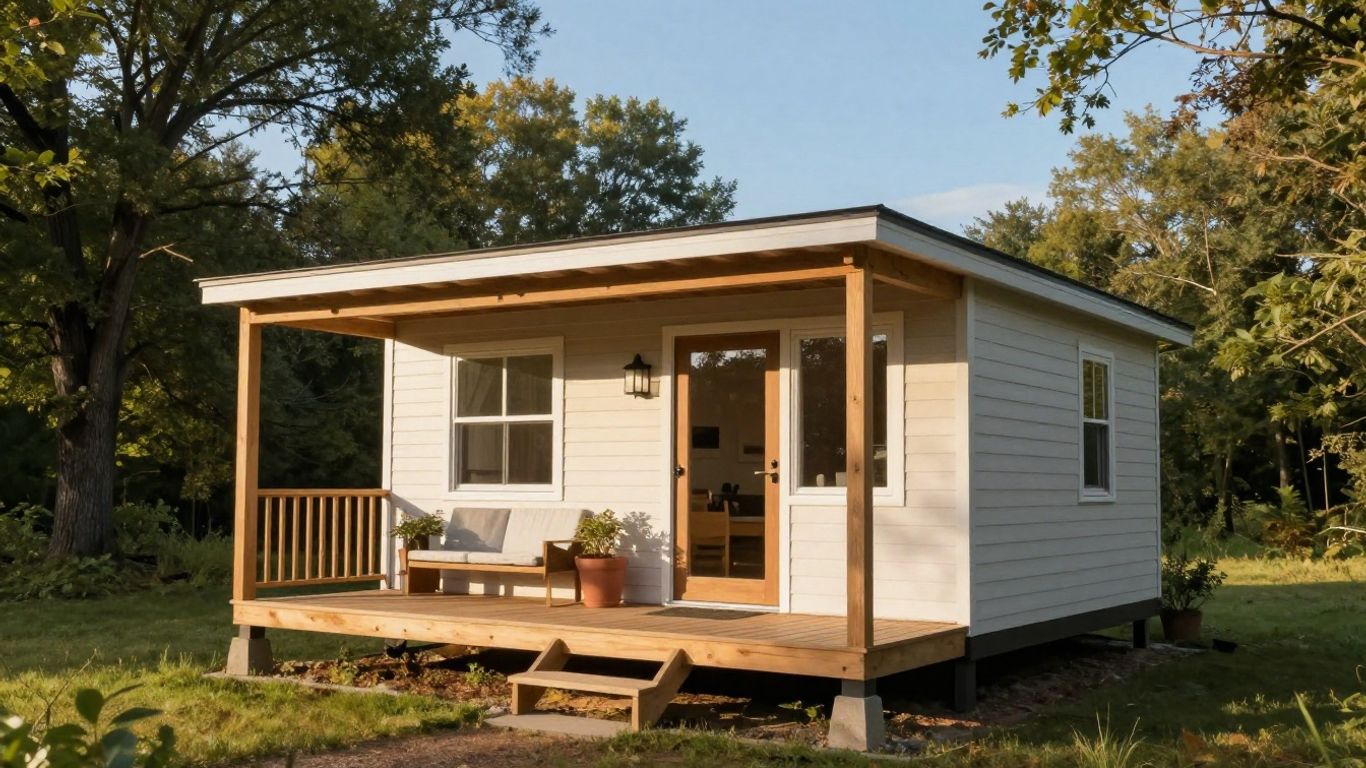
When you start looking into tiny houses in Wisconsin, you’ll quickly see that things can get a bit different depending on where you want to put your tiny home. It’s not like there’s one single rulebook for the whole state. Instead, each city and county has its own say in how tiny houses fit into their neighborhoods. This means a bit of homework is needed for each specific spot you’re considering.
Madison and Dane County Tiny House Rules
Madison, being the capital, has been pretty open to the tiny house idea, especially when it comes to Accessory Dwelling Units (ADUs). In Dane County, and specifically within Madison, a tiny house can be considered an ADU if it’s at least 150 square feet. The main idea here is that it needs to be a secondary dwelling on a property that already has a main house. They also want to make sure it’s not bigger than the primary home. This helps add more housing options without drastically changing the look of existing neighborhoods.
- ADUs are allowed for tiny houses.
- Minimum size requirement is 150 sq ft.
- Must be a secondary dwelling to a primary residence.
- Must connect to city utilities (water, sewer, electricity).
- Must meet setback and building code standards.
If you’re looking for a tiny house for sale in Madison, making sure it meets these ADU rules is super important. You can get more details from Madison’s Planning Division at (608) 266-4635. They’re the ones who can tell you all about permits and what exactly you need to do.
Milwaukee County Tiny House Ordinances
Milwaukee County tends to be a bit more particular. For tiny houses that are meant to be permanent structures, they generally require them to be at least 200 square feet. Tiny houses on wheels are usually not allowed for long-term living in most parts of the county. They really lean on the Uniform Dwelling Code (UDC) and expect these homes to be fully hooked up to all the necessary utilities. This approach is all about keeping things consistent with how other houses are built and used in the area.
It’s a good idea to chat with the Department of Transportation and Public Works in Milwaukee to get the lowdown on zoning. You’ll want to make sure your tiny house plans line up with what they expect, especially when it comes to things like infrastructure and how the house will look in the neighborhood.
Green Bay and Brown County Tiny House Policies
Green Bay offers a bit more flexibility, which is great news for tiny house fans. Here, you can have tiny houses on wheels, but they typically need to be in designated RV parks. If you’re thinking about a tiny house on a foundation, they can often be set up as ADUs in residential areas. Brown County has a clear way of looking at things: they treat temporary, mobile setups differently from permanent ones. This means you have options whether you prefer to move around or stay put.
Local builders who know their way around Green Bay can really help make sure everything is up to code. The county’s planning folks are there to help you figure out the best way to get your project approved.
Kenosha County Tiny House Requirements
In Kenosha County, the rules can vary quite a bit from one town to the next. The city of Kenosha itself usually requires tiny houses to have permanent foundations and follow standard residential building codes. The minimum square footage can change depending on the specific zoning district, which helps make sure the tiny house fits in with the houses around it. If you’re looking at more rural parts of Kenosha County, there might be more room for secondary structures on larger properties.
It’s really important to double-check with both the city and county officials. The exact location can make a big difference in what rules apply to your tiny house project. This local focus means that regulations are tailored to what each community wants and needs.
Always remember to confirm the latest rules with the local authorities. What’s true today might be different next year, and it’s always better to be safe than sorry when building your dream tiny home.
Wisconsin Tiny House Building Code Requirements
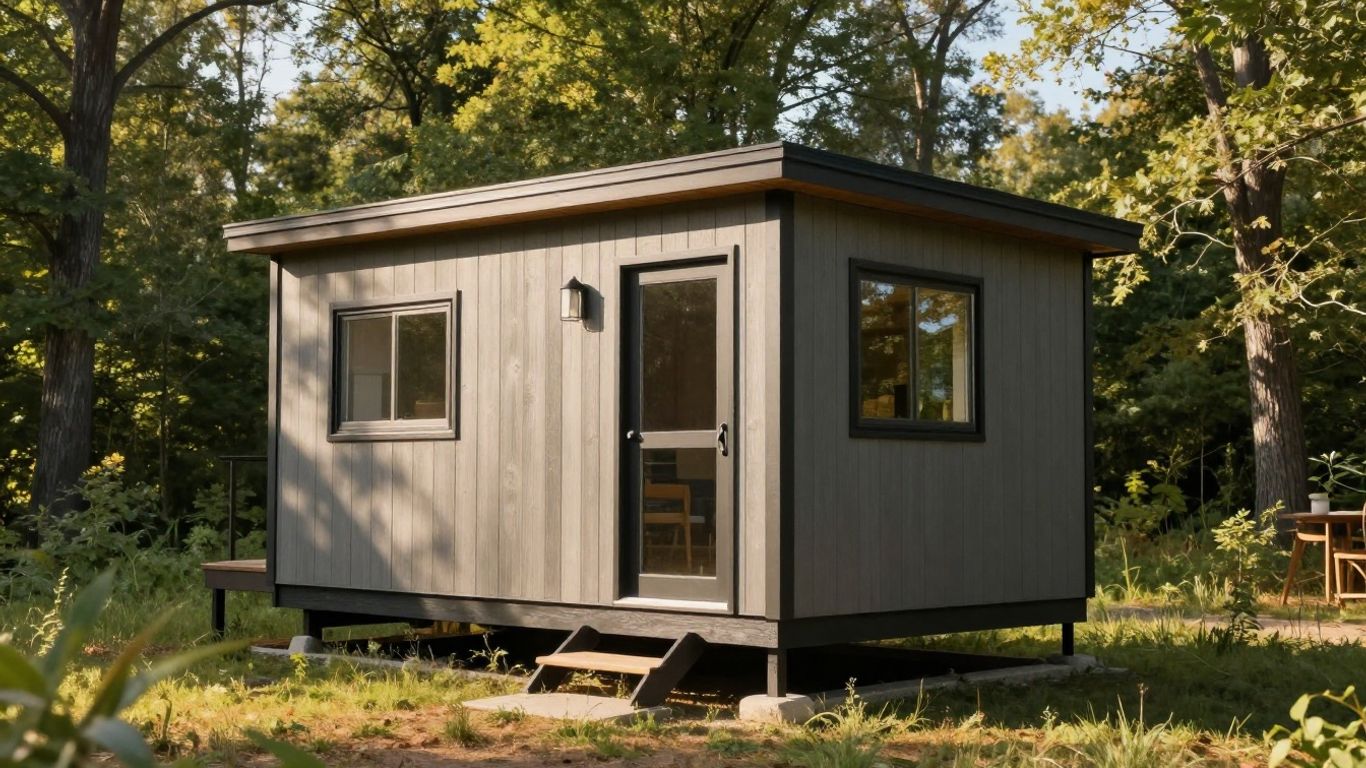
When you’re thinking about building a tiny house in Wisconsin, you’ve got to pay attention to the building codes. It’s not just about making it look cool; it’s about making sure it’s safe and sound. Wisconsin generally follows the International Residential Code (IRC), but here’s the thing: not every town or county has adopted all the parts of it, especially the bits that specifically help tiny homes, like Appendix Q. This means the rules can change quite a bit depending on where you want to put your tiny house.
Permanent Structure Building Standards
If your tiny house is going to sit on a foundation, it’s treated much like a traditional home, just smaller. This means you’ll need a proper foundation that can handle Wisconsin’s weather. Think footings, drainage, and making sure it’s protected from frost, usually dug down a few feet. Then there’s the electrical and plumbing – these have to meet state codes, and you’ll likely need licensed professionals to do the work. Inspections are a big part of this, making sure everything is up to snuff before you can move in. It’s all about making sure your permanent tiny home is as safe and durable as any other house.
Temporary and Mobile Structure Rules
Now, if you’ve got a tiny house on wheels (THOW), things get a bit different. These are often looked at more like RVs. This means they might be restricted to RV parks or campgrounds, and you might only be allowed to stay in one spot for a limited time, like a few weeks. Some places might let you park it on your own land, but usually, it’s not meant for full-time, year-round living in the same way a foundation home is. Getting an RVIA certification can sometimes help with parking in certain places, but it doesn’t automatically mean you can ignore local zoning rules for permanent residences.
Safety and Accessibility Mandates
No matter if it’s on wheels or a foundation, safety is key. You’ll need things like windows that can be used as exits, smoke alarms, and proper space around heating elements. If you have a loft, there needs to be a clear way to get out in an emergency. Accessibility can be a bit trickier in tiny spaces, but the goal is to make sure the house is safe and usable for as many people as possible, within the limits of the small footprint. Local rules might have specific requirements here, so it’s always good to check.
Building codes are there to protect you and your neighbors. While they might seem like a hurdle, following them helps ensure your tiny house is a safe and sound place to live. It’s worth the effort to understand what’s required in your specific location before you start building or buying.
Tiny House Costs and Model Considerations in Wisconsin
So, you’re thinking about a tiny house in Wisconsin? That’s awesome! But before you start dreaming about cozy cabins or minimalist mobile living, let’s talk about the nitty-gritty: the costs and what kind of tiny house actually makes sense for you here.
Factors Influencing Tiny House Prices
Okay, so the price tag on a tiny house isn’t a one-size-fits-all thing. It really depends on a bunch of stuff. The biggest factors are usually size, whether it’s on wheels or a foundation, and if you need it to meet specific building codes or certifications. For example, putting a tiny house on a permanent foundation means you’ll have site work and utility hookups to consider, which adds to the cost. On the flip side, a tiny house on wheels offers portability, but you might run into placement hurdles depending on local rules. Some places might even require special permits or modifications to fit their zoning, and that can bump up the price too. If you’re looking at a mobile unit, getting RVIA certification can be beneficial, but it’s not always a must-have if your tiny house is going to be a stationary dwelling.
Here’s a quick look at what can affect the price:
- Size and Square Footage: Obviously, bigger means more materials and labor.
- Foundation vs. Wheels: Foundation builds often involve more upfront site prep and utility connections.
- Materials and Finishes: High-end appliances, custom cabinetry, or premium siding will cost more.
- Insulation and Climate Control: Wisconsin winters are no joke, so good insulation and heating systems are key and add to the cost.
- Off-Grid Capabilities: If you want solar panels, composting toilets, or rainwater harvesting, factor those in.
- Certification: RVIA certification for mobile units can add to the expense.
Choosing the Right Tiny House Model
When you’re picking out your tiny house model, think about where you want to put it and what the local rules are. If you’re aiming for a more permanent setup, a modular home designed for a foundation might be your best bet. For a more rustic feel that fits well in rural areas, a cabin-style tiny house could be perfect. If you’re interested in living in a community setting, park models are often designed for those kinds of developments. And of course, if you want the freedom to move, a tiny house on wheels (THOW) is the way to go, though remember those permanent residency rules we talked about.
- Foundation-Based: Best for permanent, long-term living where zoning allows. Think of these as small, traditional homes. They often connect directly to utilities.
- Tiny House on Wheels (THOW): Offers flexibility but can face restrictions on where you can legally live full-time. They often function like RVs in terms of placement rules.
- Park Models: These are typically larger, built on a trailer chassis but designed to be placed in RV parks or tiny home communities. They often come with more amenities and are built to specific standards for that type of placement.
It’s really important to check with your local town or county planning department before you buy or build. They’ll have the most up-to-date information on what’s allowed and what isn’t. What works in one town might be a big no-no in the next. Don’t skip this step!
Utility and Infrastructure Costs
Don’t forget about the ongoing costs of utilities and infrastructure! If your tiny house is in a city or town, you’ll likely hook up to municipal water, sewer, and electricity. This is usually pretty straightforward, though you’ll have monthly bills. Out in more rural parts of Wisconsin, you might need to consider a well for water, a septic system for waste, and potentially propane for heating or cooking. These systems have upfront installation costs and ongoing maintenance. For electricity, you might be looking at grid connection fees or investing in solar power, which has its own initial investment but can save you money long-term. You can find some really neat handcrafted tiny homes for sale in Wisconsin that might already have some of these systems in mind, but it’s always good to ask.
- Water: Municipal hookup, well, or rainwater collection systems.
- Wastewater: City sewer, septic system, or composting toilets (check local health codes!).
- Electricity: Grid connection, solar panels, or a combination.
- Heating/Cooling: Propane, electric, wood stove – consider Wisconsin’s climate.
- Internet: Crucial for many, especially if working remotely. Availability varies greatly.
Future Trends in Wisconsin Tiny House Living
It feels like tiny houses are really starting to catch on, doesn’t it? Wisconsin is no exception, and there are some interesting shifts happening that could make living small even more accessible and practical in the coming years. We’re seeing a move towards more flexible rules and innovative ways to incorporate these homes into our communities.
Evolving Zoning Approaches for Tiny Homes
One of the biggest things to watch is how zoning laws are changing. Many towns and cities are realizing that tiny homes can be a good answer to housing shortages and affordability issues. Instead of just saying ‘no,’ they’re starting to create specific rules or categories for tiny houses. This means we might see more designated tiny house communities popping up, or even easier ways to put a tiny house on your property as an accessory dwelling unit (ADU). It’s all about making it work within existing neighborhoods without causing too much disruption. Some areas are even looking at regional planning to get on the same page, which could simplify things a lot if you’re thinking about moving your tiny home around the state. This proactive approach to zoning is key to the growth of tiny living.
Impact of Technology and Innovation
Technology is also playing a huge role. Think about how modular construction has improved – tiny homes can now be built more consistently and to higher standards in factories. This means better quality and potentially faster builds. Plus, smart home technology is making tiny living more comfortable and efficient. Imagine automated climate control or energy monitoring systems that help you keep your bills low. For those looking at off-grid options, advancements in solar power and water collection systems are making it more feasible to live sustainably, even in more remote parts of Wisconsin. It’s pretty neat how these innovations are making tiny homes more practical for everyday life.
Addressing Housing Affordability with Tiny Houses
Let’s be honest, the cost of housing is a big deal for a lot of people. Tiny houses offer a way to own a home without the massive mortgage. As more communities embrace them, they become a real option for first-time buyers, retirees, or anyone looking to downsize their expenses. We’re seeing developments like the one planned for Lake Monona, which could offer a unique living experience on the water. These kinds of projects show that tiny homes aren’t just a niche trend; they’re becoming a part of the broader conversation about how we can create more affordable and diverse housing options across Wisconsin. It’s exciting to think about the possibilities.
The push for more affordable housing solutions is a major driver for the tiny house movement. As construction costs rise and traditional homeownership becomes less attainable for many, smaller, more efficient dwellings present a viable alternative. This trend is likely to continue as communities seek innovative ways to provide housing that is both accessible and sustainable.
Here are a few things to keep an eye on:
- More defined local ordinances: Expect cities and counties to continue refining their specific rules for tiny homes.
- Increased community developments: Look for more planned communities designed specifically for tiny house dwellers.
- Integration with existing neighborhoods: Efforts to make tiny homes fit better into established areas will likely grow.
- Focus on sustainability: Innovations in energy efficiency and resource management will be a big part of future tiny home designs.
Wrapping Up Your Wisconsin Tiny House Journey
So, you’re thinking about a tiny house in Wisconsin. It’s a great idea, really. The state has a lot to offer, from beautiful scenery to friendly folks. But, as we’ve seen, the rules can be a bit of a puzzle. Each town and county has its own way of doing things, so doing your homework is super important. Don’t just assume what works in one place will work in another. It’s all about checking with the local officials and understanding what they’re looking for. If you get the details right, though, you can absolutely make your tiny house dream a reality here. It just takes a little patience and a lot of checking.
Frequently Asked Questions
Are tiny houses allowed in Wisconsin?
Yes, tiny houses are legal in Wisconsin, but it really depends on where you want to put one. Different towns and counties have their own rules. Some places, like Dane County, are pretty welcoming, while others might have stricter limits. You’ll need to check the specific rules for the area you’re interested in.
What’s the smallest size a tiny house can be in Wisconsin?
There isn’t one set size for all of Wisconsin. For example, Dane County allows accessory dwelling units (ADUs) to be as small as 150 square feet. Milwaukee County has a minimum of 200 square feet. Other places might have different rules, so it’s best to ask your local zoning office.
Can I live in a tiny house on wheels all year round in Wisconsin?
Usually, you can’t live in a tiny house on wheels permanently in most Wisconsin towns. They’re often treated like RVs, meaning you can only stay in one spot for a limited time, like 14 to 30 days, before you have to move. Some RV parks might let you stay longer, but for permanent living, you typically need a house on a foundation.
Which parts of Wisconsin are best for tiny house living?
Dane County and Barron County are known for being more open to tiny houses. Dane County has rules that allow for smaller accessory homes, and Barron County is quite flexible. Brown County also offers good options for both tiny houses on wheels and those built on foundations.
How much does it typically cost to build a tiny house in Wisconsin?
The price can change a lot depending on how big it is, whether it’s on wheels or a foundation, and if it needs special certifications. If you hire a company to build it for you, it might cost between $100,000 and $150,000. This usually includes everything from planning to building and delivery.
What are the main things to consider when building a tiny house in Wisconsin?
You need to think about the local rules for where you want to put your tiny house, including zoning and building codes. Also, consider Wisconsin’s weather – you’ll need good insulation and a strong roof for snow. Making sure you have access to utilities like water, electricity, and sewer is also important.
Explore more tiny home living, design, downsizing, building, and lifestyle resources.