How Do Tiny Homes Get Utilities? A Comprehensive Guide to Power, Water, and Waste Management

Thinking about tiny house living? One of the biggest questions people have is, ‘how do tiny homes get utilities?’ It’s not as complicated as it might seem. Whether you’re plugging into the grid or going completely off-grid, there are smart ways to get power, water, and manage waste. This guide breaks down the common setups so you can figure out what works best for your tiny home.
Key Takeaways
- Tiny homes can connect to the main power grid, use solar panels, or other renewable energy sources for electricity.
- Water can come from city hookups, wells, or by collecting rainwater, often with filtration systems.
- Waste management typically involves composting toilets and greywater systems to reuse water from sinks and showers.
- Setting up utilities involves understanding your energy and water needs and choosing sustainable solutions.
- Local laws and building codes play a big role in what utility hookups and systems are allowed for tiny homes.
How Do Tiny Homes Get Utilities When Connected to the Grid
Even when your tiny house is hooked up to the main power and water lines, figuring out the utility hookups can still feel like a puzzle. It’s not quite as simple as just plugging into the wall, especially with the unique setup of a tiny home. But don’t worry, it’s totally doable and often less complicated than you might think.
Power Hookups and Electrical Panels
Getting electricity to your tiny house when you’re connected to the grid usually involves a standard RV-style power inlet. This is often a 30-amp or 50-amp connection, depending on your home’s electrical needs. From that inlet, the power runs to a breaker box, much like in a conventional house, but scaled down. This panel is where all your circuits originate, distributing power to your lights, outlets, and appliances. You’ll need to make sure the wiring from the inlet to the panel, and then to the various parts of your house, is done safely and up to code. It’s a good idea to have a qualified electrician look over your setup, especially if you’re not super comfortable with electrical work. They can help you figure out the right size breaker box and ensure everything is properly grounded.
City Water Supply and Pipe Connections
Connecting to a municipal water supply is pretty straightforward if your tiny house is parked in an area with city water access. You’ll typically use a standard hose connection, similar to what an RV uses, to hook up to the water source. From there, the water line runs into your tiny house and connects to your plumbing system. This system then feeds your sink, shower, and any other water-using fixtures. The main thing to consider here is the pressure. Sometimes city water pressure can be a bit high for tiny house plumbing, so a pressure regulator might be a good idea to prevent leaks or damage to your pipes and fixtures. You’ll also want to make sure your pipes are properly insulated, especially in colder climates, to avoid freezing.
Sewer, Septic, and Wastewater Options
When you’re connected to the grid, the most common way to handle wastewater is by connecting to a municipal sewer system. This is usually done via a standard sewer cleanout connection, again, similar to RV hookups. The wastewater from your sinks, shower, and toilet flows directly into the city’s sewer lines. If a city sewer isn’t available, your next best bet is often a septic system. This involves a tank buried on your property that collects waste, allowing solids to settle and liquids to be dispersed. For tiny homes, especially those on wheels, a composting toilet is also a popular choice. These don’t require a traditional sewer or septic hookup, as they process waste internally, significantly reducing your wastewater output. For the water that does come from your sinks and shower (known as greywater), you might be able to connect it to the sewer or septic system, or in some areas, it can be filtered and reused for irrigation, depending on local regulations.
Connecting to existing utilities simplifies many aspects of tiny house living, but it still requires careful planning. Understanding the specific hookup methods and local regulations for power, water, and waste is key to a smooth setup. Don’t hesitate to consult with professionals to ensure your systems are safe and compliant.
Off-Grid Utility Solutions for Tiny Homes
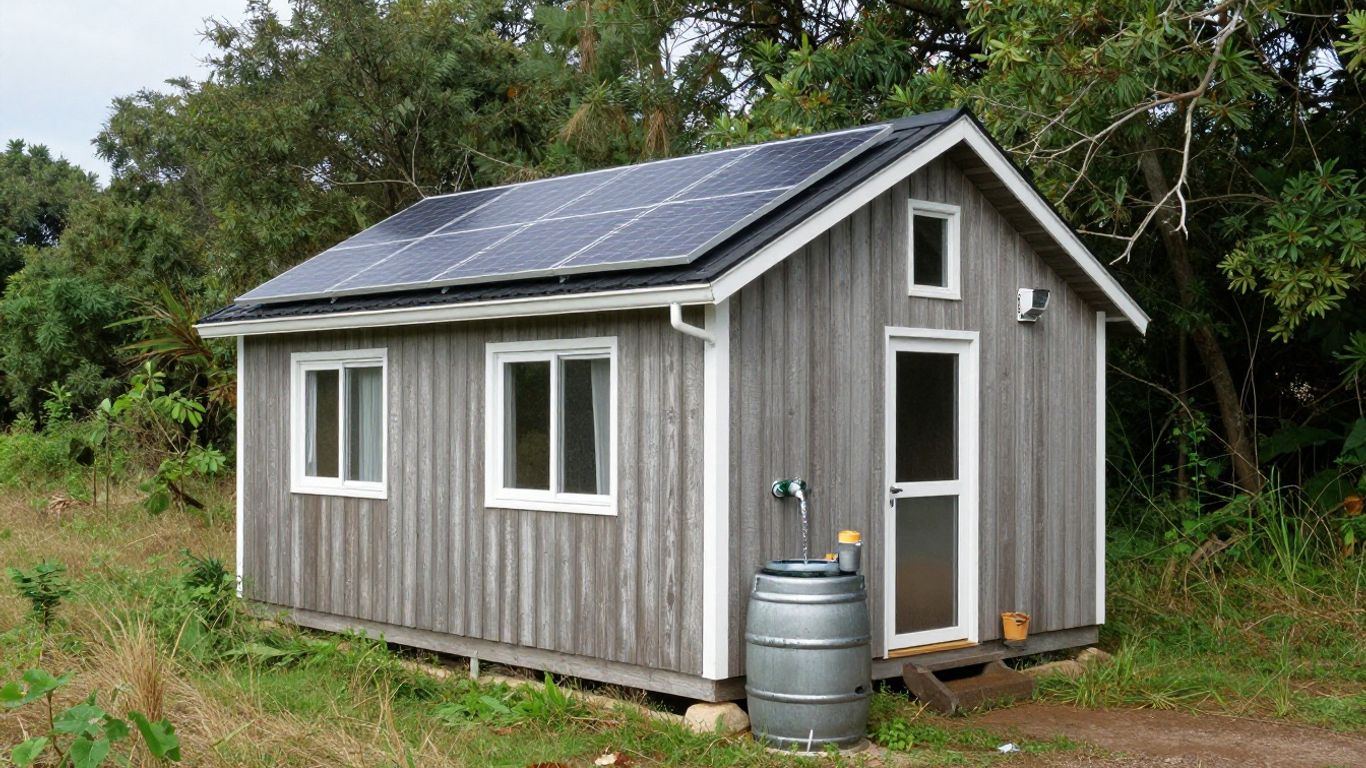
Living off the grid in a tiny house means you’re in charge of your own power, water, and waste. It’s a pretty cool way to live if you want more freedom and fewer bills, plus it’s way better for the environment. Tiny homes are perfect for this because they just don’t need as much stuff as a big house.
Choosing Solar Power and Battery Storage
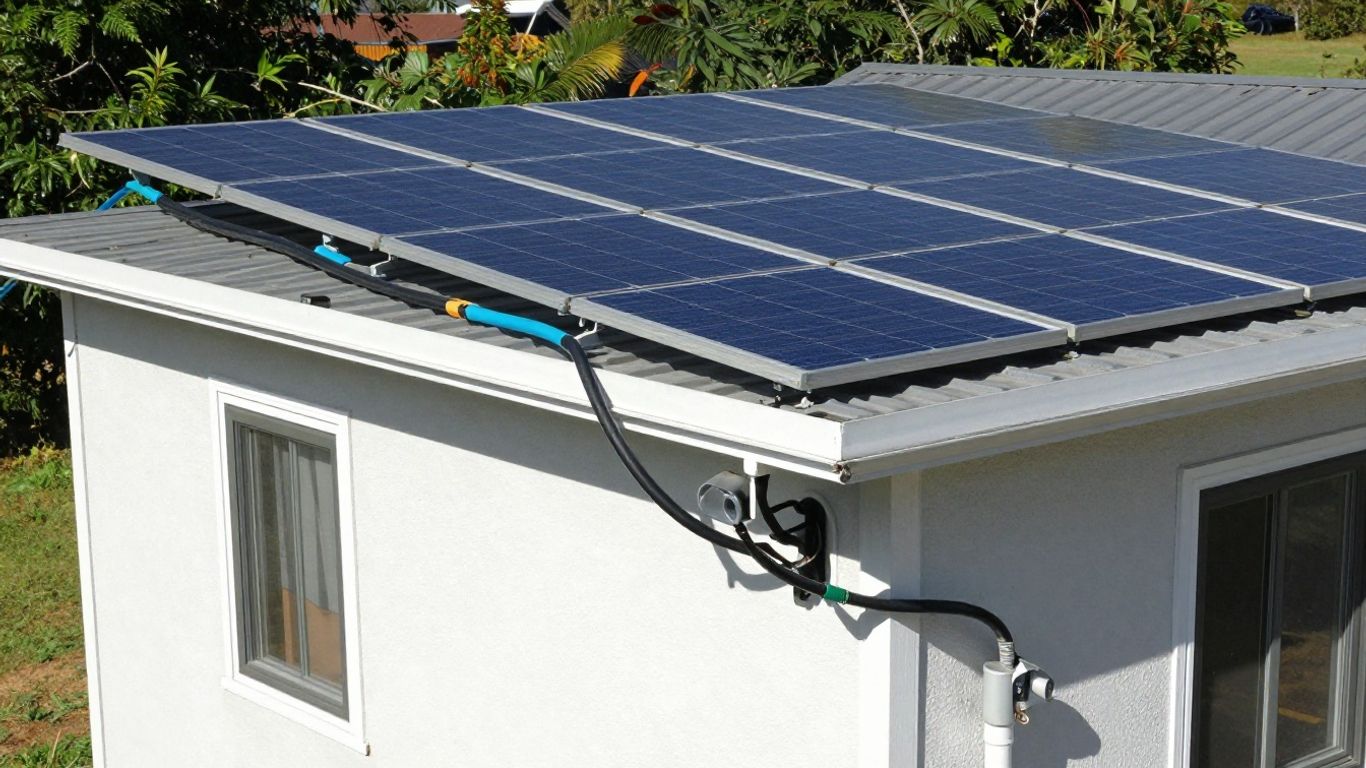
Solar power is the go-to for most off-grid tiny homes. You’ve got panels on the roof, right? They soak up the sun and turn it into electricity. But what happens when it’s cloudy or nighttime? That’s where batteries come in. They store the extra power your panels make during the day so you can use it later. You’ll need a system that’s sized right for your needs – think about how much power your lights, fridge, and gadgets use. A typical tiny house might need a system between 1,000 and 3,000 watts. It’s not just about the panels and batteries, though; you also need a charge controller to keep the batteries from getting overcharged and an inverter to change the battery’s DC power into the AC power your appliances use.
- Solar Panels: Capture sunlight and convert it to DC electricity.
- Battery Bank: Stores excess DC electricity for later use.
- Charge Controller: Regulates the flow of electricity to the batteries.
- Inverter: Converts DC electricity from batteries to AC electricity for appliances.
Backup generators are also a good idea for those really long stretches without sun. They can kick in and recharge your batteries when needed. It’s all about having a reliable power source, no matter what the weather throws at you.
Rainwater Collection and Filtration Systems
Forget the water bill! Many off-grid tiny homes get their water from the sky. You set up gutters and pipes to catch rainwater running off your roof and direct it into storage tanks. These tanks can be pretty big, sometimes holding 1,000 to 2,000 gallons, especially if you live in a drier area. But you can’t just drink that water straight away. It needs to be filtered and purified to make sure it’s safe. There are different levels of filtration, from basic sediment filters to more advanced UV purifiers. It’s a bit of work to set up, but having your own water source is a huge win.
Setting up a reliable water system involves more than just collecting rain. You need to consider how to store it safely, filter out contaminants, and pump it to your fixtures. Planning for dry spells is also key, which might mean larger storage or supplementing with another source.
Composting Toilets and Greywater Reuse
Dealing with waste is a big part of off-grid living. Composting toilets are a popular choice because they don’t need a septic system or a connection to the sewer. They work by breaking down human waste into compost, which you can then use in your garden (after it’s properly composted, of course). They don’t smell bad if they’re set up and maintained correctly. Then there’s greywater – that’s the water from your sinks and shower. Instead of sending it all down the drain, you can often reuse it for irrigating non-edible plants. This saves a lot of water and reduces the amount of waste you need to manage. It’s a smart way to be more self-sufficient and kinder to the planet. You can find more about composting toilets for tiny homes and how they work.
Setting Up Power in Your Tiny House
Grid-Tied Versus Off-Grid Electrical Systems
When you’re thinking about power for your tiny house, the first big decision is whether you’ll connect to the existing electrical grid or go completely off-grid. It’s not as simple as just plugging in, though. Grid-tied systems mean you’re relying on the utility company, which usually involves a hookup fee and ongoing monthly bills. You’ll need to work with them to ensure your setup meets their standards. This is often the easiest route if your tiny house is parked in a place with existing infrastructure, like a backyard ADU or a designated tiny house community. You’ll still need a proper electrical panel and wiring within your house, just like any other home.
Off-grid living, on the other hand, is a whole different ballgame. You’re responsible for generating all your own electricity. This usually means solar panels, batteries for storage, and maybe a backup generator. It gives you total freedom and no monthly bills, but it requires a significant upfront investment and a good understanding of how your system works. You’ll need to be mindful of your energy consumption, especially during cloudy days or extended periods without sun. The amount of power you need will heavily influence the size and cost of your off-grid system.
Solar, Wind, and Generator Options
For off-grid power, solar panels are the most popular choice for tiny homes. They’re quiet, produce clean energy, and the technology keeps getting better and more affordable. You’ll typically need a system sized for your daily energy needs, plus some extra for cloudy days. This usually involves panels, a charge controller to manage the power going into your batteries, and a battery bank to store that energy for use at night or when the sun isn’t shining. Think of it like a rechargeable battery pack for your entire house.
Wind turbines are another option, especially if you live in an area with consistent wind. They can be a great supplement to solar, providing power when the sun isn’t out. However, they can be noisy and require more maintenance than solar panels. Plus, you need to consider local regulations regarding their height and placement.
Generators, whether they run on propane, diesel, or gasoline, are often used as a backup. They’re great for quickly recharging your batteries when you’ve had a few low-sun days or if you have a sudden surge in power demand. Some people use small, portable solar generators as an easy power source, especially during the building phase or for temporary power needs. They’re like a big power bank you can plug things into.
Here’s a quick look at common power sources:
- Solar Panels: Best for most situations, clean energy, requires sunlight.
- Wind Turbines: Good for windy locations, can supplement solar, may require more maintenance.
- Generators: Reliable backup power, good for recharging batteries, can be noisy and require fuel.
Safety and Power Distribution Considerations
No matter how you get your power, safety is super important. You’ll need a properly installed electrical panel with circuit breakers to protect your appliances and prevent fires. All wiring needs to be done according to code, and if you’re not comfortable with electrical work, it’s really best to hire a qualified electrician. Messing with electricity can be dangerous, and a small mistake can lead to big problems.
When distributing power within your tiny house, think about where you’ll need outlets and lights. Plan this out carefully before you start running wires. It’s easy to forget a spot, and adding it later can be a hassle. Consider using LED lighting because it uses much less energy than traditional bulbs, which is a big deal for off-grid systems.
Think about the types of appliances you’ll be using, too. High-draw items like electric heaters or large refrigerators can quickly drain your power supply, especially if you’re off-grid. Choosing energy-efficient appliances and being mindful of what you’re running at the same time can make a huge difference. For example, running your microwave and toaster oven simultaneously might be too much for a smaller system. It’s all about balancing your needs with your power generation and storage capacity.
Water Solutions for Tiny Homes
Integrating City Water or Well Access
If your tiny house is parked on a permanent foundation or a lot where you can legally connect to municipal services, getting water is pretty straightforward. It’s basically the same deal as hooking up a regular house. You’ll run a main water line from the city supply right to your tiny home. This usually involves digging a trench and connecting to the main service line, then running pipes into your house to your fixtures. If you’re in an area without city water, you might consider drilling a well. This is a bigger project, obviously, involving drilling deep into the ground to access groundwater. You’ll need a well pump to bring the water to the surface and then run pipes to your house. It’s a solid option if you have the right land and budget, but it does require more upfront work and ongoing maintenance to make sure the water quality is good.
Building Efficient Greywater Systems
Greywater is essentially the water that comes from your sinks (not the kitchen sink, usually), showers, and washing machines. It’s not sewage, so it’s generally cleaner and can be reused. This is a really smart way to conserve water, especially if you’re off-grid or just want to be more eco-friendly. You can set up a system to divert this greywater away from your main wastewater line and use it for things like irrigating your garden or even flushing toilets. The key here is to use biodegradable soaps and cleaning products. If you don’t treat it, it can build up and harm your plants or soil. Simple systems might just involve a separate drain pipe leading outside, while more complex ones can include filters to clean the water before reuse.
Rainwater Harvesting and Storage
For those living off-grid or in areas where connecting to city water isn’t an option, rainwater harvesting is a popular choice. It’s pretty much what it sounds like: collecting rainwater that falls on your roof. Your roof acts as the collection surface, and gutters channel the water into a storage system, usually large tanks or barrels. From there, you’ll need a way to filter and purify the water to make it safe for drinking and other uses. This can involve a series of filters, like sediment filters and carbon filters, and maybe even a UV purification system. The amount of water you can collect depends on your roof size and how much rain you get in your area. It’s a good idea to have a backup water source or a really large storage capacity to get you through dry spells.
- Roof Preparation: Ensure your roof material is safe for water collection and that your gutters are clean and properly sloped.
- Storage Tanks: Choose tanks made from food-grade materials, sized appropriately for your needs and climate.
- Filtration and Purification: Implement a multi-stage system to remove debris and contaminants, making water potable.
- Pumping System: You’ll likely need a pump to move water from storage to your house fixtures.
Storing enough water is key for off-grid living. Aim for a capacity that can sustain you for at least a week or two, considering potential dry periods or system maintenance needs. This might mean investing in larger tanks than you initially think you’ll need.
Managing Waste in a Tiny Home Environment
Dealing with waste in a tiny house, especially when you’re off-grid, is a big part of the puzzle. It’s not just about throwing things away; it’s about how you handle what’s left over from daily living. You’ve got a few main areas to think about: human waste, water from sinks and showers, and just regular trash.
Composting Toilet Installation and Maintenance
Composting toilets are a really popular choice for tiny homes because they don’t need a sewer hookup and use way less water than a traditional toilet. Basically, they turn human waste into compost through a natural process. It sounds a bit weird at first, but they’re actually pretty neat and eco-friendly. Setting one up usually involves a bit of assembly, and then you need to manage the compost. This means emptying the solids bin every so often and sometimes adding material like sawdust to help the composting along. It’s not a set-it-and-forget-it thing, but it’s manageable. Brands like Sun-Mar offer a good variety of options.
- Regular emptying: Depending on how many people are using it, you’ll need to empty the solid waste chamber every few days to a few weeks.
- Adding bulking material: Sawdust, peat moss, or coconut coir helps with aeration and absorption.
- Monitoring moisture: Too wet and it can get smelly; too dry and the composting slows down.
- Compost disposal: Once the compost is ready (which can take months), it needs to be properly disposed of, often by burying it in a designated spot.
The key to a good composting toilet experience is understanding the process and staying on top of the maintenance. It’s a biological system, and like any living thing, it needs a little attention to thrive.
Setting Up Greywater Diversion
Greywater is the water that comes from your sinks (not the kitchen sink, usually, due to grease and food particles) and showers. Instead of sending all that water down a drain to a septic or sewer system, you can divert it for other uses, like watering your plants. This is a great way to conserve water. You’ll need a system that separates greywater from blackwater (toilet water) and then directs it to where you want it to go. Sometimes this is a simple diversion valve, other times it’s a more complex filtration system.
- Separate plumbing: Ensure your greywater drains are distinct from your blackwater drains.
- Filtration (optional but recommended): Simple filters can remove hair and soap scum.
- Distribution: Direct water to garden beds, mulch basins, or a specific irrigation system.
- Considerations: Avoid harsh chemicals in soaps and detergents, as they can harm plants.
Dealing With Trash and Recycling Off-Grid
Even with a minimalist lifestyle, you’ll still generate some trash. When you’re off-grid, you can’t just put your bin out on the curb. This means you need a plan for what to do with your garbage and recyclables. Reducing what you bring into your tiny home in the first place is the best strategy. Think reusable bags, buying in bulk, and avoiding single-use items. For what’s left, you’ll need to store it properly to avoid pests and then find a place to dispose of it, which might mean taking it to a local transfer station or recycling center periodically. Composting food scraps is also a big part of reducing your overall waste.
Internet, Heating, and Other Essential Utilities
Getting Reliable Off-Grid Internet
So, you’re living the tiny life, maybe even off the grid, but you still need to get online. It’s not as impossible as it sounds! For many of us, the internet isn’t just for streaming movies anymore; it’s how we work, stay connected, and get information. If you’re not near a traditional hookup, there are a few ways to get a signal.
- Cellular Hotspots: This is probably the most common method. If you have decent cell service where your tiny house is parked, you can use your smartphone as a hotspot or get a dedicated mobile hotspot device. Just be mindful of data limits – they can add up fast!
- Satellite Internet: This is a more robust, though often pricier, option. Services like Starlink are becoming more accessible and offer decent speeds, even in remote areas. It requires a clear view of the sky, so placement is key.
- Long-Range Wi-Fi Extenders: If you’re relatively close to a town or a place with public Wi-Fi, a good range extender might be able to pick up the signal and bring it to your tiny home. It’s not always the most stable, but it can work in a pinch.
Remember to check signal strength in your specific location before committing to a service.
Heating and Cooling in Small Spaces
Keeping your tiny home at a comfortable temperature year-round is a big deal, especially when you’re trying to be energy efficient. Insulation is your best friend here. Seriously, don’t skimp on it. Good insulation means your heater doesn’t have to work overtime in the winter, and your air conditioner (if you have one) doesn’t struggle as much in the summer. This saves you energy and money, no matter how you’re powering your home.
When it comes to heating, propane heaters are a popular choice for tiny homes. They’re relatively efficient and can provide a lot of warmth. Just make sure you understand how to set them up safely – propane can be a bit intimidating at first, but it’s manageable with the right knowledge. For cooling, especially if you’re running on solar, air conditioning can be a challenge. You’ll want to look at highly efficient units and maybe even consider a mini-split system. Sometimes, just good ventilation and strategic shading are enough to keep things bearable.
Selecting Water Heaters for Compact Living
Hot water is one of those things you don’t think about until you don’t have it! For tiny homes, space is always a concern, so you need a water heater that fits your needs without taking up half your living area.
- Propane Tankless Water Heaters: These are super popular because they heat water on demand, meaning you don’t waste energy keeping a tank of water hot all the time. They’re compact and efficient, but you need a propane supply.
- Electric Tankless Water Heaters: Similar to propane tankless, but they use electricity. They can draw a lot of power, so make sure your electrical system can handle it, especially if you’re off-grid.
- Small Electric Tank Water Heaters: If you have enough power, a small tank heater (like 2-6 gallons) can be a simpler option. They’re less efficient than tankless because they keep water hot constantly, but they have lower power draw at any given moment.
Choosing the right water heater often comes down to balancing your power source, your hot water usage, and the available space. It’s a bit of a puzzle, but totally doable.
Here’s a quick look at common options:
| Type | Fuel Source | Pros | Cons |
|---|---|---|---|
| Propane Tankless | Propane | Heats on demand, space-saving, efficient | Requires propane, higher initial cost |
| Electric Tankless | Electric | Heats on demand, space-saving | High power draw, may strain off-grid systems |
| Small Electric Tank (2-6gal) | Electric | Lower initial cost, simpler setup | Less efficient, constant energy use |
Legal and Regulatory Considerations for Tiny House Utilities
So, you’ve got your tiny house plans all sorted, and you’re dreaming of off-grid living or a neat grid-tied setup. That’s awesome! But before you start digging trenches or wiring up solar panels, we really need to talk about the paperwork and the rules. It’s probably not the most exciting part, but honestly, it’s super important.
Zoning Laws and Building Codes That Affect Utilities
This is where things can get a little tricky. Every town, county, and state has its own set of rules, and they can be pretty different. Some places are really tiny-house-friendly, while others… not so much. You’ll need to figure out if tiny homes are even allowed in your chosen zone. Sometimes, there are minimum square footage requirements for homes that a tiny house just won’t meet. And even if tiny homes are allowed, the rules about connecting to utilities can be strict. Some areas might require you to hook up to city water or sewer if it’s available nearby, even if you’d rather go with a well or a composting toilet. It’s always best to check with your local planning and zoning department first. They can tell you what’s permitted and what’s not.
Permits for Water and Waste Systems
Getting the green light for your water and waste systems is another big hurdle. If you’re planning on drilling a well, you’ll almost certainly need a permit, and there might be rules about how deep it can be or how far it needs to be from property lines. For waste, it’s similar. Composting toilets, while a great eco-friendly option, aren’t allowed everywhere. Some counties still have regulations that require a traditional septic system, which can add a significant cost and complexity to your build. Greywater systems also face scrutiny, with rules often depending on your soil type and how close you are to water sources. You’ll likely need permits for these, and sometimes inspections too.
Utility Requirements by Location
Think of this as the grand finale of your pre-build research. The specific utility requirements can change dramatically depending on where you are. For instance, in some western states, water rights are a really big deal. Even rainwater you collect might be subject to regulations. In other areas, especially more rural ones, the regulations might be pretty relaxed, making off-grid living simpler. But don’t assume! You need to get the specifics for your exact location. This means contacting:
- Your county’s building department
- Your local health department
- The planning and zoning office
Ask them directly about:
- Permitted utility hookups (grid-tied, solar, water sources, waste disposal)
- Required permits and inspections for each system
- Any minimum dwelling size or utility connection mandates
Ignoring these regulations can lead to fines, forced removal of your tiny house, or costly system changes down the line. It’s way better to do the homework upfront and build within the legal framework of your chosen location. This proactive approach saves a lot of headaches and money in the long run.
Making Your Tiny House Work: Power, Water, and Waste
So, you’ve learned about getting power to your tiny house, whether that’s through solar panels or connecting to the grid. We also covered how to get water into your home, from city hookups to collecting rainwater, and what to do with it once it’s there. And of course, we talked about waste, mainly how composting toilets and greywater systems can handle things without a traditional sewer. It might seem like a lot, but with the right planning, these systems can make tiny living totally doable and pretty independent. It’s all about finding what works for your space and your lifestyle.
Frequently Asked Questions
How do tiny homes get electricity if they aren’t connected to the main power grid?
Tiny homes that aren’t connected to the main power grid often use solar panels to generate electricity. These panels capture sunlight and convert it into power. Sometimes, wind turbines are also used. The electricity is then stored in batteries so it can be used when the sun isn’t shining or the wind isn’t blowing.
What are the main ways tiny homes get their water supply?
Tiny homes can get water in a few ways. Some connect to city water lines, similar to regular houses. Others collect rainwater from their roofs, which is then filtered and stored. For homes further from cities, well water or even water from nearby springs can be used, but these also require filtering.
How do tiny homes handle waste, especially human waste?
A popular choice for waste management in tiny homes is a composting toilet. These toilets break down waste into compost, which can be used later. Another method is using greywater systems, which reuse water from sinks and showers for things like watering plants. Regular trash and recycling still need to be managed, often by taking it to designated drop-off locations.
Is it difficult to set up power for a tiny house?
Setting up power can seem tricky, but there are many resources to help. For homes connected to the grid, it’s similar to a regular house. For off-grid homes, solar power is common. While it requires understanding how panels, batteries, and wiring work, many guides and even kits are available to make the process manageable, especially for DIYers.
What are the advantages of living in a tiny home off the grid?
Living off the grid in a tiny home offers freedom from monthly utility bills, as you generate your own power and manage your own water. It also allows you to place your home in more remote or natural locations without needing existing utility hookups. Plus, it often leads to a more environmentally friendly lifestyle by using only what you need.
How can I get internet service in a tiny home, especially if it’s off the grid?
Getting internet in a tiny home, even off the grid, is possible. Options include using mobile hotspots from cell phone providers, satellite internet services, or sometimes specialized long-range Wi-Fi antennas if you’re close enough to a signal source. Planning for internet is important, especially if you work from home.
Explore more tiny home living, design, downsizing, building, and lifestyle resources.
- Tiny Homes for Rent in Wyoming: Wild West Getaways to Book
- Tiny Homes for Rent in Washington: Forest Escapes & Cozy Stays
- Tiny Homes for Rent in Utah: Red Rock Retreats to Book
- Tiny Homes for Rent in Oregon: Forest Retreats You’ll Love
- Tiny Homes for Rent in New Mexico: Desert Gems & Starry Skies
- Tiny Homes for Rent in Nevada: Desert Hideaways Worth Booking