Tiny Homes for Rent in Alaska: Wilderness Retreats Await

Snow rests outside the windows while warm light spills across a compact room, and Alaska’s wild country begins just beyond the door. A tiny home can give you a cozy, practical base for exploring, but comfort depends on the property: location, amenities, road access, and winter readiness all vary.
You’ll find rentals in areas such as Southcentral Alaska, Talkeetna, and Fairbanks, though the right choice depends on your route and the season. Nightly rates and added costs also differ, so compare the full booking price along with heating, bathroom, and sleeping arrangements.
Before choosing among tiny homes for rent in Alaska, consider what you need for the trip, then use these key points to narrow your options.
Key Takeaways
- Tiny homes for rent in Alaska offer a compact, cozy base, but amenities and comfort vary by property.
- Compare the full booking cost, including nightly rates, cleaning fees, and any other charges listed before you reserve.
- Choose a location that fits your route, whether you plan to explore Southcentral Alaska, Talkeetna, or Fairbanks.
- Check heating, bathroom access, sleeping arrangements, and winter readiness so the home suits your season and travel needs.
- If you’re driving in winter, check current conditions on Alaska’s road information site before setting out.
Tiny Homes for Rent in Alaska: What to Expect
A tiny-home rental can feel like a private retreat, but the name alone won’t tell you how it compares with a cabin or yurt. In Alaska, listings may use several labels for compact stays, so focus on the floor plan, facilities, and access details before booking.
How a tiny home differs from an Alaska cabin or yurt
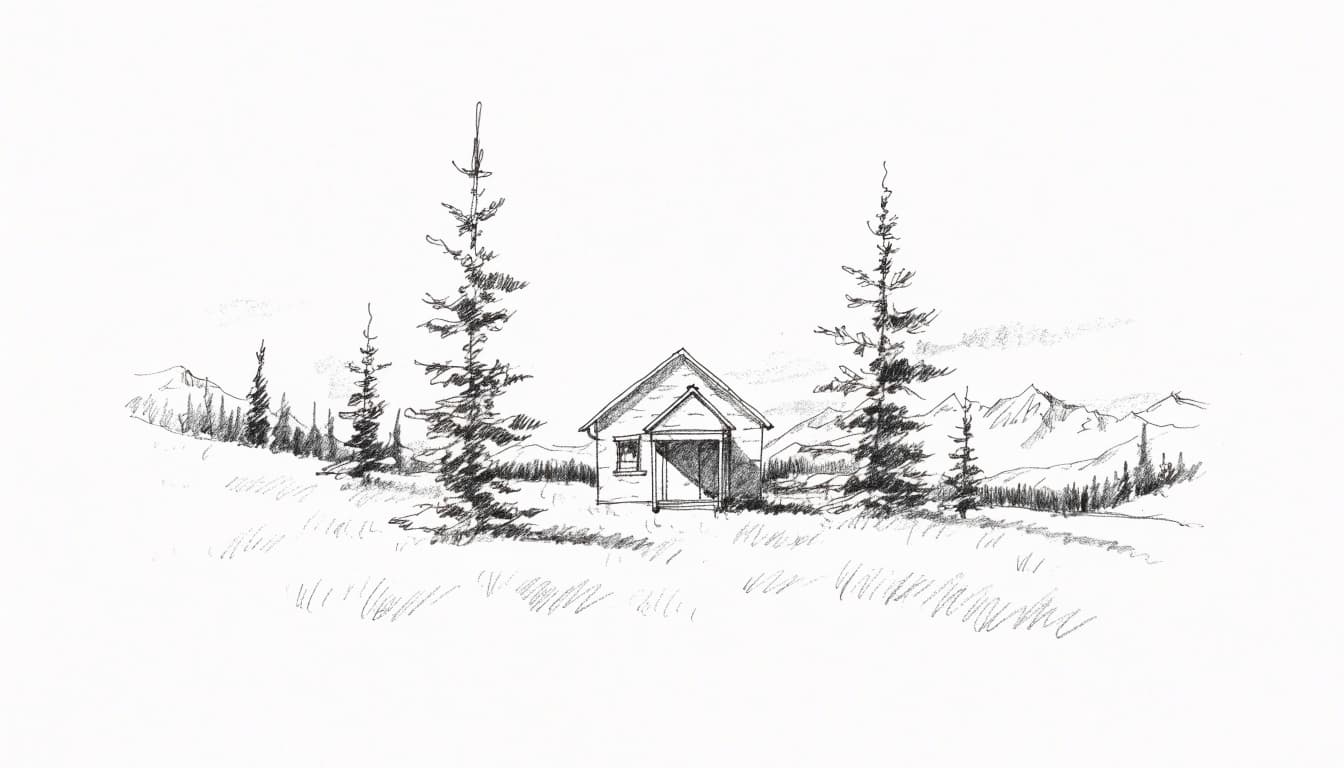
A tiny home is generally a small, enclosed dwelling with a fixed interior layout. It may have a kitchenette, a bathroom, and a loft, all arranged to make limited floor space work. A cabin can range from a rustic one-room shelter to a larger vacation home with separate bedrooms and full facilities. A yurt usually has a single round room, though amenities vary by property.
Privacy depends on the rental, not just its category. Some tiny homes sit apart from the host’s house, while others share a yard or driveway with nearby buildings. Cabins and yurts can also be secluded or close to other guests. Alaska has a wide range of cabin and vacation-rental styles, as Travel Alaska’s lodging guide shows.
Listings may call a unit a tiny house, guesthouse, micro-cabin, or simply a cabin. Compare the photos and description for square footage, sleeping capacity, bathroom access, and whether the space is private. Those details matter more than the label when you need room to spread out or want a bathroom inside.
Common features, from loft beds to private bathrooms
Tiny homes use vertical space to fit the essentials. A loft bed may leave room below for a small kitchen or sitting area, while other layouts place the bed on the main floor. Compact kitchens often include a mini-fridge, cooktop, microwave, or basic cookware, but don’t assume every rental has all four.
Heating also varies. A property may rely on electric heat, a wood stove, or another system, and winter guests should learn how to operate it before arrival. Bathrooms can be private and indoor, or shared with the host or other guests. Wi-Fi and outdoor seating may be available, but neither is guaranteed.
Read the listing carefully, especially if stairs, low ceilings, or shared facilities could affect your stay. Loft ladders can be awkward with luggage, and a compact bathroom may offer less space than a standard one. Check whether the outdoor area is private, too, and confirm which amenities are included rather than pictured only as part of the property.
Where to Find Alaska Tiny House Rentals
The best place to look depends on your route, the attractions you want to reach, and how much driving you’re prepared to do. Tiny homes for rent in Alaska may sit near towns or well outside them, so check a listing’s location against groceries, fuel, roads, and seasonal activities before booking. Availability varies by date, and no destination guarantees a particular type of rental.
Anchorage and Southcentral Alaska for easy access
Anchorage offers access to everyday services and major roads, making it a practical base for travelers who want stores and restaurants nearby. Rentals farther out in Southcentral Alaska can put you closer to trailheads, coastal scenery, or smaller communities, but may add driving time for supplies.
The wider region includes the Kenai Peninsula, Seward, and Homer. Distances can add up: Travel Alaska lists the Anchorage-to-Seward-and-Homer route at 519 miles round trip and recommends allowing at least three days. Review its Kenai Peninsula road-trip route to see how stops fit your plans. A rental near Anchorage may work well for day trips, while a stay farther down the peninsula makes more sense if you want time in that area.
Talkeetna and the Denali area for mountain views
Talkeetna and communities near Denali appeal to travelers seeking mountain scenery, outdoor activities, and a quieter base than Anchorage. Before booking, compare the rental’s actual location with the park entrance and the places you plan to visit. A property described as “near Denali” may still require a substantial drive.
Season matters, too. Denali’s road access and visitor transportation change through the year. The National Park Service notes that public transportation in the area is unavailable outside summer, so check Denali’s operating hours and seasons and confirm local transport before choosing a stay.
Fairbanks and Interior Alaska for a different kind of stay
Fairbanks offers a base for Interior Alaska’s long summer days and winter scenery. In the colder months, visitors may hope to see the northern lights, but sightings depend on conditions and are never guaranteed. Travel Alaska’s northern lights viewing guide explains why dark skies matter.
Winter temperatures can be severe, and snow or ice can make driving demanding. Check the rental’s heating, road access, and distance from food and fuel, especially if you’ll arrive late or travel outside town.
Remote rentals require extra planning
A secluded tiny home can offer quiet and open space, but remote locations may have limited cell service and few nearby stores. Access roads may be unpaved or seasonal, and a standard rental car may not suit every route.
Before booking, confirm the exact address, directions, vehicle requirements, and emergency access with the host. Then map the drive to groceries, fuel, and planned activities. A little extra planning can prevent a scenic stay from becoming an inconvenient base.
How Much Does It Cost to Rent a Tiny Home in Alaska?
There’s no single rate for tiny homes for rent in Alaska. Prices depend on the property, travel dates, location, and what the rental includes. To estimate your budget, compare listings for the same dates and guest count, then review the full booking total and the costs you’ll pay during the trip.
What changes the nightly rate
Summer brings higher demand in many Alaska destinations, especially near popular attractions and outdoor activities. A winter rental may also cost more if it has features such as reliable indoor plumbing, convenient road access, or heating suited to cold weather. Rates vary by property and date, so check the calendar for your exact travel window.
Location affects price, too. A home near a town, trailhead, or major attraction may cost more than a remote stay, while remote access can add transport and supply costs. Size and sleeping capacity matter, as do comforts such as a private bathroom, full kitchen, laundry, or a hot tub. Compare the amenities you’ll actually use rather than assuming a higher nightly price always means a better fit.
Compare the full booking total, not just the nightly price
A low nightly rate can look different once fees and taxes appear at checkout. Cleaning fees and platform service charges may raise the total, while some hosts also require a refundable deposit. Minimum-night rules can make a short visit more expensive per night, and cancellation terms determine how much you could lose if plans change.
Alaska has no statewide lodging tax, but local governments may impose their own. For example, Anchorage collects a room tax on short-term stays; check the listing’s tax breakdown and the Anchorage room tax rules. If you book through Airbnb, its service fee guidance explains how platform charges can affect the subtotal.
For a fair comparison, enter the same dates and number of guests on each listing, then compare the final amount before payment. Check the minimum stay and cancellation policy alongside the price.
Plan for transport, food, and heating costs
A cheaper rental may sit far from groceries, restaurants, or fuel. In that case, a rental car, extra driving, and stocking up on supplies can add substantially to your trip budget. Consider those costs before choosing a remote location.
Before booking, ask whether firewood or propane is included, especially if the home uses a stove or supplemental heat. Also confirm whether linens, cookware, dishes, and basic kitchen supplies come with the stay. Those details help you avoid surprise purchases and compare the real cost of each tiny-home rental.
Choose a Rental That Fits Alaska’s Weather and Your Travel Plans
A tiny home that feels comfortable in July may work very differently during a snowy February visit. Before booking, match the rental’s cold-weather setup, layout, and location to your travel dates and the people in your group. Ask the host how the property operates in the season you plan to visit, rather than relying on summer photos or a short amenities list.
Check heating, insulation, water, and winter access
Confirm the heating source and ask whether guests need to operate a wood stove or provide fuel. Find out if the home has indoor plumbing and hot water year-round, and whether any pipes or facilities change during cold spells. Also ask how the host handles snow removal and whether the access road stays open for your dates.
Photos may show a clear driveway in summer, but they won’t tell you how winter arrivals work. If you’re driving, check the route shortly before departure using Alaska’s current road conditions. Ask the host about the road’s usual winter condition, too, since a clear main highway doesn’t guarantee an easy final stretch.
Match the home to your group and comfort needs
Look beyond the advertised occupancy limit. Confirm the actual bed sizes, where each person sleeps, and whether reaching a loft requires a steep ladder. If anyone has limited mobility, ask about stairs, thresholds, bathroom access, and the distance from parking to the entrance.
In a compact home, bathroom privacy and cooking space can shape the whole stay. Check whether the bathroom is private, whether the kitchen has the equipment you need, and where you can store luggage without blocking walkways. Families should confirm rules for children and pets, along with any safety features or restrictions that matter to their group.
Balance seclusion with services and activities
A remote rental can put quiet scenery outside your door, but it may also mean a long drive for groceries, fuel, or medical care. Decide how much solitude suits your plans, then check the route to essentials and activities you expect to visit. A short distance on a map can take much longer on Alaska roads, especially in winter or on unpaved routes.
Map the drive from the rental to your first planned stop, not just to the nearest town. If you arrive late, confirm that fuel and food will be available along the way or bring supplies before leaving a larger community.
Read reviews and ask useful questions before booking
Recent reviews can reveal details that listing photos leave out. Look for comments about cleanliness, heating, hot water, road conditions, noise, and whether the space matched its description. Give more weight to reviews from the same season as your trip.
Before paying, send the host a few direct questions:
- What are the arrival instructions, and does access change seasonally?
- Which supplies, linens, and cooking basics are provided?
- What happens if weather delays travel or makes the access road impassable?
Clear answers help you compare tiny homes for rent in Alaska on practical details, not just appearance.
Book an Alaska Tiny Home Stay With Confidence
A smooth stay starts before you reserve. Search widely, confirm the details that affect your arrival, and pack for the property rather than assuming every small rental offers the same supplies or services.
Search by town, dates, and the amenities you need
Start with established vacation-rental platforms, local lodging websites, and tourism resources such as Travel Alaska’s lodging directory. Search by town or region and enter your exact dates and guest count. Then narrow the results by essentials, such as a private bathroom, reliable heating, a kitchen, parking, or pet access.
Use more than one search phrase. A property that suits you may be listed as a tiny house, small cabin, or guesthouse, rather than a tiny home. Since labels vary, compare the floor plan, amenities, location, and recent reviews instead of relying on the title alone. Check the map, too, and account for the drive to your planned activities and basic services.
Confirm rules, cancellation terms, and arrival details
Before paying, read the house rules and full price breakdown. Check taxes, cleaning charges, deposits, refund terms, quiet hours, and any checkout tasks, such as taking out trash or washing dishes. If a policy is unclear, ask the host in writing before booking. That gives you a clear record of the answer.
For a remote rental, confirm the exact address and route, whether the road is suitable for your vehicle, and where to park. Ask when you must arrive, especially if access depends on daylight or a host meeting you in person. Save the check-in instructions and a backup contact method before you leave cell service. These details can prevent a late arrival from turning into a search for the right driveway.
Pack for the property and the season
Packing needs depend on the season and the listing. Even in warmer months, layers and sturdy footwear help when temperatures shift or paths are uneven. A headlamp is useful for dark arrivals, while groceries and personal supplies can save a long trip if stores are far away. Confirm whether the rental provides linens, cookware, toiletries, and basic kitchen staples.
Don’t assume a small town or remote property has a nearby grocery store, fuel station, or late-night service. Check what’s open along your route and stock up before heading out if needed. For Alaska-specific trip planning and seasonal packing ideas, consult Travel Alaska’s vacation planning resources.
The Best and Hardest Parts of Staying in a Tiny Home
A tiny home can make an Alaska trip feel personal and close to the outdoors, but the compact layout asks you to trade space for character. The experience depends on the property, your group, and how much time you plan to spend inside.
Why travelers enjoy the cozy, close-to-nature feel
Small rentals often have details that make a stay memorable, such as wood finishes, thoughtful built-ins, or a loft tucked beneath the roof. With fewer rooms to manage, the space can feel intimate and easy to settle into. Some properties offer more privacy than a hotel, although others share a driveway, yard, or nearby facilities.
The setting can add to the appeal. A tiny home might sit near a trail, on a wooded lot, or within reach of a town; some have mountain or water views, while others look onto neighboring buildings. When the location suits your plans, a compact place can encourage simple routines: make breakfast, head outside, and return to a warm room after a day out.
That rhythm works especially well for travelers who expect to spend most of their time exploring. A smaller kitchen and living area may matter less when the main draw is hiking, fishing, sightseeing, or simply enjoying the fresh air.
What can feel challenging in a very small space
Limited storage becomes noticeable when everyone brings a full suitcase. There may be little room to unpack, and a tight kitchen can make preparing meals difficult for more than one person. Loft beds save floor space, but steep ladders or narrow stairs can be uncomfortable, especially at night or for anyone with mobility concerns.
Facilities also vary. Some tiny homes have private bathrooms and reliable internet; others share a bathroom or offer slower connectivity. Check the listing before booking if you need to work remotely, cook most meals, or keep a predictable routine.
Remote locations add another layer of planning. Snow, ice, or poor weather can delay a drive or make the final stretch to a rental harder to reach. Check the National Weather Service Alaska forecast near your travel date, and allow flexibility if your plans depend on road travel.
For longer stays or larger groups, the limits can wear on you. A compact rental may have no separate room for quiet time, and wet gear or extra luggage can crowd walkways fast. Choose a tiny home when its location and cozy scale fit your trip, not simply because the photos look inviting.
Frequently Asked Questions
Before you book, check details that can affect your daily routine, arrival, and budget. A few direct questions for the host can clear up gaps in the listing.
How far ahead should I book a tiny home in Alaska?
Book as soon as your dates and route are firm, especially if you plan to visit during summer or a popular local event. Small rentals have limited capacity, so fewer options may remain as your dates approach. If your plans are flexible, compare several nearby towns and check cancellation terms before reserving.
Can I work remotely from a tiny home?
Some rentals offer Wi-Fi, but connection speed and reliability vary, especially outside towns. If you need video calls or a stable connection, ask the host about internet service and cell coverage rather than relying on an amenities icon. Also confirm whether the home has a comfortable place to work and enough outlets for your devices.
Are laundry facilities available?
Laundry isn’t standard in a tiny home, and compact layouts may not have room for a washer and dryer. Check the amenities list or ask the host whether laundry is in the rental, shared with others, or available nearby. For a longer stay, confirm the location and hours of any off-site laundromat before you arrive.
Can I check in after dark?
Check-in times and instructions depend on the property. Before booking, ask whether you can arrive independently, how you’ll find the entrance, and whether the access road or parking area is easy to identify at night. Save the address and instructions offline, since cell service may be limited on the way to a remote rental.
What happens if bad weather delays my arrival?
The host’s cancellation and refund policy determines what happens if weather disrupts your trip, so read it before paying. Ask whether you should contact the host if a flight or road delay pushes your arrival back. Keep the host’s contact information available, and leave room in your itinerary for travel delays when conditions may change.
Should I check the aurora forecast before my stay?
Yes. Forecasts can help you decide when to look outside, but they can’t promise a sighting. The NOAA aurora viewing tips explain that geomagnetic activity is one factor, while clouds, darkness, and your location also affect visibility. A rental with dark skies may improve your chances, but keep plans flexible.
Conclusion
Tiny homes for rent in Alaska can make a trip feel personal and memorable when the location, season, and amenities fit your plans. Before booking, compare the full cost and check winter readiness, road access, sleeping arrangements, and the host’s arrival instructions.
Read recent reviews and ask about any details the listing leaves unclear. Then choose the rental around the trip you want, not just the photos. A well-matched tiny home gives you a cozy place to return to after a day exploring Alaska.
Explore more tiny home living, design, downsizing, building, and lifestyle resources.
- Tiny Homes for Rent in Wyoming: Wild West Getaways to Book
- Tiny Homes for Rent in Washington: Forest Escapes & Cozy Stays
- Tiny Homes for Rent in Utah: Red Rock Retreats to Book
- Tiny Homes for Rent in Oregon: Forest Retreats You’ll Love
- Tiny Homes for Rent in New Mexico: Desert Gems & Starry Skies
- Tiny Homes for Rent in Nevada: Desert Hideaways Worth Booking