A Complete Guide to Off Grid Living in Tennessee: Tips, Challenges, and Success Stories for 2026

Thinking about living off the grid in Tennessee? It’s a growing trend, with more folks wanting to be self-sufficient and live a simpler life. But before you pack your bags and head for the hills, it’s important to understand the rules. This guide breaks down what you need to know about off grid living in Tennessee, covering everything from local laws and permits to the real-life challenges and how to overcome them. We’ll help you get a clear picture so you can make smart choices for your off-grid adventure.
Key Takeaways
- Off grid living in Tennessee means being independent of public utilities like electricity and water, relying on your own systems.
- Tennessee has laws covering zoning, building, and land use that affect off-grid setups; knowing these is key.
- While some off-grid systems need permits (like solar or septic), not all do; research is important to avoid confusion.
- Financial help is available, with state and federal tax incentives for renewable energy systems that can lower costs.
- Challenges like legal hurdles, practical system management, and community acceptance are part of off-grid life, but planning helps.
Understanding Off Grid Living in Tennessee
So, you’re thinking about ditching the power lines and water mains and heading off the grid here in Tennessee? It’s a big step, for sure, and honestly, it’s becoming more popular than you might think. People are looking for a simpler life, a bit more control over their resources, and maybe just a break from all the monthly bills. But before you start dreaming about your solar-powered cabin, it’s super important to get a handle on what off-grid living actually means, especially here in the Volunteer State.
Definition Of Off Grid Living
Basically, living off the grid means you’re not connected to the public utility systems. No electric company, no municipal water supply, no city sewer. You’re responsible for generating your own power, sourcing your own water, and handling your own waste. Think solar panels for electricity, maybe a well or rainwater harvesting for water, and a septic system or composting toilet for waste. It’s all about self-sufficiency and reducing your reliance on those big, centralized services. It’s a lifestyle choice that’s gaining traction as folks look for more sustainable ways to live.
Overview Of Tennessee’s Legal Framework
Now, here’s where things can get a little tricky. Tennessee doesn’t have one single, overarching law that says "yes" or "no" to off-grid living. Instead, it’s a patchwork of state laws, county rules, and local ordinances that you’ll need to figure out. Each county can have its own take on things like zoning, building codes, and how you can use your land. What’s perfectly fine in one county might be a no-go in another. So, doing your homework on the specific area you’re interested in is absolutely key. You don’t want to buy land only to find out you can’t set up the off-grid system you planned.
Public Interest In Off Grid Living
It’s interesting to see how much more people are talking about off-grid living these days. There’s a definite buzz about sustainability and wanting to be more prepared for whatever comes our way. This growing interest is actually starting to make some communities and even lawmakers think differently about these kinds of lifestyles. While it’s still a bit of a wild west in some areas, the general public’s curiosity and desire for self-reliance might just pave the way for clearer guidelines and more support for off-grid folks in the future. It’s a good sign that more people are looking for alternatives to the traditional way of doing things.
Navigating Tennessee’s Legal Landscape
So, you’re thinking about going off-grid in Tennessee? That’s pretty cool! But before you start dreaming about your solar panels and rainwater harvesting, we gotta talk about the rules. It’s not as simple as just buying some land and setting up shop, though it’s definitely not impossible either. Understanding Tennessee’s laws is key to making this dream a reality without running into trouble.
Key Regulations For Off Grid Living In Tennessee
When you’re living off the grid, you’re still living in Tennessee, right? That means you’ve got to play by the state’s rules, and sometimes, the local rules too. These regulations are basically there to make sure everyone’s safe and that folks aren’t messing up the environment or their neighbors’ peace and quiet. It’s a bit of a balancing act.
Zoning Laws
Think of zoning laws like the neighborhood guidelines for your land. They tell you what you can and can’t do with your property. Is it zoned for farming? For houses? For businesses? This matters a lot for off-grid living. For example, if your land is zoned strictly for residential use, you might have a harder time setting up certain types of structures or systems that are common in off-grid setups. It’s always a good idea to check the zoning for any land you’re considering before you buy it. You don’t want to find out later that your dream off-grid homestead doesn’t fit the local plan.
Building Codes
These are like the safety rules for any house you build, off-grid or not. Tennessee has its own building codes, and they cover things like how strong your walls need to be, how much insulation you should use, and what materials are okay. For off-grid homes, this can get a little tricky because you might be using methods or materials that aren’t super common. You’ll need to make sure whatever you build meets these codes. Sometimes, local inspectors will need to check your work, especially for bigger projects like installing a septic system or a significant solar setup. Getting this right from the start saves a lot of headaches later.
Land Use Regulations
These are broader rules about how you can use your land. They can cover things like how many houses you can have on one piece of property, how far your buildings need to be from the property line (setbacks), and what kind of activities are allowed. For instance, some areas might have rules about how much of your land you can clear or how you manage water runoff. It’s all about making sure land is used responsibly. You’ll want to look into these to make sure your off-grid plans fit within what’s permitted for your specific location.
It’s easy to think that going off-grid means you’re completely outside of any rules. That’s usually not the case. Most places, including Tennessee, have laws that apply to everyone, and off-gridders need to follow them too. The trick is figuring out what those rules are and how they apply to your situation so you can live your life without breaking any laws.
Here’s a quick rundown of what to look out for:
- Zoning: What is the land designated for? (Residential, Agricultural, etc.)
- Building Codes: Are your structures safe and up to code?
- Land Use: How much can you build, and where on your property?
- Environmental Rules: Are you managing waste and water responsibly?
- Permits: What approvals do you need before you start building or installing systems?
Permits And Compliance For Off Grid Homes
So, you’re thinking about going off-grid in Tennessee. That’s awesome! But before you start dreaming about your solar-powered paradise, let’s talk about the paperwork. It’s not as scary as it sounds, honestly.
Are There Specific Permits Required For Off Grid Homes In Tennessee?
Yes, there are. It’s a common idea that off-grid means no rules, but that’s just not the case here. You’ll likely need permits for a few things, depending on what you’re doing. Think of it like this: the state and local governments want to make sure your home is safe and doesn’t mess things up for anyone else. So, you’ll probably need a building permit for the actual house, and definitely permits for your electrical setup, especially if you’re installing solar panels. Don’t forget about water and waste systems – those often need their own permits too. If you’re planning on drilling a well, that’s another permit to add to the list. It’s all about making sure your systems meet safety standards. You can find more details on building permits.
Common Misconceptions About Permits
One big myth is that every little thing you do off-grid needs a permit. That’s not quite right. While major stuff like a whole new solar array or a septic system will definitely require official sign-off, some smaller, simpler systems might not. It really depends on your county and what you’re installing. Another misconception is that off-grid living is totally illegal. Nope! It’s perfectly legal as long as you follow the rules and get the right permits. It’s all about knowing what’s what.
Clarifying Off Grid Living
Lots of people get confused about what off-grid living actually entails, legally speaking. It can seem a bit overwhelming at first, but once you break it down, it’s manageable. The key is to do your homework. Understanding the local laws and regulations beforehand can save you a lot of headaches down the road. It helps you plan better and avoid unexpected problems. Basically, being informed is your best tool for a smooth transition to a self-sufficient lifestyle.
It’s important to remember that while off-grid living offers freedom, it still operates within a framework of local and state regulations. Proactive research and communication with local authorities are key to a successful and compliant off-grid home.
Here’s a quick rundown of what you might need:
- Building Permits: For the structure of your home.
- Electrical Permits: Especially for solar, wind, or other power generation systems.
- Plumbing/Septic Permits: For your wastewater and sewage systems.
- Well Permits: If you plan to drill your own water source.
Costs can vary a lot, so always check with your local county building department. They’re the ones who can give you the most accurate information for your specific area.
Essential Utilities For Off Grid Living
Waste Disposal Guidelines
When you’re living off the grid, you’ve got to handle your own trash and sewage. It’s not like the city where it all just disappears. A really popular and eco-friendly option for human waste is a composting toilet. These systems break down waste naturally, turning it into usable compost over time. You’ll also want to think about greywater, which is the water from your sinks and showers. Setting up a greywater system can let you reuse this water, maybe for watering your garden. And don’t forget about regular trash and yard waste – a good composting setup for kitchen scraps and yard clippings will help turn that into valuable soil for your plants.
Electricity Regulations For Off Grid Homes
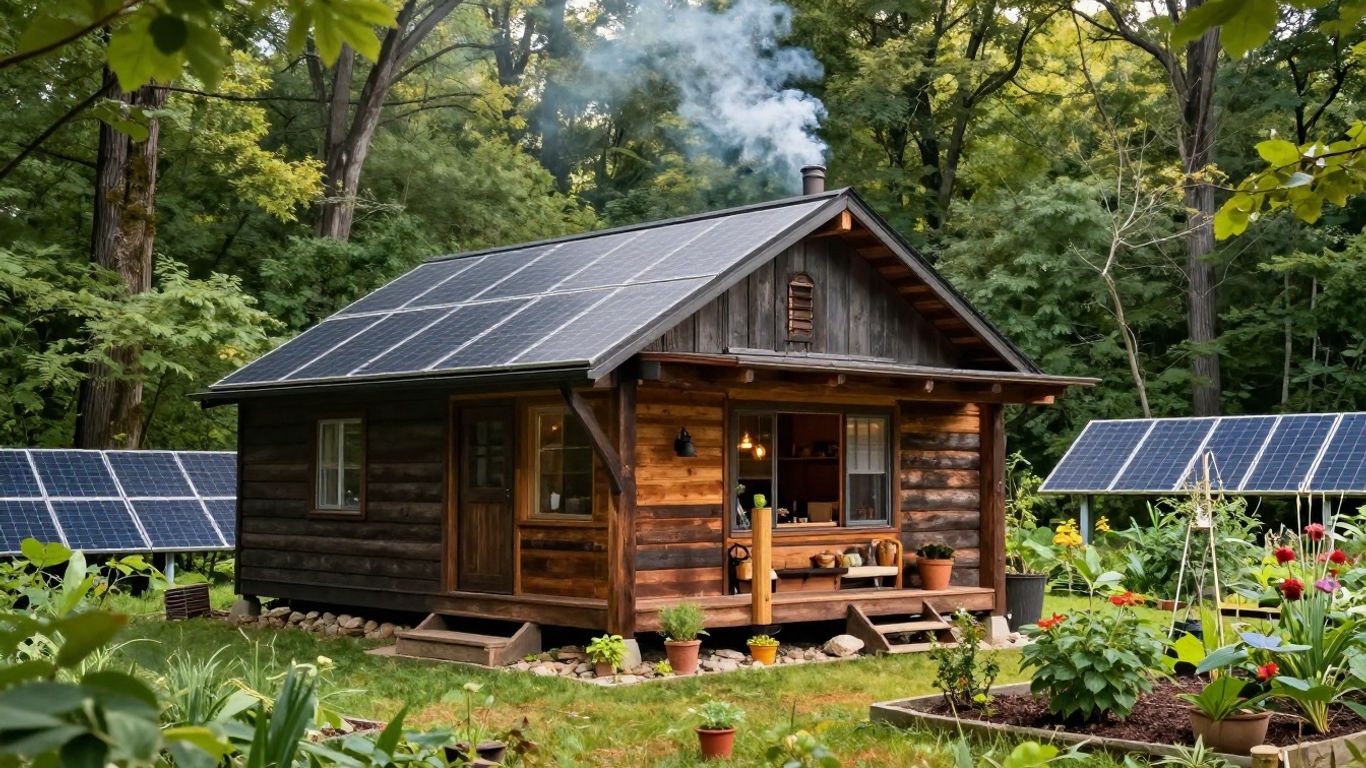
Powering your off-grid home is a big deal, and how you do it matters. Solar power is a common choice. You’ll need to look into the rules about installing solar panels. Sometimes there are specific requirements for how they’re set up or connected, even if you’re not hooking up to the main grid. It’s all about safety and making sure your system works right. You’ll want to check with your local county or municipality for any specific guidelines they might have regarding renewable energy installations on your property.
Solar Panel Installation Laws
Setting up solar panels usually involves a few steps. While you’re not connecting to the utility company, there might still be local rules about where you can place them, how they need to be secured, and what kind of electrical work is involved. Some areas might require an inspection to make sure everything is up to code, even for a standalone system. It’s a good idea to find out if you need any permits before you start buying and installing. This can save you a lot of headaches down the road.
Grid Connection Rules
This one might seem obvious, but it’s worth mentioning: if you’re truly off-grid, you won’t be connecting to the public electricity grid. This means you’re responsible for generating all the power you use. Systems like solar generators, which combine solar panels with battery storage, are popular for this. They let you capture sunlight during the day and use that stored energy whenever you need it, day or night. It’s all about creating your own reliable power source without relying on the utility company.
Financial Considerations For Off Grid Living
Are There Tax Incentives For Off Grid Living In Tennessee?
Thinking about going off-grid in Tennessee? It’s a big step, and one of the first things folks wonder about is the money side of things. You’ve probably heard that setting up an off-grid system can cost a pretty penny upfront. And yeah, that’s true. We’re talking about things like solar panels, batteries, water collection systems, and maybe even a well or septic setup. These aren’t exactly cheap items, and getting them all installed can add up fast. But here’s the thing: it’s not all about the initial outlay. There are ways the state and federal government might help ease that financial burden, and understanding these can make a big difference in your planning.
State Tax Credits
Tennessee, like many states, is starting to recognize the value of sustainable living. While specific, broad tax credits just for off-grid living might be rare, there are often incentives tied to renewable energy installations. For instance, if you’re putting in solar panels, you might be eligible for state-level rebates or credits that can help offset the cost. It’s worth digging into the Tennessee Department of Economic and Community Development or similar state agencies to see what’s currently available. These programs can change, so checking for the most up-to-date information is key. Sometimes, these credits are tied to specific types of systems or energy production levels, so make sure your planned setup qualifies.
Federal Tax Incentives
On the federal level, things get a bit more consistent. The U.S. government has been pretty supportive of renewable energy for a while now. The most significant incentive is often the Residential Clean Energy Credit. This is a tax credit that can help you recoup a portion of the cost for installing eligible renewable energy systems, like solar electric panels, solar water heaters, fuel cells, and even wind turbines, on your home. The percentage you can claim can be quite substantial, and it applies to both grid-connected and off-grid systems. It’s a big help for making those initial investments more manageable. Remember to keep all your receipts and documentation for these installations, as you’ll need them when you file your taxes.
Local Incentives
Beyond state and federal programs, don’t forget to look at what your local county or municipality might offer. Sometimes, smaller, local governments have their own initiatives to encourage sustainable practices or development in rural areas. This could be anything from property tax abatements for certain types of construction to grants for water conservation systems. It’s a bit more detective work, but reaching out to your local planning or economic development office could uncover some hidden gems. You might also find that some local banks or credit unions offer special loan programs for sustainable home building or renewable energy systems, which can also be a form of financial assistance.
The financial journey to off-grid living is a marathon, not a sprint. While the upfront costs can seem daunting, a smart approach involves researching all available tax credits, incentives, and financing options. Breaking down the total cost into manageable parts and understanding how these financial tools can be applied will make the transition much smoother and more affordable in the long run.
Challenges And Best Practices For Off Grid Living
Living off the grid in Tennessee, while appealing for its independence and connection to nature, definitely comes with its own set of hurdles. It’s not all sunshine and self-sufficiency, you know? You’ve got to be prepared for the bumps in the road.
Challenges Of Living Off Grid In Tennessee
The biggest challenges often boil down to legal, practical, and social aspects. It’s a big change, and not everyone is ready for it. You’ll need to be resourceful and adaptable.
Legal Challenges
Navigating Tennessee’s laws for off-grid living can feel like a maze. You’ve got zoning rules, building codes, and permit requirements that can be confusing. Sometimes, local regulations might not be super friendly to alternative living setups, which can be a real headache. It’s important to do your homework beforehand to avoid running into trouble. Understanding local building codes and zoning laws is a big part of this. You don’t want to build something that doesn’t meet the standards, right?
Practical Challenges
Then there are the day-to-day practicalities. How are you going to get reliable power? What about clean water and dealing with waste? These aren’t things you can just ignore. Setting up your own systems for electricity, water, and waste management takes time, money, and know-how. It’s a lot of work, but getting it right means you’re truly independent.
Here are some common practical considerations:
- Energy Generation: Solar panels are popular, but you need enough sun. Wind turbines need consistent wind. Micro-hydro systems require a water source. Choosing the right one depends on your specific location.
- Water Supply: You might need to drill a well, collect rainwater, or find a natural spring. Ensuring it’s clean and safe to drink is paramount.
- Waste Management: This includes everything from household trash to sewage. Composting toilets and greywater systems are common solutions, but they require proper setup and maintenance.
Living off-grid means you’re responsible for everything. There’s no utility company to call when something breaks. You are the utility company.
Community Acceptance
Sometimes, fitting in with the existing community can be tricky. Not everyone understands or supports non-traditional ways of living. Building good relationships with your neighbors and getting involved locally can go a long way in fostering understanding and acceptance. People are more likely to be supportive if they see you as a good neighbor.
Best Practices for Off-Grid Living
To make your off-grid journey smoother, here are a few tips:
- Do Your Research: Before you even buy land, learn as much as you can. Read books, check out online resources, and talk to people who are already living off-grid. Knowledge is your best tool.
- Start Small: You don’t have to go completely off-grid overnight. Try making small changes first, like reducing your energy use or starting a garden. This helps you build skills gradually.
- Invest Wisely: Get good quality equipment. Whether it’s solar panels, water filters, or tools, reliable gear makes a huge difference. It might cost more upfront, but it’ll save you headaches later.
- Build Connections: Find other people who are living off-grid. Joining local groups or online forums can provide support, advice, and a sense of community. Sharing experiences is incredibly helpful.
- Plan for the Unexpected: Always have a backup plan for emergencies. This could mean having extra food and water, a reliable communication method, or a way to get help if needed.
Resources For Off Grid Living In Tennessee
So, you’re thinking about going off-grid in Tennessee? That’s a big step, and honestly, it can feel a bit overwhelming trying to figure out all the rules and where to even start looking for help. It’s not like you can just unplug and hope for the best. Luckily, there are places and people who can guide you through this.
Are There Resources For Navigating Off Grid Laws?
Absolutely! Trying to figure out Tennessee’s specific laws for off-grid living on your own can feel like trying to solve a puzzle with half the pieces missing. Thankfully, there are resources available to help make sense of it all.
- Legal Assistance: Sometimes, you just need a professional to look over things. Attorneys who specialize in property law or land use can be incredibly helpful. They can explain the nuances of state and local ordinances that might affect your off-grid plans. Don’t be afraid to seek out legal counsel, especially if you’re dealing with complex land purchases or building projects.
- Consulting With Local Experts: Local folks often know best. This could mean talking to county planning officials (yes, really!), experienced builders who have worked on off-grid projects, or even established off-grid residents in your target area. They can offer practical advice that you won’t find in any official document.
- Online Legal Resources: While not a substitute for professional advice, many government websites and legal information sites offer general guidance on Tennessee’s land use and building regulations. You can often find links to state statutes and local ordinances online. Just be sure to cross-reference and verify information, as laws can change.
It’s always a good idea to do your homework before you buy land or start building. Understanding the local rules upfront can save you a lot of headaches and money down the road. Think of it as part of the planning process, just like figuring out your power source or water system.
Legal Assistance
When you’re diving into off-grid living, especially in a state like Tennessee with its own set of rules, getting legal help can be a smart move. A lawyer familiar with Tennessee property and land use laws can help you understand permits, zoning restrictions, and any specific requirements for alternative energy systems or waste disposal. They can review contracts, help with land acquisition, and ensure your setup complies with all regulations, preventing future legal troubles. It might cost a bit upfront, but it’s often cheaper than fixing legal mistakes later.
Wrapping Up Your Tennessee Off-Grid Adventure
So, you’ve been thinking about ditching the grid and heading for the hills of Tennessee. It’s a big step, for sure. We’ve talked about the good stuff, like the freedom and the connection to nature, and we’ve also looked at the not-so-easy parts, like figuring out the rules and making sure your systems actually work. It’s not always a walk in the park, and sometimes you’ll have to do some digging to find out exactly what you can and can’t do. But honestly, seeing folks make it work, building their own little slice of self-sufficient life here in the Volunteer State? That’s pretty inspiring. If you do your homework, plan things out, and are ready to roll up your sleeves, making a life off the grid in Tennessee is totally doable. It’s about finding your own way to live a bit simpler and a lot more connected.
Frequently Asked Questions
What does it mean to live off the grid in Tennessee?
Living off the grid means you don’t use the main power, water, or sewer lines that most homes are connected to. Instead, you create your own power, often with solar panels, get your water from wells or rain, and handle your own waste, maybe with a special septic system or composting. It’s all about being self-sufficient and not relying on public services.
Are there special laws for living off the grid in Tennessee?
Yes, Tennessee has laws that affect off-grid living. These include rules about how you can use your land (zoning laws), how you build your home (building codes), and what you need to do with your trash and wastewater. It’s important to know these rules for your specific area because they can differ from county to county.
Do I need permits for an off-grid home in Tennessee?
You might. While some simple off-grid setups may not need many permits, bigger things like installing solar panels or a septic system usually do. It’s a common misunderstanding that off-grid homes are completely unregulated. You’ll likely need permits to make sure your home is safe and meets standards.
What are the biggest challenges when living off the grid in Tennessee?
The main challenges are dealing with the rules and laws, which can be confusing. You also have to figure out practical things like having enough power, clean water, and a good way to get rid of waste. Sometimes, convincing your neighbors or community that off-grid living is okay can also be a challenge.
Are there any financial help or tax breaks for off-grid living in Tennessee?
Yes, there can be! Tennessee offers tax credits for using renewable energy, like solar panels. The federal government also has tax incentives. Sometimes, local towns or counties might have their own special programs or discounts too. These can help lower the cost of setting up your off-grid systems.
Where can I find help or information about off-grid laws in Tennessee?
You can find help in a few places. The state government often has information online. There are also online groups and forums where people share advice. Talking to local experts, like land planners or lawyers who know about property laws, can also be very useful to make sure you follow all the rules.
Explore more tiny home living, design, downsizing, building, and lifestyle resources.
- Tiny Homes for Rent in Wyoming: Wild West Getaways to Book
- Tiny Homes for Rent in Washington: Forest Escapes & Cozy Stays
- Tiny Homes for Rent in Utah: Red Rock Retreats to Book
- Tiny Homes for Rent in Oregon: Forest Retreats You’ll Love
- Tiny Homes for Rent in New Mexico: Desert Gems & Starry Skies
- Tiny Homes for Rent in Nevada: Desert Hideaways Worth Booking