
Tiny Homes for Rent in Ohio: Charming Getaways Worth Booking

A cabin tucked among Hocking Hills trees or a compact retreat beside Lake Erie can make an Ohio getaway feel both cozy and refreshing. Tiny-home rentals across the state vary in style, setting, price, and comfort, so the right fit depends on where you want to go and what you need from your stay.
Before you book tiny home rentals, compare locations and the full cost, then check the details that shape everyday comfort, from sleeping arrangements to bathroom access. A few practical checks can help you find a stay that suits your trip, so start by knowing what Ohio hosts mean by a tiny home.
Key Takeaways
- Tiny homes for rent in Ohio vary by location, layout, amenities, and access, so match your stay to your itinerary.
- Choose Hocking Hills for wooded trails and rock formations, or Lake Erie for shoreline activities and open-water views.
- Check sleeping capacity, bathroom setup, kitchen access, heating, parking, and whether the rental has private outdoor space.
- Compare the full price, including cleaning fees, taxes, minimum-stay rules, and seasonal changes, before booking.
- Read property details closely, then use the Ohio DNR’s Hocking Hills State Park guide to plan nearby outdoor visits.
What to Expect From Tiny Homes for Rent in Ohio
The phrase “tiny home” can describe several kinds of vacation rentals in Ohio. Usually, it means a small, self-contained structure designed for overnight stays, but hosts don’t use the term consistently. Compare the listing’s photos and amenity details rather than relying on its title.
How tiny homes differ from other stays
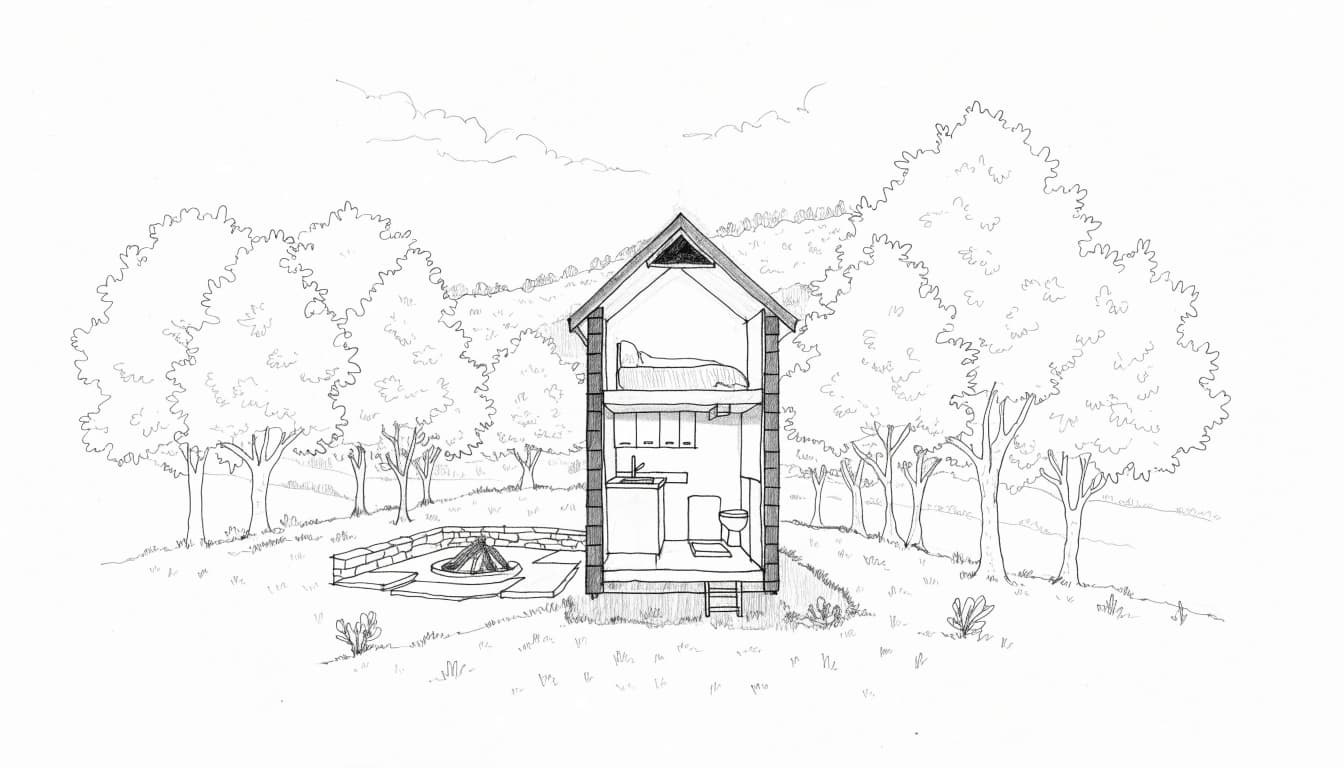
A tiny home often feels more like a small house than a tent, with solid walls, a door, and a defined sleeping area. Cabins and cottages can offer a similar setup, but they may have more indoor space. RVs are built for mobility and may have tighter bathrooms or kitchens, while glamping tents typically use fabric walls and may place bathrooms in a separate building.
The labels can overlap. A host might call a compact cabin a tiny home, while another listing uses the term for a trailer-based unit. Dayton’s tiny-home zoning FAQ discusses where these homes may be built under the city’s zoning code, rather than defining a standard vacation-rental layout. For guests, the listing details matter more than the category name.
Expect a compact floor plan
Space-saving design is part of the stay. A ladder or steep staircase may lead to a loft bed, and the ceiling can feel low once you’re upstairs. Some units have a ground-floor bed instead, which may be easier for guests with mobility needs or young children.
Bathrooms vary, too. A rental may include a private bathroom with a shower, a compact wet bath, or access to shared facilities elsewhere on the property. Likewise, a kitchenette might have a small refrigerator, sink, and microwave rather than a full-size stove and oven. Check the amenity list before assuming you can cook full meals.
Check what the listing actually includes
Photos can reveal details that titles leave out, including whether the loft has a full-height ceiling, where the bathroom sits, and how much room there is to move around. Read the description for bed sizes, heating and air conditioning, kitchen equipment, and stairs or ladders.
Outdoor space may also be shared. A firepit, picnic area, or hot tub could serve several rentals on the same property, even when the tiny home itself is private. Confirm which features are exclusive to your unit, then check whether the property provides parking near the entrance. These details help you judge whether the rental fits your group and the way you plan to spend your Ohio trip.
Where to Find a Tiny-Home Getaway Across Ohio
The best location for a tiny-home getaway depends on how you want to spend your days. Ohio offers wooded park country, quiet farmland, Lake Erie shoreline, and rentals near major cities. Compare each property’s drive time to the sights and activities that matter most, since a listing’s regional label doesn’t guarantee it’s close to your itinerary.
Hocking Hills and other wooded escapes
Hocking Hills suits travelers who want a quiet base after a day outdoors. The region’s trails, waterfalls, caves, and sandstone formations give a forest stay plenty to do, while a secluded rental can offer a slower pace between outings. Similar wooded escapes elsewhere in Ohio may appeal to hikers looking for parks and nature without a packed schedule.
Before booking, map the rental against the trailheads or parks you plan to visit. Properties described as being in Hocking Hills can still sit a substantial drive from a particular waterfall or trail. Check the route and estimated travel time, especially if you want to start early or return after dark.
Lake Erie, Amish Country, and city-area stays
Lake Erie and its islands work well for a water-focused trip, with shoreline views, boating, and seasonal island visits shaping the day. A lakeside rental can feel open and relaxed, but check how far it is from the beach, marina, or ferry point you intend to use. Travel plans may also depend on seasonal schedules and weather.
For a quieter rural break, Amish Country offers scenic drives, small-town stops, and a slower rhythm. Holmes County is a useful starting point for planning local activities through Ohio’s Amish Country visitor guide. A countryside listing may be peaceful yet distant from the specific shops or attractions you want to see, so check the route before you reserve.
Meanwhile, areas near Columbus, Cleveland, and Cincinnati can suit travelers who want restaurants, museums, events, or urban attractions alongside a compact stay. These rentals may trade a secluded setting for easier access to city plans. Compare drive times at the hours you expect to travel, since traffic and parking can shape the day as much as the distance.
Choose the region around your main activity, then confirm the property’s exact location. That simple check helps turn a promising listing into a practical home base for your Ohio trip.
Choose the Right Kind of Tiny-Home Stay for Your Trip
Tiny homes for rent in Ohio can range from polished, efficient houses to cabins with a more outdoorsy feel. The best fit depends on how much comfort, privacy, and indoor space you want after a day of exploring.
Modern tiny houses and rustic cabins
A modern tiny house often makes careful use of limited space, with built-in storage, a compact kitchen, and a defined sleeping area. That layout may suit couples or solo travelers who want a comfortable base without giving up the character of a small retreat. However, a compact footprint can mean less room to spread out, especially when more than two people stay overnight.
Rustic cabins may feel closer to camping, even when they have indoor plumbing and a full kitchen. Some have simple furnishings, wood interiors, or outdoor features that encourage guests to spend more time outside. Others offer amenities closer to a conventional vacation home. Ohio State Parks, for example, describes cabins with options that can include heat, a kitchen, and a bathroom with a shower, but private rentals vary. Compare each listing and, if useful, review the Ohio State Parks cabin options.
Before booking either style, check the heating and air conditioning, bathroom access, and kitchen equipment. A kitchenette with a microwave may work for breakfast and snacks, while a stove and refrigerator make preparing meals easier. Also confirm whether a porch, firepit, or yard is private or shared with other guests.
Converted homes and tiny houses on wheels
A converted shed, garage, or other small structure can have an unusual floor plan. The bed might occupy most of the room, or the bathroom could sit in a separate building. These rentals may suit travelers who value a distinctive setting, but photos and the amenity list should clarify how much privacy and indoor comfort the space provides.
Tiny houses on wheels often use lofts, ladders, and compact bathrooms to fit the essentials into a smaller footprint. Because the unit sits on a property rather than in a fixed neighborhood, its position matters: it could face a host’s home, share a yard with another rental, or sit farther from parking. Confirm where you can park, how many steps lead to the entrance, and whether the bathroom is inside the unit.
For either type, ask about the details that affect your arrival and daily routine. A private entrance and nearby parking can make a compact stay feel easier, while shared facilities or a remote bathroom may add a camping-like element. Compare those tradeoffs with your group’s needs before choosing a listing.
How Much Does a Tiny-Home Rental in Ohio Cost?
There isn’t one reliable statewide price for tiny homes for rent in Ohio. The total depends on the property, travel dates, length of stay, and booking platform, so compare listings for the same dates and guest count before deciding.
Compare the full price, not only the nightly rate
The nightly rate is only one part of the bill. A cleaning fee may be charged per stay, while service charges and taxes can increase the checkout total. Optional extras, such as firewood, pet fees, or access to certain amenities, may add more if the host offers them.
Minimum-night rules affect the comparison, too. A listing with a lower nightly rate may require a longer stay, making it more expensive overall for a short trip. By contrast, a higher nightly rate with fewer added fees could cost less for the dates you need. Airbnb explains that its reservation total can include the host’s nightly price, fees, and taxes; its U.S. pricing display guide describes how collected taxes appear before booking.
Compare the full checkout total for matching dates, guest counts, and amenities. Check whether the price includes features you care about, such as a private hot tub, a full kitchen, or pet access. That gives you a fairer comparison than sorting by nightly rate alone.
Find dates and features that fit your budget
Timing can change the price. Weekends and popular travel periods may cost more, especially near Hocking Hills, Lake Erie, and other sought-after destinations. Weekday stays or off-season trips may reveal lower-priced options, although savings depend on availability and each host’s pricing.
Booking ahead can give you more choices for busy dates, but it doesn’t guarantee a lower rate. Hosts set their own prices, and some adjust them based on demand or the season. If your schedule is flexible, compare several date ranges before you commit.
Your chosen features also shape the total. A private hot tub or waterfront location may come at a premium, while a simpler unit farther from major attractions could fit a tighter budget. Consider which amenities matter for your trip, then compare the final price for rentals with similar features and stay requirements.
Find and Book Tiny Homes for Rent in Ohio With Confidence
Once you’ve chosen a region and set a budget, compare rental listings for your exact travel dates and group size. Search vacation-rental platforms as well as host websites, since no single source shows every available property. Use filters to narrow the options, then read the listing details before you book.
Use filters, photos, and reviews to narrow your search
Start with the region, dates, and number of guests. Then filter for must-haves such as a private bathroom, air conditioning, pet access, or parking. This cuts down the results, but keep the search flexible if few rentals match every preference.
Next, compare similar properties rather than choosing by listing title or staged cover photo. Check the current photo gallery for the bed setup, bathroom, kitchen, entrance, and outdoor areas. Confirm whether a loft bed requires a ladder, whether each guest has a proper sleeping space, and whether a firepit or yard is private or shared.
Reviews can reveal how a compact rental feels in practice. Look for recent comments about cleanliness, noise, temperature, and whether the amenities matched the description. Older reviews may refer to a previous host or setup, so give more weight to feedback that reflects the current property. Airbnb explains how its reviews help guests assess listings, but review systems vary across platforms.
Confirm the rules and details before you pay
Before entering payment information, check the full booking terms and arrival instructions. Note the check-in window, how you’ll receive access details, and what to do if you arrive late. Also review quiet hours, pet rules, parking arrangements, and any added fees that weren’t obvious in the nightly rate.
Cancellation terms deserve a close read, especially if your dates could change. Check the deadline for a refund and whether the policy differs by booking dates or reservation length. Save or screenshot the terms shown at checkout so you can refer to the exact policy you accepted.
If a key detail remains unclear, message the host through the platform before booking. Keep the note short and specific, such as: “Is the loft the only sleeping area, and is the firepit shared with other guests?” A clear answer can help you judge whether the tiny home fits your group, while keeping the conversation and booking details in one place.
Check comfort, access, and location before you choose
A tiny home can look charming in photos and still feel awkward for your group or inconvenient for your plans. Before booking, check how the space works day to day, what the property provides in your travel season, and how far you’ll need to drive for essentials and activities.
Match the layout and amenities to your group
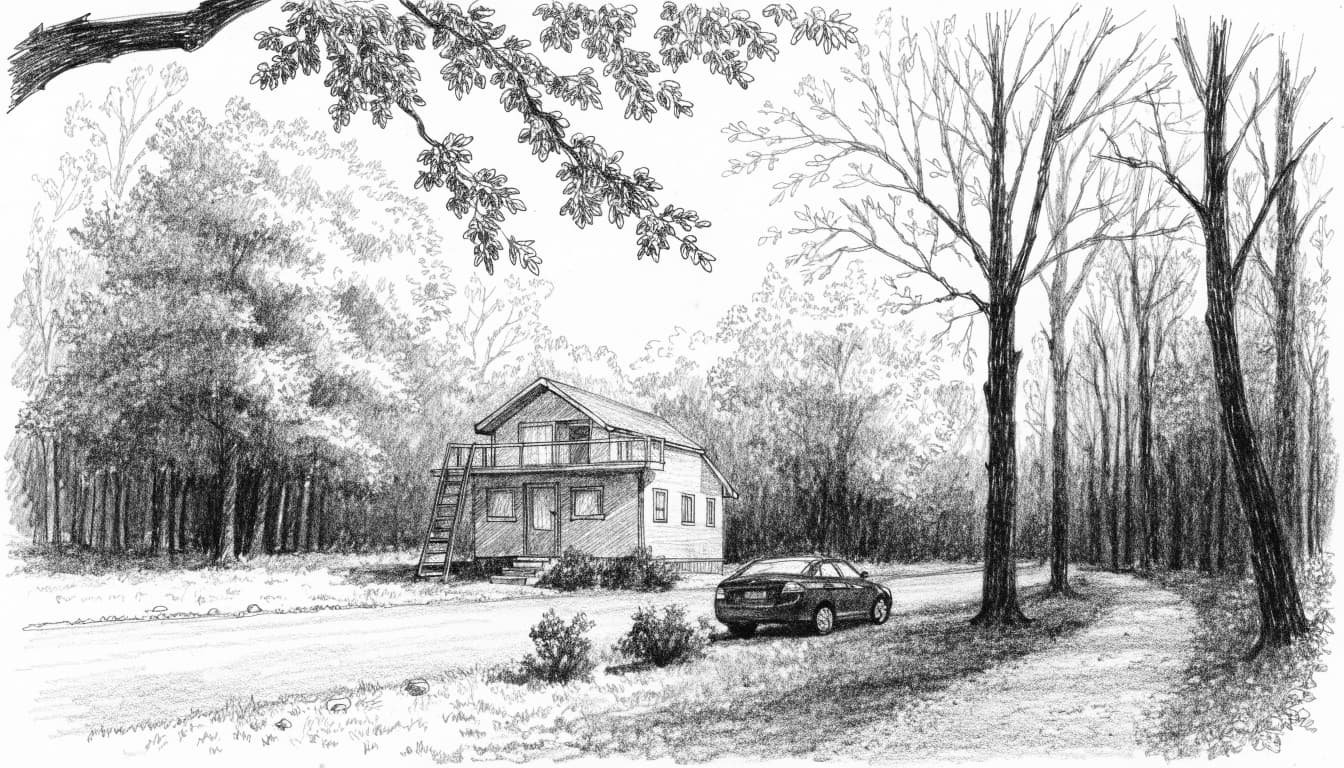
Photos of lofts, ladders, sofa beds, and compact bathrooms reveal details that a listing title can’t. A steep ladder may not work for a young child or an older adult, and a sofa bed may be less comfortable for several nights.
If anyone has mobility needs, ask about stairs, doorway width, ground-floor sleeping, and the route from parking to the entrance. Confirm the sleeping capacity and accessibility directly with the host rather than assuming every listed guest has a proper bed.
Use this quick checklist to compare properties:
- Check the bed types, sizes, and locations, including whether a ladder is the only way to reach a sleeping area.
- Confirm that heating and air conditioning cover the rooms you’ll use.
- Find out whether the bathroom is private and inside the unit, and whether the kitchen has the equipment you need.
- Ask whether cell service works at the property and whether Wi-Fi is available.
- Check the parking surface, distance from the entrance, and any steps along the route.
- Confirm accessibility features and whether shared amenities are open during your stay.
- Map the drive to groceries and planned activities, not just the nearest town.
Building and land-use rules can differ by location in Ohio. Ohio’s township zoning code allows local zoning regulations to vary, so ask the host about property rules or limits that could affect your stay, such as parking, outdoor fires, or use of shared spaces.
Plan for Ohio weather and your daily activities
A wooded or lakeside setting can feel different across seasons. A summer stay beside the trees may mean warm, humid days, while winter can bring snow and slick roads. Check the property’s climate controls and ask whether the access road and parking area are maintained in the conditions expected during your visit. For a regional reference, the National Weather Service publishes Cleveland monthly climate normals.
Then compare the property’s location with your actual itinerary. A cabin that looks close to a park on a map may still require a longer drive to the trailhead, ferry, or restaurant you plan to visit. Check estimated travel times and nearby grocery options, especially if you’ll arrive late or prefer to cook. Pack for the season and the home’s setup, including suitable footwear for outdoor paths and any supplies the listing doesn’t provide.
Frequently Asked Questions
A few practical details can shape your stay just as much as the location. Before booking a tiny home in Ohio, confirm how the property handles seasonal access, pets, sleeping arrangements, and everyday essentials.
Are tiny homes in Ohio open year-round?
Availability depends on the individual property and season. Check the booking calendar for your dates, then ask the host whether winter access is reliable, what heating the unit has, and whether seasonal closures affect roads or amenities.
Can I bring a dog to a tiny-home rental?
Pet rules vary by host and property. Some rentals charge a pet fee or limit the number or size of dogs, while others don’t allow pets. Ask whether dogs can stay unattended inside, and review the listing’s rules before booking. Airbnb explains how hosts may set pet fees for cleaning.
Are tiny homes a good choice for families?
Some tiny homes work well for families, but the layout matters. Check how many people can sleep comfortably, whether children would need to use a loft ladder, and what safety features the home provides. Consider your children’s ages and needs, along with the space available for meals, luggage, and downtime.
Do tiny-home rentals usually have private bathrooms?
Many include private bathrooms, though the setup varies. A small or rustic stay may use shared facilities elsewhere on the property, or place the bathroom outside the unit. Confirm where it is and whether guests have private, convenient access before you reserve.
What should I pack for a tiny-home stay?
Check the listing or ask the host whether linens, towels, cookware, toiletries, and outdoor supplies are included. Then pack only what you need, since storage is often limited and bulky bags can take up valuable floor space.
Can a tiny home work for a remote-work trip?
It can, provided the connection and setup suit your workday. Ask the host about internet reliability and cell coverage at the property, rather than relying only on a Wi-Fi label in the listing. Also check whether there’s a comfortable place to sit and work, with enough quiet for calls.
Conclusion
The best tiny home rental balances location, comfort, total cost, and the way you want to spend your time. Whether your Ohio trip centers on wooded trails, Lake Erie, or a city visit, the right fit should make your stay feel comfortable and your plans manageable.
Compare a few tiny homes for rent in Ohio, then confirm key details with the host before booking. A little care up front can make the trip feel easy from arrival to checkout.
Explore more tiny home living, design, downsizing, building, and lifestyle resources.
- Tiny Homes for Rent in Wyoming: Wild West Getaways to Book
- Tiny Homes for Rent in Washington: Forest Escapes & Cozy Stays
- Tiny Homes for Rent in Utah: Red Rock Retreats to Book
- Tiny Homes for Rent in Oregon: Forest Retreats You’ll Love
- Tiny Homes for Rent in New Mexico: Desert Gems & Starry Skies
- Tiny Homes for Rent in Nevada: Desert Hideaways Worth Booking


