Tiny Homes in California

Thinking about a smaller place in California? Tiny homes are getting a lot of attention these days. People are drawn to them for different reasons, like saving money or just wanting a simpler life. Whether you’re looking at a tiny home on wheels or one that’s built on a foundation, California has a lot to offer. It’s a big change from a regular house, but many find it’s a really good one. Let’s explore what it’s all about.
Key Takeaways
- Tiny homes in California come in different forms, including those on foundations (often treated as ADUs) and those on wheels (THOWs), which are usually classified as RVs.
- California has specific building codes, like Appendix AQ, that apply to tiny homes on foundations, requiring certain room sizes and ceiling heights.
- Zoning laws are super important. While state laws encourage ADUs, local city and county rules can change a lot about where and how you can place a tiny home.
- Living tiny can save you money, reduce your environmental footprint, and lead to a simpler lifestyle with less upkeep.
- Finding a spot for your tiny home might involve looking at rural areas, RV parks, or dedicated tiny home communities, depending on local regulations and your preferences.
Understanding Tiny Homes in California
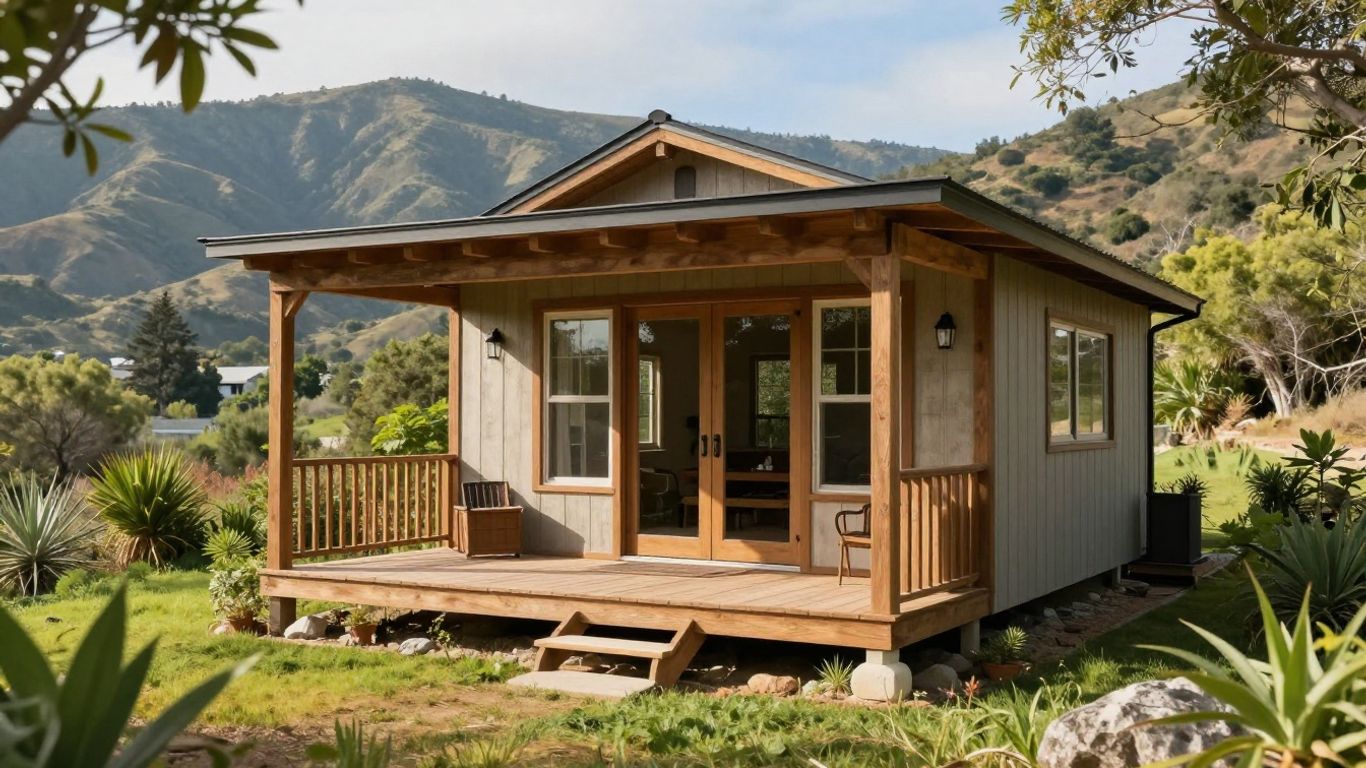
So, you’re thinking about a tiny home in California, huh? It’s a big trend right now, and for good reason. People are looking for ways to live more simply and affordably, especially in a state where housing costs can be pretty wild. But what exactly is a tiny home, and what’s the deal with putting one up in California?
What Defines A Tiny Home?
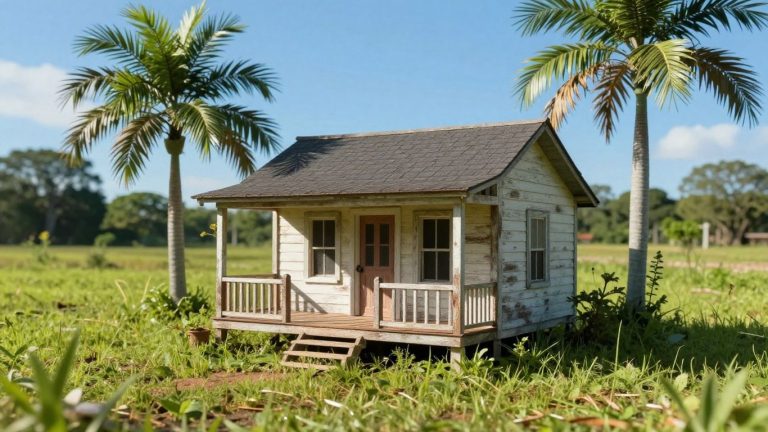
Generally speaking, a tiny home is a dwelling that’s under 500 square feet. That’s smaller than a typical two-car garage, so yeah, it’s pretty small. But don’t let the size fool you; these places can be just as comfortable and functional as a regular house. They often come with all the same amenities, just in a more compact package. The key is smart design and making the most of every inch.
The Appeal Of Minimalist Living
Why are so many people drawn to this lifestyle? Well, it’s about more than just saving money, though that’s a huge part of it. It’s a move towards simplicity. Think less stuff, less cleaning, less maintenance, and more time and money for the things you actually enjoy. It’s a way to declutter your life, both physically and mentally. Plus, many tiny homes are built with eco-friendly features like solar panels and rainwater collection, which is a nice bonus for the planet.
Types Of Tiny Homes Available
When you’re looking at tiny homes in California, you’ll mostly find two main types:
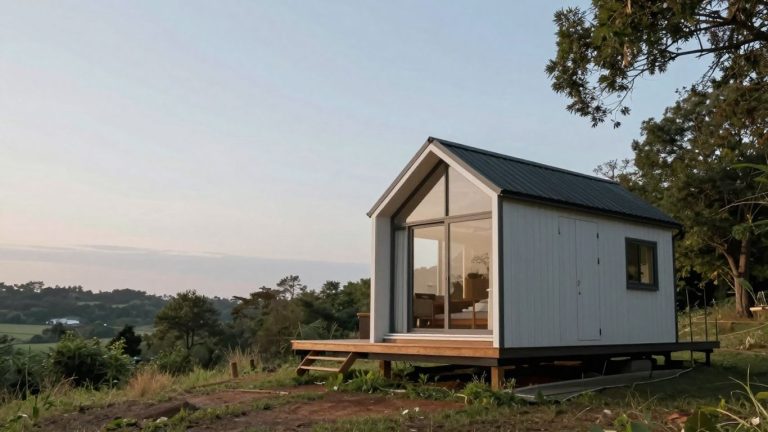
- Tiny Homes on Foundations: These are built directly on a permanent foundation, much like a traditional house. In California, they’re often treated as Accessory Dwelling Units (ADUs) and have to meet specific building codes, like a minimum ceiling height and a certain minimum room size. They’re a great option if you’re looking for a more permanent setup.
- Tiny Homes on Wheels (THOWs): These are built on a trailer and are essentially mobile. They’re often classified as RVs and need to meet RV industry standards. The big advantage here is portability, but where you can legally park them can be a bit more complicated and depends heavily on local rules.
Deciding between a foundation tiny home and a THOW really comes down to your personal needs and where you plan to live. It’s not just about the house itself, but how it fits into your life and the local landscape.
Legal Placement Of Tiny Homes
Figuring out where you can legally put a tiny home in California can feel like a puzzle. It’s not as simple as just parking it anywhere. There are different rules depending on whether your tiny home is on a foundation or on wheels, and local governments definitely have their say.
Tiny Homes on Foundations as ADUs
If you’re thinking about a tiny home that’s a permanent fixture, it’s often treated as an Accessory Dwelling Unit (ADU). California has made strides with ADU laws, making it easier for homeowners to add these smaller units to their property. These homes generally need to meet specific building codes, like having a minimum ceiling height and a certain minimum room size to ensure they’re safe and livable. Think of it as a mini-house that needs to follow many of the same rules as a larger home.
- State ADU Laws: California’s laws aim to simplify adding ADUs, including tiny homes on foundations.
- Local Ordinances: Cities and counties still have their own specific requirements regarding size, setbacks, and utility connections.
- Permitting: You’ll need to go through the proper permitting process with your local building department.
Tiny Homes on Wheels (THOWs)
Tiny homes on wheels (THOWs) are a bit different. They’re often classified more like recreational vehicles (RVs). This means they need to meet specific safety standards, similar to those for RVs. The big challenge with THOWs is where you can legally park and live in them full-time. While they offer flexibility, zoning laws are key here.
- RV Classification: Many THOWs must meet ANSI standards for RVs.
- Zoning is Key: Local zoning regulations dictate if a THOW can be used as a primary residence or if it’s considered a temporary dwelling.
- Potential as ADUs: In some areas, with the right permits and setup (like proper skirting and utility hookups), a THOW might be allowed as an ADU.
Navigating Local Zoning Regulations
This is where things can get tricky. Even with state laws in place, each city and county in California has its own set of zoning rules. These local regulations can affect everything from the maximum size of a tiny home to where it can be placed on a property, and even specific requirements like skirting or utility hookups. It’s really important to check with your local planning department before you buy or build.
Always confirm the specific rules with your city or county planning department. What’s allowed in one town might be a no-go just a few miles away. Don’t assume anything; direct communication is your best bet.
Here’s a quick look at how rules can differ:
| Location Type | Typical Classification | Key Considerations |
|---|---|---|
| Urban/Suburban | ADU (foundation), RV park (THOW) | Strict zoning, size limits, setbacks, utility hookups |
| Rural Areas | More flexible zoning, potential primary residence (THOW/foundation) | Fewer restrictions, but still need to verify local ordinances, larger lot often needed |
| RV Parks | Temporary/Seasonal Dwelling (THOW) | Park rules, lease agreements, utility access |
Benefits Of Tiny Home Living
So, why are so many people ditching the McMansions for something a bit more… petite? It turns out, there are some pretty solid reasons to embrace the tiny life, especially here in California where space and money can be tight. It’s not just about having less stuff; it’s about gaining more freedom.
Financial Advantages
Let’s be real, housing costs in California are no joke. Tiny homes offer a way out of that cycle. The initial cost to build or buy a tiny home is significantly lower than a traditional house. Think about it: less square footage means fewer materials, less labor, and lower property taxes. Plus, utility bills are drastically reduced because you’re heating and cooling a much smaller space. Many tiny homeowners also find they spend less on maintenance and repairs. It’s a smart financial move that frees up cash for other things, like travel, hobbies, or simply building up savings.
- Lower purchase or building costs
- Reduced property taxes and insurance
- Significantly lower utility bills
- Less spending on maintenance and repairs
Environmental Sustainability
Living tiny is often a greener way to live. These smaller homes require fewer resources to build and maintain. Many tiny homes are designed with eco-friendly features like solar panels, composting toilets, and rainwater harvesting systems. This reduces your carbon footprint considerably. Less energy consumption means less strain on power grids, and the smaller footprint on the land is a bonus too. It’s a lifestyle choice that aligns with a desire to be more mindful of our planet.
Choosing a tiny home often means a conscious decision to reduce your environmental impact. From the materials used in construction to the daily energy consumption, smaller living generally translates to a lighter touch on the earth.
Lifestyle Simplicity
Beyond the money and the environment, there’s the sheer simplicity. When you have less space, you tend to own less stuff. This decluttering process can be incredibly liberating. It forces you to be intentional about what you own and what you bring into your life. Daily chores like cleaning become much quicker, leaving you with more time for the things you actually enjoy. It’s about focusing on experiences rather than possessions, leading to a less stressful and more fulfilling life. The freedom from excessive stuff and the associated upkeep is a major draw for many.
- Less time spent cleaning and maintaining
- Reduced stress from owning fewer possessions
- More time and resources for experiences and hobbies
- A more intentional and mindful way of living
Finding A Location For Your Tiny Home
So, you’ve decided a tiny home is the way to go. Awesome! But before you start picking out paint colors, the big question is: where will it actually go? Finding the right spot is probably the most important step, and honestly, it can feel a bit like a treasure hunt. California’s rules can be a maze, but there are definitely places where tiny living is not just possible, but actually encouraged.
Tiny Homes In Rural Areas
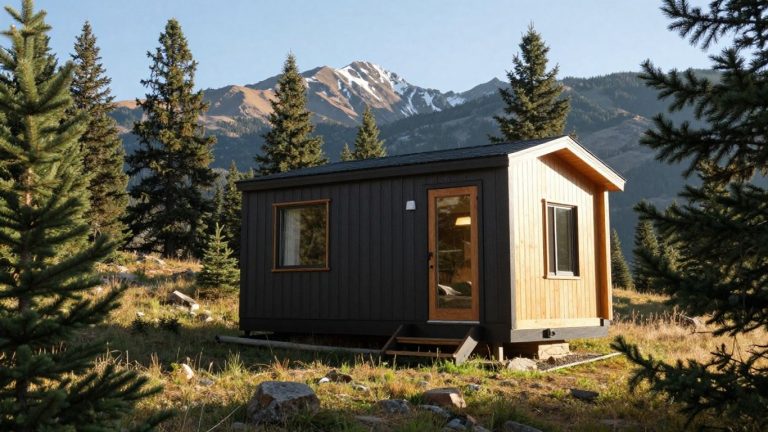
Rural areas often feel like a breath of fresh air when it comes to tiny homes. There’s usually more space, more privacy, and fewer of those pesky restrictions you find in crowded cities. Think wide-open spaces where you can actually spread out a bit. Many counties are more open to tiny homes here, especially if you’re looking for a more permanent setup. It’s still super important to chat with the local planning department, though. They’ll have the final say on what’s allowed. Some rural spots are even developing dedicated tiny home communities, which can be a great way to connect with like-minded folks and share amenities. It’s a good idea to look into tiny home communities that might be popping up in these less populated areas.
Tiny Homes In RV Parks
This is a popular option, especially for Tiny Homes on Wheels (THOWs). RV parks offer a place to park your home legally, often with hookups for water, electricity, and sewer. It’s a good way to test out the tiny lifestyle without committing to buying land or dealing with complex zoning for a permanent foundation. However, not all RV parks are created equal. Some have strict rules about how long you can stay, or they might not allow tiny homes that look too permanent. Always check the park’s specific policies before you move in. It’s also worth noting that living in an RV park might feel more like a long-term camping trip than a traditional home setup, depending on the park’s vibe.
Exploring Tiny Home Communities
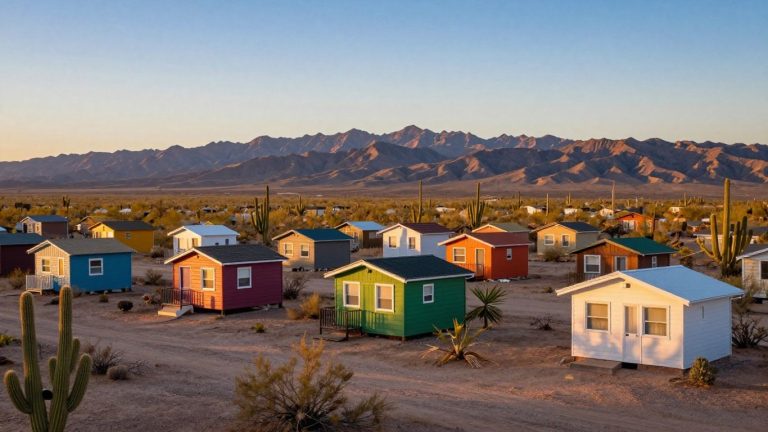
These are becoming more common and are often designed specifically for tiny living. Think of them as planned neighborhoods where everyone is on board with the tiny house concept. They can offer a sense of community that you might not find elsewhere. Some communities have shared facilities like laundry rooms, common houses, or even gardens. It’s a great way to live tiny while still having social connections and shared resources. When looking into these, consider what amenities are important to you and what the community’s rules are. Some might be geared towards specific types of tiny homes, like THOWs, while others might welcome foundation-based units too. It’s a really interesting way to approach finding a spot.
Finding a legal place for your tiny home often involves understanding a mix of state laws and local ordinances. While California has made strides in making tiny homes more accessible, especially as Accessory Dwelling Units (ADUs), each city and county has its own specific rules. Don’t assume that because it’s legal in one town, it’s legal in the next. Always do your homework on local zoning and building codes before you buy or build.
Here’s a quick rundown of what to consider:
- Zoning Laws: This is the big one. Does the area allow tiny homes as primary residences, ADUs, or temporary structures?
- Utility Access: How will you get water, power, and sewer or septic services? This can be a major hurdle, especially in rural areas.
- Permitting: Even if zoning allows it, you’ll likely need permits. Understanding this process is key.
- Community Rules: If you’re looking at an RV park or a tiny home community, what are their specific regulations?
Key Considerations For Tiny Homes
So, you’re thinking about diving into the tiny home life in California? That’s awesome! But before you start picking out paint colors, there are a few important things to sort out. It’s not just about the cute factor, you know?
Building Codes And Standards
First off, let’s talk about the nitty-gritty: building codes. Whether your tiny home is going on a permanent foundation or it’s a ‘tiny home on wheels’ (THOW), it needs to meet certain safety and construction standards. For homes on foundations, California has specific rules, often falling under Accessory Dwelling Unit (ADU) guidelines. These usually involve minimum ceiling heights and room sizes to make sure the space is livable and safe. THOWs, on the other hand, are often treated like RVs and need to meet standards like those set by the RV Industry Association. Getting this right from the start saves a ton of headaches later. It’s all about making sure your little abode is safe and sound.
Permitting Processes
This is where things can get a little tricky, but it’s super important. Every city and county in California has its own set of rules and permit requirements. State laws might make it easier to build ADUs, but local zoning ordinances can add their own layers. You might need specific permits for utility hookups, foundation work, or even for the type of toilet you plan to use. It’s a good idea to check with your local planning department early on. Sometimes, hiring a professional to help with the permit application can be worth the peace of mind.
Design And Customization Options
Just because it’s small doesn’t mean it has to be boring! Tiny homes offer a fantastic opportunity for creative design. You can really personalize your space to fit your lifestyle. Think about multi-functional furniture, clever storage solutions, and maximizing natural light. The key is smart design. You want to make every square foot count, right? Consider what you really need and how you’ll use the space day-to-day.
- Layout: How will you arrange the kitchen, bathroom, living area, and sleeping space?
- Storage: Where will you put your clothes, kitchenware, and other belongings?
- Utilities: How will you connect to water, electricity, and sewage?
- Insulation: Especially important in California’s varied climate.
Building a tiny home is a big decision, and while the allure of simplicity is strong, overlooking the practicalities of codes, permits, and thoughtful design can lead to unexpected challenges. Taking the time to research and plan thoroughly is the best way to ensure your tiny home dream becomes a reality.
Don’t forget about things like insulation and ventilation, which are super important for comfort year-round. And while you want it to be you, remember that some customization might be limited by building codes or local rules, so keep that in mind during the design phase.
Popular Regions For Tiny Homes
Northern California Opportunities
Northern California offers a mix of urban and rural settings that can be great for tiny homes. Cities like Sacramento, Folsom, and Citrus Heights have been proactive in allowing tiny homes as Accessory Dwelling Units (ADUs) on existing properties. This is a big deal because it means you can often add a tiny home to your backyard without needing to buy extra land. It’s a smart way to generate rental income or house family members. Further north, in counties like Nevada, El Dorado, and Placer, you’ll find more flexibility, especially on larger lots or agricultural land. These areas often have fewer restrictions, making them good spots for those seeking a bit more space and privacy.
Southern California Living
Down in Southern California, the appeal of tiny living is also strong, particularly in areas with high housing costs. San Diego County is a notable spot, even featuring a dedicated tiny home community called Tiny House Block. Living near the coast in a tiny home can be a dream for many. While urban areas might have stricter rules, the state’s ADU laws still open doors for backyard tiny homes in many residential zones. It’s always a good idea to check with the specific city or county planning department, as rules can differ quite a bit even between neighboring towns.
Specific County Allowances
When you’re looking at where to put your tiny home, digging into specific county rules is key. For instance, Fresno County was one of the first to really embrace tiny homes as permanent ADUs, making it a supportive place to consider. Kern County, on the other hand, offers a more rural vibe, which can be ideal for those interested in a more off-grid lifestyle or simply seeking more affordable land. Some counties have specific size caps or requirements, like Santa Cruz County limiting THOWs to 400 square feet and requiring skirting, while San Benito County has its own set of utility and setback rules. It really pays to do your homework on a county-by-county basis.
Local regulations are the biggest hurdle for many aspiring tiny home dwellers. Even with state laws encouraging ADUs, each city and county has its own interpretation and additional rules. Don’t assume anything; always verify with the local planning department before making any big decisions or purchases.
Here’s a quick look at how some counties approach tiny homes:
| County | ADU Potential | Rural Opportunities | Notes |
|---|---|---|---|
| Fresno | High | Moderate | Early adopter for ADUs |
| San Diego | Moderate | Moderate | Has dedicated tiny home communities |
| Kern | Moderate | High | Good for off-grid or affordable land |
| Santa Cruz | Moderate | Moderate | Size caps and specific requirements apply |
| Nevada | Moderate | High | Flexible zoning on larger lots |
Wrapping Up Tiny Living in California
So, as we’ve seen, going tiny in California isn’t just a trend, it’s a real option for a lot of people. Whether you’re thinking about a place on wheels or something more permanent on a foundation, there are ways to make it work. It might take some digging into local rules, and yeah, sometimes it’s a bit confusing, but the payoff – more freedom, less clutter, and saving some cash – seems pretty good. It’s definitely a different way to live, but for many, it’s the right way.
Frequently Asked Questions
What exactly is a tiny home in California?
A tiny home is a small house, usually under 500 square feet. Think of it as a mini-house that can be built on a foundation like a regular house, or on wheels so you can move it around. They’re becoming popular because they’re cheaper and simpler than big houses.
Can I just put a tiny home anywhere in California?
Not exactly. While California has laws that make it easier to have tiny homes, especially as extra living spaces called ADUs (Accessory Dwelling Units), local rules are super important. Some cities or counties have specific rules about where you can put them, how big they can be, and if they need to be on a foundation or can be on wheels.
What’s the difference between a tiny home on wheels and one on a foundation?
A tiny home on wheels (THOW) is treated like a recreational vehicle (RV) and needs to meet RV standards. It’s great if you want to move your home. A tiny home on a foundation is built like a regular house and is considered a permanent part of the property, often used as an ADU.
Are tiny homes eco-friendly?
Yes, they often are! Because they’re small, they use less energy for heating and cooling. Many tiny homes also come with features like solar panels or rainwater collection systems, which helps reduce their impact on the environment.
How much does a tiny home cost in California?
The cost can vary a lot, but generally, they are much cheaper than traditional homes. You might find them costing anywhere from $30,000 to $60,000 or more, depending on how fancy you want it and what features you include. Building it yourself can also save money.
Do I need special permission or permits for a tiny home?
Usually, yes. You’ll likely need permits, especially if you’re building a tiny home on a foundation or placing a THOW as an ADU. The rules can be tricky and change depending on where you live, so it’s best to check with your local city or county planning department to find out exactly what you need.
Explore more tiny home living, design, downsizing, building, and lifestyle resources.