Exploring Your Options: Where Can You Build a Tiny Home in 2026?

Thinking about where you can build a tiny home in 2026? You’re not alone. Tiny homes are popping up everywhere, but figuring out where you can actually put one isn’t always clear. Rules and requirements change from place to place, and sometimes even from one neighborhood to the next. Whether you want to park your tiny house on your own land, join a community, or squeeze into the city, you’ll have to look closely at local laws, zoning, and utilities. Here’s what you need to know as you start planning your own tiny home adventure.
Key Takeaways
- Zoning laws and building codes are different everywhere, so check local rules before building or buying land for your tiny home.
- You can put a tiny home on private land, but you’ll need to consider things like utilities, permits, and minimum square footage requirements.
- Tiny home communities are growing—they offer amenities and support, but spots can be limited and rules still apply.
- Accessory Dwelling Units (ADUs) are a popular legal path for tiny homes, especially in states like California and Oregon.
- Some states and cities are more tiny home-friendly than others, so do your homework to find the best location for your needs.
Understanding Tiny Home Placement Regulations
Navigating Zoning Laws and Building Codes
So, you’re thinking about a tiny home. Awesome! But before you start dreaming about your cozy little kitchen, let’s talk about the nitty-gritty: where you can actually put it. This is where zoning laws and building codes come into play, and honestly, they can be a bit of a puzzle. Think of zoning laws as the rulebook for how land can be used in a specific area. Some towns are super tiny-home friendly, while others… not so much. They might have rules about minimum square footage for a house, or how many homes can be on one piece of land. It’s not always straightforward, and sometimes tiny homes aren’t even mentioned by name. You might have to look at rules for RVs, accessory dwelling units (ADUs), or even just general residential building codes.
Building codes are a bit different. These are all about safety and making sure your home won’t fall down or catch fire easily. If you’re planning to put your tiny home on a foundation, it’ll likely need to meet the same codes as any other house. If it’s on wheels, it might fall under RV standards, but that can change depending on where you park it.
Always check with your local planning or building department. Seriously, this is the most important step. They can tell you exactly what’s allowed and what’s not. Ignoring these rules can lead to some serious headaches, like fines or even being told you have to move your home.
The Role of Municipalities in Tiny Home Placement
Municipalities, which are basically your local city or town governments, have a huge say in where tiny homes can go. They’re the ones who write and enforce those zoning laws and building codes we just talked about. Some municipalities are really getting on board with the tiny home movement, seeing them as a way to offer more affordable housing options or to make better use of empty lots. They might create specific rules that allow tiny homes, sometimes even in backyards or as part of a larger development.
Other municipalities, however, might not have any specific rules for tiny homes. This can be tricky. It doesn’t necessarily mean they’re banned, but it does mean you’ll have to figure out how your tiny home fits into existing regulations. This often involves a lot of research and sometimes even a bit of convincing. You might find that a tiny home on wheels is treated like an RV, or a tiny home on a foundation needs to meet all the requirements of a standard house.
The key takeaway here is that local rules are king. What’s perfectly legal in one town could be a no-go in the next. Don’t assume anything; always get the official word from your town or city hall.
Minimum Square Footage Requirements and Tiny Homes
This is a big one for tiny home dwellers. Many towns and cities have rules about the minimum size a home has to be. These requirements are usually in place to ensure a certain standard of living and to prevent really run-down properties. For a traditional house, this isn’t usually a problem. But for a tiny home, which by definition is small, these minimums can be a real hurdle.
For example, a town might say that any new permanent residence must be at least 800 or even 1,000 square feet. If your tiny home is only 300 square feet, it just won’t meet that requirement for a primary dwelling.
Here’s a quick look at how this can play out:
- Tiny Home on Wheels: Often, these can be parked in RV parks or on private land where RVs are permitted. Zoning for RVs might be more lenient than for permanent structures. However, some places have limits on how long an RV can stay in one spot.
- Tiny Home on Foundation: This is where minimum square footage rules really hit hard. If the local code requires a minimum of 700 sq ft, your 200 sq ft tiny home won’t qualify as a primary residence.
- Accessory Dwelling Units (ADUs): Some areas have specific ADU ordinances that allow smaller secondary units on a property, and these might have lower square footage minimums or be exempt from the main house requirements.
It’s not always a dead end, though. Some places are starting to create specific allowances for tiny homes, recognizing their value. But you absolutely have to do your homework on the specific square footage rules for the area you’re interested in.
Exploring Private Land Options
When you think about building a tiny home, the idea of having your own piece of land probably comes to mind pretty quickly. It offers a lot of freedom, but it’s not quite as simple as just parking your house anywhere. You really need to dig into the local rules first.
Placing a Tiny Home on Your Own Property
If you already own land, or you’re looking to buy some, this is often the most straightforward path. You have more control over where your tiny home sits and how it’s set up. You can decide if you want a permanent foundation or if you’ll keep it mobile. Plus, you have the flexibility to connect to utilities like water and electricity, or go completely off-grid with solar panels and a composting toilet. It’s a good idea to talk to a builder who knows the area well; they can help make sure everything you plan meets local zoning rules.
Utilizing Land Owned by Family or Friends
Maybe buying your own land isn’t in the cards right now. That’s okay! Another option is to see if a family member or a good friend has some extra space on their property. This can be a really cost-effective way to get started, and you might even have a built-in support system. Just remember, even though it’s not your land, you still need to check the local regulations to make sure it’s allowed. Sometimes, these arrangements can work like an Accessory Dwelling Unit (ADU), which are secondary homes on a property.
Legal Considerations for Private Land Placement
This is where things can get a bit tricky, and it’s super important to get this right. Every town, county, and state has its own set of rules, called zoning laws. These laws decide what you can build and where. Some places are really welcoming to tiny homes, while others might have strict rules against them as a main residence. You might run into minimum size requirements or limits on how many homes can be on one lot. It’s always best to check with your local planning or zoning department before you buy land or start building. Ignoring these rules can lead to big headaches, like fines or even being told you have to move your home.
Here’s a quick rundown of what to look out for:
- Zoning Ordinances: What types of structures are allowed on the property?
- Building Codes: Does your tiny home meet safety and construction standards?
- Permits: What permits are needed before you can build or place your home?
- Utility Access: Can you connect to water, sewer, and electricity, or will you need off-grid solutions?
Finding the right spot on private land involves more than just picking a pretty view. It’s about understanding the legal landscape and making sure your tiny home fits in, both physically and according to the law. Don’t skip the research phase; it’s the most important step.
Tiny Home Communities and Their Benefits
Tiny home communities are popping up everywhere, and for good reason. They offer a unique blend of affordability, social connection, and simplified living that a lot of people are looking for these days. Instead of figuring out zoning laws and utility hookups on your own, these communities often have all that sorted out. It’s like a ready-made neighborhood for tiny dwellers.
The Appeal of Shared Amenities and Support
One of the biggest draws of these communities is the shared resources. Think community gardens where you can grow your own veggies, shared laundry facilities that save space in your tiny home, and common areas for gatherings or just hanging out. This setup not only makes daily life easier but also builds a strong sense of camaraderie. You’re not just buying a place to live; you’re joining a supportive network. It’s a great way to meet people who share similar values and a desire for a simpler lifestyle. For those looking into retirement, this can be a fantastic way to stay active and connected, offering a more manageable and fulfilling way to spend your later years. You can find more on tiny home living for retirees to see if it fits your plans.
Finding Established Tiny House Neighborhoods
Finding the right community can take a little research. Some communities are designed for tiny homes on wheels, while others offer plots for foundation-built tiny homes. You might find places with resort-style amenities like pools and fitness centers, or more rustic settings focused on nature. Some communities even have a social mission, providing affordable housing options for those in need. It’s worth looking into places that align with your personal preferences and budget. For example, some communities focus on a more eco-conscious approach, while others are geared towards active lifestyles with plenty of outdoor activities.
Community-Driven Zoning Law Modifications
Many tiny home communities have taken the initiative to work with local governments to create specific zoning regulations that allow for tiny homes. This often means they’ve already cleared the hurdles that individuals might face. They understand the unique needs of tiny home dwellers and have worked to make their communities compliant and welcoming. This proactive approach can save you a lot of headaches and legal fees. It’s a testament to how these communities are evolving and becoming a more accepted part of the housing landscape.
Accessory Dwelling Units (ADUs) as Tiny Homes
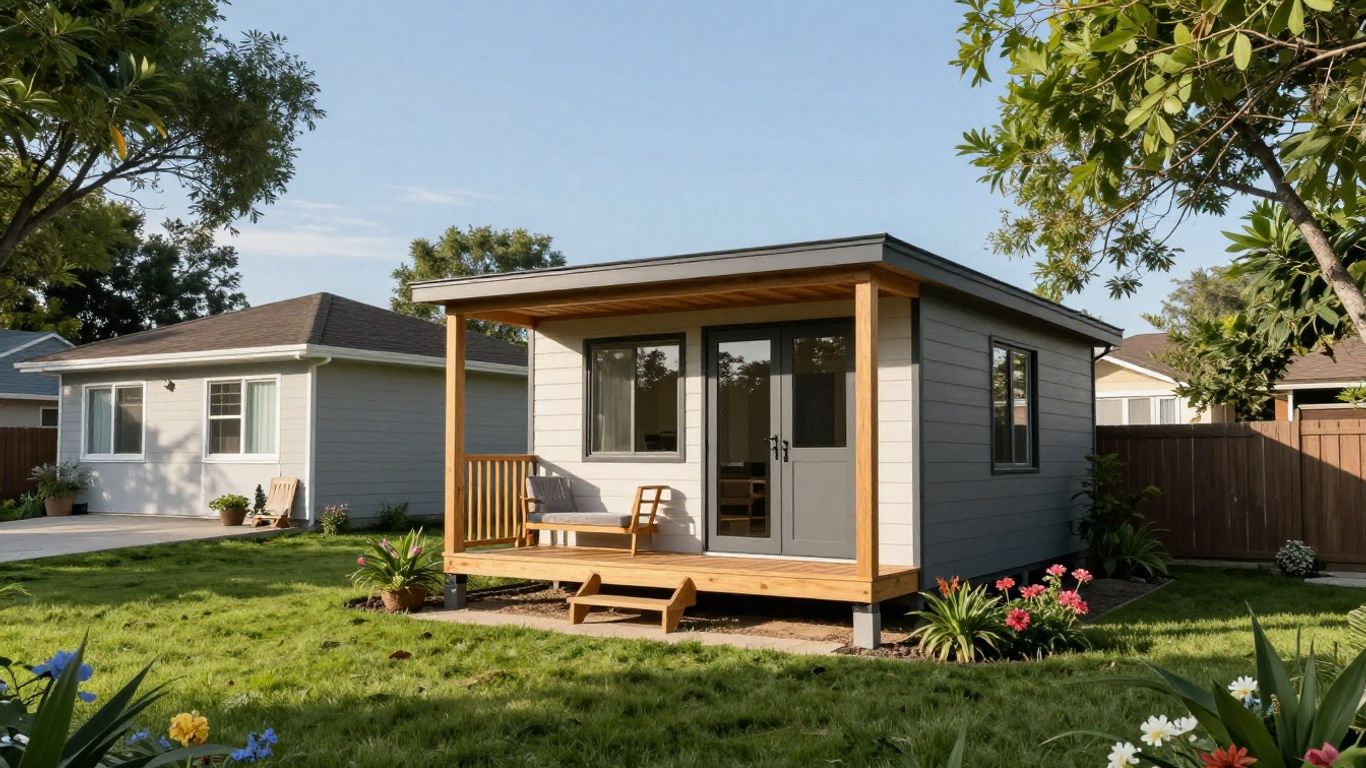
So, you’re thinking about a tiny home, but maybe the idea of parking it somewhere feels a bit… uncertain. Well, have you considered an Accessory Dwelling Unit, or ADU? Think of it as a smaller, secondary home built on the same property as your main house. It’s like a granny flat, a mother-in-law suite, or even a detached studio, but specifically a tiny home.
Tiny Homes as Secondary Dwelling Units
This is where things get really interesting for tiny home enthusiasts. Many places are starting to see tiny homes not just as RVs or mobile structures, but as legitimate secondary housing options. The key difference often comes down to whether the tiny home is on wheels or a foundation, and how local laws classify it. Tiny homes on wheels are often treated like personal property, which can be tricky. However, when a tiny home is built on a foundation, or meets specific standards for manufactured homes, it can more easily fit into the ADU category. This gives it a more stable legal standing, which is pretty important for long-term living, financing, and even taxes.
ADU Laws and Tiny Home Integration
This is where the rubber meets the road, or rather, where your tiny home meets the legal requirements. The landscape for ADUs has been changing rapidly, and many cities and states are making it easier to add these smaller units. For instance, California has been a leader, with laws that allow for more ADUs per lot and more flexible rental rules. New York City, through initiatives like its "City of Yes" plan, is also opening doors for backyard tiny homes. It’s not just about building it; it’s about making sure it fits the local rules. Some places might have specific size requirements or need to connect to existing utilities, so checking with your local planning department is a must.
Benefits of ADUs for Multi-Generational Living
ADUs offer a fantastic solution for families who want to live close together but still maintain some independence. Imagine your elderly parents living in a cozy tiny home in your backyard, or your adult child having their own space while saving money. It’s a way to provide support and privacy simultaneously. Plus, from an investment standpoint, an ADU can be a great way to generate rental income. It adds value to your property and can help offset housing costs. It’s a win-win for both family needs and financial planning.
The shift towards recognizing tiny homes as ADUs is a significant development. It moves them from a niche housing concept to a more mainstream solution for affordable and flexible living. Understanding your local ADU ordinances is the first step to making this work.
Here’s a quick look at how tiny homes can fit into the ADU picture:
- Foundation-Built Tiny Homes: Often treated similarly to traditional ADUs, requiring adherence to local building codes.
- Tiny Homes on Wheels (THOWs): Legality varies greatly. Some areas allow them as ADUs if they meet specific standards (like ANSI 119.5), while others classify them as RVs or have outright bans.
- Permitting and Inspections: Like any home addition, ADUs, including tiny homes, will likely need permits and inspections to ensure safety and compliance.
- Utility Connections: Planning for water, sewer, and electricity hookups is essential, especially for detached units.
It’s a good idea to talk to local officials or a real estate professional who knows the ins and outs of ADU regulations in your specific area. They can help you figure out what’s possible and what you need to do to make your tiny home ADU a reality.
Urban Infill and Alternative Lot Strategies
Creative Use of Urban Spaces for Tiny Homes
Cities can feel pretty packed, right? But that doesn’t mean there’s no room for tiny homes. Think about those little, unused patches of land tucked away between buildings – these are often called ‘infill lots.’ They’re like hidden gems waiting to be developed. Placing a tiny home on one of these spots can be a smart way to live right in the middle of the action without needing a huge plot of land. It’s a way to make use of what’s already there, sometimes even helping to tidy up an overlooked corner of the neighborhood. Plus, it can be a more affordable way to get into city living.
Overcoming Density Challenges in Cities
Cities have rules, and often those rules are all about keeping things spread out. This can make it tricky for tiny homes. You might run into issues with minimum lot sizes, how many homes can fit on one property, or even just where you’re allowed to park a tiny house on wheels. It’s not impossible, though. Sometimes, you just need to get creative and talk to the right people. Understanding the local zoning laws is step one. If you’re looking at a place that seems a bit tight, it’s worth digging into the specifics. Maybe there’s a loophole, or perhaps the city is starting to look at these smaller dwellings more favorably.
The Potential of Backyard Legalization
This is a big one for urban areas. More and more cities are starting to allow what’s sometimes called ‘backyard legalization.’ Basically, this means you might be able to put a tiny home in someone’s backyard, often as a separate dwelling unit. It’s a fantastic option for homeowners who want to add extra living space, maybe for family or as a rental. It’s a way to increase housing options without building massive apartment blocks. Keep an eye on local news and city council discussions, as these rules can change and open up new possibilities for tiny home placement right where you might already live or know someone who does.
State-Specific Opportunities for Tiny Homes
When you’re thinking about where to put your tiny home, the state you choose can make a big difference. Some places are really getting on board with the tiny house idea, while others are still figuring it out. It’s worth looking into which states have rules that make things easier.
California’s ADU-Friendly Legislation
California has been a leader in making it easier to place tiny homes, especially by allowing them as Accessory Dwelling Units (ADUs). This means you can often put a tiny home in your backyard or on a property that already has a main house. Cities like Los Angeles and Fresno have been proactive in updating their rules to include these smaller dwellings. It’s a good move for adding affordable housing options.
Oregon’s Eco-Conscious Zoning
Oregon has a reputation for being pretty green, and that extends to their approach to housing. The state often has more flexible zoning laws that can be more welcoming to tiny homes. You’ll also find some established tiny house communities here, which can offer a built-in support system and a sense of belonging. It feels like a place where people are more open to alternative living.
Texas’s Rural Land and Urban Support
Texas offers a bit of a mixed bag, which can actually be a good thing for tiny home builders. You can find plenty of affordable land in rural areas, which is great if you’re looking for space and a bit of quiet. At the same time, some of its larger cities, like Austin, are becoming more open to tiny homes, sometimes allowing them as ADUs or in specific zones. This combination of open spaces and growing urban acceptance is appealing.
Colorado’s Outdoor Lifestyle Appeal
If you love the outdoors, Colorado might be the place for you. The state’s natural beauty and focus on an active lifestyle seem to align well with the simplicity of tiny home living. Many rural parts of Colorado can be more accommodating, and the general vibe is often welcoming to those who want to live a bit more simply or even off-grid. It’s a place where the environment itself seems to encourage a smaller footprint.
It’s important to remember that even in states that are generally friendly to tiny homes, specific cities or counties might still have their own strict rules. Always do your homework on the local regulations where you plan to build.
Here’s a quick look at what some states offer:
- California: Strong ADU laws, making backyard placements easier.
- Oregon: Flexible zoning and existing tiny home communities.
- Texas: Affordable rural land combined with some urban acceptance.
- Colorado: Welcoming to outdoor lifestyles and rural living.
Remember, laws can change, so it’s always a good idea to check the most current regulations for any state you’re considering.
Key Factors for Successful Tiny Home Placement
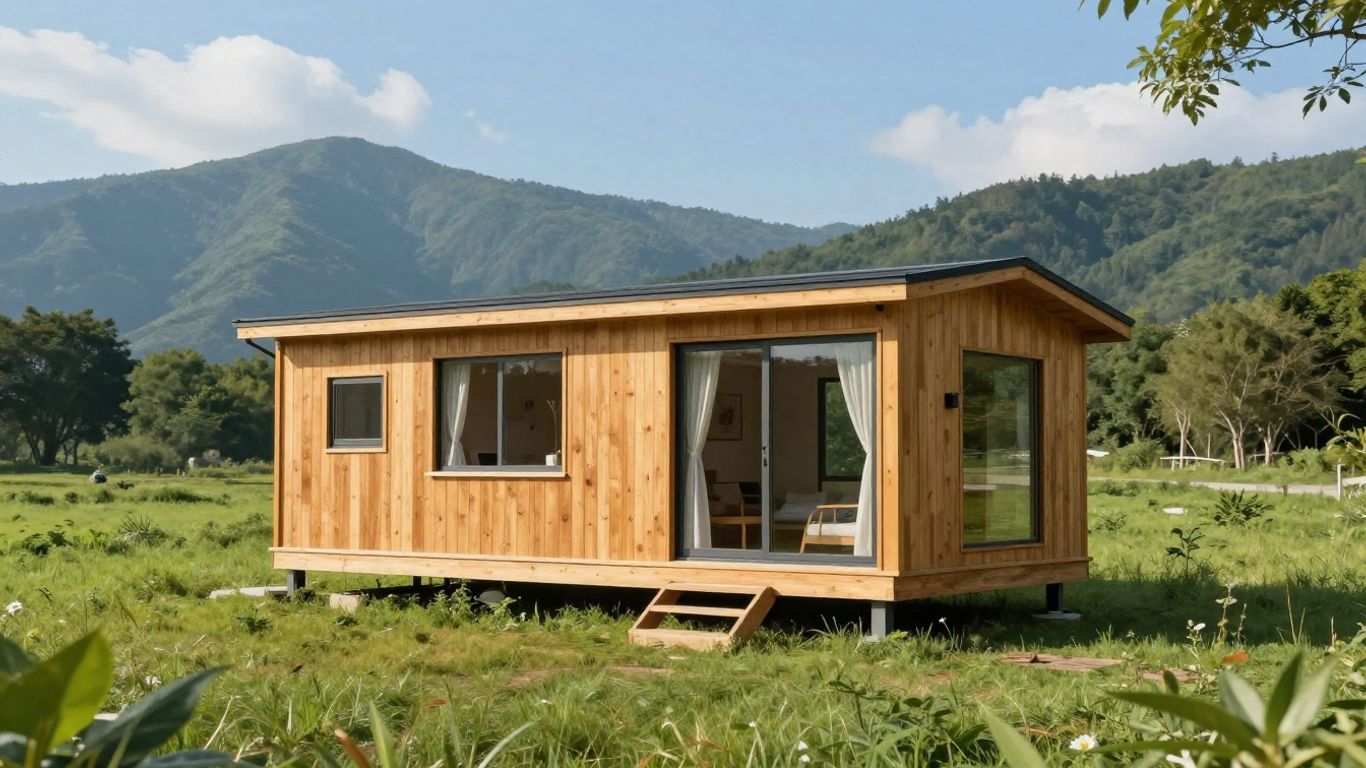
So, you’ve decided a tiny home is the way to go. Awesome! But before you start dreaming about your cozy new digs, let’s talk about the nitty-gritty of actually putting it somewhere. It’s not just about finding a pretty spot; there are some real practicalities to sort out. Think of it like planning a trip – you need to know where you’re going, how you’ll get there, and what you’ll need when you arrive.
Utility Access and Infrastructure Planning
This is a big one, folks. You can’t just plop a tiny house down anywhere and expect the lights to turn on and the water to flow. You’ve got to figure out how you’ll connect to the grid, or if you’re going off-grid, how you’ll manage your own power and water. This means looking into:
- Electricity: Will you hook up to the local power lines, or are solar panels and batteries your jam? If you’re going solar, how much sun does the spot actually get?
- Water: Do you need a well? Can you connect to a municipal water supply? What about wastewater? A septic system or a composting toilet?
- Internet/Phone: In today’s world, this is almost as important as water for many people. How will you get a signal?
Planning this out early saves a massive headache later. Sometimes, the perfect spot just isn’t feasible because getting utilities to it would cost a fortune.
Building Codes and Safety Standards
This is where things can get a little… bureaucratic. Every town, county, and state has its own set of rules, called building codes. These are basically the safety guidelines for how structures should be built. For tiny homes, this can be tricky because they don’t always fit neatly into existing categories.
- Foundation vs. Wheels: If your tiny home is on a permanent foundation, it often needs to meet the same codes as a traditional house. If it’s on wheels, it might be classified as an RV, which has different rules.
- Minimum Size: Some places have minimum square footage requirements for dwellings, which can exclude tiny homes.
- Inspections: Be prepared for inspections. Local officials will want to make sure your home is safe and up to code, especially if it’s a permanent structure.
It’s always best to talk to your local planning or building department before you buy land or start building. They can tell you exactly what you need to know to be compliant.
Choosing Between Movable and Foundation Homes
This decision really shapes where and how you can live in your tiny home. It’s not just about aesthetics; it’s about legality and lifestyle.
- Movable Homes (on wheels): These offer flexibility. You can move your home if you need to relocate or if your land situation changes. They often fall under RV regulations, which can be easier to navigate in some areas, but parking them legally can still be a challenge. You might need to find RV parks or specific zones that allow them.
- Foundation Homes: These are more permanent. They generally require more stringent adherence to local building codes and zoning laws, as they’re treated more like traditional houses. The upside is they often feel more like a real home, and you might have more options for connecting utilities and getting permits. However, once it’s built, it’s pretty much there to stay.
Think about your long-term plans. Are you a wanderer, or are you looking to put down roots? Your answer will heavily influence whether a movable or foundation-based tiny home is the right fit for your placement strategy.
Wrapping It Up
So, finding a spot for your tiny house in 2026 is definitely doable, but it’s not exactly a walk in the park. It takes some digging into local rules and figuring out what works best for you, whether that’s your own land, a community, or even a backyard spot. The key is to do your homework, talk to the right people – like local officials or builders who know the ropes – and make sure everything is above board. With a little planning, you can absolutely make that tiny home dream a reality and start living a simpler, more intentional life.
Frequently Asked Questions
Can I put a tiny home anywhere I want?
No, you can’t put a tiny home just anywhere. Local zoning rules and building codes decide where you can place a tiny home. Always check with your city or county before making any plans.
What is the smallest size a tiny home can be?
Most places say a tiny home must be at least 150 to 400 square feet. Some towns or counties may have different rules, so it’s important to ask your local building department.
Can I live in a tiny home on my own land?
You might be able to, but it depends on the local laws. Some areas allow tiny homes on private land, while others do not. Make sure to check the rules for your specific location before building or moving your tiny home.
Are there special communities for tiny homes?
Yes, there are special neighborhoods called tiny home communities. These places are designed for people who want to live in small houses and often have shared spaces and friendly neighbors.
What are ADUs and how do they relate to tiny homes?
ADU stands for Accessory Dwelling Unit. It’s a small house or apartment built on the same land as a main house. Many tiny homes are used as ADUs, which can be a good way to live tiny while following the law.
How do I get water and electricity for my tiny home?
You can connect your tiny home to city water and power if your location allows it. Some people use solar panels, rainwater collection, or composting toilets if they want to live off-grid or the area doesn’t have utility hookups.
Explore more tiny home living, design, downsizing, building, and lifestyle resources.
- Tiny Homes for Rent in Wyoming: Wild West Getaways to Book
- Tiny Homes for Rent in Washington: Forest Escapes & Cozy Stays
- Tiny Homes for Rent in Utah: Red Rock Retreats to Book
- Tiny Homes for Rent in Oregon: Forest Retreats You’ll Love
- Tiny Homes for Rent in New Mexico: Desert Gems & Starry Skies
- Tiny Homes for Rent in Nevada: Desert Hideaways Worth Booking