Embracing Off-Grid Living in Wisconsin: A Comprehensive Guide

Thinking about leaving the hustle and bustle behind for a quieter life in Wisconsin? Off grid living in Wisconsin is becoming more popular, and for good reason. It’s about taking charge of your own resources and living a bit more simply. This guide will walk you through what you need to know to get started on your own off-grid adventure in the Badger State.
Key Takeaways
- Off-grid living in Wisconsin means disconnecting from public utilities like electricity and water, aiming for a more self-sufficient and eco-friendly lifestyle.
- While it can save money on bills, getting started with off-grid living requires a significant upfront investment in land and necessary systems.
- Becoming self-reliant involves learning skills like growing your own food, managing water sources, and generating your own power.
- Living off the grid offers peace and a closer connection to nature, but it also means adjusting to fewer modern conveniences and potentially less connection to the outside world.
- Successfully living off-grid in Wisconsin depends on understanding local rules, preparing for the climate, and setting up reliable systems for energy, water, and waste.
Understanding Off-Grid Living in Wisconsin
What is Off-Grid Living?
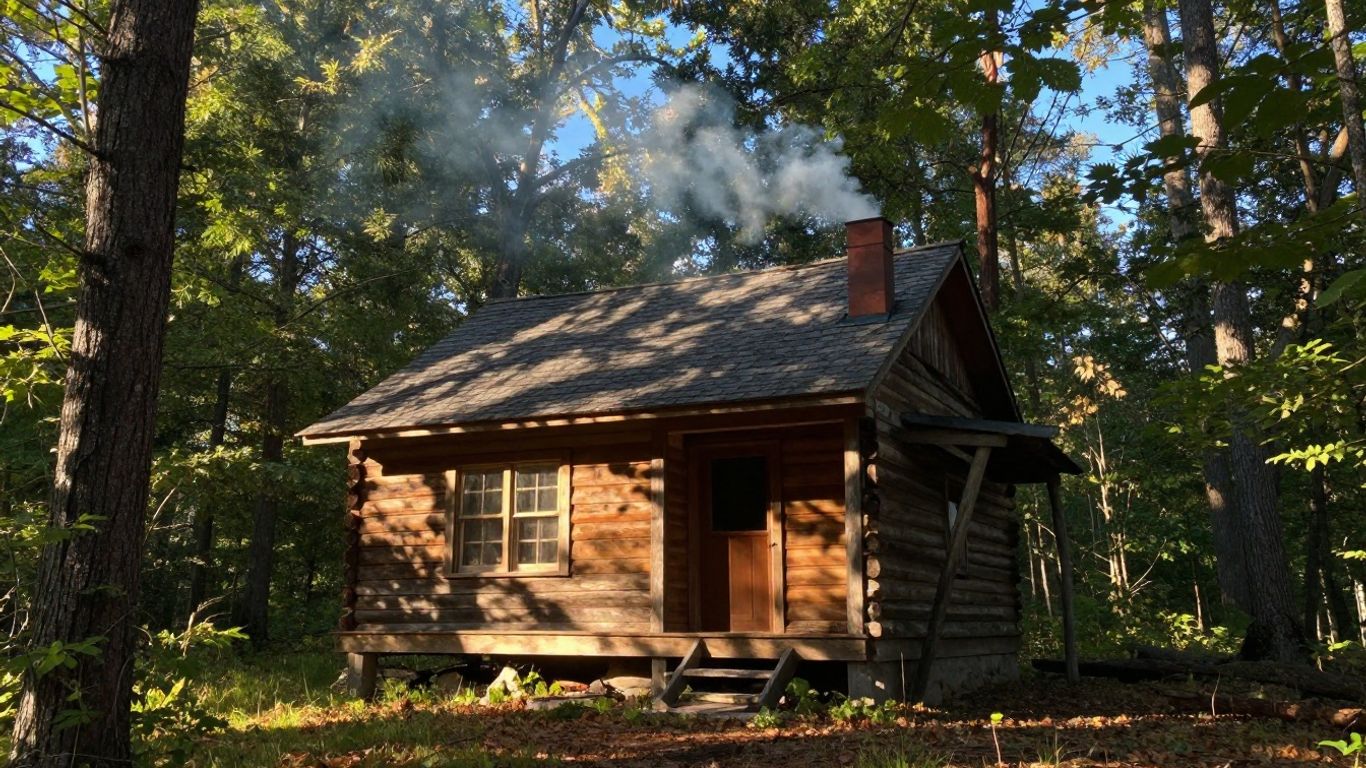
So, what exactly does it mean to live "off-grid"? Basically, it’s about disconnecting from the usual public utilities that most of us rely on every day. Think electricity from the power company, water from the municipal supply, and sewer services. When you go off-grid, you’re taking on the responsibility of providing these things for yourself. This often means generating your own power, sourcing your own water, and managing your own waste. It’s a move towards greater self-reliance and a different way of interacting with the world around you.
Benefits of Off-Grid Living
Why would someone choose this path? Well, there are some pretty compelling reasons. For starters, there’s the independence. You’re not tied to utility companies or fluctuating energy prices. Many people also find a deep sense of satisfaction in living more sustainably, reducing their environmental impact by using renewable energy sources like solar or wind. Plus, while the initial setup can be costly, over time, you can see significant savings by eliminating monthly utility bills. It’s also a chance to live a quieter life, often closer to nature, which appeals to many folks looking for peace and a break from the hustle and bustle.
- Independence: Less reliance on external services.
- Sustainability: Lower environmental footprint.
- Cost Savings: Reduced or eliminated utility bills.
- Connection to Nature: More time spent outdoors.
- Self-Sufficiency: Developing practical life skills.
Types of Off-Grid Living
Living off-grid isn’t a one-size-fits-all deal. There are a couple of main ways people approach it:
- Completely Off-Grid: This is the full commitment. You’re entirely disconnected from public utilities. Everything – power, water, waste – is handled on your property.
- Partially Off-Grid: This is more common. You might still be connected to one or two utilities, perhaps the electrical grid, but you’re generating a significant portion of your own power or managing your own water supply. It’s a step towards independence without cutting all ties.
The choice between these types often depends on personal goals, local regulations, and the specific resources available on a property. It’s about finding a balance that works for your situation.
Navigating Wisconsin’s Regulations for Off-Grid Life
Living off-grid in Wisconsin sounds simple, but there’s a lot to figure out before you start building cabins in the woods. Understanding the rules can make or break your experience, so let’s get into the main things you need to know.
Zoning and Building Restrictions
Before you find the perfect piece of land, make sure you know the zoning laws for that area. Most of Wisconsin works under local zoning authority, so towns and counties set their own conditions. Surprisingly, what works in one county might not fly just 20 miles away. Here’s what to watch for:
- Minimum lot sizes for building
- Whether off-grid homes, cabins, or tiny houses are allowed as primary residences
- Restrictions on alternative housing, like tiny houses on wheels, which are usually considered RVs (and often face restrictions on permanent residency—just like in RV regulations for Wisconsin)
Sometimes, tiny homes on wheels are only allowed in designated RV parks or for short-term use, not as your year-round home.
Health and Environmental Codes
Wisconsin takes water and sanitation seriously. You’ll likely need permits for:
- Well drilling or rainwater collection
- Septic systems or composting toilets
- Wastewater disposal (greywater and blackwater must meet health codes)
| System | Permit Needed | Typical Requirements |
|---|---|---|
| Well | Yes | Safe distance from septic, state-approved contractor |
| Compost Toilet | Sometimes | Depends on county, may need inspection |
| Greywater Recycling | Yes | Stipulates how water is used/disposed |
If these rules sound complicated, you’re not alone. A lot of folks have to build their homes to meet standard codes, even if they’re off-grid.
Rules and inspections might feel like a hassle, but they’re meant to protect both people and the land from costly mistakes that are hard to reverse later.
County-Specific Ordinances
Finally, don’t overlook that each Wisconsin county can set its own local ordinances.
- Some allow alternative construction styles and relax minimum home size.
- Others hold strict views on what counts as a "dwelling."
- Structures like yurts or shipping containers might be perfectly legal a few counties over, but completely banned where you currently stand.
If you’re thinking about going the tiny house route, check for:
- Whether it’s allowed as permanent housing, or only for short-term stays
- Specific rules for foundation vs. wheeled options
- How many days a year you can actually live in your structure
The bottom line is to talk with your local zoning office before buying land. Rules are rarely the same across each county, and getting this wrong can mean a lot of money wasted or dreams delayed.
Essential Preparations for Wisconsin Off-Grid Living
Getting ready for life off the grid in Wisconsin means looking at a few key things before you even think about packing your bags. It’s not just about cutting the cord; it’s about building a whole new way of living that works with nature and your surroundings.
Assessing Climate and Terrain Factors
Wisconsin’s weather can be pretty wild, right? You’ve got cold, snowy winters and warm, humid summers. This means your shelter needs to be well-insulated, and you’ll need reliable ways to stay warm. Think about how much snow you get and if your chosen spot might be hard to get to in winter. The land itself matters too. Is it rocky? Is it flat or hilly? This affects where you can build, where you can grow food, and how you’ll manage water. Understanding your specific location’s climate and terrain is the first big step.
Securing Reliable Information Sources
Don’t just trust the first thing you read online. There’s a lot of information out there about off-grid living, and not all of it is accurate or relevant to Wisconsin. Look for resources that talk about local conditions, regulations, and successful off-grid setups in the state. This might mean talking to people who already live this way, checking out local extension offices, or finding reputable books and websites that focus on sustainable living in the Midwest. It’s better to get your info from folks who know the area.
Developing Technical Skills
Living off-grid means you’re going to be your own handyman, plumber, and electrician, at least to some extent. You’ll need to learn how to maintain solar panels, fix a water pump, or maybe even manage a wood stove. Basic carpentry, gardening, and even some mechanical skills will come in handy. It’s not about being an expert overnight, but about being willing to learn and get your hands dirty. Start small, maybe with a DIY project or two, to see what you’re comfortable with.
Preparing for off-grid life is a marathon, not a sprint. It requires patience, a willingness to learn, and a realistic view of the challenges ahead. Taking the time to research and practice skills beforehand will make the transition much smoother.
Financial Planning for Off-Grid Independence
Getting ready to live off the grid in Wisconsin means you’ve got to think about the money side of things. It’s not just about buying land; there’s a whole lot more to consider before you can truly be independent. The initial investment can be quite significant, so careful budgeting is key.
Initial Investment and Cost Considerations
When you’re looking at going off-grid, the first hurdle is usually the upfront cost. This isn’t like buying a regular house. You’re building a whole new system from the ground up. Think about the land itself – prices vary a lot depending on where you are in Wisconsin and how accessible it is. Then there’s the infrastructure. You’ll need a reliable water source, which might mean drilling a well or setting up a rainwater collection system. For waste, a septic system or a composting toilet is usually in the cards. And of course, there’s power. Solar panels, wind turbines, batteries, and all the related gear can add up fast. Don’t forget backup generators for those cloudy or still days.
Here’s a rough idea of what some of these costs might look like:
| Item | Estimated Cost Range (USD) |
|---|---|
| Land (per acre) | $1,000 – $10,000+ |
| Well Drilling | $3,000 – $7,000 |
| Septic System | $5,000 – $15,000 |
| Solar Panel System | $10,000 – $30,000+ |
| Battery Bank | $3,000 – $10,000+ |
| Backup Generator | $1,000 – $5,000 |
These are just ballpark figures, mind you. Your specific needs and location will change these numbers quite a bit.
Budgeting and Financial Planning
Once you have a general idea of the costs, you need to create a detailed budget. This means listing out every single expense you can think of, from the big-ticket items to the small stuff. You’ll want to factor in permits, tools, materials, and even the cost of learning new skills. It’s also wise to add a buffer for unexpected expenses – things always come up, especially when you’re building something from scratch. Think about your ongoing costs too, like maintenance for your systems, property taxes, and any supplies you’ll need to buy. A solid financial plan will help you avoid running out of money halfway through your project.
Living off the grid requires a shift in how you think about money. It’s less about monthly bills and more about managing resources and planning for the long term. You’re investing in self-sufficiency, which has its own kind of return.
Exploring Funding Options and Incentives
Don’t assume you have to pay for everything out of pocket. There might be ways to get some help. Look into local and state programs that might offer incentives for renewable energy installations or sustainable building practices. Sometimes, there are grants or low-interest loans available for rural development or alternative energy projects. You might also find crowdfunding opportunities if you have a compelling story. Talking to financial advisors who understand rural living or alternative lifestyles could also give you some good ideas. It’s about being resourceful and exploring every avenue to make your off-grid dream a reality without breaking the bank.
Key Systems for Sustainable Off-Grid Living
Setting up a sustainable off-grid life in Wisconsin means getting a few core systems right. It’s not just about cutting the cord; it’s about building a self-sufficient setup that works with the local environment. Let’s break down what you’ll need to focus on.
Renewable Energy Systems
Power is obviously a big one. You can’t just flip a switch and expect the lights to come on. Most folks lean towards solar, and for good reason. Panels are getting more efficient and less expensive all the time. You’ll want to look into systems that can handle Wisconsin’s varying sunlight, especially during those long winter months. Wind power is another option, but you really need consistent, strong winds for it to be worthwhile. Hydropower is pretty rare unless you’ve got a perfect stream on your property. The goal is reliable energy, day in and day out.
Here’s a quick look at common energy sources:
- Solar Power: Great for most situations, especially with advancements in panel technology. You can find some really solid solar energy solutions designed for independence.
- Wind Power: Requires specific site conditions (consistent wind) to be effective.
- Micro-Hydro: Only feasible if you have a reliable water source with sufficient flow and drop.
- Biomass/Biogas: Can be used, but often more complex for daily power needs.
Relying on a single energy source can be risky. Consider a hybrid approach, perhaps combining solar with a small wind turbine or a backup generator, to ensure you always have power, no matter the weather.
Water Management Techniques
Water is life, and off-grid, you’re responsible for your own supply. Rainwater harvesting is a popular method. You collect rain from your roof and store it. You’ll need a good filtration system to make sure it’s safe to drink. Wells are another option, but drilling can be expensive and you need to be sure there’s a good aquifer. Springs, if you’re lucky enough to have one, can also be a source. Whatever your source, purification is non-negotiable. You don’t want to get sick from your own water supply.
Key water considerations:
- Source Identification: Determine if rainwater harvesting, well, or spring is most viable for your location.
- Storage Solutions: Invest in appropriate tanks and containers for collected water.
- Filtration and Purification: Implement multi-stage filters and purification methods (UV, boiling, etc.) for potable water.
- Conservation: Develop habits to use water wisely and minimize waste.
Gardening and Farming Skills
Growing your own food is a huge part of sustainable off-grid living. It’s not just about having fresh vegetables; it’s about food security. Organic gardening is a good way to go, avoiding chemicals. Permaculture principles can help you design a garden that works with nature, producing food with less effort and waste over time. If you have the space and inclination, raising a few chickens for eggs or other small livestock can supplement your diet nicely. It takes practice, but the reward of eating food you’ve grown yourself is pretty amazing.
Consider these food production methods:
- Organic Gardening: Focus on soil health and natural pest control for healthy produce.
- Permaculture Design: Create self-sustaining ecosystems that mimic natural processes.
- Livestock/Poultry: Small animals like chickens can provide eggs and meat.
- Food Preservation: Learn canning, drying, or root cellaring to store your harvest.
Adapting to the Off-Grid Lifestyle in Wisconsin
Embracing Changes in Daily Routine
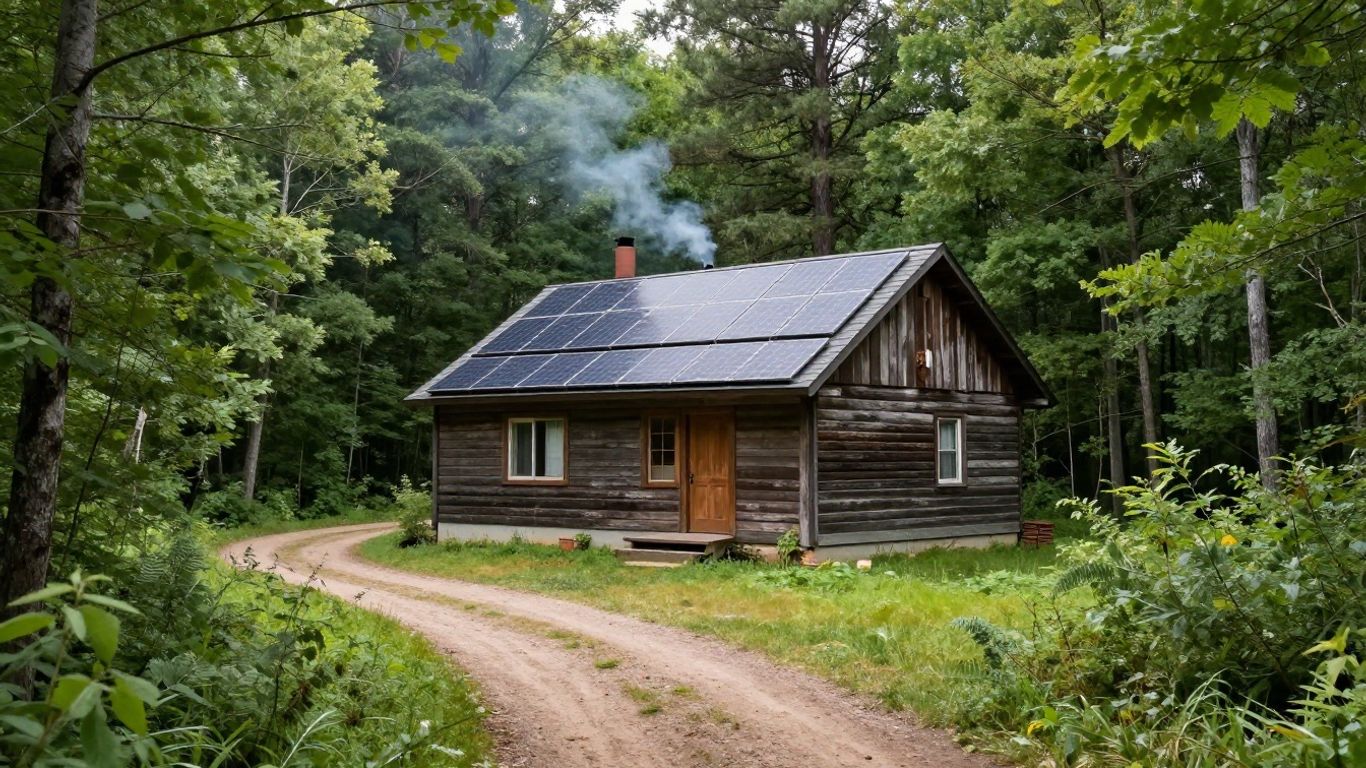
Moving off the grid in Wisconsin means a pretty big shift in how you spend your days. Forget the constant hum of the city or the easy convenience of flipping a switch. Your routine will likely revolve more around the sun, the seasons, and the tasks needed to keep your homestead running. This could mean waking with the dawn to tend to your garden or check on your water supply, and winding down earlier as natural light fades. It’s a slower pace, for sure, and requires a different kind of mindfulness. You might find yourself spending more time outdoors, observing the natural world around you, which can be incredibly rewarding.
Coping with Isolation and Limited Connectivity
Let’s be real, living off-grid often means being further from neighbors and having less reliable internet or cell service. If you’re used to being constantly connected or enjoy frequent social gatherings, this can be a tough adjustment. Building connections takes more effort. You might need to plan trips into town for supplies or social visits, or actively seek out local events and gatherings. Finding ways to stay in touch with friends and family, even if it’s through occasional emails or scheduled calls, is important for maintaining those relationships. It’s about finding a balance that works for you, perhaps by joining local groups or finding other homesteaders nearby.
Adjusting to Limited Modern Amenities
This is where the rubber meets the road, so to speak. You’ll be relying on systems you’ve set up yourself, whether that’s solar power for electricity, a well for water, or a composting toilet. Things might not work exactly like they do in a conventional home. You’ll learn to be resourceful and to fix things yourself. For instance, understanding how your solar panels work and how to maintain them becomes a regular task. Water conservation becomes second nature when you’re managing your own supply. It’s a learning curve, and there will be days when things don’t go perfectly, but that’s part of the process. You learn to appreciate the amenities you have and to be more mindful of their use. It’s a different kind of comfort, one that comes from self-reliance and a closer connection to your resources. For inspiration on self-sufficient living, you might look into people like Robin Greenfield, who has built a life free from many conventional bills by relying on skills and relationships free from rent and traditional bills.
The transition to off-grid living is less about deprivation and more about a conscious choice to live differently. It involves a re-evaluation of needs versus wants, and a deeper appreciation for the resources that sustain us. This lifestyle encourages problem-solving and a hands-on approach to daily life, fostering a sense of accomplishment with each challenge overcome.
Building Community and Resources in Wisconsin
Joining Off-Grid Living Communities and Forums
Finding your people is a big part of making off-grid living work, especially in a place like Wisconsin. It can feel pretty isolating out there sometimes, right? But there are folks who get it. Look for local groups, maybe through a county extension office or even a community garden. Online forums are a lifesaver too. You can find people sharing tips on everything from solar panel maintenance to dealing with a tough Wisconsin winter without city power. Don’t underestimate the power of shared experience.
Participating in Workshops and Events
Wisconsin has a surprising number of events focused on sustainable living. The Midwest Renewable Energy Association (MREA) puts on a huge Energy Fair every year that draws thousands. It’s a great place to see different systems in action and talk to the people who built them. Keep an eye out for smaller, local workshops too. These might cover specific skills like building a root cellar, canning produce, or even basic carpentry for those DIY home repairs. Learning from someone who’s actually done it makes a huge difference.
Finding Local Resources and Support
Beyond formal groups, tap into what your local area offers. Think about farmers’ markets – they’re not just for buying food, but for connecting with growers who often have a wealth of knowledge about land and seasons. Some areas have co-ops or local businesses that specialize in renewable energy or sustainable building materials. Even a chat with a neighbor who’s been living more self-sufficiently can be incredibly helpful. Wisconsin’s rural nature means people often rely on each other, so don’t be afraid to ask questions and share what you learn.
Here are a few types of resources to look for:
- Renewable Energy Installers: For solar, wind, or geothermal systems.
- Sustainable Building Contractors: Those experienced with natural building materials or energy-efficient design.
- Local Food Networks: Farmers’ markets, CSAs, and food co-ops.
- Community Gardens: Great for sharing knowledge and resources.
- Tool Libraries or Sharing Programs: If available, these can save a lot on equipment costs.
Your Wisconsin Off-Grid Adventure Awaits
So, you’ve explored the idea of living off the grid in Wisconsin. It’s a big change, for sure, and not for everyone. You’ll need to think about how you’ll get power, water, and manage your waste. Plus, getting used to a different daily rhythm and maybe a bit more quiet is part of the deal. But if you’re up for the challenge, Wisconsin’s natural beauty offers a pretty amazing backdrop for a more self-sufficient life. Doing your homework, finding folks who are already doing it, and maybe starting small can make the whole process feel a lot more doable. It’s about finding a balance that works for you and the land.
Frequently Asked Questions
What exactly is off-grid living?
Off-grid living means you’re choosing to live without relying on public utilities like electricity, water, and gas. It’s about being more self-sufficient and often more connected to nature.
What are the main benefits of living off the grid?
People often choose off-grid life for a few big reasons. You can save money by not paying utility bills, live a more eco-friendly life by using renewable energy, and enjoy a greater sense of independence and peace away from busy city life.
Is it expensive to start living off the grid?
Setting up an off-grid home can cost a good amount of money at first. You’ll need to invest in things like solar panels, a well for water, and possibly other systems. However, over time, you can save money by not having monthly utility bills.
What kind of skills do I need for off-grid living?
You’ll need to learn some new skills! Things like gardening to grow your own food, managing water sources, and understanding how to maintain renewable energy systems (like solar panels) are really important.
Are there rules I need to follow for off-grid living in Wisconsin?
Yes, even though you’re living off the grid, you still need to follow local and state rules. This can include things like zoning laws, building codes, and health regulations. It’s important to check the specific rules for the area where you plan to live.
What are the biggest challenges of living off the grid?
Living off the grid can be challenging. You might face isolation if you’re used to a lot of social activity, and you’ll have to get used to having fewer modern conveniences. Plus, learning all the new skills and managing your resources takes effort.
Explore more tiny home living, design, downsizing, building, and lifestyle resources.