Your Guide to Off-Grid Living in Mississippi: Land, Laws, and Lifestyle

Thinking about ditching the grid in Mississippi? It’s a big step, and this guide is here to help you figure it all out. We’ll look at what it really means to live off grid in Mississippi, from understanding the rules of the road to finding the right spot and making sure you have what you need to live comfortably. It’s not always easy, but for many, the freedom and self-reliance are totally worth it.
Key Takeaways
- Living off-grid in Mississippi is possible, but it requires careful planning regarding local laws, resources, and the state’s weather.
- Understand Mississippi’s regulations on energy, water, waste, and building codes, as these can differ by county.
- Secure reliable sources for water (wells, rainwater) and energy (solar, wind), and plan for food production.
- Choose a location wisely, considering land availability, water access, and how easy it is to get to.
- Be prepared for challenges like weather, wildlife, and potential isolation, and understand the tax implications of your off-grid setup.
Understanding Off-Grid Living in Mississippi
Can You Live Off Grid in Mississippi?
Living off grid in Mississippi is definitely possible, but it comes with unique hurdles and decisions. The state has plenty of natural resources—open land, forests, and waterway access—making it attractive for those looking to step away from traditional city life. However, you have to be okay with a more hands-on approach to everything from building codes to food production. Planning ahead is huge, especially since rural counties vary a lot in how they enforce rules. The short answer: yes, you can do it, but expect the kind of work and learning that comes with independence.
If you’re thinking about this switch, be ready for a lifestyle where every solution, from electricity to water, starts with you and your land.
Overview of Off-Grid Living
Off-grid living usually means not relying on public utilities—electricity, water, or sewer. Most people who go off-grid hope for more independence, fewer bills, or a quieter life. In Mississippi, the setup might include solar panels, rainwater collection barrels, and growing a good chunk of your own food. You’re mostly out of reach from city support, so you learn by doing and adapt with the seasons. This isn’t about living in complete isolation (unless you want that), but more about taking back control over the basics in daily life.
Types of Off-Grid Living
- Totally Off-Grid: No connections to city utilities at all; complete self-reliance.
- Semi-Off-Grid: Some backup options, like a generator or occasional store trips.
- Community Off-Grid: Living among others who are also self-sufficient, sharing some resources.
| Off-Grid Type | Reliance on Utilities | Social Isolation | Resource-Sharing |
|---|---|---|---|
| Totally Off-Grid | None | High | Rare |
| Semi-Off-Grid | Minimal | Moderate | Sometimes |
| Community Off-Grid | None or Minimal | Low | Common |
Benefits of Off-Grid Living
There are a few real pay-offs to off-grid life:
- Lower monthly bills: No more power or water bills if you’ve set up reliable systems.
- Environmental impact drops because you control your own energy, water, and waste.
- More control and independence: You set your priorities and daily schedule.
- Resiliency: Many people appreciate knowing they can handle disruptions in society or the economy.
Some days living off-grid feels like work, but those moments when you realize you’ve provided for yourself—whether it’s fresh eggs or sun-powered internet—make it worth the sweat.
Navigating Mississippi’s Off-Grid Laws and Regulations
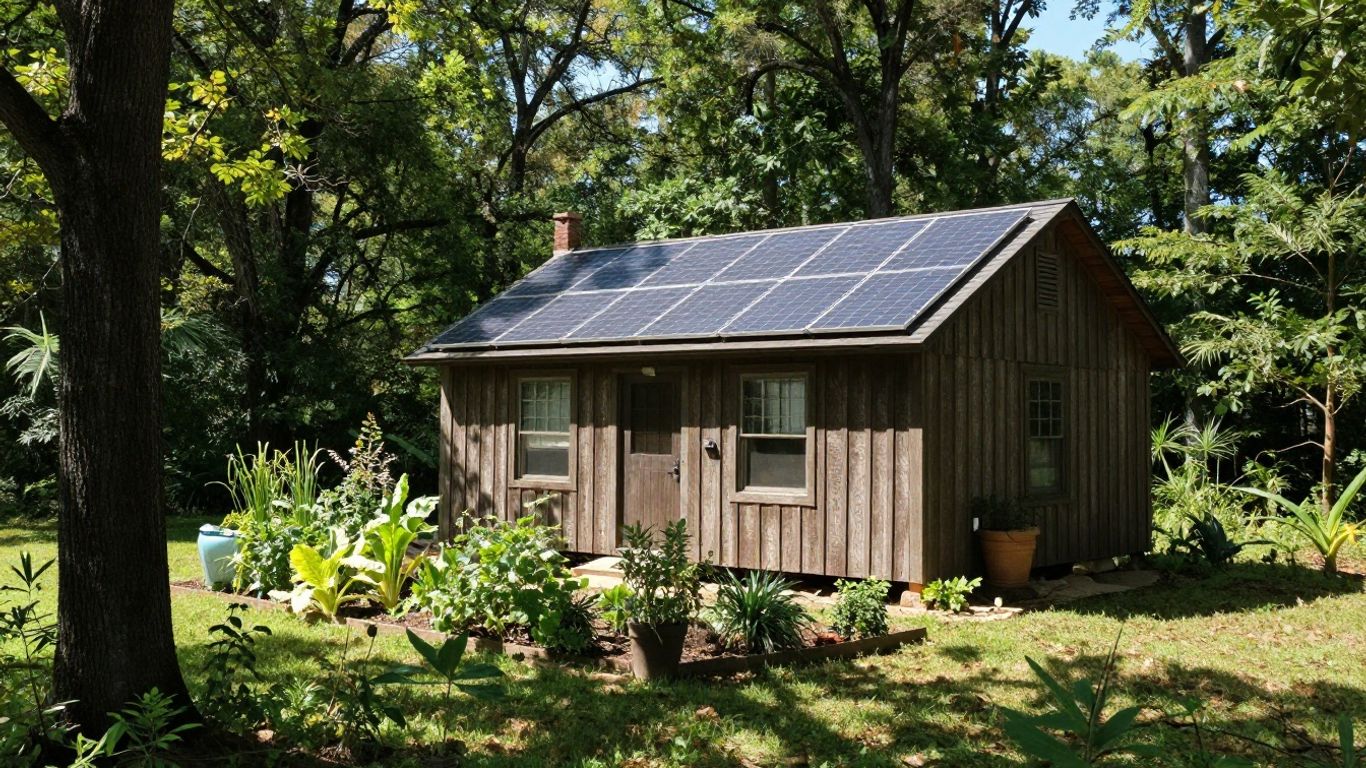
What Are Off Grid Laws in Mississippi?
Off-grid living in Mississippi is possible, but you’ll need to work with a mix of state and local laws around energy, water, waste, and building rules. These regulations usually cover:
- How you can generate and use your own electricity
- Permits for installing septic systems or composting toilets
- Water rights for wells and rain collection
- Local building codes for new homes and cabins
- Zoning laws for land use
If you’re looking to set up solar panels or dig a well, some of these steps will need county approval. While there’s no ban on living off the grid in Mississippi, your local town or county might have limits, especially around waste and safety.
Overview of State Regulations
Mississippi’s statewide rules make sure basic health, sanitation, and safety standards are met. Here are a few important areas to consider:
| Regulation Area | Key Points |
|---|---|
| Water Wells | Permit may be required; distance from septic, depth, and testing are regulated |
| Sewage & Waste | Septic system inspections, limitations on compost toilets in areas with higher population densities |
| Building Codes | Some counties have strict codes; others are more relaxed, but minimum habitability standards usually apply |
| Electricity | Solar and wind systems not restricted but must meet safety standards if grid-tied |
Many rules depend on your county. Some are strict about new home inspections, while rural areas may have minimal oversight.
Regional Variations in Off-Grid Laws
Laws and attitudes toward off-grid living change county to county. For example, an isolated forested county may let you handle more things yourself, but in a suburban setting, inspectors are more likely to get involved.
Here are a few things that tend to vary across regions:
- Permitting and Inspections: Rural areas may have fewer inspections, but some localities enforce more frequent checks and paperwork.
- Water Use: Rights to drill wells or divert streams might be more restricted near public supplies or in areas managing drought.
- Waste Systems: Compliant septic may be required in populated regions, while remote places sometimes allow composting toilets.
Staying in touch with your local planning office can clear up a lot of confusion before you invest in land or start building. Don’t assume what works in one county will be okay in another—even just a few miles away, the rules might shift.
In short, off-grid living here wants you to pay attention to the rules, get familiar with local offices, and keep paperwork straight. But plenty of Mississippians make it work, and rural areas are usually more relaxed if you’re after a quiet, self-sufficient lifestyle.
Essential Resources for Your Off-Grid Lifestyle
Living off the grid in Mississippi means you’re going to need to be pretty self-sufficient. That means figuring out where your water comes from, how you’ll power your home, and how you’ll put food on the table. It’s a big undertaking, but totally doable with the right planning.
Water Sources for Off-Grid Living
Water is obviously a big one. You can’t just turn on a tap and expect clean water. Most off-gridders rely on a few main sources. Rainwater harvesting is super popular. You set up barrels or tanks to collect rain as it falls. It’s a pretty straightforward system, but you need to make sure your roof and collection system are clean to avoid contamination. Then there’s well water. Digging a well can be expensive and requires a professional, but it gives you a consistent supply. You’ll need a pump, usually powered by your off-grid energy system, to bring the water up. Some folks also live near natural springs or creeks, but you’ll definitely want to test and filter that water thoroughly before drinking it. Having a reliable water source is non-negotiable for off-grid success.
Here’s a quick look at common water sources:
- Rainwater Harvesting: Collects precipitation from your roof. Requires clean collection surfaces and storage tanks.
- Well Water: Drilled deep into the ground to access groundwater. Needs a pump and regular testing.
- Surface Water (Springs, Creeks): Natural sources that require significant filtration and purification.
Always test your water, no matter the source. You don’t want to be drinking something that could make you sick.
Renewable Energy Options
Powering your home without the utility company is a key part of off-grid living. Solar panels are the most common choice. They convert sunlight into electricity. You’ll need panels, an inverter to change the power to usable AC, and a battery bank to store energy for cloudy days or nighttime. Wind turbines are another option, especially if you’re in an area with consistent wind. They can be a bit more complex to set up and maintain than solar. Sometimes people combine solar and wind for a more reliable system. Don’t forget about energy efficiency in your home itself – better insulation and efficient appliances mean you need less power to begin with.
Here are the main renewable energy players:
- Solar Power: Panels capture sunlight. Great for sunny Mississippi days.
- Wind Power: Turbines generate electricity from wind. Best in consistently breezy locations.
- Backup Generators: Often used as a supplement, especially during extended periods of bad weather or high energy use.
Food Production and Livestock
Growing your own food and maybe raising some animals is a big part of the off-grid lifestyle. A good garden is a must. You’ll want to learn about permaculture and companion planting to get the most out of your soil. Raised beds can be helpful, especially if your soil isn’t the best. For livestock, chickens are a popular choice for eggs and meat. They’re relatively easy to care for. Goats can provide milk and meat, and are good at clearing brush. You’ll need secure fencing to protect your garden and animals from local wildlife, which can be a real problem here in Mississippi. Planning for preservation, like canning or freezing, is also important so you can enjoy your harvest year-round.
Choosing the Right Location for Off-Grid Living
So, you’re thinking about ditching the grid in Mississippi? That’s a big step, and picking the right spot is probably one of the most important things you’ll do. It’s not just about finding a piece of land; it’s about finding a place that works for your lifestyle and your plans.
Best Off-Grid Locations in Mississippi
When we talk about the best places for off-grid living here in Mississippi, we’re generally looking at the more rural parts of the state. Think about areas where you’ve got a bit more space and fewer neighbors looking over your fence. These spots often come with more affordable land, which is a big plus when you’re setting up your own systems. Plus, these communities tend to be more understanding and sometimes even supportive of folks wanting to live a bit differently.
Rural Areas and Land Availability
Mississippi has a lot of rural acreage, and that’s good news for off-gridders. You’ll find more options for land that isn’t already snapped up or priced out of reach. It’s worth spending time driving around, looking at county maps, and talking to local real estate agents who know the rural market. Don’t just look at the price tag, though. Think about what’s on the land – trees for shade or wood, open fields for gardens, or slopes that might be good or bad for building.
Proximity to Water Sources
Water is life, right? Especially when you’re off-grid. Having a reliable water source nearby is a huge advantage. This could mean land that borders a creek, a river, or even has good potential for a well. Access to water isn’t just for drinking and washing; it can also be useful for gardening, raising animals, and even for recreational purposes. Imagine having a nice spot for fishing right in your backyard! Just be sure to check water rights and any regulations about using water from nearby sources.
When you’re scouting locations, make a checklist. Think about things like:
How easy is it to get to the property, especially in bad weather?
Are there any natural resources like timber or good soil?
What’s the cell service like (if you care about that)?
How far are you from basic supplies or emergency services?
It might seem like a lot, but taking the time to find the right location now will save you a lot of headaches down the road. It’s the foundation for your whole off-grid adventure.
Challenges and Considerations for Off-Grid Life
Mississippi Weather Conditions
Mississippi’s weather can really make or break your off-grid routine. Hot, humid summers mean you’ll be sweating through chores, while heavy rainfall might test your water management systems. Here’s what to keep in mind:
- Hurricanes and tropical storms hit the Gulf region, sometimes causing flooding or wind damage.
- Even if winters are mostly mild, sudden cold snaps do happen and can strain heating options.
- High humidity can affect food storage and damage buildings if ventilation is poor.
| Weather Factor | Challenge | Quick Solution |
|---|---|---|
| Humid summers | Mold, sweaty work, heat fatigue | Shade, fans, proper airflow |
| Heavy rain & storms | Flooding, erosion | Rainwater runoff management, raised beds |
| Unpredictable freezes | Burst pipes, crop loss | Insulation, cold frames |
If you’re not ready for unexpected weather, it’s easy to feel overwhelmed. Focusing on sensible design and having backup plans makes every season a bit easier to handle.
Wildlife Encounters and Safety
Deer, wild hogs, raccoons, coyotes—you name it. Mississippi is brimming with wildlife that can threaten gardens, livestock, and sometimes even people:
- Wild animals can destroy gardens overnight or harass your chickens.
- Snakes and ticks are common, especially in tall grass and wooded areas.
- Mosquitoes thrive in humid areas and can be a nuisance.
Basic strategies include:
- Secure fencing around food plots and animal pens.
- Planting deterrent plants or using motion-activated lights.
- Regular mowing and keeping living spaces tidy.
It’s not just your food supply at risk—be aware of rabies in raccoons and always check for ticks after walks in the woods.
Potential for Isolation
Living off the grid can mean you don’t see another soul for days. Social isolation is one of the toughest things to get used to once the excitement wears off.
Common issues:
- Limited access to friends, family, or neighbors.
- The nearest hospital could be half an hour or more away.
- Everyday help, like tools or a spare part, isn’t always available.
How to cope:
- Build a network among other local off-gridders.
- Get a basic medical kit and learn first aid.
- Try to find at least one nearby friend or family member as a regular contact.
- Use radio or internet to stay in touch when possible.
Feeling alone sneaks up on you, even if you’re an introvert. Taking small steps to stay connected can make a big difference in your well-being.
Financial Aspects of Off-Grid Living
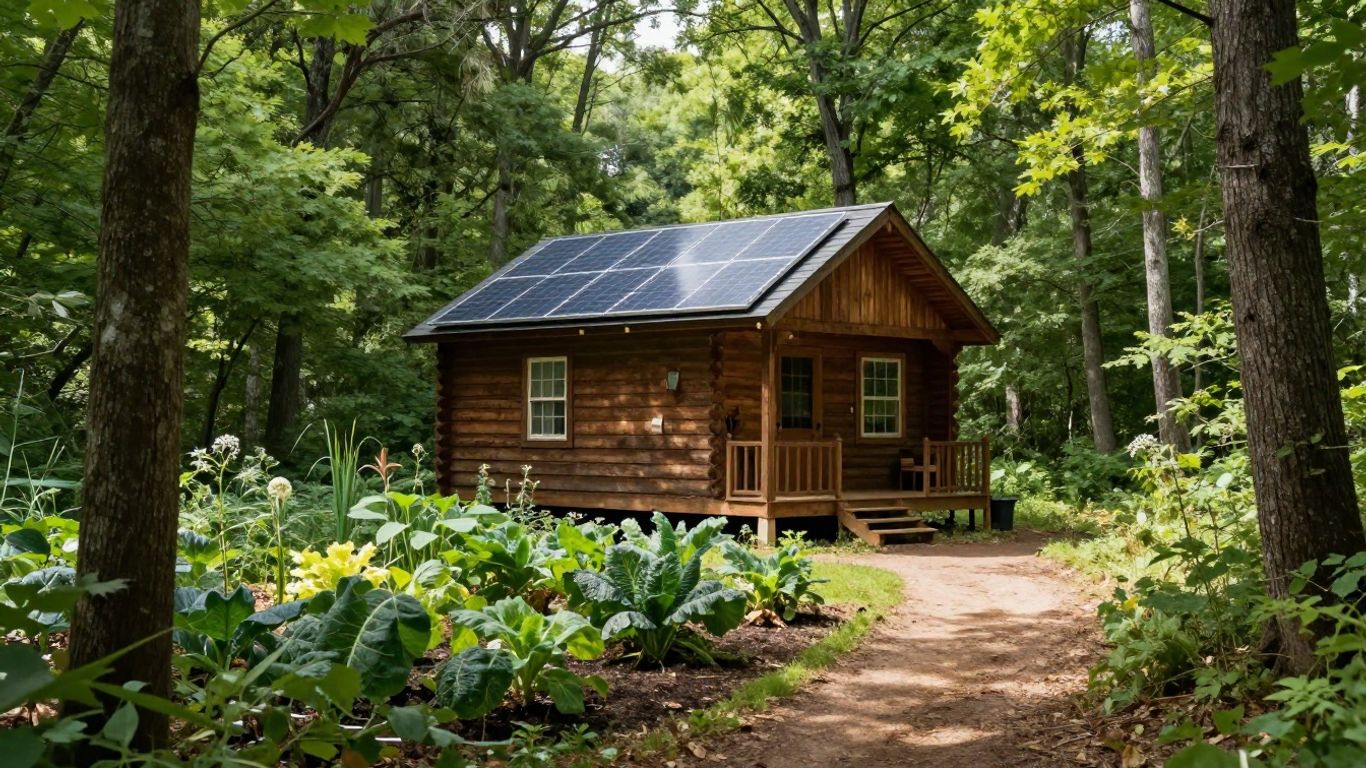
Living off-grid in Mississippi can lead to greater control over your budget, but there’s a lot more to it than just ditching your utility bills. If you’re used to monthly payments for water, power, and sewer, the costs that come with breaking away might surprise you at first. Underneath it all, the big decisions around taxes, incentives, and equipment purchases play a pretty big role in whether your budget keeps you afloat—or sinks your plans.
Tax Implications for Off-Grid Homes
Most counties in Mississippi still assess property taxes based on your land and permanent structures, even if your home isn’t connected to any utility grid. You’ll still pay property taxes, but homes off the grid are sometimes valued differently, depending on how finished or permanent they look.
- If your home is classified as a “cabin,” “shed,” or seasonal residence, expect lower rates in some rural areas.
- Large solar or wind installations don’t usually bump your assessment up by much—but check with your tax assessor to be sure.
- Agricultural use, such as gardening or raising livestock, may offer you a property tax break under the homestead or ag exemptions.
Tax Credits for Renewable Energy
Mississippi doesn’t offer a state-level tax credit for solar installations or wind turbines as of 2026, but the federal credit is still available. The federal Residential Clean Energy Credit lets you write off up to 26% of costs for qualified solar panels, wind turbines, or battery storage (check eligibility before you buy!).
Here’s a quick look:
| Item | Federal Credit | State Credit |
|---|---|---|
| Solar Panels | Up to 26% | None |
| Wind Turbines | Up to 26% | None |
| Battery Storage | Up to 26% | None |
Even without state incentives, it’s worth considering renewable upgrades for long-term savings, especially with the federal credit sticking around (for now).
Sales Tax on Off-Grid Equipment
Mississippi applies a base sales tax rate of 7% on most goods, including solar panels, batteries, plumbing parts, and generators. Some equipment that’s primarily for farm or agricultural use could be exempt or at a reduced rate. To get these discounts, you’ll usually have to fill out a form, and some items (like regular hardware or tools) might not qualify.
A few pointers:
- Always ask vendors about any available exemptions for farm use or home improvement.
- Save all purchase receipts and keep documentation on file, just in case tax questions come up later.
- If you plan seasonal or group purchases, bulk buying might save you on both sales tax and shipping.
It’s not just about saving a few bucks—it’s about making your budget predictable and reducing financial surprises.
Getting your head around the money side takes patience, but once you’re set up, a lot of the recurring bills and surprises just disappear. And that, more than anything, is worth the hassle for many folks who make the switch.
Legal and Bureaucratic Hurdles
Living off-grid in Mississippi can feel like a dream until you start dealing with all the rules, permits, and paperwork. If you’re thinking about setting up your homestead away from the grid, expect to spend plenty of time dealing with local offices and sorting through legal requirements. This section lays out what you need to know about legal and bureaucratic hurdles so you don’t get stuck halfway through your build—or worse, fined for something you didn’t even know was a rule.
Understanding Local Zoning Laws
Local zoning laws can really make or break your off-grid plans. These regulations tell you what you can build, where you can build it, and even how you can use your land. Here’s what you should pay attention to:
- Check the county and city zoning maps before purchasing land. Some areas ban certain types of building or limit lot sizes.
- Agricultural or rural-zoned land is usually more flexible for off-grid homes, but there can still be restrictions.
- Laws can govern how much water you can collect, where you compost, and the kinds of animals you’re allowed to raise.
The best move is to visit your county zoning office in person and ask a ton of questions—they’re used to it, and you’ll get answers straight from the source.
Permitting Requirements for Off-Grid Systems
Getting permits is nobody’s favorite part, but it’s a must. Permits apply to things like:
- Building and structure permits—tiny homes, cabins, barns, and sheds all count.
- Septic and waste permits—Mississippi counties are pretty strict about wastewater management.
- Electrical and solar permits—yes, even solar panels may need a permit, especially if you’re wiring them to a new building.
| Permit Type | Typical Requirement | Who to Contact |
|---|---|---|
| Dwelling construction | Building permit | County planning office |
| Septic/waste | Health department approval | County health department |
| Solar systems | Electrical/solar permit | County or city building dept. |
Failure to secure the right permits can mean fines or even being forced to tear down what you just built. Documentation is important—keep copies of every form you submit and every approval you receive.
Navigating Bureaucratic Processes
Getting through local bureaucracy requires patience and a lot of paperwork. Here are some steps to keep things from getting out of hand:
- Gather every document you think you’ll need—ID, land deed, site plans, environmental impact ideas.
- Keep a file or binder with all your paperwork, including meeting notes and official letters.
- Show up early or call ahead if you’re visiting offices, since hours can be unpredictable.
- Be persistent but polite. People working in these offices are more likely to help if you don’t turn things into an argument.
A lot of folks run into problems because they assume rules are the same everywhere, or they trust urban myths. In Mississippi, off-grid living is possible, but you have to handle the details—no shortcuts here.
Wrapping Up Your Off-Grid Mississippi Adventure
So, you’re thinking about ditching the grid in Mississippi? It’s definitely doable, and honestly, pretty appealing with all the land and resources the state has. We’ve talked about finding the right spot, understanding the rules – which can be a bit of a maze, let’s be real – and figuring out how to power your place and keep yourself fed. It’s not always easy, and there will be challenges, like dealing with the weather or just the day-to-day of managing your own systems. But for many, the freedom and connection to nature that comes with living off-grid is totally worth it. Do your homework, connect with others who are doing it, and get ready for a different kind of life here in the Magnolia State.
Frequently Asked Questions
Can I legally live off the grid in Mississippi?
Yes, you can live off the grid in Mississippi. However, you must follow state rules and local zoning laws. Making sure your home meets safety and health standards, especially for water and waste, is key.
What are the main benefits of living off the grid in Mississippi?
Living off the grid can save you money on utility bills and help the environment by using less energy. It also means you’re more self-reliant and connected to nature. Mississippi’s land and water make it a good place for this lifestyle.
What are the best ways to get power when living off the grid in Mississippi?
Solar panels are a popular choice because Mississippi gets a lot of sun. Wind turbines can also work well. Sometimes, using water power is an option too. It’s important to pick a system that fits your needs and the weather.
How do I find water if I live off the grid in Mississippi?
You can get water by drilling a well, collecting rainwater, or using nearby rivers or lakes. You’ll need to plan carefully to make sure you always have enough clean water for drinking, cooking, and other uses.
What are the biggest challenges of living off the grid in Mississippi?
Mississippi’s weather can be tough, with hot summers and cold winters, which can affect your power. You might also deal with wildlife and sometimes feel isolated from others. Planning ahead for these things is important.
Are there tax breaks for setting up off-grid systems in Mississippi?
Sometimes. Mississippi might offer tax credits or other incentives for installing renewable energy systems like solar panels. It’s a good idea to check what’s available to help lower your costs.
Explore more tiny home living, design, downsizing, building, and lifestyle resources.