Navigating North Carolina Tiny House Laws: Your Essential Guide

Thinking about building a tiny house in North Carolina? It’s a great idea, offering a simpler, more affordable way to live. But before you start dreaming about blueprints and miniature kitchens, you’ve got to get a handle on the rules. North Carolina’s laws for tiny homes can be a bit tricky, varying a lot from one town to the next. This guide breaks down what you need to know about north carolina tiny house laws so you can build your tiny dream without running into unexpected problems. We’ll cover everything from what the state considers a tiny home to where you can legally park or build one.
Key Takeaways
- North Carolina classifies tiny homes into two main groups: those on wheels (THOWs), often treated as RVs with placement restrictions, and those on foundations, which are subject to traditional building codes and zoning as dwellings or ADUs.
- Local zoning laws are the biggest factor; counties and cities have significant authority over where tiny homes can be placed and occupied, especially THOWs which are often limited to RV parks or campgrounds.
- Building permits are required for tiny homes on foundations, and these structures must comply with the North Carolina State Building Code, including the adoption of Appendix Q for homes under 400 sq ft.
- Thorough due diligence is vital when selecting land, including checking for access, easements, flood zones, and consulting directly with county planning and environmental health departments about specific property regulations.
- While living off-grid in a tiny house is possible, it requires careful attention to zoning, building codes, and securing appropriate financing and insurance, which can be more complex than for standard homes.
Understanding North Carolina Tiny House Classifications
When you’re thinking about a tiny house in North Carolina, the very first thing to figure out is how the state sees your particular dwelling. It really boils down to one big question: does it have wheels, or is it staying put?
Tiny Homes on Wheels (THOWs) as Recreational Vehicles
If your tiny house is built on a trailer or a chassis and is designed to be moved, North Carolina generally classifies it as a Recreational Vehicle (RV). This means it’s treated more like a vehicle than a traditional house. You’ll need to get it titled and registered with the NC Division of Motor Vehicles (NCDMV), just like any other RV. Because of this RV classification, you usually can’t just park it on a residential lot and live in it full-time. Most counties will only allow THOWs in designated RV parks or campgrounds. There are often limits on how long you can stay in one spot, too – many places cap it at 180 days.
Tiny Homes on a Foundation as Traditional Dwellings
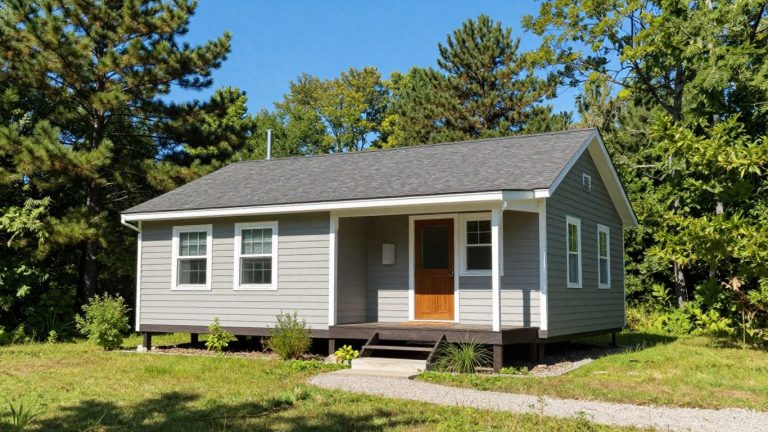
Now, if your tiny house is built on a permanent foundation, it’s a different story. In the eyes of the law, it’s considered a traditional dwelling or an Accessory Dwelling Unit (ADU). This means it has to be built according to the North Carolina State Building Code, which is pretty standard for any house. The state has adopted specific building code standards, like Appendix Q of the International Residential Code, which helps address the unique aspects of building tiny homes under 400 square feet. Even though it’s on a foundation, zoning still plays a big role in where you can put it.
The Role of Appendix Q in Tiny Home Building Codes
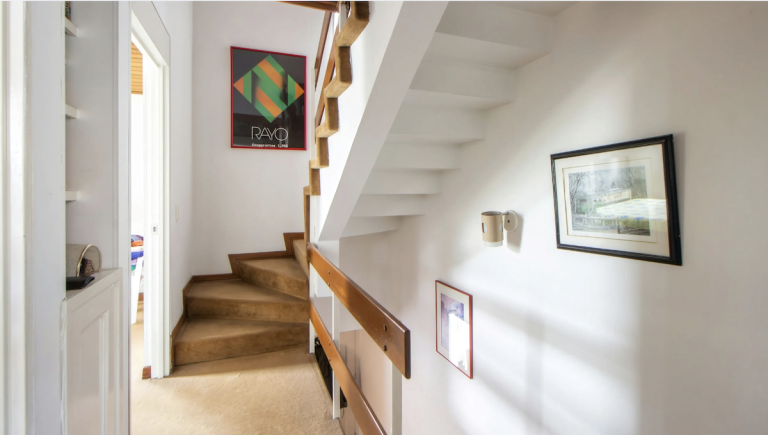
Appendix Q is a pretty big deal for tiny homes in North Carolina. It’s part of the International Residential Code (IRC) that the state has adopted. Basically, it provides specific guidelines for building tiny houses, especially those under 400 square feet. This appendix covers things that are unique to tiny homes, like how to safely incorporate lofts or design compact stairs. It helps make sure that even though the house is small, it still meets safety and habitability standards. Think of it as a special rulebook just for tiny dwellings, making it easier for builders and homeowners to comply with the code when constructing these smaller homes.
Navigating Local Zoning for Tiny Houses
When you’re thinking about putting a tiny house on your property in North Carolina, the local rules are the first big hurdle. It’s not just about finding a spot; it’s about making sure that spot is actually allowed by the county or city you live in. Every town and county has its own set of zoning ordinances, and these are the documents that tell you what you can and can’t build, and where.
County and Municipal Authority Over Tiny Homes
Basically, the state gives local governments the power to decide how land is used. This means your town or county zoning office is your go-to for all things tiny house related. They have zoning maps that show different districts – like residential, commercial, or agricultural. Where your property falls on these maps dictates what kind of structures are permitted. For instance, a tiny house might be allowed as a primary dwelling in one zone, but only as an accessory dwelling unit (ADU) in another. It’s a bit like a puzzle, and you need to figure out which pieces fit your specific location.
- Check your local zoning map: Find out which district your property is in.
- Read the zoning ordinance: Look for sections on accessory structures, ADUs, or specific tiny house regulations.
- Talk to the zoning department: They can clarify rules and answer questions about your specific situation.
Don’t assume anything. What’s allowed in one town might be completely forbidden just a few miles away. It pays to do your homework directly with the local authorities.
Zoning Restrictions for Tiny Homes on Wheels
Tiny homes on wheels (THOWs) often get a different set of rules compared to tiny homes on foundations. Many places classify THOWs as recreational vehicles (RVs). This usually means they can’t be used as a permanent dwelling. You might be able to park one temporarily, maybe for a guest or a short-term rental, but living in it full-time is often a no-go. Some areas might allow them in RV parks or specific zones, but you’ll need to dig into the local ordinances to see what’s permitted. It’s a common point of confusion, so clarifying the ‘RV vs. permanent dwelling’ status is key.
Accessory Dwelling Unit (ADU) Regulations
Accessory Dwelling Units, or ADUs, are becoming a popular way to allow tiny houses in backyards. An ADU is a second, smaller living unit on a single-family home lot. Many cities and counties are updating their zoning to specifically permit ADUs, and tiny houses fit this category well. However, there are usually rules about:
- Size: There might be minimum or maximum square footage requirements.
- Foundation: ADUs often need to be on a permanent foundation, meaning THOWs might not qualify.
- Utilities: They typically need to be connected to the main house’s water, sewer, and electrical systems.
- Lot Size: Your property might need to meet a minimum lot size to add an ADU.
- Owner Occupancy: Some places require the owner to live in either the main house or the ADU.
These regulations are designed to help increase housing density without drastically changing neighborhood character. It’s worth investigating if your area has ADU provisions, as this can be a straightforward path to placing a tiny house legally.
Building Permits and Code Compliance
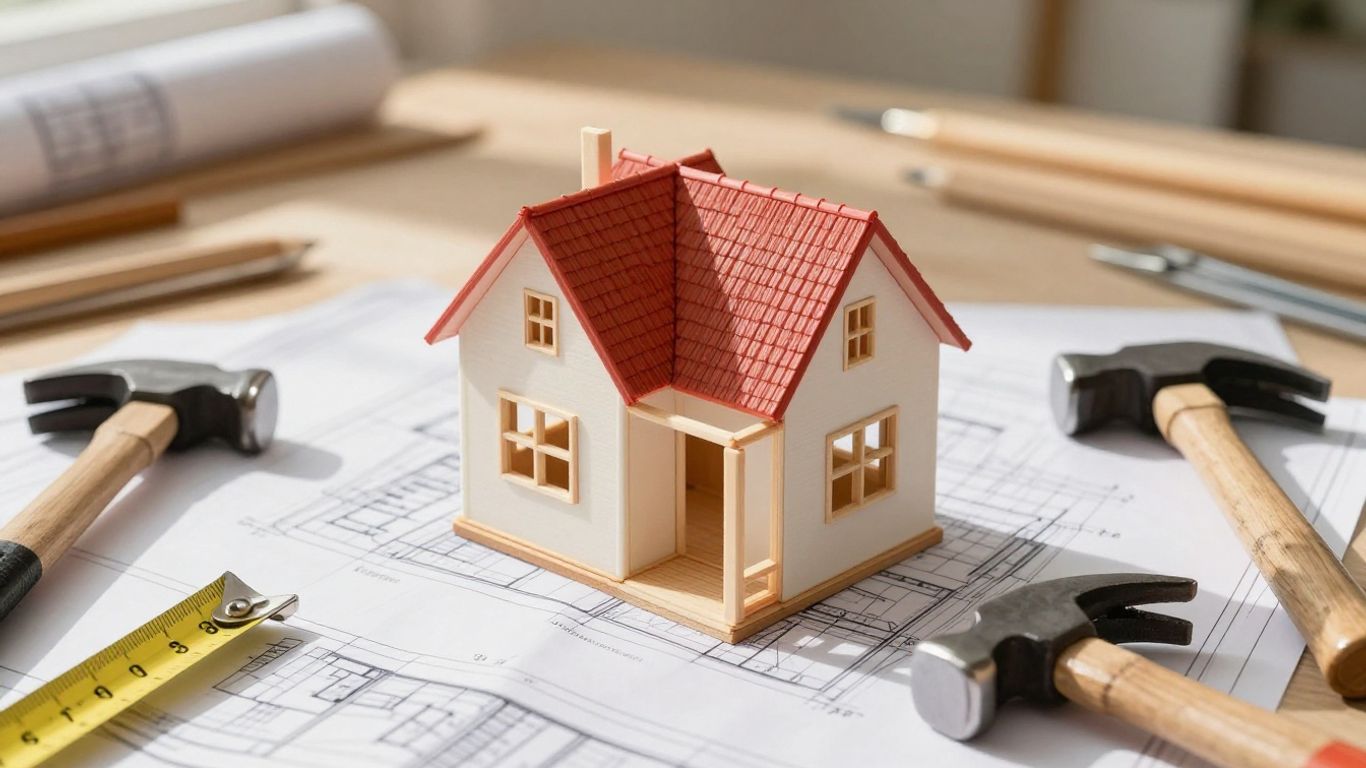
So, you’ve got your tiny house plans, and you’re ready to build. But before you even think about hammering a single nail, you’ve got to deal with the paperwork. This is where building permits and code compliance come in, and honestly, it can feel like a bit of a maze.
The Permitting Process for Backyard Tiny Houses
Getting the green light for a tiny house in your backyard isn’t usually a walk in the park. You’ll typically need to submit a stack of documents to your local building department. This usually includes detailed architectural drawings, site surveys, and sometimes even energy modeling reports. The fees can add up, often ranging from a few hundred to over a thousand dollars, depending on the size and complexity of your project. The review process itself can take anywhere from a couple of weeks to a couple of months, especially with recent policy changes that aim to streamline things. It’s a good idea to check with your county’s planning department early on; many offer pre-application meetings where you can discuss your project and get preliminary feedback. This can save you a lot of headaches down the road. For a clearer picture of what’s involved, you can look into what counties in North Carolina allow tiny houses.
North Carolina State Building Code Requirements
North Carolina has its own set of building codes that your tiny house must meet. These codes are designed to ensure safety and structural integrity. For instance, the state building code often mandates specific framing techniques, like using 2×6 studs for better energy efficiency. You’ll also find requirements for things like electrical outlets (GFCI outlets are a must) and plumbing systems. Depending on where you are in the state, there might be additional requirements for things like wind load resistance, especially in coastal areas. If you’re looking at a modular tiny home, it will need to be certified under the North Carolina Modular Construction Program. It’s all about making sure your home is safe and sound.
Inspections and Final Occupancy
Once construction is underway, you’ll have to schedule a series of inspections. These aren’t just a formality; they’re critical checkpoints. You’ll likely have inspections for the foundation, framing, electrical work, plumbing, and finally, a sign-off for occupancy. Each inspection ensures that the work done so far meets code. It’s best to work with builders who understand this process and can help you schedule these inspections smoothly. Getting final occupancy means the building inspector has signed off on everything, and your tiny house is officially ready to be lived in. It’s the final step in making sure your home is compliant and safe.
It’s always wise to get official confirmation in writing from local authorities regarding any permits or zoning allowances. This creates a helpful paper trail and can prevent misunderstandings later on.
Key Considerations for Tiny House Placement
So, you’ve got your tiny house plans all sorted, but where exactly can it go? This is where things can get a little tricky, and honestly, a bit of a headache if you’re not careful. It’s not just about finding a pretty spot on your land; you’ve got to think about a whole bunch of practical stuff.
Site Selection and Property Due Diligence
First off, let’s talk about the actual ground your tiny house will sit on. You want a spot that’s relatively flat and drains well. Nobody wants their new home sinking into a muddy mess after a good rain, right? You’ll also want to check out FEMA maps to make sure you’re not in a flood zone. Seriously, this is a big one, especially if you’re anywhere near the coast or a river. It affects insurance and, more importantly, your safety. If you’re buying land, do your homework. Look into soil reports, especially if you’re in areas like the Piedmont where the soil can be a bit… challenging. This might mean you need extra work done on the foundation, which adds to the cost and timeline. It’s always better to find out these things before you buy or build.
Understanding Easements and Property Access
Think about how you’re going to get to your tiny house. Do you have enough space for a driveway? What about utility hookups – water, sewer, electricity? Sometimes, you might need an easement, which is basically a legal right to use someone else’s land for a specific purpose, like running a utility line or creating an access path. This can get complicated fast, involving neighbors and legal paperwork. Make sure there’s clear, unobstructed access, ideally at least 10 feet wide, for vehicles and emergency services. You don’t want your dream tiny home to be inaccessible.
Flood Zones and Environmental Overlays
We touched on flood zones, but it’s worth repeating. North Carolina has a lot of coastline and waterways, and flood regulations are no joke. If your property is in a flood-prone area, you’ll likely need to elevate your tiny house. This means special foundation work and can significantly increase costs. Beyond floods, there are other environmental considerations. Are there protected wetlands on your property? Are you in an area with specific tree ordinances? These ‘environmental overlays’ can dictate where you can and cannot build, or what kind of site prep you’re allowed to do. It’s all about protecting natural resources, but it can definitely impact your placement options.
Legal and Practical Aspects of Tiny House Living
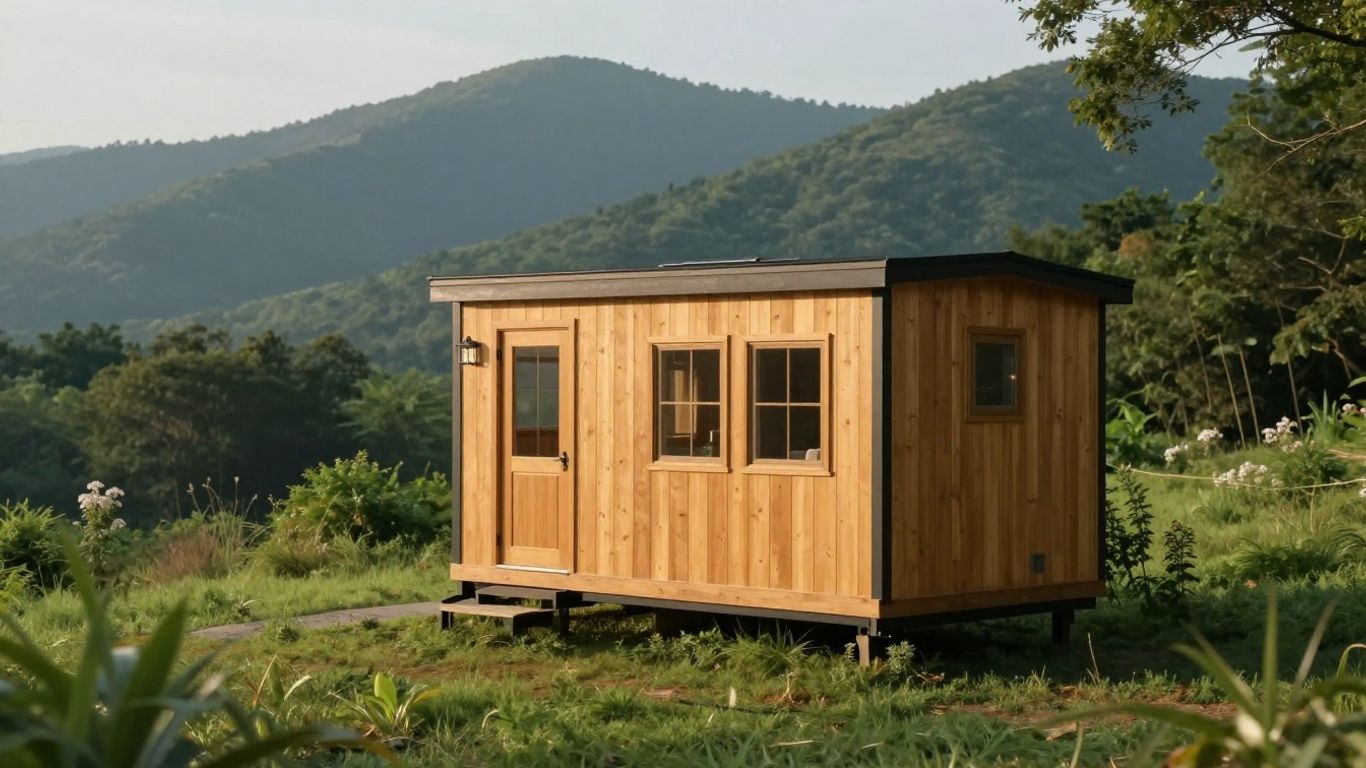
So, you’re thinking about embracing the tiny house lifestyle in North Carolina? That’s awesome! But before you start dreaming about minimalist living, let’s get real about some of the legal and practical stuff. It’s not always as simple as just parking your tiny home somewhere and calling it a day.
Temporary vs. Permanent Structure Rules
This is a big one. In North Carolina, how your tiny house is built and whether it’s on wheels or a foundation really matters. Tiny homes on wheels (THOWs) often get lumped in with recreational vehicles (RVs). This means they might be okay for short-term stays or in specific RV parks, but many towns and counties don’t allow them as permanent residences. They worry about things like sanitation and creating informal neighborhoods. On the other hand, a tiny house built on a permanent foundation is usually treated more like a traditional home or an Accessory Dwelling Unit (ADU). This means it has to meet all the standard building codes, which can be more involved, but it generally gives you a clearer path to legal, long-term occupancy.
- THOWs: Often classified as RVs, good for temporary use, but usually not for full-time living in residential zones.
- Foundation Tiny Homes: Treated like traditional homes or ADUs, requiring full code compliance but offering more stability and legal residency options.
Off-Grid Living in North Carolina Tiny Houses
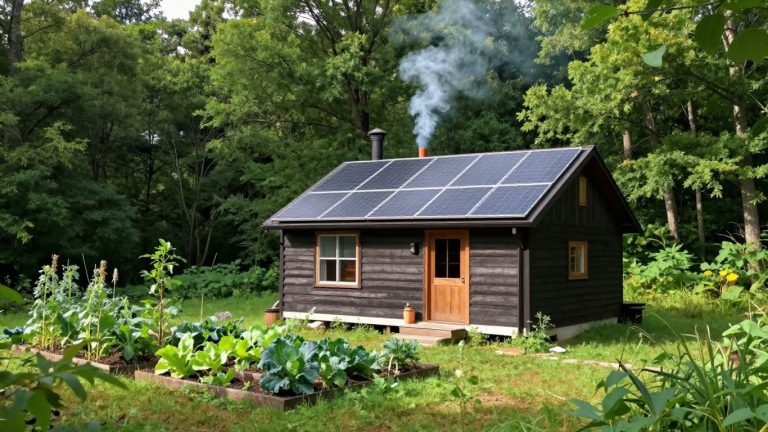
Living off the grid in your tiny house sounds pretty appealing, right? Think solar panels, composting toilets, and well water. It’s definitely possible in North Carolina, but you’ve got to do your homework. You’ll need to make sure your setup complies with state and local health and environmental regulations. This can include rules about waste disposal (even with composting toilets), water sources, and energy systems. Some areas might be more welcoming to off-grid living than others, so checking local ordinances is key. Don’t forget about potential future changes in regulations, too.
You’ll need to investigate specific requirements for water, waste, and power systems. Local health departments are often the best resource for understanding these rules, especially concerning septic or greywater systems if you’re not connecting to municipal services.
Financing and Insurance for Tiny Homes
Getting a loan or insurance for a tiny house can be a bit of a puzzle. Traditional lenders might not be set up to finance homes that are significantly smaller than average or that are on wheels. You might need to look into personal loans, RV loans (for THOWs), or specialized tiny house financing options. Insurance is similar. A standard homeowner’s policy might not cover a tiny house, especially if it’s a THOW or if you’re living off-grid. You’ll likely need to find insurers who specialize in tiny homes or RVs and be prepared to provide details about your specific setup, including any off-grid systems you’re using. It’s wise to secure financing and insurance before you buy or build.
Here’s a quick look at what to consider:
- Financing: Explore personal loans, RV loans, or specialized tiny house lenders. Traditional mortgages may not apply.
- Insurance: Seek policies designed for tiny homes or RVs. Be ready to detail your home’s construction and systems (like off-grid power).
- Appraisal: Getting your tiny home appraised can be tricky, as there isn’t always a clear market comparison. This can impact loan amounts and insurance values.
The Evolving Landscape of Tiny Homes in NC
The world of tiny homes in North Carolina is really starting to shift. It feels like just yesterday we were talking about these as a niche idea, but now, with housing prices going up and up, more people are looking at smaller, more affordable options. It’s exciting to see things changing!
Recent Legislative Proposals for ADUs
There’s been some movement in the state legislature to make things clearer, especially for Accessory Dwelling Units (ADUs). Think of bills that try to set some statewide standards for these backyard additions. This could mean fewer headaches for homeowners wanting to add a small dwelling to their property. It’s all about trying to make it easier to build these units, which is a big step forward.
Pilot Programs for Tiny Home Communities
Some cities are getting creative and trying out new ideas. You might have heard about pilot programs in places like Raleigh or Charlotte that are looking at designated spots for tiny homes, especially those on wheels (THOWs). These programs are basically testing grounds. They help officials figure out what works, how people live in them, and what rules might be needed. The data they collect could shape future statewide rules, which is pretty neat.
Advocacy for Broader Tiny House Acceptance
There are groups out there really pushing for tiny homes to be more accepted. They’re talking to lawmakers, sharing information, and generally trying to get the word out about the benefits of tiny living. Their goal is to make it simpler to build and place tiny homes, whether they’re on foundations or wheels. This advocacy is a big reason why we’re seeing changes happen. It’s not just about having a place to live; it’s about offering more choices and making housing more accessible for everyone in North Carolina.
Key Trends
- Increasing interest due to rising housing costs.
- Legislative efforts to standardize ADU rules.
- Local pilot programs exploring THOW communities.
- Active advocacy groups promoting tiny home acceptance.
The push for more tiny home options is part of a larger conversation about housing affordability and sustainable living. As more communities explore these solutions, we can expect to see more innovative approaches to zoning and building codes across the state.
Your Tiny House Journey in North Carolina
So, you’re thinking about a tiny house in North Carolina? It’s a great idea, really. The state has a lot to offer, from mountains to the coast. But as we’ve seen, the rules can be a bit tricky. Remember, tiny homes on wheels are usually treated like RVs, meaning you can’t just park them anywhere full-time. Homes on a foundation, though, are more like regular houses and have different rules. It’s always best to check with your local county office first. They’ll know the specifics for your area. Building a tiny home can be a fantastic way to live more simply and affordably, and with a little homework, you can make it work here in North Carolina.
Frequently Asked Questions
Can I legally put a tiny house in my backyard in North Carolina?
Yes, in many parts of North Carolina, you can put a tiny house in your backyard. It’s usually allowed if it’s set up as a permanent structure or an Accessory Dwelling Unit (ADU). However, the exact rules depend heavily on your specific county and town. Always check with your local planning office first, as they have the final say on zoning.
What’s the main difference between a tiny house on wheels and one on a foundation?
A tiny house on wheels (THOW) is treated like a mobile home or RV. This means it can be moved, but it’s often not allowed for full-time living in regular neighborhoods. A tiny house on a foundation is treated like a regular house. It needs a solid base and must follow all the building rules for houses, but it’s generally easier to get permission to live in it permanently.
Are there minimum size rules for tiny houses in North Carolina?
North Carolina has adopted guidelines, called Appendix Q, that offer rules for tiny houses. These rules generally cover homes between 100 and 400 square feet. Some towns might have their own minimum size requirements, especially for ADUs, so it’s important to check local rules to be sure.
Where in North Carolina can I legally place my tiny house?
You can place a tiny house in various spots, like RV parks, tiny house communities, or on private land if zoning allows. If it’s on wheels, RV parks are often the most straightforward option. If it’s on a foundation, it might be placed on your own land as an ADU, but this depends entirely on local zoning laws. Always confirm with your local authorities.
Do I need a building permit for a tiny house in North Carolina?
Yes, you almost always need a building permit for a tiny house, especially if it’s on a foundation or intended as a permanent dwelling. The process involves submitting plans and undergoing inspections to make sure everything is built safely and follows the North Carolina Building Code. Even tiny houses on wheels might need permits depending on local rules.
Is it possible to live off the grid in a tiny house in North Carolina?
Living off the grid in a tiny house in North Carolina is possible, but it has its own set of challenges. You’ll need to make sure your setup meets all local building and zoning rules, which can be tricky for off-grid systems. You also need to consider how you’ll get power, water, and handle waste, and ensure these meet any required standards. Financing and insurance can also be more complex for off-grid tiny homes.
Explore more tiny home living, design, downsizing, building, and lifestyle resources.
- Tiny Homes for Rent in Wyoming: Wild West Getaways to Book
- Tiny Homes for Rent in Washington: Forest Escapes & Cozy Stays
- Tiny Homes for Rent in Utah: Red Rock Retreats to Book
- Tiny Homes for Rent in Oregon: Forest Retreats You’ll Love
- Tiny Homes for Rent in New Mexico: Desert Gems & Starry Skies
- Tiny Homes for Rent in Nevada: Desert Hideaways Worth Booking