Arizona Tiny Home Laws: What You Need to Know Before Building in 2026
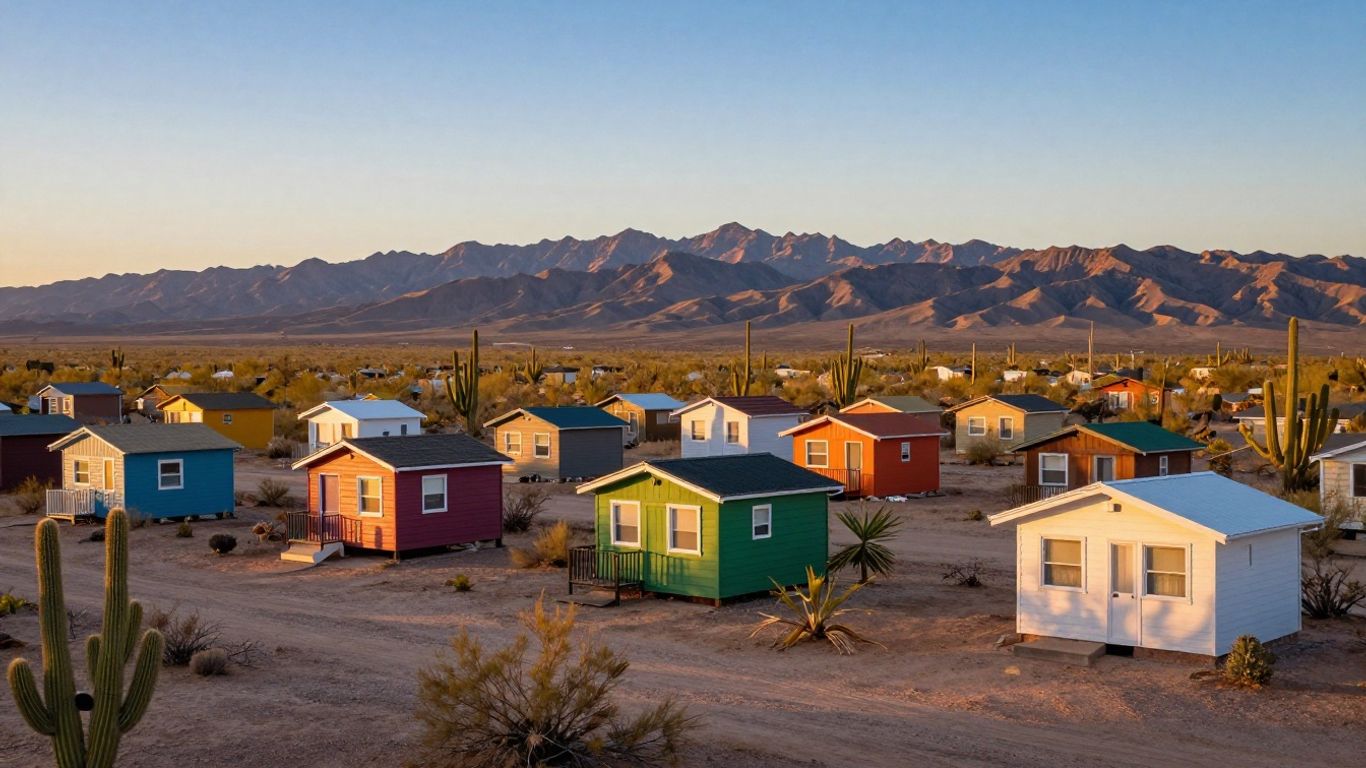
The dream of living small is getting more popular in Arizona, and for good reason. It’s a way to save money and live a simpler life. But before you start planning your tiny home, you really need to understand the rules. Arizona tiny home laws can be a bit tricky because they change a lot depending on where you want to build. This guide will help you figure out what you need to know so your tiny home project goes smoothly.
Key Takeaways
- Arizona tiny home laws vary significantly by county and city, so always check local ordinances first.
- Tiny homes on wheels (THOWs) are often classified as RVs, while homes on permanent foundations follow residential building codes.
- Understand minimum square footage requirements, as some areas have them, while others don’t.
- Permits are necessary for building, and the type of permit depends on whether your tiny home is permanent or mobile.
- Consider Arizona’s climate when choosing building materials and designs for durability and comfort.
Understanding Arizona Tiny Home Laws
So, you’re thinking about building a tiny home in Arizona? That’s awesome! It’s a great way to live more simply and maybe save some cash. But before you start dreaming about blueprints and tiny kitchens, we really need to talk about the rules. Arizona is pretty cool about tiny homes, but it’s not exactly a free-for-all. There are definitely laws and regulations you’ve got to follow, and they can get a bit complicated because they change depending on where you want to put your tiny house.
Key Regulatory Principles for Tiny Homes in Arizona
When you’re looking at building a tiny home here, there are a few big ideas to keep in mind. First off, Arizona generally follows the International Residential Code (IRC), especially Appendix Q, which is like a standard rulebook for building. This helps make sure your tiny home is safe, has good airflow, and meets basic living standards. But here’s the kicker: the state gives a lot of power to individual cities and counties to make their own specific rules. So, what’s okay in one town might not fly in the next.
- Zoning is King: This is probably the most important thing. Where you can put your tiny home is dictated by local zoning laws. Some areas are super welcoming, while others are pretty strict.
- Size Matters (Sometimes): While there’s a general idea of what a tiny home is (often under 400 sq ft), some places might have their own minimum square footage requirements, especially if it’s going to be your main house.
- Foundation vs. Wheels: How you classify your tiny home – whether it’s on a permanent foundation or on wheels (like an RV) – makes a big difference in how it’s regulated.
It’s really important to remember that these rules can change. What’s true today might be different next year, so always double-check with your local government before you get too far into your plans.
The Importance of Zoning in Arizona Tiny Home Projects
Zoning is basically the rulebook for how land can be used in a specific area. For tiny homes, this is where most of the confusion happens, but also where you can avoid a lot of headaches. Think of it like this: you can’t just put a giant commercial building in a quiet residential neighborhood, right? Zoning prevents that. The same applies to tiny homes. Some areas might allow them as a main house, others only as an "accessory dwelling unit" (ADU) – that’s like a smaller guest house or casita on your property – and some might not allow them at all.
- Accessory Dwelling Units (ADUs): Many cities are becoming more open to ADUs, which can be a great way to place a tiny home legally. Often, there’s a rule that the main house on the property must be occupied by the owner.
- Single-Family Zones: These are usually the trickiest. Some single-family zones might have minimum house size requirements that a tiny home just won’t meet.
- Rural vs. Urban: Generally, you’ll find more flexibility in rural areas where land is more plentiful and regulations might be less strict. Cities tend to have more detailed and sometimes more restrictive rules.
Navigating Local Ordinances for Tiny Home Placement
Once you’ve got a handle on the general zoning, you’ve got to dig into the specific local ordinances. These are the detailed rules that a particular city or county puts in place. It’s like the difference between the national speed limit and the speed limit on a specific street in your town. You need to know both!
- Check with Your City/County Planning Department: This is your go-to resource. They can tell you exactly what’s allowed, what’s not, and what permits you’ll need.
- Understand Setbacks and Lot Coverage: Local rules often dictate how close you can build to property lines (setbacks) and how much of your lot can be covered by structures. Tiny homes, even small ones, still need to comply.
- HOA Rules: If you’re looking at a place with a Homeowners Association (HOA), be aware that they can have their own rules that might prohibit tiny homes, even if the city allows them. It’s always best to check the HOA’s Covenants, Conditions & Restrictions (CC&Rs).
Arizona Tiny Home Zoning and Classification
Foundation vs. Wheels: Classification Matters
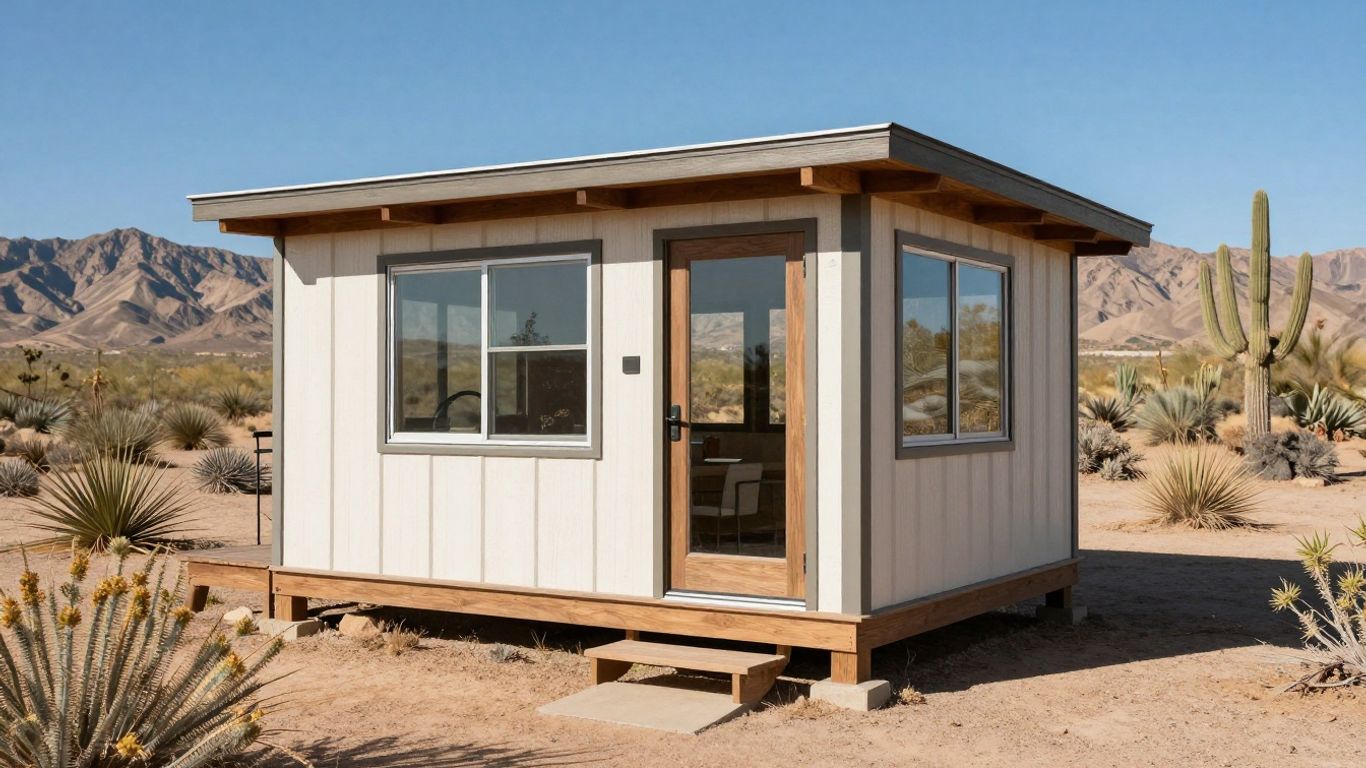
When you’re thinking about building a tiny home in Arizona, one of the first big questions you’ll run into is how it’s classified. This isn’t just some bureaucratic detail; it really changes where and how you can legally put your home. Basically, Arizona law tends to look at tiny homes in two main ways: those built on a permanent foundation and those that are on wheels.
The distinction between a foundation-built tiny home and a Tiny House on Wheels (THOW) is probably the most significant factor influencing your project’s path. It affects everything from building permits to where you can park it long-term.
Tiny Houses on Wheels (THOWs) as RVs
Many places in Arizona treat THOWs pretty much like recreational vehicles (RVs). This can be a good thing because RVs have a more established set of rules in many areas. You might find that placing a THOW is easier in certain zones, especially if the local ordinance specifically allows RVs. However, this classification also comes with its own set of requirements.
- Placement Restrictions: THOWs often can’t be used as a permanent primary residence. They might be limited to RV parks, designated tiny home communities, or specific zones that allow RVs. Some areas might only permit them for short-term stays.
- Certification: Depending on the location and how you plan to use it, your THOW might need to meet specific standards, like those set by RVIA (Recreational Vehicle Industry Association) or ANSI A119.5. This ensures a certain level of safety and construction quality.
- Utility Hookups: Getting utilities connected can sometimes be trickier for THOWs compared to permanent structures. You’ll need to check local rules about water, sewer, and electrical hookups.
Permanent Foundation Tiny Homes and Residential Standards
If your tiny home is built on a permanent foundation, it’s generally treated more like a traditional house. This means it has to follow standard residential building codes and zoning regulations. This route often leads to more straightforward acceptance as a primary dwelling.
- Building Codes: These homes must comply with the International Residential Code (IRC), just like any other house. This covers everything from structural integrity to plumbing and electrical systems.
- Zoning: You’ll need to find a location zoned for single-family residences or other dwelling types that permit primary homes. Some areas might have minimum square footage requirements that a tiny home could struggle to meet, so checking local zoning is key.
- Permitting: The permitting process for a foundation tiny home is usually more involved than for a THOW, as it’s treated as a new construction. You’ll likely need detailed building plans and inspections throughout the construction process.
The classification of your tiny home—whether it’s on wheels or a foundation—is the bedrock of your legal compliance in Arizona. Get this wrong, and you could face significant hurdles down the road, from fines to being told you can’t live in your own home. Always confirm the local definitions and requirements before you buy land or start building.
Here’s a quick look at how some counties might view these classifications:
| County | Tiny House on Wheels (THOW) | Permanent Foundation Tiny Home | Notes |
|---|---|---|---|
| Yavapai | Often treated as RV | Generally accepted as primary | Known for being more flexible with tiny homes. |
| Maricopa | May require RV park | Allowed in certain zones | Stricter minimum size rules may apply. |
| Pima | Less common, may need RV park | More readily accepted | Supports ADUs, often prefers foundation structures. |
| Coconino | May face seasonal limits | Subject to standard codes | Focus on safety and insulation due to climate. |
| Mohave | Flexible on rural parcels | Flexible on rural parcels | Good options for off-grid setups. |
Remember, this is a general guide. Always check with the specific city or county planning department for the most accurate and up-to-date information for your chosen location.
Building Codes and Standards in Arizona
Adherence to International Residential Code (IRC)
When you’re building a tiny home in Arizona, you’ll find that the state generally follows the International Residential Code (IRC). This is a big deal because it gives builders a standard set of rules to follow, making things more predictable. Think of it as a common language for construction. However, the way these codes are actually put into practice can differ quite a bit from one county to another. So, while the IRC is the starting point, you absolutely have to check with your local building department to get the exact requirements for your specific location. It’s not just about following the book; it’s about making sure your tiny home is safe and legal where you plan to put it. For a general overview of how these codes might apply, you can look at resources like the Arizona State Legislature site, but always confirm locally.
Plumbing, Electrical, and Structural Requirements
Beyond the general IRC guidelines, there are specific areas that get a lot of attention for tiny homes: plumbing, electrical, and structural integrity. These aren’t just suggestions; they’re mandatory. For plumbing, you need to make sure you have proper hookups for water and waste, and that everything is up to code to prevent leaks or contamination. Electrically, tiny homes usually need an electrical panel of at least 60 amperes, which is pretty standard for a small dwelling. Structurally, the house needs to be sound, especially considering Arizona’s climate. This means it needs to withstand potential issues like strong winds or even seismic activity in some areas. Inspections are often required to make sure all these systems are installed correctly and safely. It’s all about making sure your tiny home is a safe place to live, no matter its size.
Specifics for Permanent Tiny Homes
If you’re planning on a tiny home that’s going to stay put on a permanent foundation, there are some extra details to consider. These homes need to meet robust construction standards to ensure they’re built to last. This often includes things like enhanced underfloor insulation, which is super important in Arizona’s varied temperatures. You’ll also need to meet minimum ceiling height requirements, typically at least 6’4″. For any permanent tiny home, you’ll need to have at least one designated bedroom that includes an emergency exit, which is a key safety feature. These requirements are designed to make sure that even though the home is small, it’s still a safe and comfortable place to live. You can find more details on these specific requirements for permanent tiny homes in Arizona to get a clearer picture.
County-by-County Zoning in Arizona
Local Nuances in Arizona Tiny Home Regulations
Arizona’s approach to tiny homes isn’t a one-size-fits-all deal. Because zoning laws are handled at the county and city level, what’s allowed in one place might be a no-go just a few miles down the road. This means you really need to do your homework for the specific area where you plan to build or park your tiny house. Some counties are really embracing tiny living, while others are still figuring it out or have stricter rules.
Yavapai County Example: Foundation vs. THOW
Yavapai County is often mentioned as being pretty friendly to tiny homes, especially for those looking for more freedom. They tend to be more open to both tiny houses on wheels (THOWs) and those built on permanent foundations. However, even in a welcoming county like Yavapai, there can be differences. For instance, placing a THOW might be treated more like an RV, with specific rules about where it can be parked long-term, while a foundation-built tiny home might need to meet standard residential building codes. It’s always best to check directly with Yavapai County planning and zoning to get the latest details for your specific situation.
Cities and Rural Counties: Different Approaches
When you look at Arizona, you’ll see a clear split between how larger cities and more rural counties handle tiny homes. Big cities like Phoenix or Tucson might have specific ordinances for Accessory Dwelling Units (ADUs), which could include tiny homes on foundations, but they often come with minimum size requirements and strict placement rules. They might also be more hesitant about THOWs. On the other hand, many rural counties are more flexible, especially in areas zoned for agriculture or lower density. They might be more open to THOWs or smaller, off-grid structures, seeing them as a way to provide affordable housing options. But don’t assume rural means no rules; they still have their own set of requirements, often focused on things like septic systems and well access.
Here’s a general idea of how some areas might approach it:
- Pima County: Generally supportive of tiny homes on foundations, often allowing them as ADUs. THOWs might be more restricted.
- Maricopa County (including Phoenix, Mesa, Chandler): Varies greatly. Some cities allow ADUs (foundation tiny homes) with specific rules, while THOWs are often not permitted for permanent living.
- Coconino County: Focuses on safety and compliance, especially with harsh weather. Permanent foundations are often preferred, and THOWs may be limited to RV parks.
- Mohave County: Tends to be flexible, particularly in rural areas, with more options for off-grid and THOW living.
Always remember that these are general trends. The exact rules can change, and specific zoning districts within a county or city will have their own unique requirements. It’s your responsibility to confirm the local regulations before you buy land or start building.
Permitting and Legal Placement Options
So, you’ve decided to build a tiny house in Arizona. That’s awesome! But before you start dreaming about paint colors, let’s talk about the paperwork and where you can actually put your new home. It’s not as complicated as it sounds, but you definitely need to pay attention to the details.
Permits Required for Building a Tiny House
Permits are basically the county’s way of making sure your tiny house is safe and legal. Whether it’s on wheels or has a permanent foundation, you’ll likely need a few different ones. Think of it like getting a driver’s license for your house. You can’t just drive around without one, right?
Here’s a quick rundown of what you might need:
- Building Permit: This is usually for tiny homes on a permanent foundation. It covers the structure, how it’s built, and energy efficiency.
- Electrical Permit: If you’re hooking up to the grid or installing solar panels, you’ll need this. It ensures your wiring is safe.
- Plumbing Permit: For traditional water and sewer hookups, or if you’re setting up a septic system or greywater setup.
- Mechanical Permit: This covers your heating and cooling systems, like mini-splits or furnaces.
It’s important to remember that even if you’re building a tiny house on wheels (THOW), you might still need permits, especially if you plan to connect to utilities or stay in one place for a while. Always check with your local county planning department. They are the ones who hold the keys to what’s allowed. You can start by checking local zoning regulations in Arizona.
Legal Placement Options Across Arizona
Okay, so you’ve got your permits. Now, where does this tiny house actually go? Arizona offers a few different avenues, and your choice will depend a lot on whether your home is on wheels or a foundation.
- Tiny House Communities: These are becoming more common. They’re like planned neighborhoods specifically for tiny homes, and they usually have all the zoning and utility stuff sorted out already. It’s a pretty straightforward option if you can find one that fits your needs.
- RV Parks: If your tiny house is on wheels and meets RV standards, you can often park it in an RV park. This is a popular choice for THOWs, but be aware that some parks have limits on how long you can stay unless you’re a registered resident.
- Rural and Agricultural Land: This is where things get interesting, especially in counties like Yavapai or Mohave. These areas often have more relaxed rules, and many people choose them for off-grid living. You’ll need to be extra diligent about checking zoning here, though.
- Backyard ADUs (Accessory Dwelling Units): In some cities and counties, you might be able to place a tiny home on your own property as a secondary dwelling. This usually requires a permanent foundation and adherence to specific setback rules.
The type of tiny home you build significantly impacts where you can legally place it. A THOW has more flexibility in some areas, while a foundation home might be treated more like a traditional house, requiring a standard residential lot.
Considerations Before Choosing Land for Your Tiny Home
Finding the perfect spot for your tiny house involves more than just liking the view. There are practical things to think about that can make or break your plans.
- Access: Can a construction crew and your tiny home actually get to the site? Think about road access, especially for larger deliveries or if you’re using a trailer.
- Utilities: How will you get water, power, and deal with waste? Off-grid systems are an option, but they come with their own set of challenges and costs. Make sure the land can support your chosen utility setup.
- HOAs and Covenants: If you’re looking at land in a planned community or with a Homeowners Association, check their rules. Many HOAs have strict rules against tiny homes or unconventional structures.
- Future Development: What’s the plan for the surrounding area? You don’t want to buy land only to have a highway built next to it a few years later.
Picking the right piece of land is probably one of the most important steps in the whole tiny house journey. It’s not just about the dirt; it’s about the rules, the access, and how it all fits together with your lifestyle. Take your time with this part. It’s worth it to get it right from the start.
Remember, zoning laws can change, and local ordinances are key. Always do your homework and talk to the local planning and zoning departments before you buy land or start building. It’ll save you a lot of headaches down the road.
Climate-Specific Building for Arizona
Choosing the Right Tiny Home Type for Arizona’s Climate
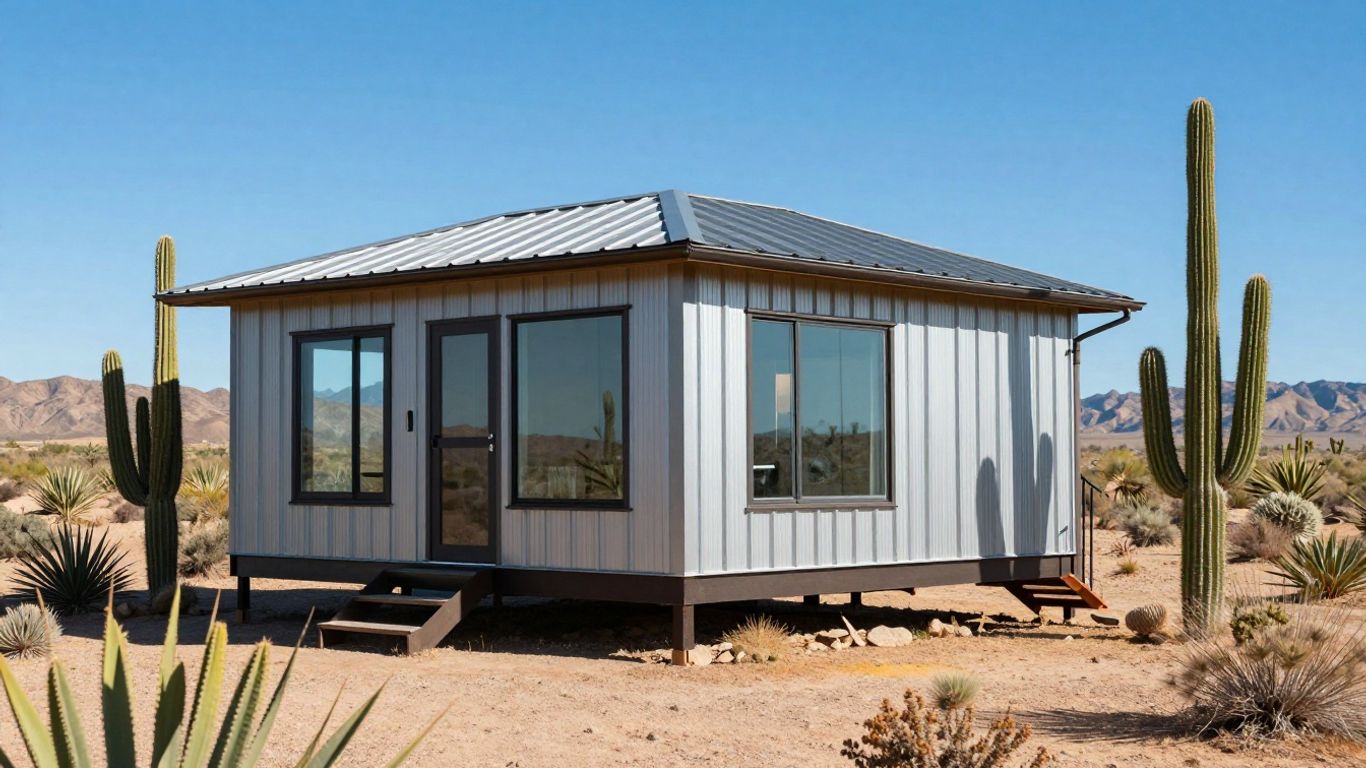
Arizona’s weather is a big deal when you’re thinking about building a tiny house. We’re talking about super hot summers, surprisingly chilly desert nights, those wild monsoon storms, and a whole lot of sun. All these things really shape what kind of tiny home works best.
- Tiny Houses on Wheels (THOWs): These are great if you want to move around or if zoning is tricky. You’ll likely need RV certification to park in RV parks. Just remember, the metal frame can get really hot, so extra insulation is key.
- Foundation-Built Tiny Homes: These are treated more like regular houses. They cost more upfront and take longer, but they’re super stable. Plus, they’re much easier to insulate properly against that intense heat.
Materials That Perform Well in Arizona Weather
Picking the right stuff to build with is probably one of the most important choices you’ll make. The desert climate here is tough. If you pick the wrong materials, they can warp, fade, crack, or just trap heat, making your tiny home a pain to keep cool and expensive to run.
Here’s a quick rundown of what holds up well:
- Fiber cement siding: This stuff is tough, won’t catch fire easily, and doesn’t get messed up by the sun. It’s way better than wood that can warp.
- Metal roofing with a reflective coating: This is a double win. It reflects the sun’s heat away, keeping your place cooler, and it’s great for handling those heavy monsoon rains.
- Closed-cell spray foam insulation: This is top-notch for blocking heat and keeping moisture out. It really helps keep your indoor temps steady.
- Low-E double-pane windows: These are designed to stop heat from getting in, making your home more energy-efficient.
- Composite decking: Unlike regular wood, this stuff can handle tons of sun without splintering or fading.
Eco-Friendly Building Practices for Arizona
Building green in Arizona means thinking smart about resources, especially water and energy. Luckily, the state’s sunshine is a huge advantage for solar power.
- Passive Cooling: Design your home to catch those desert breezes. Orienting windows and using deep eaves can make a big difference in keeping the sun off your walls.
- Solar Power: With so much sun year-round, solar panels are a really efficient way to power your tiny home.
- Water Conservation: Look into things like greywater systems (where allowed) to reuse water for landscaping. Native plants also need way less water.
Building a tiny home in Arizona isn’t just about fitting it onto a small plot of land; it’s about making it work with the environment. Thinking about how the sun, wind, and rain will affect your structure from the start saves a lot of headaches later on. It’s about building smart, not just building small.
Wrapping Up Your Arizona Tiny Home Journey
So, building a tiny home in Arizona is definitely doable, but it’s not as simple as just picking a spot and starting construction. You’ve got to do your homework on local rules, which can change from one town or county to the next. Whether you’re looking at a tiny house on wheels or one with a foundation, understanding the specific requirements for size, placement, and even utilities is key. It might seem like a lot, but getting this right from the start means you can avoid a whole lot of headaches down the road. Think of it as laying the foundation for your new, smaller life.
Frequently Asked Questions
What’s the main difference between a tiny house on wheels (THOW) and a tiny house on a foundation in Arizona?
A tiny house on wheels (THOW) is usually seen as a recreational vehicle (RV) and has to follow RV rules. A tiny house on a foundation is treated like a regular house and needs to meet standard home-building rules.
Do I need a special permit to build a tiny house in Arizona?
Yes, you’ll likely need building permits. The exact type of permit depends on whether your tiny house is on wheels or a foundation, and the specific rules of the city or county where you plan to build.
Can I put a tiny house on any piece of land in Arizona?
Not necessarily. Zoning laws are key here. Some areas allow tiny houses as main homes, while others only permit them as extra living spaces (like in a backyard). You must check the local zoning rules for the specific land you’re interested in.
Are there minimum size requirements for tiny houses in Arizona?
Some towns and cities in Arizona have rules about the smallest size a house can be, often between 200 to 400 square feet. This can differ based on whether it’s a main home or an accessory dwelling unit.
Which Arizona counties are most welcoming to tiny homes?
While all counties in Arizona technically allow tiny homes, some have much simpler rules than others. It’s best to research the specific city or county you’re interested in, as regulations can change and vary a lot from place to place.
What building codes does Arizona use for tiny homes?
Arizona generally follows the International Residential Code (IRC) for tiny homes built on foundations. For tiny homes on wheels, they might need to meet standards like ANSI A119.5 if they are considered RVs.
Explore more tiny home living, design, downsizing, building, and lifestyle resources.
- Tiny Homes for Rent in Wyoming: Wild West Getaways to Book
- Tiny Homes for Rent in Washington: Forest Escapes & Cozy Stays
- Tiny Homes for Rent in Utah: Red Rock Retreats to Book
- Tiny Homes for Rent in Oregon: Forest Retreats You’ll Love
- Tiny Homes for Rent in New Mexico: Desert Gems & Starry Skies
- Tiny Homes for Rent in Nevada: Desert Hideaways Worth Booking