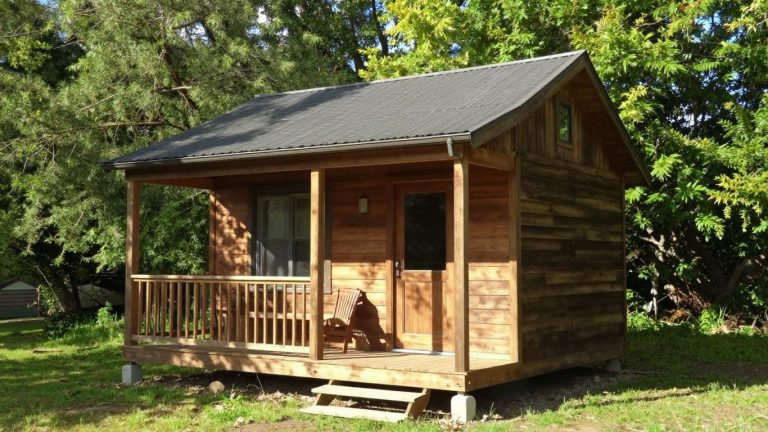
Exploring Off-Grid Living in Alabama: Your Comprehensive Guide

Thinking about ditching the grid and embracing a simpler life in Alabama? It’s a growing trend, and for good reason. Alabama offers a lot for folks looking to be more self-sufficient, from wide-open spaces to a climate that’s pretty forgiving for growing your own food. But jumping into off grid living in Alabama isn’t just about buying some land and unplugging. It takes some real thought and planning to make it work smoothly. We’ll walk through what you need to know to make this big change.
Key Takeaways
- Alabama is a great spot for off-grid living because of its natural resources, decent weather for farming, and affordable land.
- Before you move, figure out land buying, how you’ll get power and water, and how to handle your trash.
- You’ll need some basic gear like power systems, water filters, and tools for growing food.
- Be ready for the initial costs, the work of keeping things running, and unpredictable weather.
- Connecting with other people who live off-grid can offer a lot of support and shared knowledge.
Why Choose Alabama For Off-Grid Living?
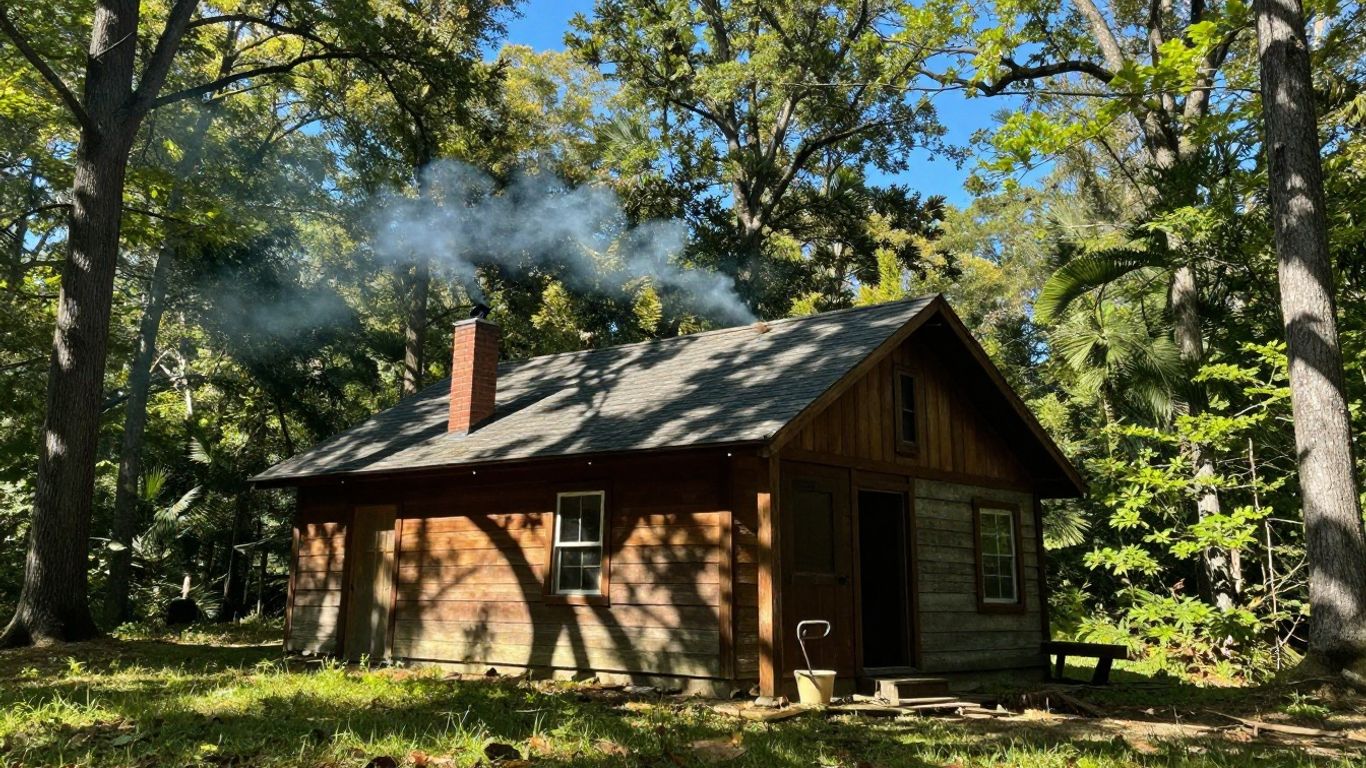
So, you’re thinking about ditching the grid and heading for a more self-sufficient life, and Alabama is on your radar? That’s not too surprising, honestly. The state has a lot going for it if you’re looking to live a bit more independently. It’s not just about escaping the city; it’s about finding a place where you can actually make it work without a ton of hassle.
Abundant Natural Resources
Alabama is pretty well-stocked when it comes to nature’s gifts. You’ve got decent rainfall, which is a big deal if you plan on growing your own food or need a reliable water source. The soil in many parts of the state is fertile, meaning your garden could actually thrive. Plus, there’s plenty of timber if you’re thinking about building or heating, and diverse wildlife if you’re into hunting. It just feels like a place where you can work with the land, not against it.
Favorable Climate For Growing
Let’s talk about the weather. Alabama generally has a mild climate. Summers can get hot and humid, sure, but the winters are usually pretty tame. This means you get a long growing season. You can often plant and harvest a variety of vegetables, fruits, and herbs for a good chunk of the year. This extended growing period is a huge advantage for anyone aiming for food independence. It makes setting up a sustainable food system much more achievable.
Affordable Land Availability
This is a big one for most people looking to go off-grid. Compared to many other states, land in Alabama can be surprisingly affordable, especially if you’re willing to look a bit outside the main population centers. You can often find larger plots of undeveloped land for a reasonable price. This affordability means you can get more space for your money, which is pretty important when you need room for gardens, solar panels, or just some breathing room.
Lenient Regulations
When you’re trying to live outside the box, regulations can be a real headache. Thankfully, Alabama tends to be more relaxed when it comes to building codes and rules for off-grid setups. You’re less likely to run into major bureaucratic roadblocks when trying to install solar panels, set up a rainwater collection system, or build a dwelling that suits your needs. This flexibility makes the whole process of setting up your off-grid life a lot smoother. It’s not like they’re making it easy, but they’re certainly not making it impossible.
It’s important to remember that even with lenient regulations, doing your homework on local county rules is still a good idea. What’s allowed in one area might be different just a few miles away.
Key Considerations For Going Off Grid In Alabama
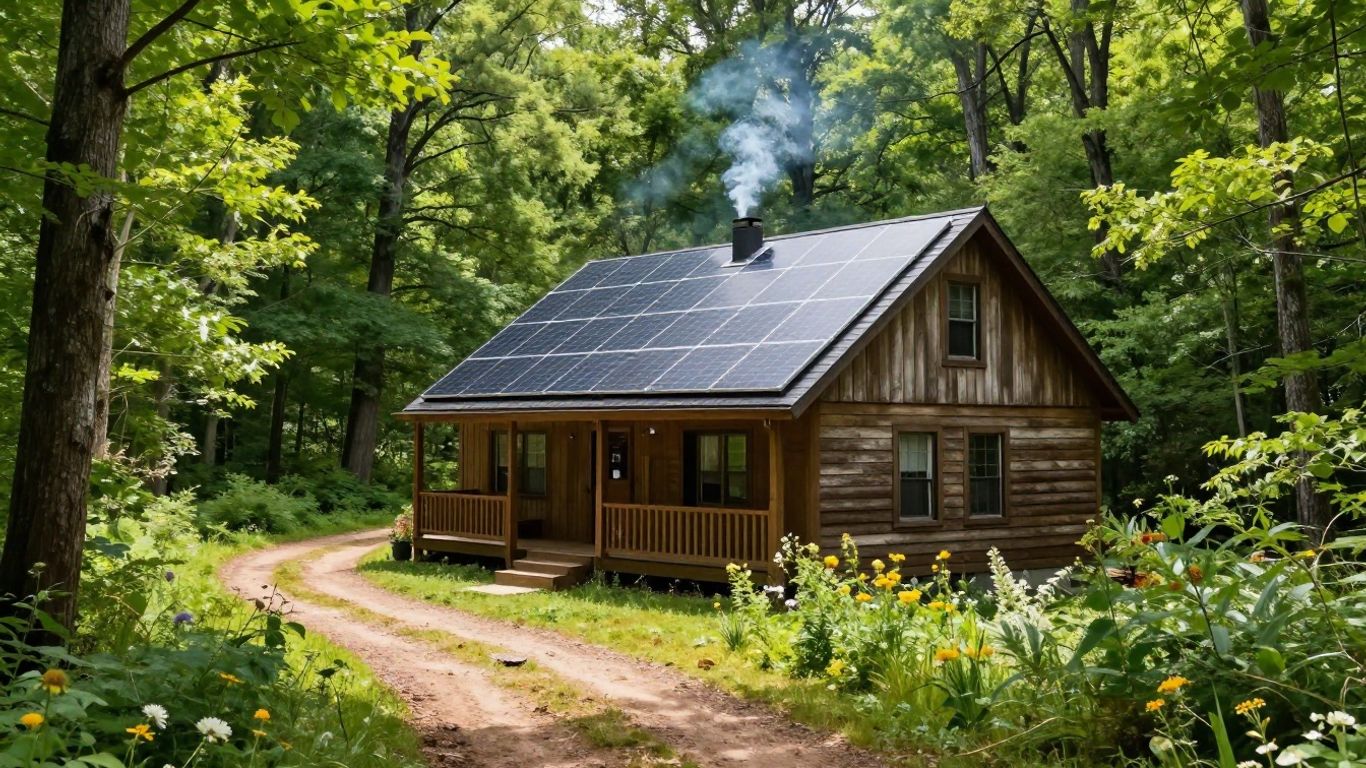
So, you’re thinking about ditching the grid in Alabama? That’s a big step, and honestly, it’s not something to jump into without some serious thought. Before you start packing your bags and dreaming of solar panels, let’s talk about what really matters.
Land Acquisition Essentials
Finding the right spot is probably the biggest piece of the puzzle. You’ll want to look for land that has good sunlight for solar power and decent soil if you plan on growing your own food. Also, think about water sources – is there a reliable well, a creek, or is rainwater harvesting your main plan? Don’t forget to check out local zoning laws; some areas might have rules about building or living in certain ways. It’s all about finding a place that supports your off-grid vision.
Sustainable Energy Solutions
This is where things get interesting. Solar power is a popular choice, but you’ll need to figure out how much you need and what kind of setup works best for your situation. Wind turbines are another option, though they can be noisy and require specific conditions. You’ll also need a way to store that energy, usually with batteries. Think about your daily power usage – how many lights, appliances, and gadgets are you planning to run? It’s easy to underestimate this, and running out of power is a real bummer.
Water Sourcing Strategies
Water is life, right? In Alabama, you’ve got options. Rainwater harvesting is common, but you’ll need a good system to collect, store, and filter it. Well water is another possibility, but drilling a well can be expensive and isn’t always feasible depending on the land. Some folks rely on natural springs or nearby bodies of water, but these often require more intensive purification. You’ll need a reliable way to get clean drinking water, and that means investing in good filtration systems.
Waste Management Practices
Dealing with waste is a big part of off-grid living. Septic systems are the standard for sewage, and you’ll need to make sure you install one that meets local regulations. Composting toilets are another option that can be more eco-friendly and require less water. For trash, you’ll likely need to haul it to a disposal site yourself, so reducing waste is key. Recycling and composting are your best friends here.
Essential Gear For Off-Grid Living
Finding ways to power your place off the grid is one of the first things you need to sort out. Most folks start with solar panels since Alabama gets a good amount of sun. You’ll want a reliable setup: panels, a charge controller, a solid inverter, and batteries to hold that electricity for cloudy days or nighttime. Some people layer in a small wind turbine or micro-hydro if their spot gets enough wind or has running water. Here’s a quick comparison:
| Equipment Type | Cost Range | Pros | Cons |
|---|---|---|---|
| Solar Panels | $6,000-20,000 | Low maintenance | Upfront cost |
| Wind Turbine | $3,000-12,000 | Works day/night | Maintenance |
| Micro-hydro | $1,500-7,000 | Very consistent output | Site dependent |
| Battery Storage | $4,000-12,000 | Stores excess energy | Needs replacing |
If you’re thinking about living out of an RV while you set up (or want a mobile option), comfortable and self-sufficient RV living is worth exploring. Smart power systems and storage solutions can make it a lot easier.
Water Filtration Systems
You cannot skip water. Almost everyone collects rainwater, taps a well, or both. Rainwater harvesting tanks, filters, and purification tablets or UV lights are pretty much staples, since clean water is nonnegotiable. If you have a stream or spring, a sand filter or gravity-fed system works nicely. Even with a well, test your water and keep backup filters handy. Have an emergency stash, too, because weather or mechanical issues can disrupt supply.
- Rainwater catchment (barrels, tanks)
- Multi-stage filtration (sediment + carbon + optional UV)
- Portable filters (Sawyer, LifeStraw)
If your filter breaks and you can’t fix it, boiling is a safe bet for making small batches of water drinkable, though it’s not a long-term solution.
Food Cultivation Tools
Growing your own food is rewarding—it takes work and a bit of learning. Alabama’s long growing season makes it easier, but you need solid tools. Get shovels, hoes, seed trays, spades, pruners, and gloves. Pay attention to the soil—adding compost, mulch, or organic fertilizer helps with crops. Most off-gridders set up raised beds for vegetables and keep seed vaults handy, so you aren’t starting from scratch each year. Extras if you have room:
- Chicken coop for eggs
- Small greenhouse for year-round greens
- Rain gauges and soil meters for tracking conditions
Shelter and Building Materials
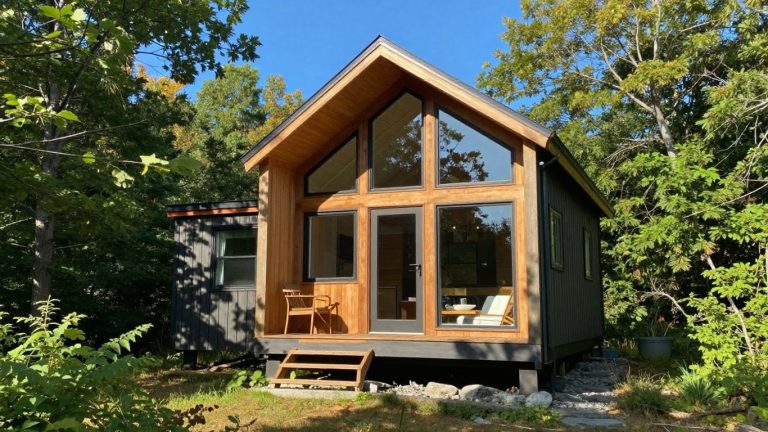
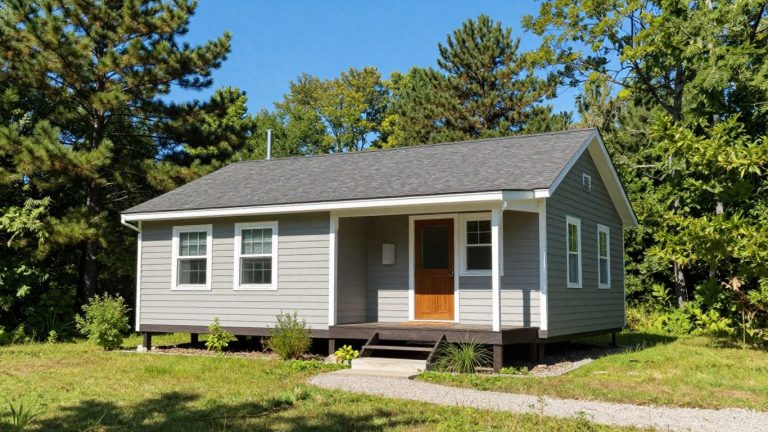
You don’t need anything fancy, but your structure must be weather-ready and sturdy. Alabama sees humidity, storms, and heat, so plan accordingly. People use timber, prefab cabins, or even old shipping containers. Some try straw bales or earth-based builds. Think about insulation and airflow—ventilation is key.
Here’s a basic checklist for building or updating your shelter:
- Main structure (timber, cabin, container, yurt)
- Roof and wall insulation
- Bug screens and weatherproofing (seals, wraps)
- Rainwater gutters for water collection
- Tools for ongoing repairs (drills, saws, hammers)
Getting set up off-grid definitely requires some investment in gear, but a bit of planning makes it easier to stay comfortable and safe once you’re out there.
Navigating Off-Grid Challenges In Alabama
Going off-grid in Alabama sounds pretty great, right? Waking up to nature, being more self-sufficient… it’s a dream for many. But let’s be real, it’s not all sunshine and homegrown tomatoes. There are definitely some hurdles you’ll need to jump over. It’s important to go into this with your eyes wide open, knowing what you’re getting into.
Understanding Initial Costs
First off, let’s talk money. Setting up an off-grid life isn’t exactly cheap to start. You’ve got to buy land, build or fix up a place to live, and then there’s the whole system for power, water, and waste. Think solar panels, batteries, maybe a well, and a composting toilet. These things add up fast. While you’ll save money on utility bills later, that initial investment can be a big one. It’s not just a few hundred bucks; we’re talking thousands, sometimes tens of thousands, depending on how fancy you want to get.
Maintenance and Repair Responsibilities
Once you’re set up, the work doesn’t stop. You are your own utility company now. That means if your solar panels stop working, or your water pump gives out, it’s on you to fix it. This isn’t like calling a repairman; you’ll need to learn how to troubleshoot and repair these systems yourself, or at least know someone who can. Having a good set of tools and a willingness to learn is pretty important here. It can be frustrating when things break, especially if you’re not mechanically inclined, but it’s part of the deal.
Preparing For Weather Variability
Alabama weather can be a real mixed bag. You’ve got hot, humid summers that can really test your cooling systems (or lack thereof) and potentially powerful storms. Winter can bring its own set of challenges, too, though usually not too extreme. You need to think about how your home will hold up against strong winds and heavy rain. Also, consider how you’ll manage your resources during droughts or if a storm knocks out your power for a while. Having backup plans and sturdy structures is key.
Addressing Potential Isolation
Living off-grid often means living a bit more removed from neighbors and the hustle of town. While many people seek this solitude, it can sometimes lead to feelings of isolation. It’s good to have a plan for staying connected. This might mean making an effort to visit friends, joining local groups, or finding ways to interact with others who share your lifestyle. Don’t underestimate the importance of social connection, even when you’re aiming for independence.
It’s easy to get caught up in the romantic idea of off-grid living, but the reality involves a lot of practical problem-solving. Being prepared for the financial, mechanical, and even emotional aspects will make your transition much smoother. Think of it as a continuous learning process, where each challenge overcome makes you more resilient.
Community And Support For Off-Grid Residents
Going off-grid doesn’t mean you have to go it alone. In fact, building a strong network is pretty important for making this lifestyle work, especially in Alabama. It’s not just about having people around; it’s about sharing knowledge, lending a hand, and just knowing you’ve got some backup.
Finding Like-Minded Individuals
It can feel a bit isolating at first, right? But Alabama has a growing number of folks who are into this whole self-sufficient thing. You might be surprised how many neighbors are also looking to reduce their reliance on the grid. The key is to be open and approachable. Strike up conversations at local farmers’ markets, hardware stores, or community events. You’ll often find that people are happy to share their experiences and tips. Looking into some of the off-grid communities in the US can give you ideas about how people organize and support each other.
Local Groups and Online Forums
Alabama has local organizations that focus on sustainability and homesteading. These groups are goldmines for information. They often host workshops, potlucks, and workdays where you can meet people and learn practical skills. Don’t underestimate the power of the internet, either. There are tons of online forums and social media groups dedicated to off-grid living. You can ask questions, share your successes (and failures!), and get advice from people who have been doing this for years. It’s a great way to stay connected and find solutions to problems you might encounter.
Skill-Sharing Opportunities
This is where the real magic happens. Off-grid living thrives on shared knowledge. Think about what you’re good at – maybe gardening, basic carpentry, or fixing solar panels. Then, think about what you need to learn. Organize or join skill-sharing sessions. You could trade your gardening expertise for someone’s knowledge on maintaining a generator, for example. It’s a practical way to build community and increase everyone’s self-reliance. Here are a few ideas for skills that are super useful:
- Basic plumbing and electrical repair
- Food preservation techniques (canning, drying, fermenting)
- Animal husbandry and care
- Natural building methods
- First aid and emergency preparedness
Building a supportive community isn’t just a nice-to-have; it’s a practical necessity for long-term off-grid success. It provides emotional resilience, practical help, and a sense of belonging that makes the challenges of self-sufficiency much more manageable.
The Future Of Off-Grid Living In Alabama
The way people are thinking about living off the grid in Alabama is really changing. It’s not just a fringe idea anymore; more and more folks are looking for ways to be more self-sufficient and less tied to the usual power and water lines. This growing interest in sustainability is a big part of what’s shaping the future here.
Growing Interest In Sustainability
People are realizing that relying solely on public utilities can be expensive and, frankly, a bit precarious. With concerns about climate change and the desire for a simpler life, many are turning to off-grid solutions. This means more people are looking into things like solar power and rainwater harvesting, not just as a hobby, but as a serious lifestyle choice. It’s about taking control of your own resources and living in a way that’s kinder to the planet. This shift is driving innovation and making off-grid living more accessible than ever before.
Expansion Of Off-Grid Resources
As more people show interest, the resources available for off-grid living in Alabama are also growing. You can find more companies offering solar panel installations, battery storage systems, and even specialized off-grid home builders. It’s becoming easier to find the supplies and the know-how needed to set up your own sustainable system. Plus, with Alabama lawmakers considering new legislation, the landscape for renewable energy, like solar, could see significant changes in the coming years.
Embracing Innovative Technologies
What’s really exciting is how new technologies are making off-grid living more practical. Think about more efficient solar panels that work even on cloudy days, advanced battery systems that store more power, and smart home technology that helps you manage your energy use better. Even composting toilets are getting more sophisticated. These advancements mean you can live comfortably off-grid without sacrificing modern conveniences. It’s a blend of old-school self-reliance and cutting-edge tech.
Here are a few things that are becoming more common:
- Smart Energy Management: Systems that automatically adjust power usage based on availability and need.
- Advanced Water Filtration: More effective ways to purify rainwater and well water for drinking.
- Modular and Sustainable Building: Prefabricated or easily assembled structures made from eco-friendly materials.
- Community Microgrids: Small, localized power grids that can operate independently or connect to the main grid, offering reliability.
The future of off-grid living in Alabama isn’t just about disconnecting; it’s about reconnecting with natural resources and building resilient, sustainable lifestyles. It’s about smart choices and adapting to a changing world.
Ready to Embrace the Off-Grid Life in Alabama?
So, you’ve read all about it – living off the grid in Alabama is definitely doable. It’s not just some far-off dream; it’s a real possibility for folks looking for a different way to live. With the state’s good land, decent weather, and a growing community of people doing the same thing, you’ve got a solid foundation to start from. It takes some planning, sure, and you’ll need to be ready to learn new skills, but the payoff – more independence and a closer connection to nature – can be really worth it. If this guide has sparked your interest, maybe it’s time to start looking into that perfect piece of land and taking those first steps towards a more self-sufficient life in the Heart of Dixie.
Frequently Asked Questions
What exactly does “living off-grid” mean?
Living off-grid means you’re not connected to the main public utilities like electricity, water, or sewer systems. Instead, you create your own power, find your own water, and manage your own waste, often using natural resources.
Is it allowed to live off-grid in Alabama?
Yes, you can live off-grid in Alabama. However, you’ll need to make sure you follow local rules about building and land use, and how you handle water and power.
Can I make my own electricity if I live off-grid in Alabama?
Definitely! Many people in Alabama use things like solar panels or wind turbines to create their own electricity. Just check the local rules about it.
How do people get water when they live off-grid?
Common ways to get water include collecting rainwater or using a well. These methods help you have a steady supply for drinking and other needs.
What are some common problems people face when living off-grid?
Some challenges include dealing with bad weather, making sure you have enough resources, and sometimes feeling a bit far away from others. It also takes work to keep your systems running.
How can I find other people who live off-grid in Alabama?
You can find people like you by joining online groups and forums, or by looking for local meetups and events where people share skills and experiences about off-grid living.
Explore more tiny home living, design, downsizing, building, and lifestyle resources.