Navigating Off-Grid Living in Maine: A Comprehensive Guide to Regulations and Realities
Thinking about embracing a simpler life in the Pine Tree State? Off grid living in Maine is a dream for many, offering a chance to connect with nature and live more independently. But, like anything worthwhile, it takes some planning. This guide is here to help you figure out the ins and outs, from understanding the local rules to getting your homestead ready for all kinds of weather. We’ll cover what you need to know to make your off-grid adventure in Maine a success.
Key Takeaways
- Maine is a great spot for off-grid living, with lots of nature and people who like to be self-sufficient.
- You need to know the rules about land use and building before you start your off-grid place.
- Finding the right land means thinking about water, sun, and how easy it is to get to.
- Maine’s weather, especially winter, means you need good heating and a solid plan.
- Having practical skills, like fixing things yourself and growing food, is super important.
Understanding Off-Grid Living in Maine
Defining Off-Grid Independence
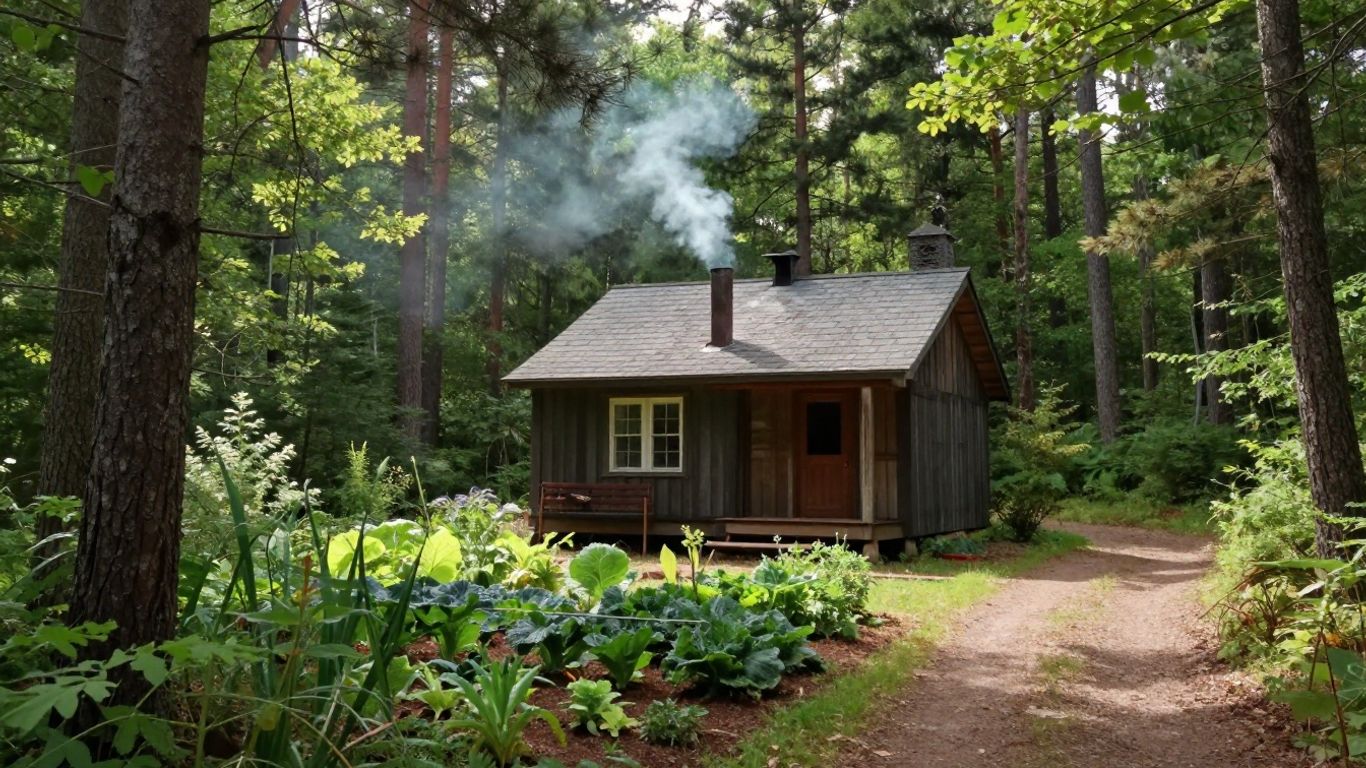
If you’re living off the grid in Maine, you’re basically cutting ties with regular utility companies—no public electricity, water, or city sewage. Instead, you rely on your own systems for power, water, and waste. These setups might include solar or wind power, rainwater harvesting, and composting toilets.
For a better picture, here’s a simple table on what ‘off-grid’ might look like in practice:
| Resource | Usual Off-Grid Solution |
|---|---|
| Electricity | Solar panels, wind turbines |
| Drinking Water | Wells, rainwater, springs |
| Sewage | Composting toilets, septic systems |
| Heat | Wood stoves, propane, solar room |
It isn’t just about building your own little cabin and hoping for the best. You’ll need some patience and a willingness to adapt, especially when things (inevitably) go wrong.
Maine’s Unique Appeal for Self-Sufficiency
So, what makes Maine stand out for folks looking to unplug? First, the place is loaded with natural resources—lots of forests, clean water, a long growing season in some spots. The state has soil that can grow almost anything, and dense woodlands for heating fuel. On top of that, you’ll find towns and groups scattered across Maine who get the whole self-reliance thing.
Some reasons people pick Maine for off-grid living:
- Big, affordable plots of land in rural areas
- Like-minded communities and local support
- Abundant resources (trees, rivers, fertile ground)
- Fewer people, more privacy
Not every state offers such a strong mix of independence, natural resources, and supportive neighbors quite like Maine does.
Navigating Maine’s Diverse Geography
Maine’s landscape isn’t the same everywhere. You’ve got rocky coastlines, rolling hills, big forests, and even mountains. Lowland areas near the coast can be foggy and damp, but they’re milder in winter. Go further inland, and you’re looking at harsh winters, but often with more isolation and wooded acreage to work with.
Key factors to consider about geography in Maine:
- Distance to services: Emergency help can be hours away in some places
- Water access: Some areas have tons of lakes and streams, others are drier
- Terrain type: Rocky ground isn’t always easy to build on
Pick your land wisely based on what you value—privacy, access, weather, or growing capability. You’ll thank yourself later when winter comes and you’re not snowed in, miles from a plow truck.
Legal Framework for Off-Grid Residences
Figuring out the legal side of off-grid living in Maine can be tricky—there are layers of rules, local quirks, and permits that you just can’t ignore. If you want to stay legal, you need to understand how zoning, building codes, and town ordinances shape what you can build and where you can live.
Zoning Laws and Land Use Restrictions
Zoning laws set the stage for what you can actually do on your land. Every county and sometimes each town decides how land gets used—residential, agricultural, commercial, and so on. The rules are rarely the same from one place to another. In rural spots, you might get more flexibility, but there are usually restrictions like limits on building size or setbacks from property lines. Some places prohibit residential buildings without a connection to the power grid or water system while others are less concerned.
- Always confirm your land’s zoning before you buy, especially for off-grid use
- Some areas have conservation easements or are part of protected environments with strict limits
- Check for minimum lot sizes and whether mobile or tiny homes are allowed
If you skip the research, you might find out too late that your dream spot doesn’t allow year-round residences or compost toilets.
Building Codes and Necessary Permits
Getting familiar with building codes is non-negotiable if you want to avoid fines or stop-work orders. Maine follows state-level building standards, but local modifications are common. Towns and counties oversee permits for anything from living structures and sheds to septic systems and solar panels. What you submit and how you build gets inspected in stages, so there’s no sneaking by.
- Permit requirements may include:
- New home construction
- Alternative energy systems (solar, wind, generators)
- Water wells and septic tank installations
- Even remote builds need to pass safety checks—think structural strength, sanitation, and fire risk
- Some areas let you skip certain permits if the building is classified as a camp, not a residence, but with restrictions
| Permit Type | Typical Cost | Renewal Needed? |
|---|---|---|
| Building Permit | $50 – $500 | No |
| Septic Permit | $250 – $500 | No |
| Well Permit | $100 – $300 | No |
People get tripped up by assumptions—being far from town doesn’t shield you from rules, and the paperwork can take months.
Navigating Local Ordinances
Local towns and counties can make their own rules on top of state regs. Ordinances might focus on property appearance, junk vehicles, or how waste gets handled. Some towns are strict about gray water systems and outhouse placement, while others don’t care as long as it’s out of sight. Township and unorganized territories in Maine sometimes have fewer requirements, but it’s better to double-check than to end up rebuilding.
- Read ordinances posted by the town clerk or code enforcement office
- Ask neighbors or local realtors about rules they’ve run into
- Remember, these rules change—what was possible 5 years ago might not fly today
If you skip local rules, you could face stop-work orders, fines, or even be forced to remove structures you built.
It might seem simple, but a missed permit or an overlooked land use rule can turn your off-grid project into a frustrating—sometimes expensive—setback.
Securing Suitable Land for Your Homestead
When setting up for off-grid living in Maine, finding the right land is the single, most important step that determines everything that follows. Whether you’re planning to grow your own food, set up solar panels, or just want privacy, the choice of property really makes or breaks the experience.
Evaluating Land Types and Features
Maine has a mix of deep woods, rolling fields, mountains, and even some coastal options. Each has its own quirks that can change the way you live off the grid. Here are a few things to check out:
- Water Access: Springs, ponds, or a year-round stream make life so much easier.
- Sun Exposure: If you want to rely on solar power, pay attention to how much direct sunlight you’ll get.
- Soil Quality: You’ll want decent soil if you’re planning to grow your own food.
- Timber and Resources: Forested areas can supply firewood and building materials.
- Driveway and Access: Year-round access is no joke in Maine winters. Check road conditions, especially if it’s a private driveway.
| Land Feature | Why It Matters |
|---|---|
| Water Source | Drinking & gardening |
| Sunlight | Solar energy, gardening |
| Timber | Heating & building |
| Soil | Food production |
| Access Road | Year-round mobility |
Taking a few weekend trips to walk different parcels gave me a better feel than any online map or property listing ever could.
Buying Versus Leasing Property
Most folks who go off-grid in Maine are looking to buy, but leasing is out there if you want to test the waters first. Here are some differences:
- Buying:
- You build equity and have total control.
- Upfront costs are much higher.
- You’re on the hook for all legal requirements (zoning, permits).
- Leasing:
- Less money upfront, often easier entry.
- Not all landowners permit permanent structures.
- Lease terms can be vague—double-check your agreement.
Some people even try a short-term lease or ‘rent-to-own’ setup to see how the location suits them. Flexibility is nice, but ownership gives peace of mind.
Key Location Considerations
Finding the perfect spot is about more than just the acreage. Here’s what to keep in mind:
- Proximity to Town: How far do you want to be from groceries, hospitals, or the post office? The more remote, the trickier supply runs get.
- Community: Some areas have clusters of like-minded off-grid folks. Other spots are pretty isolated.
- Local Regulations: Every town and county seems to have its own set of rules. Always ask about zoning, building permits, and conservation restrictions before you put money down.
- Climate Risks: Flood zones and windy hilltops can make life difficult. Check if your land is prone to any weather hazards.
- Utilities and Services: Will you need to bring in power or dig a well? Are high-speed internet and cell service even options?
Before you get too attached to any piece of land, do a deep-by-foot check, talk to locals, and get all the paperwork up front. A little more work now saves major headaches later.
Addressing Climate Challenges in Maine
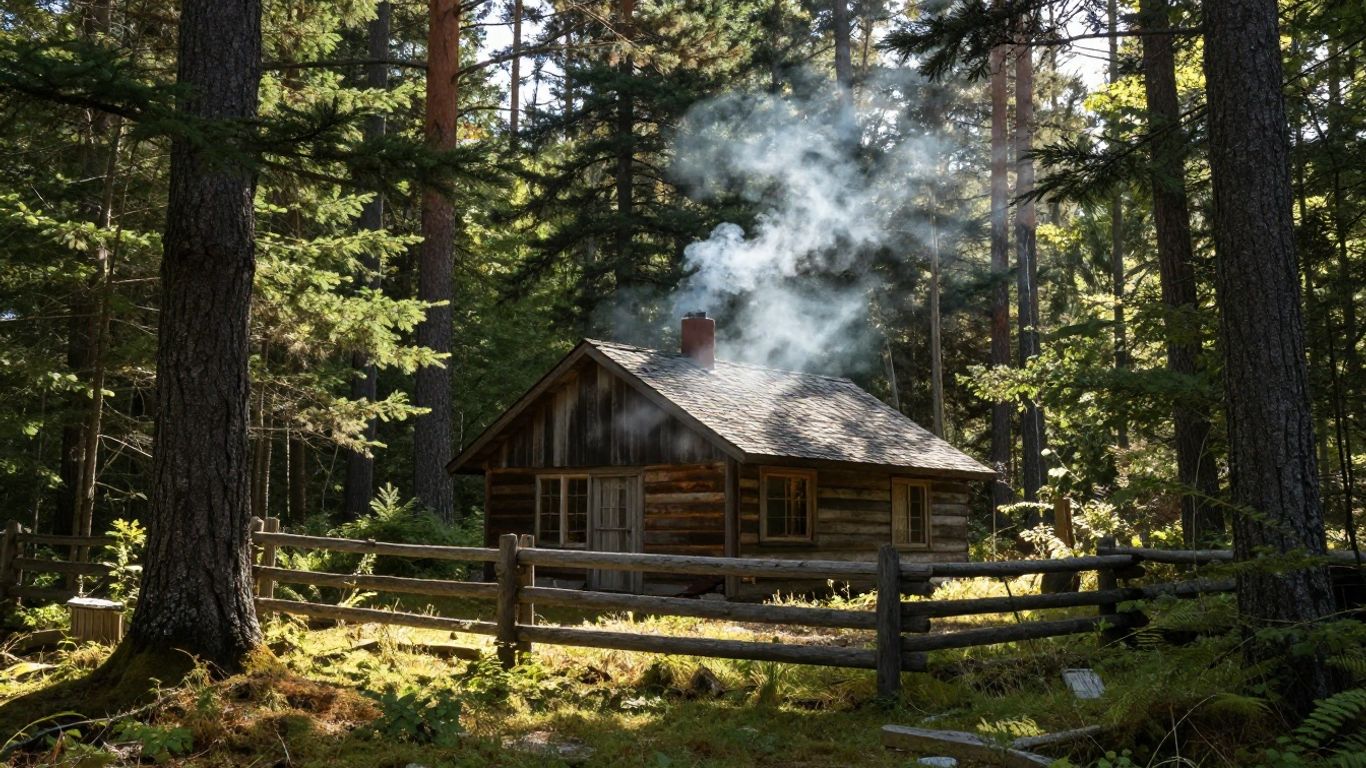
Maine’s climate throws a lot at folks trying to live off the grid. There’s no sugar-coating it: the weather will test your patience and planning. If you’re not ready for snow that never seems to end or summer humidity that sneaks into every corner of your cabin, you’re in for a long season. Let’s break down the main situations you’ll face and what you can actually do about them.
Preparing for Harsh Winter Conditions
Winters in Maine are long, cold, and snowy. The cold isn’t just uncomfortable – it can be dangerous if you’re not prepared.
- Install thick insulation in walls, ceilings, and floors. Insulation keeps indoor temps bearable and energy bills lower.
- Use a primary heat source that’s reliable off-grid, like a high-efficiency wood stove or propane heater. Make sure you have a backup.
- Stock up on essentials before roads get messy. Lots of rural properties can get snowed in.
- Prepare a winter maintenance routine for your solar panels, chimneys, and generator.
Maine’s winter isn’t just another season – it’s a full-time job if you aren’t hooked up to the grid. Spending time prepping saves headaches down the road.
| Winter Challenge | Practical Solution |
|---|---|
| Heavy snowfall | Roof rake, reinforced roofing |
| Frozen pipes | Pipe insulation, heat tape |
| Short daylight | Extra fuel, battery banks |
Managing Summer Heat and Humidity
It doesn’t get as hot as the southern states, but summer in Maine is sticky and buggy.
- Ventilation matters: open windows, attic vents, and fans help keep air moving.
- Shade trees or reflective shades cut down on heat.
- Mosquitoes make evenings tough, so think about screens and natural repellents.
- If you use rainwater catchment, make sure barrels are sealed to keep mosquitoes out.
Mitigating Risks from Natural Disasters
Flooding, high winds, and even mild droughts are part of life up here. No matter how remote your spot, it pays to go over the basics every season.
- Build above the floodplain when possible. Check flood risk before buying land.
- Reinforce sheds and outbuildings to handle wind gusts and heavy snow.
- Keep a fire break around your property to limit the risk of wildfire, especially during dry spells.
- Maintain emergency supply kits and have multiple ways to get in touch with the outside world if cells go out.
Three fast tips that always help:
- Regularly check your weather forecast and set up alerts for storms.
- Walk your property after big storms to check for damage early.
- Keep spares for any part of your power or water system that could fail.
You’ll end up with fewer surprises – and that matters, since the weather here doesn’t really care about your plans.
Essential Skills and Preparation for Self-Reliance
Heading off-grid in Maine isn’t just buying land, dropping a cabin, and calling it good. To make it work long-term, you’ve really got to build up a broad set of hands-on skills and have a clear plan for what you’re actually taking on. Here’s a breakdown of what to expect and how to get started.
Developing Practical Survival Skills
Living off-grid means you’re your own first line of defense when something goes wrong. Learning basic survival skills is the first thing you should focus on. Here’s what’s worth practicing before you start living full-time off the grid:
- Basic first aid and emergency response (splinting, CPR, wound care)
- Foraging for wild edibles, fishing, and basic hunting
- Building emergency shelters and fire-starting without matches
- Navigation using a map and compass
- Water purification and safe storage
A lot of this is just about being resourceful and adaptable. If you can fix a minor cut, cook what you gather, and start a fire in the rain, you’ll be better prepared for Maine’s wild swings in weather.
Mastering DIY Home Maintenance
Out on a back road with no nearby plumber or electrician, you soon realize you’ve got to do most repairs on your own. There’s a learning curve, but each skill adds another layer of independence. Key areas to learn:
- Plumbing basics: fixing leaks, repairing toilets, maintaining pumps
- Electrical work: simple wiring, fuses, battery maintenance
- Carpentry and simple construction: patching roofs, building stairs, mending doors
- Winter prep: insulating pipes, dealing with roof ice dams
Here’s a simple table showing common issues and recommended basic tools:
| Task | Basic Tools Needed |
|---|---|
| Fixing a leaky pipe | Pipe wrench, Teflon tape |
| Repairing loose siding | Hammer, nails, pry bar |
| Wiring a solar panel | Screwdriver, wire stripper |
| Clearing snow buildup | Shovel, ice melt, roof rake |
If you don’t have the answer right away, don’t sweat it. There’s usually a way to patch things until you get the full fix—sometimes it’s more about staying calm than having fancy tools.
Cultivating Your Own Food Sources
Buying food in bulk or hitting the big box stores gets tougher the further you are from town. So, growing and preserving your own food becomes pretty important. Here are several things you’ll want to be comfortable with:
- Planning a garden for Maine’s short season—think root vegetables, hardy greens, and beans
- Composting for soil health
- Simple pest management
- Winter food storage: root cellars, drying, canning, and freezing
Ways to get better at food self-reliance:
- Start a raised bed garden and experiment—nothing replaces doing.
- Join a local gardening group for ideas on what actually grows well in your part of Maine.
- Learn to identify wild plants and experiment with small harvests—safety first, so get a guidebook.
The first year may be hit or miss, and you’ll probably have some duds in your garden. Take notes and don’t get discouraged. Every failed tomato is just another lesson for next year!
Self-reliant living in Maine isn’t about being perfect at everything, but you’ll do best if you keep learning, stay patient, and help out your neighbors when you can. Building up these practical skills makes the dream—staying truly independent—a lot more real.
Ensuring Safety and Security Off-Grid
Living off the grid in Maine means you’re often a bit further from immediate help, so thinking about safety and security is a big deal. It’s not just about locking doors; it’s about being prepared for a range of situations, from minor issues to more serious concerns. You’ll want to have a good handle on how to keep yourself and your property safe.
Implementing Personal Safety Measures
First off, being aware of your surroundings is key. This means knowing what’s going on around your property and being mindful of any unusual activity. It’s a good idea to get to know your neighbors, if you have any nearby. A friendly wave can go a long way, and having people who look out for each other makes a big difference in remote areas. Think of it as building a little neighborhood watch, even if it’s just a couple of households.
- Situational Awareness: Always pay attention to what’s happening around you. This includes noticing unfamiliar vehicles or people.
- Property Security: Make sure your home and any outbuildings are secure. This might involve simple things like sturdy locks and good lighting.
- Neighborly Relations: Build connections with those living nearby. Mutual support is a strong safety net.
- Emergency Contacts: Keep a list of important phone numbers handy, including local emergency services and trusted neighbors.
Being prepared means having a plan for different scenarios. It’s about taking practical steps to reduce risks and feel more secure in your chosen lifestyle.
Choosing Appropriate Home Security
When you’re off-grid, your home security system might look a little different. You might not have easy access to a security company that can monitor things 24/7. So, you’ll want to think about systems that work for you. This could be anything from motion-sensing lights to cameras that can send alerts to your phone. It’s also smart to think about how you’d handle a power outage, as some security systems rely on electricity. Having a backup power source for critical security features is a good idea. You might also consider a robust alarm system that doesn’t rely solely on external monitoring. For those looking to protect their land long-term, exploring options like a forever-wild conservation easement can add an extra layer of security against unwanted development.
Understanding Local Law Enforcement Access
It’s important to know who to call if something goes wrong. In rural Maine, law enforcement might be a bit further away than you’re used to. Find out which sheriff’s department or state police barracks covers your area. Knowing their non-emergency number is useful for reporting suspicious activity that doesn’t require an immediate response. Also, understand that response times can be longer, so having your own safety measures in place becomes even more important. Building a positive relationship with local law enforcement, if possible, can also be beneficial. They can be a resource for information about local safety concerns and best practices for remote living.
Sustainable Systems for Off-Grid Independence
Living off-grid in Maine means figuring out how to handle all your basic needs—especially energy and waste—without tapping into public services. There’s a mix of old-school techniques and newer tech that helps folks keep their homes running smoothly through every season. Let’s break down the main systems you’ll need to set up.
Harnessing Solar and Wind Energy
The sun and wind are the two biggest allies for powering an off-grid home in Maine. Choosing the right system often means looking at your actual site conditions—how much sunlight or wind you get, and your power needs.
- Solar panels work well year-round, but Maine’s long winters mean you might not get tons of daylight every day—so good battery storage is non-negotiable.
- Wind turbines can supplement or even outshine solar setups near the coast or on high, open land. You’ll want to check local wind maps and talk to neighbors before investing.
- Pairing both together is common to avoid rough patches when the sun isn’t out or the wind drops.
Here’s a quick table comparing solar and wind for off-grid setups in Maine:
| System | Best Locations | Main Pros | Key Cons |
|---|---|---|---|
| Solar Panels | Open, sunny areas | Reliable, low maintenance | Output drops in winter |
| Wind Turbines | Coastal/high land | Generates power day and night | Needs steady wind & upkeep |
Some folks mix and match these, tweaking setups until they get the combination that covers seasonal swings in weather.
Exploring Hydroelectric Potential
If your property has a brook or stream, micro-hydro might be worth a look.
- Water runs longer than sun or wind typically do in Maine, so a good setup can mean steady power—day and night.
- Not every stream is big enough; you’ll need at least a few feet of drop and reliable year-round flow.
- Setting it up will likely require permits, and there’s some maintenance involved to keep things running through freeze-thaw cycles.
Hydro is rare, but when it works, it can cover the base load of your home almost on autopilot. Even a small system can make a big difference, especially in winter.
Effective Waste Management Strategies
Being off-grid also means taking care of your own waste so you don’t harm the land or nearby water. Here are key strategies:
- Composting toilets turn human waste into usable compost, needing only a basic structure and regular turning or emptying.
- Greywater systems reroute water from sinks and showers to the garden, usually after simple filtering.
- Recycling and upcycling—reuse glass jars, save scrap wood, and sort out everything that can avoid the landfill. Many rural towns still offer drop-offs for recyclables.
Mainers off the grid often get creative here. It takes some trial and error, but you’ll get a setup that doesn’t just get the job done—it actually helps your land thrive.
Community and Family Life Off-Grid
Living off the grid in Maine doesn’t mean you have to be completely isolated. In fact, building a strong community and nurturing family life are pretty important parts of making it work. It’s not just about being self-sufficient; it’s also about having people to rely on and share experiences with.
Finding Supportive Off-Grid Communities
Maine has some really interesting pockets of people who are already living this lifestyle. These aren’t just random groups; many have formed with shared goals like sustainability and mutual support. Think of places where folks might share tools, knowledge about local foraging, or even help each other out with big projects. It’s a good idea to look into established off-grid communities to see what’s out there. They often have a lot of wisdom to share, and it can make the transition a lot smoother.
- Attend local gatherings: Many rural areas have fairs or potlucks where you can meet neighbors.
- Join online forums: Connect with people across Maine who are also living off-grid.
- Volunteer locally: Helping out with community projects is a great way to get to know people.
Building connections takes time, but it’s worth the effort. Having a network means you’re not alone when challenges pop up, and you have people to celebrate successes with.
Educational and Social Opportunities for Families
If you’re raising a family off-grid, you’ll want to think about how your kids will learn and socialize. Homeschooling is a popular choice, and it can be a fantastic way to integrate practical skills and nature into their education. You can also look into online learning programs. For socialization, don’t underestimate the power of local groups, sports, or even just organizing playdates with other families in the area. Many off-grid families find ways to create rich social lives for their children, often through shared activities and a strong sense of community.
Navigating Transportation in Remote Areas
Getting around when you’re off-grid in Maine can be a bit of an adventure. Roads might not always be paved, and winter conditions can make travel tricky. Having a reliable vehicle, maybe something with four-wheel drive, is often a good idea. Planning your trips to town for supplies or appointments is also key. Sometimes, neighbors help each other out with rides or sharing trips, which is another benefit of having a good community connection. It’s also worth considering how you’ll handle emergencies and if you can get to a doctor or hospital when you need to. Having a solid plan for transportation, especially in bad weather, is a big part of off-grid safety.
Embracing the Off-Grid Life in Maine
So, you’ve been thinking about ditching the grid in Maine? It’s definitely a big step, and as we’ve seen, there’s a lot to consider. From figuring out the local rules and finding the right spot to making sure you’ve got power and a way to handle waste, it’s not exactly a walk in the park. But, the chance to live more simply, connect with nature, and be more self-reliant? That’s a pretty powerful draw for a lot of folks. If you do your homework, plan carefully, and maybe connect with others who are already doing it, you might just find that the off-grid dream in Maine is within reach. It’s a journey, for sure, but one that many find incredibly rewarding.
Frequently Asked Questions
Can I really live off the grid in Maine?
Yes, you absolutely can! Maine is a great place for people who want to live more self-sufficiently. It has lots of nature and many folks who already live this way. With good planning, it’s totally possible to make it work.
What are the main rules I need to know for building an off-grid home in Maine?
You’ll need to check out local zoning rules to make sure you can build where you want. Also, there are building codes that ensure your home is safe. You might need permits for things like electricity or plumbing, and these rules can be different in each town.
How do I find the right land to buy or rent for off-grid living?
Think about what you need, like good sunlight for solar power or access to water. Decide if buying or renting makes more sense for you. The location is super important too – consider how close you are to things you might need and if the area is easy to get to, especially in winter.
What kind of weather challenges should I expect in Maine?
Maine has tough winters with lots of snow and cold, so you’ll need good heating and insulation. Summers can get hot and sticky. You should also be ready for any natural events like storms that might happen.
What skills do I need to be good at for living off the grid?
It helps a lot to know how to fix things yourself, like basic home repairs. Being able to grow your own food is also key. Knowing some survival skills, like how to handle emergencies or find resources in nature, will make you more prepared.
How do I handle power and waste when I’m off the grid?
Most off-grid homes use solar panels or wind turbines for electricity. For waste, many people use composting toilets, which turn waste into compost for gardens. You’ll also need a plan for managing wastewater safely.
Explore more tiny home living, design, downsizing, building, and lifestyle resources.