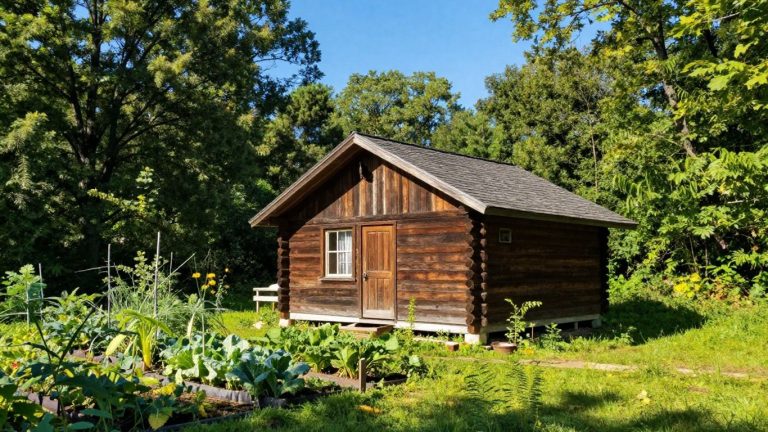
Embracing Off-Grid Living in Oklahoma: Your Guide to Freedom and Self-Sufficiency

Thinking about a life away from the hustle and bustle? Off grid living in Oklahoma might just be your ticket to freedom and a simpler way of life. Oklahoma offers a unique blend of affordability, natural beauty, and resources that make it a surprisingly good spot for those wanting to be more self-sufficient. It’s not just about escaping the grid; it’s about embracing a lifestyle that’s more connected to the land and your own capabilities.
Key Takeaways
- Oklahoma provides an affordable entry point for off grid living, with diverse landscapes suitable for self-sufficiency.
- Finding the right land away from populated areas is key, along with building sustainable homes and preparing for Oklahoma’s varied weather.
- Agriculture is a strong suit in Oklahoma, offering fertile soil and opportunities for growing food and raising livestock.
- Understanding local rules and connecting with other off-gridders can smooth the transition into this lifestyle.
- Embracing off grid living in Oklahoma means gaining autonomy, reducing costs, and enjoying a closer connection with nature.
Understanding Oklahoma’s Off-Grid Potential
Oklahoma really is a pretty interesting spot if you’re thinking about ditching the grid. It’s got this mix of being affordable and having a lot of different kinds of land, which is a big deal when you’re trying to be self-sufficient. You can find wide-open plains out west or more wooded areas to the east, giving you options depending on what you’re looking for.
Affordability and Diversity in Oklahoma
Let’s talk money first, because that’s usually a big hurdle. Oklahoma is known for being easier on the wallet compared to a lot of other places. The cost of living here is pretty low, and that extends to land prices too. You can often find larger plots of land for a lot less than you’d expect, which is a huge plus when you’re starting out. Plus, the state has a diverse landscape, from flat prairies to rolling hills, meaning you have choices about where you want to set up your homestead.
- Lower Cost of Living: Generally less expensive than many other states.
- Land Availability: More affordable and varied land options.
- Diverse Landscapes: Plains, hills, and wooded areas offer different environments.
The ability to acquire land at a reasonable price is a major factor for anyone considering a move to an off-grid lifestyle. It allows for more upfront investment in essential systems and infrastructure.
Climate Suitability for Self-Sufficiency
Oklahoma’s weather is something you’ll definitely get used to. It’s got mild winters, which means less heating hassle, and hot summers, which are great for growing a lot of different kinds of food. This kind of climate is pretty forgiving for gardening and farming. You get a good range of seasons, so you can experience the full cycle of nature, which is part of the appeal for many off-gridders.
Abundant Natural Resources for Outdoor Pursuits
If you like being outdoors, Oklahoma has you covered. There are plenty of rivers, lakes, and wooded areas. This means good opportunities for fishing and hunting, which can be a real source of food and enjoyment when you’re living off the land. Having these natural resources right there makes self-sufficiency feel a lot more achievable and, honestly, more fun.
Key Considerations for Off-Grid Living in Oklahoma
Taking your life off-grid in Oklahoma is more than just unplugging from the utilities—it takes some real planning and a willingness to adjust.
Finding Suitable Land Away From Population Centers
If you’re really set on off-grid living, picking the right plot of land is a big deal. Land further from major towns helps cut down on noise and neighbors but often means you’re also further from stores or hospitals. Think about your access to water—does the land support drilling a well, or will you have to cart water in? In Oklahoma, you also want to watch for areas prone to flooding or those that are tough to reach during rainy seasons.
- Check local property taxes (they’re usually lower in rural Oklahoma).
- Always research zoning laws — what you can and can’t build matters big time.
- Visit in person so you know the road conditions and land features, especially after a heavy rain.
Building Efficient and Sustainable Off-Grid Homes
Building your home requires some creativity and know-how. In Oklahoma, insulation is your friend—winters can be cold, and summers get uncomfortably hot. Straw bale, earth-bermed, or cob houses make use of what’s available and have good thermal mass. Factor in smart placement: you’ll benefit from shade trees to the south and wind protection from the west.
A few musts:
- Use energy-saving windows and doors.
- Plan for rainwater collection off roofs.
- Set up composting toilets if you’re outside city limits.
Building self-sufficient homes can cost a bit upfront, but you’ll save a lot in the long haul without monthly utility bills chewing up your paychecks.
Preparing for Oklahoma’s Diverse Weather Patterns
You really feel the weather when you’re off the grid. Oklahoma’s weather likes to keep folks on their toes—especially with thunderstorms, hail, tornadoes, and drought spells. Basements or storm shelters are a must. When it comes to the heat, shading, cross-ventilation, and adequate insulation are your best bets.
Here’s a quick breakdown:
| Challenge | Solution |
|---|---|
| Tornadoes | Storm shelter underground |
| Drought | Backup water storage barrels |
| Heat waves | Deep overhangs, lots of shade |
| Icy winters | Wood stove + added insulation |
Installing Reliable Off-Grid Power Systems
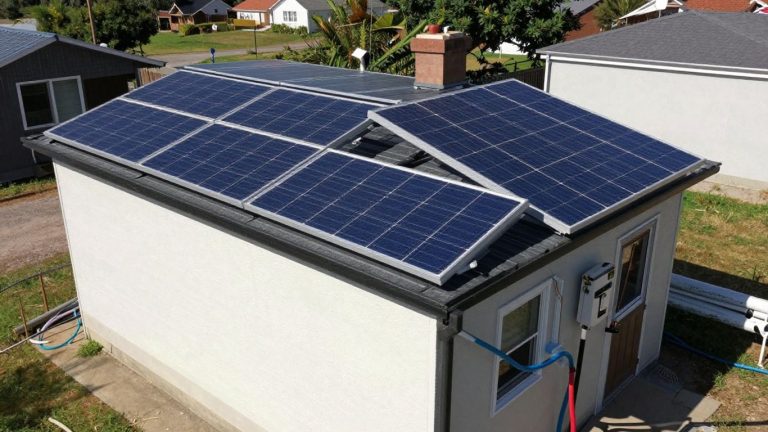
Getting power without the grid means combining a few different sources. Most folks use solar panels, but wind can be helpful too since Oklahoma is known for those constant breezes. If you’re far from neighbors, you might even consider a small backup generator for emergencies. Battery storage is the real investment—it bridges the cloudy days and times when the wind dies down.
- Figure out how much power you need before buying anything.
- Place panels where they are not shaded most of the day.
- Having more than one power source adds peace of mind.
If you’re concerned about rules on building codes or renewable energy systems, dive into off-grid Oklahoma regulations first.
Stepping back from traditional utilities means you’ll learn to recognize your own patterns of use, and probably waste a lot less electricity without even realizing it.
Achieving Self-Sufficiency Through Agriculture
Leveraging Oklahoma’s Fertile Soil for Food Growth
Oklahoma’s land has a long history of feeding families, and that tradition can absolutely be part of your off-grid life. The soil here, especially in certain regions, is quite good for growing a variety of crops. You don’t need to be a seasoned farmer to get started. Think about what you like to eat and what grows well in this climate. Starting small with a few raised beds or a simple garden plot is a smart way to learn. You’ll find that many vegetables and fruits do well, from hearty root vegetables that can last through the winter to summer favorites like tomatoes and peppers. Growing your own food is a huge step towards true self-sufficiency. It means you’re not relying on grocery stores or fluctuating prices for a basic necessity.
Integrating Livestock into Your Off-Grid Lifestyle
Beyond plants, bringing animals into your homestead can really round out your food production. Chickens are a popular choice for off-gridders because they provide fresh eggs daily and their manure is great for your garden. They’re also relatively easy to care for. If you have a bit more space and resources, consider goats for milk and cheese, or perhaps a few rabbits for meat. Each animal has its own needs, of course, so do some research before you bring them home. It’s a commitment, but having your own source of protein and dairy is a big deal when you’re aiming for independence.
Preserving Your Harvest Through Canning and Dehydrating
So, you’ve grown a ton of food, or maybe you had a great hunting season. What do you do with it all, especially when winter comes? Preservation is key. Canning is a time-tested method for fruits, vegetables, and meats, allowing you to store them safely for months. You can buy kits or make your own equipment. Dehydrating is another excellent option, especially for fruits and herbs, and it takes up less storage space. You can use a food dehydrator or even a low oven. Learning these skills means you can enjoy the bounty of your harvest year-round, reducing waste and further strengthening your self-reliant lifestyle.
Navigating Regulations and Community
Oklahoma’s off-grid landscape is shaped by local land laws, social connections, and the challenge of keeping in touch while living far from towns. Getting familiar with the rules and finding a sense of community will make your journey smoother.
Understanding Local Zoning Laws in Oklahoma
Figuring out if you can live your off-grid dream starts with knowing zoning laws. These can change from one county to the next, so it’s wise to check before you buy. Here’s a quick breakdown:
| County | Off-Grid Dwellings Allowed? | Water Rights | Notable Permits Required |
|---|---|---|---|
| Adair | Yes, with permits | Well drilling | Waste disposal, septic |
| Carter | Yes, some restrictions | Open | Septic, building |
| Cimarron | Fewer rules | Open | Minimal |
Before building, always contact the county office. Some tips:
- Ask about minimum house sizes (tiny homes don’t always pass).
- Find out if water and septic are required.
- Check if agricultural zoning better fits your plans.
Always expect a little paperwork, but don’t let it scare you off—most Oklahoma officials are used to off-grid folks asking questions.
The Importance of Networking with Other Off-Gridders
People living off-grid in Oklahoma might be spread out, but they tend to look out for each other. Chances are, you’ll learn more from your neighbors than any guideline book. Ways to connect:
- Join local Facebook groups or forums for Oklahoma off-gridders.
- Attend or organize meetups and skill-shares.
- Offer and accept help—fixing fences, splitting firewood, or troubleshooting solar setups.
- Share tips for handling local wildlife, power outages, or bad weather.
Staying connected with people who live nearby keeps you in the loop when conditions change or emergencies pop up.
Establishing Reliable Communication Methods
When you’re far from cell towers or wired internet, staying connected can be tricky. Here’s what works for most off-gridders in Oklahoma:
- Install a signal booster or high-gain antenna for spotty cell service.
- Consider satellite phones or internet if you’re really out there.
- Keep a VHF/UHF radio handy for emergencies or chatting with neighbors.
Out here, you might not hear a lot of traffic noise—but you’ll still want a way to reach out if something goes wrong. Pick the simplest, most reliable setup that fits your needs.
Balancing the freedom of rural life with a few legal checks and good connections can make the off-grid experience a whole lot less stressful. If you reach out to your community and keep your paperwork in order, Oklahoma can be a welcoming place to live off the grid.
Embracing the Freedom of Off-Grid Independence
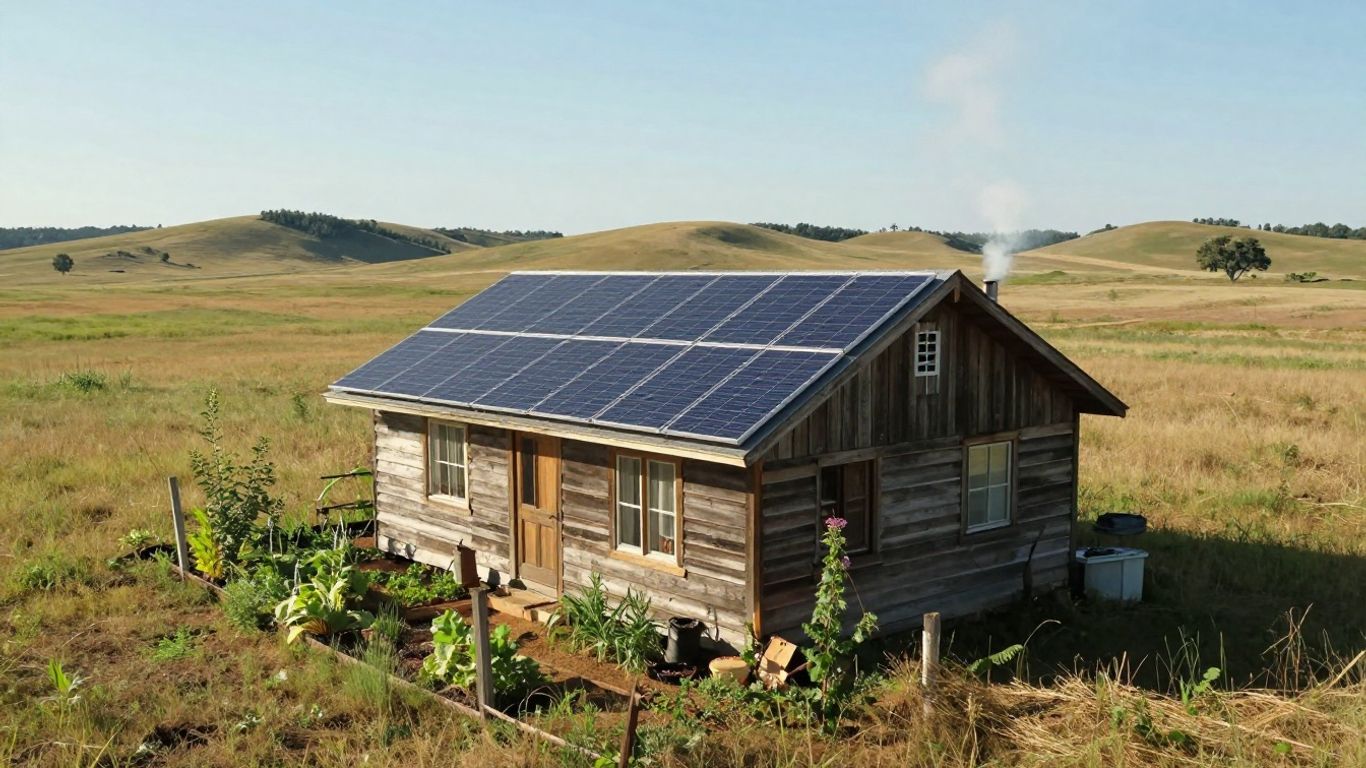
Choosing to live off-grid in Oklahoma means chasing a sense of independence that just isn’t possible in most crowded cities or even small towns. Let’s break down what this new freedom really feels like, how it changes daily life, and why more people are making the switch.
The Autonomy Gained Through Self-Reliance
There’s a unique satisfaction that comes from doing things on your own terms. Off-grid living means you’re the one in control—your energy, water, and even food don’t rely on someone flipping a switch in an office miles away. No monthly bills from the power company. You decide how and when you work, what you eat, how you heat your home, and where your water comes from.
- You set your daily routine, not the city schedule.
- There’s no HOA telling you what color your house should be.
- If you need to fix something, you learn and handle it yourself, building real-world skills that are valuable wherever you go.
It’s not always glamorous, but over time the self-sufficiency feels like a quiet superpower. For many, it’s the best part of moving off the grid.
Reducing Living Costs and Environmental Impact
The freedom of off-grid life isn’t just about doing whatever you want—it’s also about saving money and living lighter on the land. Oklahoma’s affordable land prices help, but the savings go deeper over the years. Here’s a quick look at the typical costs:
| Expense | On-Grid (per month) | Off-Grid (per month) |
|---|---|---|
| Electricity/Power | $120 | $0-30 (maintenance) |
| Water/Sewage | $50 | $0-10 (upkeep) |
| Trash Collection | $25 | $0 (DIY disposal) |
| Total | $195 | $0-40 |
- Fewer utility bills mean you keep more of your money every month.
- Renewable energy like solar or wind cuts your long-term costs.
- Using less usually equals wasting less, which can add up to a smaller impact on the land.
Connecting with Nature in Rural Oklahoma
Stepping outside and hearing nothing but birds, spotting deer by dawn, breathing in air that doesn’t smell like exhaust—this is daily life when you go off-grid in Oklahoma. Those wide-open spaces make it easier to reset and appreciate the simple things.
Some genuine perks:
- Stargazing becomes an every-night activity, not just a rare treat.
- The changing weather patterns are more obvious when you’re part of them, not protected by layers of concrete and city infrastructure.
- It takes less effort to live in balance with the seasons and your environment.
On some mornings out here, you realize how much time and worry you’ve left behind. Living simply feels more natural, almost like the world slowed down just for you.
In Oklahoma, embracing off-grid independence isn’t just about refusing city life—it’s finding peace, saving money, and learning just how much you can actually do with your own two hands.
Essential Skills for Off-Grid Success
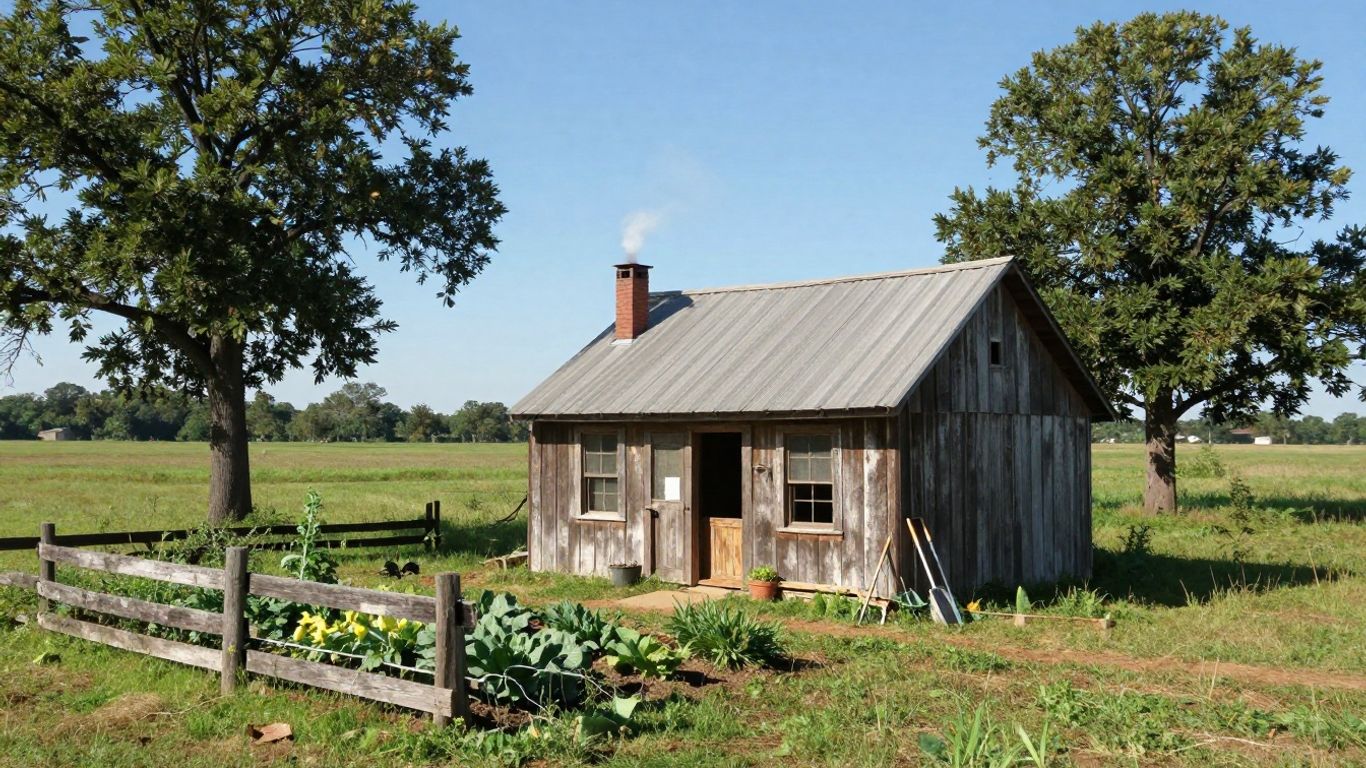
Living off the grid in Oklahoma means you’re signing up for a life where you’re responsible for pretty much everything. It’s not just about having a cool cabin and a garden; it’s about having the know-how to keep things running. You’ll need a solid mix of practical abilities to truly thrive.
Mastering Basic Construction and Repair
When something breaks, and it will, you can’t just call a repairman. You’ve got to be able to fix it yourself. This means getting comfortable with tools and understanding how things work. Think about learning to patch a roof, fix a leaky pipe, or even build a simple shed. It’s about being resourceful and not letting small problems turn into big ones. You’ll want to know how to work with wood, maybe some basic plumbing, and electrical systems, especially for your off-grid setup. It’s a skill that saves you money and a lot of headaches.
Developing Proficiency in Hunting and Fishing
For many, a big part of self-sufficiency is providing your own food. In Oklahoma, the land and waters offer opportunities for this. Learning to hunt responsibly and ethically, understanding local game laws, and knowing how to process your catch are important. Similarly, fishing can be a great way to supplement your diet. It’s not just about the thrill; it’s about connecting with the land and understanding its bounty. This is a big part of the homesteading today ideal.
Learning About Renewable Energy Technologies
Powering your home without the grid means understanding systems like solar panels, wind turbines, or even micro-hydro if you have the right water source. You don’t need to be an engineer, but you should know how your system works, how to maintain it, and what to do when it’s not performing as expected. This includes understanding battery storage and inverter functions. Being able to troubleshoot minor issues with your power system is key to avoiding long periods without electricity.
Here’s a quick look at some common renewable energy sources:
- Solar Power: Great for sunny Oklahoma days, but needs good battery storage for cloudy periods or night.
- Wind Power: Can be effective, especially in open areas, but requires consistent wind and proper turbine maintenance.
- Backup Generators: A necessary evil for many, providing power when renewables are insufficient. Knowing how to maintain and fuel them is vital.
Being prepared also includes education and networking with other off-gridders. Websites and online forums dedicated to off-grid living can be a valuable resource, providing tips and advice from those who have already taken the leap. These communities are also an excellent place to learn about potential legal issues that could arise, as some places have zoning laws and regulations that may impact your ability to live completely off the grid.
It might seem like a lot, but each skill you build makes you more independent and capable. It’s a journey, and every bit of knowledge gained is a step towards true self-reliance.
Your Oklahoma Off-Grid Adventure Awaits
So, you’ve explored the idea of living off the grid in Oklahoma. It’s a big change, for sure, and it means learning new things and maybe doing without some conveniences. But think about the freedom. You’re in charge of your own power, your own food, and your own space. Oklahoma offers a good mix of affordability and natural resources, making it a solid choice for this kind of life. It’s not always easy, but the sense of independence and connection to the land can be really rewarding. If you’re ready for a more self-reliant path, Oklahoma might just be the place to start your journey.
Frequently Asked Questions
What makes Oklahoma a good place for off-grid living?
Oklahoma is a great choice because it’s affordable and has lots of different types of land and weather. You can find land that’s not too expensive, and the weather is good for growing food and enjoying the outdoors. Plus, there are plenty of natural resources like rivers and forests for fishing and hunting.
What are the main things to think about before living off the grid in Oklahoma?
You’ll need to find land that’s far from big towns, figure out how to build a home that saves energy, get ready for Oklahoma’s changing weather, and set up a reliable way to get power, like solar panels.
How can I grow my own food when living off-grid in Oklahoma?
Oklahoma has good soil that’s great for growing food. You can also raise farm animals like chickens or goats. Learning how to store your food, like canning or drying it, will help you have food all year round.
Are there any rules I need to know about for off-grid living in Oklahoma?
Yes, you should check the local rules about building and land use, called zoning laws. It’s also smart to connect with other people who live off the grid; they can share helpful tips and advice. Having a way to communicate, like a satellite phone, is also important.
What are the biggest benefits of living off-grid in Oklahoma?
You get a lot of freedom and don’t have to rely on others as much. Your living costs can go down because you’re not paying for as many utilities. You’ll also get to spend more time outdoors and really connect with nature in rural Oklahoma.
What skills are most important for living off the grid successfully?
It’s helpful to know how to do basic building and repairs yourself. Being good at hunting and fishing can help you get food. Learning about how to use renewable energy, like solar power, is also very important for having electricity.
Explore more tiny home living, design, downsizing, building, and lifestyle resources.