Does MD Allow Tiny Homes? Exploring Maryland’s Laws and Permitting Process in 2026

Thinking about downsizing to a tiny home in Maryland? It’s a great idea, but you’ll need to figure out the rules. Maryland doesn’t have one single law for tiny houses that applies everywhere. Instead, each county has its own way of handling them, which can make things a bit confusing. Some places are really open to tiny homes as a way to help with housing costs, while others are pretty strict. So, does MD allow tiny homes? The answer really depends on where you plan to put yours.
Key Takeaways
- Maryland’s approach to tiny homes is largely determined by individual county zoning laws, not a statewide mandate.
- Tiny homes on wheels (THOWs) are often treated as RVs, which can limit where and how long they can be occupied full-time.
- Foundation-based tiny homes are generally easier to permit if they meet local building and zoning codes, similar to traditional homes.
- Rural counties in Maryland tend to be more flexible with tiny house regulations compared to urban or suburban areas.
- Thorough research into specific county ordinances, minimum lot sizes, setbacks, and permitting processes is essential before building or placing a tiny home.
Does Maryland Allow Tiny Homes?
So, you’re wondering if Maryland is the place to be for tiny house living in 2026? It’s a bit of a mixed bag, honestly. Maryland doesn’t have one single, statewide law that says ‘yes’ or ‘no’ to tiny homes. Instead, it’s all about where you want to put your tiny abode. Think of it like this: each county in Maryland has its own set of rules, and these can be pretty different from one place to another.
Understanding Maryland’s Tiny House Landscape
Basically, the state itself is open to the idea of smaller, more efficient housing. The Maryland Department of Planning even acknowledges that tiny homes can be a good way to address affordable housing needs. However, the real power lies with the local governments. They get to decide how these rules apply in their specific areas. This means what’s perfectly fine in one county might be a no-go in the next. It’s a bit of a puzzle you have to solve for each individual location.
Statewide Regulations vs. Local Ordinances
While there isn’t a blanket state law, Maryland does follow the International Residential Code (IRC), specifically Appendix Q, which offers guidelines for homes under 400 square feet. The catch? Counties don’t have to adopt this appendix. Some have chosen to, or at least interpret their existing rules to make space for tiny homes, especially as Accessory Dwelling Units (ADUs). Others, though, haven’t budged and stick to more traditional definitions of what a house should be. So, while the state provides a framework, it’s the local ordinances that really dictate the possibilities.
The Role of the International Residential Code (IRC)
The IRC, and particularly Appendix Q, is designed to help local governments regulate tiny homes. It covers things like minimum ceiling heights, window sizes for emergency escapes, and structural requirements. If a tiny home is built on a foundation, it generally needs to meet these building code standards, just like any other house. For tiny homes on wheels (THOWs), it gets a bit trickier. They are often classified more like recreational vehicles (RVs), which means they might not be allowed for permanent residency in many areas. Some counties might allow them in specific RV parks or designated zones, but don’t expect to just park one anywhere and call it home.
The key takeaway is that while the IRC provides a technical standard for building, it’s the local zoning laws that determine if and where a tiny home can be legally placed and occupied.
Navigating Zoning Laws for Tiny Houses in Maryland
Key Legal Classifications: THOWs, Foundation Homes, and ADUs
When you’re looking into building a tiny house in Maryland, the first thing you’ll run into is how different places classify these smaller dwellings. It’s not just about square footage; it’s about how the house is built and where it’s going to sit. Generally, you’ll see three main categories that pop up in zoning discussions.
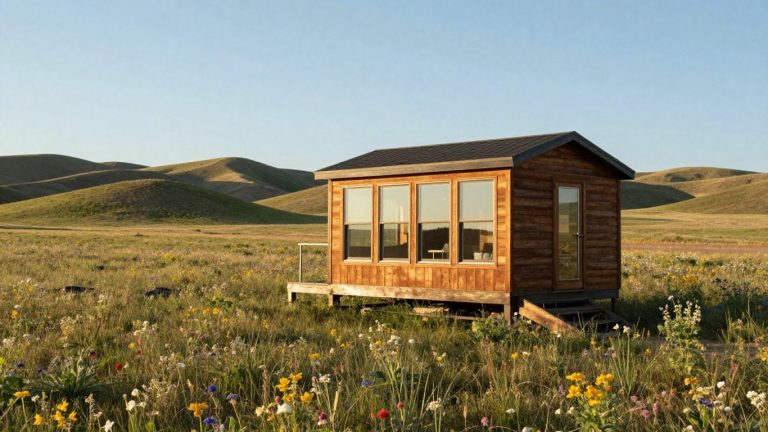
First, there are Tiny Houses on Wheels (THOWs). These are often treated like recreational vehicles (RVs). This means they might be allowed in certain RV parks or campgrounds, but usually, you can’t just park one on a piece of land and live in it full-time. The rules here can be pretty strict, and many counties don’t consider them permanent residences.
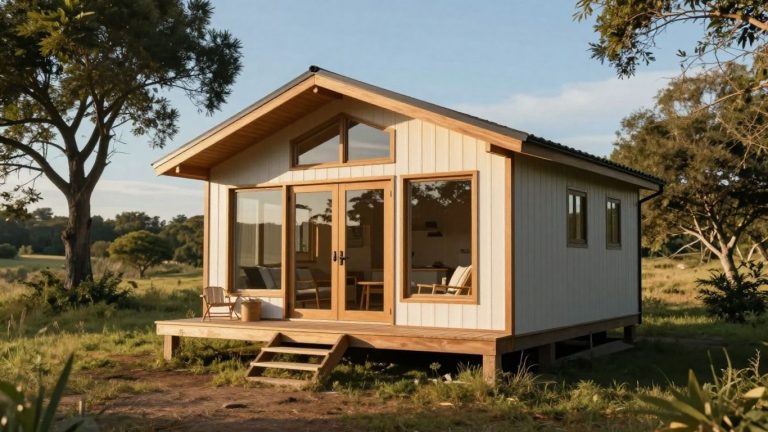
Then you have Tiny Houses on a Foundation. These are built much like a traditional home, just smaller. If they meet all the local building codes and zoning requirements for a permanent dwelling, they have a much better chance of being approved. Think of these as a standard house, just with a smaller footprint.
Finally, there are Accessory Dwelling Units (ADUs). These are secondary housing units on a single-family lot. Sometimes, a tiny house can be built as an ADU, like a backyard cottage or an in-law suite. This is often a more straightforward path in counties that are open to smaller homes, as it fits within existing zoning frameworks for additional housing on a property.
Zoning Challenges: Minimum Lot Sizes and Setbacks
Even if you figure out which category your tiny house falls into, zoning laws throw up a few more hurdles. Two common ones are minimum lot sizes and setback requirements.
Many counties in Maryland have rules about how big a piece of land needs to be before you can build a house on it. For a traditional single-family home, this minimum lot size can be half an acre or even more. This can be a big problem if you’re aiming for a tiny house, as you might not need that much land, but the law says you do. Finding a plot that’s small enough to be affordable but large enough to meet zoning can be tricky.
Setbacks are another thing to watch out for. These are rules about how far your house has to be from the property lines, the street, or other structures. For example, a county might say your house needs to be at least 20 feet from the front property line and 10 feet from the side lines. These distances add up and can eat into the usable space on your lot, potentially making it difficult to fit a tiny house, especially if you also need space for things like a driveway or a small yard.
Where Tiny Houses Are Most Likely to Be Allowed
So, where in Maryland are you most likely to find a welcoming spot for a tiny house? It really comes down to the type of area and the local government’s approach.
- Rural and Agricultural Zones: These areas often have more open space and less dense populations. Counties with large rural zones tend to be more flexible with zoning. They might allow tiny houses on larger properties, sometimes even as primary residences or as ADUs, especially if they fit with the agricultural character of the area. Off-grid living might also be more feasible here.
- Areas Allowing ADUs: Counties that have specific ordinances allowing Accessory Dwelling Units are often good candidates. If a tiny house can be legally classified as an ADU (like a backyard cottage), it can bypass some of the stricter rules that apply to primary dwellings.
- Counties with Updated Zoning Codes: Some counties are actively updating their zoning laws to include provisions for smaller homes. These places are usually more predictable and easier to work with. It’s always a good idea to check if a county has recently adopted or amended codes related to tiny homes or alternative housing types.
It’s important to remember that even in areas that seem promising, you’ll still need to meet specific requirements. These can include things like utility hookups, septic system rules, and safety standards. Don’t assume that just because an area is rural, it’s automatically a free-for-all for tiny homes. Always do your homework with the local planning and zoning department.
County-Specific Regulations Across Maryland
Maryland’s approach to tiny homes is really a patchwork quilt, with each county stitching its own rules. It’s not a one-size-fits-all situation, so what works in one place might be a non-starter just a county over. This means you absolutely have to do your homework on the specific county where you’re hoping to set up your tiny abode.
Flexible Counties: Rural and Agricultural Zones
Some counties, especially those with a lot of rural or agricultural zoning, tend to be more open to tiny houses. Think of places like Garrett County, out in the western part of the state. Because there’s more open space and lower population density, they often have fewer restrictions on dwelling size. You might find it easier to get permits for self-sufficient homes here, even ones that are off-grid, using well and septic systems. Allegany County is another example, generally allowing permanent tiny homes on foundations in rural residential zones as long as they meet basic safety codes. These areas are attractive because land is often cheaper and more plentiful, making sustainable building on private property more feasible.
Restrictive Counties: Urban and Suburban Areas
On the flip side, more urban and suburban counties can be quite restrictive. These areas often have stricter rules about minimum lot sizes, setbacks from property lines, and requirements for utility hookups. For instance, Anne Arundel County, while not entirely prohibitive, typically only allows wheeled tiny homes in licensed mobile home parks, not on private land. This is often due to existing infrastructure, established neighborhood aesthetics, and a desire to maintain traditional housing densities. If you’re looking at a county with a high population density and a lot of development, expect a tougher road ahead.
Counties with Evolving or Unclear Tiny House Rules
Then there are counties where the rules are still a bit of a gray area, or they’re actively working on updating them. Montgomery County, for example, has been proactive, updating its zoning to specifically include tiny homes and Accessory Dwelling Units (ADUs). They’ve set rules about how many units can be on a certain amount of road frontage and require permanent foundations. Baltimore County has a more balanced approach, allowing permanent tiny homes in suitable zones that meet IRC standards, but wheeled units are generally restricted to licensed parks. It’s a good idea to check with the county’s planning and zoning department directly, as online information might not always reflect the latest interpretations or upcoming changes. They are often the best source for understanding the current climate and future possibilities for tiny homes in their jurisdiction.
It’s important to remember that even if a county’s zoning code seems to allow for smaller dwellings, the practical application can vary. Enforcement practices, the interpretation of existing ordinances by planning officials, and the specific characteristics of your property all play a significant role in whether your tiny home project will be approved. Always seek direct clarification from local authorities before making any significant decisions or investments.
The Permitting Process for Tiny Homes in Maryland
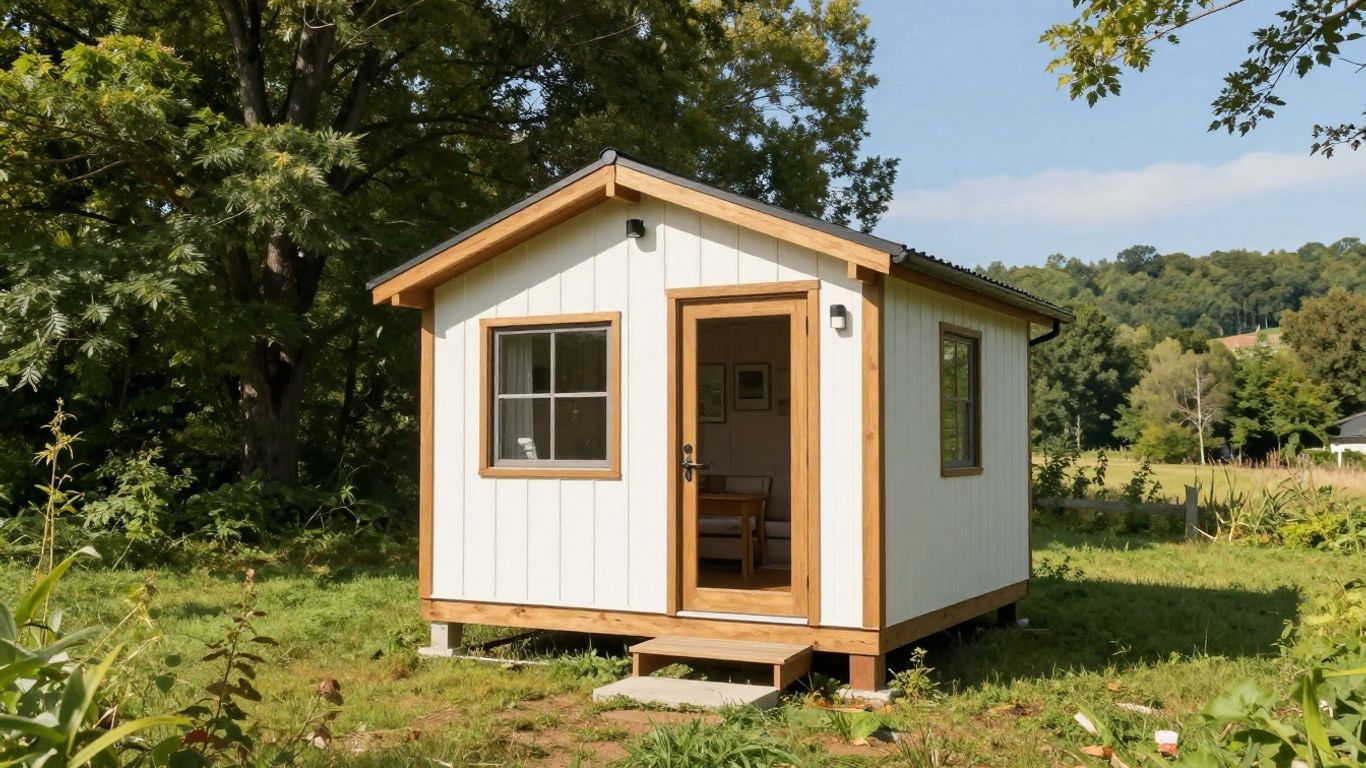
So, you’ve decided a tiny house is the way to go in Maryland. Awesome! But before you start dreaming about your cozy new digs, let’s talk about the paperwork. Getting the green light to build and live in a tiny home here involves a few steps, and honestly, it can feel a bit like a maze sometimes. Skipping any of these can lead to some serious headaches, like fines or even being told you have to move your house. It’s definitely worth doing it right from the start.
Building Permits and Zoning Approval
First things first, you’ll need to get your building permit and zoning approval. This is where you show the local authorities that your tiny house plan fits their rules. For homes that will sit on a foundation, it’s pretty similar to getting a permit for any other house – you’ll submit detailed plans for review. If you’re going the Tiny House on Wheels (THOW) route, things get a bit trickier. Some places might treat it like an RV, while others might have specific rules for temporary structures. It’s super important to check with your specific county’s planning and zoning office early on to understand their requirements. They’ll want to see site plans, building designs, and proof that you’ve met all the necessary codes. This part can take a while, so give yourself plenty of time.
Inspections and Occupancy Requirements
Once you’ve got your permits and construction is underway, you’ll have inspections. Think of these as check-ins to make sure everything is being built according to the approved plans and safety codes. You’ll likely have inspections at different stages – maybe after the foundation is laid, when the framing is up, and for electrical and plumbing work. After all the building is done and passes inspection, you’ll get your final approval, which usually includes a certificate of occupancy. This certificate basically says your home is good to go and safe to live in. For THOWs, the inspection process might focus more on things like safety features and whether it meets any specific RV or temporary dwelling standards the county might have.
Permitting for Tiny Homes on Wheels (THOWs)
Permitting for THOWs in Maryland is where things can get a little less clear-cut. Because they’re designed to be mobile, they don’t always fit neatly into traditional building codes. Some counties might require them to be built to RV standards and placed in RV parks or designated areas. Others might allow them on private property but with strict limitations, perhaps requiring them to be permanently connected to utilities or have a foundation skirt. You might need specific permits related to RVs or even temporary structures, depending on the local jurisdiction. It’s a good idea to talk to your local building department and maybe even an RVIA-certified manufacturer to see what documentation and certifications they’ll accept. The goal is to make sure your THOW meets safety and zoning rules, even if it’s on wheels.
The permitting process for any home, tiny or not, is designed to ensure safety and compliance with local standards. While it can seem like a hurdle, following the steps diligently and communicating openly with local officials will make the process much smoother. Don’t be afraid to ask questions; most county offices are there to help guide you through their specific requirements.
Future Trends and Potential for Tiny House Growth in Maryland
The tiny house movement is definitely picking up steam across the country, and Maryland is starting to feel that momentum too. With housing prices climbing, especially around busy areas like Baltimore and D.C., more folks are looking at smaller, more affordable ways to live. It’s not just about saving money each month; it’s also about simplifying life and having less stuff to worry about. Maryland’s unique mix of urban centers and wide-open rural spaces means there’s a lot of potential for tiny homes to find a place here.
Advocacy for Zoning Reform
There’s a growing push to update zoning laws to make it easier to build and live in tiny homes. Many counties are realizing that strict rules from decades ago just don’t fit today’s housing needs. We’re seeing more discussions about allowing accessory dwelling units (ADUs) and other innovative housing types. It’s a slow process, but advocates are working hard to get tiny homes officially recognized in future housing plans. Some counties, like Prince George’s and Howard, are already looking into changes, and Harford County has seen interest from builders presenting modern tiny home designs. The Maryland Department of Housing and Community Development even launched an initiative to support small, energy-efficient housing options, which is a good sign that the state is paying attention.
Potential for New Tiny House Communities
While Maryland doesn’t have a ton of established tiny house villages yet, compared to places like Oregon or California, that’s starting to change. Communities like Liberty Village near Frederick and Blue Moon Rising in Garrett County are showing how it can be done. These places often focus on shared resources, like gardens or workshops, and create a strong support network for residents. They also tend to be built with sustainability in mind, using efficient designs and renewable energy. Building these communities can help lower land and utility costs, making tiny living even more accessible. It’s exciting to think about more of these intentional communities popping up across the state.
Statewide Support for Innovative Housing Solutions
As the housing shortage continues to be a big issue, Maryland is slowly but surely opening up to different kinds of housing solutions. The state is starting to recognize that not everyone wants or can afford a traditional large house. This shift in thinking could lead to more flexible regulations that welcome tiny homes, whether they’re on foundations or wheels. It’s all about finding ways to provide more housing options that fit different budgets and lifestyles. The conversation is moving beyond just accepting tiny homes to actively looking for ways to integrate them into the broader housing market. For those interested in the practical side of building, understanding the Anne Arundel County’s new bill is a good example of how local governments are stepping up to improve housing accessibility.
Key Considerations for Building a Tiny Home in Maryland
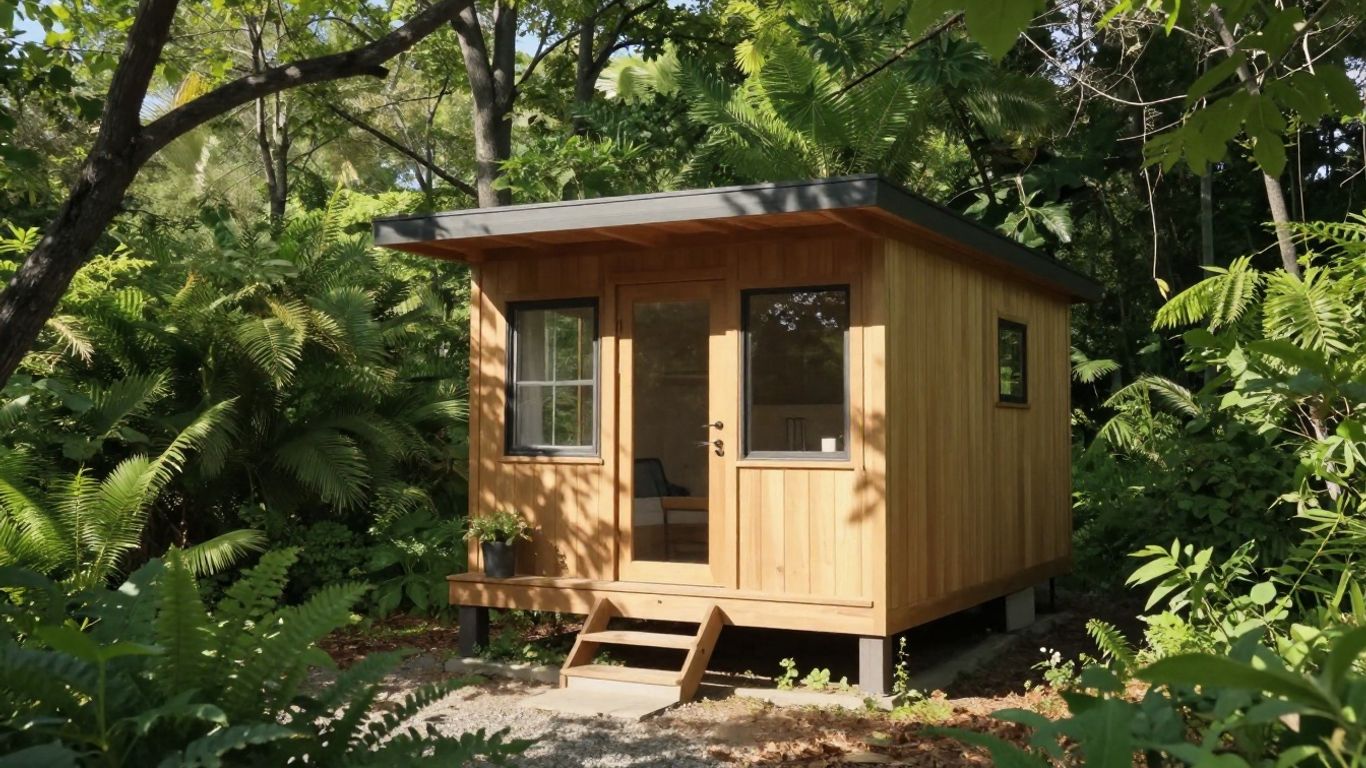
So, you’re thinking about building a tiny home in Maryland. That’s awesome! It’s a big step, and honestly, it’s not quite as simple as just picking out a cute design and plopping it down anywhere. Maryland’s got a bit of a patchwork quilt when it comes to rules, and what works in one county might be a total no-go in another. It really pays to do your homework before you even break ground, or, you know, before you start welding wheels onto your dream dwelling.
Foundation-Based vs. Wheeled Tiny Homes
This is probably the first big decision you’ll make, and it has huge implications for where and how you can live. Foundation-based tiny homes are generally treated more like traditional houses. This means they often have an easier time getting through zoning and permitting, especially if they’re built to meet standard building codes. Think of it as a permanent structure. On the flip side, tiny homes on wheels (THOWs) are often classified as recreational vehicles (RVs). This can be a double-edged sword. While it might offer more flexibility in terms of placement, especially in RV parks or designated areas, it can also come with restrictions on how long you can stay in one spot or where you can legally park them long-term. Some counties are getting more hip to THOWs, but many still have strict rules about them.
Utility Connections and Off-Grid Living
Connecting to public utilities – water, sewer, and electricity – can be a major hurdle, especially for tiny homes. If you’re planning on a foundation home, you’ll likely need to connect to existing municipal services, which can be costly and complex depending on your lot’s location. For THOWs, you might be looking at RV hookups, but permanent setups can be tricky. Then there’s the whole off-grid dream. Solar panels, composting toilets, and rainwater harvesting sound super appealing and eco-friendly, right? They can be, but you’ll need to make sure your chosen location and local regulations allow for these systems. Some areas might require proof of a conventional water source or a septic system, even if you plan to use alternatives. It’s not just about the tech; it’s about what the local government will sign off on.
Working with Local Officials and Experts
Honestly, this is where a lot of people get stuck. Trying to decipher zoning maps, building codes, and permit applications can feel like learning a new language. Don’t be afraid to talk to people! Reach out to your local planning and zoning department early and often. Ask questions, even if they seem basic. They are the gatekeepers, and understanding their perspective and requirements is key. Beyond that, consider hiring professionals who specialize in tiny homes or alternative housing. This could be an architect familiar with small spaces, a builder experienced with local codes, or even a land-use consultant. They can help you avoid costly mistakes and navigate the bureaucratic maze more smoothly. It’s an investment, but it can save you a ton of headaches and money in the long run.
Building a tiny home in Maryland requires a proactive approach. It’s about more than just the house itself; it’s about understanding the land, the rules, and the community you’re joining. Being prepared and informed is your best tool for success.
So, Can You Build a Tiny Home in Maryland?
Alright, so after all that, can you actually build a tiny house in Maryland? The short answer is yes, but it’s definitely not a simple ‘yes.’ It really comes down to the specific county you’re looking at. Some places are pretty open to the idea, especially if you’re thinking of a tiny house on a foundation or as an extra unit on someone’s property. Others are much stricter and might only allow them in certain types of parks. You’ve got to do your homework on local zoning laws before you even start dreaming about blueprints. It seems like the trend is moving towards accepting these smaller homes, mostly because people need more affordable housing options, but it’s still a bit of a patchwork across the state. So, if you’re serious about going tiny in Maryland, be prepared to dig into those county-specific rules and maybe even talk to some local officials. It’s doable, but it’ll take some effort.
Frequently Asked Questions
Can I live in a tiny house anywhere in Maryland?
Not exactly. While tiny houses are legal in Maryland, each county has its own rules, called zoning laws. Some counties are very welcoming, especially in rural areas, and might let you build a tiny house on your land or as an extra small home on someone else’s property. Other counties, especially in cities, are much stricter and might not allow them at all, or only in special mobile home parks. You really need to check the specific rules for the county where you want to put your tiny house.
What’s the difference between a tiny house on wheels (THOW) and one on a foundation?
A tiny house on wheels (THOW) is often treated like an RV or a mobile home. This can make it harder to live in full-time because some places only allow RVs for short stays. A tiny house on a foundation is built like a regular house and is usually treated as a permanent home. In Maryland, foundation-based tiny homes are generally easier to get approved because they fit into existing housing rules more readily.
Do I need special permission to build a tiny house?
Yes, you almost always need permits. This includes getting approval from the zoning department to make sure your tiny house is allowed in that specific area, and then getting building permits. You’ll likely need inspections during construction and before you can officially move in. The exact permits depend on whether your tiny house is on wheels or a foundation and the rules of the county you’re in.
Are tiny houses considered affordable housing in Maryland?
Many people and some local governments in Maryland see tiny houses as a way to help with the affordable housing problem. Because they are smaller and cost less to build and maintain, they can be a more budget-friendly option for individuals and families. Some counties are looking at tiny homes as a solution to house more people without building huge developments.
What are the biggest challenges when trying to build a tiny house in Maryland?
The main challenge is the mixed rules across different counties. You might find a great spot, but the county’s zoning laws could prevent you from building there. Other common hurdles include minimum lot size requirements, rules about how close your house must be to property lines (called setbacks), and figuring out how to connect utilities like water, sewer, and electricity. For tiny houses on wheels, the biggest challenge is finding a legal place to park it long-term.
Where can I find more information about tiny house rules in my specific Maryland county?
Your best bet is to contact your county’s planning and zoning department directly. They are the ones who enforce the local rules and can tell you exactly what is and isn’t allowed. You can usually find their contact information on your county government’s official website. Sometimes, looking at the county’s comprehensive plan or zoning map online can also give you a good starting point.
Explore more tiny home living, design, downsizing, building, and lifestyle resources.
- Tiny Homes for Rent in Wyoming: Wild West Getaways to Book
- Tiny Homes for Rent in Washington: Forest Escapes & Cozy Stays
- Tiny Homes for Rent in Utah: Red Rock Retreats to Book
- Tiny Homes for Rent in Oregon: Forest Retreats You’ll Love
- Tiny Homes for Rent in New Mexico: Desert Gems & Starry Skies
- Tiny Homes for Rent in Nevada: Desert Hideaways Worth Booking