Navigating Missouri Tiny Home Laws: A Comprehensive Guide for 2026

Thinking about going tiny in Missouri? It’s a great idea for a simpler life, but the rules can be a bit confusing. Missouri tiny home laws aren’t the same everywhere in the state. Some places are super welcoming, while others have a lot of requirements. This guide breaks down what you need to know so you can figure out where and how you can legally build or park your tiny home.
Key Takeaways
- Missouri tiny home laws vary significantly by county and city; there’s no single statewide rule.
- Tiny homes on wheels (THOWs) are often treated as RVs, facing more restrictions than homes on foundations.
- Some counties, like Lawrence, have very few regulations, making them more open to tiny homes.
- Building codes, like the International Residential Code (IRC) Appendix Q, can apply if adopted locally.
- Understanding zoning, permits, and potential property taxes is vital before you start your tiny home project in Missouri.
Defining Tiny Homes Under Missouri Tiny Home Laws
Key Characteristics of Missouri Tiny Houses
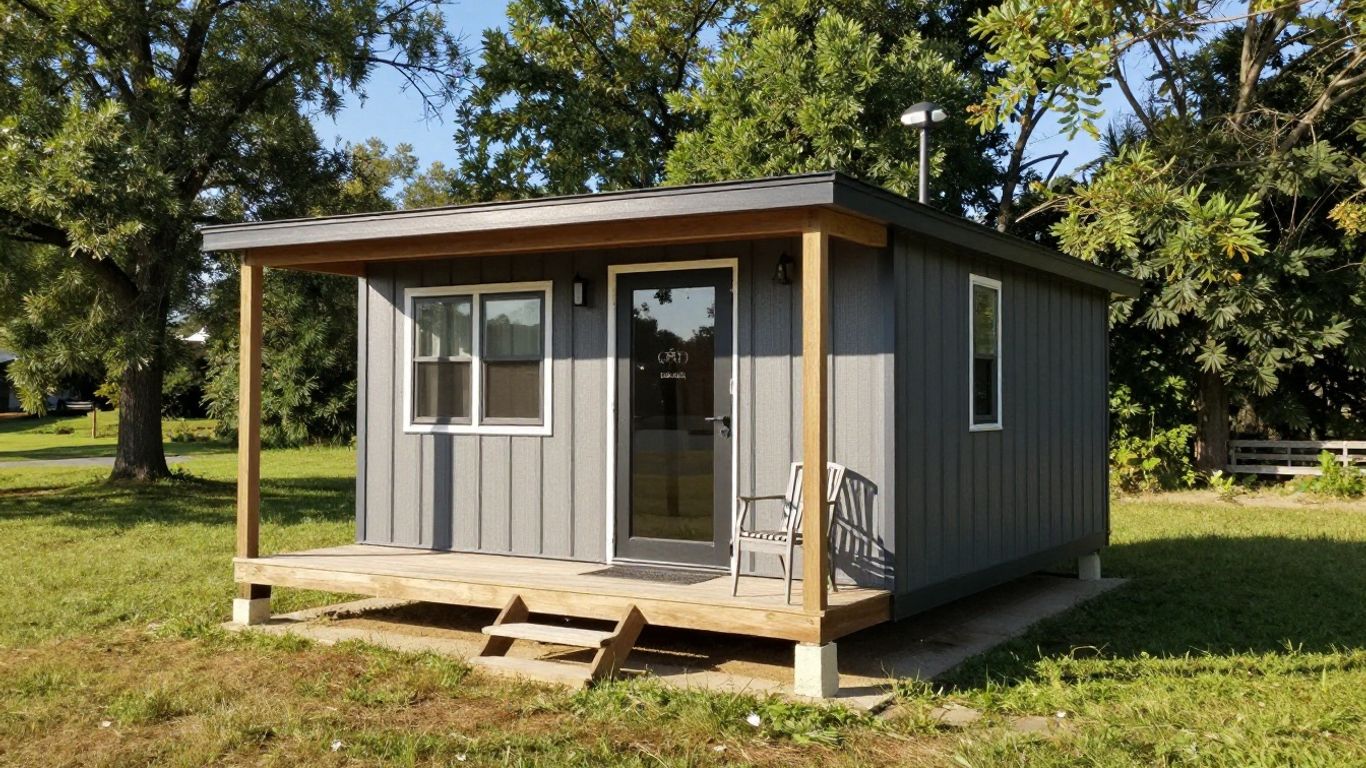
So, what exactly counts as a ‘tiny home’ in Missouri? It’s not as simple as just building something small. Generally, we’re talking about dwellings that are significantly smaller than traditional houses. The minimum size requirements can vary quite a bit, often falling between 120 and 400 square feet, depending on where you plan to put it. This flexibility is a big deal for folks looking to downsize. It’s important to remember that these homes are designed for full-time living, not just as a weekend getaway spot. They need to have basic amenities like a kitchen, bathroom, and sleeping area, all packed into a compact space. Think of it as smart living, where every square foot counts.
Distinction Between Foundation and Wheeled Tiny Homes
Missouri law tends to look at tiny homes in two main ways: those built on a permanent foundation and those on wheels (often called THOWs). Homes on foundations are usually treated more like traditional houses, needing to meet local building codes and zoning rules. They’re meant to stay put. On the other hand, tiny homes on wheels are often classified more like RVs or travel trailers. This means they might have different rules regarding where they can be parked and for how long. It’s a pretty big difference that affects everything from permits to where you can legally live.
Impact of Home Type on Legal Status
The type of tiny home you choose really shapes its legal standing in Missouri. A tiny house on a permanent foundation is more likely to be recognized as a primary residence, subject to standard property taxes and building inspections. However, finding a place to put it can be tricky due to zoning. Tiny homes on wheels, while offering more mobility, often face restrictions on long-term occupancy and may not be allowed in many residential zones. They might be relegated to RV parks or specific campgrounds. Understanding this distinction is key to avoiding legal headaches down the road and making sure your tiny home dream doesn’t turn into a bureaucratic nightmare. It’s wise to check with local authorities early in your planning process.
The classification of your tiny home—whether it’s on a foundation or on wheels—significantly influences its legal standing, placement options, and how it’s regulated within Missouri’s diverse landscape of local ordinances.
Zoning and Location Considerations for Tiny Homes in Missouri
Missouri County and City Zoning Variations
When you’re thinking about putting a tiny home in Missouri, the first thing you’ll run into is that there isn’t one single set of rules for the whole state. Nope, it’s all about where you want to put it. Each county and even each city can have its own ideas about zoning and what’s allowed. This means you absolutely have to check with the local authorities in the specific area you’re interested in. Some places are super welcoming to tiny homes, while others might have strict rules about size, placement, or even outright ban them. It’s a bit of a patchwork quilt, so doing your homework on local zoning is key before you even start looking for land or a builder.
Placing Tiny Homes on Private Property
Putting a tiny home on your own land can seem straightforward, but zoning laws still play a big part. In many rural areas, you might find fewer restrictions, making it easier to place a tiny home. However, even on private property, you’ll likely need to consider things like:
- Setback requirements: How far your tiny home needs to be from property lines, roads, and other structures.
- Minimum lot size: Some areas require a certain amount of land for any dwelling.
- Utility hookups: Ensuring you have legal access to water, sewer or septic, and electricity.
- Accessory Dwelling Unit (ADU) rules: If you’re placing it in a backyard of an existing home, specific ADU regulations might apply, like size limits or needing a permit. For instance, Franklin County has specific rules for ADUs, often requiring lots of at least an acre and limiting the ADU size to 500 square feet or half the main house’s size.
It’s always a good idea to talk to your local planning and zoning department. They can tell you exactly what’s permitted and what permits you’ll need. Sometimes, a public hearing might be part of the process if you’re proposing something outside the usual norms, which is a requirement in some areas according to Missouri law.
Tiny House Communities and Approved Parks
If dealing with individual property zoning feels too complicated, looking into established tiny house communities or RV parks that allow tiny homes can be a great alternative. These places often have their own set of rules, but they’ve usually worked through the zoning hurdles already. You’ll find communities designed for a more sustainable lifestyle, offering shared amenities and a built-in social network. Some parks might allow you to lease a spot for your tiny home on wheels (THOW), while others might have lots for permanent foundation tiny homes. It’s worth researching places like Elevate Branson or The Hideaway in Kansas City to see what they offer and what their specific requirements are for residents.
Here’s a quick look at what some communities might offer:
- Utilities: Access to water, electricity (often 30/50 amp service), and sewage or septic hookups.
- Community Features: Shared common areas, potential for social events, and a focus on a particular lifestyle (e.g., sustainable living).
- Lease Agreements: Understanding the terms for renting a lot for your tiny home, especially if it’s on wheels.
These communities can simplify the process of finding a legal place to park or build your tiny home, offering a more straightforward path to tiny living in Missouri.
Building Codes and Certification for Missouri Tiny Homes
So, you’re thinking about building a tiny home in Missouri? That’s awesome! But before you start dreaming about your cozy little space, we’ve got to talk about the nitty-gritty: building codes and getting things certified. It’s not the most exciting part, but it’s super important to make sure your tiny home is safe, legal, and won’t cause you headaches down the road.
Adoption of International Residential Code (IRC) Appendix Q
Good news for tiny home enthusiasts! Missouri, like many other places, is starting to recognize Appendix Q of the International Residential Code (IRC). This appendix is specifically designed for tiny homes, offering a framework for their construction. It covers things like minimum ceiling heights, loft access, and even emergency escape windows. Adopting Appendix Q means there’s a clearer path for tiny homes to be recognized as legal dwelling units, rather than just accessory structures. It helps standardize what’s expected, making it easier for builders and homeowners alike.
Inspection and Compliance Protocols
Once you’ve got your plans sorted and you’re building, you’ll likely need to go through inspections. These are basically check-ups to make sure everything is being built according to the codes. Depending on where you are in Missouri, this might involve:
- Foundation Inspections: Making sure your foundation is solid and meets requirements.
- Framing Inspections: Checking the structural integrity of your walls and roof before they’re covered up.
- Plumbing and Electrical Rough-in Inspections: Verifying that your water and power systems are installed correctly and safely.
- Final Inspections: A last look to ensure everything is up to code before you can move in.
It’s always best to check with your local building department to understand their specific inspection schedule and requirements. Missing an inspection can lead to delays and extra costs, so stay on top of it!
Certification Requirements: RVIA, NOAH, and Local Standards
This is where things can get a little tricky, especially with tiny homes on wheels (THOWs). While there isn’t a single statewide certification for all tiny homes in Missouri, there are a few key ones to know about:
- RVIA Certification: This is a big one, especially if you plan to place your THOW in an RV park or travel with it. The RV Industry Association (RVIA) has strict standards for construction, safety, and materials. Builders who are RVIA-certified have proven they meet these rigorous guidelines. It can also make financing and insuring your THOW much easier.
- NOAH Certification: Similar to RVIA, the National Organization of Alternative Housing (NOAH) offers certification for tiny homes. They focus on ensuring homes are built to safety and quality standards, often working with builders who specialize in tiny homes not necessarily classified as RVs.
- Local Standards: Even with RVIA or NOAH certification, your local municipality or county might have its own specific requirements. Some areas might require a local building permit and inspection, regardless of external certifications. It’s always a good idea to talk to your local planning and zoning office early in the process to understand their rules.
Getting the right certifications and passing inspections can seem like a lot, but it’s all about building a safe, durable, and legally sound home. Think of it as an investment in your peace of mind and the longevity of your tiny dwelling. Don’t hesitate to ask questions and work closely with your builder and local officials throughout the entire process.
County-Specific Rules and Opportunities in Missouri
Lawrence County: Minimal Restrictions
If you’re looking for the path of least resistance when it comes to building a tiny home in Missouri, Lawrence County might be your spot. Seriously, they’ve got pretty much zero zoning restrictions, no building codes to worry about, and no real regulations in place. This makes it a pretty sweet deal for anyone wanting to live small. You don’t even need a building permit unless you’re planning on installing your own septic system. It’s a place where the minimalist lifestyle is practically built-in.
Franklin County ADU Regulations
Franklin County takes a slightly different approach, especially when it comes to what they call Auxiliary Dwelling Units, or ADUs. They’re okay with ADUs, but here’s the catch: they can’t be mobile homes. Mobile homes are only allowed if they’re for people with specific medical needs, which is a bit of a niche situation. If you want to put an ADU on your property, you might need a conditional use permit. Also, your lot needs to be at least an acre in size. The ADU itself has size limits too – it can’t be bigger than 500 square feet, or half the size of your main house, whichever is smaller. It’s definitely more structured than Lawrence County, but it opens up possibilities for adding small living spaces.
Urban Versus Rural Approaches to Small Dwellings
When you’re thinking about where to put your tiny home in Missouri, the difference between city living and out in the country is pretty stark. Rural areas often have way fewer rules and zoning laws, which makes it a lot easier to set up a tiny dwelling. You’ve got more freedom to build what you want, where you want. On the flip side, if you’re looking at a more populated area, like a city or a suburb, things get a lot stricter. You’ll likely run into more detailed building codes, zoning ordinances, and specific land-use rules. It’s all about balancing that desire for simple living with the need for order and safety in more densely populated places. It’s really important to check with the local authorities in whichever area you choose before you buy land or start building.
Here’s a quick look at how rules can differ:
| Location Type | Zoning Restrictions | Building Codes | Lot Size Requirements |
|---|---|---|---|
| Rural Areas | Minimal to None | Less Strict | More Flexible |
| Urban Areas | More Stringent | More Detailed | Often Larger/Specific |
The key takeaway is that there’s no one-size-fits-all answer for tiny homes in Missouri. Each county and city has its own set of rules, and sometimes even specific neighborhoods within a city can have different requirements. Doing your homework on the exact location you’re interested in is the most important first step.
Regulations for Permanent and Temporary Tiny Houses
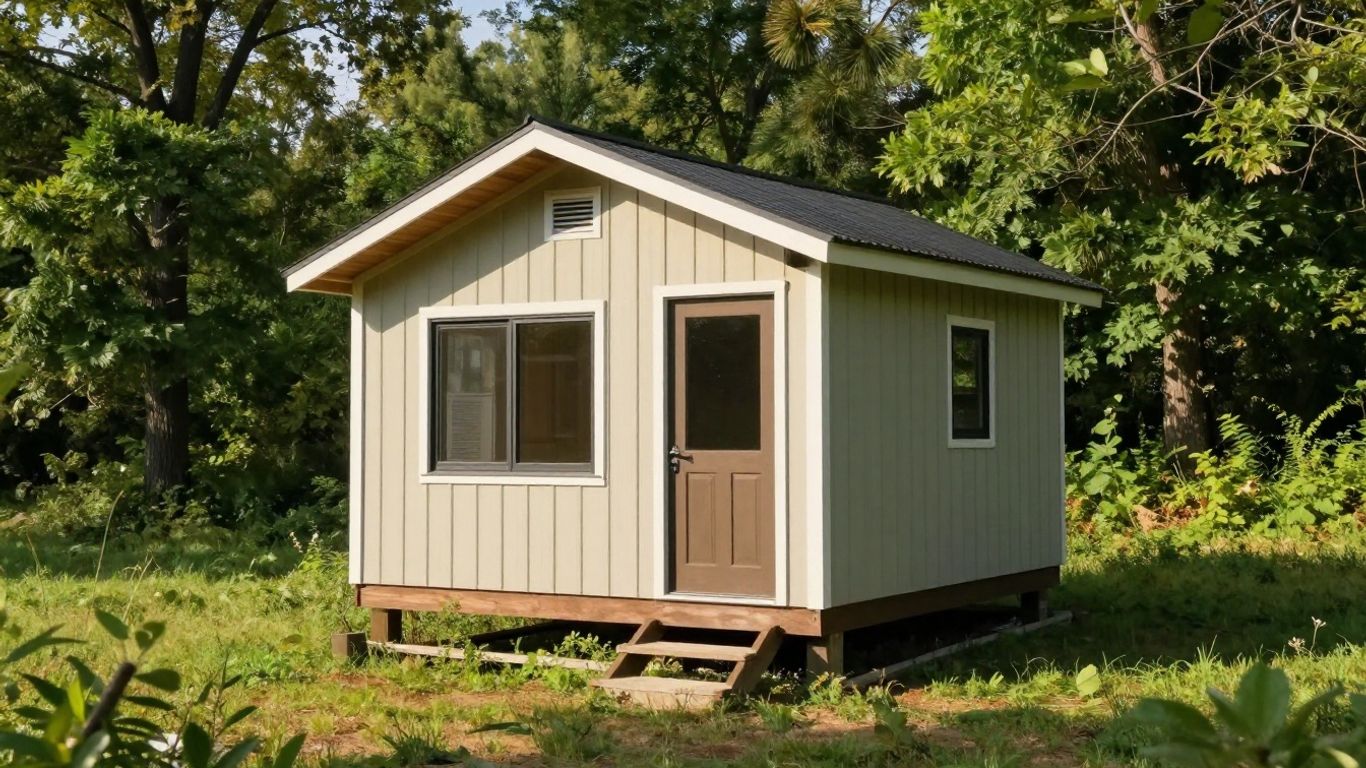
When you’re thinking about a tiny house, it’s super important to know if it’s going to be a permanent fixture or something you can move around. This makes a big difference in what rules you’ll have to follow here in Missouri.
Permanent Foundation-Built Tiny Home Requirements
So, if your tiny house is going to sit on a permanent foundation, it’s generally treated more like a traditional house. This means it needs to meet standard building codes. In some Missouri towns, like Morehouse, they’re pretty specific: your tiny house must be on an enclosed, permanent foundation and follow the latest versions of the International Building, Electrical, and Plumbing Codes. It’s not just about the structure itself; you’ll also need to make sure you have proper utility hookups – water, sewer or septic, and electricity. These requirements can get stricter the more populated an area is. Rural spots might be more relaxed, but you still need to check the local zoning laws.
Regulations for Tiny Homes on Wheels (THOWs)
Tiny homes on wheels, or THOWs, are a whole different ballgame. Because they can be moved, they’re often classified as Recreational Vehicles (RVs) or sometimes mobile homes. This classification really impacts where you can legally park them. You can’t just put a THOW anywhere. Usually, they’re restricted to designated RV parks or specific tiny house communities where the zoning has already been sorted out. Some places might allow them as accessory dwelling units (ADUs) on private property, but this comes with its own set of rules, like minimum lot sizes. For example, Franklin County allows ADUs but they can’t be mobile homes, and they have size limits. It’s crucial to verify the specific classification and parking rules with your local authorities before you buy or build a THOW. You might also need certification from groups like RVIA or NOAH to show your THOW meets safety standards, especially if you’re parking it in an approved community.
Temporary and Transitional Structure Guidelines
Sometimes, a tiny house might be a temporary solution, like for a construction site office or a short-term rental. The rules for these can be even more varied. Often, temporary structures don’t have to meet the same stringent building codes as permanent dwellings, but they might have time limits on how long they can stay in place. You’ll likely need a permit for temporary placement, and there could be rules about site preparation and utility access, even if it’s just for a short period. These guidelines are usually set by the local planning or zoning department, so it’s always best to have a conversation with them about your specific situation. It’s a good idea to research local zoning laws to get a clearer picture of what’s allowed in your chosen area.
Ownership Costs and Financial Planning for Missouri Tiny Home Owners
Building and Purchase Costs in Missouri
So, you’re thinking about a tiny home in Missouri? That’s awesome! But before you get too deep into the dream, let’s talk about the money side of things. Building or buying a tiny house here can range quite a bit. We’re generally looking at somewhere between $30,000 and $70,000. What makes the price jump around? Well, it’s a mix of things: how big you want it, the materials you pick (fancy wood or basic stuff?), how much labor costs in that specific area, and any special features you’re adding. It’s not just a one-size-fits-all price tag, that’s for sure.
Property Taxes and Registration
Now, about taxes. If your tiny home is on a permanent foundation and sitting on your land in Missouri, you’ll likely have to pay property taxes. The county assessor’s office figures out the value of your land and any structures on it, including your little house. It’s just like any other home in that regard. If you’re going the tiny house on wheels (THOW) route, things get a bit different. You’ll probably need to register it, kind of like an RV or a trailer, and there will be associated fees and taxes for that. It’s definitely something to look into for the specific county you plan to park it in.
Financing and Insurance Options for Tiny Homes
Getting a loan or insurance for a tiny home can sometimes be a little trickier than for a traditional house, but it’s totally doable. Some banks are getting more familiar with tiny home loans, especially if your house is built on a permanent foundation and meets local building codes. For THOWs, you might look into RV loans or personal loans. Insurance-wise, you’ll want to find a company that understands tiny homes. They’ll look at whether it’s on wheels or a foundation, its construction, and where it’s located. Getting the right insurance is super important to protect your investment.
Here’s a quick rundown of what to consider:
- Financing: Explore traditional mortgages (for foundation homes), RV loans, personal loans, or even builder financing if available.
- Insurance: Look for policies that cover tiny homes specifically, considering factors like mobility, construction type, and location.
- Registration/Titling: Understand the requirements for registering a THOW as an RV or trailer in Missouri.
- Property Taxes: Factor in annual taxes based on the assessed value of your land and dwelling.
Don’t forget to budget for ongoing costs like utilities, maintenance, and potential storage fees if you move your THOW seasonally. Planning for these expenses upfront can save a lot of headaches down the road.
Working with Builders and Navigating Permitting Processes
So, you’ve decided to go tiny in Missouri. That’s awesome! But before you start dreaming about your cozy new space, you’ve got to deal with the practical stuff: finding the right builder and getting all your permits sorted. It sounds like a headache, I know, but it’s totally doable if you break it down.
Benefits of RVIA-Certified Builders
When you’re looking for someone to build your tiny home, especially if it’s on wheels (a THOW), you’ll see terms like RVIA certification pop up. What’s the big deal? Well, an RVIA-certified builder has met specific standards set by the Recreational Vehicle Industry Association. This means their construction practices, electrical work, and plumbing generally meet a recognized industry benchmark. For THOWs, this certification can make a huge difference when it comes to registration, insurance, and even finding a place to park it legally. It’s like a stamp of approval that says, ‘Yep, this was built right.’ It can simplify things later on, especially if you plan to move your home around.
Securing Permits and Inspections
This is where things can get a little tricky, and it really depends on where in Missouri you plan to put your tiny home. If you’re building a permanent foundation home, you’ll likely need a traditional building permit. This usually involves submitting detailed plans to your local building department. They’ll want to see how your home meets local building codes, which might include specific requirements for foundations, electrical, plumbing, and structural integrity. You’ll also have inspections at various stages of construction. Think of it like this:
- Initial Plan Review: They check your blueprints before you even break ground.
- Framing Inspection: Before insulation and drywall go up.
- Rough-in Inspection: For electrical, plumbing, and mechanical systems.
- Final Inspection: Once everything is complete, to get your Certificate of Occupancy.
For tiny homes on wheels, the process can be different. Sometimes, they’re treated more like RVs. If you’re placing it in an RV park or a designated tiny home community, the community itself might handle some of the zoning hurdles, but you’ll still need to show that your home meets certain standards, possibly through RVIA or NOAH (National Organization of Alternative Housing) certification.
Ensuring Compliance Throughout the Build
Staying compliant isn’t just about the final inspection; it’s a process that starts from day one. It’s about working closely with your builder and your local authorities. Don’t be afraid to ask questions. If your builder isn’t familiar with tiny home specific codes or Appendix Q of the IRC (International Residential Code), that might be a red flag. You want a builder who understands the unique challenges and requirements of building a small, efficient dwelling. Sometimes, local officials might not have a lot of experience with tiny homes, so being prepared with information and maintaining open communication can smooth out a lot of potential bumps. It’s all about making sure your tiny dream home is not only beautiful but also safe and legal.
Building a tiny home involves a lot of moving parts, from choosing the right materials to understanding local ordinances. It’s wise to get a handle on the permitting process early on, ideally before you even commit to a builder or a specific piece of land. This proactive approach can save you a ton of stress and unexpected costs down the line.
Wrapping Up Your Tiny Home Journey in Missouri
So, building or buying a tiny home in Missouri isn’t quite as simple as just picking a spot and setting up shop. We’ve seen that rules really change depending on where you are in the state, and whether your tiny home is on wheels or a foundation. It’s a bit of a patchwork quilt of regulations out there. But don’t let that stop you! Doing your homework on local laws and talking to the right people is key. With a little planning and effort, making your tiny home dream a reality in Missouri is totally doable.
Frequently Asked Questions
What exactly is a tiny home according to Missouri’s rules?
Missouri doesn’t have one single definition for tiny homes that applies everywhere. Generally, tiny homes are small houses, often under 400 square feet. Whether it’s on a foundation or wheels can change how the rules apply. It’s best to check with the specific city or county where you plan to put your tiny home.
Can I live in a tiny house all year round in Missouri?
Yes, you can live in a tiny house full-time in Missouri. However, you must follow the local laws and zoning rules. Always talk to your local government officials to make sure your tiny home meets all the requirements, including any necessary inspections.
Where can I legally put a tiny house in Missouri?
You have a few options for placing a tiny house in Missouri. Some people choose tiny house communities or RV parks. You might also be able to place one on private land, but this depends heavily on local zoning laws. Some counties, like Lawrence County, have very few rules, making them more open to tiny homes.
Do I need special permission to build a tiny house?
In most cases, yes, you will need building permits. The process involves checking zoning laws, submitting building plans, and getting inspections. If your tiny house is on wheels (THOW), it might be treated like an RV, which has its own set of rules and might not be allowed everywhere, especially within city limits.
How much does it typically cost to build or buy a tiny house in Missouri?
The cost can vary a lot, but building a tiny house in Missouri usually costs between $30,000 and $70,000. The price depends on the size, the materials used, how much labor is needed, and any special features you want. Buying a pre-built tiny home will also have its own price range.
Are there any specific counties in Missouri that are more welcoming to tiny homes?
Yes, some counties are more open to tiny homes than others. For example, Lawrence County has very few zoning restrictions or building laws, making it a great spot. Franklin County allows tiny homes as accessory dwelling units (ADUs) under certain conditions, like size limits and lot size requirements.
Explore more tiny home living, design, downsizing, building, and lifestyle resources.