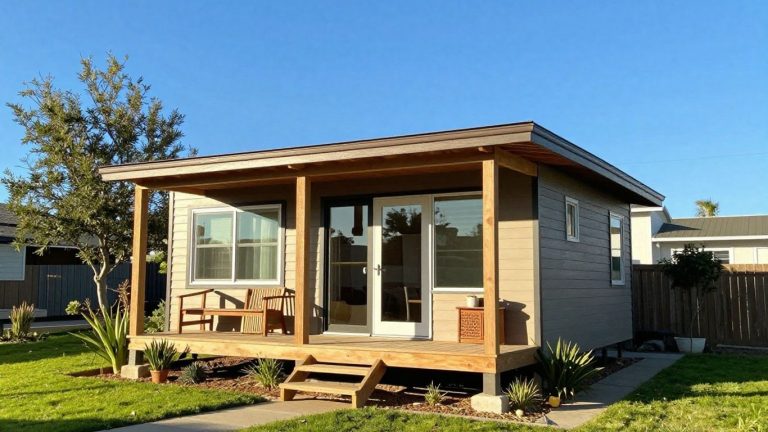
A Beginner’s Guide to Off Grid Living in South Carolina: Tips, Challenges, and Local Resources

Thinking about ditching the utility bills and living a more self-sufficient life in South Carolina? You’re not alone! Many folks are drawn to the idea of off grid living in South Carolina, seeking a simpler, more connected way of life. It’s a big change, for sure, and it comes with its own set of unique challenges and rewards, especially when you consider the Palmetto State’s specific environment and rules. This guide aims to give you a good starting point, covering what you need to know before you pack your bags and head for the hills.
Key Takeaways
- Choosing the right land is a big deal for off grid living in South Carolina; think about location, resources, and size.
- Sustainable power, like solar, and smart water sourcing are the backbone of any off-grid setup.
- Building your own place, maybe a tiny home, can be more practical than trying to fix up an old house.
- Be ready for challenges like managing resources carefully and dealing with isolation, but also for the freedom it brings.
- South Carolina has its own climate and regulations you’ll need to understand, so find local help.
Understanding Off-Grid Living in South Carolina
Defining Off-Grid Independence
So, what does it really mean to live off the grid? At its core, it’s about disconnecting from public utilities – no city water, no sewer lines, and most importantly, no electric company dictating your power usage. It’s a lifestyle choice focused on self-reliance. This doesn’t automatically mean living in a rustic cabin with no modern conveniences, though. Some folks might have solar panels and a generator, while others might go completely without electricity. The key is that you’re not tied to the grid. It’s about taking control of your resources and your life in a way that feels right for you.
Degrees of Off-Grid Living
Just like there are different ways to homestead, there are many levels of off-grid living. You might be fully disconnected, relying solely on natural resources and your own ingenuity. Or, you could be partially off-grid, perhaps using solar power but still connected to a well for water. Some people might have a small generator for backup or a connection to the internet for communication and entertainment. It’s not a one-size-fits-all situation. You get to decide how far off the grid you want to go, based on your needs, your budget, and your comfort level. It’s a journey, and you can take it step by step, adjusting as you learn.
Benefits of Self-Sufficiency
Why would someone choose this path? For many, it’s about freedom. Freedom from rising utility bills, freedom from reliance on external systems, and the freedom to live more in tune with natural cycles. There’s a deep satisfaction that comes from providing for yourself, whether it’s growing your own food, generating your own power, or managing your own water. It can lead to a simpler, more intentional life, often with a stronger connection to nature and a greater appreciation for the resources we often take for granted. Plus, the skills you learn along the way are incredibly empowering.
Living off the grid often means a significant shift in mindset. You become much more aware of your resource consumption, from water usage to energy expenditure. This heightened awareness can lead to a more sustainable and mindful way of living, even beyond the practicalities of utility independence.
Securing Land for Your Off-Grid Homestead
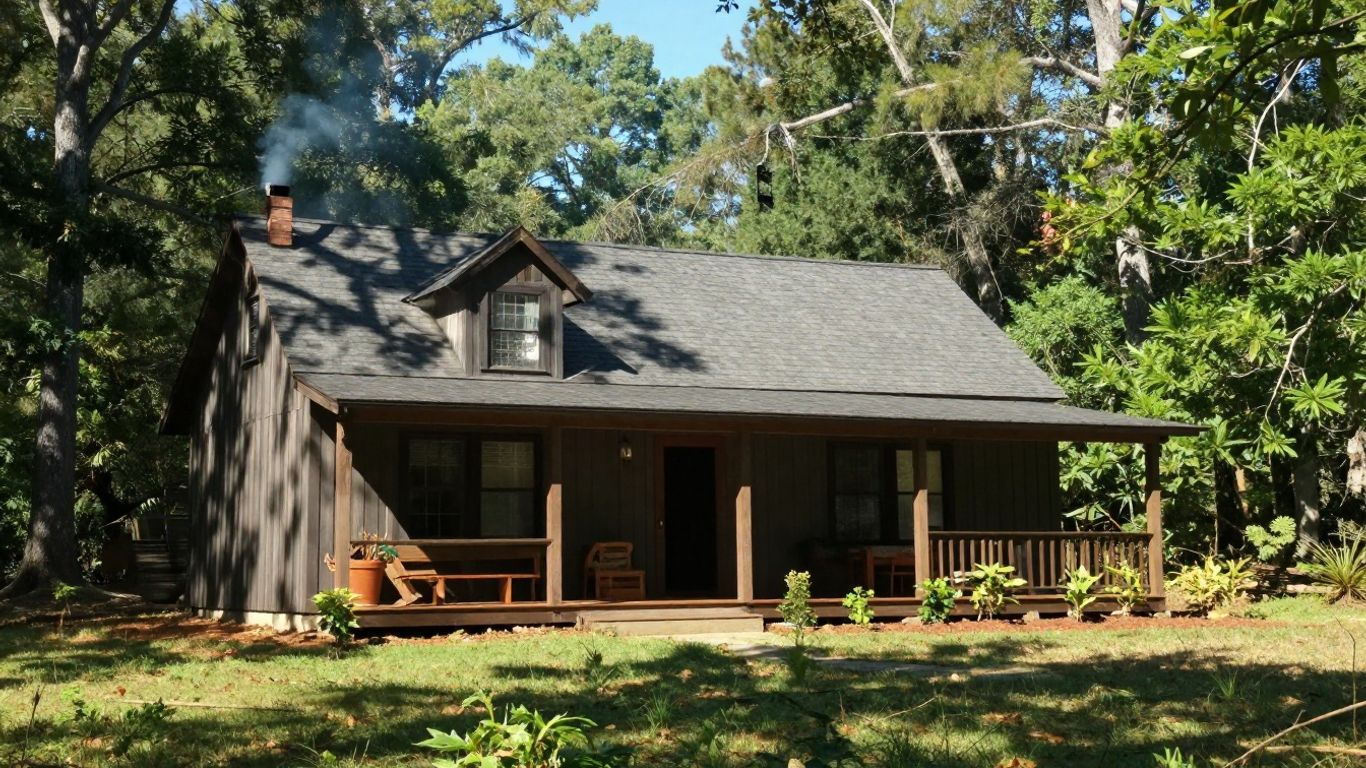
Finding the right piece of land is probably the biggest first step when you’re thinking about living off the grid. It’s not like just buying a regular house; you need to consider a lot more. Urban and suburban areas often have rules, like HOAs and building codes, that can make off-grid living really tough, if not impossible. Plus, land in those places can cost a fortune. So, most folks looking to go off-grid end up looking in more rural spots.
Choosing the Right Location
When you’re scouting for land, think about what you really need. Do you want to be totally isolated, or have neighbors within a reasonable distance? What about access? Will you need a sturdy vehicle to get there year-round, or is it easily accessible? It’s also smart to check out the local regulations. Some areas are more welcoming to off-grid setups than others. You’ll want to look into property taxes too, as those can add up. The goal is to find a place that’s affordable, legal for your intended lifestyle, and has the natural resources you’ll need.
Assessing Land Resources
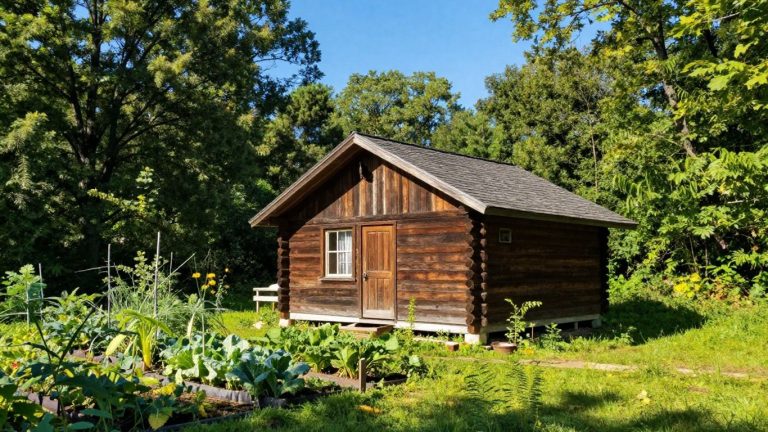
Once you’ve got a few potential spots in mind, it’s time to get down to brass tacks. What’s actually on the land? Water is a big one. Is there a well, a natural spring, or is rainwater catchment your best bet? You’ll also want to think about the soil if you plan on gardening. Does it look fertile, or will you need to do a lot of amending? Sunlight is another key resource, especially if you’re planning on solar power. A spot with good sun exposure year-round is a huge plus. You might also want to check out the local climate and growing seasons to see what you can realistically grow.
Here’s a quick rundown of things to look for:
- Water Source: Well, spring, creek, or potential for rainwater harvesting.
- Sunlight Exposure: South-facing slopes are great for passive solar heating and solar panels.
- Soil Quality: For gardening and potential building foundations.
- Timber/Natural Resources: Wood for heating or building, potential for foraging.
- Accessibility: Year-round access, road maintenance.
Determining Necessary Land Size
How much land do you actually need? That’s a question that really depends on your plans. If you’re just looking for a small cabin and a garden, maybe an acre or two is plenty. But if you plan on raising livestock, growing a significant portion of your own food, or even having a small woodlot, you’ll need more space. Some people are happy with a quarter-acre, while others feel they need hundreds of acres. It’s a personal decision based on your self-sufficiency goals and how you plan to use the land. Don’t forget that there are off-grid properties available in South Carolina if you’re looking to buy.
It’s often better to start with a bit more land than you think you’ll need. You can always subdivide or sell off excess later, but you can’t easily add more land if you find yourself cramped. Consider how much space you’ll need for outbuildings, gardens, animals, and future expansion.
Essential Off-Grid Systems and Utilities
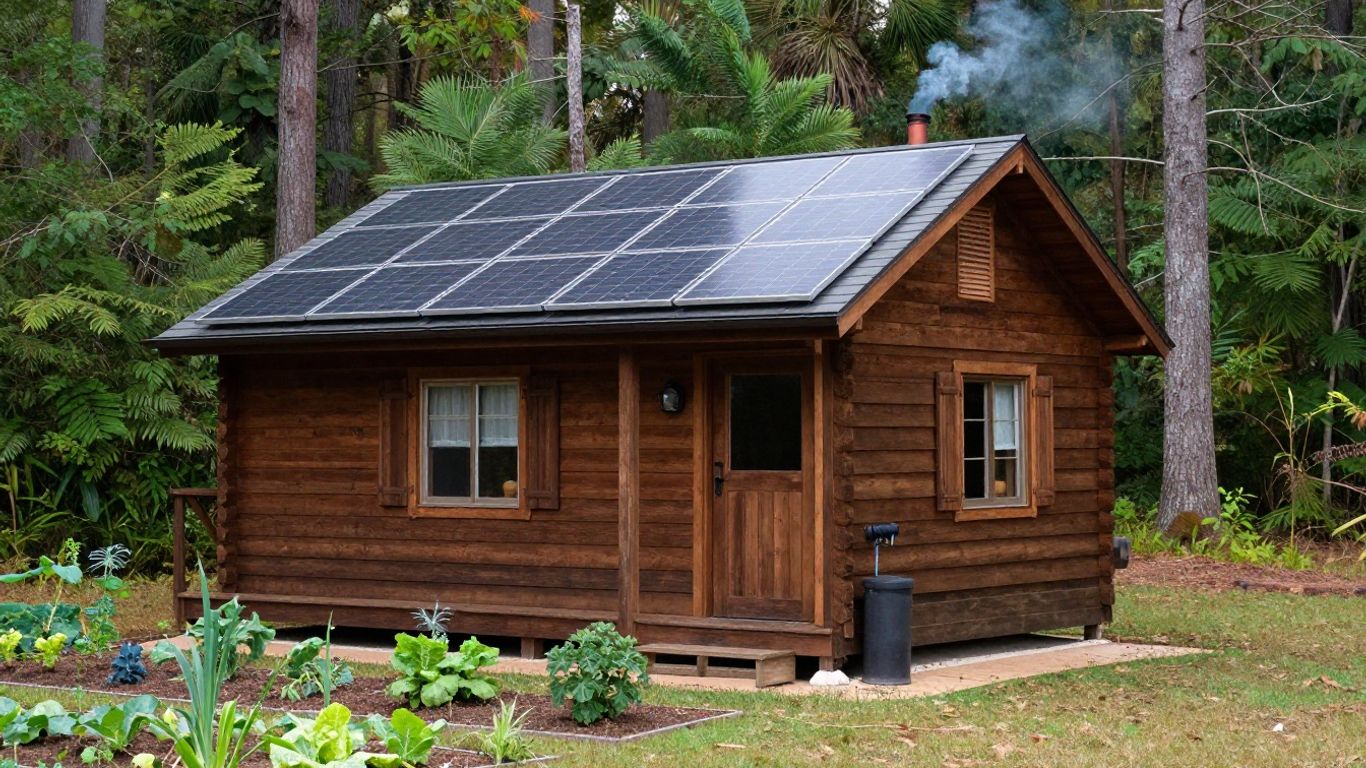
Setting up your own systems for power, water, and waste is a big part of living off the grid. It’s not just about having a place to live; it’s about making sure you have the basics covered without relying on the town’s services.
Sustainable Power Solutions
Power is probably the first thing people think about. Solar panels are super popular for a reason. They capture sunlight and turn it into electricity for your home. You’ll need to figure out how much power you actually use to size your system right. This means looking at all your appliances and how much juice they need. Don’t forget about battery storage; this is where you keep the power you generate for when the sun isn’t shining. Things like charge controllers and inverters are also key parts of the setup. Sometimes, people add wind turbines or even a small generator for backup, especially during cloudy spells or if you have high energy demands. It’s all about creating a reliable power source that works for you.
Water Sourcing and Management
Where will your water come from? A well is a common choice, but digging one and getting a good pump can be a significant investment. If you’re lucky, you might have a natural spring on your property, which is fantastic. Another option is rainwater harvesting. You collect rain from your roof and store it in tanks. This is often more affordable, but you need to make sure your system is clean and that you have enough storage for dry periods. Managing your water use is also important; you don’t want to run out unexpectedly.
Waste Management and Sanitation
Dealing with waste is another area you’ll need to plan for. Septic systems are common for off-grid homes, but they require proper installation and maintenance. Composting toilets are another option that can reduce water usage and create usable compost. For greywater (water from sinks and showers), you might be able to set up a system to filter and reuse it for irrigation. Proper waste management is not only about convenience but also about protecting your local environment. You’ll want to research the South Carolina regulations for waste disposal and sanitation to make sure you’re compliant and doing things the right way. It’s a bit less glamorous than solar panels, but just as important for healthy living.
Building Your Off-Grid Dwelling
So, you’ve got the land and you’re ready to build. This is where the real fun begins, right? But building an off-grid home isn’t quite like building a regular house. You’ve got to think about how everything will work without plugging into the town’s power or water. It’s a bit of a puzzle, but a rewarding one.
Tiny Home Efficiency
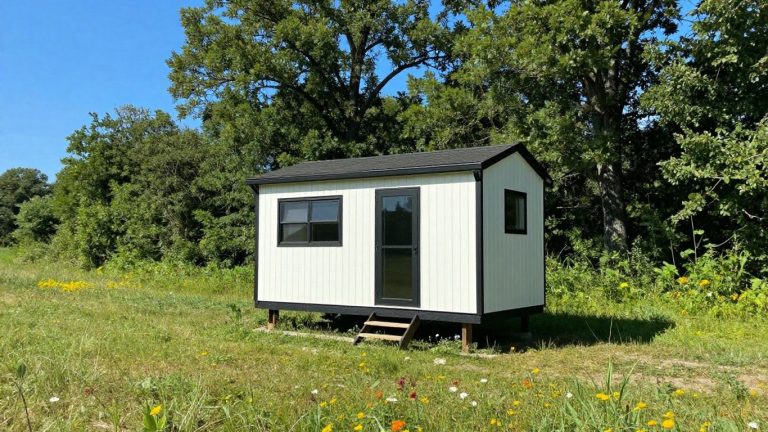
Lots of folks going off-grid are looking at tiny homes, and for good reason. They’re just plain more efficient. Think about it: less space to heat, less space to cool, and fewer materials to build with. This means less energy needed, less water used, and a smaller footprint on your land. Plus, they can be a lot cheaper to build, which is a big plus when you’re trying to be self-sufficient. You can get really creative with storage and multi-use furniture to make a small space feel much bigger than it is. It’s all about smart design.
Alternative Building Methods
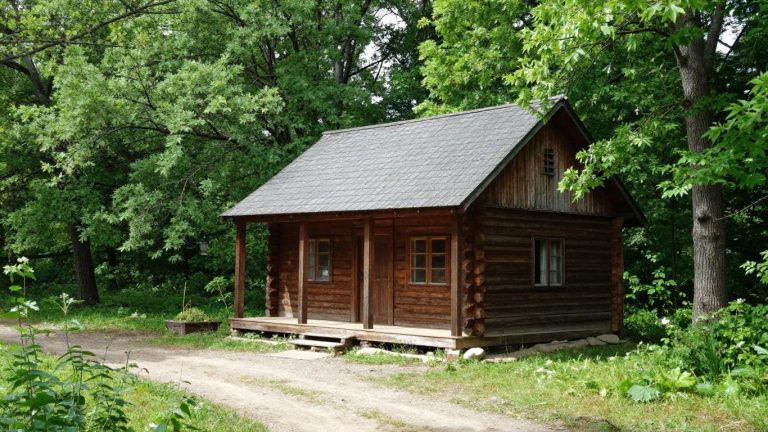
Forget just log cabins; there are tons of ways to build an off-grid home that are sturdy and sustainable. You don’t have to be a master carpenter to get started with some of these. For instance, Earthships use old tires packed with dirt for walls – pretty wild, huh? Rammed earth, using soil from your own site, is another option, though it works best in drier spots. And then there’s straw bale construction, which is surprisingly strong and a great insulator. These methods often use natural or recycled materials, which is good for the planet and can save you money.
Here are a few ideas to get you thinking:
- Earthship Homes: Built with rammed earth tires, they’re super durable and use passive solar design.
- Rammed Earth: Uses local soil compressed into walls. Great for stable temperatures.
- Straw Bale: Excellent insulation properties, creating cozy and quiet homes.
- Underground Homes: Utilizes the earth’s natural insulation for temperature regulation year-round.
Retrofitting Existing Structures
Sometimes, you might find an existing building on your land, or maybe you’re thinking about buying a fixer-upper. You can definitely make an older place work for off-grid living, but be prepared for some challenges. Modern homes are built with the grid in mind, so taking away that support can show you where they’re lacking. You might need to do some serious upgrades to insulation, heating, and plumbing to make it efficient enough for off-grid life. It can be a lot of work, and sometimes, building from scratch with your off-grid needs in mind is actually simpler.
Building your own home, or choosing an alternative method, allows you to design for self-sufficiency from the ground up. You can integrate solar panels, rainwater catchment, and efficient heating systems right into the structure, making your off-grid dream a reality from the very first nail.
Navigating Challenges of Off-Grid Life
Living off the grid sounds pretty idyllic, right? No utility bills, living in tune with nature, all that jazz. But let’s be real, it’s not always sunshine and perfectly filtered rainwater. There are definitely some hurdles to jump over, and knowing about them beforehand can save you a lot of headaches. It’s a big change, and being prepared for the tough stuff is just as important as planning for the good parts.
Resource Limitations and Conservation
This is probably the biggest one. When you’re off-grid, you’re responsible for your own power, water, and sometimes even your own food. This means you have to be super mindful of how much you use. Forget leaving the water running while you brush your teeth; every drop counts. You’ll become intimately familiar with your power usage, too. That fancy new appliance might be tempting, but can your solar panels handle it? It’s a constant balancing act.
- Water: You’ll likely rely on wells, rainwater harvesting, or hauling water. This requires careful monitoring and conservation. Think about greywater systems for non-potable uses.
- Power: Solar, wind, or hydro systems need maintenance and a backup plan for cloudy or windless days. Understanding your energy needs is key.
- Waste: Composting toilets and managing household waste become standard practices. It’s not glamorous, but it’s necessary.
You’ll find yourself developing a whole new appreciation for resources you once took for granted. It’s a steep learning curve, but incredibly rewarding when you get it right.
Isolation and Community Building
Depending on where you set up your homestead, you might find yourself pretty far from the nearest neighbor. While some folks seek out this solitude, it can also lead to feelings of isolation. Getting supplies can be a trek, and if you need help in an emergency, you might be on your own for a while. Building a strong local community, even if it’s just a few like-minded neighbors, becomes really important. Sharing skills, resources, and even just company can make a huge difference. Don’t underestimate the power of a good neighborly relationship when you’re living off the grid.
Developing Essential Skills
When you’re not relying on public utilities, you become the utility company. This means you’ll need to learn a whole host of new skills. Things like basic plumbing and electrical work, maintaining your power system, gardening, preserving food, and even basic mechanics for any vehicles or equipment you have. It can feel overwhelming at first, but there are tons of resources out there, from books to online tutorials, and of course, learning from experienced folks is invaluable. Think of it as a continuous education in self-reliance.
Local Considerations for South Carolina
When you’re thinking about living off the grid in South Carolina, there are a few specific things to keep in mind. It’s not just about setting up solar panels and a well; you’ve got to consider the local flavor of the Palmetto State.
Climate and Growing Seasons
South Carolina’s climate is pretty varied, from the coast to the upstate. You’ll generally find a humid subtropical climate, which means hot, sticky summers and mild winters. This is actually great news for gardeners! You can have a pretty long growing season, often extending well into the fall and even winter in some areas.
- Coastal Plain: Longer growing season, but watch out for hurricanes and high humidity.
- Piedmont: Moderate temperatures, good for a wide variety of crops.
- Mountains: Shorter growing season, cooler temperatures, but beautiful scenery.
Knowing your specific microclimate will help you choose what to grow and when. It also impacts your energy needs – those hot summers mean you’ll be running fans or AC more, and while winters are mild, you’ll still need some heat. Understanding the local climate is key to planning your food production and energy usage.
State Regulations and Building Codes
This is where things can get a little tricky, but it’s super important. South Carolina is generally pretty open to off-grid living, but there are still rules. You can’t just build anything anywhere without checking.
- Zoning Laws: Different counties and municipalities have their own rules about where you can live and what kind of structures are allowed. Make sure your chosen land is zoned for residential use, even if it’s off-grid.
- Building Codes: While some areas might be more lenient, most places have building codes for safety. This often includes requirements for sanitation, structural integrity, and sometimes even energy efficiency. You’ll want to look into what’s required for things like septic systems or well water.
- Permitting: Even for off-grid setups, you might need permits for certain aspects, like drilling a well or installing a septic system. It’s always best to check with your local county building and planning department before you start construction.
It’s wise to do your homework on local ordinances. Sometimes, what seems like a simple off-grid dream can hit a snag with a regulation you didn’t know about. A little upfront research saves a lot of headaches later.
Finding Local Resources and Mentors
Living off-grid can feel isolating sometimes, so connecting with others is a big deal. South Carolina has a growing community of folks who are into sustainable living, homesteading, and self-sufficiency.
- Farmers Markets: These are great places to meet local growers, learn about what thrives in the area, and find potential mentors. You can also get a feel for the local food scene.
- Homesteading Groups: Look for local or regional homesteading or off-grid living groups online or through community centers. These groups often share knowledge, resources, and sometimes even labor for projects.
- Cooperative Extension Offices: Your local Clemson Extension office is a fantastic resource. They have experts on everything from gardening and livestock to water quality and small-scale farming. They can provide tailored advice for South Carolina conditions.
Don’t be afraid to ask questions and seek out people who have been doing this for a while. Most folks in the off-grid community are happy to share what they’ve learned. Finding a good mentor can make a huge difference in your journey.
Embracing the Off-Grid Journey in South Carolina
So, you’ve explored the ins and outs of living off the grid in South Carolina. It’s definitely a big change, and honestly, it’s not for everyone. But if the idea of more independence and a simpler life calls to you, it’s totally achievable. Remember, it’s a learning process, and you don’t have to do it all at once. Start small, do your homework, and connect with others who are already on this path. The resources and communities here in South Carolina can help you get started. It might be a challenge, but many find the freedom and connection to nature that comes with it is well worth the effort.
Frequently Asked Questions
What does it mean to live off the grid?
Living off the grid means you’re not connected to public utilities like the electric company, city water, or sewer systems. You’re responsible for providing your own power, water, and managing your waste.
Is it hard to live without electricity?
It can be a big change at first. You learn to use power wisely, maybe relying on things like solar panels for electricity. Many people find they don’t miss electric lights as much as they thought they would, but managing water can be a bigger adjustment.
How do off-grid homes get power?
Common ways to get power off the grid include solar panels, which use sunlight, and wind turbines, which use wind. Some people also use generators for backup power when the sun or wind isn’t enough.
Where does off-grid water come from?
Water can come from wells dug into the ground, natural springs, or by collecting rainwater. Managing water use carefully is very important because it’s a limited resource.
What are the biggest challenges of living off the grid?
Some main challenges include dealing with limited resources like water, feeling isolated sometimes, and needing to learn many new skills to take care of everything yourself. It requires a lot of planning and effort.
Do I need a lot of land to live off the grid?
The amount of land you need really depends on your plans. Some people live comfortably on a smaller piece of land, especially if they have a tiny home. Others might need more space if they plan to grow a lot of food or raise animals.
Explore more tiny home living, design, downsizing, building, and lifestyle resources.
- Tiny Homes for Rent in Wyoming: Wild West Getaways to Book
- Tiny Homes for Rent in Washington: Forest Escapes & Cozy Stays
- Tiny Homes for Rent in Utah: Red Rock Retreats to Book
- Tiny Homes for Rent in Oregon: Forest Retreats You’ll Love
- Tiny Homes for Rent in New Mexico: Desert Gems & Starry Skies
- Tiny Homes for Rent in Nevada: Desert Hideaways Worth Booking